Triumph Daytona 955i
The Triumph Daytona 955i has a top speed of 270 km/h, produces 147 hp and weighs 198 kg. Motoryk rates it 8/10.
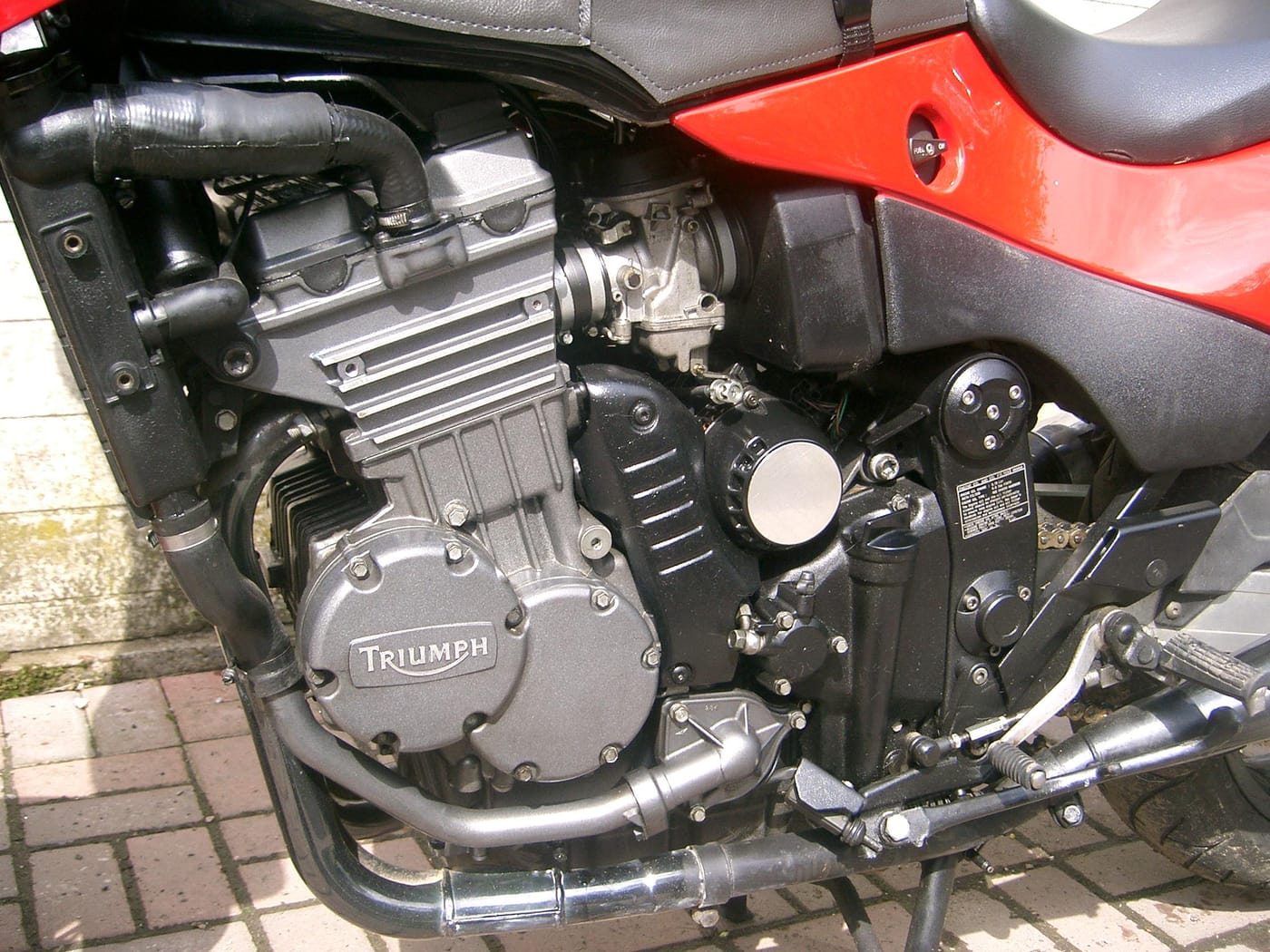
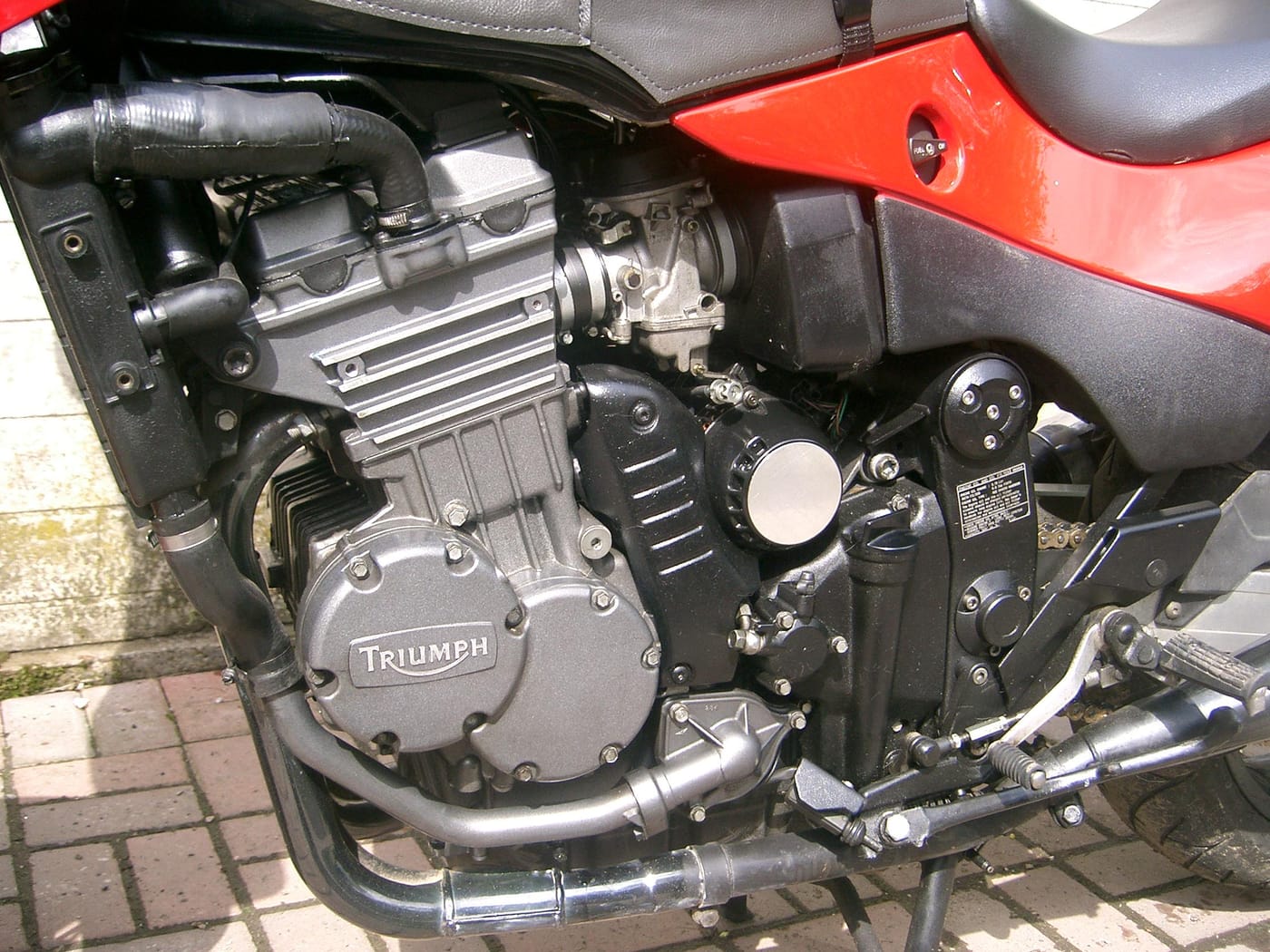
The Triumph Daytona 955i was introduced in 1997 as a successor to the Daytona 900, featuring Triumph's iconic 955cc inline triple-cylinder engine and marking a significant step forward in the brand's modern sportbike lineup. It received notable updates in 2002 with revised styling, improved fuel injection, and enhanced chassis refinement, competing directly against Japanese superbikes of the era. The 955i remained in production until 2006 when it was replaced by the Daytona 675, and is celebrated for its distinctive exhaust note, strong mid-range torque, and uniquely characterful triple-cylinder powerplant.
147 hp
Power
100 Nm
Torque
198 kg
Weight
270 km/h
Top Speed
6.5 L/100km (approx. 15.4 km/L typical real-world average)
Fuel
Faired
Body
🔧 Service Schedule & Parts
Affiliate · we may earn| Service item | Every | Typical cost | Parts |
|---|---|---|---|
| 🛢️ Engine oil + oil filter | 6,000 km / 3,500 mi or 12 mo | $40-80 | 🛢️ Buy → ⚙️ Buy → |
| 🌬️ Air filter | 12,000 km / 7,500 mi | — | 🌬️ Buy → |
| ⚡ Spark plugs | 12,000 km / 7,500 mi | — | ⚡ Buy → |
| 🔧 Valve clearance check | 24,000 km / 15,000 mi | $250-450 | |
| 🔗 Chain & sprockets | 20000-35000 km (replace) | $150-300 | 🔗 Buy → |
| 🛑 Brake pads | 15000-25000 km | $30-60 | 🛑 Buy → |
| 💧 Brake fluid | 24,000 km / 15,000 mi or 2 yr | — | |
| 🧊 Coolant | 24,000 km / 15,000 mi | — | |
| 🛞 Tires | 10000-18000 km | $200-400 | 🛞 Buy → |
| 🔩 Major service | 24,000 km / 15,000 mi | $350-650 |
Video Review
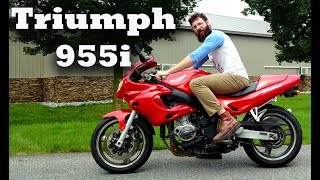
What Buyers Should Know
Watch the Coolant Hoses
The Daytona 955i is known for coolant hose deterioration, particularly the hose running beneath the fuel tank. Always inspect for cracking or leaks before buying, as overheating can cause serious engine damage.
Unique Triple Engine
The 955cc inline triple-cylinder engine delivers a rare combination of torque and top-end power that neither twins nor fours replicate, making it a genuinely distinctive sportbike experience that enthusiasts still seek out.
Stable Collector Value
Well-maintained examples hold value steadily due to a loyal Triumph following and limited production numbers. Low-mileage bikes from the final 2006 model year command a noticeable premium over earlier versions.
Generations & Specs by Year
Introduced 955cc inline-three engine, twin headlights, twin underseat exhausts, replacing the 900 Daytona.
"Britain finally built a proper supersport contender."
The 955 triple rewrites what you expected from Triumph — pull onto a fast A-road and that engine is genuinely electric between 7,000 and 11,000 rpm, with a howl that shames most Japanese fours for character. Chassis is taut without being cruel, though the stock suspension needs a proper setup from a competent shop before you trust it on track — out of the box it wades through corners rather than carving them. The underseat twin exhausts look stunning but cooking your backside on a hot summer ride in traffic is a real, repeated problem nobody mentioned in the launch coverage. Reliability in this first year had its moments — fuel injection mapping was occasionally lumpy below 3,000 rpm and a handful of owners hit early cam chain tensioner grief — but get past those teething issues and this thing aged remarkably well.
Pros
Cons
Revised styling, updated fuel injection mapping, improved suspension settings, new color schemes introduced.
"The triple that embarrassed four-cylinders and proved character matters."
That 955 triple pulls hard from 4,000 rpm with a howl that no Japanese inline-four could replicate — by 8,000 rpm you're genuinely holding on, not just watching a tachometer climb. The Gen 2 suspension settings are a real improvement over the early cars; it actually holds a line through fast, bumpy corners instead of wallowing mid-sweep, though it still runs out of talent faster than the chassis deserves on truly technical roads. Fuel injection mapping is smoother than the original's notorious off-throttle snatch, but cold starts and low-speed town work still feel slightly agricultural compared to a FireBlade of the same era. At 198 kg wet it's no lightweight, and the seat-to-peg relationship puts real pressure on your lower back past 150 miles — this is a sports bike that rewards commitment, not comfort tourists.
Pros
Cons
Significant restyling, new single headlight nose, revised frame geometry, updated Showa suspension components.
"The triple that still embarrasses modern sportsbikes on character."
That 955 triple pulls like nothing else in the class — there's a dense, almost muscular surge from 6,000 rpm that the Japanese fours simply can't replicate, and it keeps building to a screaming 10,700 rpm in a way that makes every back road feel like a gift. The Gen 3 restyling cleaned up the awkward dual-headlight nose into something genuinely aggressive, and the revised Showa suspension finally gave the chassis the front-end feel it deserved — turn-in is precise without being twitchy. Honestly, the ergonomics are punishing past the 90-minute mark; you're properly folded over that clip-on setup, and the heat the motor pumps onto your inner thighs in traffic is relentless. Fuelling below 4,000 rpm is also noticeably abrupt off a closed throttle, a classic early Triumph FI quirk that no amount of gentle rolling eliminates completely.
Pros
Cons
Refined engine internals, updated ECU mapping, revised exhaust system, minor cosmetic and ergonomic updates.
"The triple that still embarrasses modern sport bikes."
That 955 triple pulls from 4,000 rpm with a savagery that catches you off-guard every single time, and the Gen 4 refinements smooth out the old flat spot around 6,500 rpm enough that canyon riding becomes genuinely addictive rather than a constant throttle management exercise. The revised ECU mapping makes the fueling cleaner in the midrange — it's not perfect, still a little abrupt on the way in below 4k — but once you're in the meat of the powerband, nothing from this era sounds or feels quite like it. Ergonomics remain a compromise: the clip-ons punish your wrists on anything longer than two hours, and the heat the engine throws at your inner thighs in summer traffic is real punishment. But point it at a sweeping B-road and the 198 kg disappears; this is a bike that rewards commitment and absolutely destroys confidence in riders who aren't ready for 147 honest horsepower.
Pros
Cons
Used Buyer Review
"A flawed gem that rewards patient buyers who do their homework."
$3,500-$7,500 usedThe Daytona 955i is one of those bikes that makes you feel like a proper rider rather than just a passenger. That triple-cylinder engine is genuinely addictive — it pulls smoothly from low revs then absolutely screams past 6,000rpm in a way no four-cylinder rivals. Triumph nailed the character here, and 20 years later it still feels special. Buying used, though, you need eyes wide open. The fuel injection on early models can run lean and cause hesitation — a Triumph dealer remap fixes it but adds cost. Check the cam chain tensioner religiously; neglected examples can develop a rattle that becomes expensive fast. Bodywork is fragile and increasingly hard to source, so inspect every panel. Ask for full service history and walk away from anything vague. Get a good one with solid paperwork and you'll have a genuinely thrilling sportsbike that still embarrasses modern middleweights through corners. It rewards smooth, committed riding and punishes laziness — exactly what a proper sports machine should do.
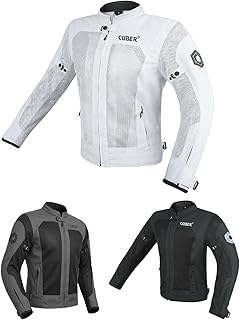
Top 10 Accessories
Curated picks for the Triumph Daytona 955i — owned, ridden, recommended.




Common Problems
🔥 2 CRITICALCold start noise, metallic rattling before oil pressure builds
Weep hole under pump, coolant stains on engine cases
Battery voltage at idle, melted connector near regulator
Fuel smell at idle, rough running on cold start
✅Pre-Purchase Checklist
Solid engine, electrical gremlins need attention
Full Specifications
Rivals & Alternatives
Bikes that buyers cross-shop with the Triumph Daytona 955i
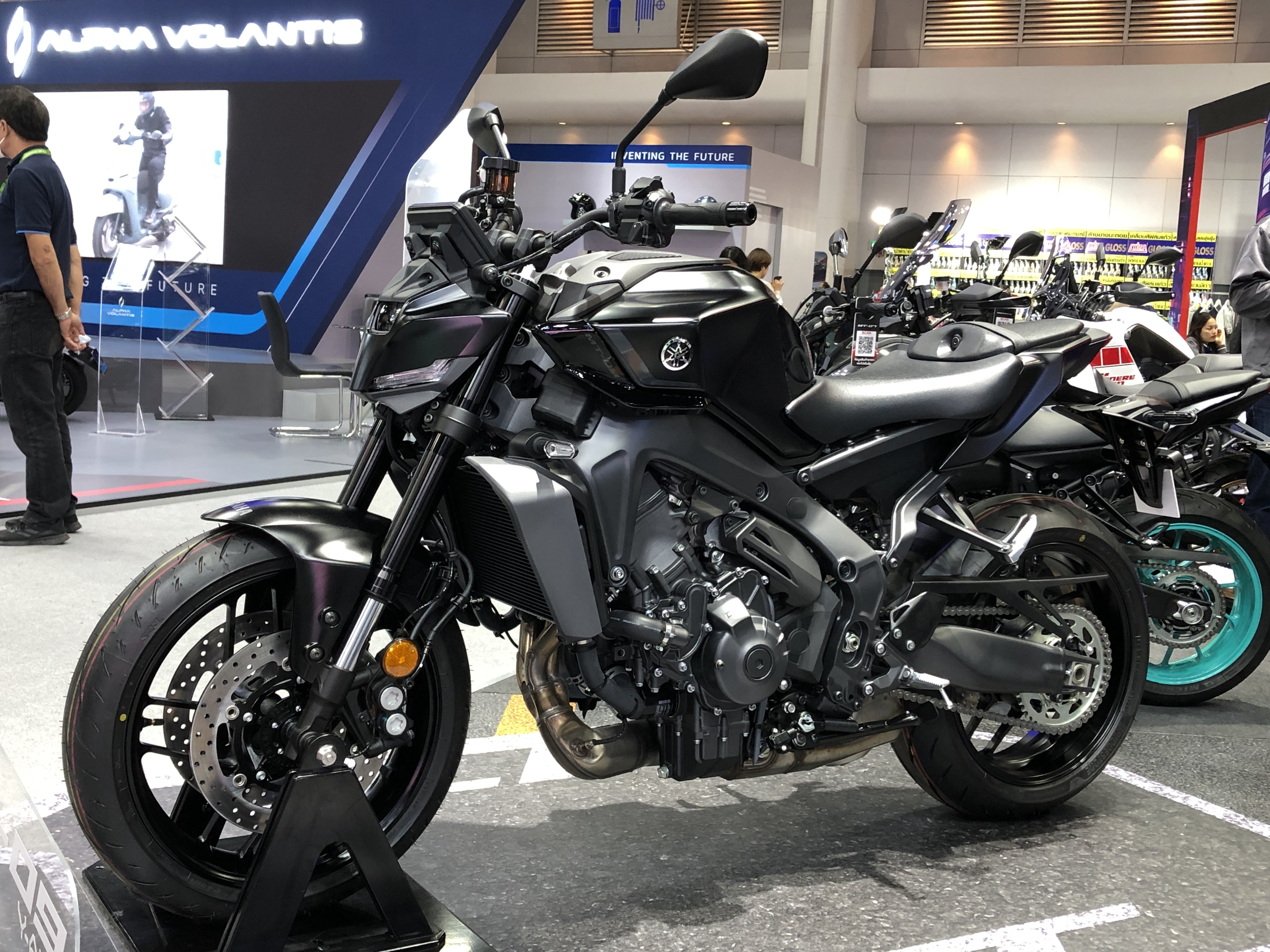
Honda Cbr600rr
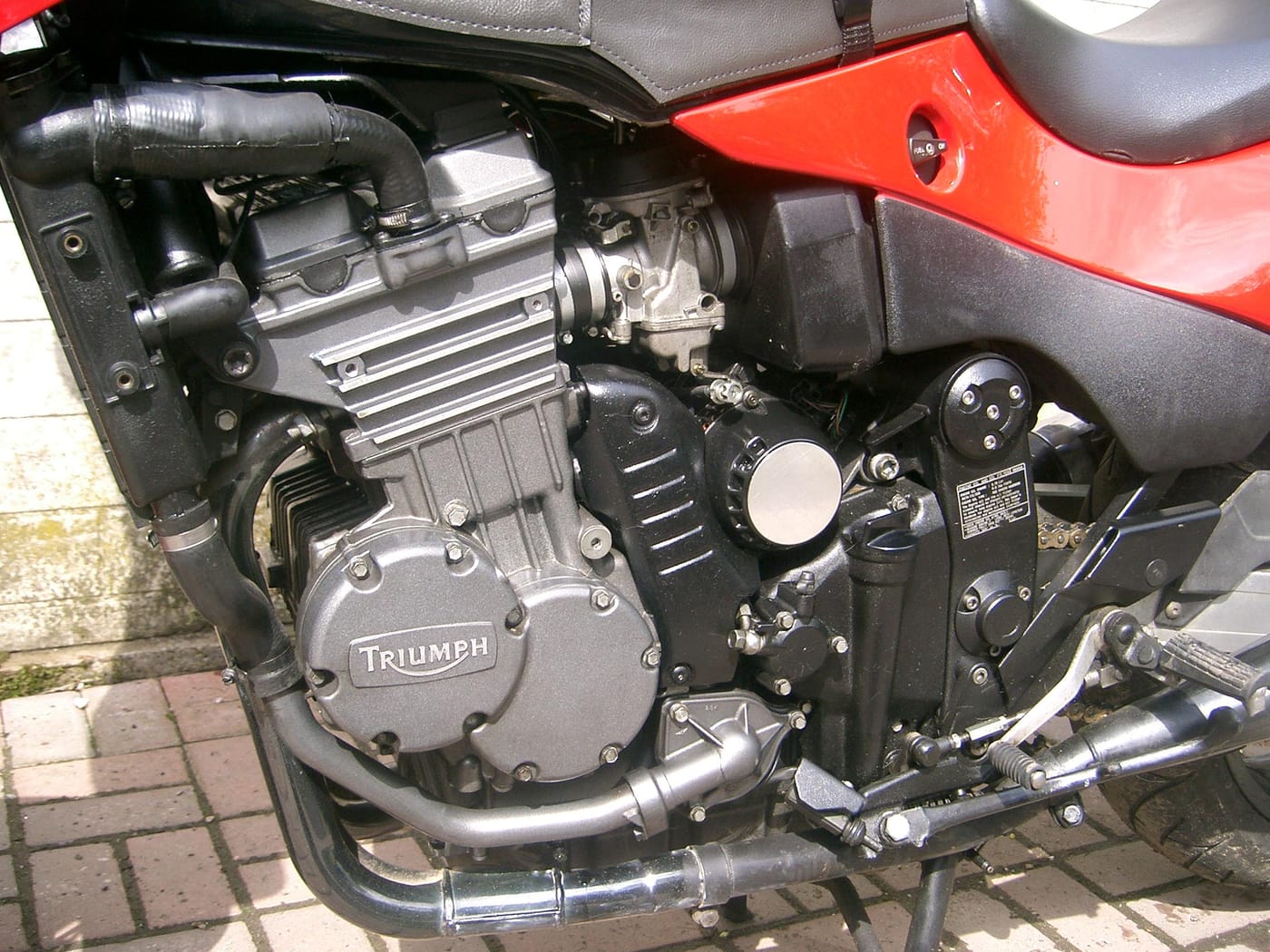
Triumph Daytona 765
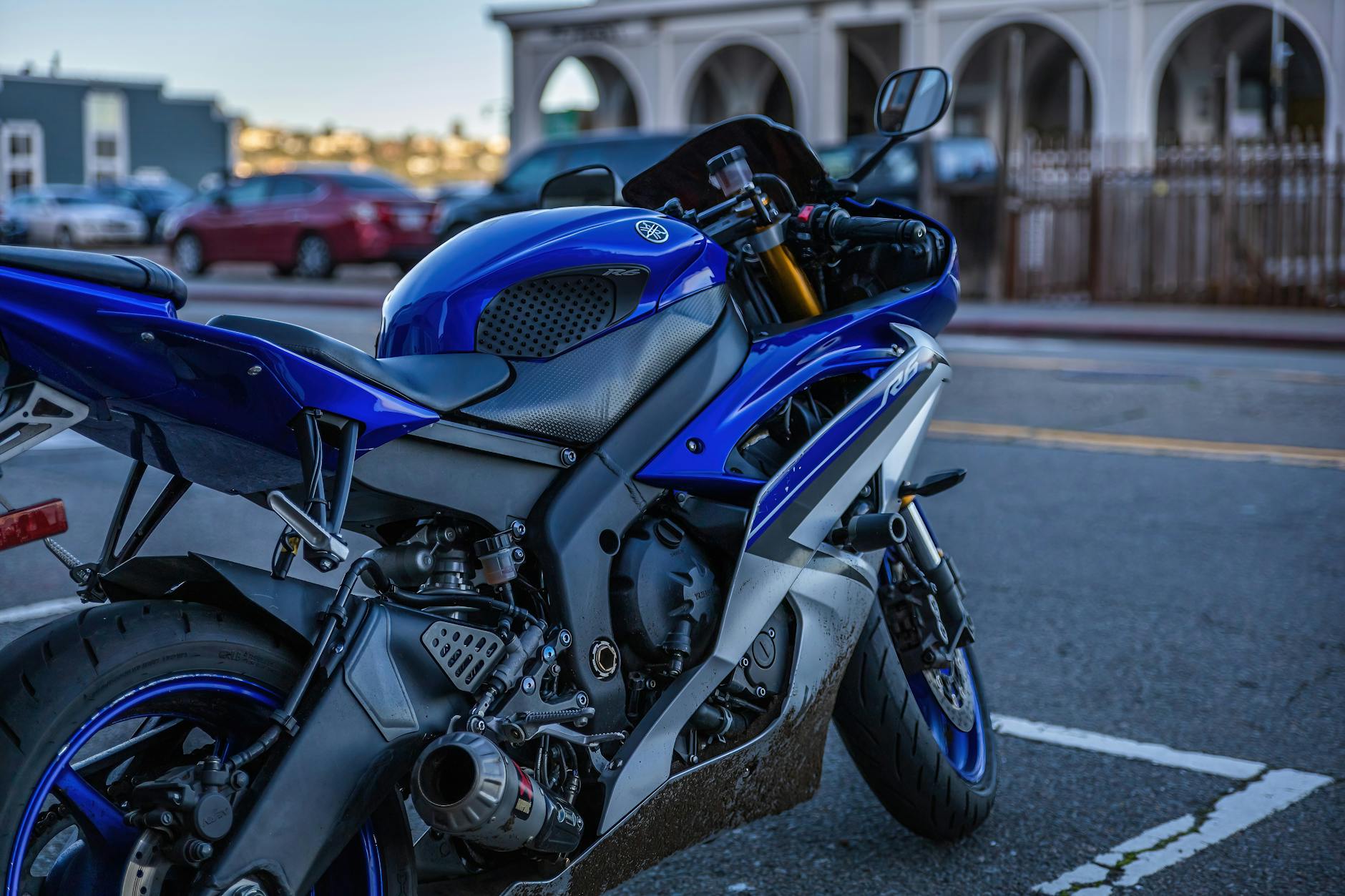
Yamaha Yzf-r6
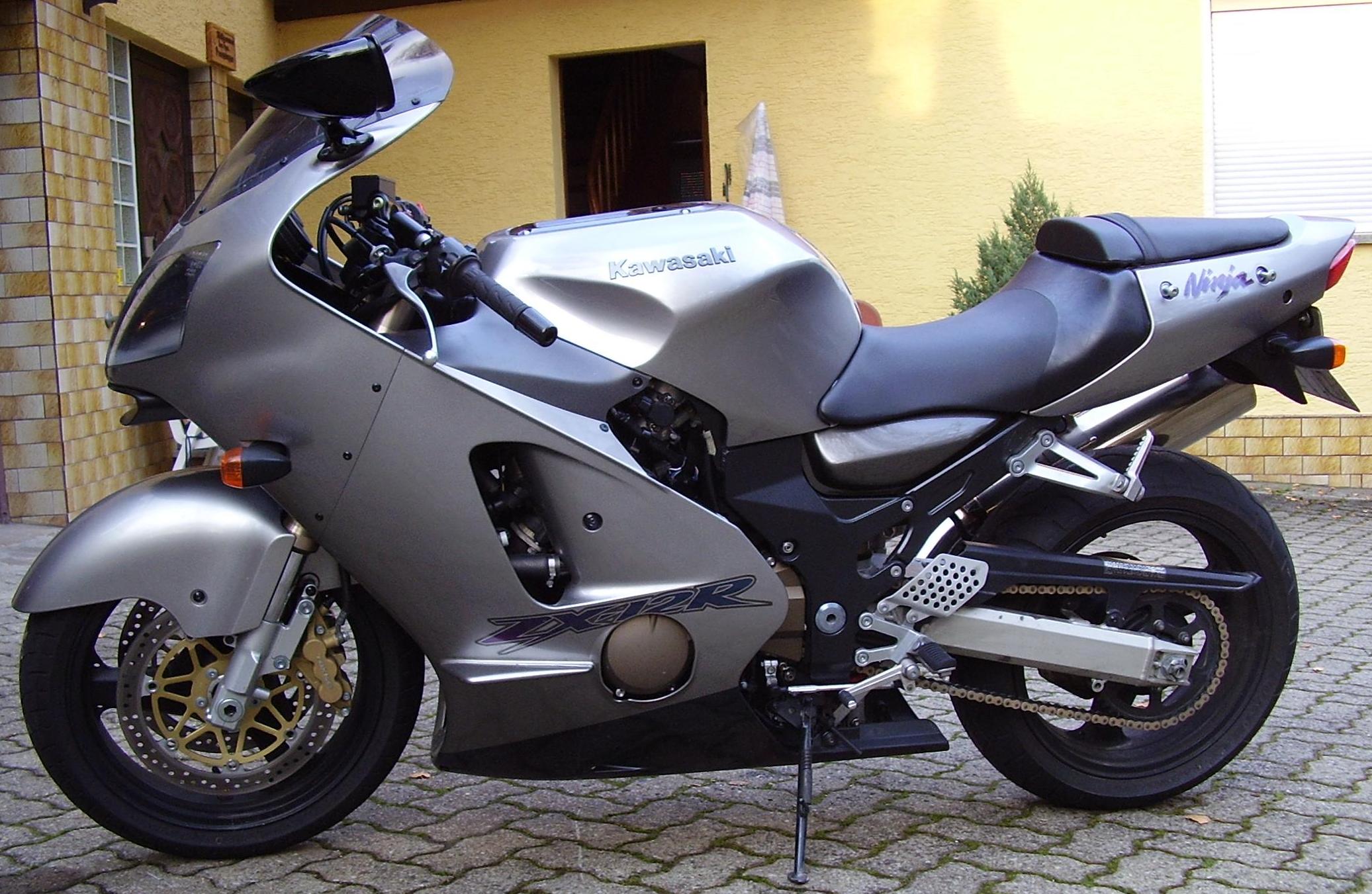
Kawasaki Zx-9r
Triumph Daytona 675
Compare Triumph Daytona 955i Side-by-Side
compare_arrowsSpecs, power, weight & buyer verdict — head-to-head with the bikes most often cross-shopped.
Triumph Daytona 955i vs Honda Cbr600rr
Specs · Power · Buyer verdict
Triumph Daytona 955i vs Triumph Daytona 765
Specs · Power · Buyer verdict
Triumph Daytona 955i vs Yamaha Yzf-r6
Specs · Power · Buyer verdict
Triumph Daytona 955i vs Kawasaki Zx-9r
Specs · Power · Buyer verdict
Triumph Daytona 955i vs Triumph Daytona 675
Specs · Power · Buyer verdict
More Triumph Daytona 955i Guides
More from Triumph
View all Triumph models →Community Reviews
Discussion
Frequently Asked Questions
What are common problems with the Triumph Daytona 955i? +
Cam chain tensioner rattle on startup: Cold start noise, metallic rattling before oil pressure builds (serious) | Coolant leak from water pump seals: Weep hole under pump, coolant stains on engine cases (moderate) | Stator and regulator-rectifier failure: Battery voltage at idle, melted connector near regulator (serious)
Is the Triumph Daytona 955i a good motorcycle? +
A flawed gem that rewards patient buyers who do their homework. Rating: 8.0/10. Best for: Experienced riders wanting real character and thrills. Avoid if: You want modern electronics or effortless ownership.
What is the horsepower of the Triumph Daytona 955i? +
The Triumph Daytona 955i produces 147 hp @ 10,700 rpm, with 100 Nm @ 8,200 rpm of torque. Top speed: 270 km/h.
Is the Triumph Daytona 955i good for beginners? +
Not really — the Triumph Daytona 955i is better for experienced riders (147 hp can be intimidating). Experienced riders wanting real character and thrills Avoid if: You want modern electronics or effortless ownership
Is the Triumph Daytona 955i reliable? +
Owners report 2 critical issues to watch for on the Triumph Daytona 955i, notably: Cam chain tensioner rattle on startup (Cold start noise, metallic rattling before oil pressure builds). Buy with a pre-purchase inspection.
Is the Triumph Daytona 955i good for daily use? +
Experienced riders wanting real character and thrills Fuel: 6.5 L/100km (approx. 15.4 km/L typical real-world average).
How fast is the Triumph Daytona 955i? +
The Triumph Daytona 955i reaches a top speed of 270 km/h, producing 147 hp at 198 kg curb weight. Real-world performance depends on rider weight, gearing, and road conditions.
What gear should I buy for a Triumph Daytona 955i? +
Motoryk has curated a Top 10 gear list specifically for the Triumph Daytona 955i, covering engine oil, tires, chain, battery, and brake pads — see motoryk.com/bikes/triumph/daytona-955i/top10. Each pick is matched to this bike's spec.