Honda Cbr600rr
The Honda Cbr600rr has a top speed of 260 km/h, produces 120 hp and weighs 194 kg. Motoryk rates it 8.5/10.
The Honda CBR600RR was introduced in 2003 as a replacement for the CBR600F4i, designed primarily around MotoGP-derived technology including a Unit Pro-Link rear suspension and a Ram Air system. It underwent major updates in 2005 and again in 2007, with the 2007 revision introducing a new chassis, revised engine, and optional Combined ABS. The CBR600RR became one of the most successful and respected supersport motorcycles of its era, winning multiple World Supersport Championship titles and earning a reputation for exceptional handling and race-bred performance.
120 hp
Power
66 Nm
Torque
194 kg
Weight
260 km/h
Top Speed
6.5–7.5 L/100km (typical real-world average)
Fuel
Faired
Body
🔧 Service Schedule & Parts
Affiliate · we may earn| Service item | Every | Typical cost | Parts |
|---|---|---|---|
| 🛢️ Engine oil + oil filter | 6,000 km / 3,500 mi or 12 mo | $40-80 | 🛢️ Buy → ⚙️ Buy → |
| 🌬️ Air filter | 12,000 km / 7,500 mi | — | 🌬️ Buy → |
| ⚡ Spark plugs | 24,000 km / 15,000 mi | — | ⚡ Buy → |
| 🔧 Valve clearance check | 24,000 km / 15,000 mi | $250-500 | |
| 🔗 Chain & sprockets | 25000-40000 km (replace) | $150-300 | 🔗 Buy → |
| 🛑 Brake pads | 15000-25000 km | $30-60 | 🛑 Buy → |
| 💧 Brake fluid | 24,000 km / 15,000 mi or 2 yr | — | |
| 🧊 Coolant | 24,000 km / 15,000 mi | — | |
| 🛞 Tires | 10000-18000 km | $250-450 | 🛞 Buy → |
| 🔩 Major service | 24,000 km / 15,000 mi | $400-700 |
Video Review
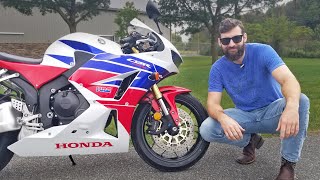
What Buyers Should Know
Honda Build Quality
The 2006 CBR600RR is widely regarded as one of the most reliable 600cc supersports ever built, with engines routinely lasting well past 50,000 miles when properly maintained. Honda's reputation for bulletproof reliability makes this a smart long-term buy.
Watch For Track Abuse
The 2006 model was hugely popular on trackdays, so inspect for hidden crash damage, stretched or worn suspension components, and signs of overheating. Always check the frame and subframe carefully for cracks or repairs.
Strong Resale Value
The 2006 CBR600RR holds its value exceptionally well compared to competitors due to its iconic status and low depreciation curve. A clean, low-mileage example remains highly sought after, making it easy to resell without major loss.
Generations & Specs by Year
Introduced unit pro-link rear suspension, twin-spar aluminum frame, 599cc inline-four, race-derived aerodynamics.
"Honda rewrote the 600 rulebook in one shot."
When the CBR600RR landed in 2003 it genuinely felt like Honda had handed us a shrunken RC211V — the Unit Pro-Link rear suspension tracked bumpy Tarmac with an uncanny composure that made the old F4i feel agricultural by comparison. The 599cc motor is a screamer; below 8,000 rpm it's politely asking, above 10,000 rpm it's absolutely demanding your full attention, and that narrow, urgent powerband keeps you honest on track days. Ergonomics are aggressive enough that a 90-minute motorway slog will have your wrists singing, and the stock seat is borderline sadistic on anything longer than a canyon run. But as a pure sporting tool — and I put nearly 14,000 km on mine across two track seasons — it rarely put a foot wrong.
Pros
Cons
Revised chassis, new bodywork, improved ram-air intake, updated suspension geometry, increased rigidity and handling refinement.
"The benchmark middleweight that actually earned its reputation."
The 2005–2006 CBR600RR sharpened everything the first gen hinted at — the revised chassis geometry turned it into something genuinely telepathic mid-corner, and I mean that in the best possible way. That inline-four screams past 10,000 rpm like it's personally offended by redline, but below 7k you're working harder than you should be in traffic or on technical tight stuff. The MotoGP-derived Unit Pro-Link rear suspension absorbs track abuse with a composure that embarrassed bikes costing significantly more at the time. Ergonomics are aggressively committed — two-up or commuting duties will punish your wrists and your passenger equally.
Pros
Cons
Completely new frame, unit pro-link revised, new engine internals, sharper MotoGP-inspired styling, improved mass centralization.
"The sharpest 600 Honda ever built, barely streetable."
The 2007 CBR600RR is the bike Honda built to embarrass the R6 on a racetrack, and on paper it largely succeeded — that revised frame and centralized mass make it rotate through corners with a precision that genuinely surprises you mid-corner. Below 8,000 rpm it's almost sullen, begging you to short-shift just to keep pace with city traffic, but crack it past 10,000 and it builds to a screaming, addictive 13,500 rpm fury that justifies every penny. The MotoGP-inspired bodywork isn't just cosmetic theater — the riding position is aggressive enough that my lower back filed a formal complaint after any ride beyond 90 minutes. If you can live with the compromises, this generation is the spiritual peak of the CBR lineage before electronics and weight crept in.
Pros
Cons
Major redesign, new frame, revised aerodynamics, combined ABS option introduced, updated fuel injection, weight reduction.
"The sharpest 600 you'll love and curse."
Honda rewrote the CBR600RR's rulebook for 2009 — new frame, tighter geometry, revised injection — and the result is a bike that feels almost telepathic at pace on a circuit, but quietly exhausting on a Sunday morning ride to nowhere in particular. That top-end rush past 10,000 rpm is genuinely addictive, the kind of hit that makes you forget you've been crouched like a gargoyle for two hours. Below 6,000 rpm, though, it's sluggish and a little sulky, demanding constant gearbox aggression just to keep pace in traffic. The optional C-ABS was a nice nod toward accessibility, but the core character of this bike is still ruthlessly track-focused — it wants smooth tarmac, race pace, and a rider who knows what they're doing.
Pros
Cons
Refined chassis, updated bodywork, revised suspension settings, improved electronics, Euro compliance updates throughout production run.
"The last pure screamer before electronics ate everything."
I put 14,000 kilometres on a 2015 CBR600RR and came away with serious respect for what Honda built — and mild frustration at what they refused to update. Above 10,000 rpm this thing is absolutely alive, the inline-four pulling hard to that 13,500 redline with a mechanical intensity that modern middleweights have largely traded away for torque curves and ride-by-wire smoothness. The chassis is a genuine highlight: precise, predictable, and communicative through corners in a way that made me a better rider rather than just a faster one. The honest gripes are real though — below 7,000 rpm it's sluggish enough to make city commuting feel like punishment, the stock suspension is set up soft for road use but needs immediate attention if you plan any track days, and Honda's decision to skip traction control and cornering ABS through most of this generation left it feeling deliberately spartan against Kawasaki and Yamaha rivals who were offering genuine electronics packages.
Pros
Cons
Used Buyer Review
"A flawless supersport if you respect what it demands."
$4,500-$8,500 usedThe CBR600RR is one of those bikes that rewards you for putting in the work. Honda's chassis tuning is genuinely exceptional — it telegraphs grip through corners better than most supersports at twice the price. The 599cc inline-four pulls cleanly from around 8,000rpm and absolutely screams past 12,000, which means city riding feels like lugging a race bike to the grid. That's not a complaint, just reality. Buying used, you need to check three things obsessively: fairings for repaired crash damage, fork seals for weeping oil, and service history showing valve checks at the correct intervals. These engines are bulletproof when maintained but neglected ones develop tight valves quietly before anything sounds wrong. The 2007-2012 generation is the sweet spot — C-ABS became available, ergonomics stayed aggressive, and the market has settled enough that you're not overpaying. Expect to feel every mile on your wrists and knees after an hour. This isn't a touring bike wearing sportbike clothes — it's the real thing, uncompromised.
Variants of the Honda Cbr600rr
Same bike, different trim or year-range — pick the one matching the listing.
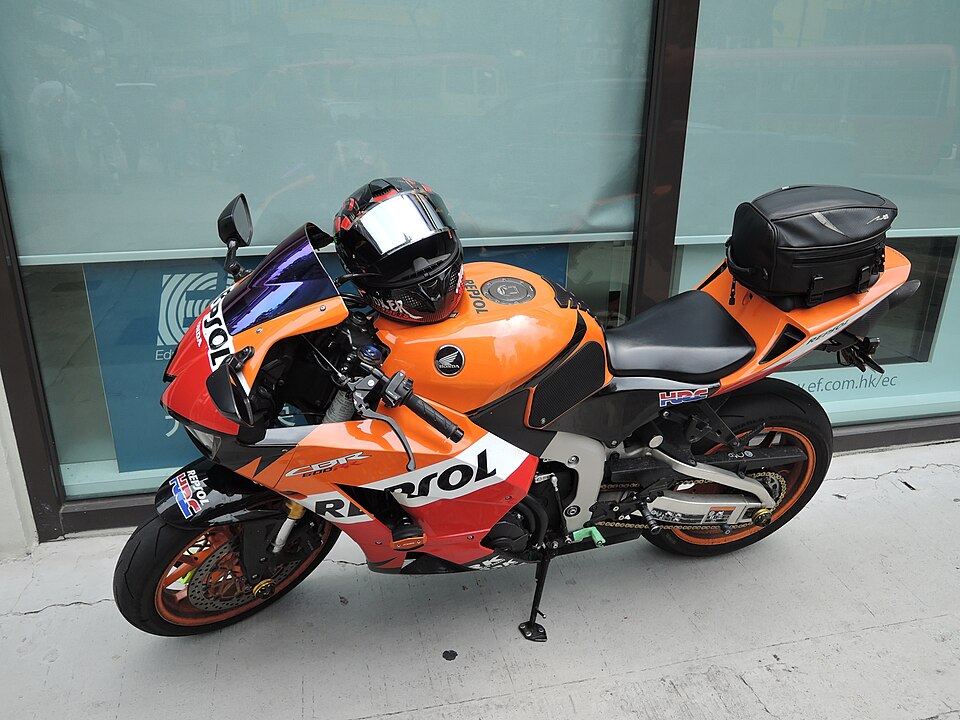
Top 10 Accessories
Curated picks for the Honda Cbr600rr — owned, ridden, recommended.


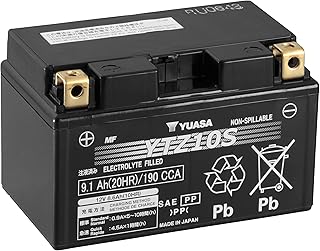


Common Problems
🔥 2 CRITICALCheck battery voltage at idle, look for melted connector
Inspect below water pump for dried coolant residue
Listen for excessive exhaust popping during test ride
Remove fairings, inspect frame sliders and subframe bends
✅Pre-Purchase Checklist
Very reliable if maintained, avoid track bikes
Full Specifications
Rivals & Alternatives
Bikes that buyers cross-shop with the Honda Cbr600rr
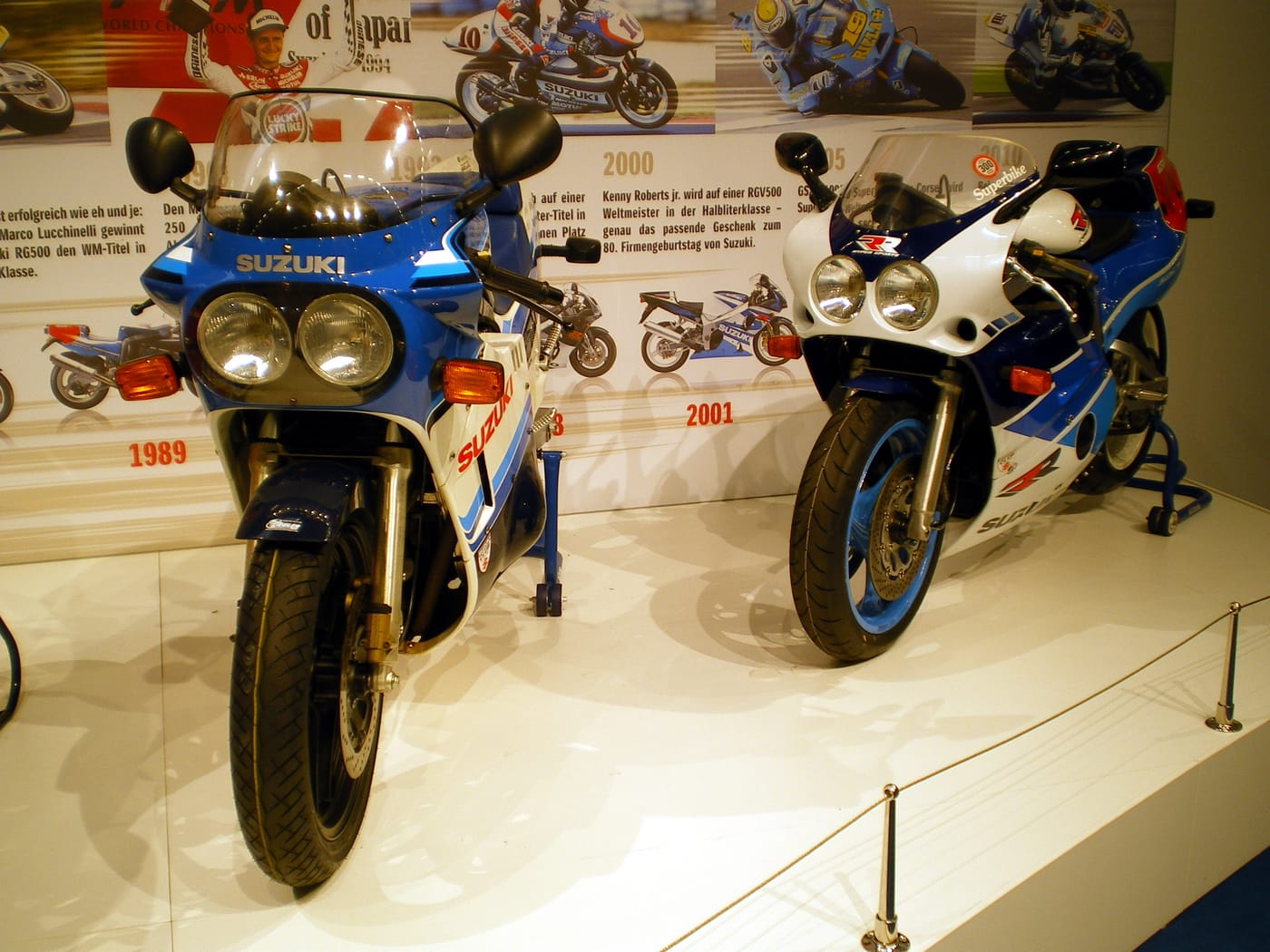
Suzuki Gsx-r600
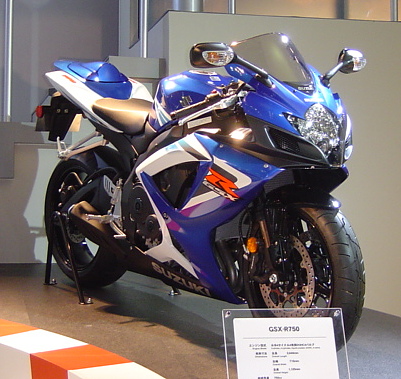
Suzuki Gsx-r750
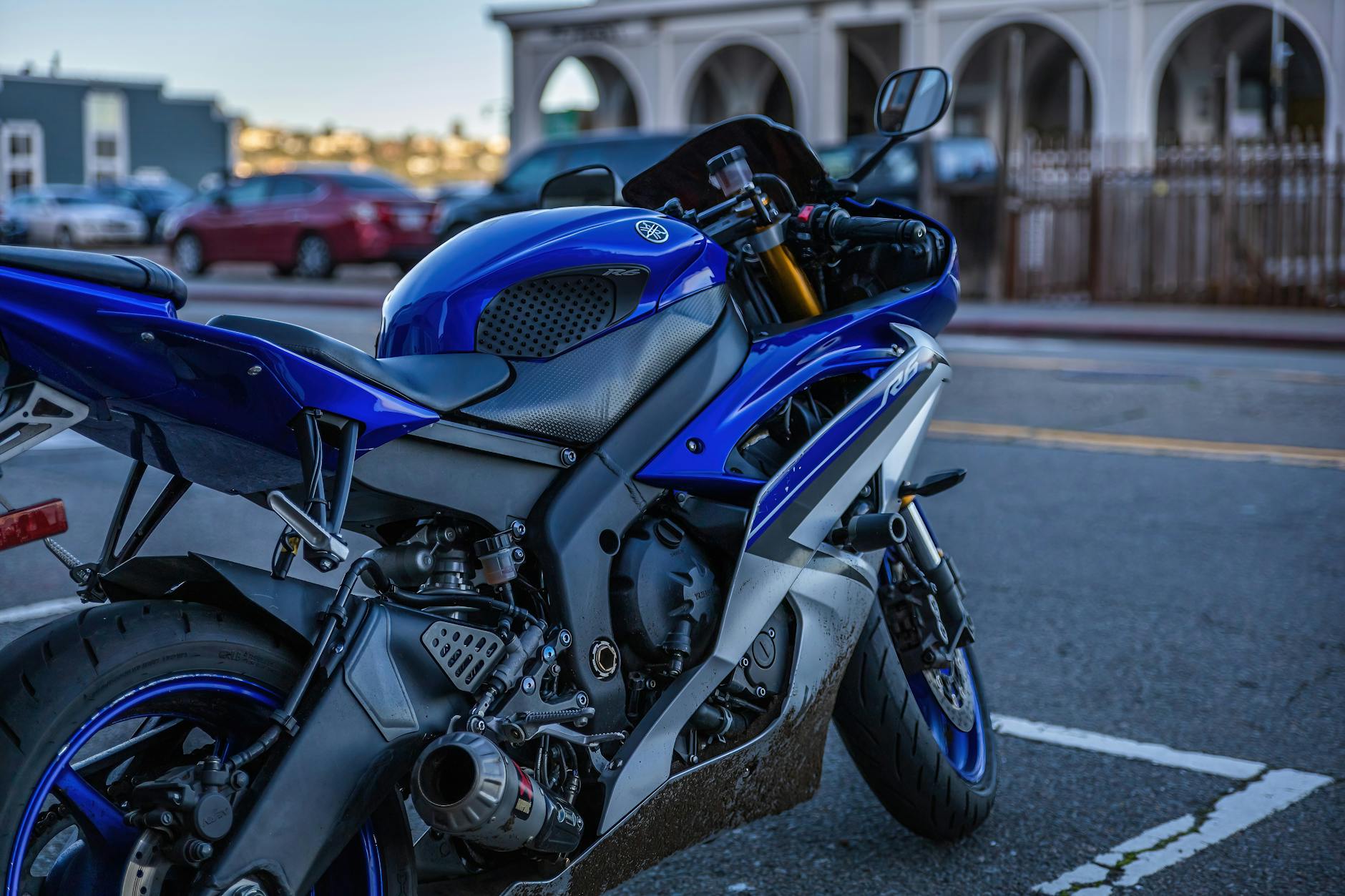
Yamaha Yzf-r6
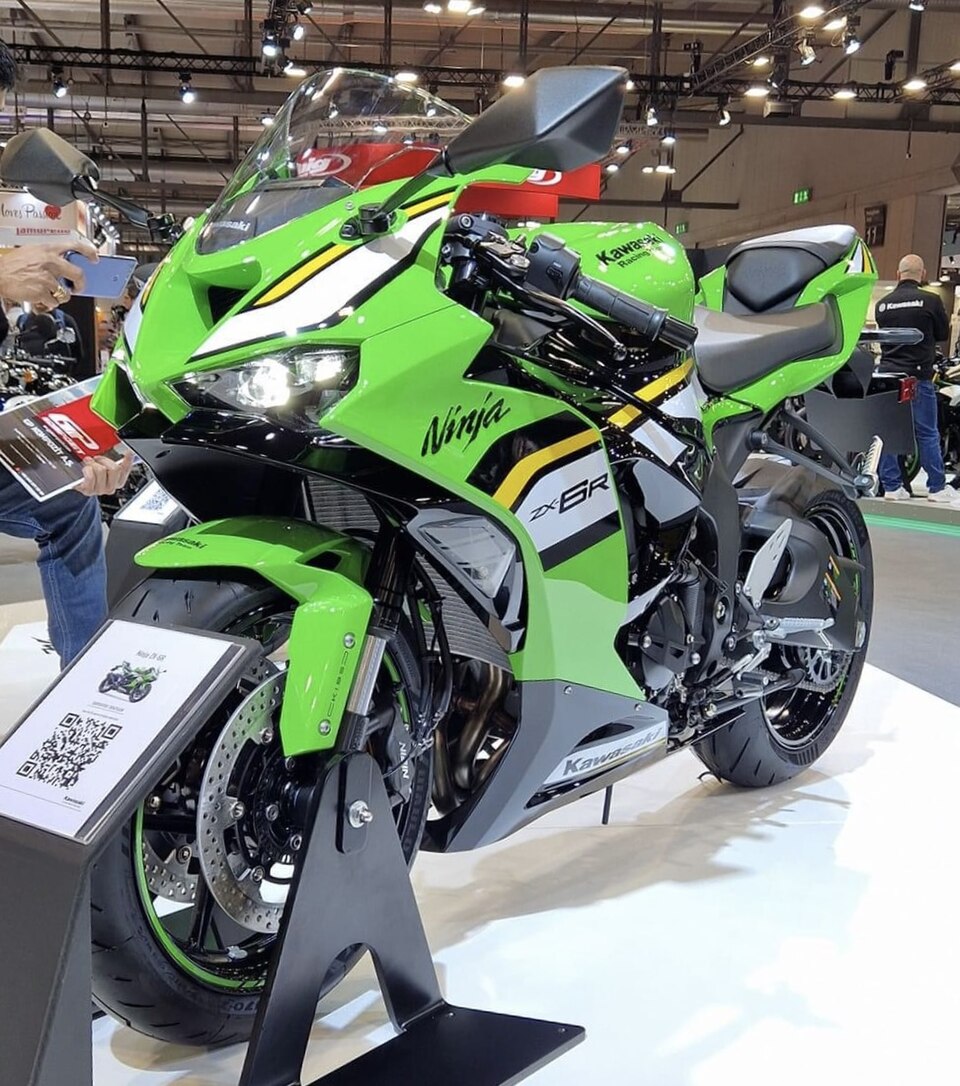
Kawasaki Ninja Zx-6r
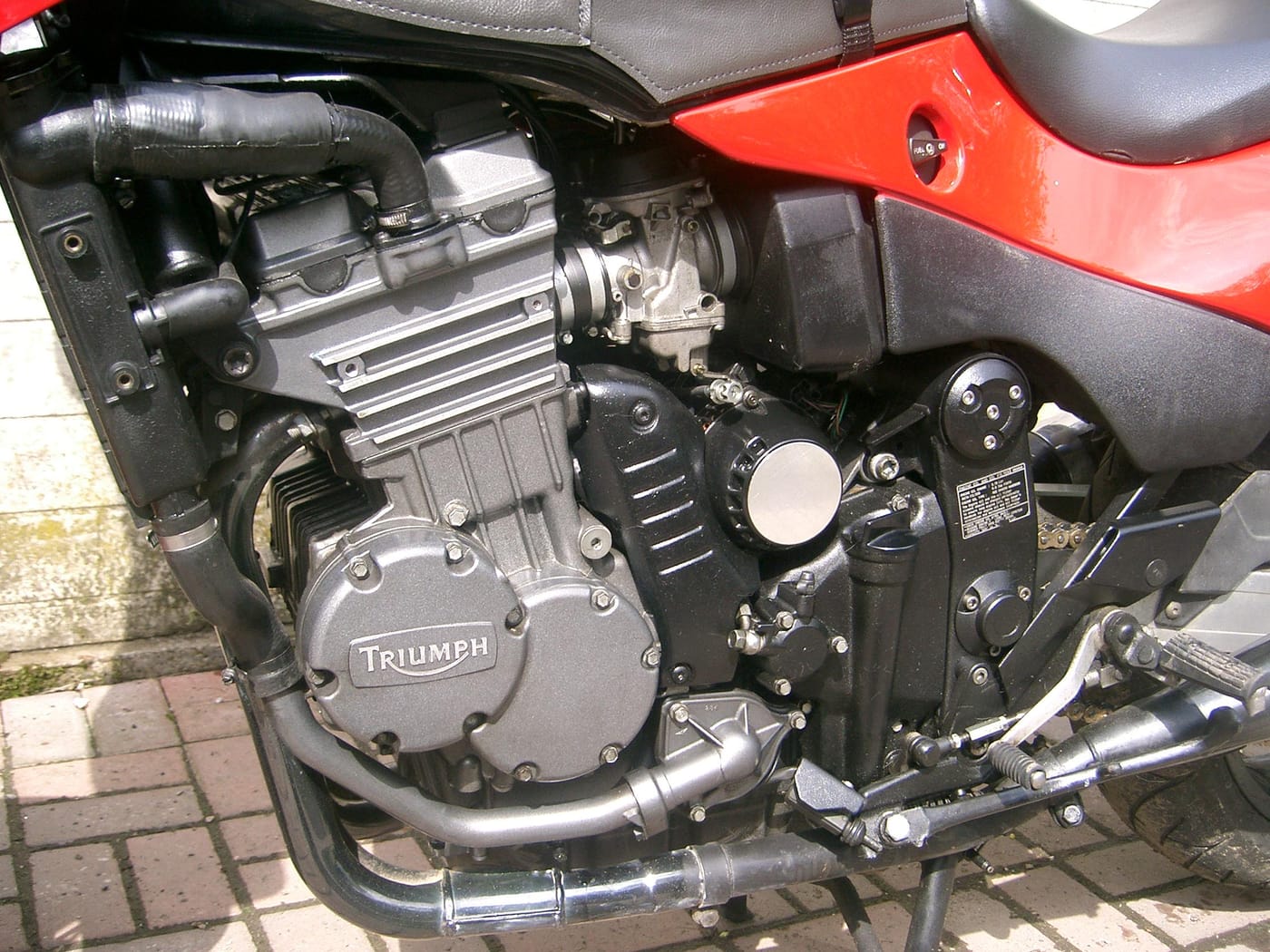
Triumph Daytona 675
Compare Honda Cbr600rr Side-by-Side
compare_arrowsSpecs, power, weight & buyer verdict — head-to-head with the bikes most often cross-shopped.
Honda Cbr600rr vs Suzuki Gsx-r600
Specs · Power · Buyer verdict
Honda Cbr600rr vs Suzuki Gsx-r750
Specs · Power · Buyer verdict
Honda Cbr600rr vs Yamaha Yzf-r6
Specs · Power · Buyer verdict
Honda Cbr600rr vs Kawasaki Ninja Zx-6r
Specs · Power · Buyer verdict
Honda Cbr600rr vs Triumph Daytona 675
Specs · Power · Buyer verdict
More Honda Cbr600rr Guides
More from Honda
View all Honda models →Community Reviews
Discussion
Honda Cbr600rr Videos
Frequently Asked Questions
What are common problems with the Honda Cbr600rr? +
Rectifier/regulator failure, kills charging system: Check battery voltage at idle, look for melted connector (serious) | Coolant leak from water pump weep hole: Inspect below water pump for dried coolant residue (moderate) | Faulty PAIR valve causes popping on deceleration: Listen for excessive exhaust popping during test ride (minor)
Is the Honda Cbr600rr a good motorcycle? +
A flawless supersport if you respect what it demands. Rating: 8.5/10. Best for: Experienced riders wanting affordable track-capable supersport. Avoid if: New riders or anyone prioritising daily comfort.
What is the horsepower of the Honda Cbr600rr? +
The Honda Cbr600rr produces 120 hp @ 13,500 rpm, with 66 Nm @ 11,250 rpm of torque. Top speed: 260 km/h.
Is the Honda Cbr600rr good for beginners? +
Not really — the Honda Cbr600rr is better for experienced riders (120 hp can be intimidating). Experienced riders wanting affordable track-capable supersport Avoid if: New riders or anyone prioritising daily comfort
Is the Honda Cbr600rr reliable? +
Owners report 2 critical issues to watch for on the Honda Cbr600rr, notably: Rectifier/regulator failure, kills charging system (Check battery voltage at idle, look for melted connector). Buy with a pre-purchase inspection.
Is the Honda Cbr600rr good for daily use? +
Experienced riders wanting affordable track-capable supersport Fuel: 6.5–7.5 L/100km (typical real-world average).
How fast is the Honda Cbr600rr? +
The Honda Cbr600rr reaches a top speed of 260 km/h, producing 120 hp at 194 kg curb weight. Real-world performance depends on rider weight, gearing, and road conditions.
What gear should I buy for a Honda Cbr600rr? +
Motoryk has curated a Top 10 gear list specifically for the Honda Cbr600rr, covering engine oil, tires, chain, battery, and brake pads — see motoryk.com/bikes/honda/cbr600rr/top10. Each pick is matched to this bike's spec.