Suzuki Gsx-r600
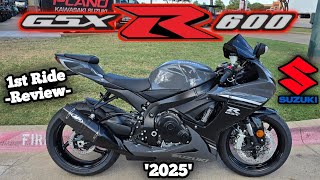
The Suzuki Gsx-r600 has a top speed of 255 km/h, produces 125 hp and weighs 183 kg. Motoryk rates it 8.5/10.
The Suzuki GSX-R600 was introduced in 1992 as a direct replacement for the GSX-R400, establishing itself as a benchmark in the 600cc supersport class. Over successive generations (notably the 1997, 2001, 2004, 2006, and 2011 redesigns), it consistently evolved with lighter frames, more powerful engines, and advanced electronics, winning numerous World Supersport Championships. It is widely regarded as one of the most race-focused and balanced middleweights ever produced, beloved for its sharp handling and strong mid-to-high RPM power delivery.
125 hp
Power
65 Nm
Torque
183 kg
Weight
255 km/h
Top Speed
6.5–7.5 L/100km (typical real-world average, varies by riding style)
Fuel
Faired
Body
🔧 Service Schedule & Parts
Affiliate · we may earn| Service item | Every | Typical cost | Parts |
|---|---|---|---|
| 🛢️ Engine oil + oil filter | 6,000 km / 3,500 mi or 12 mo | $40-80 | 🛢️ Buy → ⚙️ Buy → |
| 🌬️ Air filter | 12,000 km / 7,500 mi | — | 🌬️ Buy → |
| ⚡ Spark plugs | 12,000 km / 7,500 mi | — | ⚡ Buy → |
| 🔧 Valve clearance check | 24,000 km / 15,000 mi | $250-450 | |
| 🔗 Chain & sprockets | 25000-40000 km (replace) | $150-300 | 🔗 Buy → |
| 🛑 Brake pads | 15000-30000 km | $30-60 | 🛑 Buy → |
| 💧 Brake fluid | 24,000 km / 15,000 mi or 2 yr | — | |
| 🧊 Coolant | 24,000 km / 15,000 mi | — | |
| 🛞 Tires | 10000-20000 km | $200-400 | 🛞 Buy → |
| 🔩 Major service | 24,000 km / 15,000 mi | $350-650 |
Video Review
What Buyers Should Know
Strong Long-Term Reliability
The GSX-R600 is widely regarded as one of the most bulletproof 600cc supersports, with engines routinely lasting well beyond 50,000 miles when properly maintained. Suzuki's conservative engine tuning contributes to its reputation for durability compared to competitors.
Watch for Track Abuse
Many GSX-R600s have seen track or aggressive street use, so always inspect for signs of lowside or highside crashes including bent frame sliders, repainted fairings, or worn rear sets. A pre-purchase inspection by a mechanic is strongly recommended on used examples.
Solid Resale Value
The GSX-R600 holds its value better than many rivals thanks to its strong brand reputation and high demand in the used sportbike market. The 2006–2010 generation is particularly sought after, making it easier to resell when the time comes.
Generations & Specs by Year
First GSX-R600 introduced; derived from GSX-R750; aluminum twin-spar frame; 600cc inline-four engine.
"The 600 class benchmark that rewrote the rules."
Suzuki essentially handed you a shrunken 750 and called it a 600, and honestly that parentage shows in all the right ways — the aluminum twin-spar frame gives you feedback that Japanese bikes of this era rarely offered, and at 12,000 rpm that inline-four sings with a mechanical clarity I still miss. She's not perfect: the carburetion is lazy below 7,000 rpm and you'll spend the first month learning to carry momentum rather than punching out of corners. Suspension is underdamped stock, front forks especially go vague mid-corner on bumpy tarmac, and at 185 kg wet she's heavier than the spec sheet makes her feel. But once you've sorted the springs and learned to rev it properly, this bike rewards commitment in a way modern electronics-assisted middleweights simply don't.
Pros
Cons
Revised bodywork; updated carburetion; improved suspension; slightly increased power output over first generation.
"Mid-nineties sportbike gold that still earns respect."
I put nearly 18,000 miles on a '96 GSX-R600 and it remains one of the most honest-handling bikes I've owned — the revised suspension over the first gen actually made a noticeable difference, with a front end that communicates rather than guesses. That 599cc inline-four pulls hard from about 8,000 rpm upward and absolutely screams toward 12,000, though below 6,500 rpm you're essentially coasting on faith and throttle prayers. The carbs are fussy in cold weather and need a proper sync every season if you want clean fueling, and the narrow fairing offers almost no wind protection above highway speeds despite looking purposeful. It's a demanding bike — cramped, buzzy through the bars at high revs, and completely unforgiving of lazy cornering — but when you're committed and in the right gear, it rewards you with a mechanical purity that modern electronics can't replicate.
Pros
Cons
Significant redesign; upside-down forks; new frame; fuel efficiency improved; more aggressive ergonomics introduced.
"The supersport benchmark that actually raised the bar."
The Gen 3 GSX-R600 was the bike that made me realize Suzuki had stopped playing it safe — those inverted Showa forks transformed corner feel overnight, and the new frame gave the chassis a rigidity the previous generation sorely lacked. At track days, the motor pulls cleanly past 10,000 rpm and holds nothing back to the 12,500 rpm ceiling, though below 7,000 rpm you're basically coasting on vibration and hope. The more aggressive clip-on position will destroy your wrists on anything over a two-hour ride, and the narrow power band means novice riders will get caught out when the bike suddenly decides to wake up mid-corner. I've put over 15,000 km on one of these and it never broke down, but it also never let me forget it was built for the track, not the commute.
Pros
Cons
Major overhaul; new engine architecture; ram-air induction; revised chassis; notable weight reduction achieved.
"The 600 that finally grew sharp teeth."
Suzuki threw out the old K1's somewhat soft character and delivered something genuinely aggressive with this generation — the ram-air engine pulls hard past 10,000 rpm and keeps screaming to the redline in a way that makes you check your licence every session. At 170 kg wet it feels almost fragile compared to earlier GSX-Rs, and the chassis communicates beautifully through fast corners; I ran this thing on track at Phillip Island and it never once felt vague or lazy. That said, below 6,000 rpm it's a genuinely grumpy commuter — fuelling is abrupt, the throttle snaps, and filtering through city traffic will wear your wrist out inside a week. The seat is also punishing past an hour, which matters because once you're moving you never want to stop.
Pros
Cons
Complete redesign; new short-stroke engine; radial brake calipers; slipper clutch; track-focused geometry.
"The 600cc benchmark that rewrote the rulebook."
Suzuki threw everything at this redesign and it shows — the short-stroke motor screams past 10,000 rpm with a ferocity that makes the previous gen feel agricultural, and the radial Tokico brakes give you genuine feedback instead of the vague squeeze of older setups. The track-focused geometry means it steers with almost telepathic precision on smooth tarmac, but that same stiffness punishes you on broken roads where it tramlines and chatters like it's actively annoyed at the imperfection. The slipper clutch is the real unsung hero here — late, aggressive corner entries that would have bucked earlier bikes into a tankslapper now just feel composed and controlled. Street rideability below 7,000 rpm is honestly mediocre; this engine wants revs or it sulks, which makes stop-and-go commuting a sweaty, clutch-burning exercise in frustration.
Pros
Cons
Revised aerodynamic bodywork; updated fuel injection system; refined suspension settings; improved power delivery.
"The sharpest 600 you'll actually want to ride."
The Gen 6 GSX-R600 is the point where Suzuki finally nailed the balance between race-spec aggression and real-world usability — the revised fuel injection killed the flat spot that made earlier K5s frustrating below 7,000 rpm, and now the bike pulls cleanly from corner exit without that annoying hesitation. On track it feels genuinely planted, that 166 kg wet weight disappearing the moment you tip it in; the suspension tune is conservative enough that average club riders won't get bucked, but stiff enough that fast guys aren't fighting vagueness. Street riding is another conversation — the pegs find your shins on bumpy roads, the seat turns punishing after 90 minutes, and that 810 mm seat height will have shorter riders doing an awkward tippy-toe dance at every stop. It's not a perfect bike, but if you're buying a 600 to actually lap circuits and occasionally terrorize a canyon road, this generation is the one I'd hand someone money for.
Pros
Cons
Full redesign; new twin-swirl combustion chambers; revised frame; improved top-end power; updated electronics.
"The sharpest 600 you can still find cheap."
I put 14,000 km on a 2009 GSX-R600 between track days and mountain roads, and the twin-swirl combustion chamber revision is not marketing noise — above 10,000 rpm this thing pulls harder than any previous K-series I've ridden, with a top-end scream that makes the Yamaha R6 feel almost polite. The revised frame geometry gives it a locked-in, almost telepathic steering feel on turn-in, though it demands you be precise — lazy body position gets punished with understeer mid-corner. Cold mornings are a chore; the fuel injection stumbles below 4,000 rpm until the engine temp comes up, and the stock seat becomes a concrete slab after 90 minutes on the highway. But push it hard on a technical circuit and you'll forget every complaint immediately — this generation found the sweet spot between race-spec aggression and everyday usability that the K5-K6 came close to but never quite nailed.
Pros
Cons
Major update; new engine with more midrange torque; revised chassis geometry; updated traction control system.
Current generation; motion track traction control; revised suspension; updated aerodynamics; Euro4 compliance achieved.
Used Buyer Review
"The definitive used supersport buy if you respect its intentions."
$4,500-$8,500 usedThe GSX-R600 is arguably the benchmark middleweight sportsbike, and used examples are genuinely excellent value right now. The K6-K7 generation (2006-2007) hits the sweet spot — revised chassis, stronger midrange, and they're old enough to be affordable without being tired. You're getting a bike that professional racers actually campaigned successfully, yet it's surprisingly manageable on the road if you're not an idiot about it. Here's what to check: cam chain tensioners on older models can rattle, fork seals go soft (budget $300-400 for a rebuild), and inspect the fairings carefully because track day cosmetic damage is rampant on these. Any bike with aftermarket exhausts and no airbox deserves extra scrutiny — it's been worked hard. Service history matters enormously; the valve clearance checks at 12,000 miles are expensive if neglected. Realistically, this is a serious machine. The power delivery is linear but relentless above 8,000rpm, and it rewards commitment rather than timid inputs. Buy one in good condition and you'll struggle to find better value in the class.
Variants of the Suzuki Gsx-r600
Same bike, different trim or year-range — pick the one matching the listing.
Top 10 Accessories
Curated picks for the Suzuki Gsx-r600 — owned, ridden, recommended.


Common Problems
🔥 2 CRITICALStaining under engine, coolant level drops unexpectedly
Charging voltage at idle, battery dies frequently
Uneven idle, hesitation on light throttle input
Remove fairings, inspect frame and subframe for bends
✅Pre-Purchase Checklist
Reliable sportbike if maintained and not crashed
Full Specifications
Rivals & Alternatives
Bikes that buyers cross-shop with the Suzuki Gsx-r600
Honda Cbr600rr
Suzuki Gsx-r750
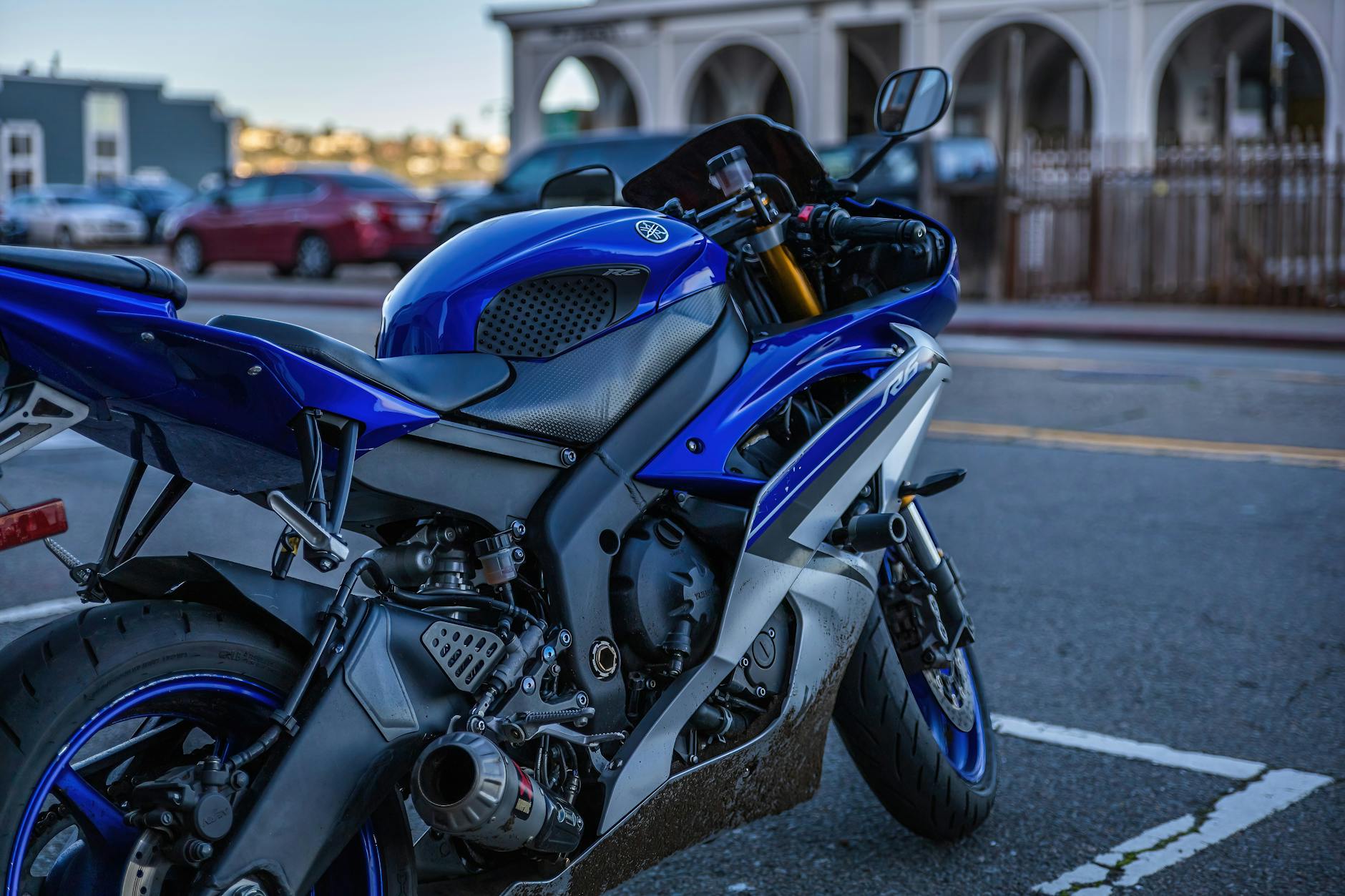
Yamaha Yzf-r6
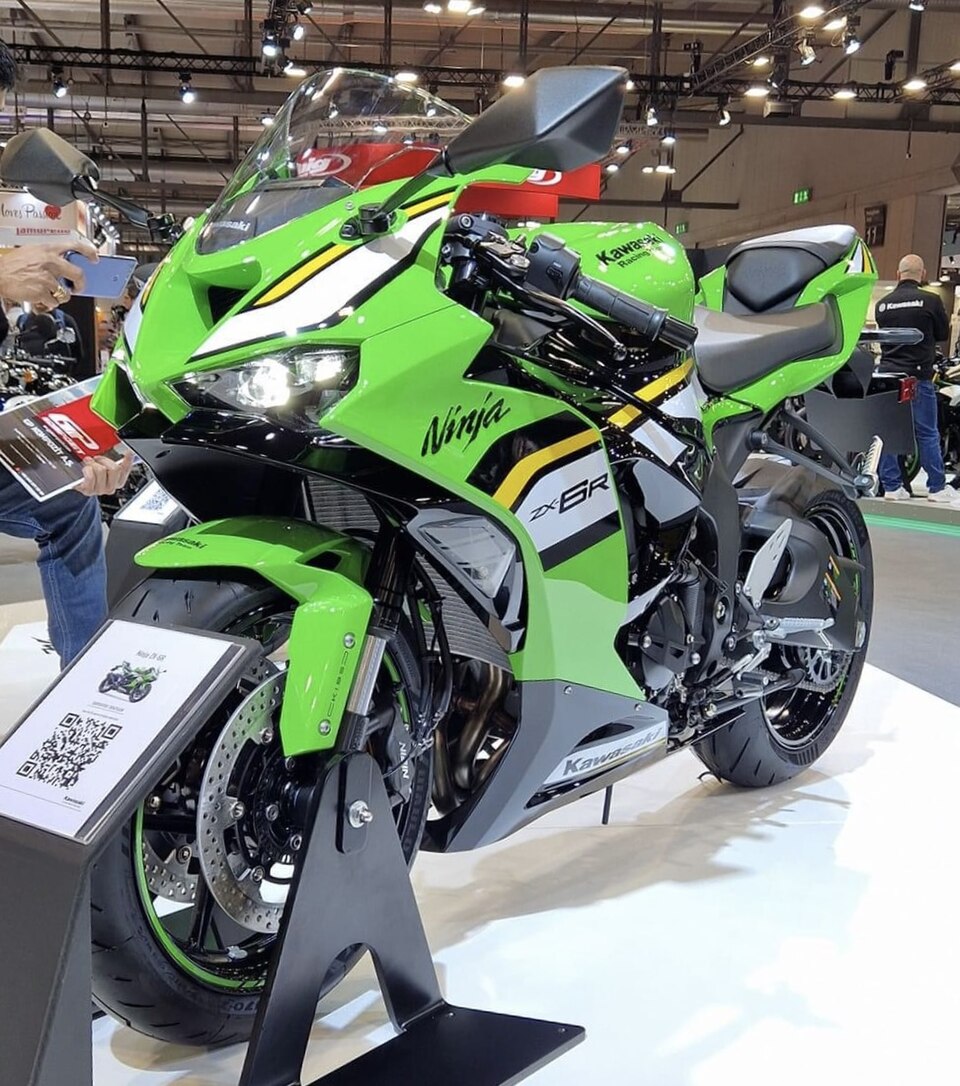
Kawasaki Ninja Zx-6r
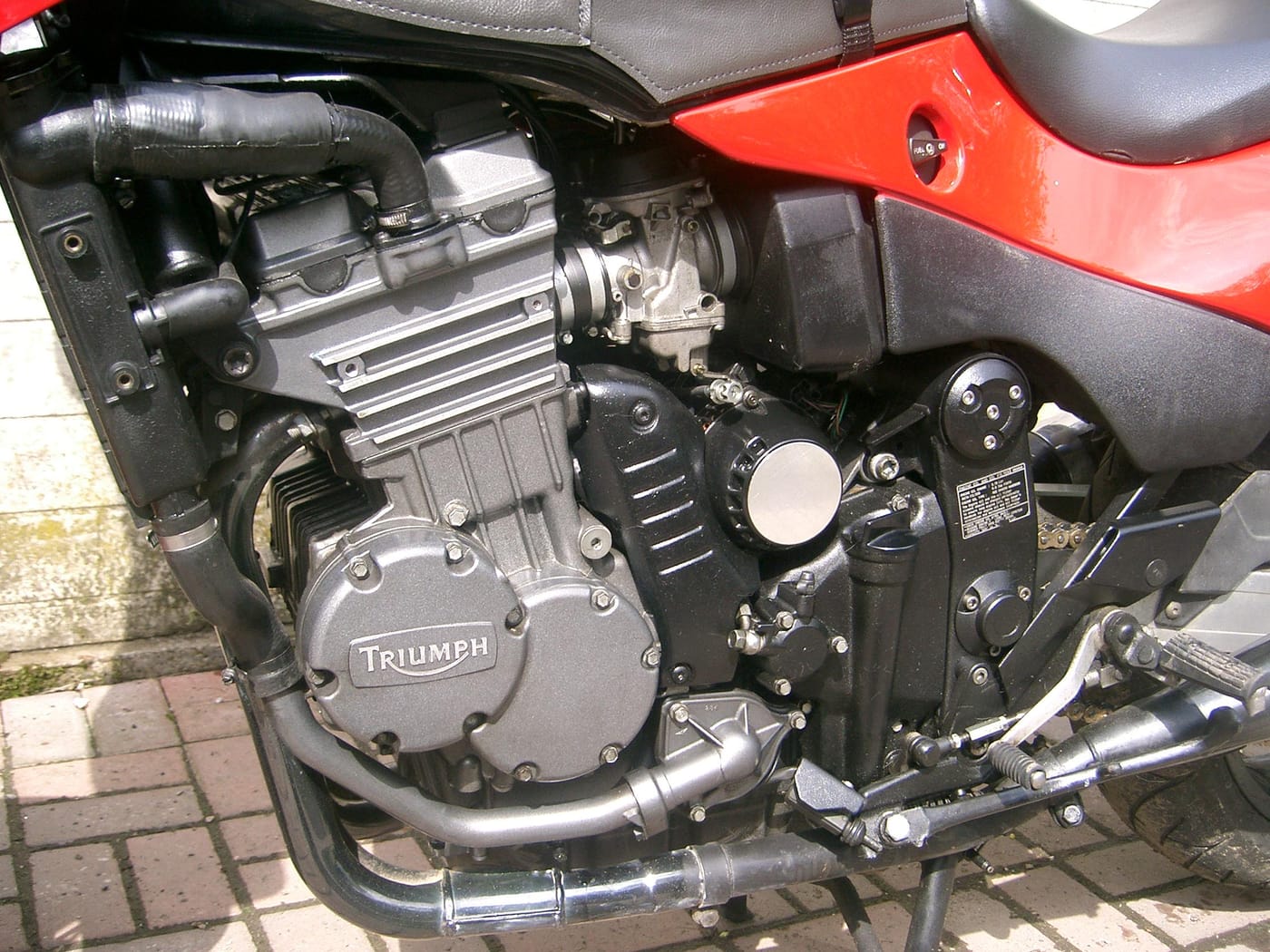
Triumph Daytona 675
Compare Suzuki Gsx-r600 Side-by-Side
compare_arrowsSpecs, power, weight & buyer verdict — head-to-head with the bikes most often cross-shopped.
Suzuki Gsx-r600 vs Honda Cbr600rr
Specs · Power · Buyer verdict
Suzuki Gsx-r600 vs Suzuki Gsx-r750
Specs · Power · Buyer verdict
Suzuki Gsx-r600 vs Yamaha Yzf-r6
Specs · Power · Buyer verdict
Suzuki Gsx-r600 vs Kawasaki Ninja Zx-6r
Specs · Power · Buyer verdict
Suzuki Gsx-r600 vs Triumph Daytona 675
Specs · Power · Buyer verdict
More Suzuki Gsx-r600 Guides
More from Suzuki
View all Suzuki models →Community Reviews
Discussion
Frequently Asked Questions
What are common problems with the Suzuki Gsx-r600? +
Coolant leak from water pump seal: Staining under engine, coolant level drops unexpectedly (moderate) | Stator and rectifier failure: Charging voltage at idle, battery dies frequently (serious) | Throttle body sync drift causes rough idle: Uneven idle, hesitation on light throttle input (minor)
Is the Suzuki Gsx-r600 a good motorcycle? +
The definitive used supersport buy if you respect its intentions. Rating: 8.5/10. Best for: Experienced riders wanting affordable track-capable performance. Avoid if: New riders or daily urban commuters only.
What is the horsepower of the Suzuki Gsx-r600? +
The Suzuki Gsx-r600 produces 125 hp @ 13,500 rpm, with 65 Nm @ 11,500 rpm of torque. Top speed: 255 km/h.
Is the Suzuki Gsx-r600 good for beginners? +
Not really — the Suzuki Gsx-r600 is better for experienced riders (125 hp can be intimidating). Experienced riders wanting affordable track-capable performance Avoid if: New riders or daily urban commuters only
Is the Suzuki Gsx-r600 reliable? +
Owners report 2 critical issues to watch for on the Suzuki Gsx-r600, notably: Stator and rectifier failure (Charging voltage at idle, battery dies frequently). Buy with a pre-purchase inspection.
Is the Suzuki Gsx-r600 good for daily use? +
Experienced riders wanting affordable track-capable performance Fuel: 6.5–7.5 L/100km (typical real-world average, varies by riding style).
How fast is the Suzuki Gsx-r600? +
The Suzuki Gsx-r600 reaches a top speed of 255 km/h, producing 125 hp at 183 kg curb weight. Real-world performance depends on rider weight, gearing, and road conditions.
What gear should I buy for a Suzuki Gsx-r600? +
Motoryk has curated a Top 10 gear list specifically for the Suzuki Gsx-r600, covering engine oil, tires, chain, battery, and brake pads — see motoryk.com/bikes/suzuki/gsx-r600/top10. Each pick is matched to this bike's spec.