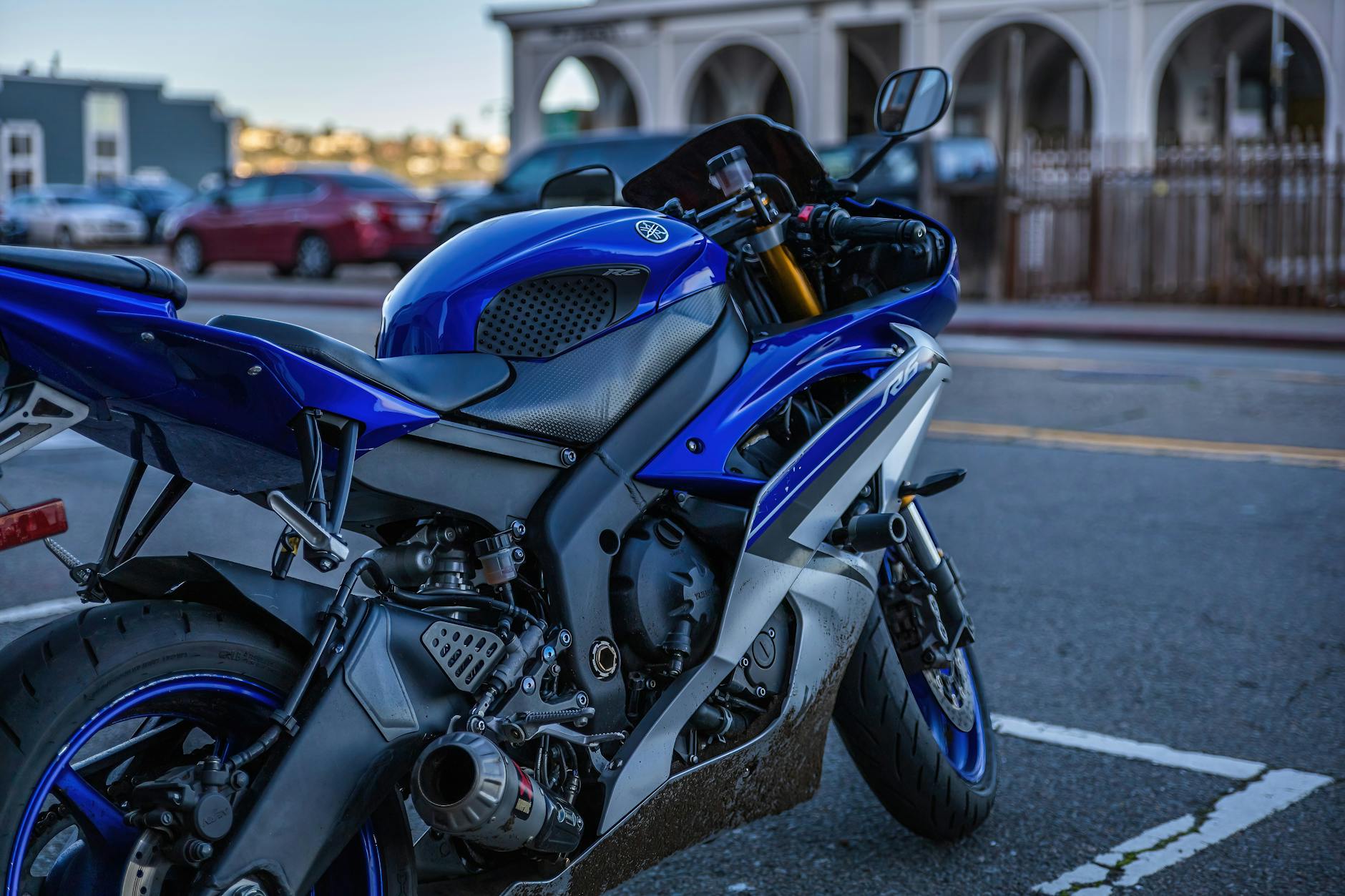
Yamaha Yzf-r6
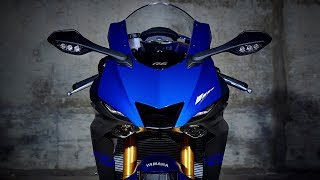
The Yamaha Yzf-r6 has a top speed of 257 km/h, produces 118 hp and weighs 190 kg. Motoryk rates it 8.5/10.
The Yamaha YZF-R6 was introduced in 1999 as a high-revving 600cc supersport motorcycle, designed to dominate the Supersport racing class. It underwent major updates in 2003, 2006, and 2017, with the 2006 generation introducing a throttle position sensor fuel injection system and a radical 17,500 rpm redline. The R6 became one of the most successful 600cc race bikes in history, though Yamaha discontinued street sales in many markets after 2020 due to Euro 5 emissions regulations, with the model living on primarily as a track-only variant.
118 hp
Power
61.7 Nm
Torque
190 kg
Weight
257 km/h
Top Speed
7.0 L/100km (approx. 14.3 km/L, real-world average — note: varies significantly with riding style)
Fuel
Faired
Body
🔧 Service Schedule & Parts
Affiliate · we may earn| Service item | Every | Typical cost | Parts |
|---|---|---|---|
| 🛢️ Engine oil + oil filter | 6,000 km / 3,500 mi or 12 mo | $40-80 | 🛢️ Buy → ⚙️ Buy → |
| 🌬️ Air filter | 12,000 km / 7,500 mi | — | 🌬️ Buy → |
| ⚡ Spark plugs | 24,000 km / 15,000 mi | — | ⚡ Buy → |
| 🔧 Valve clearance check | 24,000 km / 15,000 mi | $250-500 | |
| 🔗 Chain & sprockets | 20000-30000 km (replace) | $150-300 | 🔗 Buy → |
| 🛑 Brake pads | 15000-25000 km | $30-60 | 🛑 Buy → |
| 💧 Brake fluid | 24,000 km / 15,000 mi or 2 yr | — | |
| 🧊 Coolant | 24,000 km / 15,000 mi | — | |
| 🛞 Tires | 8000-15000 km | $250-450 | 🛞 Buy → |
| 🔩 Major service | 24,000 km / 15,000 mi | $400-700 |
Video Review
What Buyers Should Know
High-Rev Engine Design
The R6 features a 599cc inline-4 engine that revs to 17,500 RPM, one of the highest redlines in production motorcycles. This demands strict valve clearance checks every 26,000 miles — skipping this service is a costly mistake on used bikes.
Strong Resale Value
The R6 holds its value exceptionally well compared to most 600cc supersports, thanks to its race-proven reputation and loyal fanbase. A well-maintained example typically retains 70-80% of its value after three years.
Watch for Track Abuse
Many R6s are used as track bikes, so always inspect for frame sliders, aftermarket bodywork, and crash damage before buying used. A VIN history check and close inspection of the subframe and forks can reveal hidden accident damage.
Generations & Specs by Year
Original 600cc inline-four, 120hp, deltabox aluminum frame, aggressive supersport styling introduced.
"The 600 that rewrote the supersport rulebook overnight."
When Yamaha dropped the first R6 in 1999, it felt like a proper slap to every other manufacturer in the class — 120 horsepower from 599cc was genuinely shocking at the time, and that screaming inline-four pulling hard to 14,000 rpm made the CBR600F4 feel like a touring bike by comparison. The Deltabox frame gave it a chassis sharpness that rewarded aggression; flick it into a corner and it went exactly where you pointed it, no argument. That said, below 8,000 rpm it was frustratingly lazy — city riding meant constant gear-hunting just to stay in the powerband, and the fuelling on early carbed models could be abrupt off the bottom. The riding position was committed enough that 90-minute highway stints left my wrists genuinely aching, but honestly, nobody buying this bike should be doing highway commutes anyway.
Pros
Cons
Revised engine with titanium valves, updated chassis, improved airbox, restyled bodywork, increased power.
"The sharpest 600 you'll love and hate."
The Gen 2 R6 is what happens when engineers stop caring about your comfort and start caring only about lap times — and honestly, I respect it. That titanium-valve motor screams past 10,000 rpm like nothing else in the class, but below 8,000 you're basically pushing a shopping trolley; there's just nothing there. I commuted on mine for six months and it nearly broke me — the ergonomics punish your wrists and neck on anything longer than a canyon run, and the fuel injection still hunts in cold weather. But nail a mountain road on a warm morning, keep it pinned in the top third of the rev range, and this thing communicates through the chassis better than any 600 I've ridden before or since.
Pros
Cons
Major redesign, new 600cc engine with variable intake, 599cc, 127hp, revised frame geometry.
"The sharpest 600 you'll love and curse."
Yamaha threw out the old R6 and built something that feels genuinely racetrack-born — the new 599cc motor screams past 10,000 rpm like it's personally offended by anything less. Below 8k it's lazy and slightly sulky, and around town you're essentially slipping the clutch constantly to avoid lugging it, but get it on a canyon road or a track day and everything forgives itself instantly. The variable intake system gives a noticeable kick mid-range that wasn't there before, and the revised geometry sharpens turn-in to almost nervous levels — this is not a bike that tolerates sloppy inputs. I put 12,000 km on mine across two track seasons and one ill-advised touring weekend, and that touring weekend taught me the seat is a punishment device and the riding position will destroy your wrists inside 90 minutes on a motorway.
Pros
Cons
New high-revving 599cc engine, 133hp, fly-by-wire throttle, revised chassis, updated electronics package.
"The sharpest scalpel that punishes casual riders mercilessly."
Below 8,000 rpm this thing is genuinely frustrating — gutless, snatchy, and about as fun as commuting on a race bike should be, which is to say not at all. Hit 10,500 and hold on, because the fly-by-wire throttle finally unleashes that screaming inline-four in a way that rewires your brain. I put 14,000 km on mine including track days at Phillip Island, and on circuit it's almost telepathic — the chassis feedback through that 17-inch front is better than bikes costing twice as much. Street riding is a compromise you make knowingly and repeatedly, and the 850mm seat height with a cramped riding position will end friendships with your lower back on anything over two hours.
Pros
Cons
Major update, MotoGP-derived styling, new frame, quickshifter, traction control, launch control added.
Euro5 compliance updates, refined electronics, minor cosmetic changes, retained core mechanical package.
Used Buyer Review
"The purest 600cc sportbike built, but entirely uncompromising."
$4,500-$9,000 usedThe R6 is arguably the sharpest-handling 600 ever built, but let's be real — it's a machine that demands respect and commitment. That 599cc inline-four screams to 17,500rpm and makes serious power, but only above 10,000rpm. Below that, you're basically riding a very expensive, very uncomfortable commuter. The ergonomics are track-focused to the point of cruelty on anything longer than a 45-minute ride. Buying used, inspect the fairings obsessively — these bikes get dropped at trackdays more than almost anything else. Check for bent handlebars, cracked subframes, and sanded footpegs. A clean service history matters enormously here; neglected valve clearances will cost you. Steer clear of anything with Ohlins suspension already fitted unless you can verify it's been properly serviced — previous owners often thrash these components hard. This is genuinely one of the last pure sportbikes built before the electronics revolution watered everything down. If you can handle its demands, nothing else at this price rewards skilled riding more generously.
Variants of the Yamaha Yzf-r6
Same bike, different trim or year-range — pick the one matching the listing.
Top 10 Accessories
Curated picks for the Yamaha Yzf-r6 — owned, ridden, recommended.


Common Problems
🔥 2 CRITICALIdle quality, hesitation between 4k-8k RPM range
Check charging voltage, battery health, burnt smell
Service history, ticking noise, last valve check mileage
Weep hole under engine, coolant level, white residue
✅Pre-Purchase Checklist
Reliable if maintained, neglect kills it fast
Full Specifications
Rivals & Alternatives
Bikes that buyers cross-shop with the Yamaha Yzf-r6
Honda Cbr600rr
Suzuki Gsx-r600
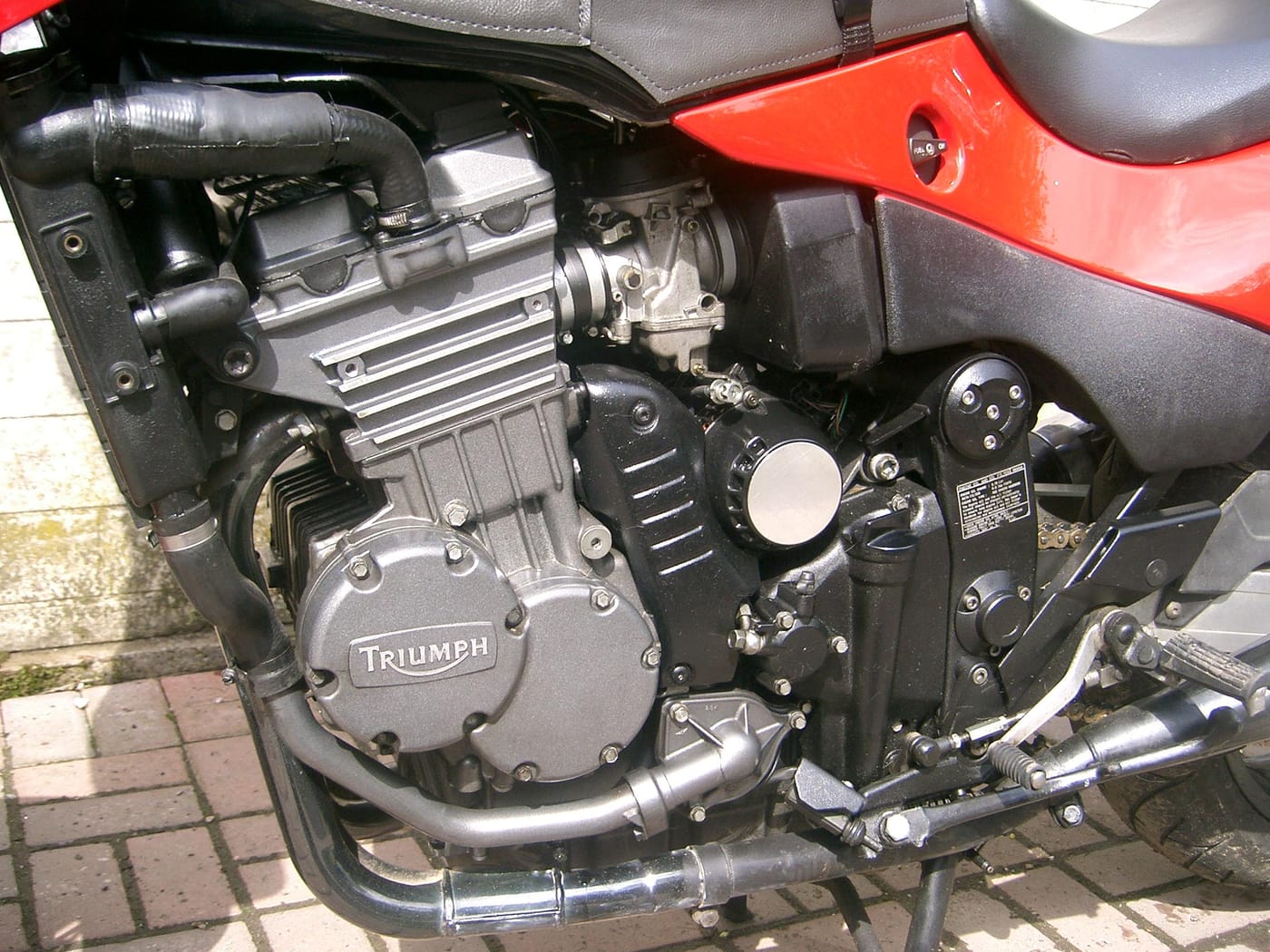
Triumph Daytona 765
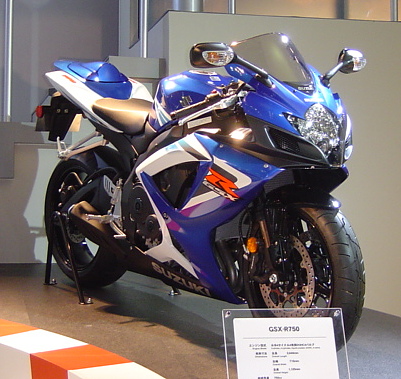
Suzuki Gsx-r750
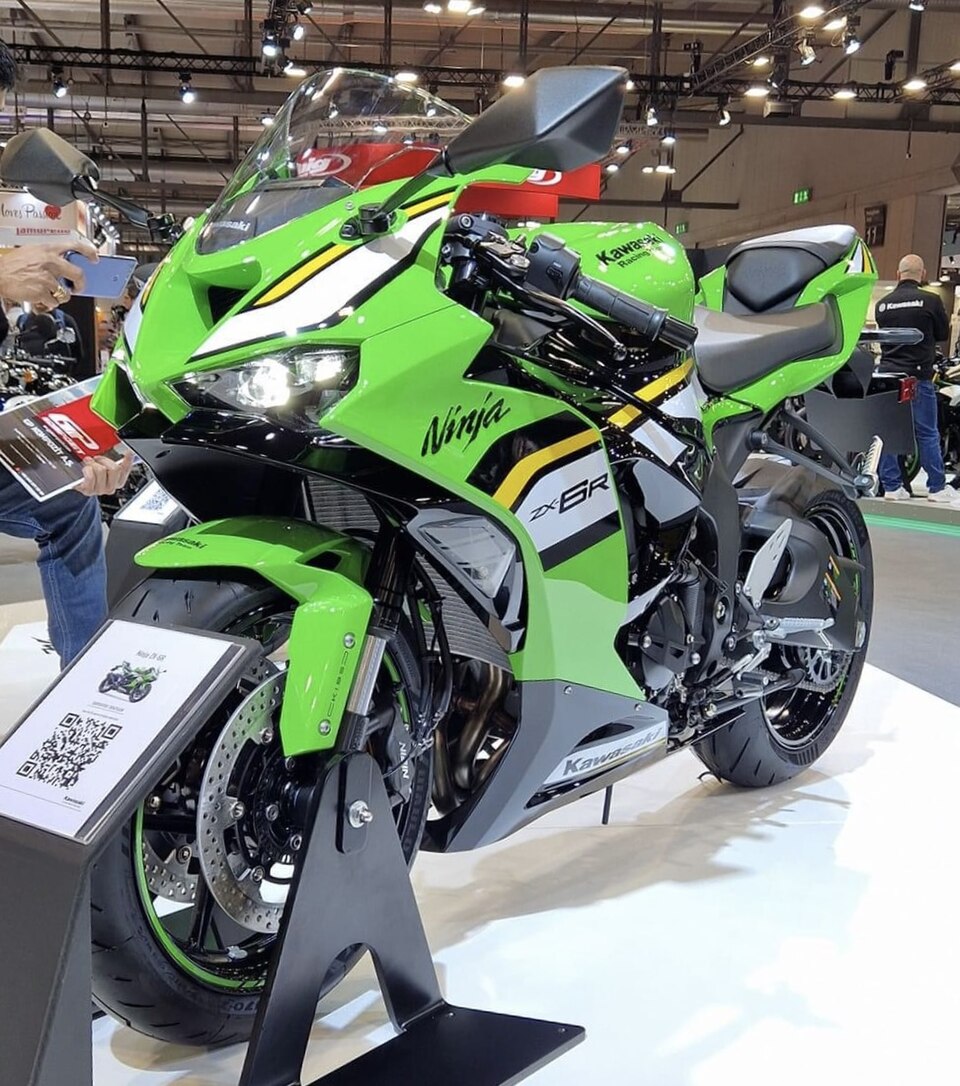
Kawasaki Ninja Zx-6r
Compare Yamaha Yzf-r6 Side-by-Side
compare_arrowsSpecs, power, weight & buyer verdict — head-to-head with the bikes most often cross-shopped.
Yamaha Yzf-r6 vs Honda Cbr600rr
Specs · Power · Buyer verdict
Yamaha Yzf-r6 vs Suzuki Gsx-r600
Specs · Power · Buyer verdict
Yamaha Yzf-r6 vs Triumph Daytona 765
Specs · Power · Buyer verdict
Yamaha Yzf-r6 vs Suzuki Gsx-r750
Specs · Power · Buyer verdict
Yamaha Yzf-r6 vs Kawasaki Ninja Zx-6r
Specs · Power · Buyer verdict
More Yamaha Yzf-r6 Guides
More from Yamaha
View all Yamaha models →Community Reviews
Discussion
Frequently Asked Questions
What are common problems with the Yamaha Yzf-r6? +
Throttle body sync issues, rough idle: Idle quality, hesitation between 4k-8k RPM range (moderate) | Stator and rectifier failure: Check charging voltage, battery health, burnt smell (serious) | Valve clearance neglect causes misfires: Service history, ticking noise, last valve check mileage (serious)
Is the Yamaha Yzf-r6 a good motorcycle? +
The purest 600cc sportbike built, but entirely uncompromising. Rating: 8.5/10. Best for: Skilled riders wanting serious track-focused sport riding. Avoid if: Newer riders or daily commuters wanting comfort.
What is the horsepower of the Yamaha Yzf-r6? +
The Yamaha Yzf-r6 produces 118 hp @ 14,500 rpm, with 61.7 Nm @ 10,500 rpm of torque. Top speed: 257 km/h.
Is the Yamaha Yzf-r6 good for beginners? +
Not really — the Yamaha Yzf-r6 is better for experienced riders (118 hp can be intimidating). Skilled riders wanting serious track-focused sport riding Avoid if: Newer riders or daily commuters wanting comfort
Is the Yamaha Yzf-r6 reliable? +
Owners report 2 critical issues to watch for on the Yamaha Yzf-r6, notably: Stator and rectifier failure (Check charging voltage, battery health, burnt smell). Buy with a pre-purchase inspection.
Is the Yamaha Yzf-r6 good for daily use? +
Skilled riders wanting serious track-focused sport riding Fuel: 7.0 L/100km (approx. 14.3 km/L, real-world average — note: varies significantly with riding style).
How fast is the Yamaha Yzf-r6? +
The Yamaha Yzf-r6 reaches a top speed of 257 km/h, producing 118 hp at 190 kg curb weight. Real-world performance depends on rider weight, gearing, and road conditions.
What gear should I buy for a Yamaha Yzf-r6? +
Motoryk has curated a Top 10 gear list specifically for the Yamaha Yzf-r6, covering engine oil, tires, chain, battery, and brake pads — see motoryk.com/bikes/yamaha/yzf-r6/top10. Each pick is matched to this bike's spec.