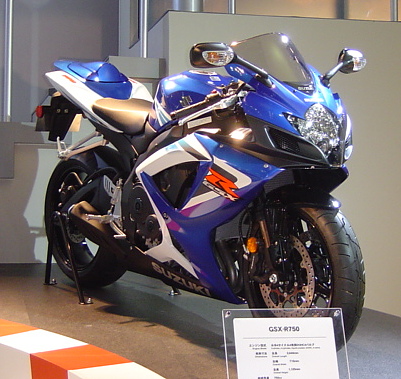
Suzuki Gsx-r750
The Suzuki Gsx-r750 has a top speed of 270 km/h, produces 150 hp and weighs 193 kg. Motoryk rates it 8.5/10.
The Suzuki GSX-R750 was introduced in 1985 as the world's first true race-replica superbike, revolutionizing the motorcycle industry with its lightweight aluminum frame and liquid-cooled engine. It spawned the entire GSX-R lineage and is considered the godfather of the modern sportbike era. Over nearly four decades of production, it has undergone numerous evolutions while maintaining its reputation as the 'sweet spot' between the GSX-R600 and GSX-R1000, beloved for its balanced performance and rideability.
150 hp
Power
87 Nm
Torque
193 kg
Weight
270 km/h
Top Speed
6.5 L/100km or approximately 15.4 km/L (typical real-world average)
Fuel
Faired
Body
🔧 Service Schedule & Parts
Affiliate · we may earn| Service item | Every | Typical cost | Parts |
|---|---|---|---|
| 🛢️ Engine oil + oil filter | 6,000 km / 3,500 mi or 12 mo | $40-80 | 🛢️ Buy → ⚙️ Buy → |
| 🌬️ Air filter | 12,000 km / 7,500 mi | — | 🌬️ Buy → |
| ⚡ Spark plugs | 12,000 km / 7,500 mi | — | ⚡ Buy → |
| 🔧 Valve clearance check | 24,000 km / 15,000 mi | $250-500 | |
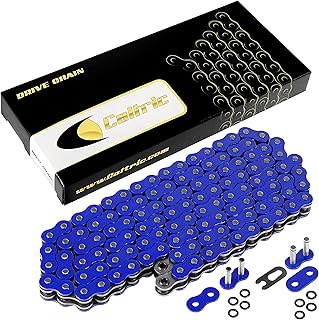
| 🔗 Chain & sprockets | 25000-40000 km (replace) | $150-300 | 🔗 Buy → |
| 🛑 Brake pads | 15000-25000 km | $30-60 | 🛑 Buy → |
| 💧 Brake fluid | 24,000 km / 15,000 mi or 2 yr | — | |
| 🧊 Coolant | 24,000 km / 15,000 mi | — | |
| 🛞 Tires | 8000-15000 km | $250-450 | 🛞 Buy → |
| 🔩 Major service | 24,000 km / 15,000 mi | $400-700 |
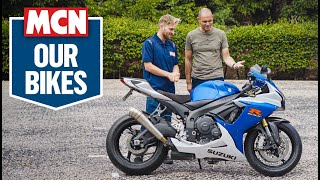
Video Review
What Buyers Should Know
Strong Long-Term Reliability
The GSX-R750 is widely regarded as one of Suzuki's most bulletproof sportbikes, with engines routinely lasting 50,000+ miles when properly maintained. Regular oil changes and valve checks are the key to longevity.
Watch for Track Abuse
Many GSX-R750s have seen track or aggressive street use, so always inspect for crash damage, frame sliders wear, and check if the suspension has been revalved or worn out. A pre-purchase inspection by a mechanic is highly recommended.
Holds Value Well
The GSX-R750 occupies a sweet spot between the 600 and 1000cc classes, keeping demand — and resale value — consistently strong compared to many competitors. Low-mileage examples in good condition rarely sit unsold for long.
Generations & Specs by Year
Original oil-cooled SACS engine, aluminum perimeter frame, full fairing, 749cc inline-four.
"The bike that rewrote every rule in 1985."
Nothing in 1985 prepared you for the GSX-R750 — it weighed less than most 400s, revved like it was angry at the world, and that aluminum perimeter frame made every competing steel-tube dinosaur look embarrassing overnight. The SACS oil-cooling system was genuinely clever engineering rather than a marketing gimmick, though you learned quickly to respect oil temperature on track days or in slow summer traffic because heat soak was a real issue. Ergonomics were aggressive even by the standards of the day — after two hours on a motorway your lower back filed a formal complaint — but point it into a fast sweeper and every discomfort evaporated instantly. Carb sync and valve clearances need attention more than the manuals admitted, and early forks are soft enough to warrant a rebuild before you trust them on a track, but get one in honest original condition and you're riding a machine that genuinely changed history.
Pros
Cons
Revised oil-cooled engine, updated frame geometry, improved suspension, restyled bodywork.
"The supersport benchmark that earned its reputation honestly."
I put nearly 18,000 kilometers on a 1989 GSX-R750 and it genuinely changed how I understood sportbike dynamics — the revised frame geometry over the first-gen tightened steering without making it nervous, and that 749cc motor pulls hard from 7,000 rpm with a urgency that still surprises me on cold-morning blast runs. The fairing sits you in a committed crouch that punishes city commuting after 45 minutes but rewards you completely the moment a decent road opens up. Weak points are real though: the forks dive aggressively under hard braking until you sort the preload, and finding OEM parts in 2024 requires patience or a good dealer relationship.
Pros
Cons
New upside-down forks, revised fairing, updated brakes, refined oil-cooled engine.
"The sharpest middleweight of its era, barely tamed."
Those new upside-down forks transformed the steering from merely good to genuinely telepathic — point it at an apex and it goes, no negotiation required. The 749cc inline-four pulls hard from 7,000 rpm and absolutely screams past 10,000 with a mechanical intensity that modern ride-by-wire bikes have quietly murdered. Weak points are real though: the brakes are wooden by any post-2000 standard and need serious lever pressure before they actually bite, and the fairing revision looks cleaner but does almost nothing for wind protection above 180 km/h. I put 18,000 kilometres on mine across two track days and daily commuting, and the only thing that broke me before it broke was my lower back on anything over a 90-minute stint.
Pros
Cons
New water-cooled engine introduced, revised chassis, updated bodywork, improved power output.
"The water-cooled revolution that actually delivered on track."
Suzuki's switch to liquid cooling on the '93 750 was genuinely transformative — the engine pulls harder and cleaner above 8,000 rpm than the old oil-cooler ever managed, and it holds that power lap after lap without the heat-soak misery. The chassis is tighter than the previous generation, with a front end that telegraphs grip honestly enough that you actually trust it mid-corner on a cold track morning. That said, 195 kg wet is not light for a 750, and you feel every kilo in slow-speed traffic or when you're wrestling it onto a paddock stand after a long day. The fairing also traps heat badly at low speeds in summer, and the gearbox can be notchy between second and third when the oil is cold — small gripes on a bike that otherwise made real rivals genuinely nervous in period.
Pros
Cons
New twin-spar aluminum frame, fuel-injected option later added, revised water-cooled engine.
"The middleweight benchmark that embarrassed bigger bikes."
That new twin-spar aluminum frame transformed the GSX-R750 from a competent sportbike into something genuinely special — it steers with a precision and agility that the older steel-framed generations simply couldn't match, and at 179 kg you feel every kilo working for you rather than against you. The 749cc inline-four pulls hard from about 7,500 rpm and becomes genuinely ferocious past 9,000, with a mechanical bark through the exhaust that keeps you hunting for redline more than you probably should on public roads. I rode mine for two seasons including a track day at Brands Hatch, and honestly the chassis has more talent than most riders will ever access — it's reassuring rather than intimidating, which is rarer than it sounds. The weak points are real though: the stock suspension is underdamped for serious pace and needs immediate attention, heat soak in traffic is punishing, and the fueling on carbureted models can stumble irritatingly in the 4,000–6,000 rpm range.
Pros
Cons
Completely redesigned, new RAM air intake, revised water-cooled engine, updated chassis dynamics.
"The middleweight that made big bikes nervous."
I spent two seasons on a Y2K 750 and still think Suzuki nailed the sweet spot with this generation — 120 horses in a 166kg package feels genuinely athletic rather than just fast on paper. The RAM air intake isn't marketing fluff; crack the throttle past 10,000rpm on a clean stretch and the top-end surge is visceral enough to make you second-guess your lane choices. Chassis feedback through the new twin-spar frame is honest and direct — you know exactly where the front tire is at all times, which builds confidence faster than any riding school. The one honest gripe: the midrange between 5,000 and 8,000rpm feels slightly hollow compared to a contemporary R6 or CBR600, and the stock seat turns into a concrete slab after about ninety minutes.
Pros
Cons
New engine with fuel injection standard, revised frame, updated bodywork, improved aerodynamics.
"The sweet spot between 600 fury and 1000 brutality."
I put 18,000 km on a 2005 GSX-R750 and it remains the benchmark I measure every other sportbike against. The fuel injection sorted out the cold-start stumble that plagued the carbed K2, and mid-range grunt between 8,000 and 11,000 rpm is so strong and usable that you rarely need to chase the redline on the road. At 166 kg it feels almost telepathic in direction changes — lighter than it reads on paper — though the stock suspension goes soft fast if you ride it hard and tall riders above 6'1" will be folded into an uncomfortable tuck for anything beyond an hour. The one honest gripe: first-generation Suzuki FI mapping left a slight throttle snatch just off idle that took a Power Commander and some patience to clean up properly.
Pros
Cons
New short-stroke engine, revised chassis, updated suspension, restyled bodywork, improved braking.
"The middleweight supersport benchmark, finally fully realized."
That short-stroke motor is the story here — it pulls cleanly from 6,000 rpm but absolutely comes alive past 10,000, screaming to 13,200 with a mechanical intensity that makes you forget what lane you're in. The revised chassis is noticeably more planted mid-corner than the Gen 7; I could push harder, earlier, with real confidence rather than hope. Weight distribution feels dialed — at 167 kg wet it's manageable in the pits but disappears the moment you're moving. The one honest gripe: that seat will punish you past 90 minutes, and the mirrors are decorative at best on a highway.
Pros
Cons
Completely new engine and frame, bigger bore, revised fuel injection, new bodywork styling.
"The sharpest 750 Suzuki ever built, finally."
The Gen 9 GSX-R750 is where Suzuki stopped hedging and committed — that new 749cc motor pulls clean from 6,000 rpm but absolutely detonates past 10,000, and the revised fuel injection killed the flat spot that plagued the previous generation stone dead. At 183 kg it sits right between the 600 and 1000, and that balance is genuinely useful: you're not wrestling a litre bike through tight corners but you're not gasping for torque on corner exits either. The chassis is so well sorted it almost feels telepathic mid-corner, though the stock Bridgestone BT-015s are the weak link and need replacing immediately if you plan to push it. My one honest gripe is ergonomic — 810 mm seat height plus aggressive clip-ons means town riding is genuinely punishing on the wrists after 45 minutes, and the heat from that engine bakes your inner thighs in summer traffic.
Pros
Cons
New twin-spar frame, revised engine internals, updated electronics, restyled bodywork, traction control.
Motion Track traction control, updated brakes, revised suspension settings, Euro4 compliance, refined ergonomics.
Used Buyer Review
"The best used sportbike bargain if you buy carefully."
$4,500-$8,500 usedThe GSX-R750 is the sweet spot of Suzuki's sportbike lineup — light enough to hustle through corners, powerful enough to embarrass most traffic. Used examples are everywhere, which is both good and bad. Good because prices are reasonable. Bad because half of them have been dropped, tracked, or ridden by someone who thought they were Valentino Rossi on day two of ownership. Always check the fairings for cracks and the frame sliders for wear. If sliders are scratched, walk away or negotiate hard. Mechanically these things are bulletproof if maintained. The 750cc inline-four pulls cleanly from 6,000rpm and absolutely screams past 10,000. Suspension is properly sorted from the factory — you won't feel shortchanged compared to the 1000. Coolant hoses and brake fluid are cheap insurance on anything over 15,000 miles. Service history matters enormously here. The ergonomics are genuinely track-focused, so commuting daily will punish your wrists after an hour. But as a weekend weapon or occasional canyon carver, there's almost nothing better at this price point.
Top 10 Accessories
Curated picks for the Suzuki Gsx-r750 — owned, ridden, recommended.




Common Problems
🔥 2 CRITICALVoltage at idle and revs, check for melted connector
Inspect weep hole under pump, check coolant color
AC output test, check for oil contamination in stator
Idle quality, snatch at low RPM, sync balance
✅Pre-Purchase Checklist
Strong engine, electrical weak points need attention
Full Specifications
Rivals & Alternatives
Bikes that buyers cross-shop with the Suzuki Gsx-r750
Honda Cbr600rr
Suzuki Gsx-r600
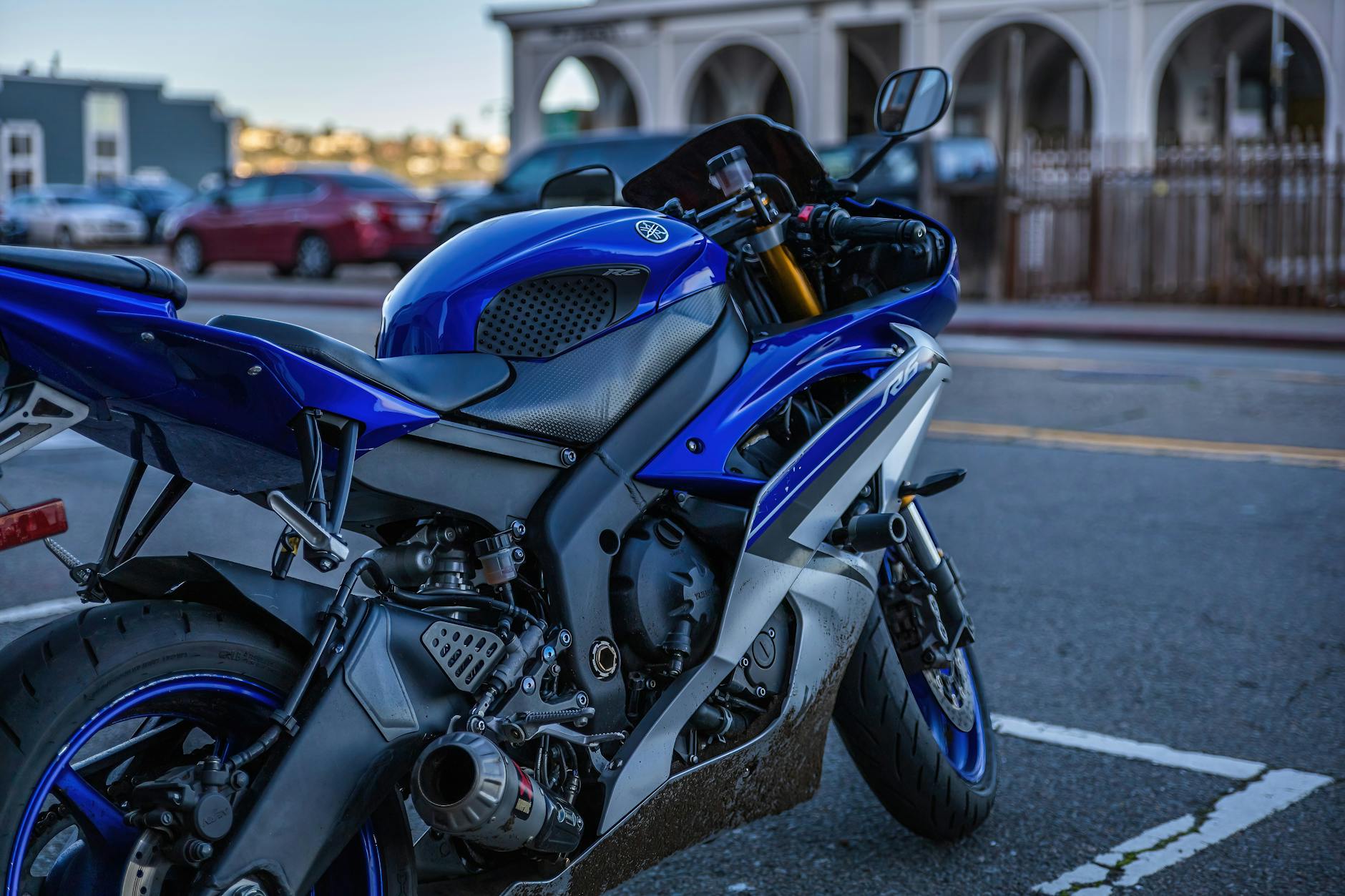
Yamaha Yzf-r6
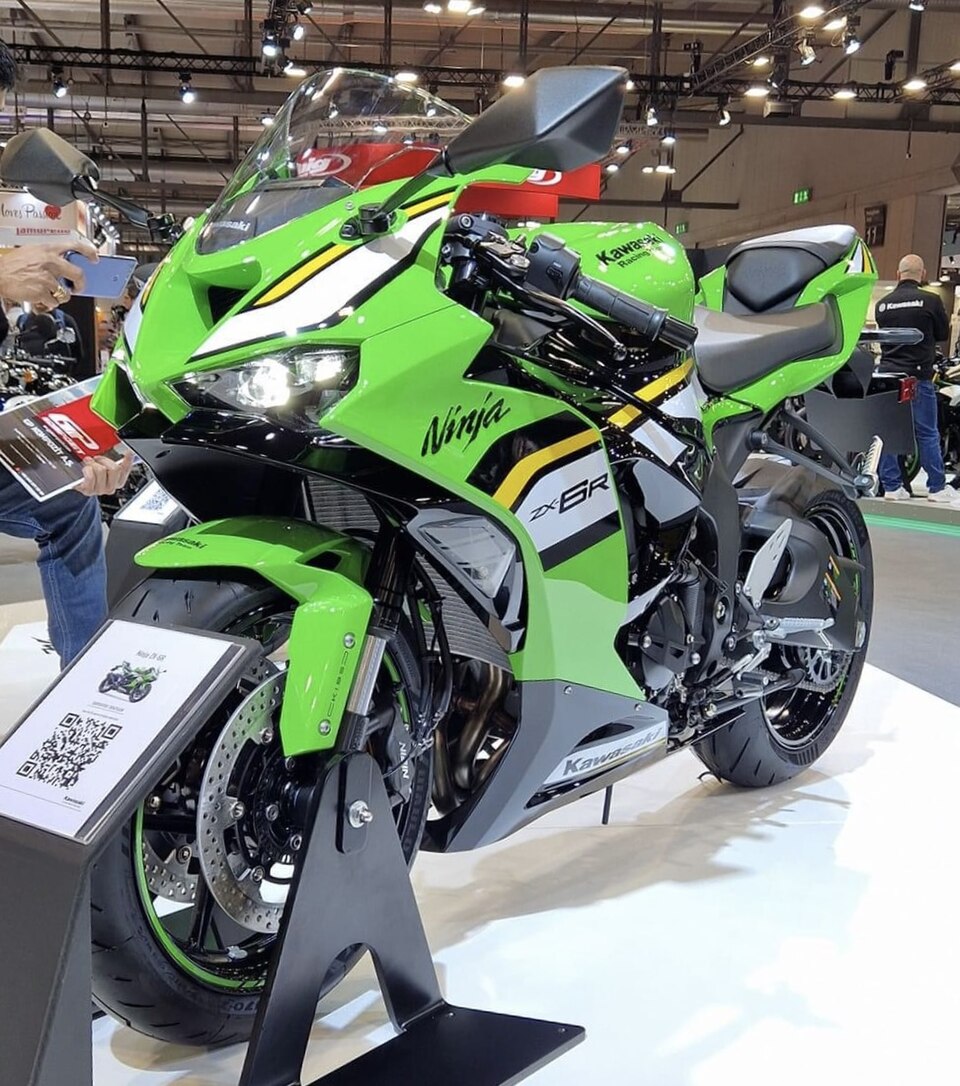
Kawasaki Ninja Zx-6r
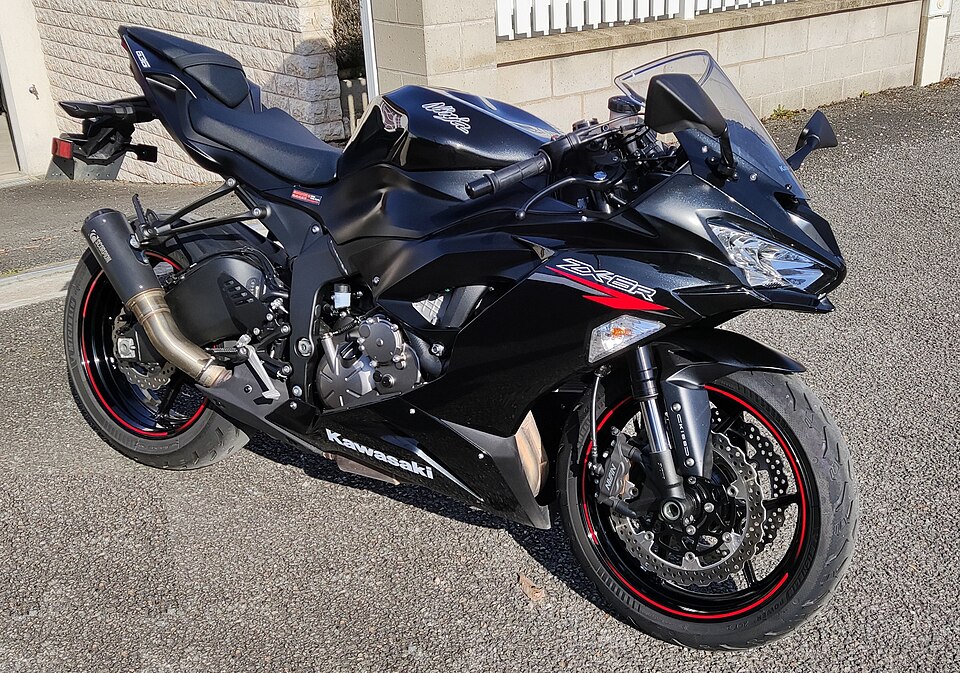
Kawasaki Ninja Zx-6r 636
Compare Suzuki Gsx-r750 Side-by-Side
compare_arrowsSpecs, power, weight & buyer verdict — head-to-head with the bikes most often cross-shopped.
Suzuki Gsx-r750 vs Honda Cbr600rr
Specs · Power · Buyer verdict
Suzuki Gsx-r750 vs Suzuki Gsx-r600
Specs · Power · Buyer verdict
Suzuki Gsx-r750 vs Yamaha Yzf-r6
Specs · Power · Buyer verdict
Suzuki Gsx-r750 vs Kawasaki Ninja Zx-6r
Specs · Power · Buyer verdict
Suzuki Gsx-r750 vs Kawasaki Ninja Zx-6r 636
Specs · Power · Buyer verdict
More Suzuki Gsx-r750 Guides
More from Suzuki
View all Suzuki models →Community Reviews
Discussion
Frequently Asked Questions
What are common problems with the Suzuki Gsx-r750? +
Rectifier/regulator failure, kills battery and charging: Voltage at idle and revs, check for melted connector (serious) | Coolant system leaks, water pump seals fail: Inspect weep hole under pump, check coolant color (moderate) | Stator burnout on high-mileage units: AC output test, check for oil contamination in stator (serious)
Is the Suzuki Gsx-r750 a good motorcycle? +
The best used sportbike bargain if you buy carefully. Rating: 8.5/10. Best for: Experienced riders wanting weekend canyon weapon cheaply. Avoid if: New riders or daily urban commuters wanting comfort.
What is the horsepower of the Suzuki Gsx-r750? +
The Suzuki Gsx-r750 produces 150 hp @ 13,200 rpm, with 87 Nm @ 10,800 rpm of torque. Top speed: 270 km/h.
Is the Suzuki Gsx-r750 good for beginners? +
Not really — the Suzuki Gsx-r750 is better for experienced riders (150 hp can be intimidating). Experienced riders wanting weekend canyon weapon cheaply Avoid if: New riders or daily urban commuters wanting comfort
Is the Suzuki Gsx-r750 reliable? +
Owners report 2 critical issues to watch for on the Suzuki Gsx-r750, notably: Rectifier/regulator failure, kills battery and charging (Voltage at idle and revs, check for melted connector). Buy with a pre-purchase inspection.
Is the Suzuki Gsx-r750 good for daily use? +
Experienced riders wanting weekend canyon weapon cheaply Fuel: 6.5 L/100km or approximately 15.4 km/L (typical real-world average).
How fast is the Suzuki Gsx-r750? +
The Suzuki Gsx-r750 reaches a top speed of 270 km/h, producing 150 hp at 193 kg curb weight. Real-world performance depends on rider weight, gearing, and road conditions.
What gear should I buy for a Suzuki Gsx-r750? +
Motoryk has curated a Top 10 gear list specifically for the Suzuki Gsx-r750, covering engine oil, tires, chain, battery, and brake pads — see motoryk.com/bikes/suzuki/gsx-r750/top10. Each pick is matched to this bike's spec.