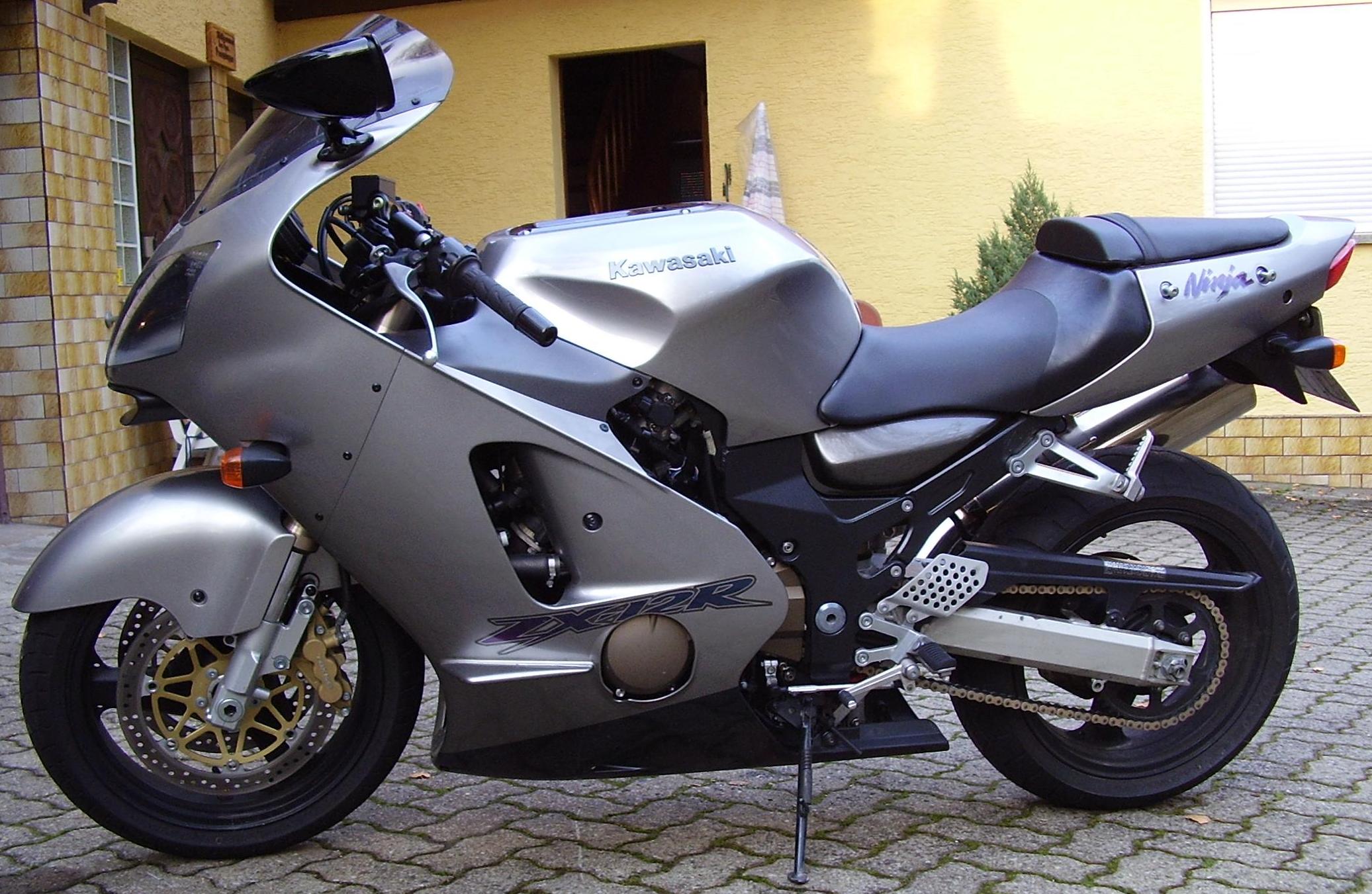
Kawasaki Zx-9r
The Kawasaki Zx-9r has a top speed of 270 km/h (estimated; electronically or mechanically limited depending on year), produces 143 hp and weighs 196 kg. Motoryk rates it 8.2/10.
The Kawasaki ZX-9R was introduced in 1994 as a high-performance supersport motorcycle designed to bridge the gap between the ZX-7R and the ZX-11, offering a blend of sportbike handling with near-superbike power. It went through four generations (C, D, E, and F series) with significant updates in 1998 and 2000, featuring improved aerodynamics, chassis refinements, and increased power output. It was discontinued after 2003 as Kawasaki shifted focus to the ZX-10R, but the ZX-9R remains notable for its versatile nature as both a track-capable and street-friendly machine.
143 hp
Power
103 Nm
Torque
196 kg
Weight
270 km/h (estimated; electronically or mechanically limited depending on year)
Top Speed
6.5–7.5 L/100km (typical real-world average)
Fuel
Faired
Body
🔧 Service Schedule & Parts
Affiliate · we may earn| Service item | Every | Typical cost | Parts |
|---|---|---|---|
| 🛢️ Engine oil + oil filter | 6,000 km / 3,500 mi or 12 mo | $40-80 | 🛢️ Buy → ⚙️ Buy → |
| 🌬️ Air filter | 12,000 km / 7,500 mi | — | 🌬️ Buy → |
| ⚡ Spark plugs | 12,000 km / 7,500 mi | — | ⚡ Buy → |
| 🔧 Valve clearance check | 24,000 km / 15,000 mi | $200-400 | |
| 🔗 Chain & sprockets | 25000-40000 km (replace) | $150-300 | 🔗 Buy → |
| 🛑 Brake pads | 15000-25000 km | $30-60 | 🛑 Buy → |
| 💧 Brake fluid | 24,000 km / 15,000 mi or 2 yr | — | |
| 🧊 Coolant | 24,000 km / 15,000 mi | — | |
| 🛞 Tires | 10000-20000 km | $200-400 | 🛞 Buy → |
| 🔩 Major service | 24,000 km / 15,000 mi | $300-600 |
Video Review
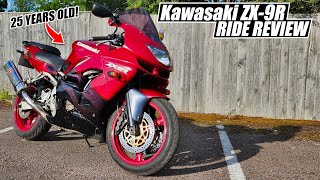
What Buyers Should Know
Check for Regulator Failures
The ZX-9R (especially 1994-1997 models) is known for voltage regulator/rectifier failures that can fry the battery and electrical system. Always test charging output — it should read 13.5-14.5V at idle.
Strong Value Retention
The ZX-9R holds its value well among sport-touring enthusiasts due to its reputation as a balanced, do-it-all sportbike. Clean, low-mileage examples are increasingly sought after as modern classics.
Underrated Performance Package
The 1998-2003 ZX-9R featured a 899cc inline-four producing up to 143hp, making it genuinely competitive with liter bikes of its era. Its slightly softer suspension tuning also makes it far more comfortable for daily riding than pure superbikes.
Generations & Specs by Year
Introduced 899cc inline-four, aluminum twin-spar frame, aggressive supersport styling targeting CBR900RR.
"Honda's nightmare that nearly got everything right."
Kawasaki came swinging at the CBR900RR with this thing, and honestly they landed most of their punches. That 899cc motor pulls hard from 6,000 rpm and absolutely screams past 9,000 — it's more muscular than the Honda, less clinical, and I mean that as a compliment. The aluminum twin-spar chassis feels planted on sweeping A-roads but gets a bit nervous mid-corner on choppy tarmac, and the stock suspension is undersprung for anyone over 80 kilos, so budget for a spring and revalve immediately. The fairing also catches crosswinds like a barn door on motorways, which gets tiresome on long days, but none of that matters much when you crack the throttle on an empty road — this bike just feels alive in a way the spec sheet can't capture.
Pros
Cons
Revised bodywork, updated suspension, improved braking, refined ergonomics and engine tuning for better rideability.
"The supersport that actually makes sense on real roads."
Kawasaki genuinely sorted out the Gen 1's rougher edges here — the revised suspension actually tracks tarmac instead of skipping over it, and the engine tuning pulls cleaner from 6,000 rpm without that abrupt hit that made the '94-'97 bike nervous in wet corners. At 183 kg wet it feels lighter than the spec sheet suggests once you're moving, and the updated ergonomics put you in a position that's aggressive enough to feel purposeful but won't destroy your wrists on a 200-mile day. The braking is a genuine improvement too, with better feel through the lever than most contemporaries. Where it still loses points is wind protection — highway riding above 160 km/h becomes an arm-wrestling match with the fairing, and the midrange vibration through the bars between 4,000 and 5,500 rpm is a persistent irritant you never quite stop noticing.
Pros
Cons
New frame, restyled bodywork, increased power output, revised ram-air intake, improved aerodynamics.
"The sportbike that almost beat its own siblings."
Kawasaki finally sorted the ZX-9R's identity crisis with this gen — the new aluminum twin-spar frame transformed a bike that previously felt vague and nervous into something genuinely confidence-inspiring mid-corner. That 899cc motor pulls hard from 6,000 rpm and absolutely screams past 9,000, and with ram-air doing its job above 160 km/h, you feel the power delivery sharpen in a way that still surprises me. The trade-off is that it sits awkwardly between a proper superbike and a sporttourer — it's too aggressive for long hauls, yet Kawasaki's own ZX-7R ate it alive on track with better chassis feedback. Fueling on early carb-fed examples can be abrupt off idle in cold weather, and the stock seat turns your backside to concrete after about 90 minutes.
Pros
Cons
Significantly revised chassis, new bodywork, enhanced engine performance, improved handling and fuel delivery.
"The ZX-9R finally grew up and delivered."
The Gen 4 chassis overhaul genuinely transformed this bike — where the earlier 9Rs felt nervous and twitchy mid-corner, this one settles and tracks with real confidence, especially on sweeping A-roads where it just flows. The 899cc motor pulls hard from 6,000 rpm and absolutely screams past 9,000, and Kawasaki cleaned up the fuel delivery enough that the previous generation's abrupt low-rpm jerkiness is largely gone. It's not quite as sharp or focused as a contemporary R1 or CBR954 — the steering feels a touch heavy compared to those knives — but it compensates with a stability and real-world friendliness those bikes don't always offer. I put 14,000 miles on mine across two years and the only complaint I'd lodge is that the seat turns punishing after 90 minutes, and the mirrors vibrate into uselessness above 8,000 rpm.
Pros
Cons
Used Buyer Review
"A raw, rewarding sportsbike that punishes complacency but rewards commitment."
$3,500-$6,500 usedThe ZX-9R sits in a weird but brilliant middle ground — not quite superbike, not quite naked, but faster than either category suggests. Kawasaki built this thing as a genuine ZX-7R alternative that ordinary humans could actually live with, and it delivers. The 899cc inline-four pulls hard from 4,000rpm and absolutely screams past 10,000. It's a riot on B-roads and surprisingly composed on longer runs. Just respect what it is: a 150-plus horsepower machine from an era before traction control existed. Used examples need careful inspection. Check the frame sliders — most have been down at least once, so look for subtle bends around the headstock and swingarm pivot. Cam chain tensioners can rattle on cold starts, which sounds terrifying but is usually manageable. Fairings are expensive and increasingly hard to source, so factor in cosmetic damage on the asking price. The C2 and D models from 2002-2003 are the sweet spot — refined suspension, better fueling, and dealers finally sorted the cooling.
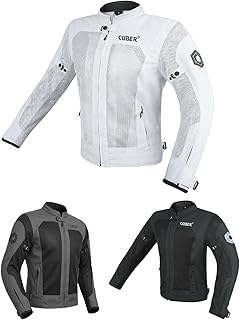
Top 10 Accessories
Curated picks for the Kawasaki Zx-9r — owned, ridden, recommended.




Common Problems
🔥 2 CRITICALRough idle, flat spots, poor throttle response at low RPM
Check charging voltage, inspect for melted connector pins
Inspect pivot area closely for rust, cracks, prior repairs
Oil streaks on fork legs, check for soft or stiff dive
✅Pre-Purchase Checklist
Solid bike if maintained, avoid neglected examples
Full Specifications
Rivals & Alternatives
Bikes that buyers cross-shop with the Kawasaki Zx-9r
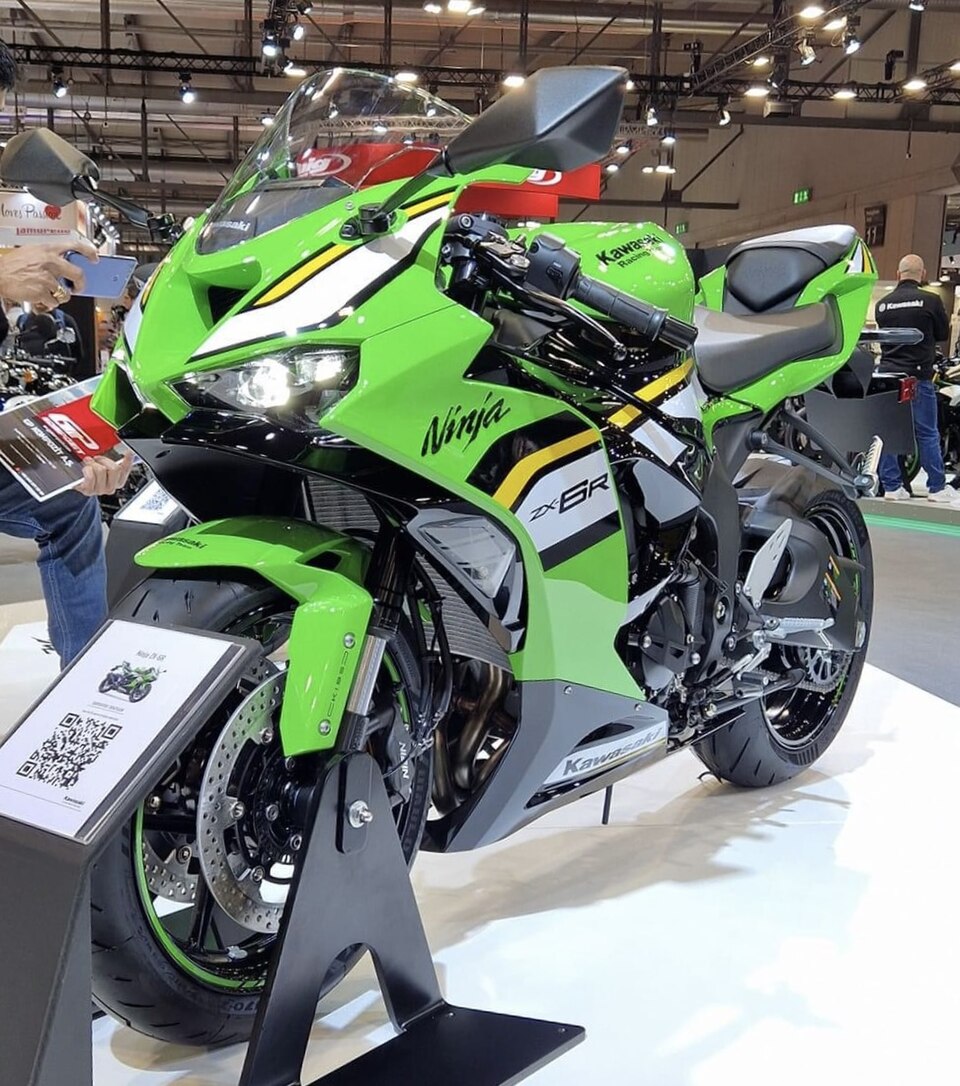
Kawasaki Ninja Zx-6r
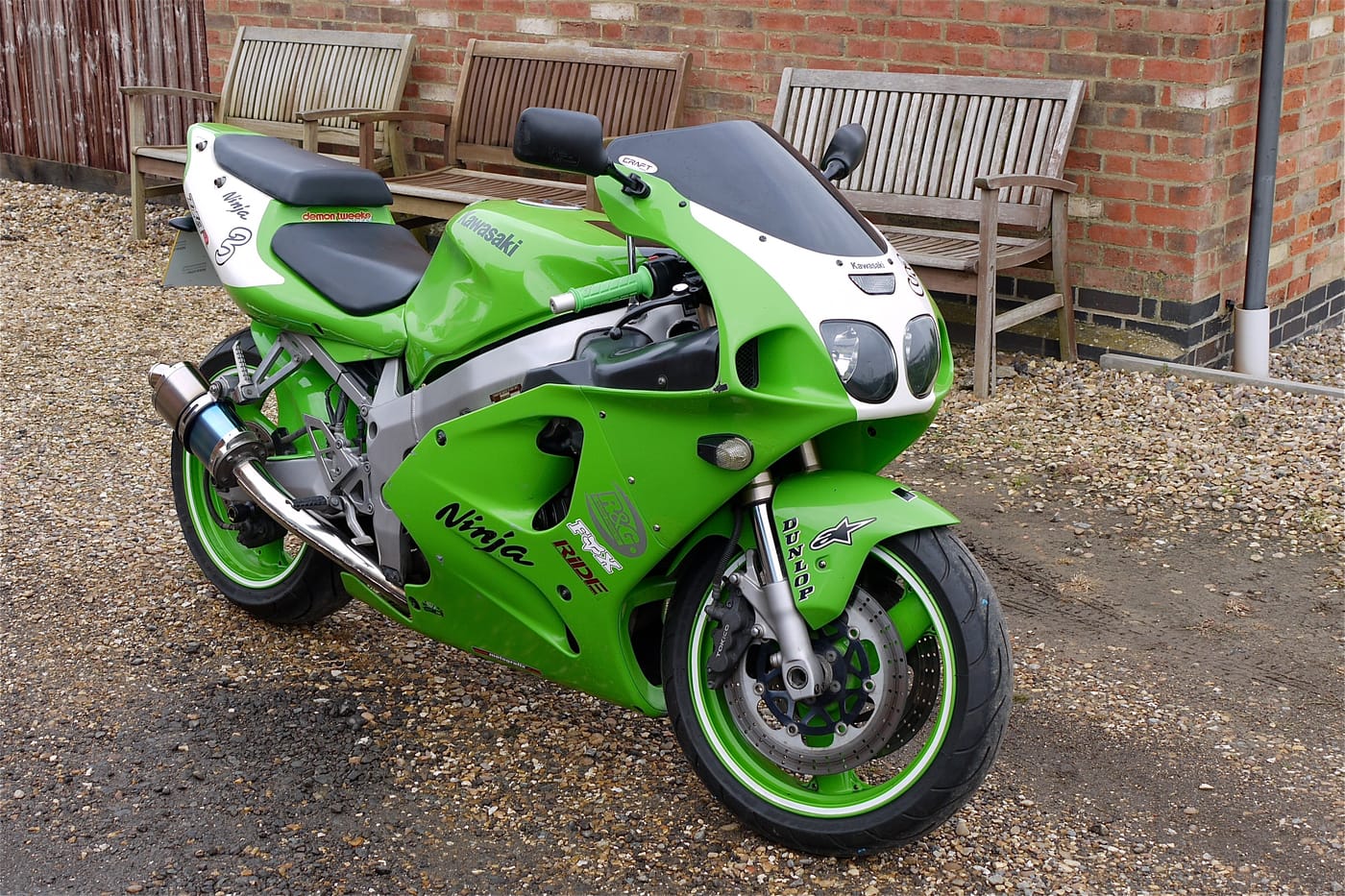
Kawasaki Zx-7r
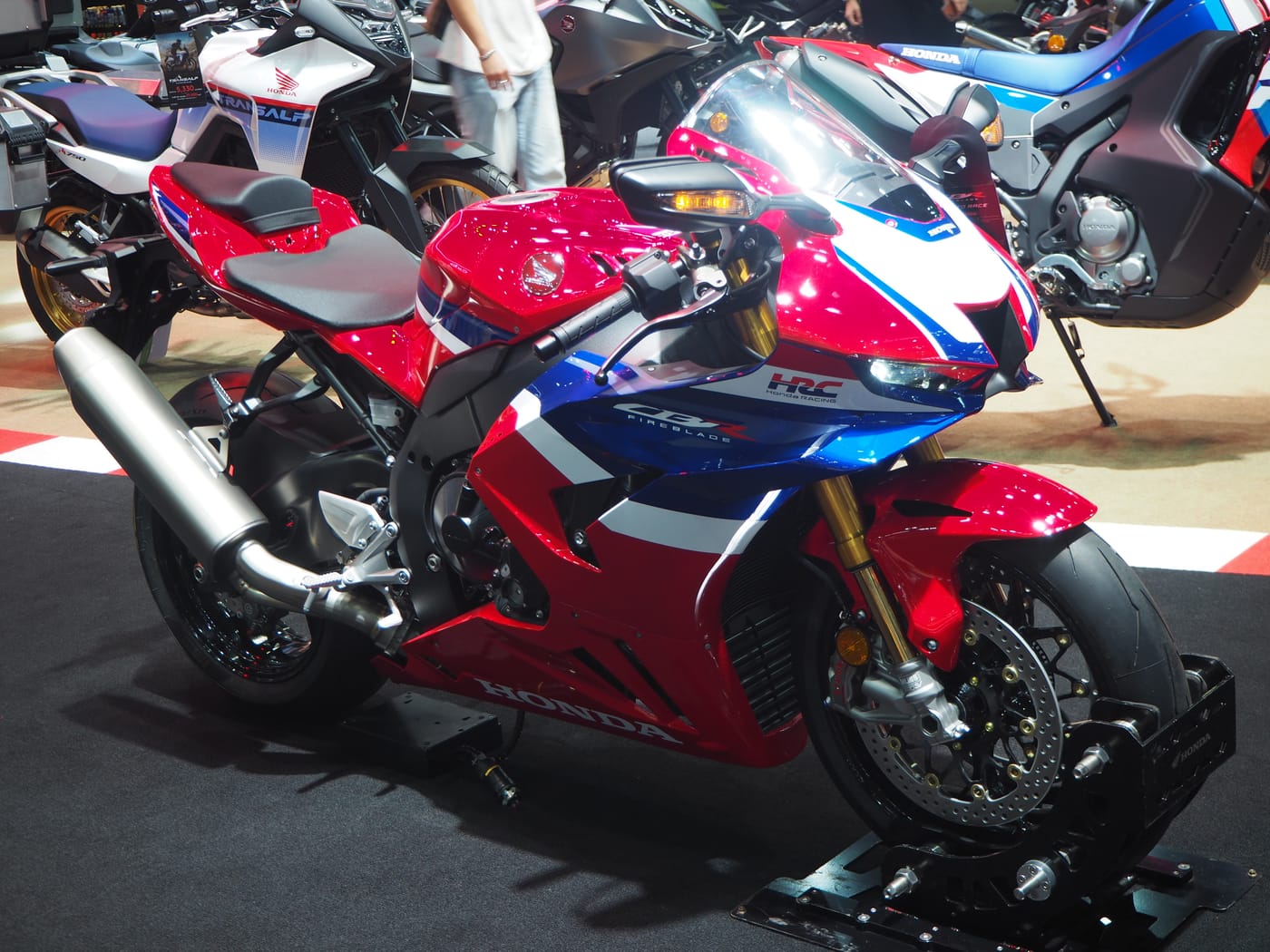
Honda Cbr929rr
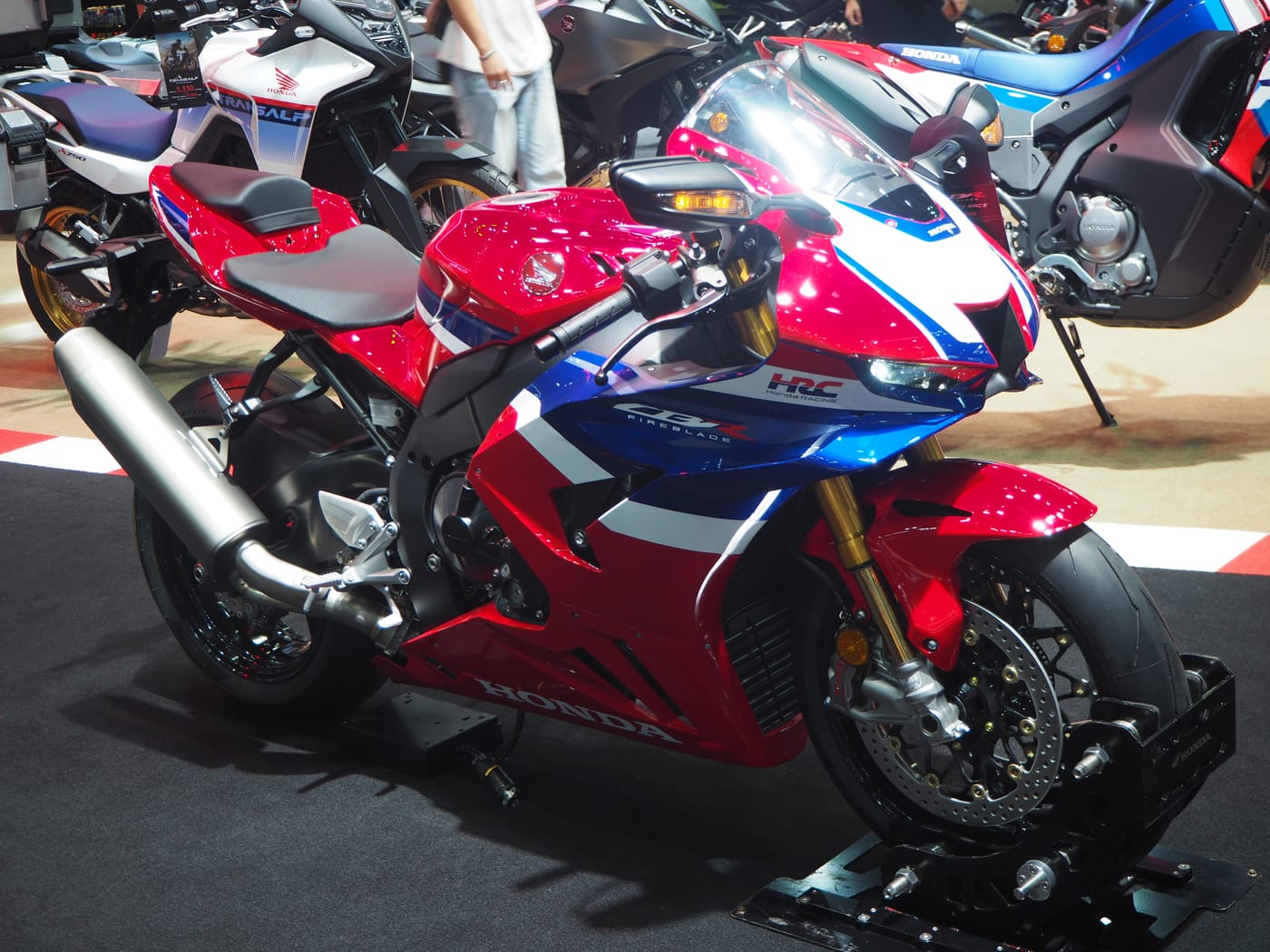
Honda Cbr954rr
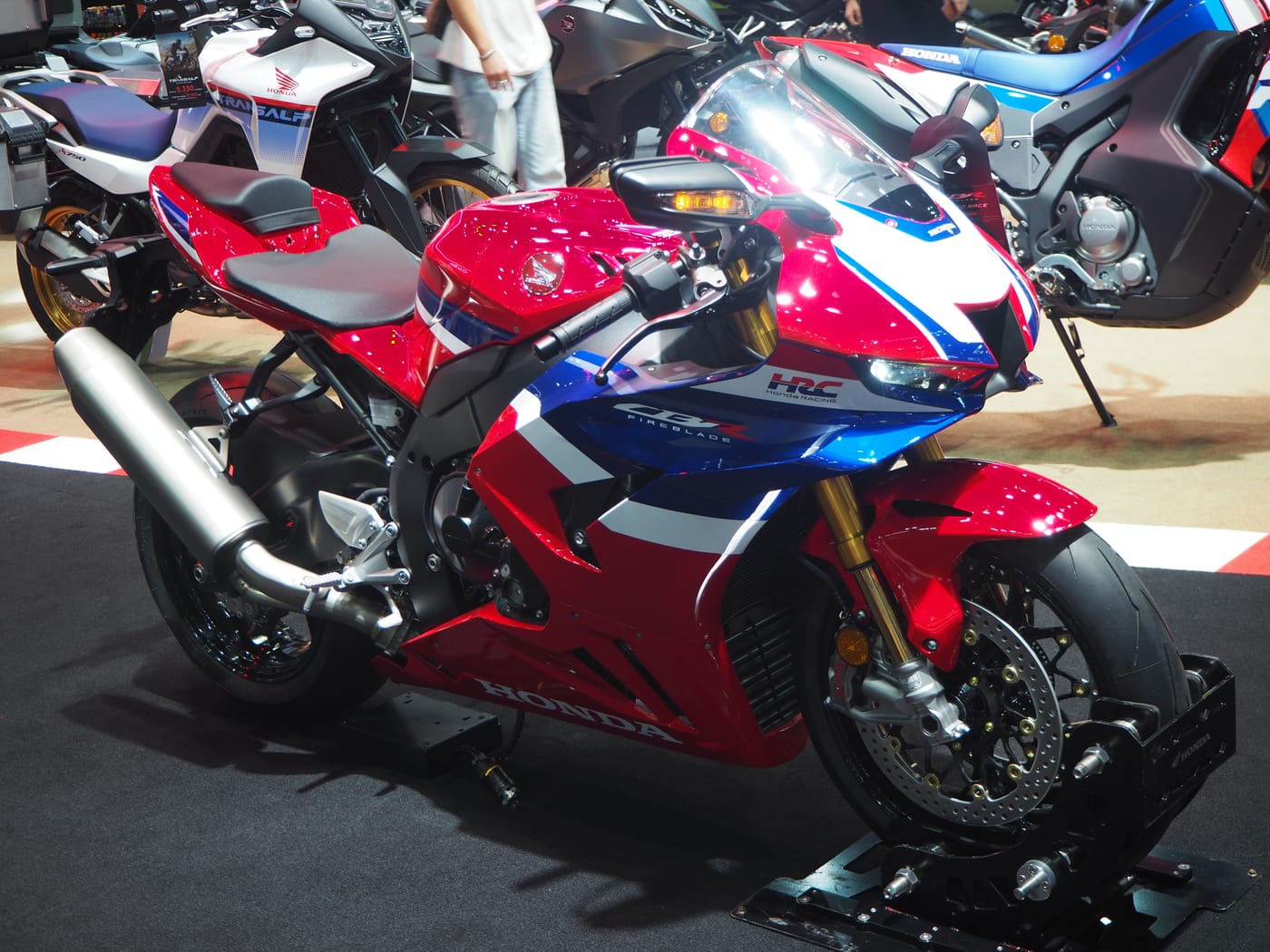
Honda Cbr900rr Fireblade
Compare Kawasaki Zx-9r Side-by-Side
compare_arrowsSpecs, power, weight & buyer verdict — head-to-head with the bikes most often cross-shopped.
Kawasaki Zx-9r vs Kawasaki Ninja Zx-6r
Specs · Power · Buyer verdict
Kawasaki Zx-9r vs Kawasaki Zx-7r
Specs · Power · Buyer verdict
Kawasaki Zx-9r vs Honda Cbr929rr
Specs · Power · Buyer verdict
Kawasaki Zx-9r vs Honda Cbr954rr
Specs · Power · Buyer verdict
Kawasaki Zx-9r vs Honda Cbr900rr Fireblade
Specs · Power · Buyer verdict
More Kawasaki Zx-9r Guides
More from Kawasaki
View all Kawasaki models →Community Reviews
Discussion
Frequently Asked Questions
What are common problems with the Kawasaki Zx-9r? +
Carb sync and jetting issues: Rough idle, flat spots, poor throttle response at low RPM (moderate) | Rectifier/regulator failure kills battery: Check charging voltage, inspect for melted connector pins (serious) | Frame corrosion around swingarm pivot: Inspect pivot area closely for rust, cracks, prior repairs (serious)
Is the Kawasaki Zx-9r a good motorcycle? +
A raw, rewarding sportsbike that punishes complacency but rewards commitment. Rating: 8.2/10. Best for: Experienced riders wanting analog sportsbike thrills cheaply. Avoid if: New riders or anyone expecting modern safety nets.
What is the horsepower of the Kawasaki Zx-9r? +
The Kawasaki Zx-9r produces 143 hp @ 11,000 rpm (2002–2003 F series; earlier models ~125–136 hp), with 103 Nm @ 8,500 rpm of torque. Top speed: 270 km/h (estimated; electronically or mechanically limited depending on year).
Is the Kawasaki Zx-9r good for beginners? +
Not really — the Kawasaki Zx-9r is better for experienced riders (143 hp can be intimidating). Experienced riders wanting analog sportsbike thrills cheaply Avoid if: New riders or anyone expecting modern safety nets
Is the Kawasaki Zx-9r reliable? +
Owners report 2 critical issues to watch for on the Kawasaki Zx-9r, notably: Rectifier/regulator failure kills battery (Check charging voltage, inspect for melted connector pins). Buy with a pre-purchase inspection.
Is the Kawasaki Zx-9r good for daily use? +
Experienced riders wanting analog sportsbike thrills cheaply Fuel: 6.5–7.5 L/100km (typical real-world average).
How fast is the Kawasaki Zx-9r? +
The Kawasaki Zx-9r reaches a top speed of 270 km/h (estimated; electronically or mechanically limited depending on year), producing 143 hp at 196 kg curb weight. Real-world performance depends on rider weight, gearing, and road conditions.
What gear should I buy for a Kawasaki Zx-9r? +
Motoryk has curated a Top 10 gear list specifically for the Kawasaki Zx-9r, covering engine oil, tires, chain, battery, and brake pads — see motoryk.com/bikes/kawasaki/zx-9r/top10. Each pick is matched to this bike's spec.