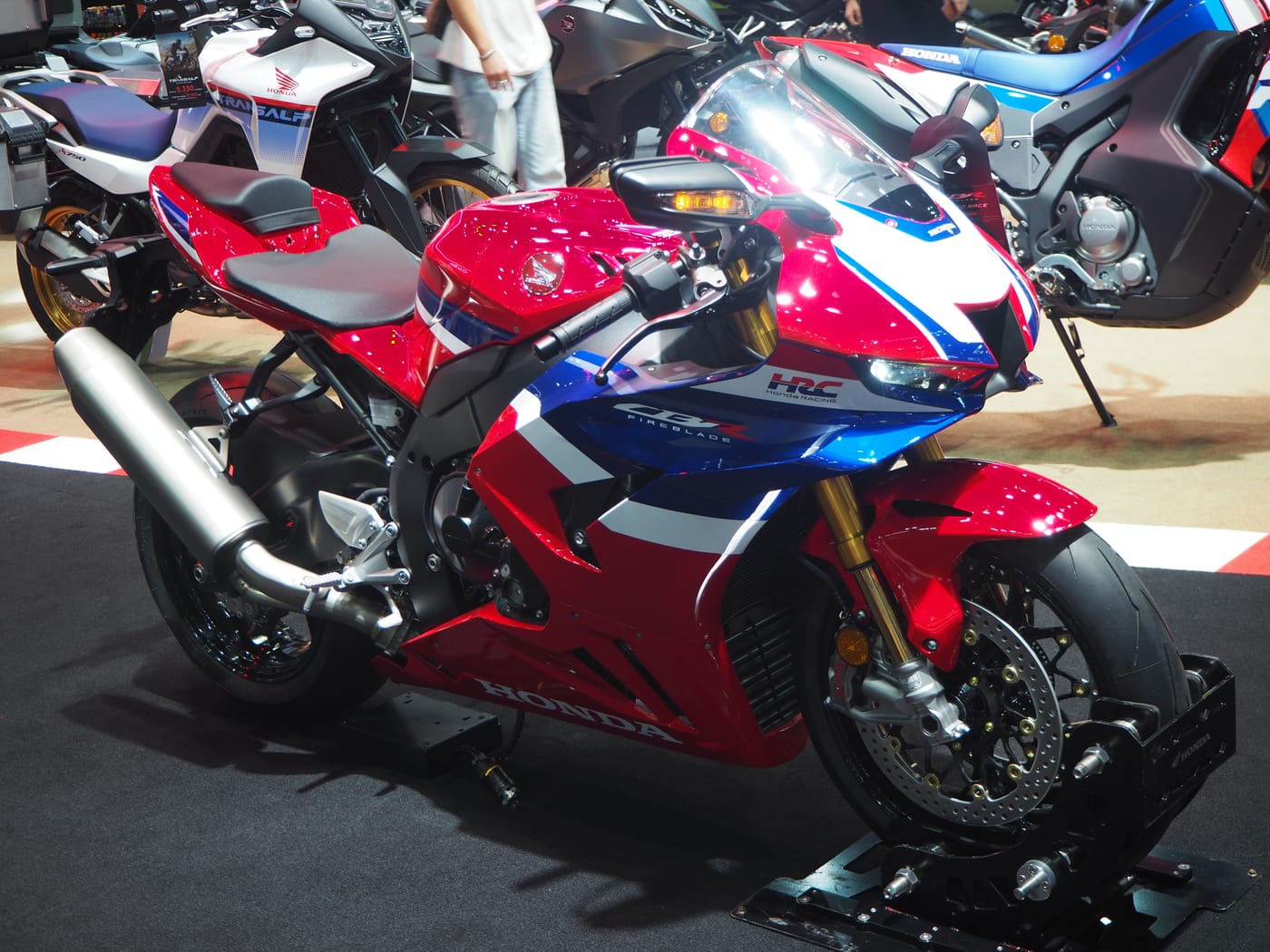
Honda Cbr900rr Fireblade
The Honda Cbr900rr Fireblade has a top speed of 270 km/h, produces 122 hp and weighs 185 kg. Motoryk rates it 8.5/10.
The Honda CBR900RR FireBlade was introduced in 1992, conceived by engineer Tadao Baba with the radical philosophy of combining 900cc power with 600cc-class weight and handling. It revolutionized the superbike segment by proving that lightweight agility could coexist with large-displacement performance, making it one of the most influential sportbikes ever produced. The model evolved through several generations until 2003, when it was replaced by the CBR1000RR, consistently setting benchmarks for power-to-weight ratio in the open-class category.
122 hp
Power
92 Nm
Torque
185 kg
Weight
270 km/h
Top Speed
6.5 L/100km (approximately 15.4 km/L, typical real-world average)
Fuel
Faired
Body
🔧 Service Schedule & Parts
Affiliate · we may earn| Service item | Every | Typical cost | Parts |
|---|---|---|---|
| 🛢️ Engine oil + oil filter | 6,000 km / 3,500 mi or 12 mo | $40-80 | 🛢️ Buy → ⚙️ Buy → |
| 🌬️ Air filter | 12,000 km / 7,500 mi | — | 🌬️ Buy → |
| ⚡ Spark plugs | 12,000 km / 7,500 mi | — | ⚡ Buy → |
| 🔧 Valve clearance check | 24,000 km / 15,000 mi | $200-400 | |
| 🔗 Chain & sprockets | 20000-35000 km (replace) | $150-300 | 🔗 Buy → |
| 🛑 Brake pads | 15000-25000 km | $30-60 | 🛑 Buy → |
| 💧 Brake fluid | 24,000 km / 15,000 mi or 2 yr | — | |
| 🧊 Coolant | 24,000 km / 15,000 mi | — | |
| 🛞 Tires | 10000-18000 km | $200-400 | 🛞 Buy → |
| 🔩 Major service | 24,000 km / 15,000 mi | $300-600 |
Video Review
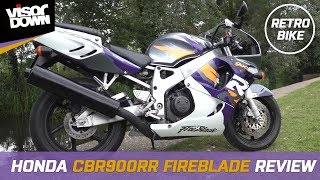
What Buyers Should Know
Honda Reliability Legacy
The CBR900RR is renowned for exceptional Honda build quality, with well-maintained examples regularly exceeding 100,000 km without major engine work. Regular valve clearance checks are the most critical maintenance item to keep it running flawlessly.
Watch for Rectifier Faults
Early models (1992–1999) are known for regulator/rectifier failures that can kill the battery and leave you stranded. Always test the charging system — a healthy bike should show 13.5–14.5V at the battery when running.
Strong Collector Value
Original, unmodified first-generation Fireblades (SC28/SC33) are increasingly sought after as modern classics, holding or gaining value when in clean, stock condition. Heavily modified or track-prepped examples sell for significantly less.
Generations & Specs by Year
Original 893cc inline-four, lightweight 185kg, revolutionary power-to-weight ratio concept introduced by Tadao Baba.
"The bike that rewrote every rulebook overnight."
I rode a '93 Fireblade back-to-back with a CBR1000F and felt like someone had deleted 40 kilos of irrelevance — the thing changes direction like a 600 but pulls like something far angrier. Tadao Baba's obsession with total weight shows everywhere: thin seat, compact chassis, nothing wasted. The carburetted motor is honest and linear rather than savage, which means you can actually use the power on real roads without immediately dying, though the last 2,000 rpm before the 11k limiter will rearrange your priorities. Weaknesses are real — the brakes are soft by modern standards, the seat will destroy you after 90 minutes, and that narrow front tyre choice feels nervous when you first push it cold.
Pros
Cons
Enlarged to 919cc, revised frame, twin-headlight fairing, improved braking and suspension refinements.
"The Blade grew up without losing its soul."
The 919cc engine transformed what was already a great bike into something genuinely fast rather than just feeling fast — that extra displacement fills in the mid-range in a way the earlier 893 never quite managed, so you're not constantly hunting for peak revs on B-roads. The revised frame sharpened turn-in without making it twitchy, and the twin headlights actually work rather than just looking the part. Braking is where Honda clearly listened to owners — the front end bites harder and with more feel than the Gen 1, though the rear still locks embarrassingly easy if you're ham-fisted under hard stops. The seat height and weight still make this a genuinely approachable machine at the lights, but cross the 8,000rpm threshold and you remember exactly why this thing defined the term 'superbike' for a generation.
Pros
Cons
Major redesign, 929cc then 954cc, inverted forks, under-seat exhausts, more aggressive styling.
"The Fireblade grew up without losing its soul."
The 929 hit me like a revelation the first time I cracked the throttle past 8,000 rpm — it doesn't surge, it catapults, with a linearity that makes the power feel almost manageable until you check your speed and realise you're doing something genuinely stupid. Honda's mass-centralisation philosophy reached a peak here; the 954 especially turns with a precision that shames heavier exotics, and that underseat exhaust layout is part of why — the weight sits exactly where you want it. The inverted forks were a genuine upgrade over the previous gen, giving real feel through slow-speed corners where earlier Blades felt vague. Honest weaknesses: the pillion perch is a cruelty, heat soak in traffic will cook your right leg, and the stock Bridgestones on early examples needed replacing before you really trusted the front end.
Pros
Cons
New 998cc engine, unit pro-link rear suspension, radial brakes, significantly revised chassis geometry.
"The Fireblade finally grew up without losing its soul."
The jump to 998cc transformed this bike from a polite overachiever into something genuinely ferocious — pull the throttle past 7,000 rpm and it stops asking permission. Radial brakes were the real revelation for me; that initial bite is sharp enough to rearrange your organs, and after 15,000 km they still haven't gone wooden or vague. The unit Pro-Link rear end planted the back wheel through corners in a way the previous generation never quite managed, making it feel more like a proper tool than a talented amateur. My honest complaint is the midrange — there's a slight flat spot around 4,500–5,500 rpm in town that makes filtering and slow traffic genuinely annoying, and at 193 kg wet it's no featherweight compared to the Yamaha R1 breathing down its neck.
Pros
Cons
New twin-spar frame, 599cc-influenced styling, 178bhp, combined ABS introduced, revised ergonomics.
"The Fireblade grew up without losing its soul."
Honda sharpened everything that made the 954 special and wrapped it in a frame that actually talks to you mid-corner — the new twin-spar setup transformed front-end feel from vague to surgical. I ran mine on track at Donington and the 178bhp delivery is deceptively smooth; it doesn't hit you like a sledgehammer, it just keeps pulling until you're out of road and excuses. The combined ABS is genuinely good for the road, not intrusive, and it's saved my skin once on a diesel patch outside Leicester. Only real gripe is the mid-range — below 7,000rpm it feels like the engine is working a second job it resents, and the stock Dunlop rubber on early models was borderline dangerous in the cold.
Pros
Cons
Completely new design, 1000cc, integrated ABS, torque control, Showa Big Piston forks, 179bhp.
Updated electronics, new Brembo monobloc calipers, quickshifter, revised aerodynamics and styling tweaks.
Wing-style aerodynamic package, cornering ABS, wheelie control, updated IMU-based electronics suite.
Used Buyer Review
"A genuine legend that still rewards experienced riders enormously."
$3,500-$7,500 usedThe original FireBlade is one of those motorcycles that genuinely changed the game, and used examples still deliver something special that modern bikes struggle to replicate. Honda built these things like tanks — neglected examples with 40,000 miles will often still run cleanly once you sort the basics. The 919cc inline-four pulls hard from 6,000rpm upward and that chassis balance remains genuinely impressive even by today's standards. Buying used though, you need eyes open. Fairings are expensive and increasingly hard to source, so walk away from anything cosmetically hammered unless the price reflects serious damage. Check the frame carefully around the headstock — these got ridden hard and some got dropped harder. Carbureted 893cc examples need fresh carb rebuild kits if they've sat. Budget £300-500 immediately for consumables: tyres, chain, brake fluid, coolant. The good news is Honda reliability means the engine itself rarely causes drama.
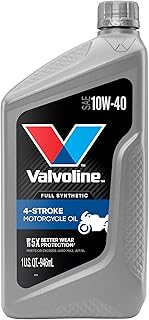
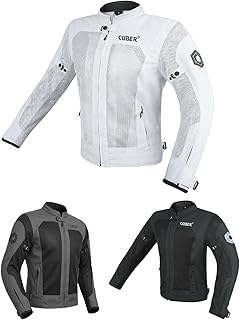
Top 10 Accessories
Curated picks for the Honda Cbr900rr Fireblade — owned, ridden, recommended.




Common Problems
🔥 2 CRITICALRough idle, hesitation, flat spots during acceleration
Battery voltage at idle, look for melted connector
Notchy steering, wobble at speed, inspect for play
Check welds near headstock and swingarm pivot
✅Pre-Purchase Checklist
Very reliable if maintained, avoid crashed examples
Full Specifications
Rivals & Alternatives
Bikes that buyers cross-shop with the Honda Cbr900rr Fireblade
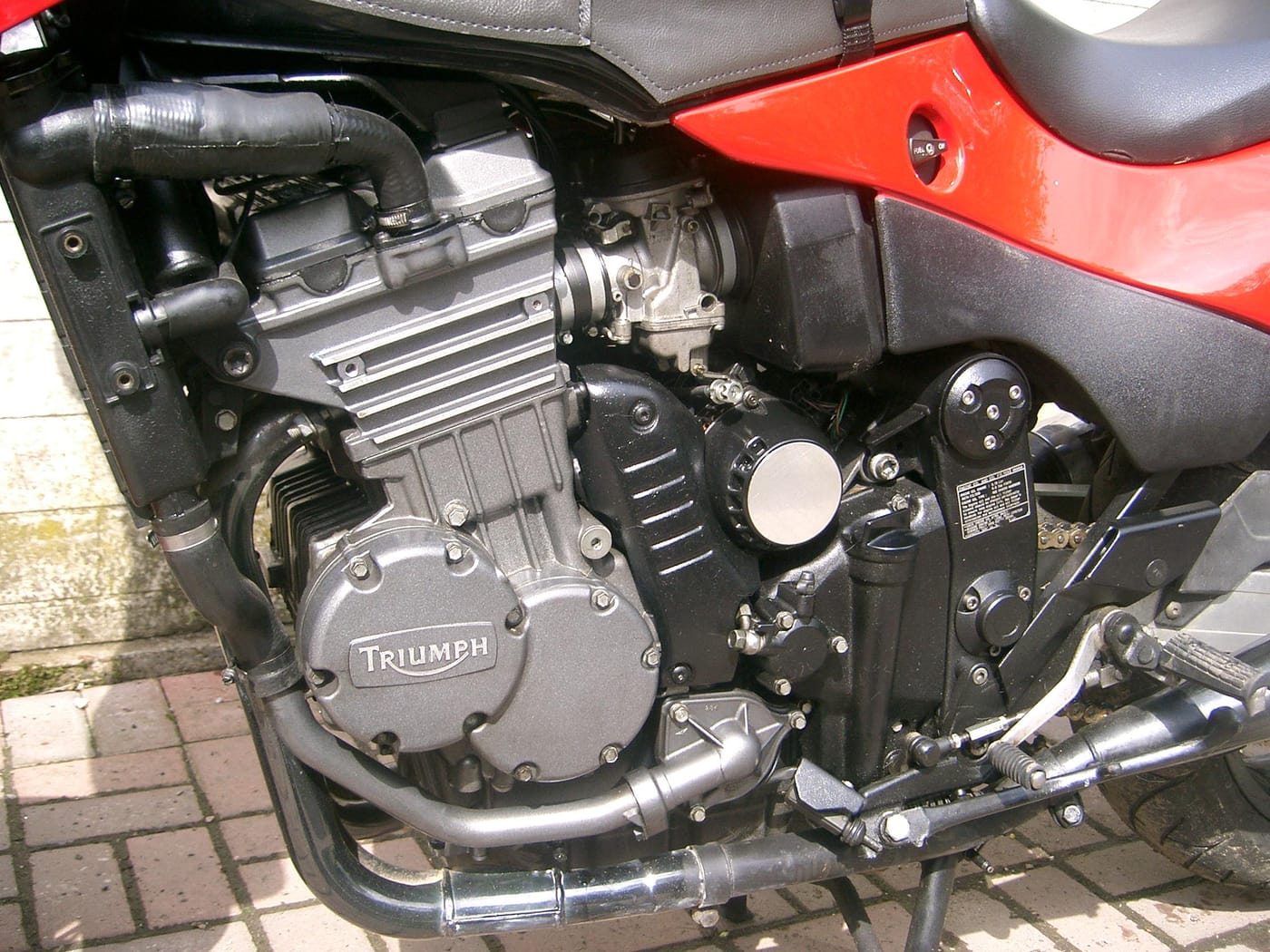
Triumph Daytona 955i
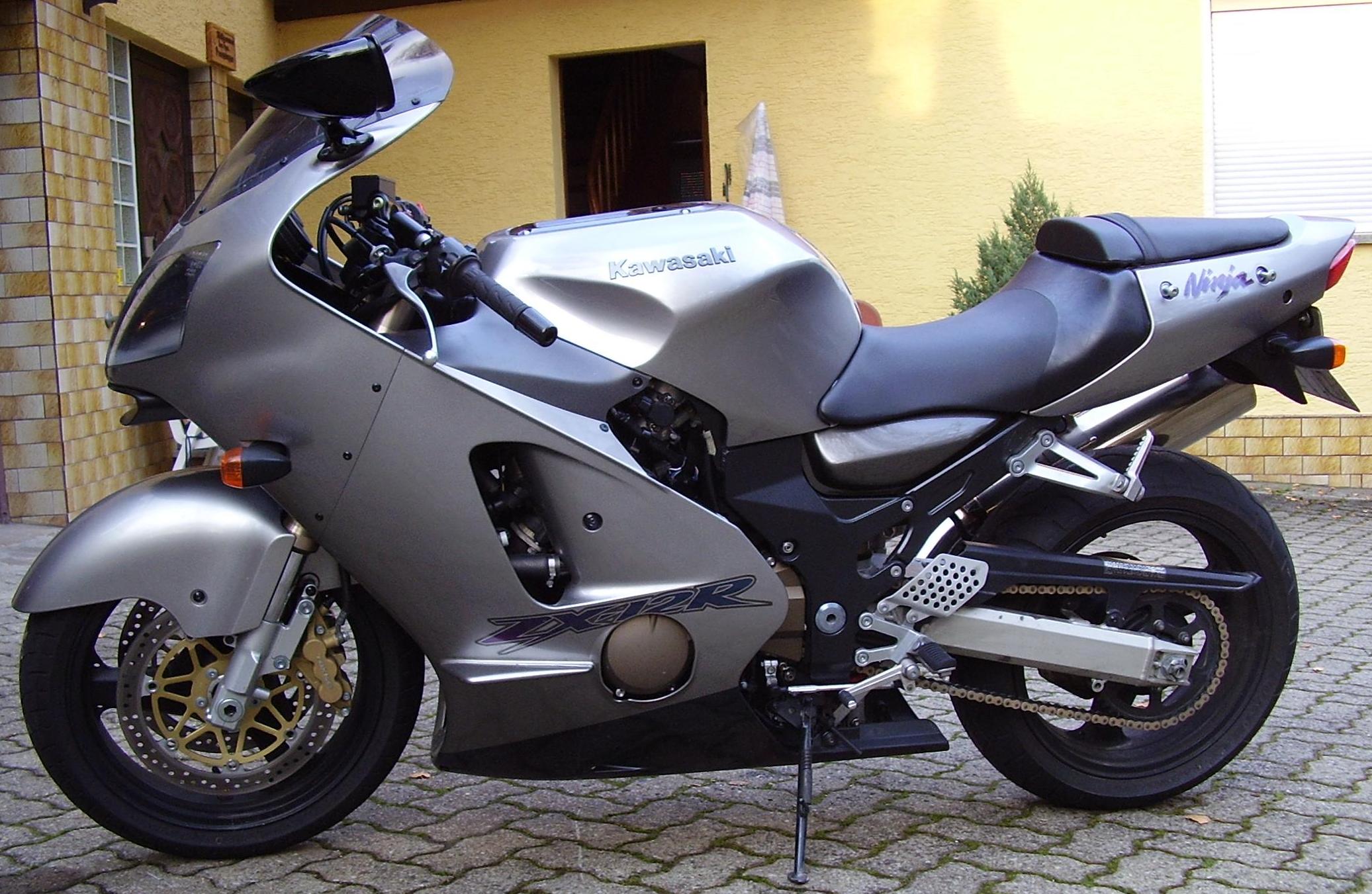
Kawasaki Zx-9r
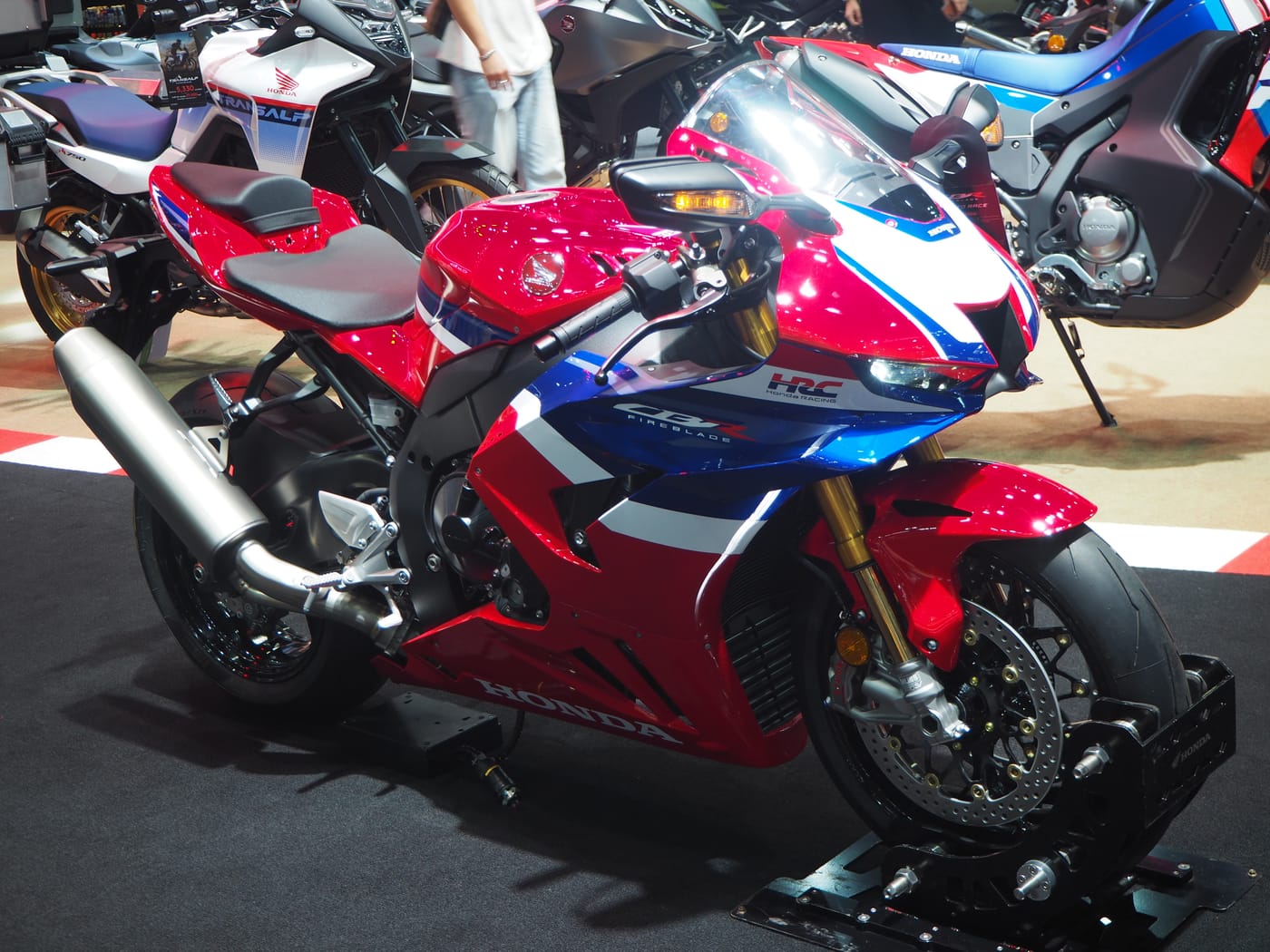
Honda Cbr929rr
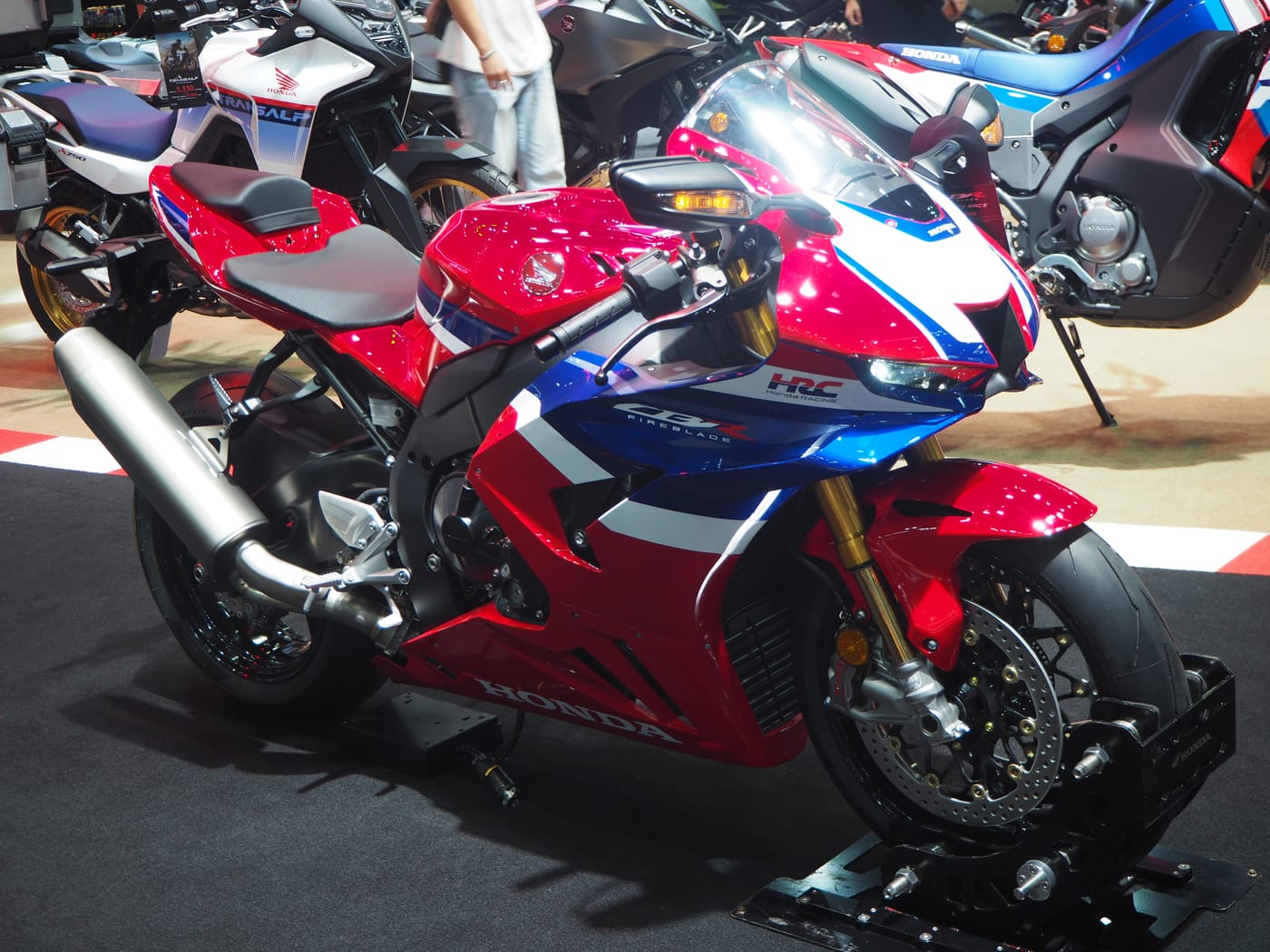
Honda Cbr954rr
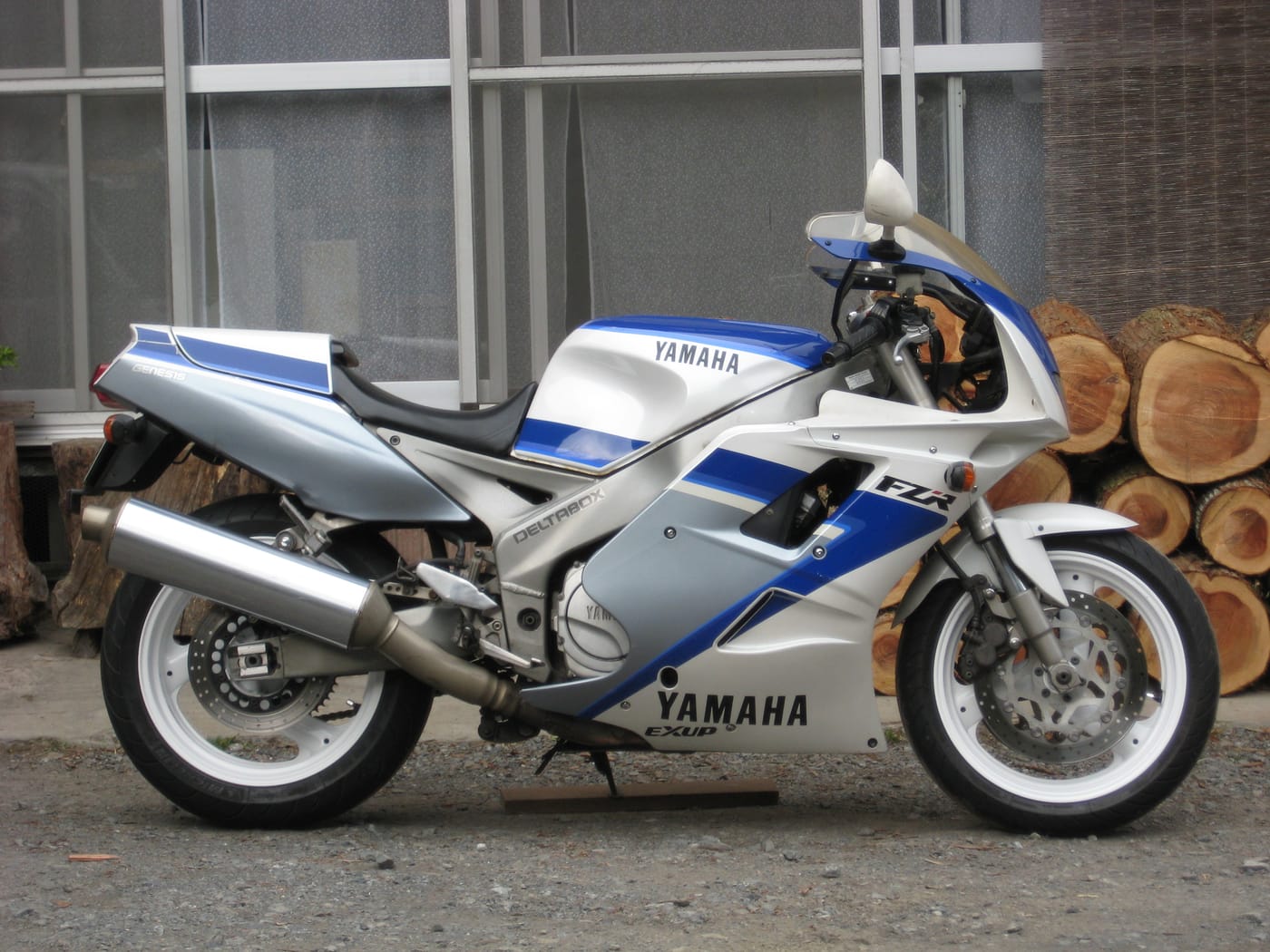
Yamaha Yzf1000r Thunderace
Compare Honda Cbr900rr Fireblade Side-by-Side
compare_arrowsSpecs, power, weight & buyer verdict — head-to-head with the bikes most often cross-shopped.
Honda Cbr900rr Fireblade vs Triumph Daytona 955i
Specs · Power · Buyer verdict
Honda Cbr900rr Fireblade vs Kawasaki Zx-9r
Specs · Power · Buyer verdict
Honda Cbr900rr Fireblade vs Honda Cbr929rr
Specs · Power · Buyer verdict
Honda Cbr900rr Fireblade vs Honda Cbr954rr
Specs · Power · Buyer verdict
Honda Cbr900rr Fireblade vs Yamaha Yzf1000r Thunderace
Specs · Power · Buyer verdict
More Honda Cbr900rr Fireblade Guides
More from Honda
View all Honda models →Community Reviews
Discussion
Frequently Asked Questions
What are common problems with the Honda Cbr900rr Fireblade? +
Carb sync and rejetting issues older models: Rough idle, hesitation, flat spots during acceleration (moderate) | Rectifier/regulator failure kills charging system: Battery voltage at idle, look for melted connector (serious) | Steering head bearing wear from track use: Notchy steering, wobble at speed, inspect for play (moderate)
Is the Honda Cbr900rr Fireblade a good motorcycle? +
A genuine legend that still rewards experienced riders enormously. Rating: 8.5/10. Best for: Experienced riders wanting affordable superbike thrills. Avoid if: New riders wanting forgiving, modern safety tech.
What is the horsepower of the Honda Cbr900rr Fireblade? +
The Honda Cbr900rr Fireblade produces 122 hp @ 10,500 rpm, with 92 Nm @ 8,500 rpm of torque. Top speed: 270 km/h.
Is the Honda Cbr900rr Fireblade good for beginners? +
Not really — the Honda Cbr900rr Fireblade is better for experienced riders (122 hp can be intimidating). Experienced riders wanting affordable superbike thrills Avoid if: New riders wanting forgiving, modern safety tech
Is the Honda Cbr900rr Fireblade reliable? +
Owners report 2 critical issues to watch for on the Honda Cbr900rr Fireblade, notably: Rectifier/regulator failure kills charging system (Battery voltage at idle, look for melted connector). Buy with a pre-purchase inspection.
Is the Honda Cbr900rr Fireblade good for daily use? +
Experienced riders wanting affordable superbike thrills Fuel: 6.5 L/100km (approximately 15.4 km/L, typical real-world average).
How fast is the Honda Cbr900rr Fireblade? +
The Honda Cbr900rr Fireblade reaches a top speed of 270 km/h, producing 122 hp at 185 kg curb weight. Real-world performance depends on rider weight, gearing, and road conditions.
What gear should I buy for a Honda Cbr900rr Fireblade? +
Motoryk has curated a Top 10 gear list specifically for the Honda Cbr900rr Fireblade, covering engine oil, tires, chain, battery, and brake pads — see motoryk.com/bikes/honda/cbr900rr-fireblade/top10. Each pick is matched to this bike's spec.