Yamaha Mio Soul
The Yamaha Mio Soul has a top speed of 95 km/h, produces 7.9 hp and weighs 93 kg. Motoryk rates it 6.5/10.
Yamaha Mio Soul был представлен в Индонезии примерно в 2008 году как более спортивный и более мужской вариант популярного автоматического скутера Yamaha Mio, предназначенный для молодых мужчин-гонщиков, предпочитающих более агрессивный стиль оригинальному унисексу Mio. Он отличался обновленным обвесом с более четкими линиями и более спортивным внешним видом, сохранив при этом проверенную платформу автоматической трансмиссии объемом 113 куб. см. Mio Soul стал широко продаваться на рынках Юго-Восточной Азии, в частности в Индонезии и Таиланде, что помогло Yamaha занять лидирующие позиции в сегменте автоматических скутеров в регионе.
7.9 hp
Мощность
8.5 Nm
вращающий момент
93 kg
Вес
95 km/h
Максимальная скорость
40–45 km/L (approximately 2.2–2.5 L/100km, real-world average)
Топливо
справедливый
Тело
🔧 Service Schedule & Parts
Affiliate · we may earn| Service item | Every | Typical cost | Parts |
|---|---|---|---|
| 🛢️ Engine oil + oil filter | 3,000 km / 2,000 mi or 6 mo | $30-60 | 🛢️ Buy → ⚙️ Buy → |
| 🌬️ Air filter | 8,000 km / 5,000 mi | — | 🌬️ Buy → |
| ⚡ Spark plugs | 8,000 km / 5,000 mi | — | ⚡ Buy → |
| 🔧 Valve clearance check | 24,000 km / 15,000 mi | $200-400 | |
| 🔗 Chain & sprockets | 20000-30000 km (replace) | $100-200 | 🔗 Buy → |
| 🛑 Brake pads | 15000-25000 km | $30-60 | 🛑 Buy → |
| 💧 Brake fluid | 24,000 km / 15,000 mi or 2 yr | — | |
| 🛞 Tires | 15000-25000 km | $150-300 | 🛞 Buy → |
| 🔩 Major service | 24,000 km / 15,000 mi | $300-500 |
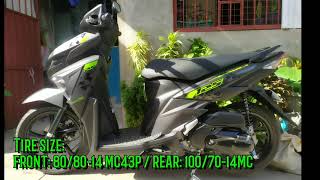
Video Review
Что следует знать покупателям
Proven Engine Reliability
The Mio Soul's 113cc fuel-injected engine is known for exceeding 50,000 km with minimal issues when oil changes are done every 2,000–3,000 km. It's one of the most low-maintenance scooters in its class.
Watch the CVT Belt
The CVT (drive belt) is a common wear item that should be inspected every 8,000 km and typically replaced around 20,000–25,000 km. Neglecting it can cause sudden loss of power or complete breakdown.
Strong Resale Value
The Mio Soul holds its value well in Southeast Asian markets due to high demand and brand trust in Yamaha. A well-maintained unit typically retains 60–70% of its value after 3 years.
Поколения и характеристики по годам
Оригинальный Mio Soul представлен с двигателем объемом 113 куб. см, а спортивный дизайн корпуса отличает его от стандартного Mio.
"Честная городская рабочая лошадка в спортивной одежде."
Я проехал почти 18 000 км на автомобиле Soul 2009 года выпуска, и он ни разу не оставил меня в затруднительном положении — этот двигатель объемом 113 куб. см действительно пуленепробиваемый, если не отставать от замены масла. Дизайн корпуса привлекает больше внимания, чем стандартный Mio, но не позволяйте агрессивному кузову вводить вас в заблуждение, заставляя вас думать, что производительность соответствует вашим характеристикам: при скорости 80 км/ч он сильно гудит, а 95 — это настоящий потолок, а не комфортный круиз. Отсек под сиденьями смехотворно мал по сравнению с конкурентами, а передний барабанный тормоз требует тщательного планирования на мокрой дороге. Что замечательно, так это исчезать в пробках, пить топливо со скоростью около 45 км/л и каждое утро первым нажатием кнопки запускать машину.
Плюсы
Минусы
Обновленный кузов, обновленная графика, переработанная комбинация приборов, улучшенная топливная экономичность двигателя объемом 113 куб. см.
Модернизирован двигатель Blue Core объемом 125 куб. см, введен впрыск топлива, спортивный бренд GT, улучшена производительность.
Модернизированный кузов, светодиодная подсветка, система Smart Answer Back, опция зажигания без ключа добавлены.
Акценты из углеродного волокна, обновленная цифровая консоль, усовершенствованный двигатель Blue Core объемом 125 куб. см, улучшенный премиальный стиль.
Отзыв покупателя б/у
"Dependable urban workhorse that rewards buyers who inspect carefully."
$400-$900 usedThe Mio Soul is one of those scooters that just refuses to die, and honestly that's its biggest selling point. Yamaha built these things properly — the 113cc engine is bulletproof if it's been serviced regularly, and the automatic CVT rarely causes drama. On a used example, check the variator rollers first thing; worn rollers make the bike hesitant off the line and feel sluggish above 60kph. It's a telltale sign the previous owner skipped maintenance. Budget for replacing them regardless. Riding it daily in city traffic, you'll appreciate the low seat height and light steering. It's genuinely flickable through congestion. Don't expect highway confidence though — anything sustained above 80kph and the little engine sounds stressed. The underseat storage is modest compared to newer competitors, and the fuel tap position is awkward if you're used to modern scooters. For commuting short distances on a tight budget, the Mio Soul makes real sense. Just inspect the frame carefully around the headstock for any hairline cracks — older units occasionally develop them.
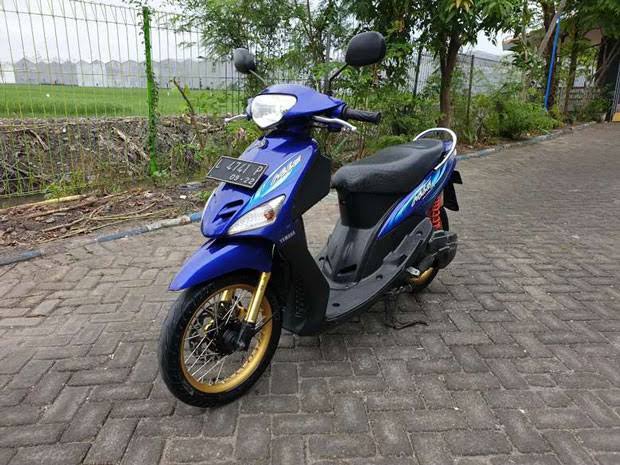
Variants of the Yamaha Mio Soul
Same bike, different trim or year-range — pick the one matching the listing.
Top 10 Accessories
Curated picks for the Yamaha Mio Soul — owned, ridden, recommended.





Распространенные проблемы
🔥 1 CRITICALJerky acceleration or slipping during speed changes
Hard starting, rough idle, or stalling at low speed
Oil stains on fork tubes, soft or bouncy front end
Weak electric start, dim lights at idle speed
✅Контрольный список перед покупкой
Decent commuter, maintenance often neglected by owners
Full Specifications
Rivals & Alternatives
Bikes that buyers cross-shop with the Yamaha Mio Soul
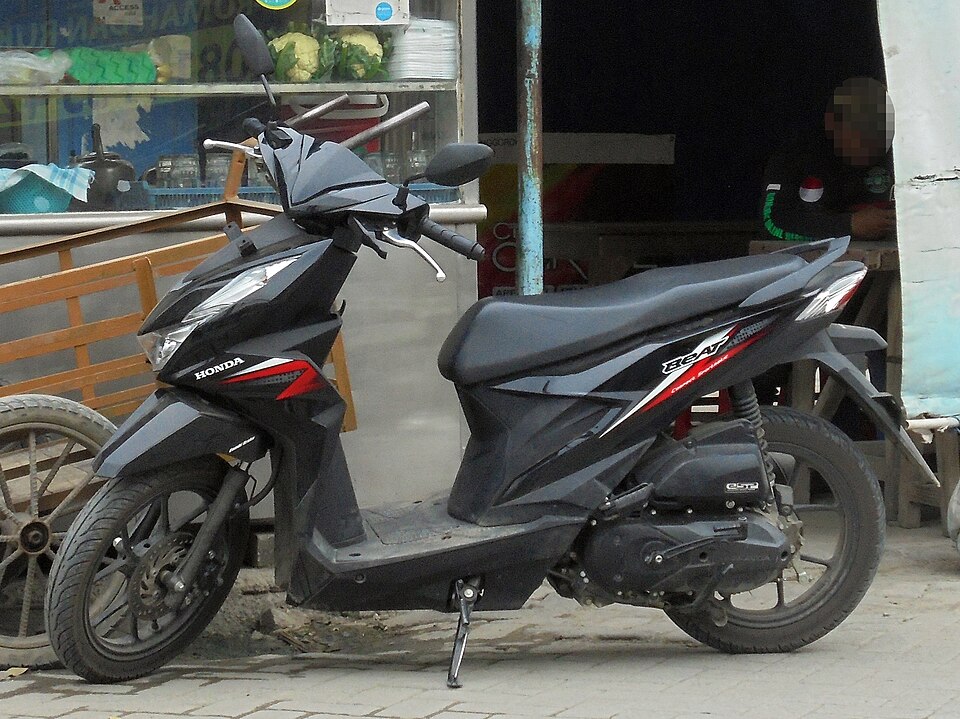
Honda Beat 110

Sym Mio 110
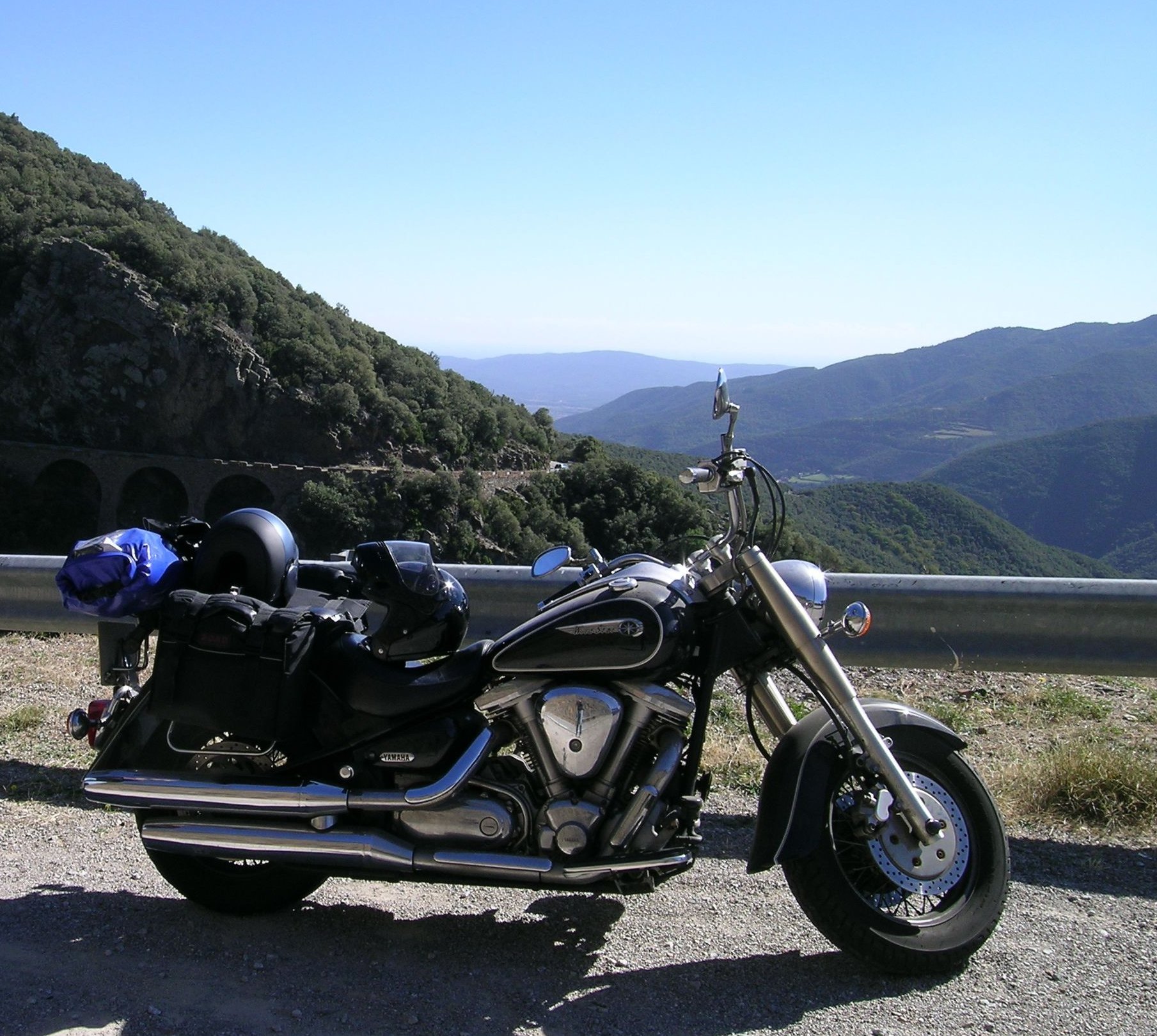
Yamaha Mio Sporty
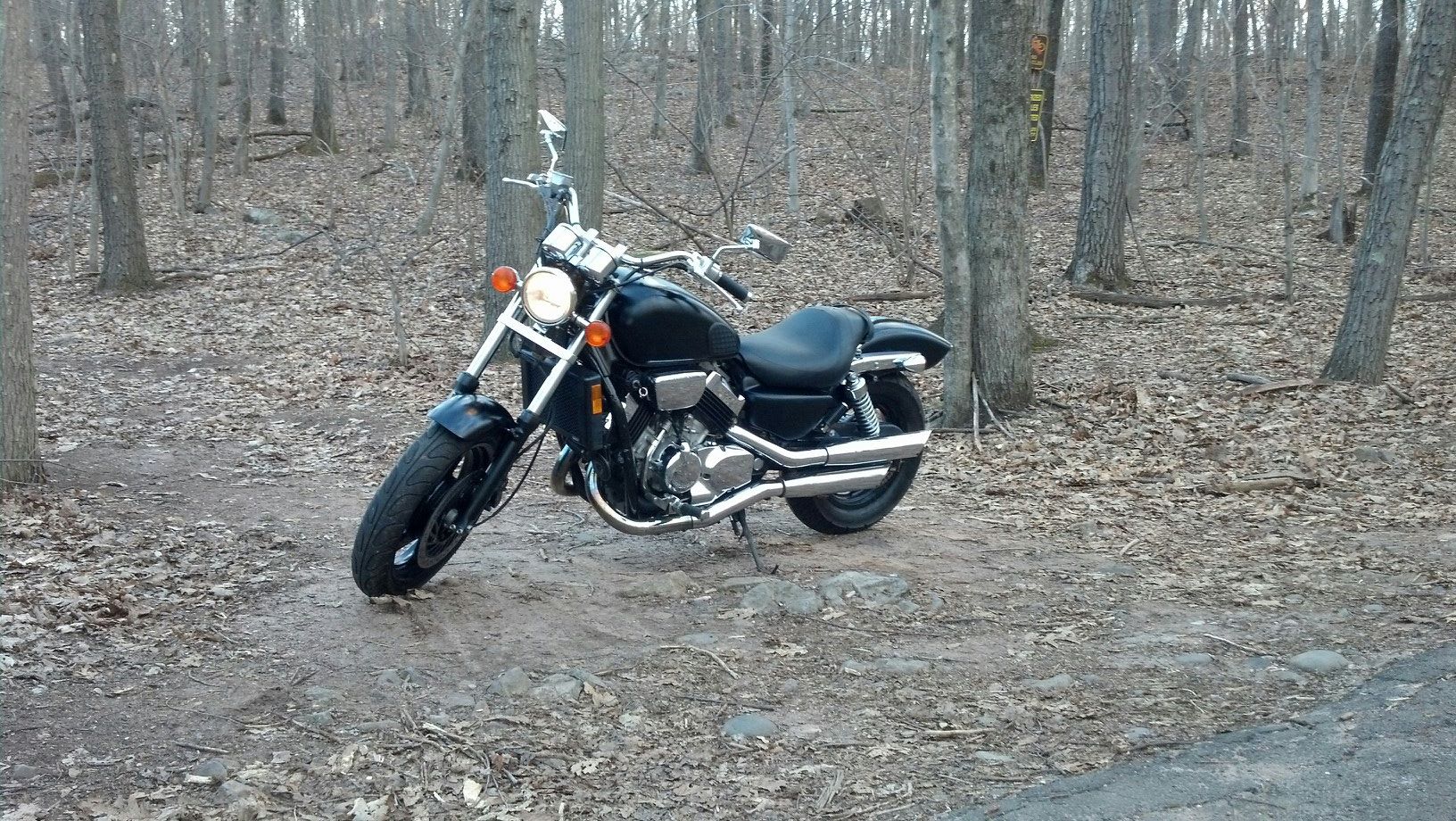
Honda Beat Street 110
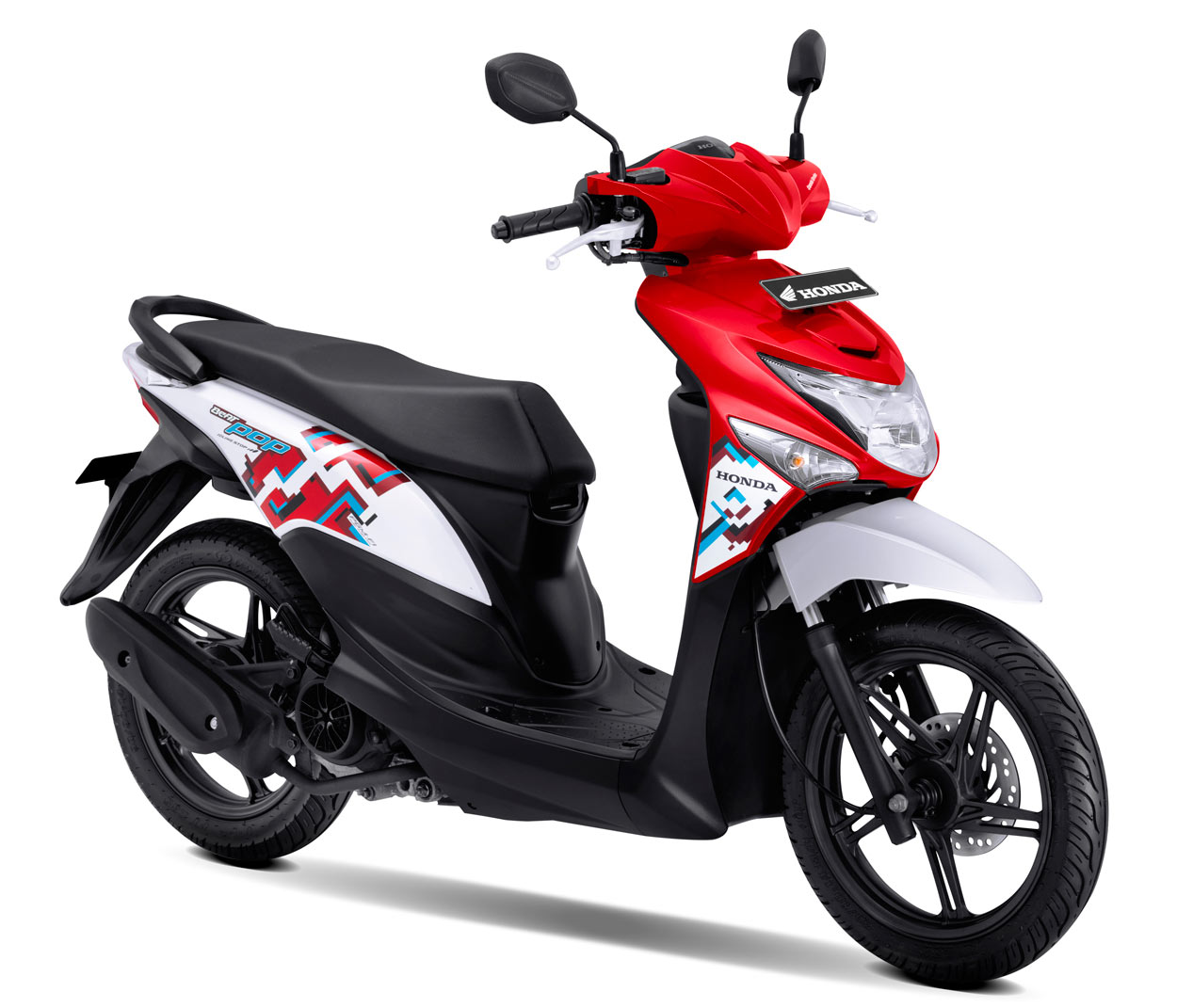
Honda Beat Pop 110
Compare Yamaha Mio Soul Side-by-Side
compare_arrowsSpecs, power, weight & buyer verdict — head-to-head with the bikes most often cross-shopped.
Yamaha Mio Soul vs Honda Beat 110
Specs · Power · Buyer verdict
Yamaha Mio Soul vs Sym Mio 110
Specs · Power · Buyer verdict
Yamaha Mio Soul vs Yamaha Mio Sporty
Specs · Power · Buyer verdict
Yamaha Mio Soul vs Honda Beat Street 110
Specs · Power · Buyer verdict
Yamaha Mio Soul vs Honda Beat Pop 110
Specs · Power · Buyer verdict
More Yamaha Mio Soul Guides
More from Yamaha
View all Yamaha models →Community Reviews
Discussion
Frequently Asked Questions
What are common problems with the Yamaha Mio Soul? +
CVT belt and roller wear: Jerky acceleration or slipping during speed changes (moderate) | Carburetor clogging and fuel issues: Hard starting, rough idle, or stalling at low speed (moderate) | Front fork oil leaks: Oil stains on fork tubes, soft or bouncy front end (serious)
Is the Yamaha Mio Soul a good motorcycle? +
Dependable urban workhorse that rewards buyers who inspect carefully. Rating: 6.5/10. Best for: Budget city commuters needing reliable daily transportation. Avoid if: You regularly ride highways or carry passengers.
What is the horsepower of the Yamaha Mio Soul? +
The Yamaha Mio Soul produces 7.9 hp @ 8,500 rpm, with 8.5 Nm @ 5,000 rpm of torque. Top speed: 95 km/h.
Is the Yamaha Mio Soul good for beginners? +
Yes — the Yamaha Mio Soul is a reasonable choice for new riders (7.9 hp is manageable), weighing 93 kg. Budget city commuters needing reliable daily transportation
Is the Yamaha Mio Soul reliable? +
Owners report 1 critical issue to watch for on the Yamaha Mio Soul, notably: Front fork oil leaks (Oil stains on fork tubes, soft or bouncy front end). Buy with a pre-purchase inspection.
Is the Yamaha Mio Soul good for daily use? +
Budget city commuters needing reliable daily transportation Fuel: 40–45 km/L (approximately 2.2–2.5 L/100km, real-world average).
How fast is the Yamaha Mio Soul? +
The Yamaha Mio Soul reaches a top speed of 95 km/h, producing 7.9 hp at 93 kg curb weight. Real-world performance depends on rider weight, gearing, and road conditions.
What gear should I buy for a Yamaha Mio Soul? +
Motoryk has curated a Top 10 gear list specifically for the Yamaha Mio Soul, covering engine oil, tires, chain, battery, and brake pads — see motoryk.com/bikes/yamaha/mio-soul/top10. Each pick is matched to this bike's spec.