Yamaha Mio Sporty
The Yamaha Mio Sporty has a top speed of ~95 km/h (estimated; note: varies by market and condition), produces ~7.0 hp and weighs ~93 kg. Motoryk rates it 6.5/10.
The Yamaha Mio Sporty was introduced in Southeast Asia (notably Thailand and the Philippines) in the mid-2000s as a sportier variant of the original Yamaha Mio automatic scooter, which debuted around 2003. It featured stylistic upgrades over the standard Mio, including sporty graphics, a rear spoiler, and cosmetic enhancements aimed at younger riders. The Mio series became one of Yamaha's best-selling automatic scooters in the region, helping popularize the automatic 'maticscooter segment in Southeast Asia.
~7.0 hp
Power
~7.8 Nm
Torque
~93 kg
Weight
~95 km/h (estimated; note: varies by market and condition)
Top Speed
~40–45 km/L (approximately 2.2–2.5 L/100km, real-world estimate)
Fuel
Faired
Body
🔧 Service Schedule & Parts
Affiliate · we may earn| Service item | Every | Typical cost | Parts |
|---|---|---|---|
| 🛢️ Engine oil + oil filter | 2,000 km / 1,000 mi or 3 mo | $15-30 | 🛢️ Buy → ⚙️ Buy → |
| 🌬️ Air filter | 8,000 km / 5,000 mi | — | 🌬️ Buy → |
| ⚡ Spark plugs | 8,000 km / 5,000 mi | — | ⚡ Buy → |
| 🔧 Valve clearance check | 24,000 km / 15,000 mi | $150-300 | |
| 🔗 Chain & sprockets | 15000-25000 km (replace) | $80-150 | 🔗 Buy → |
| 🛑 Brake pads | 10000-20000 km | $20-50 | 🛑 Buy → |
| 🛞 Tires | 15000-25000 km | $150-300 | 🛞 Buy → |
| 🔩 Major service | 24,000 km / 15,000 mi | $200-400 |
Video Review

What Buyers Should Know
Proven Reliable Engine
The Mio Sporty's 113cc air-cooled engine is known for longevity, often exceeding 50,000 km with basic maintenance. Regular CVT belt and roller replacement every 20,000 km is key to keeping it running smoothly.
Watch the CVT System
The most common issue reported by owners is CVT belt wear and slipping, especially in stop-and-go city traffic. Listen for a rattling or slipping sensation during acceleration as an early warning sign.
Strong Resale Value
The Mio Sporty holds its value exceptionally well in Southeast Asian markets due to its popularity and wide parts availability. A well-maintained unit can retain 60–70% of its value even after 3–4 years of use.
Generations & Specs by Year
Original Mio Sporty introduced; 113cc air-cooled automatic CVT engine, lightweight frame, sporty body panels.
"The scooter that rewired Southeast Asian commuting forever."
I rode a first-gen Mio Sporty daily for two years through Metro Manila traffic and it genuinely changed how I thought about urban mobility — twist-and-go simplicity that actually worked, with a low 740mm seat that let my shorter-legged colleagues plant both feet flat. The 113cc pulls confidently up to about 70 km/h before the CVT belt strain becomes audible, and while 95 km/h is technically achievable, you feel every kilometer of it in the buzz through the floorboard. The lightweight 93kg chassis makes lane filtering almost effortless, but that same lightness turns into nervous instability when a loaded jeepney blows past you on EDSA. Fuel economy was genuinely impressive — I was seeing 45–50 km/L in mixed riding — but the stock shocks went soft within 18 months of regular use and needed replacement before year two.
Pros
Cons
Revised bodywork styling, updated graphics and color options, minor carburetor and fuel system refinements.
"Bulletproof city scooter that ages better than expected."
I put nearly 18,000 km on a 2009 Mio Sporty and the thing simply refused to die — oil changes and a belt swap were basically the full maintenance story. The revised bodywork over the first gen is a marginal cosmetic upgrade at best; don't let the new graphics fool you into thinking anything fundamental changed under the panels. That 113cc motor pulls confidently up to about 70 km/h before it starts breathing hard, and the 95 km/h claimed top speed is real but leaves you with nothing in reserve on highway on-ramps. What genuinely impresses is the low seat height and light weight — my wife took it over after I moved on, and she was comfortable day one, which tells you everything about its accessibility.
Pros
Cons
New sharper body design, fuel injection option in some markets, updated suspension and brake components.
Blue Core engine technology adopted, improved fuel efficiency, revised chassis, updated LED lighting elements.
Further refined Blue Core engine, updated digital instrument cluster, modernized bodywork, improved emission compliance.
Used Buyer Review
"Bulletproof city scooter if you buy smart and inspect thoroughly."
$300-$900 usedThe Mio Sporty is about as basic as scooters get, and honestly, that's not always a bad thing. Yamaha built this thing to be bought, ridden hard, and forgotten about — and it delivers exactly that. The 113cc engine is gutless above 70kph but utterly unbreakable if the previous owner wasn't a complete idiot about oil changes. Check the variator rollers first thing; worn rollers make these feel sluggish and owners rarely replace them. Belt condition matters too — budget for a new one regardless. Used examples are everywhere in Southeast Asian markets and the parts bin is essentially infinite, which keeps running costs laughably low. Suspension is agricultural at both ends, so if you're covering anything beyond urban commuting, your spine will file a formal complaint. The brakes are drum front and rear on most variants — adequate for city speeds, nothing more. For pure city errand-running this is a sensible cheap buy. Just don't expect it to be anything other than what it is: honest, humble transport.
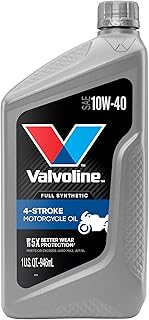
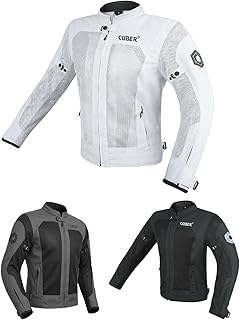
Top 10 Accessories
Curated picks for the Yamaha Mio Sporty — owned, ridden, recommended.




Common Problems
🔥 1 CRITICALRough idle, hard starting, poor throttle response
Slipping acceleration, vibration, belt squealing noise
Fuel smell, rust flakes in carb, tank underside
Oil stains on front forks, soft spongy handling
✅Pre-Purchase Checklist
Decent city scooter if well-maintained
Full Specifications
Rivals & Alternatives
Bikes that buyers cross-shop with the Yamaha Mio Sporty
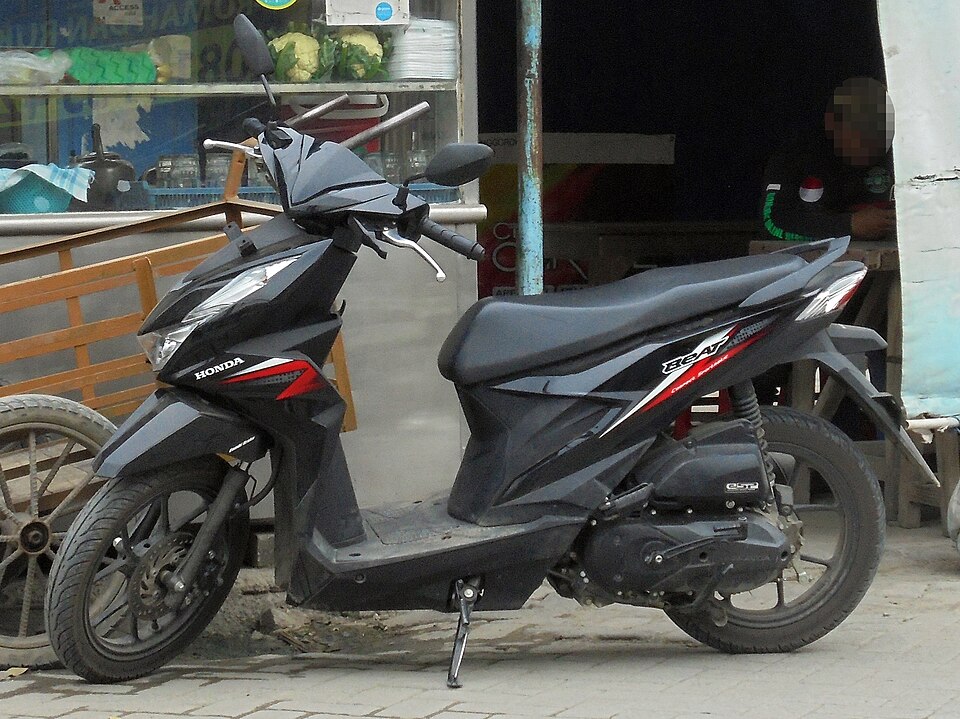
Honda Beat 110

Sym Mio 110
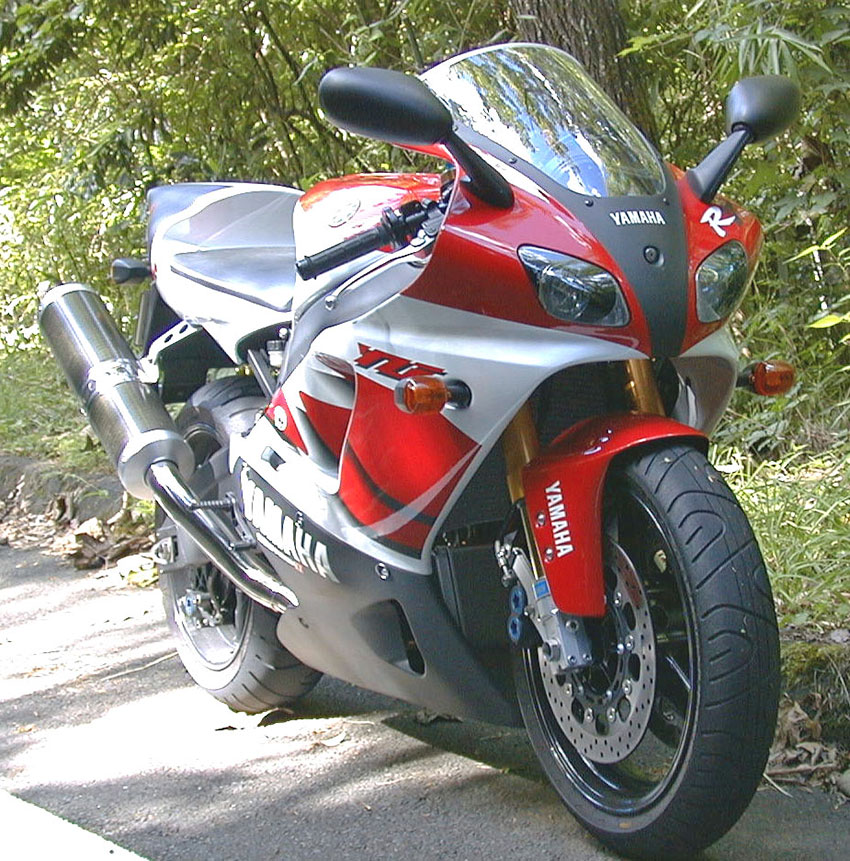
Yamaha Mio Soul
Honda Beat Street 110
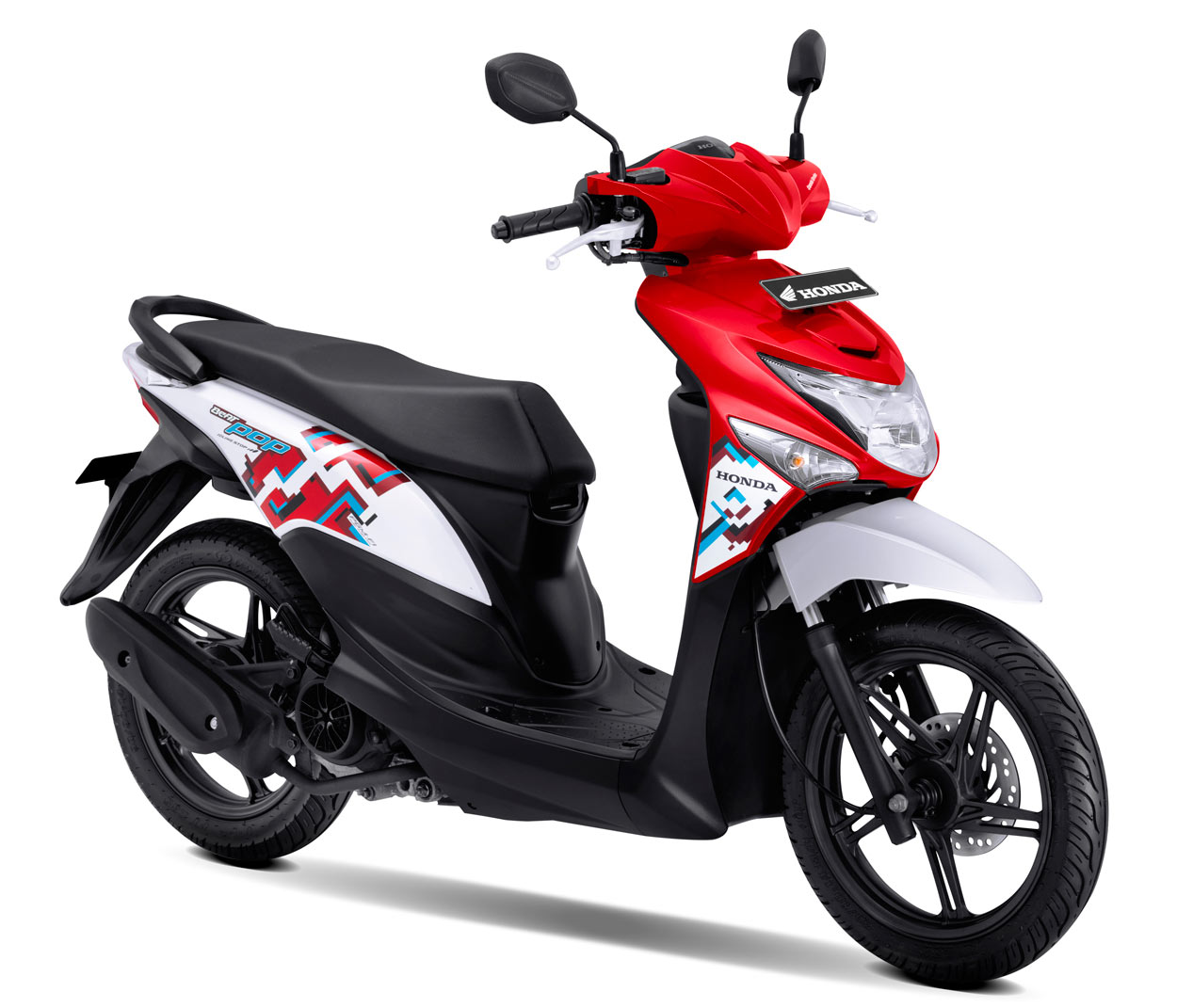
Honda Beat Pop 110
Compare Yamaha Mio Sporty Side-by-Side
compare_arrowsSpecs, power, weight & buyer verdict — head-to-head with the bikes most often cross-shopped.
Yamaha Mio Sporty vs Honda Beat 110
Specs · Power · Buyer verdict
Yamaha Mio Sporty vs Sym Mio 110
Specs · Power · Buyer verdict
Yamaha Mio Sporty vs Yamaha Mio Soul
Specs · Power · Buyer verdict
Yamaha Mio Sporty vs Honda Beat Street 110
Specs · Power · Buyer verdict
Yamaha Mio Sporty vs Honda Beat Pop 110
Specs · Power · Buyer verdict
More Yamaha Mio Sporty Guides
More from Yamaha
View all Yamaha models →Community Reviews
Discussion
Yamaha Mio Sporty Videos
Frequently Asked Questions
What are common problems with the Yamaha Mio Sporty? +
Carburetor clogging from old fuel deposits: Rough idle, hard starting, poor throttle response (moderate) | CVT belt and roller wear: Slipping acceleration, vibration, belt squealing noise (moderate) | Rusty or leaking fuel tank: Fuel smell, rust flakes in carb, tank underside (serious)
Is the Yamaha Mio Sporty a good motorcycle? +
Bulletproof city scooter if you buy smart and inspect thoroughly. Rating: 6.5/10. Best for: Urban commuters wanting cheap reliable daily transport. Avoid if: You ride highways or want sporty performance.
What is the horsepower of the Yamaha Mio Sporty? +
The Yamaha Mio Sporty produces ~7.0 hp @ 8,000 rpm (estimated for 113cc engine), with ~7.8 Nm @ 5,500 rpm (estimated) of torque. Top speed: ~95 km/h (estimated; note: varies by market and condition).
Is the Yamaha Mio Sporty good for beginners? +
Yes — the Yamaha Mio Sporty is a reasonable choice for new riders (7 hp is manageable), weighing 93 kg. Urban commuters wanting cheap reliable daily transport
Is the Yamaha Mio Sporty reliable? +
Owners report 1 critical issue to watch for on the Yamaha Mio Sporty, notably: Rusty or leaking fuel tank (Fuel smell, rust flakes in carb, tank underside). Buy with a pre-purchase inspection.
Is the Yamaha Mio Sporty good for daily use? +
Urban commuters wanting cheap reliable daily transport Fuel: ~40–45 km/L (approximately 2.2–2.5 L/100km, real-world estimate).
How fast is the Yamaha Mio Sporty? +
The Yamaha Mio Sporty reaches a top speed of ~95 km/h (estimated; note: varies by market and condition), producing 7 hp at 93 kg curb weight. Real-world performance depends on rider weight, gearing, and road conditions.
What gear should I buy for a Yamaha Mio Sporty? +
Motoryk has curated a Top 10 gear list specifically for the Yamaha Mio Sporty, covering engine oil, tires, chain, battery, and brake pads — see motoryk.com/bikes/yamaha/mio-sporty/top10. Each pick is matched to this bike's spec.