Yamaha Fjr1300
The Yamaha Fjr1300 has a top speed of 250 km/h (electronically limited), produces 146 hp and weighs 289 kg. Motoryk rates it 8.8/10.
The Yamaha FJR1300 was introduced in 2001 as a sport-touring motorcycle built around a 1298cc inline-four engine, designed to compete directly with the Honda ST1300 and BMW K1200RS. It gained widespread acclaim for its balance of long-distance comfort, strong performance, and reliability, receiving significant updates in 2006 (fuel injection, revised chassis) and 2013 (improved electronics, optional semi-automatic transmission). It remains one of the most respected sport-tourers ever produced, favored by long-distance riders and police forces worldwide before its discontinuation in many markets around 2020-2021.
146 hp
Power
138 Nm
Torque
289 kg
Weight
250 km/h (electronically limited)
Top Speed
6.0–7.0 L/100km (typical real-world average)
Fuel
Faired
Body
🔧 Service Schedule & Parts
Affiliate · we may earn| Service item | Every | Typical cost | Parts |
|---|---|---|---|
| 🛢️ Engine oil + oil filter | 6,000 km / 3,500 mi or 12 mo | $40-80 | 🛢️ Buy → ⚙️ Buy → |
| 🌬️ Air filter | 12,000 km / 7,500 mi | — | 🌬️ Buy → |
| ⚡ Spark plugs | 24,000 km / 15,000 mi | — | ⚡ Buy → |
| 🔧 Valve clearance check | 24,000 km / 15,000 mi | $300-500 | |
| 🔗 Chain & sprockets | n/a - shaft drive km (replace) | $n/a - shaft drive | 🔗 Buy → |
| 🛑 Brake pads | 15000-25000 km | $40-80 | 🛑 Buy → |
| 💧 Brake fluid | 24,000 km / 15,000 mi or 2 yr | — | |
| 🧊 Coolant | 24,000 km / 15,000 mi | — | |
| 🛞 Tires | 12000-20000 km | $250-450 | 🛞 Buy → |
| 🔩 Major service | 24,000 km / 15,000 mi | $400-700 |
Video Review
What Buyers Should Know
Bulletproof Engine Reliability
The FJR1300's inline-4 engine is renowned for lasting well over 100,000 miles with proper maintenance. Many owners report minimal mechanical issues even at high mileage, making it one of sport-touring's most dependable powerplants.
Watch the Final Drive
The shaft drive can develop leaks and the universal joints may wear on higher-mileage bikes, so inspect for oil seepage around the rear drive unit. Repair costs can be significant, so budget accordingly when buying used.
Strong Resale Value
The FJR1300 holds its value exceptionally well compared to most motorcycles, particularly the electronically-suspended 'A' and 'ES' variants. Its reputation for quality keeps used prices consistently strong in the sport-touring market.
Generations & Specs by Year
Original FJR1300 launched with 1298cc inline-four, shaft drive, adjustable windscreen, integrated hard luggage.
"The sport-tourer that made BMW genuinely nervous."
I put 22,000 kilometers on a 2003 FJR1300 across three countries and came away genuinely impressed by how Yamaha nailed the brief on the first attempt. That 1298cc inline-four pulls hard from 3,000 rpm and absolutely rockets past 7,000 — it's not a lazy tourer engine, it's a sports bike that agreed to carry your luggage. The shaft drive means zero maintenance paranoia on long hauls, and the integrated panniers seal properly and take a full-face helmet each side, which sounds obvious but wasn't common then. My honest gripes: 289 kg is heavy enough that a slow-speed tip-over in a car park will ruin your day, the stock windscreen buffets badly for tall riders even at full height, and the heat soak onto your inner thighs in summer traffic is genuinely unpleasant.
Pros
Cons
Revised chassis, optional ABS, fly-by-wire throttle on A model, updated suspension and ergonomics.
"The sport-tourer benchmark that still embarrasses newer rivals."
After 40,000 kilometres on my Gen 2 FJR, I can tell you this thing eats motorways like nothing else at any price — the fly-by-wire throttle on the A model is silky, and the revised suspension genuinely transformed the handling over the first-gen's slightly wallowy feel. That inline-four pulls with diesel-like authority from 3,000 rpm and never feels strained at autobahn speeds, where the fairing actually earns its bulk by keeping you genuinely buffet-free past 180. The weight is real, though — 289 kilograms is a number you feel in every slow-speed car park manoeuvre and every time you drop it on gravel, which happens. ABS is worth every penny of the option price, and if yours doesn't have it, fit it or be careful on cold mornings.
Pros
Cons
New semi-active electronic suspension (A/AE models), updated styling, improved wind protection and rider aids.
Revised engine with variable exhaust valve, updated electronics, cruise control, improved heated grips and luggage capacity.
Used Buyer Review
"The benchmark sports tourer that absolutely nothing has made obsolete."
$5,000-$11,000 usedThe FJR1300 is one of those bikes that makes you wonder why you ever rode anything else. Yamaha built this thing like a tank — the 1298cc inline-four pulls hard from idle and keeps pulling until your licence is genuinely at risk. Buy a pre-2006 carbed version if you're handy with spanners and want to save money, but honestly the 2006+ fuel-injected bikes are where the sweet spot lives. Electronic suspension on the AE models changes the game completely. Here's what nobody tells you upfront: check the shaft drive splines religiously. Neglected examples seize and the repair bill will ruin your week. Also budget for a new seat if it's got high miles — the stock unit is punishment after three hours. Shaft lash develops on tired bikes, so take it for a proper ride before handing over cash. The fairing plastics are expensive to replace if cracked, so inspect every panel. These things are bulletproof when maintained, and most FJR owners are exactly the kind of meticulous riders who service them properly. Find a documented example and you're buying a sports tourer that'll outlast almost anything in its class.
Variants of the Yamaha Fjr1300
Same bike, different trim or year-range — pick the one matching the listing.
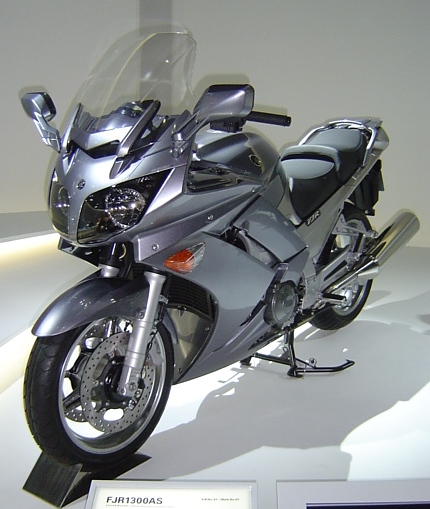
Top 10 Accessories
Curated picks for the Yamaha Fjr1300 — owned, ridden, recommended.


Common Problems
🔥 2 CRITICALErratic gauges, flickering display, or complete cluster failure
Clunking on acceleration, inspect service history for greasing
ABS warning light on, pump noise, test both brake circuits
Battery voltage at idle, check for stator recall history
✅Pre-Purchase Checklist
Very reliable long-hauler, maintenance-sensitive electrical systems
Full Specifications
Rivals & Alternatives
Bikes that buyers cross-shop with the Yamaha Fjr1300
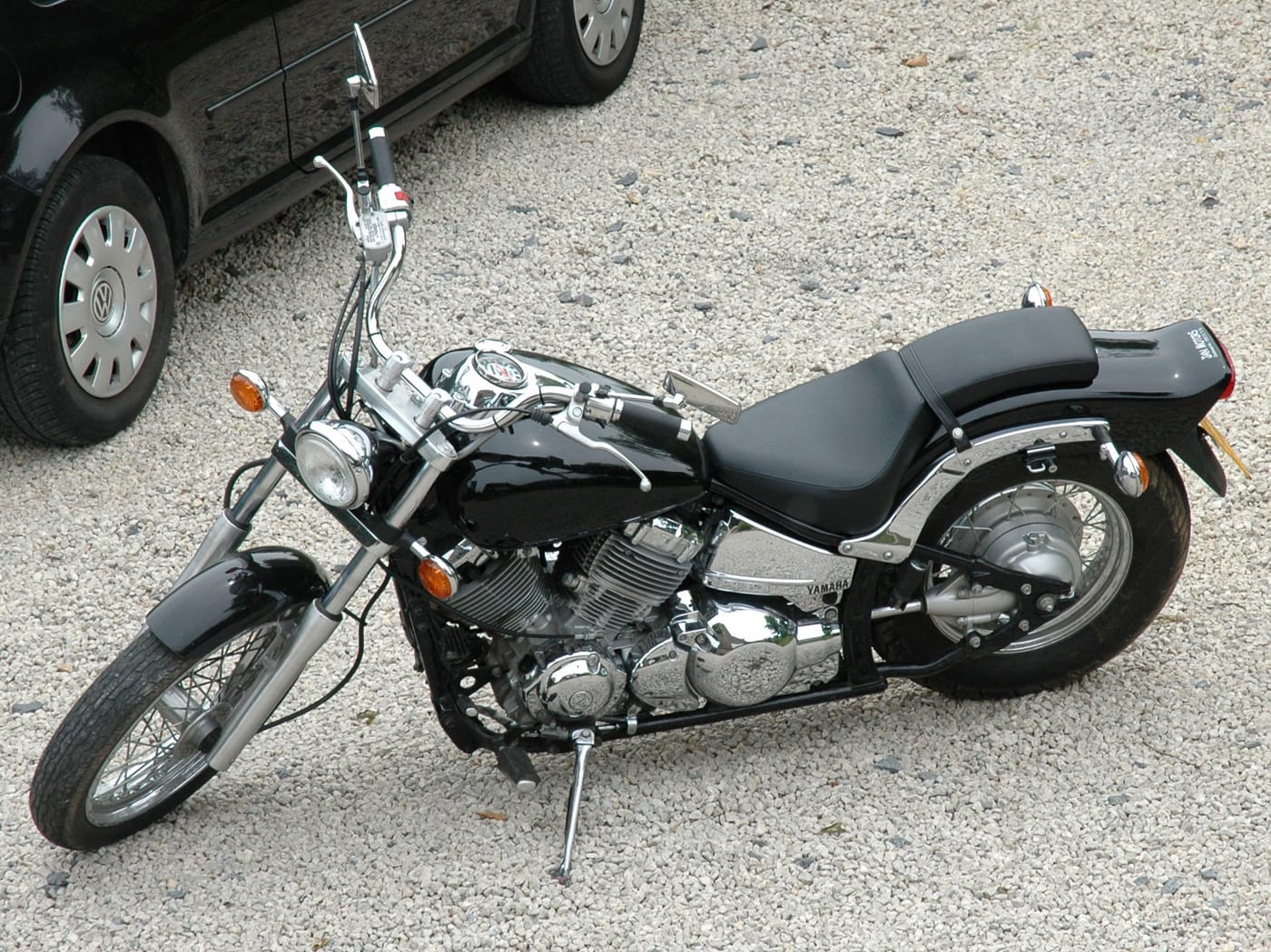
Yamaha Tracer 9
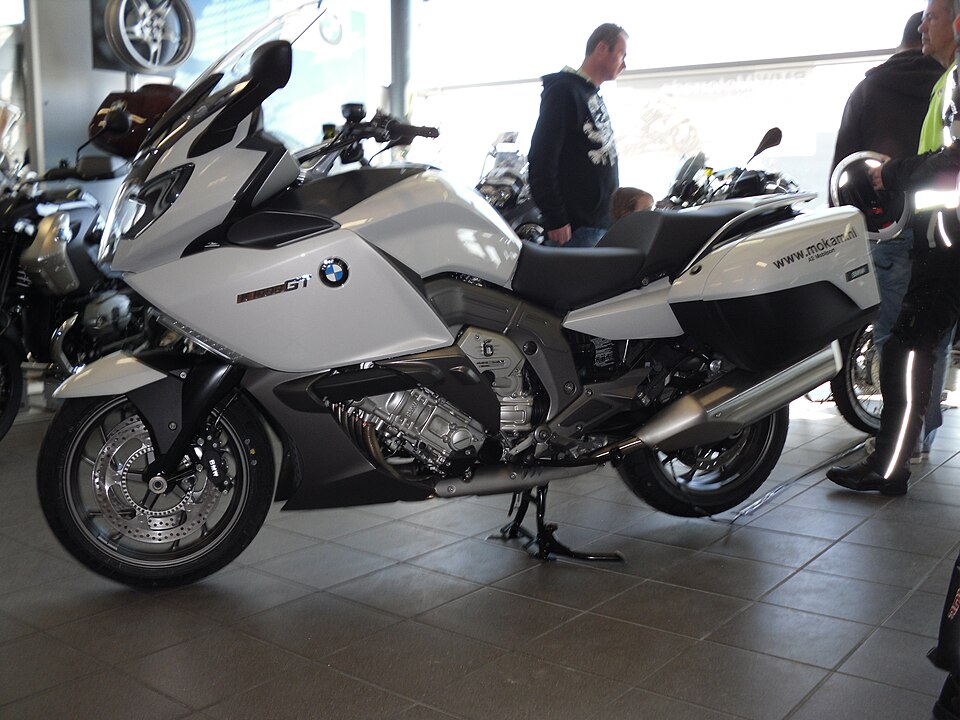
Bmw K 1600 Gt
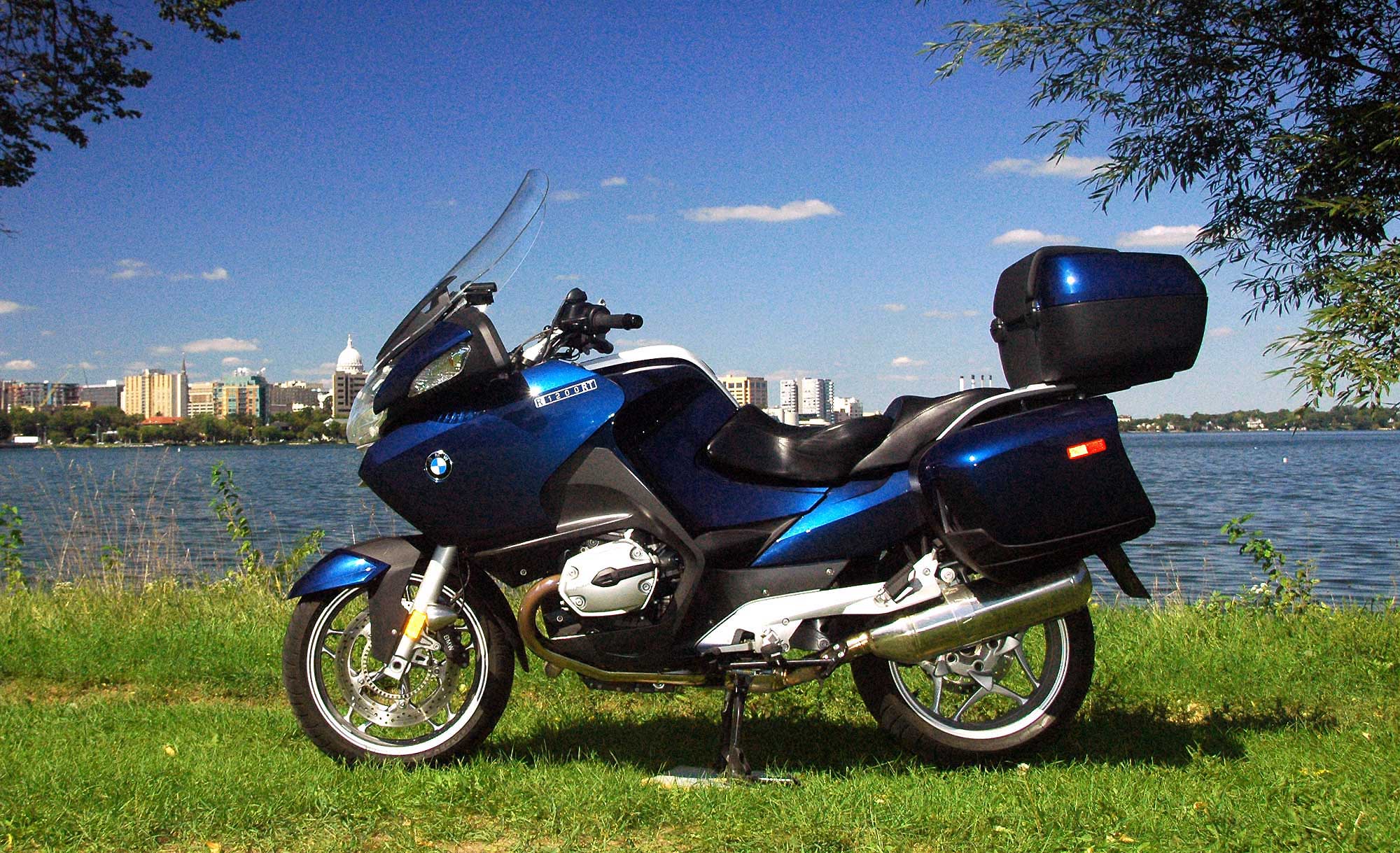
Bmw R 1250 Rt
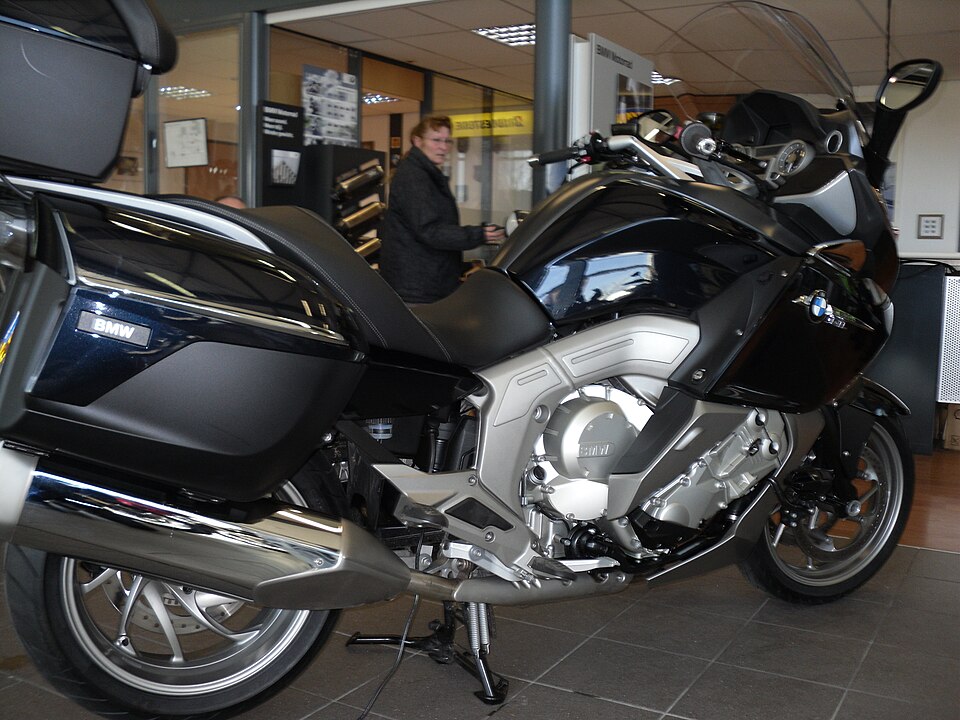
Bmw K 1600 Gtl
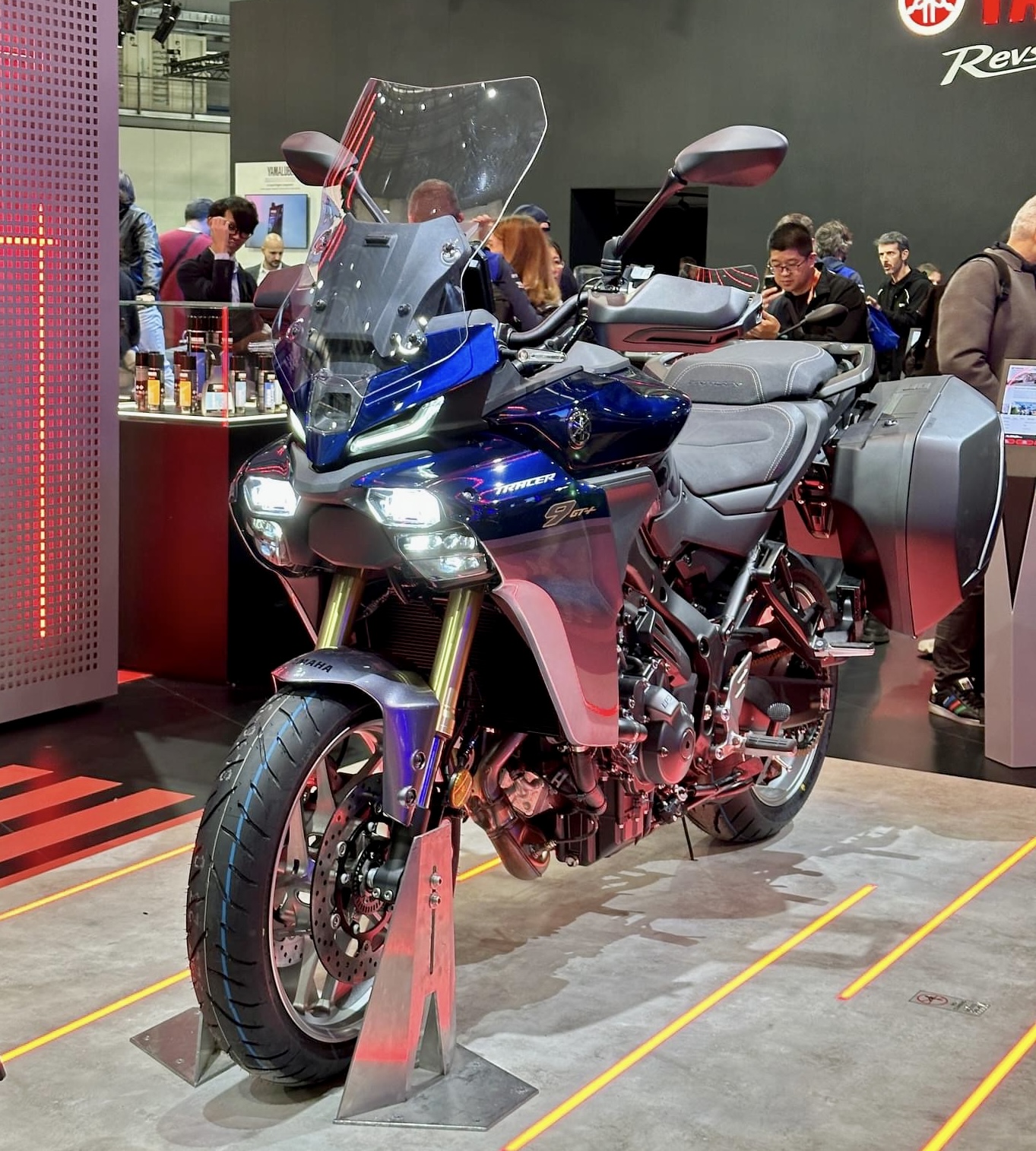
Yamaha Tracer 9 Gt
Compare Yamaha Fjr1300 Side-by-Side
compare_arrowsSpecs, power, weight & buyer verdict — head-to-head with the bikes most often cross-shopped.
Yamaha Fjr1300 vs Yamaha Tracer 9
Specs · Power · Buyer verdict
Yamaha Fjr1300 vs Bmw K 1600 Gt
Specs · Power · Buyer verdict
Yamaha Fjr1300 vs Bmw R 1250 Rt
Specs · Power · Buyer verdict
Yamaha Fjr1300 vs Bmw K 1600 Gtl
Specs · Power · Buyer verdict
Yamaha Fjr1300 vs Yamaha Tracer 9 Gt
Specs · Power · Buyer verdict
More Yamaha Fjr1300 Guides
More from Yamaha
View all Yamaha models →Community Reviews
Discussion
Frequently Asked Questions
What are common problems with the Yamaha Fjr1300? +
Electrolytic capacitor failure in instrument cluster: Erratic gauges, flickering display, or complete cluster failure (moderate) | Shaft drive spline wear and lash: Clunking on acceleration, inspect service history for greasing (moderate) | ABS pump failure or fault codes: ABS warning light on, pump noise, test both brake circuits (serious)
Is the Yamaha Fjr1300 a good motorcycle? +
The benchmark sports tourer that absolutely nothing has made obsolete. Rating: 8.8/10. Best for: Experienced riders wanting fast, fuss-free long-distance touring. Avoid if: You prioritise lightweight handling or tight urban commuting.
What is the horsepower of the Yamaha Fjr1300? +
The Yamaha Fjr1300 produces 146 hp @ 8,000 rpm, with 138 Nm @ 7,000 rpm of torque. Top speed: 250 km/h (electronically limited).
Is the Yamaha Fjr1300 good for beginners? +
Not really — the Yamaha Fjr1300 is better for experienced riders (146 hp can be intimidating). Experienced riders wanting fast, fuss-free long-distance touring Avoid if: You prioritise lightweight handling or tight urban commuting
Is the Yamaha Fjr1300 reliable? +
Owners report 2 critical issues to watch for on the Yamaha Fjr1300, notably: ABS pump failure or fault codes (ABS warning light on, pump noise, test both brake circuits). Buy with a pre-purchase inspection.
Is the Yamaha Fjr1300 good for daily use? +
Experienced riders wanting fast, fuss-free long-distance touring Fuel: 6.0–7.0 L/100km (typical real-world average).
How fast is the Yamaha Fjr1300? +
The Yamaha Fjr1300 reaches a top speed of 250 km/h (electronically limited), producing 146 hp at 289 kg curb weight. Real-world performance depends on rider weight, gearing, and road conditions.
What gear should I buy for a Yamaha Fjr1300? +
Motoryk has curated a Top 10 gear list specifically for the Yamaha Fjr1300, covering engine oil, tires, chain, battery, and brake pads — see motoryk.com/bikes/yamaha/fjr1300/top10. Each pick is matched to this bike's spec.