Yamaha Fjr1300
The Yamaha Fjr1300 has a top speed of 250 km/h (electronically limited), produces 146 hp and weighs 289 kg. Motoryk rates it 8.8/10.
Yamaha FJR1300 została wprowadzona w 2001 roku jako motocykl sportowo-turystyczny zbudowany na silniku inline-four o pojemności 1298 cm3, zaprojektowany do bezpośredniego konkurowania z Hondą ST1300 i BMW K1200RS. Zyskał powszechne uznanie za równowagę między komfortem na długich dystansach, wysokimi osiągami i niezawodnością, otrzymując znaczące aktualizacje w 2006 r. (wtrysk paliwa, poprawione podwozie) i 2013 r. (ulepszona elektronika, opcjonalna półautomatyczna skrzynia biegów). Pozostaje jednym z najbardziej szanowanych turystów sportowych, jakie kiedykolwiek wyprodukowano, faworyzowanym przez długodystansowych jeźdźców i siły policyjne na całym świecie przed jego zaprzestaniem na wielu rynkach w latach 2020-2021.
146 hp
Moc
138 Nm
Moment obrotowy
289 kg
Waga
250 km/h (electronically limited)
Prędkość maksymalna
6.0–7.0 L/100km (typical real-world average)
Paliwo
Fair
Ciało
🔧 Service Schedule & Parts
Affiliate · we may earn| Service item | Every | Typical cost | Parts |
|---|---|---|---|
| 🛢️ Engine oil + oil filter | 6,000 km / 3,500 mi or 12 mo | $40-80 | 🛢️ Buy → ⚙️ Buy → |
| 🌬️ Air filter | 12,000 km / 7,500 mi | — | 🌬️ Buy → |
| ⚡ Spark plugs | 24,000 km / 15,000 mi | — | ⚡ Buy → |
| 🔧 Valve clearance check | 24,000 km / 15,000 mi | $300-500 | |
| 🔗 Chain & sprockets | n/a - shaft drive km (replace) | $n/a - shaft drive | 🔗 Buy → |
| 🛑 Brake pads | 15000-25000 km | $40-80 | 🛑 Buy → |
| 💧 Brake fluid | 24,000 km / 15,000 mi or 2 yr | — | |
| 🧊 Coolant | 24,000 km / 15,000 mi | — | |
| 🛞 Tires | 12000-20000 km | $250-450 | 🛞 Buy → |
| 🔩 Major service | 24,000 km / 15,000 mi | $400-700 |
Video Review
Co kupujący powinni wiedzieć
Bulletproof Engine Reliability
The FJR1300's inline-4 engine is renowned for lasting well over 100,000 miles with proper maintenance. Many owners report minimal mechanical issues even at high mileage, making it one of sport-touring's most dependable powerplants.
Watch the Final Drive
The shaft drive can develop leaks and the universal joints may wear on higher-mileage bikes, so inspect for oil seepage around the rear drive unit. Repair costs can be significant, so budget accordingly when buying used.
Strong Resale Value
The FJR1300 holds its value exceptionally well compared to most motorcycles, particularly the electronically-suspended 'A' and 'ES' variants. Its reputation for quality keeps used prices consistently strong in the sport-touring market.
Pokolenia i specyfikacje według roku
Oryginalny FJR1300 wprowadzony na rynek z wbudowaną czwórką 1298 cm3, napędem na wał, regulowaną szybą przednią, zintegrowanym twardym bagażem.
"Sportowiec, który naprawdę denerwował BMW."
Przejechałem 22 000 kilometrów na 2003 FJR1300 w trzech krajach i byłem naprawdę pod wrażeniem tego, jak Yamaha przybiła bríf przy pierwszej próbie. Ten inline-four o pojemności 1298 cm3 mocno ciągnie się z 3000 obr./min i absolutnie przekracza 7000 - to nie leniwy silnik tourera, to rower sportowy, który zgodził się przewozić twój bagaż. Napęd wału oznacza zerową paranoję konserwacyjną podczas długich ciągnięć, a zintegrowane sakwy prawidłowo uszczelniają się i mają kask pełnotwarzowy z każdej strony, co brzmi oczywiste, ale wtedy nie było powszechne. Moje szczere chwyty: 289 kg jest wystarczająco ciężkie, że powolne przewrócenie się na parkingu zrujnuje Ci dzień, szyba przednia szyba jest źle dla wysokich jeźdźców nawet na pełnej wysokości, a ciepło wchłania się na wewnętrzne uda podczas letniego ruchu jest naprawdę nieprzyjemne.
Plusy
Wady
Poprawione podwozie, opcjonalny ABS, przepustnica typu fly-by-wire w modelu A, zaktualizowane zawieszenie i ergonomia.
"Test porównawczy sportowo-turystyczny, który wciąż zawstydza nowszych rywali."
Po 40 000 kilometrach na moim Gen 2 FJR mogę powiedzieć, że ta rzecz zjada autostrady jak nic innego za wszelką cenę - przepustnica typu fly-by-wire w modelu A jest jedwabista, a poprawione zawieszenie naprawdę zmieniło prowadzenie w stosunku do lekko falistego wrażenia pierwszej generacji. Ta czwórka wciąga się z silnikiem wysokoprężnym z prędkością 3000 obr./min i nigdy nie czuje się obciążona przy prędkościach autostrady, gdzie owiewka faktycznie zarabia swoją większość, utrzymując autentycznie wolny od bufetu powyżej 180. Waga jest jednak realna — 289 kilogramów to liczba, którą odczuwasz podczas każdego manewru parkingu na wolnej prędkości i za każdym razem, gdy upuszczasz go na żwir, co się zdarza. ABS jest wart każdego grosza ceny opcji, a jeśli twój go nie ma, dopasuj go lub bądź ostrożny w chłodne poranki.
Plusy
Wady
Nowe półaktywne elektroniczne zawieszenie (modele A/AE), zaktualizowana stylizacja, ulepszona ochrona przed wiatrem i pomoce dla rowerzystów.
Poprawiony silnik ze zmiennym zaworem wydechowym, zaktualizowaną elektroniką, tempomatem, ulepszonymi podgrzewanymi uchwytami i pojemnością bagażnika.
Recenzja używanego kupującego
"The benchmark sports tourer that absolutely nothing has made obsolete."
$5,000-$11,000 usedThe FJR1300 is one of those bikes that makes you wonder why you ever rode anything else. Yamaha built this thing like a tank — the 1298cc inline-four pulls hard from idle and keeps pulling until your licence is genuinely at risk. Buy a pre-2006 carbed version if you're handy with spanners and want to save money, but honestly the 2006+ fuel-injected bikes are where the sweet spot lives. Electronic suspension on the AE models changes the game completely. Here's what nobody tells you upfront: check the shaft drive splines religiously. Neglected examples seize and the repair bill will ruin your week. Also budget for a new seat if it's got high miles — the stock unit is punishment after three hours. Shaft lash develops on tired bikes, so take it for a proper ride before handing over cash. The fairing plastics are expensive to replace if cracked, so inspect every panel. These things are bulletproof when maintained, and most FJR owners are exactly the kind of meticulous riders who service them properly. Find a documented example and you're buying a sports tourer that'll outlast almost anything in its class.
Variants of the Yamaha Fjr1300
Same bike, different trim or year-range — pick the one matching the listing.
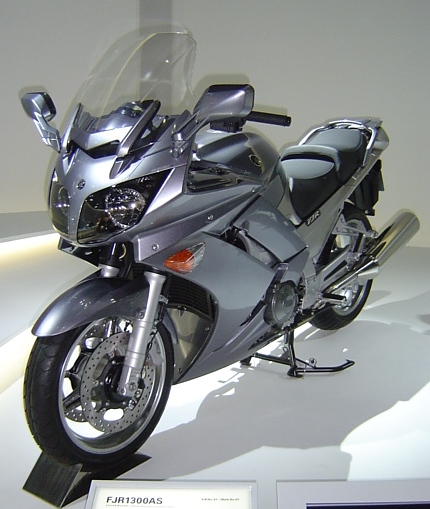
Top 10 Accessories
Curated picks for the Yamaha Fjr1300 — owned, ridden, recommended.


Typowe problemy
🔥 2 CRITICALErratic gauges, flickering display, or complete cluster failure
Clunking on acceleration, inspect service history for greasing
ABS warning light on, pump noise, test both brake circuits
Battery voltage at idle, check for stator recall history
✅Lista kontrolna przed zakupem
Very reliable long-hauler, maintenance-sensitive electrical systems
Full Specifications
Rivals & Alternatives
Bikes that buyers cross-shop with the Yamaha Fjr1300
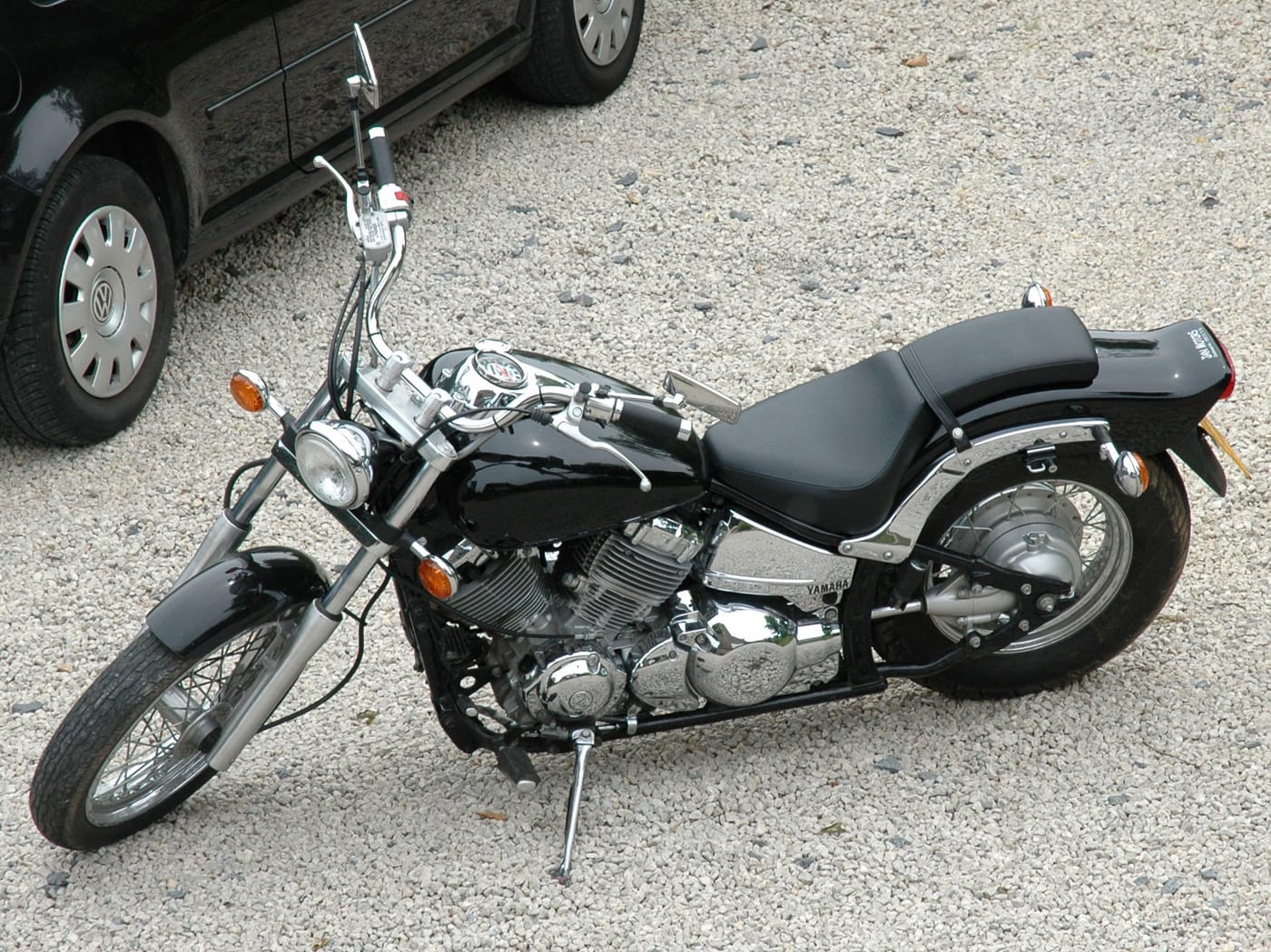
Yamaha Tracer 9
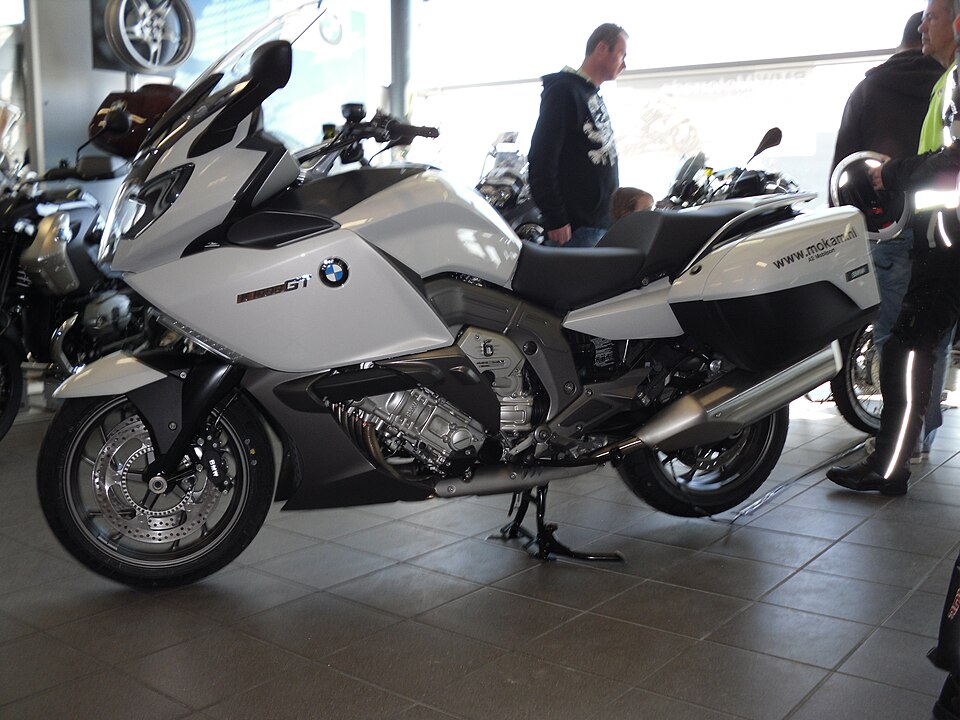
Bmw K 1600 Gt
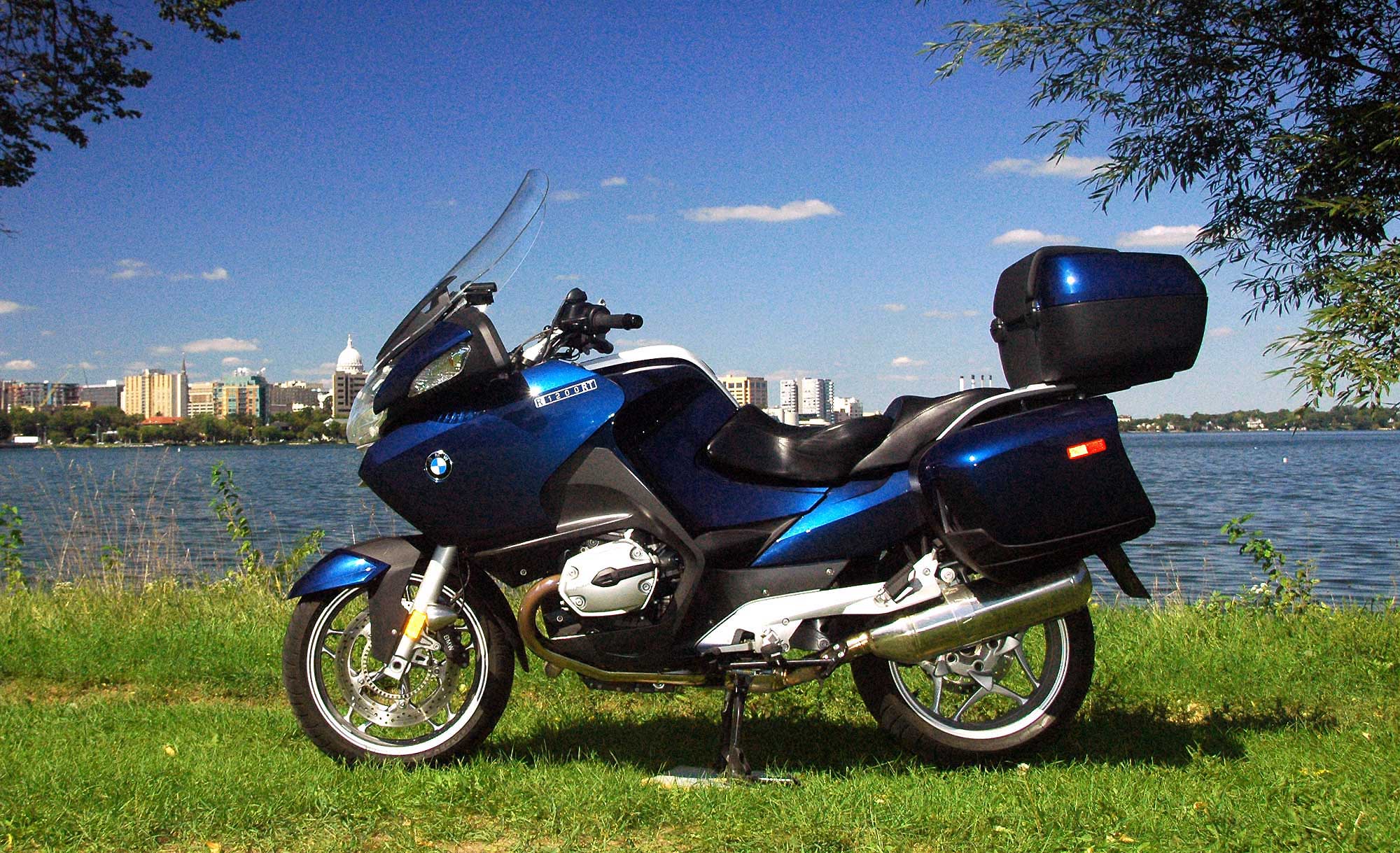
Bmw R 1250 Rt
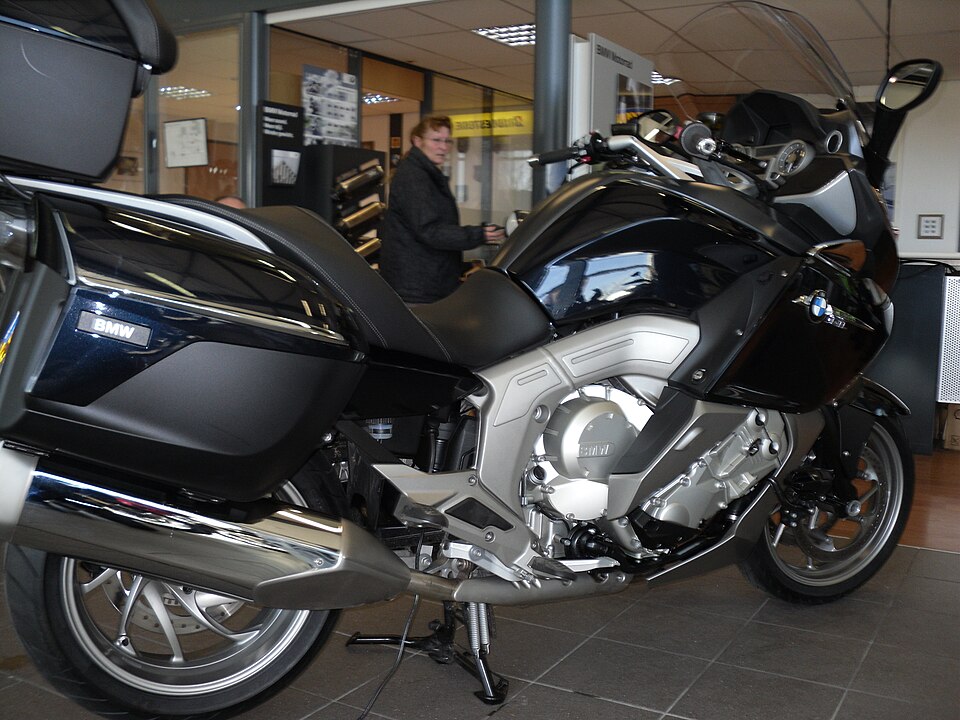
Bmw K 1600 Gtl
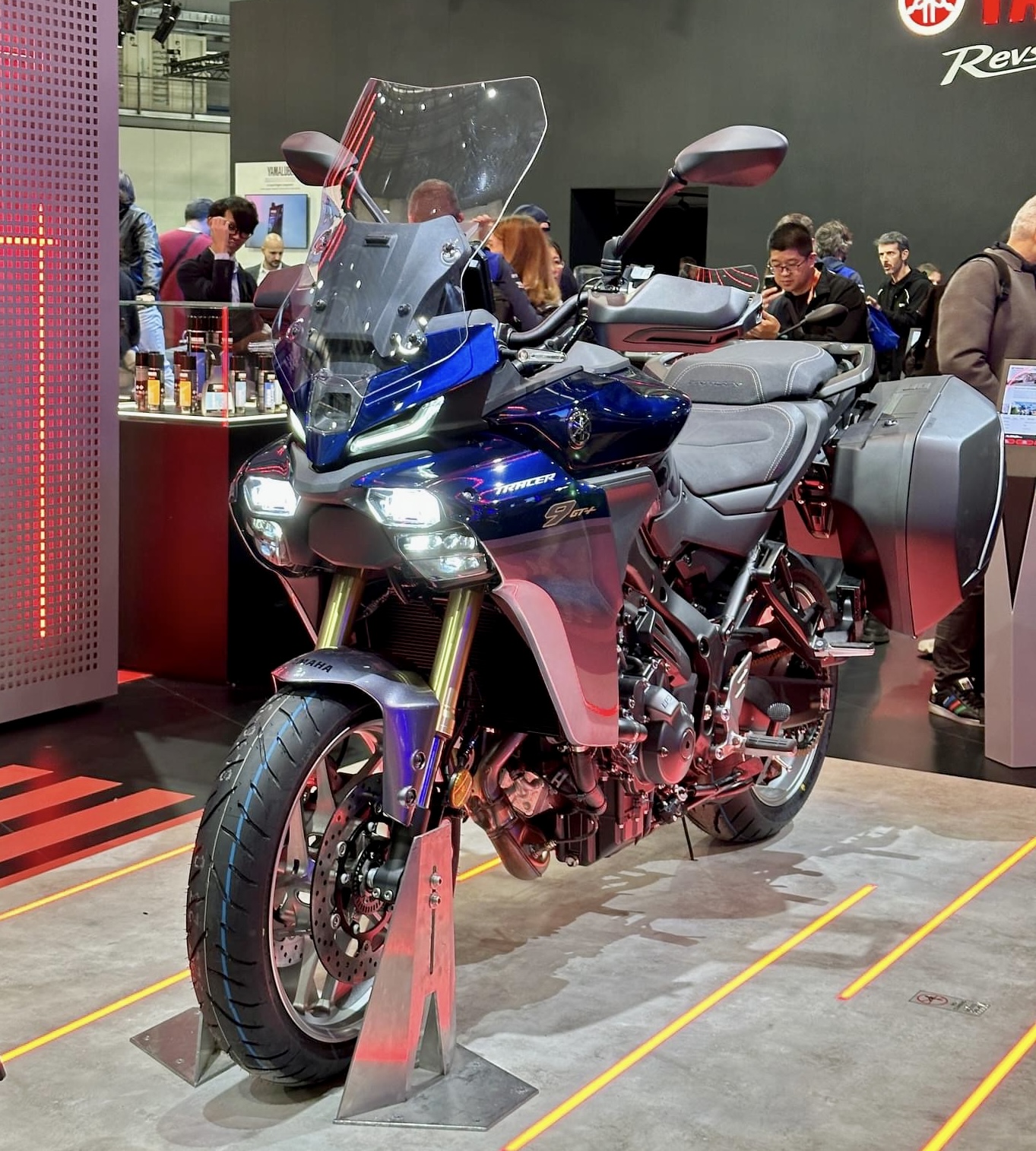
Yamaha Tracer 9 Gt
Compare Yamaha Fjr1300 Side-by-Side
compare_arrowsSpecs, power, weight & buyer verdict — head-to-head with the bikes most often cross-shopped.
Yamaha Fjr1300 vs Yamaha Tracer 9
Specs · Power · Buyer verdict
Yamaha Fjr1300 vs Bmw K 1600 Gt
Specs · Power · Buyer verdict
Yamaha Fjr1300 vs Bmw R 1250 Rt
Specs · Power · Buyer verdict
Yamaha Fjr1300 vs Bmw K 1600 Gtl
Specs · Power · Buyer verdict
Yamaha Fjr1300 vs Yamaha Tracer 9 Gt
Specs · Power · Buyer verdict
More Yamaha Fjr1300 Guides
More from Yamaha
View all Yamaha models →Community Reviews
Discussion
Frequently Asked Questions
What are common problems with the Yamaha Fjr1300? +
Electrolytic capacitor failure in instrument cluster: Erratic gauges, flickering display, or complete cluster failure (moderate) | Shaft drive spline wear and lash: Clunking on acceleration, inspect service history for greasing (moderate) | ABS pump failure or fault codes: ABS warning light on, pump noise, test both brake circuits (serious)
Is the Yamaha Fjr1300 a good motorcycle? +
The benchmark sports tourer that absolutely nothing has made obsolete. Rating: 8.8/10. Best for: Experienced riders wanting fast, fuss-free long-distance touring. Avoid if: You prioritise lightweight handling or tight urban commuting.
What is the horsepower of the Yamaha Fjr1300? +
The Yamaha Fjr1300 produces 146 hp @ 8,000 rpm, with 138 Nm @ 7,000 rpm of torque. Top speed: 250 km/h (electronically limited).
Is the Yamaha Fjr1300 good for beginners? +
Not really — the Yamaha Fjr1300 is better for experienced riders (146 hp can be intimidating). Experienced riders wanting fast, fuss-free long-distance touring Avoid if: You prioritise lightweight handling or tight urban commuting
Is the Yamaha Fjr1300 reliable? +
Owners report 2 critical issues to watch for on the Yamaha Fjr1300, notably: ABS pump failure or fault codes (ABS warning light on, pump noise, test both brake circuits). Buy with a pre-purchase inspection.
Is the Yamaha Fjr1300 good for daily use? +
Experienced riders wanting fast, fuss-free long-distance touring Fuel: 6.0–7.0 L/100km (typical real-world average).
How fast is the Yamaha Fjr1300? +
The Yamaha Fjr1300 reaches a top speed of 250 km/h (electronically limited), producing 146 hp at 289 kg curb weight. Real-world performance depends on rider weight, gearing, and road conditions.
What gear should I buy for a Yamaha Fjr1300? +
Motoryk has curated a Top 10 gear list specifically for the Yamaha Fjr1300, covering engine oil, tires, chain, battery, and brake pads — see motoryk.com/bikes/yamaha/fjr1300/top10. Each pick is matched to this bike's spec.