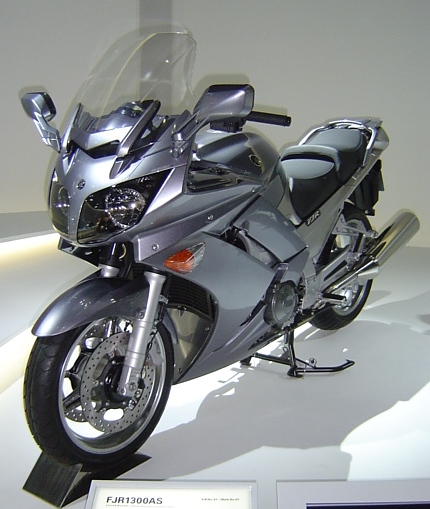
Yamaha Fjr1300
The Yamaha Fjr1300 has a top speed of 250 km/h (electronically limited), produces 146 hp and weighs 289 kg. Motoryk rates it 8.8/10.
La Yamaha FJR1300 se presentó en 2001 como una motocicleta deportiva de turismo construida con un motor de cuatro cilindros en línea de 1298 cc, diseñada para competir directamente con la Honda ST1300 y la BMW K1200RS. Ganó muchos elogios por su equilibrio entre comodidad en largas distancias, rendimiento sólido y fiabilidad, y recibió importantes actualizaciones en 2006 (inyección de combustible, chasis revisado) y 2013 (electrónica mejorada, transmisión semiautomática opcional). Sigue siendo uno de los vehículos deportivos más respetados de la historia, y fue el favorito de los corredores de larga distancia y las fuerzas policiales de todo el mundo antes de su descontinuación en muchos mercados entre 2020 y 2021.
146 hp
Potencia
138 Nm
Torsión
289 kg
Peso
250 km/h (electronically limited)
Velocidad máxima
6.0–7.0 L/100km (typical real-world average)
Combustible
Carenado
Cuerpo
🔧 Service Schedule & Parts
Affiliate · we may earn| Service item | Every | Typical cost | Parts |
|---|---|---|---|
| 🛢️ Engine oil + oil filter | 6,000 km / 3,500 mi or 12 mo | $40-80 | 🛢️ Buy → ⚙️ Buy → |
| 🌬️ Air filter | 12,000 km / 7,500 mi | — | 🌬️ Buy → |
| ⚡ Spark plugs | 24,000 km / 15,000 mi | — | ⚡ Buy → |
| 🔧 Valve clearance check | 24,000 km / 15,000 mi | $300-500 | |
| 🔗 Chain & sprockets | n/a - shaft drive km (replace) | $n/a - shaft drive | 🔗 Buy → |
| 🛑 Brake pads | 15000-25000 km | $40-80 | 🛑 Buy → |
| 💧 Brake fluid | 24,000 km / 15,000 mi or 2 yr | — | |
| 🧊 Coolant | 24,000 km / 15,000 mi | — | |
| 🛞 Tires | 12000-20000 km | $250-450 | 🛞 Buy → |
| 🔩 Major service | 24,000 km / 15,000 mi | $400-700 |
Video Review
Lo que los compradores deben saber
Bulletproof Engine Reliability
The FJR1300's inline-4 engine is renowned for lasting well over 100,000 miles with proper maintenance. Many owners report minimal mechanical issues even at high mileage, making it one of sport-touring's most dependable powerplants.
Watch the Final Drive
The shaft drive can develop leaks and the universal joints may wear on higher-mileage bikes, so inspect for oil seepage around the rear drive unit. Repair costs can be significant, so budget accordingly when buying used.
Strong Resale Value
The FJR1300 holds its value exceptionally well compared to most motorcycles, particularly the electronically-suspended 'A' and 'ES' variants. Its reputation for quality keeps used prices consistently strong in the sport-touring market.
Generaciones y especificaciones por año
El FJR1300 original se lanzó con cuatro cilindros en línea de 1298 cc, transmisión por eje, parabrisas ajustable y equipaje rígido integrado.
"El sport-tourer que puso realmente nerviosa a BMW."
Recorrí 22 000 kilómetros con un FJR1300 del 2003 en tres países y quedé realmente impresionado por la forma en que Yamaha dio en el clavo en el primer intento. Esa moto de cuatro cilindros en línea de 1298 cc arranca con fuerza desde las 3000 rpm y supera con creces las 7000. No es un motor tourer perezoso, es una moto deportiva que acepta llevar el equipaje. La transmisión por ejes hace que no tengas que preocuparte por el mantenimiento en trayectos largos, y las alforjas integradas se cierran correctamente y llevan un casco integral en cada lado, lo que suena obvio pero no era habitual en aquella época. Sinceramente, 289 kg son lo suficientemente pesados como para que un vuelco a baja velocidad en un aparcamiento te arruine el día, el parabrisas de serie es muy malo para los ciclistas altos, incluso a toda altura, y el calor que penetra en la parte interna de los muslos durante el tráfico de verano es realmente desagradable.
Pros
Contras
Chasis revisado, ABS opcional, acelerador fly-by-wire en el modelo A, suspensión y ergonomía actualizadas.
"El punto de referencia del sport-tourer que todavía avergüenza a los nuevos rivales."
Después de 40 000 kilómetros con mi FJR de segunda generación, puedo decir que esta cosa devora las autopistas como ninguna otra cosa a cualquier precio: el acelerador rápido del modelo A es sedoso y la suspensión revisada transformó realmente la maniobrabilidad en lugar de la sensación un poco exagerada de la primera generación. Ese cuatro cilindros en línea tira con una autoridad similar a la del diésel a partir de 3000 rpm y nunca se siente tenso a velocidades de autopista, donde el carenado gana su volumen al mantenerte realmente libre de golpes más allá de las 180. Sin embargo, el peso es real: 289 kilogramos es un número que se nota en cada maniobra de aparcamiento a baja velocidad y cada vez que se deja caer sobre tierra, cosa que ocurre. El ABS vale cada céntimo del precio de la opción, y si el tuyo no lo tiene, póntelo o ten cuidado en las mañanas frías.
Pros
Contras
Nueva suspensión electrónica semiactiva (modelos A/AE), estilo actualizado, protección contra el viento y ayudas al conductor mejoradas.
Motor revisado con válvula de escape variable, electrónica actualizada, control de crucero, empuñaduras térmicas mejoradas y capacidad de equipaje.
Reseña de un comprador usado
"The benchmark sports tourer that absolutely nothing has made obsolete."
$5,000-$11,000 usedThe FJR1300 is one of those bikes that makes you wonder why you ever rode anything else. Yamaha built this thing like a tank — the 1298cc inline-four pulls hard from idle and keeps pulling until your licence is genuinely at risk. Buy a pre-2006 carbed version if you're handy with spanners and want to save money, but honestly the 2006+ fuel-injected bikes are where the sweet spot lives. Electronic suspension on the AE models changes the game completely. Here's what nobody tells you upfront: check the shaft drive splines religiously. Neglected examples seize and the repair bill will ruin your week. Also budget for a new seat if it's got high miles — the stock unit is punishment after three hours. Shaft lash develops on tired bikes, so take it for a proper ride before handing over cash. The fairing plastics are expensive to replace if cracked, so inspect every panel. These things are bulletproof when maintained, and most FJR owners are exactly the kind of meticulous riders who service them properly. Find a documented example and you're buying a sports tourer that'll outlast almost anything in its class.
Variants of the Yamaha Fjr1300
Same bike, different trim or year-range — pick the one matching the listing.
Top 10 Accessories
Curated picks for the Yamaha Fjr1300 — owned, ridden, recommended.


Problemas comunes
🔥 2 CRITICALErratic gauges, flickering display, or complete cluster failure
Clunking on acceleration, inspect service history for greasing
ABS warning light on, pump noise, test both brake circuits
Battery voltage at idle, check for stator recall history
✅Lista de verificación previa a la compra
Very reliable long-hauler, maintenance-sensitive electrical systems
Full Specifications
Rivals & Alternatives
Bikes that buyers cross-shop with the Yamaha Fjr1300
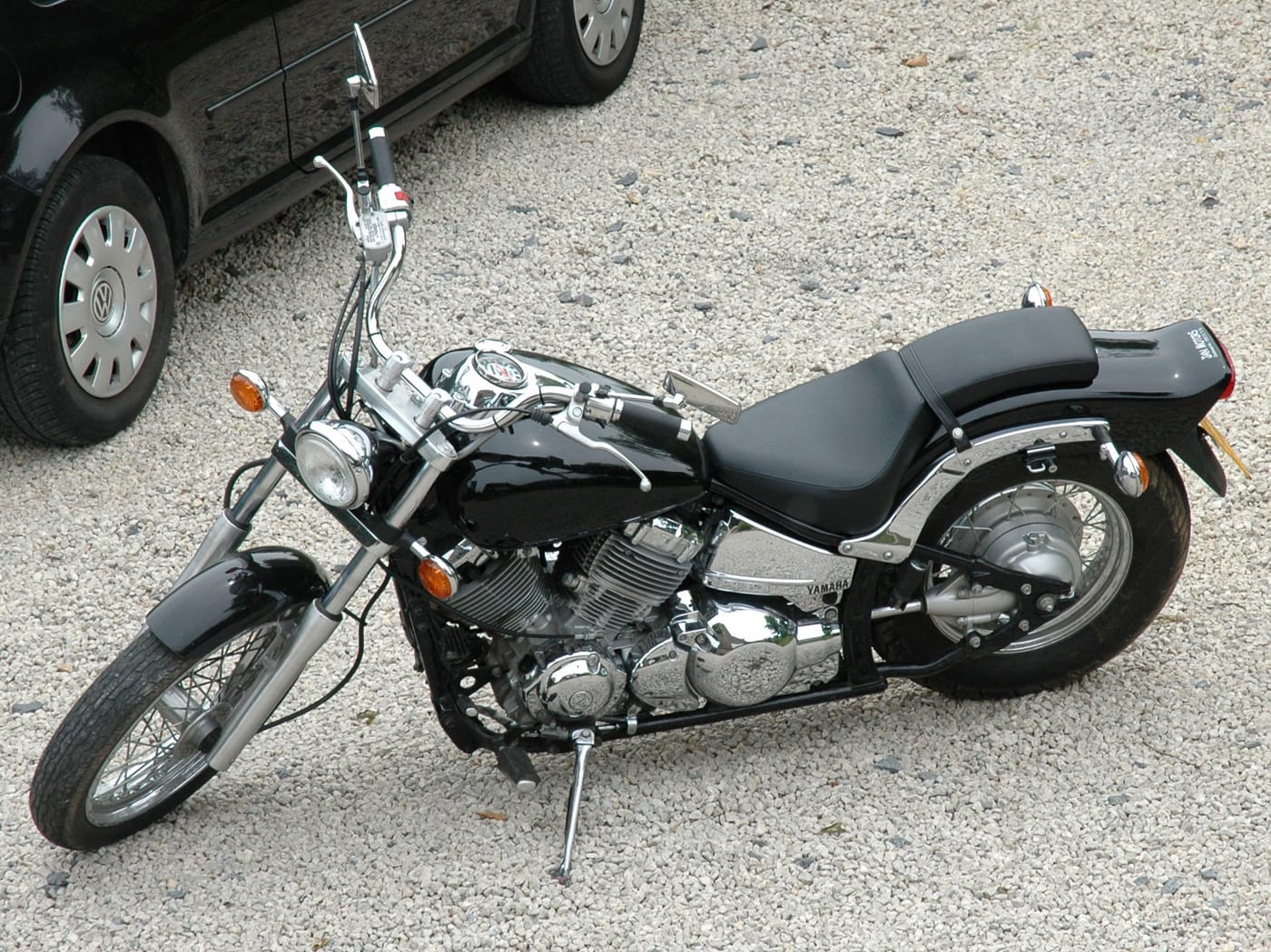
Yamaha Tracer 9
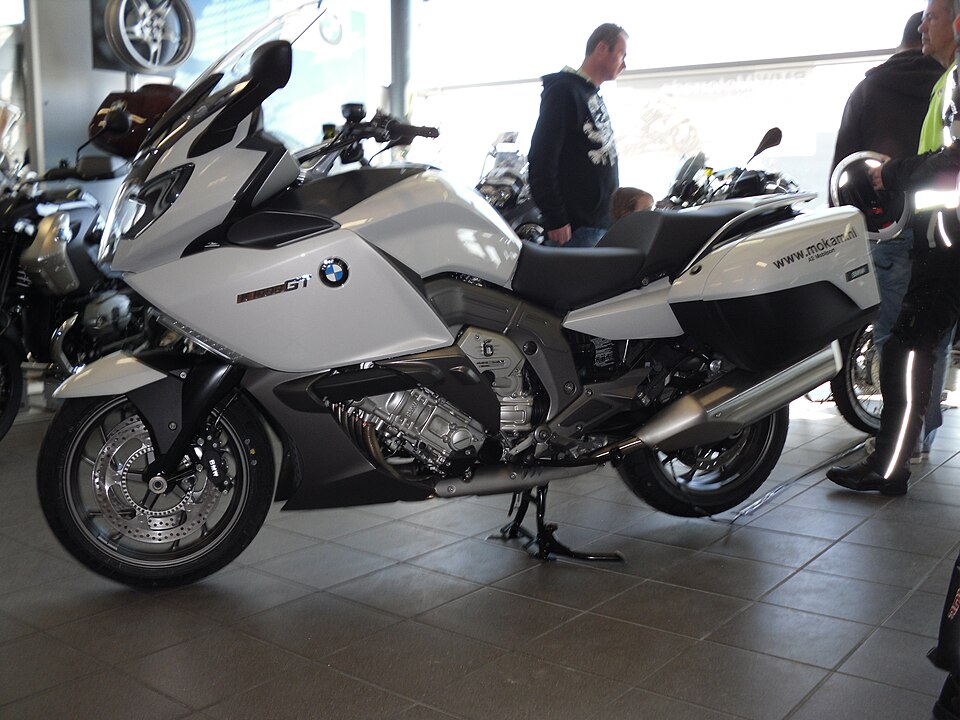
Bmw K 1600 Gt
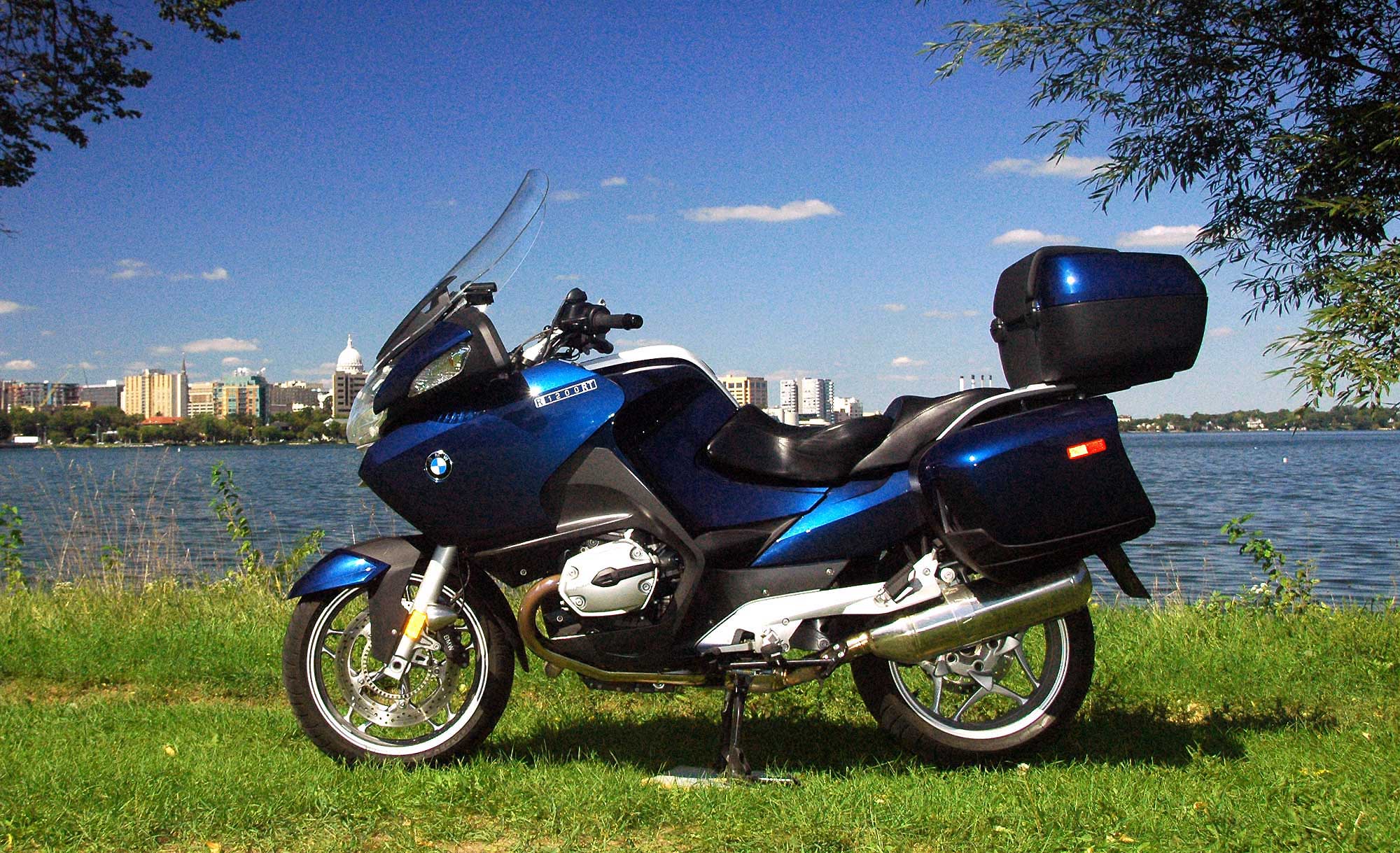
Bmw R 1250 Rt
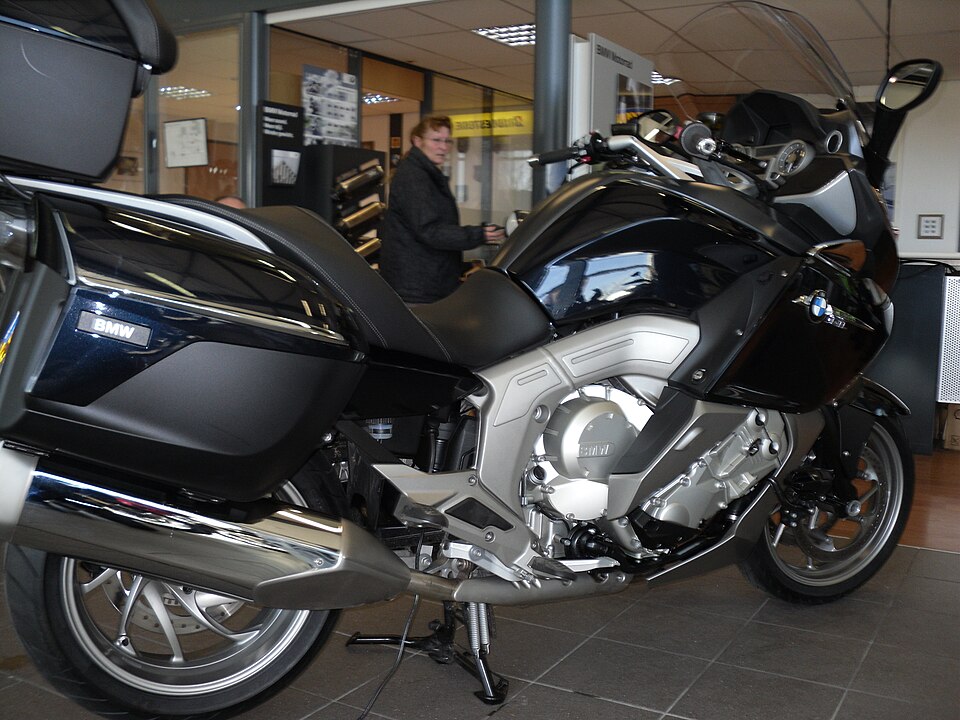
Bmw K 1600 Gtl
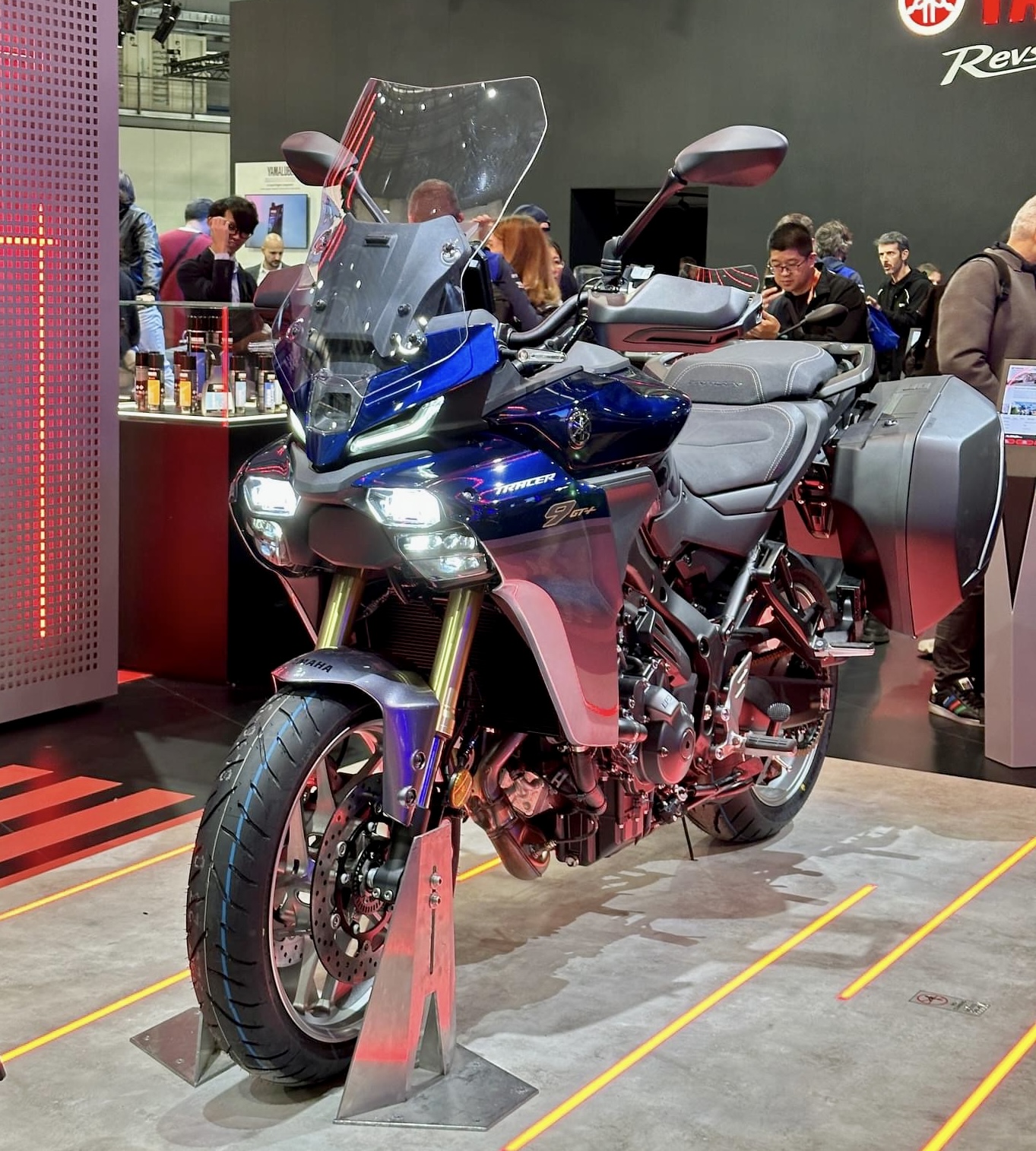
Yamaha Tracer 9 Gt
Compare Yamaha Fjr1300 Side-by-Side
compare_arrowsSpecs, power, weight & buyer verdict — head-to-head with the bikes most often cross-shopped.
Yamaha Fjr1300 vs Yamaha Tracer 9
Specs · Power · Buyer verdict
Yamaha Fjr1300 vs Bmw K 1600 Gt
Specs · Power · Buyer verdict
Yamaha Fjr1300 vs Bmw R 1250 Rt
Specs · Power · Buyer verdict
Yamaha Fjr1300 vs Bmw K 1600 Gtl
Specs · Power · Buyer verdict
Yamaha Fjr1300 vs Yamaha Tracer 9 Gt
Specs · Power · Buyer verdict
More Yamaha Fjr1300 Guides
More from Yamaha
View all Yamaha models →Community Reviews
Discussion
Frequently Asked Questions
What are common problems with the Yamaha Fjr1300? +
Electrolytic capacitor failure in instrument cluster: Erratic gauges, flickering display, or complete cluster failure (moderate) | Shaft drive spline wear and lash: Clunking on acceleration, inspect service history for greasing (moderate) | ABS pump failure or fault codes: ABS warning light on, pump noise, test both brake circuits (serious)
Is the Yamaha Fjr1300 a good motorcycle? +
The benchmark sports tourer that absolutely nothing has made obsolete. Rating: 8.8/10. Best for: Experienced riders wanting fast, fuss-free long-distance touring. Avoid if: You prioritise lightweight handling or tight urban commuting.
What is the horsepower of the Yamaha Fjr1300? +
The Yamaha Fjr1300 produces 146 hp @ 8,000 rpm, with 138 Nm @ 7,000 rpm of torque. Top speed: 250 km/h (electronically limited).
Is the Yamaha Fjr1300 good for beginners? +
Not really — the Yamaha Fjr1300 is better for experienced riders (146 hp can be intimidating). Experienced riders wanting fast, fuss-free long-distance touring Avoid if: You prioritise lightweight handling or tight urban commuting
Is the Yamaha Fjr1300 reliable? +
Owners report 2 critical issues to watch for on the Yamaha Fjr1300, notably: ABS pump failure or fault codes (ABS warning light on, pump noise, test both brake circuits). Buy with a pre-purchase inspection.
Is the Yamaha Fjr1300 good for daily use? +
Experienced riders wanting fast, fuss-free long-distance touring Fuel: 6.0–7.0 L/100km (typical real-world average).
How fast is the Yamaha Fjr1300? +
The Yamaha Fjr1300 reaches a top speed of 250 km/h (electronically limited), producing 146 hp at 289 kg curb weight. Real-world performance depends on rider weight, gearing, and road conditions.
What gear should I buy for a Yamaha Fjr1300? +
Motoryk has curated a Top 10 gear list specifically for the Yamaha Fjr1300, covering engine oil, tires, chain, battery, and brake pads — see motoryk.com/bikes/yamaha/fjr1300/top10. Each pick is matched to this bike's spec.