Yamaha Fjr1300
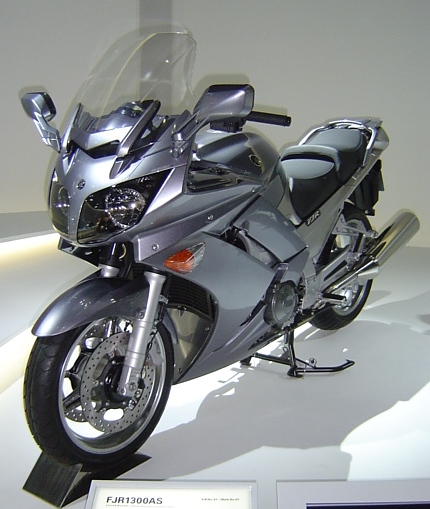
The Yamaha Fjr1300 has a top speed of 250 km/h (electronically limited), produces 146 hp and weighs 289 kg. Motoryk rates it 8.8/10.
Die Yamaha FJR1300 wurde 2001 als Sporttouring-Motorrad auf den Markt gebracht, das auf einem 1298 cm3-Vierzylinder-Reihenmotor basiert und direkt mit dem Honda ST1300 und dem BMW K1200RS konkurrieren sollte. Es erlangte breite Anerkennung für sein ausgewogenes Verhältnis von Langstreckenkomfort, starker Leistung und Zuverlässigkeit. 2006 (Kraftstoffeinspritzung, überarbeitetes Fahrwerk) und 2013 (verbesserte Elektronik, optionales halbautomatisches Getriebe) wurden wichtige Aktualisierungen vorgenommen. Er ist nach wie vor einer der angesehensten Sport-Tourer aller Zeiten und wurde von Langstreckenfahrern und Polizeikräften weltweit bevorzugt, bevor er in den Jahren 2020-2021 auf vielen Märkten eingestellt wurde.
146 hp
Leistung
138 Nm
Drehmoment
289 kg
Gewicht
250 km/h (electronically limited)
Höchstgeschwindigkeit
6.0–7.0 L/100km (typical real-world average)
Treibstoff
Ausgeleitet
Körper
🔧 Service Schedule & Parts
Affiliate · we may earn| Service item | Every | Typical cost | Parts |
|---|---|---|---|
| 🛢️ Engine oil + oil filter | 6,000 km / 3,500 mi or 12 mo | $40-80 | 🛢️ Buy → ⚙️ Buy → |
| 🌬️ Air filter | 12,000 km / 7,500 mi | — | 🌬️ Buy → |
| ⚡ Spark plugs | 24,000 km / 15,000 mi | — | ⚡ Buy → |
| 🔧 Valve clearance check | 24,000 km / 15,000 mi | $300-500 | |
| 🔗 Chain & sprockets | n/a - shaft drive km (replace) | $n/a - shaft drive | 🔗 Buy → |
| 🛑 Brake pads | 15000-25000 km | $40-80 | 🛑 Buy → |
| 💧 Brake fluid | 24,000 km / 15,000 mi or 2 yr | — | |
| 🧊 Coolant | 24,000 km / 15,000 mi | — | |
| 🛞 Tires | 12000-20000 km | $250-450 | 🛞 Buy → |
| 🔩 Major service | 24,000 km / 15,000 mi | $400-700 |
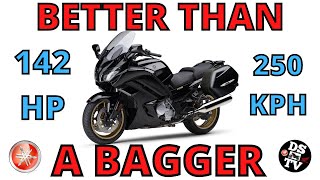
Video Review
Was Käufer wissen sollten
Bulletproof Engine Reliability
The FJR1300's inline-4 engine is renowned for lasting well over 100,000 miles with proper maintenance. Many owners report minimal mechanical issues even at high mileage, making it one of sport-touring's most dependable powerplants.
Watch the Final Drive
The shaft drive can develop leaks and the universal joints may wear on higher-mileage bikes, so inspect for oil seepage around the rear drive unit. Repair costs can be significant, so budget accordingly when buying used.
Strong Resale Value
The FJR1300 holds its value exceptionally well compared to most motorcycles, particularly the electronically-suspended 'A' and 'ES' variants. Its reputation for quality keeps used prices consistently strong in the sport-touring market.
Generationen und Spezifikationen nach Jahr
Der ursprüngliche FJR1300 wurde mit 1298 cm³ Reihenvierzylinder, Kardanantrieb, verstellbarer Frontscheibe und integriertem Hartgepäck auf den Markt gebracht.
"Der Sport-Tourer, der BMW richtig nervös machte."
Ich legte 22.000 Kilometer auf einem FJR1300 von 2003 durch drei Länder zurück und war wirklich beeindruckt, wie Yamaha den Auftrag beim ersten Versuch meisterte. Dieser 1298 cm3-Reihenvierzylinder zieht ab 3.000 U/min kräftig an und geht absolut über 7.000 — es ist kein fauler Tourer-Motor, es ist ein Sportmotorrad, das bereit ist, Ihr Gepäck zu transportieren. Der Kardanantrieb bedeutet, dass auf langen Strecken keine Wartungsparanoia herrscht, und die integrierten Packtaschen schließen einwandfrei ab und bieten Platz für einen Integralhelm auf jeder Seite, was offensichtlich klingt, damals aber nicht üblich war. Meine ehrlichen Kritikpunkte: 289 kg sind schwer genug, dass ein langsames Umkippen auf einem Parkplatz Ihren Tag ruiniert, die serienmäßige Frontscheibe büffelt für große Fahrer selbst in voller Höhe schlecht, und die Hitzeeinwirkung auf Ihre inneren Oberschenkel im Sommerverkehr ist wirklich unangenehm.
Profis
Nachteile
Überarbeitetes Fahrwerk, optionales ABS, Fly-by-Wire-Gashebel beim A-Modell, aktualisierte Federung und Ergonomie.
"Der Sporttourer-Benchmark, der auch neuere Konkurrenten immer noch in Verlegenheit bringt."
Nach 40.000 Kilometern auf meinem Gen-2-FJR kann ich Ihnen sagen, dass dieses Ding Autobahnen frisst wie nichts anderes um jeden Preis — der Fly-by-Wire-Gashebel des A-Modells ist seidig, und die überarbeitete Federung hat das Handling gegenüber dem leicht schlaffen Gefühl der ersten Generation wirklich verändert. Dieser Reihenvierzylinder zieht mit dieselähnlicher Leistung ab 3.000 Umdrehungen pro Minute und fühlt sich bei Autobahngeschwindigkeiten nie überlastet an, wo die Verkleidung tatsächlich ihre Masse verdient, indem sie Sie über 180 Grad regelrecht buffetfrei hält. Das Gewicht ist allerdings real — 289 Kilogramm sind eine Zahl, die Sie bei jedem Parkmanöver mit langsamer Geschwindigkeit spüren und jedes Mal, wenn Sie das Fahrzeug auf Schotter fallen lassen, was auch passiert. ABS ist jeden Cent des Optionspreises wert, und wenn es Ihres nicht hat, passen Sie es an oder seien Sie an kalten Morgen vorsichtig.
Profis
Nachteile
Neues semiaktives elektronisches Fahrwerk (A/AE-Modelle), überarbeitetes Design, verbesserter Windschutz und Fahrerhilfen.
Überarbeiteter Motor mit variablem Auslassventil, aktualisierter Elektronik, Tempomat, verbesserter Griffheizung und Gepäckkapazität.
Bewertung von gebrauchten Käufern
"The benchmark sports tourer that absolutely nothing has made obsolete."
$5,000-$11,000 usedThe FJR1300 is one of those bikes that makes you wonder why you ever rode anything else. Yamaha built this thing like a tank — the 1298cc inline-four pulls hard from idle and keeps pulling until your licence is genuinely at risk. Buy a pre-2006 carbed version if you're handy with spanners and want to save money, but honestly the 2006+ fuel-injected bikes are where the sweet spot lives. Electronic suspension on the AE models changes the game completely. Here's what nobody tells you upfront: check the shaft drive splines religiously. Neglected examples seize and the repair bill will ruin your week. Also budget for a new seat if it's got high miles — the stock unit is punishment after three hours. Shaft lash develops on tired bikes, so take it for a proper ride before handing over cash. The fairing plastics are expensive to replace if cracked, so inspect every panel. These things are bulletproof when maintained, and most FJR owners are exactly the kind of meticulous riders who service them properly. Find a documented example and you're buying a sports tourer that'll outlast almost anything in its class.
Variants of the Yamaha Fjr1300
Same bike, different trim or year-range — pick the one matching the listing.
Top 10 Accessories
Curated picks for the Yamaha Fjr1300 — owned, ridden, recommended.


Häufig auftretende Probleme
🔥 2 CRITICALErratic gauges, flickering display, or complete cluster failure
Clunking on acceleration, inspect service history for greasing
ABS warning light on, pump noise, test both brake circuits
Battery voltage at idle, check for stator recall history
✅Checkliste vor dem Kauf
Very reliable long-hauler, maintenance-sensitive electrical systems
Full Specifications
Rivals & Alternatives
Bikes that buyers cross-shop with the Yamaha Fjr1300
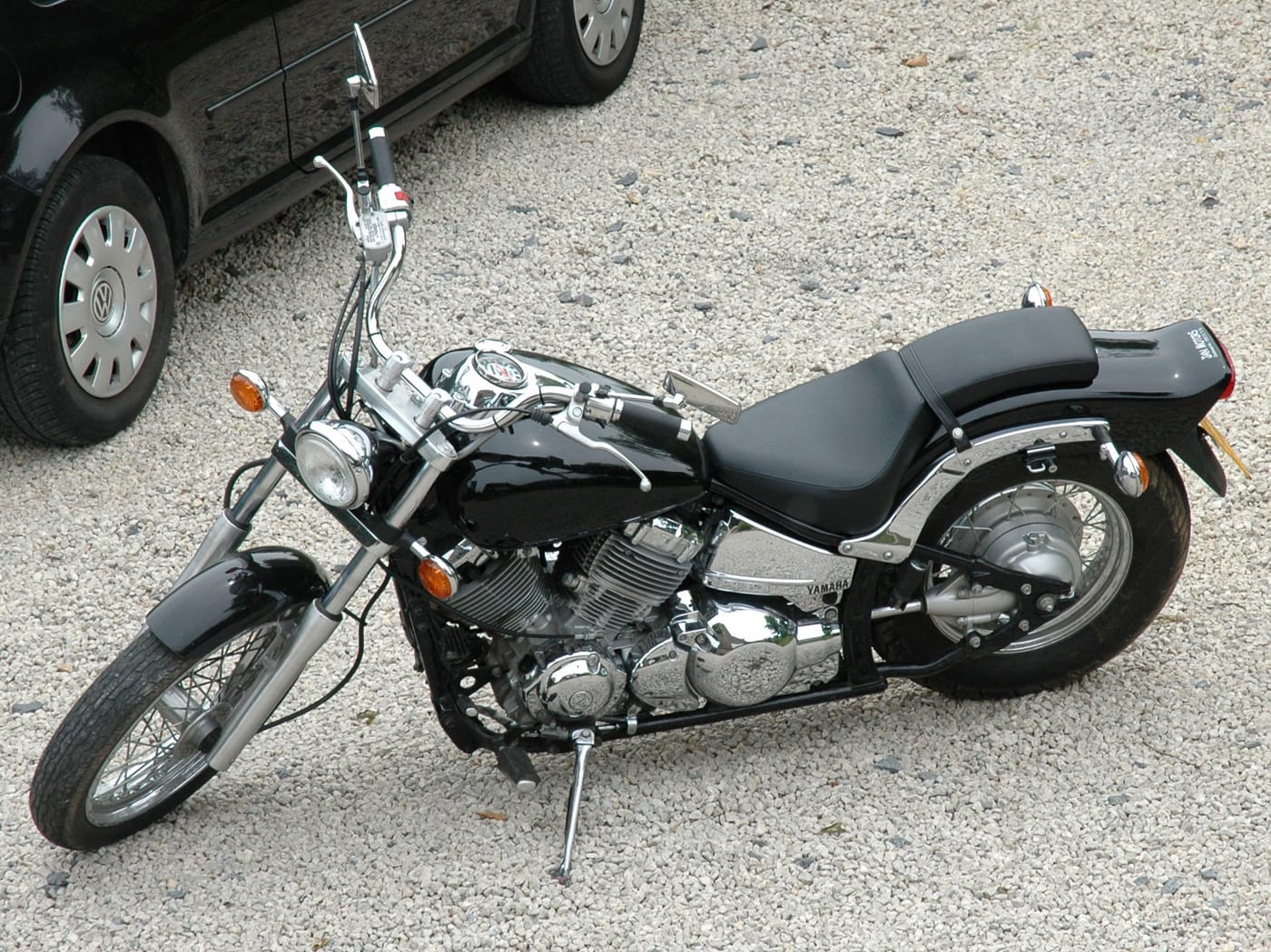
Yamaha Tracer 9
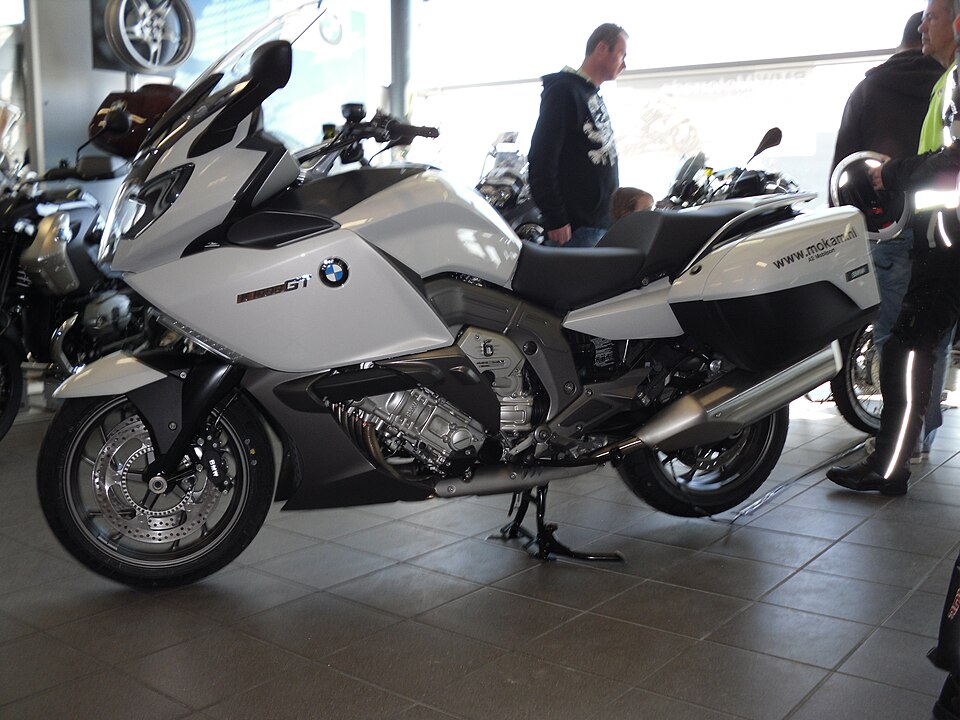
Bmw K 1600 Gt
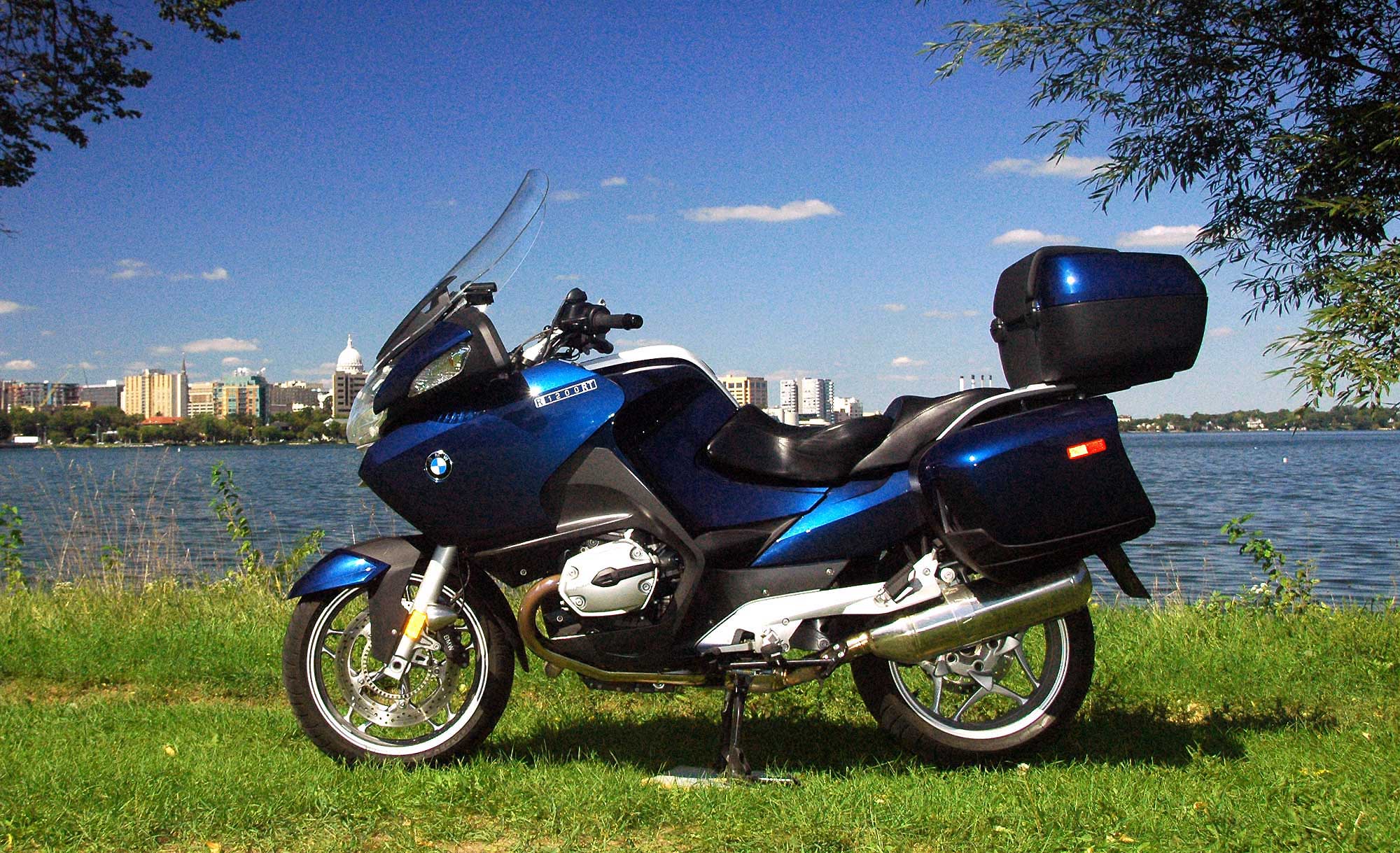
Bmw R 1250 Rt
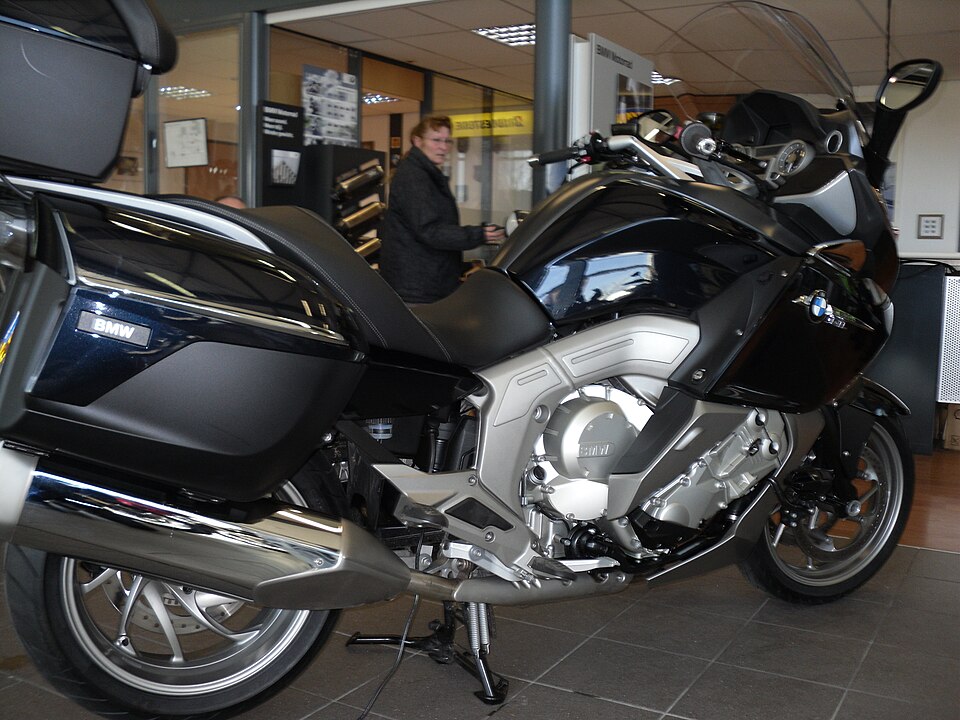
Bmw K 1600 Gtl
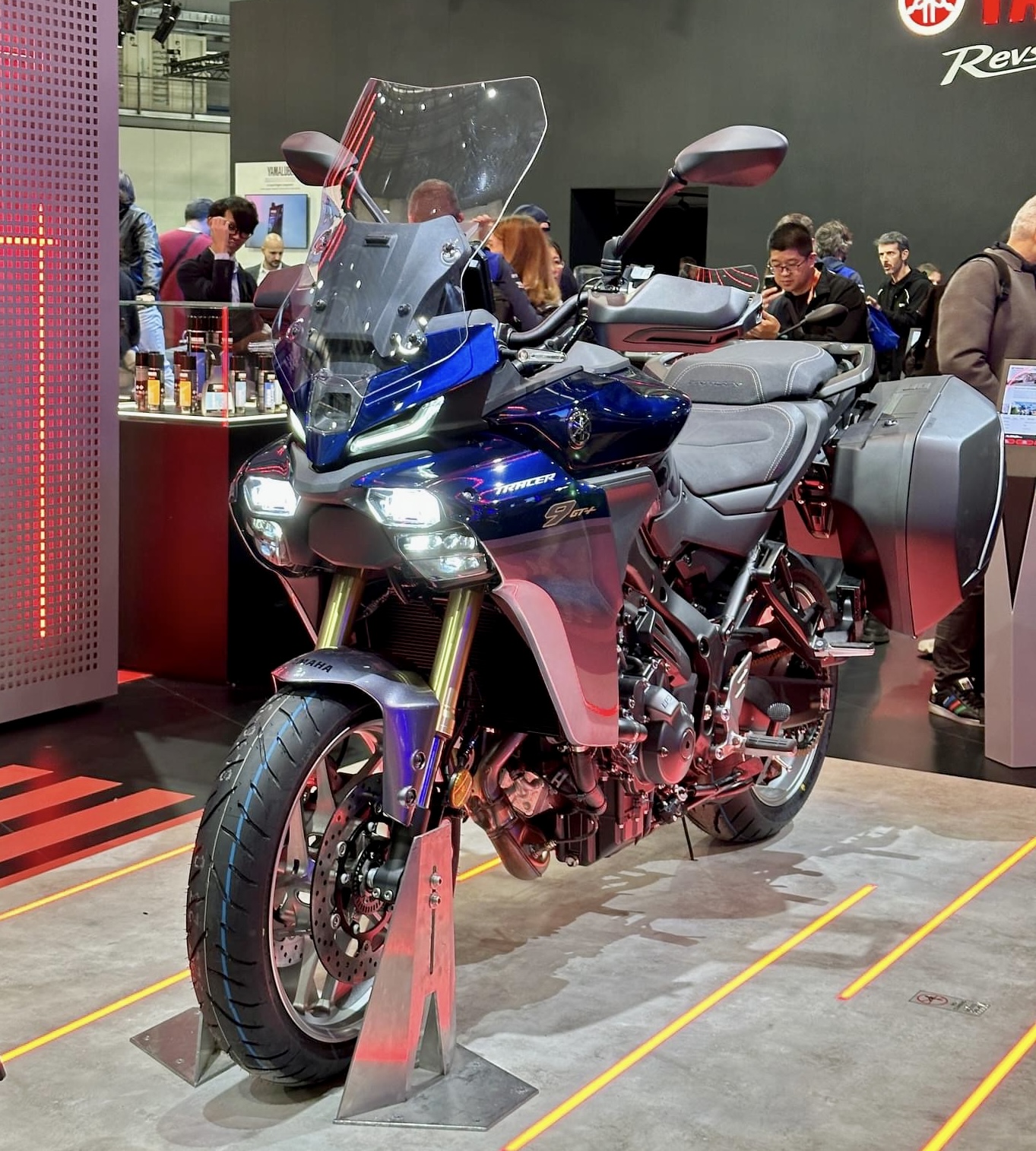
Yamaha Tracer 9 Gt
Compare Yamaha Fjr1300 Side-by-Side
compare_arrowsSpecs, power, weight & buyer verdict — head-to-head with the bikes most often cross-shopped.
Yamaha Fjr1300 vs Yamaha Tracer 9
Specs · Power · Buyer verdict
Yamaha Fjr1300 vs Bmw K 1600 Gt
Specs · Power · Buyer verdict
Yamaha Fjr1300 vs Bmw R 1250 Rt
Specs · Power · Buyer verdict
Yamaha Fjr1300 vs Bmw K 1600 Gtl
Specs · Power · Buyer verdict
Yamaha Fjr1300 vs Yamaha Tracer 9 Gt
Specs · Power · Buyer verdict
More Yamaha Fjr1300 Guides
More from Yamaha
View all Yamaha models →Community Reviews
Discussion
Frequently Asked Questions
What are common problems with the Yamaha Fjr1300? +
Electrolytic capacitor failure in instrument cluster: Erratic gauges, flickering display, or complete cluster failure (moderate) | Shaft drive spline wear and lash: Clunking on acceleration, inspect service history for greasing (moderate) | ABS pump failure or fault codes: ABS warning light on, pump noise, test both brake circuits (serious)
Is the Yamaha Fjr1300 a good motorcycle? +
The benchmark sports tourer that absolutely nothing has made obsolete. Rating: 8.8/10. Best for: Experienced riders wanting fast, fuss-free long-distance touring. Avoid if: You prioritise lightweight handling or tight urban commuting.
What is the horsepower of the Yamaha Fjr1300? +
The Yamaha Fjr1300 produces 146 hp @ 8,000 rpm, with 138 Nm @ 7,000 rpm of torque. Top speed: 250 km/h (electronically limited).
Is the Yamaha Fjr1300 good for beginners? +
Not really — the Yamaha Fjr1300 is better for experienced riders (146 hp can be intimidating). Experienced riders wanting fast, fuss-free long-distance touring Avoid if: You prioritise lightweight handling or tight urban commuting
Is the Yamaha Fjr1300 reliable? +
Owners report 2 critical issues to watch for on the Yamaha Fjr1300, notably: ABS pump failure or fault codes (ABS warning light on, pump noise, test both brake circuits). Buy with a pre-purchase inspection.
Is the Yamaha Fjr1300 good for daily use? +
Experienced riders wanting fast, fuss-free long-distance touring Fuel: 6.0–7.0 L/100km (typical real-world average).
How fast is the Yamaha Fjr1300? +
The Yamaha Fjr1300 reaches a top speed of 250 km/h (electronically limited), producing 146 hp at 289 kg curb weight. Real-world performance depends on rider weight, gearing, and road conditions.
What gear should I buy for a Yamaha Fjr1300? +
Motoryk has curated a Top 10 gear list specifically for the Yamaha Fjr1300, covering engine oil, tires, chain, battery, and brake pads — see motoryk.com/bikes/yamaha/fjr1300/top10. Each pick is matched to this bike's spec.