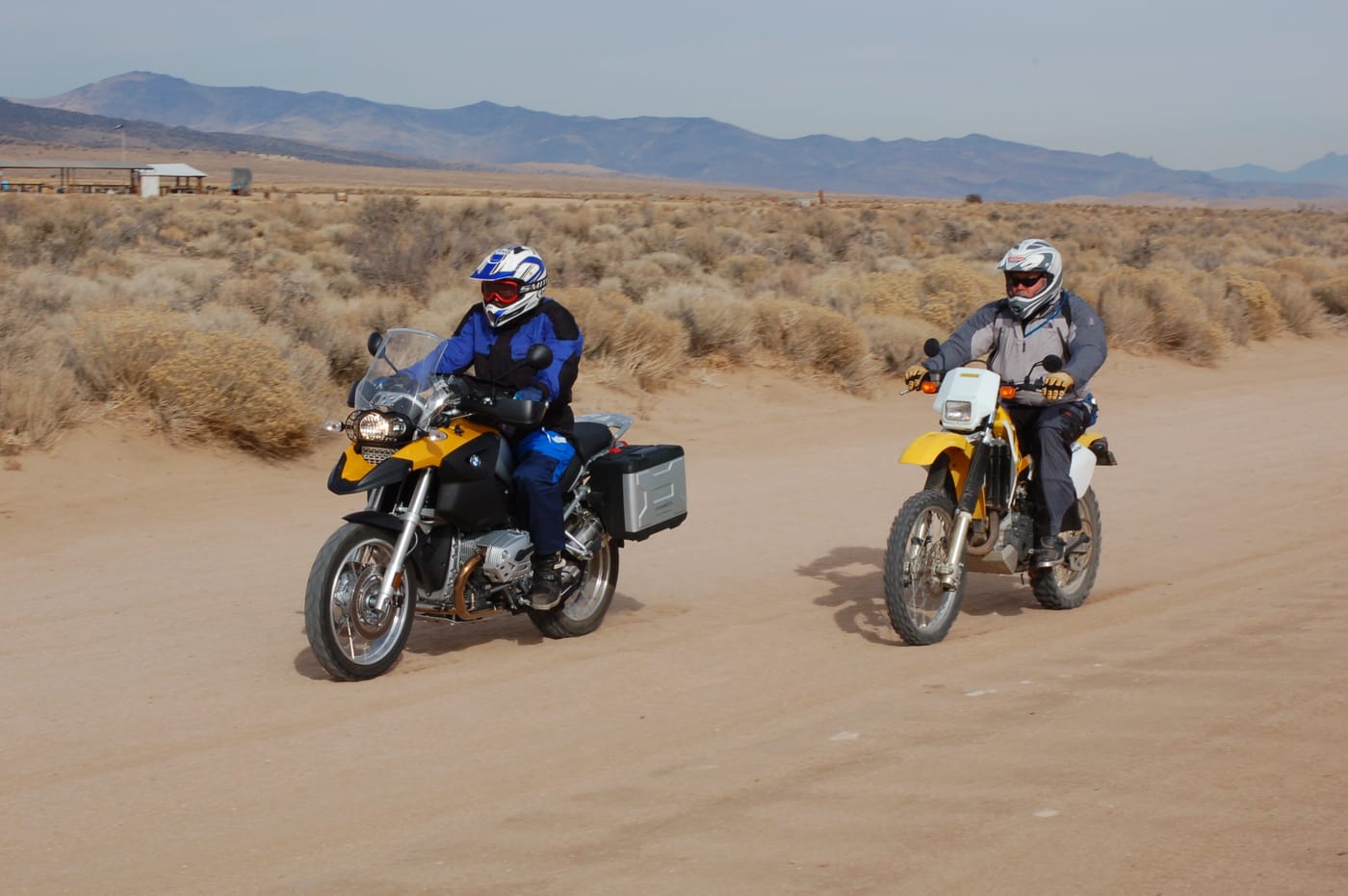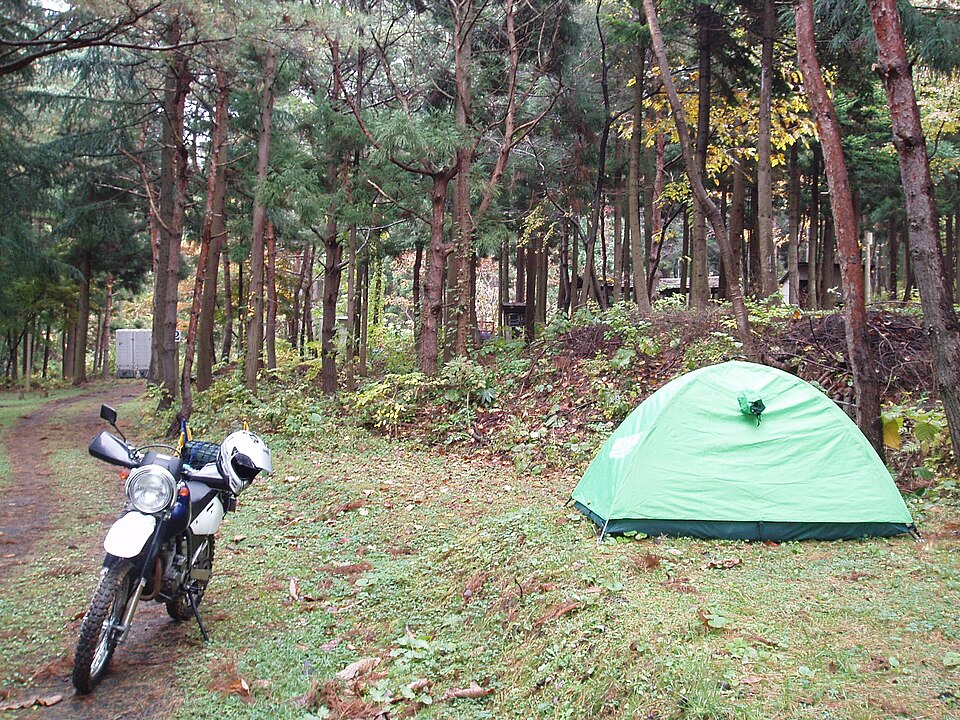
Suzuki Djebel 250
The Suzuki Djebel 250 has a top speed of 130 km/h (estimated), produces 24 hp and weighs 157 kg. Motoryk rates it 7.5/10.
A Suzuki Djebel 250 é uma motocicleta dupla esportiva/aventura produzida pela Suzuki Japan, lançada em 1989 e vendida principalmente no mercado doméstico japonês. Foi construído em torno de um motor monocilíndrico de 4 tempos projetado tanto para turismo na estrada quanto para uso off-road leve, ganhando a reputação de turista de aventura confiável e econômico no Japão. O modelo passou por várias iterações, incluindo o Djebel 250XC e o Djebel 250GPS (que apresentavam notavelmente um sistema de navegação GPS integrado em versões posteriores), tornando-o uma máquina única e tecnicamente interessante para sua época.
24 hp
Poder
22 Nm
Torque
157 kg
Peso
130 km/h (estimated)
Velocidade máxima
3.5 L/100km (approx. 28 km/L typical real-world average)
Combustível
Nua
Corpo
🔧 Service Schedule & Parts
Affiliate · we may earn| Service item | Every | Typical cost | Parts |
|---|---|---|---|
| 🛢️ Engine oil + oil filter | 3,000 km / 2,000 mi or 6 mo | $30-60 | 🛢️ Buy → ⚙️ Buy → |
| 🌬️ Air filter | 6,000 km / 3,500 mi | — | 🌬️ Buy → |
| ⚡ Spark plugs | 6,000 km / 3,500 mi | — | ⚡ Buy → |
| 🔧 Valve clearance check | 24,000 km / 15,000 mi | $150-300 | |
| 🔗 Chain & sprockets | 20000-35000 km (replace) | $100-200 | 🔗 Buy → |
| 🛑 Brake pads | 15000-25000 km | $25-50 | 🛑 Buy → |
| 💧 Brake fluid | 24,000 km / 15,000 mi or 2 yr | — | |
| 🧊 Coolant | 24,000 km / 15,000 mi | — | |
| 🛞 Tires | 15000-25000 km | $150-300 | 🛞 Buy → |
| 🔩 Major service | 24,000 km / 15,000 mi | $250-500 |
Video Review

O que os compradores devem saber
Proven Reliable Engine
The Djebel 250 uses Suzuki's bulletproof DR250 single-cylinder engine, known for running well past 50,000 km with basic maintenance. It's a simple carbureted motor that's easy and cheap to service.
Watch the Carburetor
Sitting bikes often develop clogged carburetors due to old fuel varnish — always inspect or clean the carb before buying. Rejetting may also be needed if the bike has been modified with an aftermarket exhaust.
Strong Resale Value
The Djebel 250 holds its value well in Japan and export markets due to its dual-sport versatility and cult following among adventure riders. Well-maintained examples rarely depreciate significantly, making it a smart used buy.
Gerações e especificações por ano
Individual esportivo original baseado em DR250S, refrigerado a ar, introduzido como Djebel 250 para o mercado japonês.
"Esporte duplo honesto e descomplicado que ganha seu sustento diariamente."
Eu percorri quase 18.000 km em um Djebel 92 em dois anos, dividindo o tempo entre as estradas florestais de Tohoku e as viagens para Tóquio, e a bicicleta nunca me deixou preso. Esse single de 249 cc refrigerado a ar faz com que seus 26 cavalos pareçam úteis em vez de impressionantes: ele roda de forma limpa a partir de 4.000 rpm, se acomoda em um confortável cruzeiro de 100 km/h e o motor tem um ruído mecânico reconfortante que indica exatamente o quanto está trabalhando. A altura do assento e as barras largas oferecem confiança genuína em cascalho solto, mas esse selim de 855 mm eliminará rapidamente os ciclistas mais baixos, e o assento padrão se transforma em uma prancha após cerca de 90 minutos. O que frustra é o ritmo na estrada: velocidades sustentadas em rodovias acima de 120 km/h fazem com que o motor zumba com raiva e o consumo de combustível suba, tornando-a uma bicicleta que recompensa a moderação em vez da ambição.
Prós
Contras
Novo motor refrigerado a óleo, chassi revisado, carroceria atualizada, suspensão aprimorada, versão GPS adicionada posteriormente.
"Cruzador de estrada de terra à prova de balas que nunca se envergonha em lugar nenhum."
O motor refrigerado a óleo do Gen 2 é uma melhoria genuína: entrega de potência mais suave e visivelmente menos calor queimando sua perna direita nos dias de verão, embora 23 cavalos ainda não vençam nenhuma corrida de arrancada fora dos semáforos. Já percorri 15.000 km em uma estrada de cascalho de Hokkaido e passagens montanhosas vietnamitas, e a suspensão revisada absorve punições sem drama, embora afunde previsivelmente quando você pressiona com força em ziguezagues apertados de asfalto. O assento estreito de 855 mm é alto o suficiente para preocupar ciclistas baixos, mas o chassi fino permite que você bata facilmente, o que evita terrenos técnicos lentos. O consumo de combustível em torno de 3,5 l/100 km é realmente impressionante, e esse motor atingirá 60.000 km com manutenção básica — os pontos fracos são os medíocres pneus padrão e um freio dianteiro que dá a sensação de espremer queijo quente.
Prós
Contras
Avaliação do comprador usado
"Rewarding, capable machine if you accept the parts headache."
$2,500-$5,000 usedThe Djebel 250 is Japan's best-kept secret in the adventure segment — Suzuki built these almost exclusively for the domestic market, and the ones that escaped are genuinely underrated. It's a proper dual-sport, not a dressed-up commuter, with real suspension travel and a torquey little single that'll happily cruise at 70mph without drama. Carb jetting tends to run lean from the factory, so check for that telltale popping on decel before you hand over cash. Mechanically they're bulletproof if maintained, but neglected examples are everywhere. Pull the airbox cover immediately — if the filter looks like it's been breathing gravel for a decade, walk away. Fork seals are a common weak point around 30,000km, and the stock seat foam collapses into a wooden plank after a few years. Budget for refoaming it straight away. Parts availability outside Japan is genuinely patchy, which is your biggest headache owning one long-term.
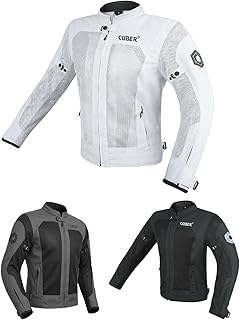
Top 10 Accessories
Curated picks for the Suzuki Djebel 250 — owned, ridden, recommended.




Problemas comuns
🔥 1 CRITICALRough idle, hard starting, hesitation during throttle input
Oil residue on fork legs, soft or spongy feel
Battery not charging, flickering lights, multimeter test
Rattling on cold start, noise fading once warm
✅Lista de verificação de pré-compra
Solid but needs consistent maintenance when aged
Full Specifications
Rivals & Alternatives
Bikes that buyers cross-shop with the Suzuki Djebel 250
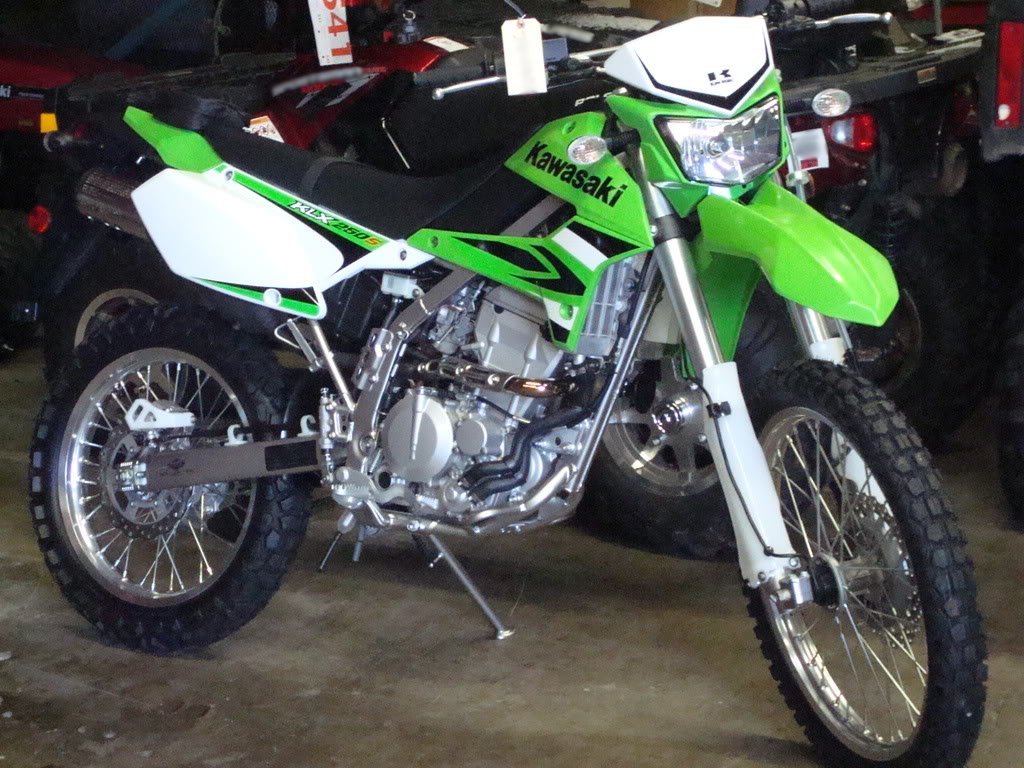
Kawasaki Klx 300
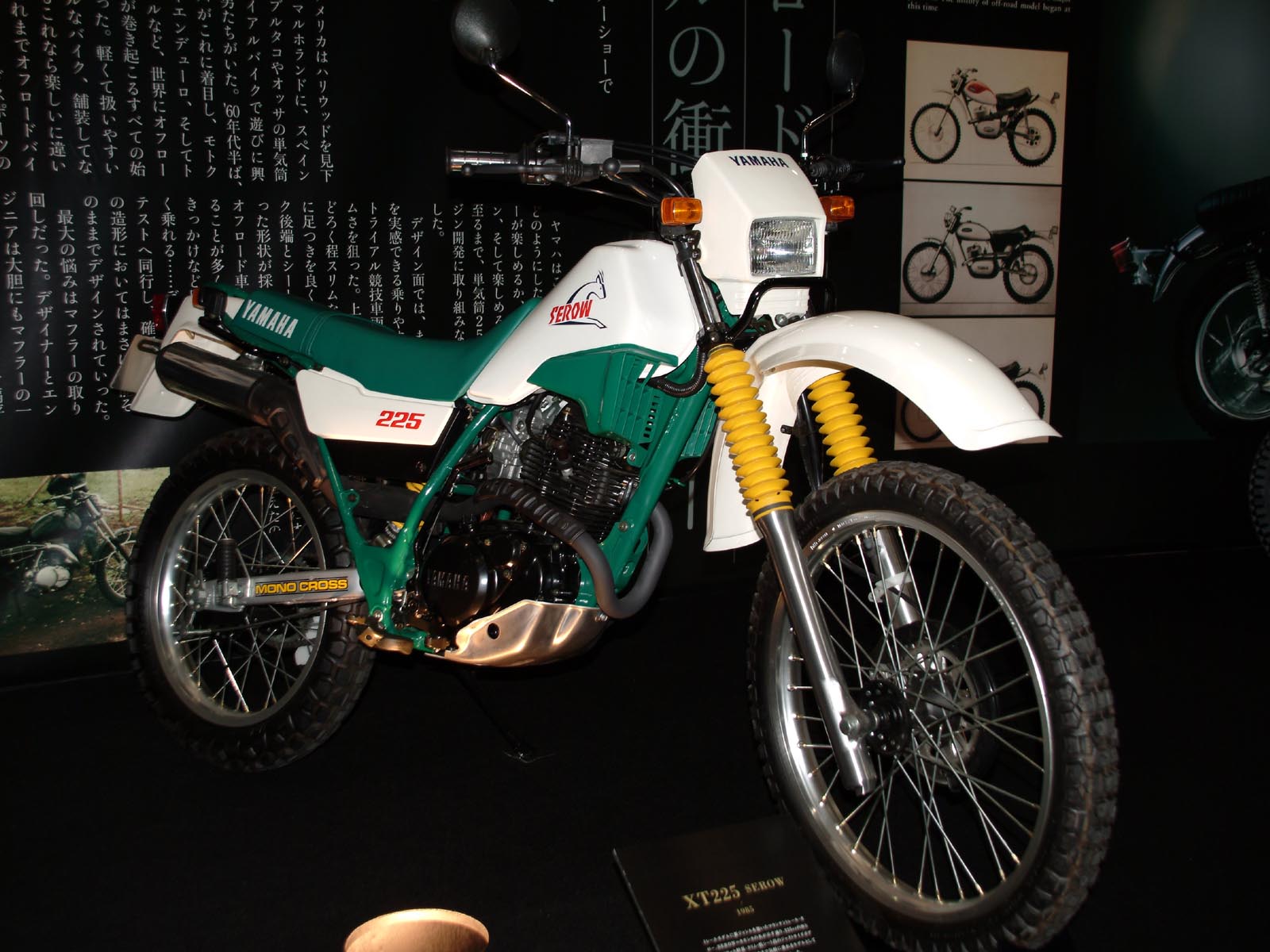
Yamaha Serow 250
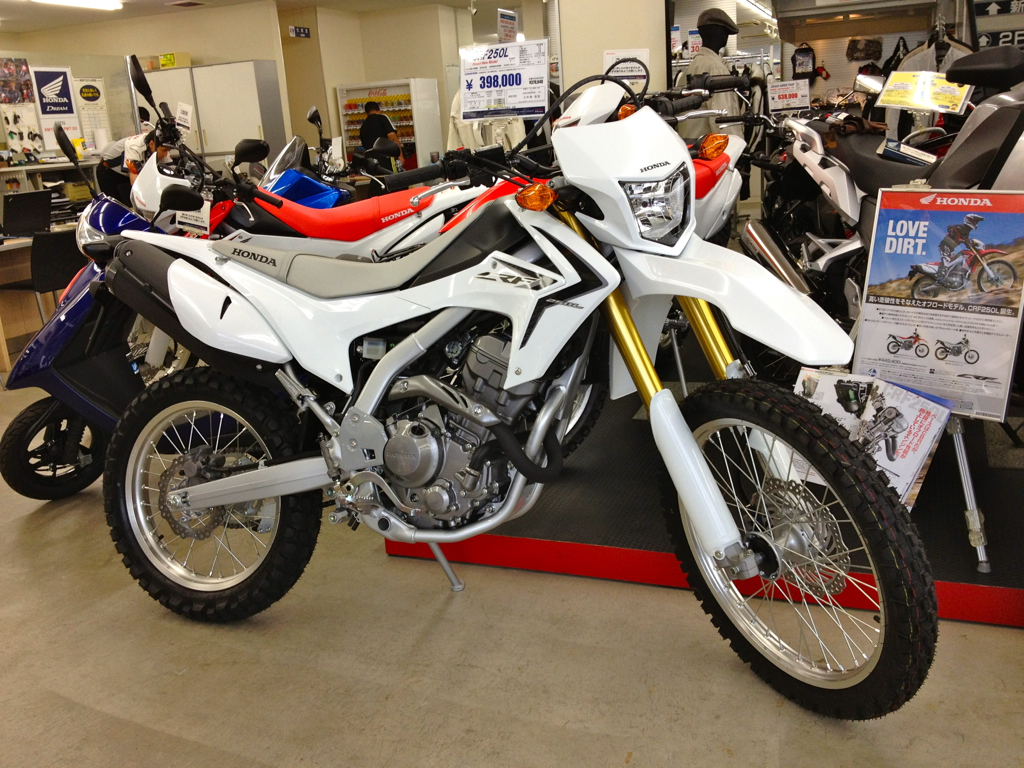
Honda Crf250l
Yamaha Xt250
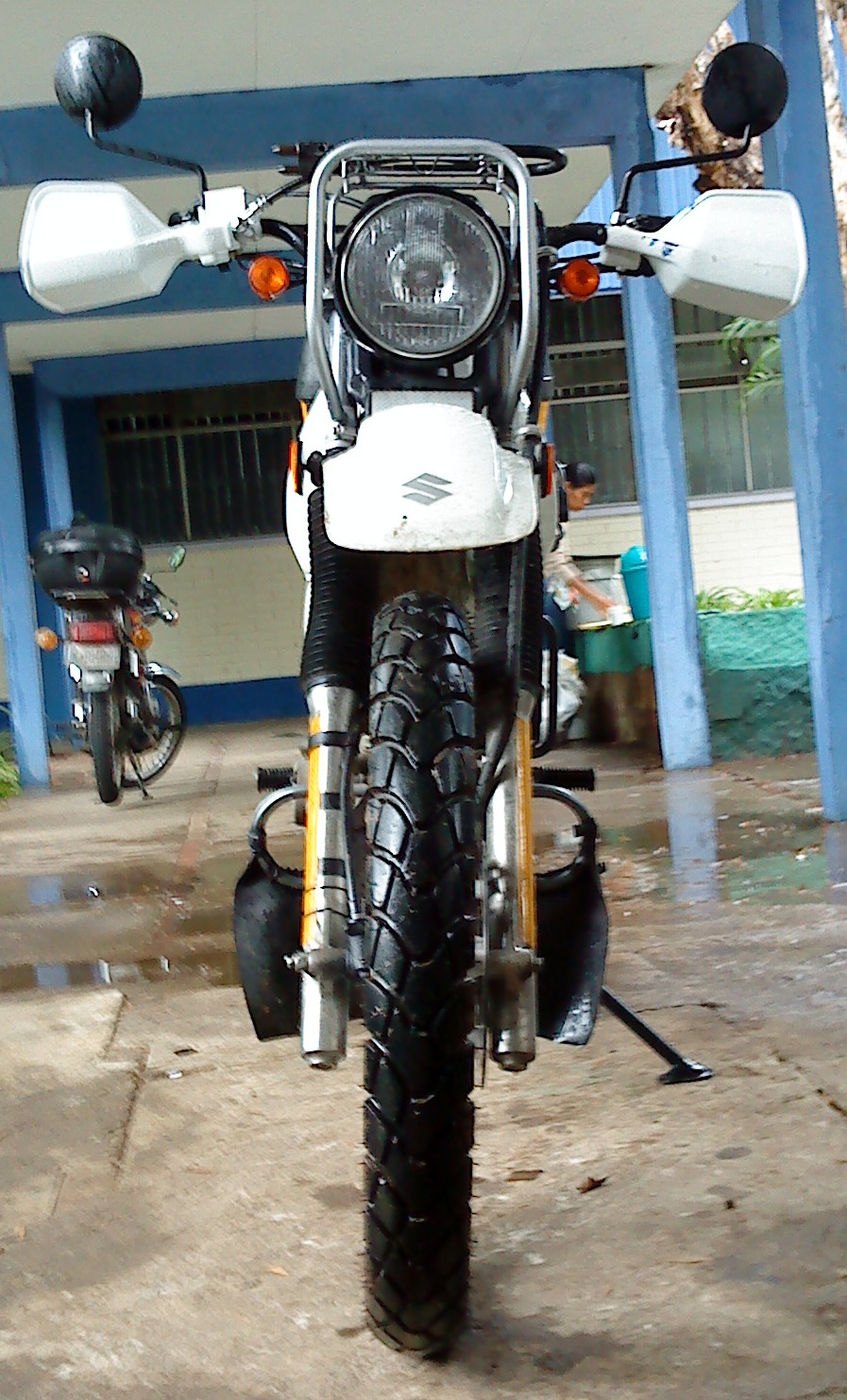
Suzuki Djebel 200
Compare Suzuki Djebel 250 Side-by-Side
compare_arrowsSpecs, power, weight & buyer verdict — head-to-head with the bikes most often cross-shopped.
Suzuki Djebel 250 vs Kawasaki Klx 300
Specs · Power · Buyer verdict
Suzuki Djebel 250 vs Yamaha Serow 250
Specs · Power · Buyer verdict
Suzuki Djebel 250 vs Honda Crf250l
Specs · Power · Buyer verdict
Suzuki Djebel 250 vs Yamaha Xt250
Specs · Power · Buyer verdict
Suzuki Djebel 250 vs Suzuki Djebel 200
Specs · Power · Buyer verdict
More Suzuki Djebel 250 Guides
More from Suzuki
View all Suzuki models →Community Reviews
Discussion
Frequently Asked Questions
What are common problems with the Suzuki Djebel 250? +
Carburetor clogging from ethanol fuel: Rough idle, hard starting, hesitation during throttle input (moderate) | Fork seal leaks on aged units: Oil residue on fork legs, soft or spongy feel (moderate) | Rectifier/regulator failure over time: Battery not charging, flickering lights, multimeter test (serious)
Is the Suzuki Djebel 250 a good motorcycle? +
Rewarding, capable machine if you accept the parts headache. Rating: 7.5/10. Best for: Budget adventure riders comfortable with basic wrenching. Avoid if: You need easy parts and dealer support.
What is the horsepower of the Suzuki Djebel 250? +
The Suzuki Djebel 250 produces 24 hp @ 8,500 rpm, with 22 Nm @ 7,000 rpm of torque. Top speed: 130 km/h (estimated).
Is the Suzuki Djebel 250 good for beginners? +
Yes — the Suzuki Djebel 250 is a reasonable choice for new riders (24 hp is manageable), weighing 157 kg. Budget adventure riders comfortable with basic wrenching
Is the Suzuki Djebel 250 reliable? +
Owners report 1 critical issue to watch for on the Suzuki Djebel 250, notably: Rectifier/regulator failure over time (Battery not charging, flickering lights, multimeter test). Buy with a pre-purchase inspection.
Is the Suzuki Djebel 250 good for daily use? +
Budget adventure riders comfortable with basic wrenching Fuel: 3.5 L/100km (approx. 28 km/L typical real-world average).
How fast is the Suzuki Djebel 250? +
The Suzuki Djebel 250 reaches a top speed of 130 km/h (estimated), producing 24 hp at 157 kg curb weight. Real-world performance depends on rider weight, gearing, and road conditions.
What gear should I buy for a Suzuki Djebel 250? +
Motoryk has curated a Top 10 gear list specifically for the Suzuki Djebel 250, covering engine oil, tires, chain, battery, and brake pads — see motoryk.com/bikes/suzuki/djebel-250/top10. Each pick is matched to this bike's spec.