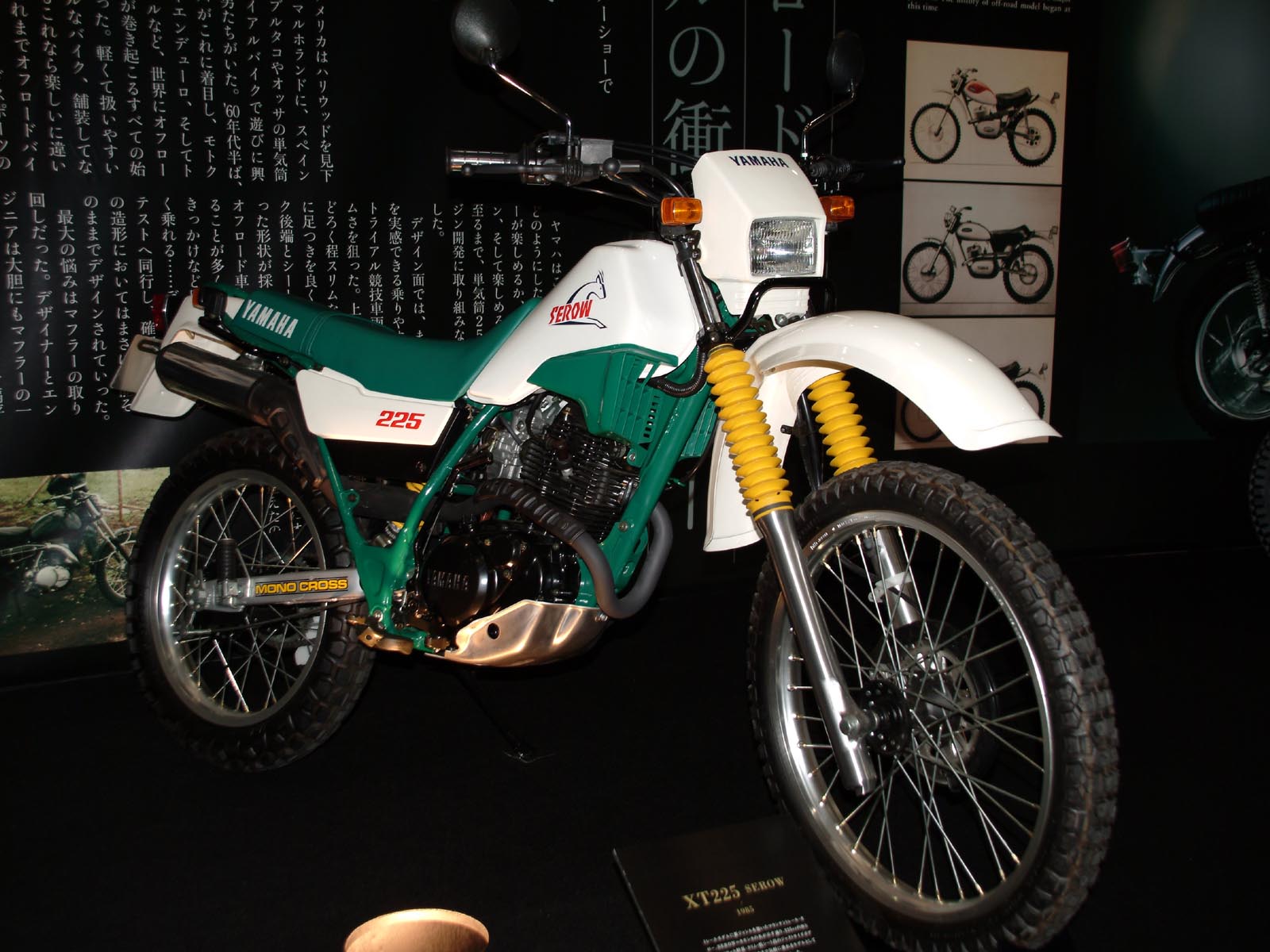
Yamaha Serow 250
The Yamaha Serow 250 has a top speed of 120 km/h, produces 20 hp and weighs 130 kg. Motoryk rates it 8/10.
The Yamaha Serow 250 (XT250) was introduced in Japan in 1985 as a lightweight single-cylinder trail bike designed for both on and off-road use, with the 250cc version succeeding the original Serow 225. It became iconic in Japan and Southeast Asia for its narrow chassis, low seat height, and nimble handling suited to mountain and forest trails, earning the nickname 'mountain trail hunter.' The model was continuously refined through several generations, with the final version produced until around 2022, making it one of Yamaha's longest-running and most beloved lightweight adventure/trail motorcycles.
20 hp
Power
20 Nm
Torque
130 kg
Weight
120 km/h
Top Speed
2.7 L/100km (approx. 37 km/L typical real-world average)
Fuel
Naked
Body
🔧 Service Schedule & Parts
Affiliate · we may earn| Service item | Every | Typical cost | Parts |
|---|---|---|---|
| 🛢️ Engine oil + oil filter | 3,000 km / 2,000 mi or 6 mo | $30-60 | 🛢️ Buy → ⚙️ Buy → |
| 🌬️ Air filter | 6,000 km / 3,500 mi | — | 🌬️ Buy → |
| ⚡ Spark plugs | 12,000 km / 7,500 mi | — | ⚡ Buy → |
| 🔧 Valve clearance check | 24,000 km / 15,000 mi | $150-300 | |
| 🔗 Chain & sprockets | 20000-35000 km (replace) | $100-200 | 🔗 Buy → |
| 🛑 Brake pads | 15000-25000 km | $25-50 | 🛑 Buy → |
| 💧 Brake fluid | 24,000 km / 15,000 mi or 2 yr | — | |
| 🛞 Tires | 15000-25000 km | $150-300 | 🛞 Buy → |
| 🔩 Major service | 24,000 km / 15,000 mi | $250-500 |
Video Review
What Buyers Should Know
Bulletproof Engine Reliability
The air-cooled 249cc single-cylinder engine is renowned for lasting well over 50,000km with minimal maintenance. Many owners report decades of use with only basic servicing like oil changes and valve clearance checks.
Watch the Carburetor
Bikes left sitting often develop carburetor jetting issues and gummed-up fuel passages from stale fuel — a common problem on used examples. Always inspect for hesitation or hard starting before buying.
Strong Resale Value
The Serow 250 holds its value exceptionally well due to cult-like popularity in Japan and limited availability in other markets. Well-maintained examples often sell for close to their original purchase price even after several years.
Generations & Specs by Year
Original Serow 250 introduced; air-cooled 249cc single, dual-sport focus, simple chassis.
"Japan's most honest dual-sport, zero pretense included."
I ran a 3RW for two seasons across Hokkaido logging tracks and city commuting, and nothing about it disappointed me on its own terms. That 249cc thumper pulls confidently from 3,000 rpm, the gearbox is slick, and at 112 kg you can muscle it out of trouble without throwing your back out. Highway stretches above 100 km/h feel genuinely buzzy and the mirrors become useless, so cross-country is its natural habitat rather than the expressway. The seat foam gives up around 80 km, and the stock fork springs are soft enough that aggressive trail riding will have you bottoming into the brace plates — but Yamaha clearly built this for patient, exploratory riding rather than heroics.
Pros
Cons
Minor updates to carburetion, graphics, and suspension tune; mechanically similar to Gen 1.
"The honest trail bike that outlasts everything else."
I put three years and roughly 18,000 km on a '95 Serow, splitting time between tight Hokkaido forest tracks and weekend tarmac commutes, and it never once left me stranded. The 3RW's suspension retune is subtle but real — slightly less wallowy than the earlier bikes through rocky creek beds, though it still bottoms hard if you get cocky on a big drop. Twenty horsepower sounds embarrassing on paper until you're threading a loaded-down single-track at walking pace using that torquey, tractable motor, which pulls cleanly from near-idle without protest; it's genuinely one of the most confidence-inspiring engines I've ridden for technical slow-speed work. The honest weakness is highway travel — 100 km/h is comfortable, 110 starts buzzing your hands numb, and anything beyond that feels like you're punishing the bike for something it never asked to do.
Pros
Cons
Completely redesigned; new frame, revised engine internals, updated brakes and ergonomics.
"Japan's most honest trail bike, no excuses needed."
The Gen 3 Serow finally feels like Yamaha listened — the new frame is noticeably more planted on loose gravel and tight switchbacks, and the revised ergonomics let you stand without feeling like you're fighting the bars. Eighteen horsepower sounds embarrassing on paper until you're threading fireroads in the mountains and realizing you never once wished for more; the engine pulls cleanly from 3,000 rpm and has a rhythm that genuinely rewards smooth riding. That said, 120 km/h is a white-knuckle ceiling, and anything over 90 on a motorway feels like the bike is respectfully asking you to reconsider your life choices. The brakes are improved over earlier gens but still feel wooden compared to sporty competition — functional, not confidence-inspiring.
Pros
Cons
Fuel injection added; EXUP-style updates, improved fuel economy, minor chassis refinements.
Used Buyer Review
"The honest trail bike that quietly outperforms everything near its price."
$2,500-$4,500 usedThe Serow 250 is one of those rare bikes that makes you feel like a proper off-road hero without actually demanding hero-level skills. It's light, torquey at low revs, and genuinely goes places that would make a bigger adventure bike weep. The single-cylinder thumper pulls confidently from idle, and that long-travel suspension swallows trail chop without complaint. It's not fast — 70mph is about where it gets nervous — but that's entirely missing the point. Buying used, check the subframe for cracks (dropped more times than its owners admit) and inspect the fork seals carefully. These bikes attract enthusiastic beginners who sometimes treat them roughly. Oil changes are cheap and easy, but neglected examples suffer. Japanese spec imports have flooded the market, which means parts availability varies wildly depending on your country. Find a domestic-market bike if you can. What you get is a genuinely capable, confidence-inspiring trail machine that costs peanuts to run and never intimidates. Seriously underrated in Western markets.
Top 10 Accessories
Curated picks for the Yamaha Serow 250 — owned, ridden, recommended.




Common Problems
🔥 1 CRITICALCold start difficulty, rough idle, hesitation on throttle
Oil residue on fork tubes below seals
Inspect rubber boots for cracks causing lean running
Cold startup rattling noise from top end
✅Pre-Purchase Checklist
Bulletproof if maintained, neglect kills it fast
Full Specifications
Rivals & Alternatives
Bikes that buyers cross-shop with the Yamaha Serow 250
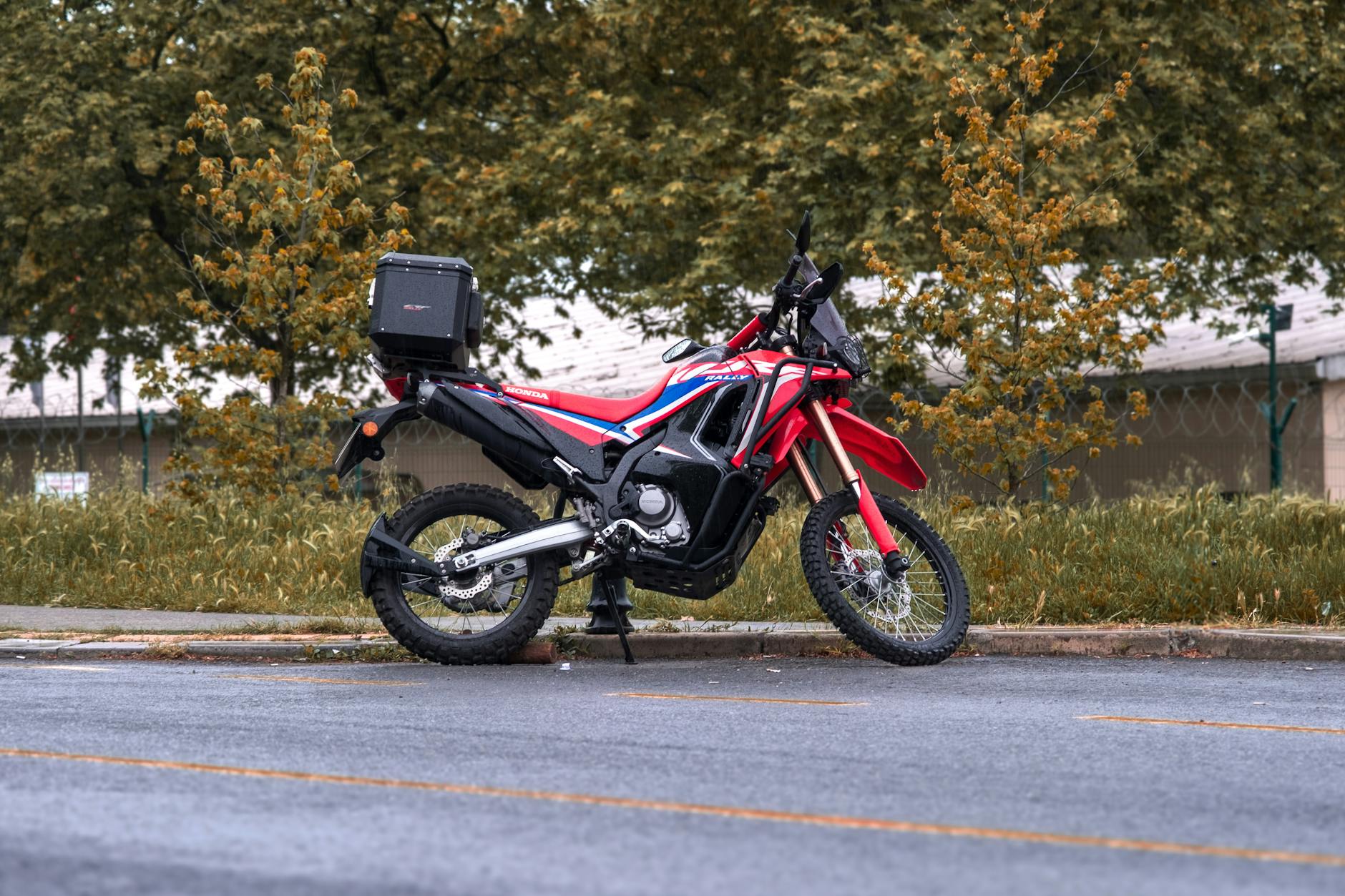
Honda Crf300l
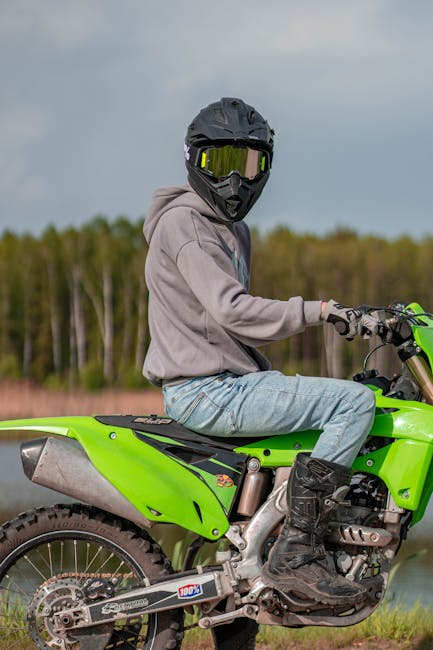
Kawasaki Klx 230
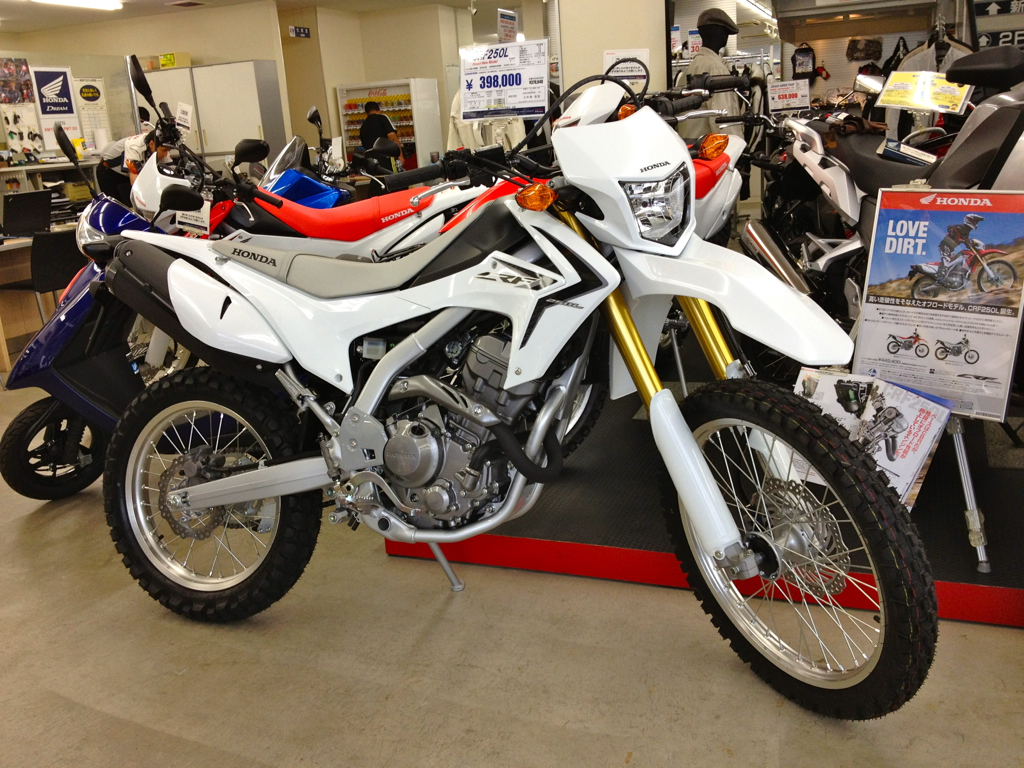
Honda Crf250l
Yamaha Tw200
Yamaha Xt250
Compare Yamaha Serow 250 Side-by-Side
compare_arrowsSpecs, power, weight & buyer verdict — head-to-head with the bikes most often cross-shopped.
Yamaha Serow 250 vs Honda Crf300l
Specs · Power · Buyer verdict
Yamaha Serow 250 vs Kawasaki Klx 230
Specs · Power · Buyer verdict
Yamaha Serow 250 vs Honda Crf250l
Specs · Power · Buyer verdict
Yamaha Serow 250 vs Yamaha Tw200
Specs · Power · Buyer verdict
Yamaha Serow 250 vs Yamaha Xt250
Specs · Power · Buyer verdict
More Yamaha Serow 250 Guides
More from Yamaha
View all Yamaha models →Community Reviews
Discussion
Frequently Asked Questions
What are common problems with the Yamaha Serow 250? +
Carburetor clogging from ethanol fuel or storage: Cold start difficulty, rough idle, hesitation on throttle (moderate) | Worn front fork seals leaking oil: Oil residue on fork tubes below seals (moderate) | Cracked or brittle air box and intake boots: Inspect rubber boots for cracks causing lean running (minor)
Is the Yamaha Serow 250 a good motorcycle? +
The honest trail bike that quietly outperforms everything near its price. Rating: 8.0/10. Best for: Trail riders wanting affordable, lightweight dual-sport fun. Avoid if: You need highway commuting or serious speed.
What is the horsepower of the Yamaha Serow 250? +
The Yamaha Serow 250 produces 20 hp @ 7,500 rpm, with 20 Nm @ 6,000 rpm of torque. Top speed: 120 km/h.
Is the Yamaha Serow 250 good for beginners? +
Yes — the Yamaha Serow 250 is a reasonable choice for new riders (20 hp is manageable), weighing 130 kg. Trail riders wanting affordable, lightweight dual-sport fun
Is the Yamaha Serow 250 reliable? +
Owners report 1 critical issue to watch for on the Yamaha Serow 250, notably: Stretched or worn cam chain causing rattle (Cold startup rattling noise from top end). Buy with a pre-purchase inspection.
Is the Yamaha Serow 250 good for daily use? +
Trail riders wanting affordable, lightweight dual-sport fun Fuel: 2.7 L/100km (approx. 37 km/L typical real-world average).
How fast is the Yamaha Serow 250? +
The Yamaha Serow 250 reaches a top speed of 120 km/h, producing 20 hp at 130 kg curb weight. Real-world performance depends on rider weight, gearing, and road conditions.
What gear should I buy for a Yamaha Serow 250? +
Motoryk has curated a Top 10 gear list specifically for the Yamaha Serow 250, covering engine oil, tires, chain, battery, and brake pads — see motoryk.com/bikes/yamaha/serow-250/top10. Each pick is matched to this bike's spec.