Yamaha Xt250
The Yamaha Xt250 has a top speed of 120 km/h, produces 15 hp and weighs 122 kg. Motoryk rates it 7.5/10.
The Yamaha XT250 was first introduced in 1980 as a lightweight dual-sport motorcycle, designed for both on-road and off-road use. It was discontinued in the early 1990s before being revived in 2008 with a fuel-injected, air-cooled single-cylinder engine, targeting beginner and recreational riders. Its simplicity, reliability, and low seat height have made it a popular entry-level dual-sport choice, particularly in North American and Asian markets.
15 hp
Power
17 Nm
Torque
122 kg
Weight
120 km/h
Top Speed
2.8 L/100km or approximately 35.7 km/L
Fuel
Naked
Body
🔧 Service Schedule & Parts
Affiliate · we may earn| Service item | Every | Typical cost | Parts |
|---|---|---|---|
| 🛢️ Engine oil + oil filter | 4,000 km / 2,500 mi or 6 mo | $30-60 | 🛢️ Buy → ⚙️ Buy → |
| 🌬️ Air filter | 6,000 km / 3,500 mi | — | 🌬️ Buy → |
| ⚡ Spark plugs | 12,000 km / 7,500 mi | — | ⚡ Buy → |
| 🔧 Valve clearance check | 24,000 km / 15,000 mi | $150-300 | |
| 🔗 Chain & sprockets | 20000-30000 km (replace) | $100-200 | 🔗 Buy → |
| 🛑 Brake pads | 15000-25000 km | $20-50 | 🛑 Buy → |
| 💧 Brake fluid | 24,000 km / 15,000 mi or 2 yr | — | |
| 🛞 Tires | 15000-25000 km | $150-300 | 🛞 Buy → |
| 🔩 Major service | 24,000 km / 15,000 mi | $250-500 |
Video Review
What Buyers Should Know
Rock-Solid Reliability
The XT250's air-cooled single-cylinder engine is renowned for requiring minimal maintenance and routinely lasting well over 20,000 miles with basic upkeep. Its simple carbureted design (pre-2008 models) or fuel injection makes troubleshooting straightforward even for beginners.
Watch the Carburetor
Older carbureted XT250s are prone to gummed-up carburetors if left sitting with fuel in the system, causing hard starts or rough idling. Always inspect the carb and ask about storage habits before buying a used model.
Strong Resale Value
The XT250 holds its value exceptionally well compared to other entry-level dual-sports, often selling used for close to its original MSRP in good condition. Its reputation as a beginner-friendly yet capable trail bike keeps demand consistently high.
Generations & Specs by Year
Original air-cooled 249cc SOHC single, drum brakes, traditional dual-sport design introduced.
"Honest, unbreakable trail tool that asks nothing fancy."
I put about 4,000 miles on an '81 XT250 across fire roads, loose gravel, and the occasional paved stretch between trailheads, and the thing simply refused to cause drama. The SOHC single pulls cleanly from low revs, and at 113 kg you can muscle it out of ruts without throwing your back out — that low weight is genuinely the bike's best feature. The drum brakes are the weak link; rear is fine in the dirt, but the front drum gets vague fast when it's wet or hot, and you learn to plan stops early. Top speed is an honest 110 km/h in the real world, not a complaint for what it is, but don't plan any extended highway runs or you'll arrive vibrated and bored.
Pros
Cons
Revised carburetion, updated suspension, minor styling changes, continued air-cooled single platform.
"Bulletproof trail tool that rewards patience over speed."
I put about 8,000 km on an '87 XT250 across fire roads and urban commuting, and the revised carb jetting over the Gen 1 genuinely cleaned up the low-rpm stumble that plagued earlier models — cold starts became a one-kick affair most mornings. The updated suspension absorbs washboard dirt tracks competently without feeling wallowy on tarmac, though at 120 km/h indicated you're firmly at the bike's ceiling and the buzzing through the pegs tells you not to linger there. At 118 kg it disappears under you on tight singletrack, and that narrow tractor-like torque curve means you can lug it through technical sections without constant clutch work. The honest weakness is power — 18 horses is enough for trails and town, but any sustained highway riding leaves you working hard and arriving tired.
Pros
Cons
Completely redesigned fuel-injected 249cc engine, electric start, modern styling, meets emissions standards.
Used Buyer Review
"The most sensible used dual-sport under $4,000, full stop."
$2,500-$4,200 usedThe XT250 is basically bulletproof, and that's not marketing fluff — it's just reality. Yamaha barely changed this bike between 2008 and today because they didn't need to. The air-cooled single will outlast almost anything in its class if the previous owner wasn't completely clueless about oil changes. Check the air filter first thing — neglected filters are the number one killer on these. Carbureted models through 2014 can be jetted richer for better throttle response, which is worth doing immediately. What kills used value on these is cosmetic stuff: cracked fairings, bent levers from tip-overs. That's actually good news because mechanically sound bikes with ugly scratches sell cheap. Expect to replace the stock tires — they're agricultural garbage from the factory. The suspension is soft but forgiving, which beginners appreciate and experienced riders tolerate. Chain and sprocket wear is the other thing to inspect hard; a worn drivetrain is a $200-300 surprise you don't want. For dual-sport commuting and light trail work, nothing at this price point makes more practical sense.
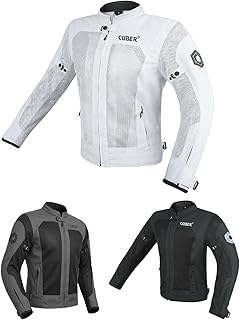
Top 10 Accessories
Curated picks for the Yamaha Xt250 — owned, ridden, recommended.




Common Problems
🔥 1 CRITICALCold start behavior, idle quality, throttle response smoothness
Ticking noise at idle, compression test results
Chain slack, sprocket tooth hooks or sharpness
Battery voltage at idle, lights dimming under load
✅Pre-Purchase Checklist
Very reliable, simple bike, easy cheap maintenance
Full Specifications
Rivals & Alternatives
Bikes that buyers cross-shop with the Yamaha Xt250
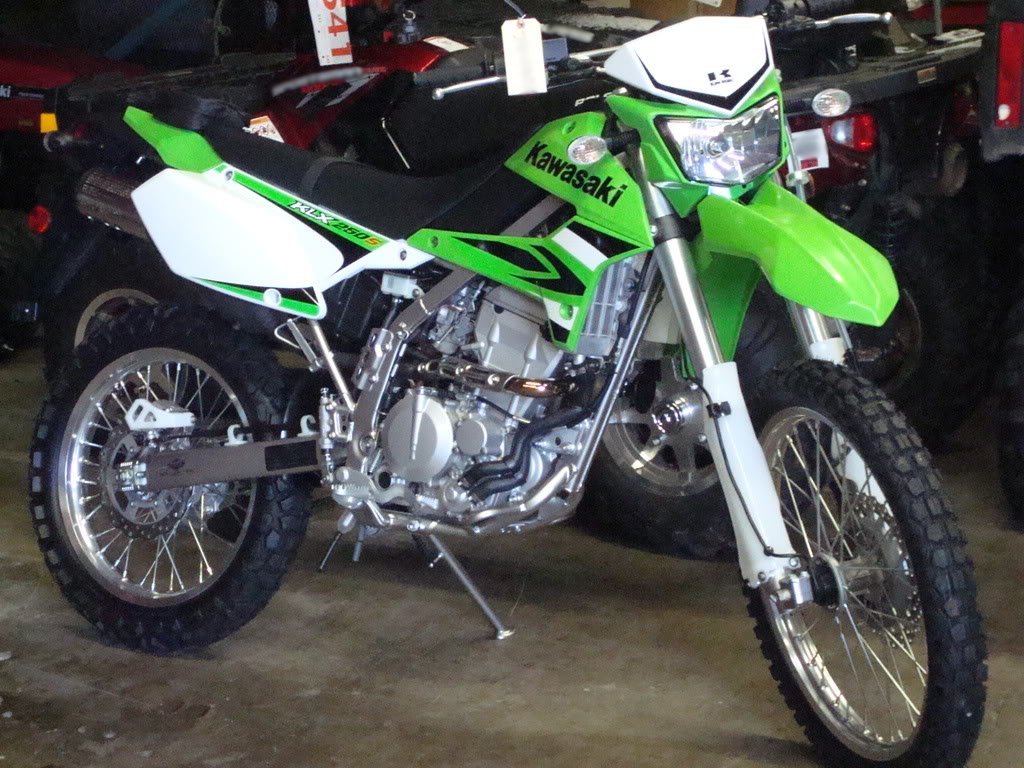
Kawasaki Klx 300
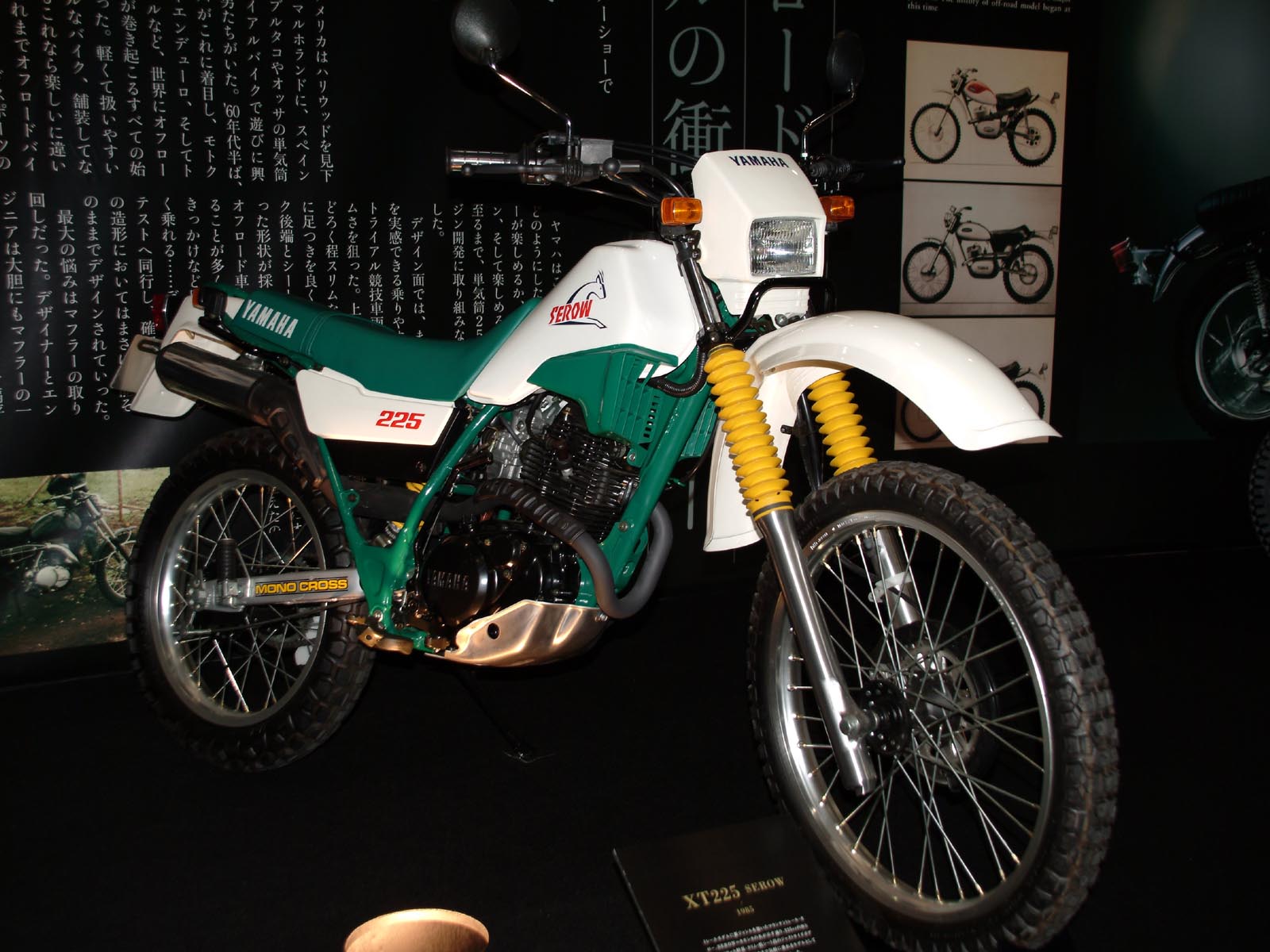
Yamaha Serow 250
Yamaha Tw200
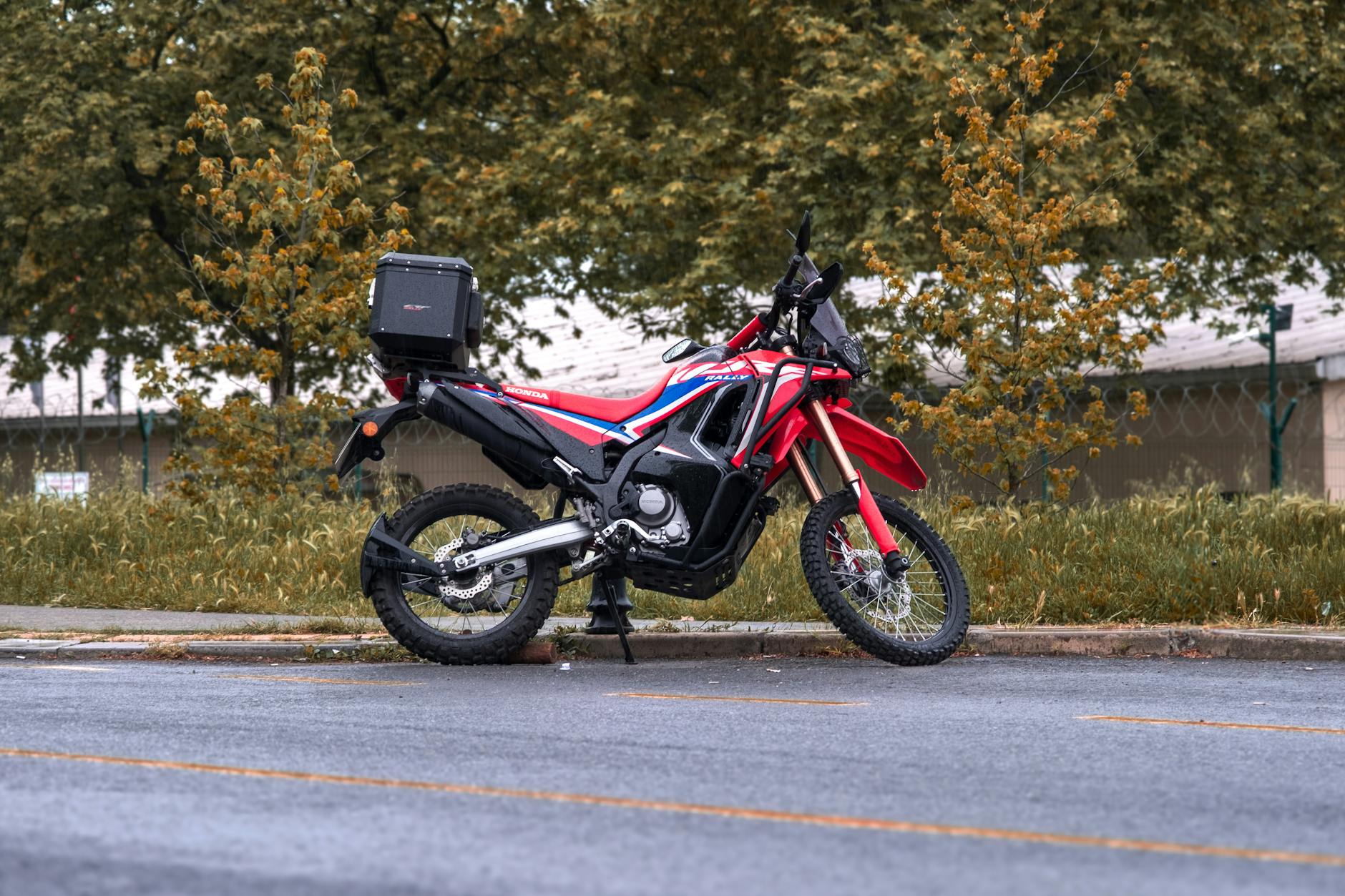
Honda Xr 190l
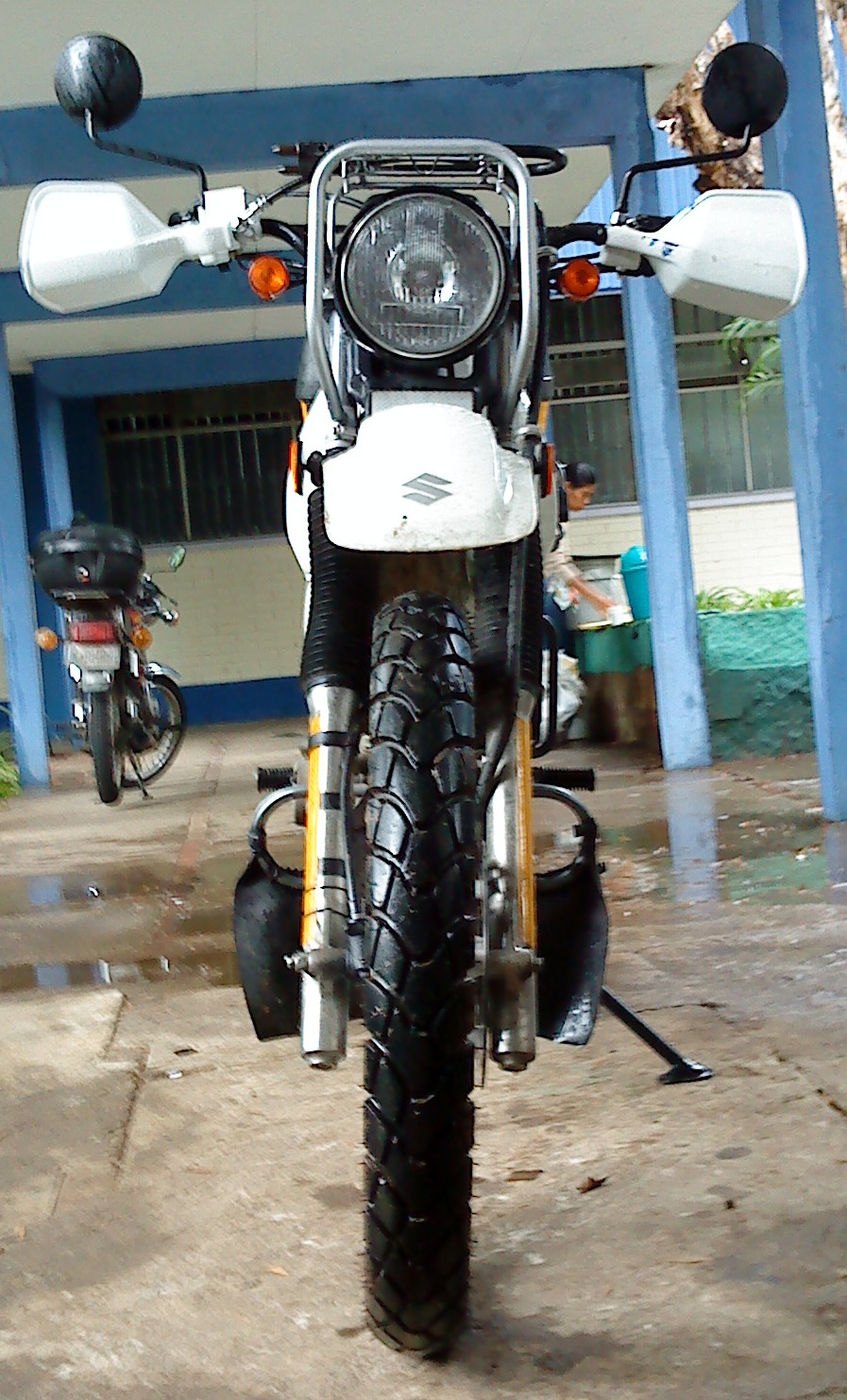
Suzuki Djebel 200
Compare Yamaha Xt250 Side-by-Side
compare_arrowsSpecs, power, weight & buyer verdict — head-to-head with the bikes most often cross-shopped.
Yamaha Xt250 vs Kawasaki Klx 300
Specs · Power · Buyer verdict
Yamaha Xt250 vs Yamaha Serow 250
Specs · Power · Buyer verdict
Yamaha Xt250 vs Yamaha Tw200
Specs · Power · Buyer verdict
Yamaha Xt250 vs Honda Xr 190l
Specs · Power · Buyer verdict
Yamaha Xt250 vs Suzuki Djebel 200
Specs · Power · Buyer verdict
More Yamaha Xt250 Guides
More from Yamaha
View all Yamaha models →Community Reviews
Discussion
Frequently Asked Questions
What are common problems with the Yamaha Xt250? +
Carburetor gumming from ethanol fuel sitting: Cold start behavior, idle quality, throttle response smoothness (moderate) | Valve clearance out of spec over time: Ticking noise at idle, compression test results (moderate) | Worn rear sprocket and chain stretch: Chain slack, sprocket tooth hooks or sharpness (minor)
Is the Yamaha Xt250 a good motorcycle? +
The most sensible used dual-sport under $4,000, full stop. Rating: 7.5/10. Best for: Beginners, commuters, and casual trail riders. Avoid if: You want highway speed or serious off-road.
What is the horsepower of the Yamaha Xt250? +
The Yamaha Xt250 produces 15 hp @ 7,500 rpm, with 17 Nm @ 6,000 rpm of torque. Top speed: 120 km/h.
Is the Yamaha Xt250 good for beginners? +
Yes — the Yamaha Xt250 is a reasonable choice for new riders (15 hp is manageable), weighing 122 kg. Beginners, commuters, and casual trail riders
Is the Yamaha Xt250 reliable? +
Owners report 1 critical issue to watch for on the Yamaha Xt250, notably: Stator failure causing charging issues (Battery voltage at idle, lights dimming under load). Buy with a pre-purchase inspection.
Is the Yamaha Xt250 good for daily use? +
Beginners, commuters, and casual trail riders Fuel: 2.8 L/100km or approximately 35.7 km/L.
How fast is the Yamaha Xt250? +
The Yamaha Xt250 reaches a top speed of 120 km/h, producing 15 hp at 122 kg curb weight. Real-world performance depends on rider weight, gearing, and road conditions.
What gear should I buy for a Yamaha Xt250? +
Motoryk has curated a Top 10 gear list specifically for the Yamaha Xt250, covering engine oil, tires, chain, battery, and brake pads — see motoryk.com/bikes/yamaha/xt250/top10. Each pick is matched to this bike's spec.