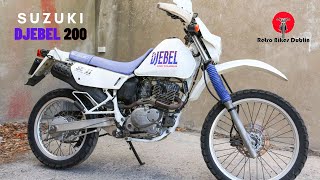
Suzuki Djebel 200
The Suzuki Djebel 200 has a top speed of ~115 km/h (estimated; note: varies by conditions and load), produces ~17 hp and weighs ~131 kg. Motoryk rates it 7.2/10.
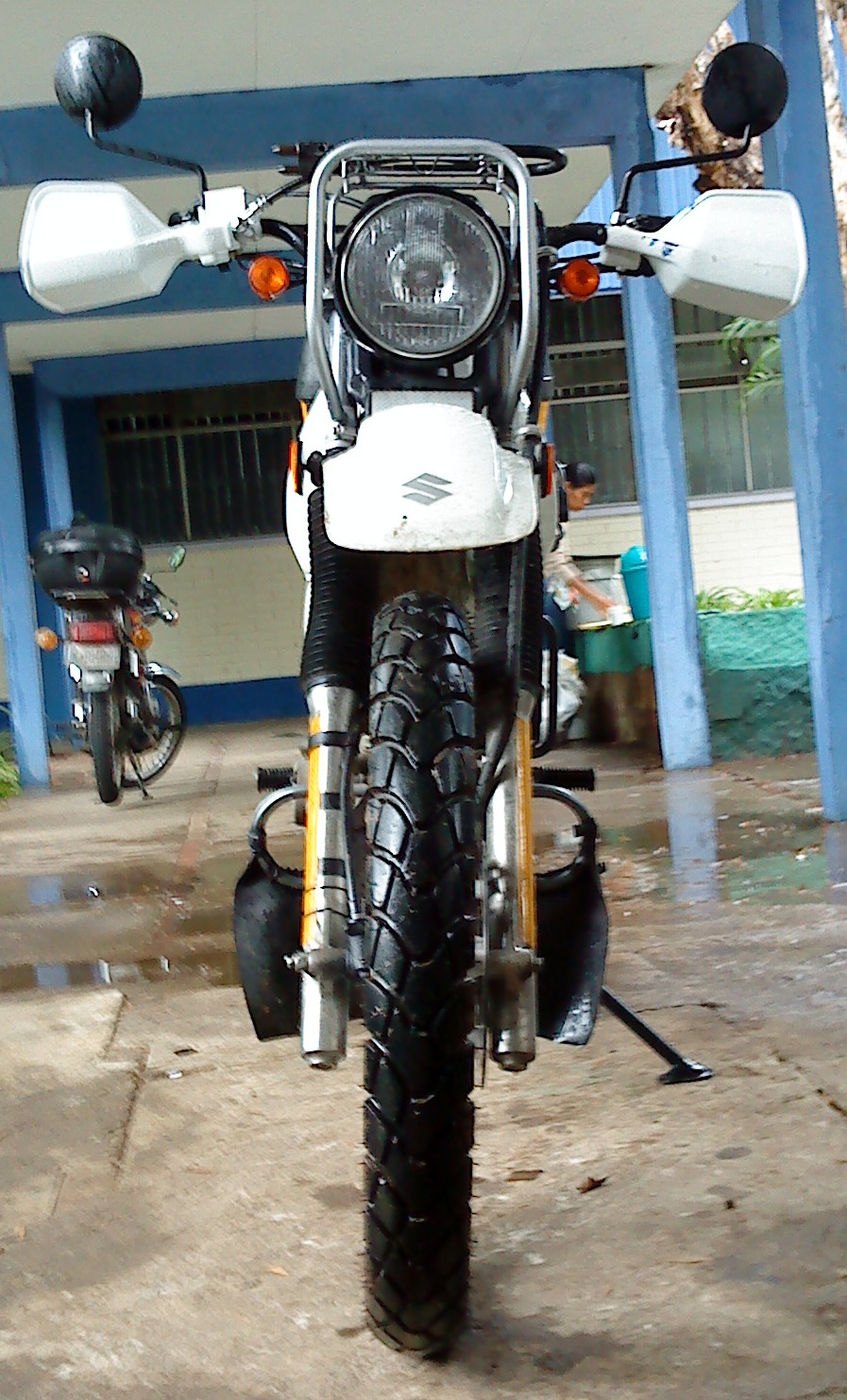
The Suzuki Djebel 200 (DR200SE in some markets) was introduced in Japan in 1995 as a lightweight dual-sport/adventure motorcycle, succeeding earlier DR200 variants. It was designed primarily for the Japanese domestic market, offering a practical and fuel-efficient option for both urban commuting and light off-road use. The model is notable for its longevity and reliability, remaining in production for many years with minimal changes due to its proven and simple single-cylinder design.
~17 hp
Power
~15 Nm
Torque
~131 kg
Weight
~115 km/h (estimated; note: varies by conditions and load)
Top Speed
~3.0 L/100km or ~33 km/L (typical real-world average)
Fuel
Naked
Body
🔧 Service Schedule & Parts
Affiliate · we may earn| Service item | Every | Typical cost | Parts |
|---|---|---|---|
| 🛢️ Engine oil + oil filter | 3,000 km / 2,000 mi or 6 mo | $20-40 | 🛢️ Buy → ⚙️ Buy → |
| 🌬️ Air filter | 6,000 km / 3,500 mi | — | 🌬️ Buy → |
| ⚡ Spark plugs | 6,000 km / 3,500 mi | — | ⚡ Buy → |
| 🔧 Valve clearance check | 12,000 km / 7,500 mi | $100-200 | |
| 🔗 Chain & sprockets | 20000-30000 km (replace) | $80-150 | 🔗 Buy → |
| 🛑 Brake pads | 15000-25000 km | $20-40 | 🛑 Buy → |
| 💧 Brake fluid | 24,000 km / 15,000 mi or 2 yr | — | |
| 🛞 Tires | 15000-25000 km | $100-200 | 🛞 Buy → |
| 🔩 Major service | 12,000 km / 7,500 mi | $150-300 |
Video Review
What Buyers Should Know
Bulletproof Engine Reputation
The 200cc single-cylinder engine is known for exceptional longevity, often exceeding 50,000 km with basic maintenance. Its simple carbureted design makes it easy and cheap to service anywhere.
Watch the Carburetor
Carb jetting issues and gumming from old fuel are the most common problems on used examples. Always inspect for rough idling or hesitation, as a carb clean or rebuild is the usual fix.
Strong Resale Value
The Djebel 200 holds its value well in Japan and export markets due to its cult following among lightweight adventure riders. Low production numbers keep demand steady, especially for clean examples.
Generations & Specs by Year
Original Djebel 200 introduced with 199cc single-cylinder engine, dual-sport styling, electric start.
"Honest, capable dual-sport that never pretends to be more."
The Djebel 200 is the kind of bike that earns your respect through reliability rather than excitement — I put 18,000 km on mine across Hokkaido dirt roads and Tokyo commutes, and it never once left me stranded. That 199cc air-cooled single is unspectacular but utterly trustworthy; it pulls cleanly from low revs, and the 8,000 rpm power peak feels achievable on a gravel climb without flogging it. The 830mm seat height suits taller riders but catches shorter ones off-guard in soft mud, and at 120 km/h cruising the motor is singing loudly enough to make highway stretches genuinely tiring after an hour. It's not glamorous, not fast, not particularly exciting — but it does exactly what a lightweight dual-sport should do, and in 1991 that counted for a lot.
Pros
Cons
Updated bodywork, revised suspension, fuel tank redesign, minor engine and carburetion refinements introduced.
"Unbreakable little workhorse that quietly earns respect."
After two years commuting Tokyo suburbs and scratching around on fire roads outside Nagano, this Gen 2 Djebel 200 never once left me stranded — and that counts for a lot. The revised suspension over the first generation is genuinely better: the front fork soaks up broken pavement without the vague, wallowy feel some small singles suffer, though it still bottoms out if you get cocky on rocky descents loaded with luggage. Seventeen horsepower sounds laughable on paper, but the carburetion refinements made the delivery smoother and more tractable below 5,000 rpm, which is exactly where you spend most of your time on gravel tracks. The weak points are real — highway cruising above 100 km/h has the motor buzzing your hands numb inside twenty minutes, and the narrow seat padding turns into a cheese grater after three hours regardless of what you're wearing.
Pros
Cons
Used Buyer Review
"Unbeatable urban runabout if parts hunting doesn't scare you."
$1,500-$3,500 usedThe Djebel 200 is one of those bikes that rewards patience. It's a Japanese domestic market machine that never officially came to Western shores, so parts sourcing is your first homework assignment before you even test ride one. That 199cc single is genuinely bulletproof if it's been maintained — these engines routinely hit 50,000km without drama. Check the carb for gumming if it's been sitting, and inspect the front forks for pitting because seals are annoying to source locally. Day-to-day it's surprisingly capable. Light enough to manhandle on trails, comfortable enough for 100km days, and fuel economy is absurd. Don't expect highway confidence though — 100kph feels like it's working hard. The seat becomes a punishment device around the two-hour mark. What you're really buying is a practical, near-indestructible commuter that handles light dirt without complaining.
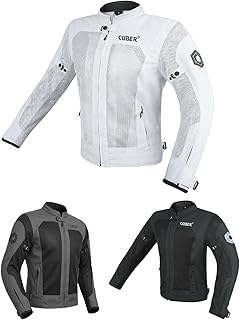
Top 10 Accessories
Curated picks for the Suzuki Djebel 200 — owned, ridden, recommended.




Common Problems
🔥 1 CRITICALRough idle, hesitation, hard starting when cold
Ticking noise on startup, especially when cold
Coolant level, stains under bike, overheating signs
Oil film or wetness on fork tubes
✅Pre-Purchase Checklist
Solid reliable bike if properly maintained
Full Specifications
Rivals & Alternatives
Bikes that buyers cross-shop with the Suzuki Djebel 200
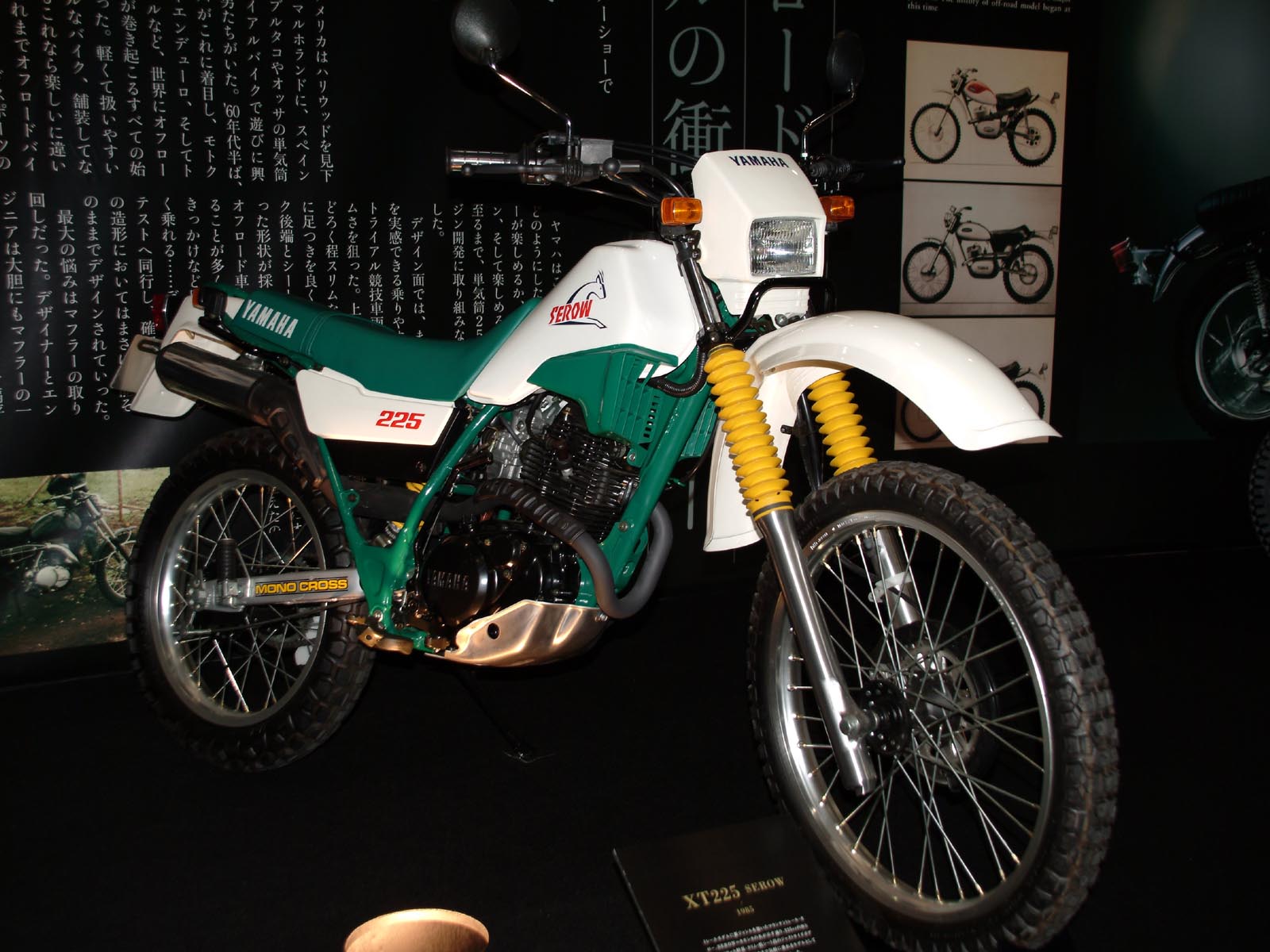
Yamaha Serow 250
Yamaha Tw200
Suzuki Dr 200
Yamaha Xt250
Suzuki Djebel 250
Compare Suzuki Djebel 200 Side-by-Side
compare_arrowsSpecs, power, weight & buyer verdict — head-to-head with the bikes most often cross-shopped.
Suzuki Djebel 200 vs Yamaha Serow 250
Specs · Power · Buyer verdict
Suzuki Djebel 200 vs Yamaha Tw200
Specs · Power · Buyer verdict
Suzuki Djebel 200 vs Suzuki Dr 200
Specs · Power · Buyer verdict
Suzuki Djebel 200 vs Yamaha Xt250
Specs · Power · Buyer verdict
Suzuki Djebel 200 vs Suzuki Djebel 250
Specs · Power · Buyer verdict
More Suzuki Djebel 200 Guides
More from Suzuki
View all Suzuki models →Community Reviews
Discussion
Frequently Asked Questions
What are common problems with the Suzuki Djebel 200? +
Carburetor clogging from ethanol fuel deposits: Rough idle, hesitation, hard starting when cold (moderate) | Worn camchain tensioner causing engine rattle: Ticking noise on startup, especially when cold (moderate) | Corroded or leaking radiator on water-cooled models: Coolant level, stains under bike, overheating signs (serious)
Is the Suzuki Djebel 200 a good motorcycle? +
Unbeatable urban runabout if parts hunting doesn't scare you. Rating: 7.2/10. Best for: Urban commuters wanting cheap, reliable dual-sport fun. Avoid if: You need highway miles or easy dealer support.
What is the horsepower of the Suzuki Djebel 200? +
The Suzuki Djebel 200 produces ~17 hp @ 8,000 rpm (estimated; official figures not widely published for all markets), with ~15 Nm @ 6,500 rpm (estimated) of torque. Top speed: ~115 km/h (estimated; note: varies by conditions and load).
Is the Suzuki Djebel 200 good for beginners? +
Yes — the Suzuki Djebel 200 is a reasonable choice for new riders (17 hp is manageable), weighing 131 kg. Urban commuters wanting cheap, reliable dual-sport fun
Is the Suzuki Djebel 200 reliable? +
Owners report 1 critical issue to watch for on the Suzuki Djebel 200, notably: Corroded or leaking radiator on water-cooled models (Coolant level, stains under bike, overheating signs). Buy with a pre-purchase inspection.
Is the Suzuki Djebel 200 good for daily use? +
Urban commuters wanting cheap, reliable dual-sport fun Fuel: ~3.0 L/100km or ~33 km/L (typical real-world average).
How fast is the Suzuki Djebel 200? +
The Suzuki Djebel 200 reaches a top speed of ~115 km/h (estimated; note: varies by conditions and load), producing 17 hp at 131 kg curb weight. Real-world performance depends on rider weight, gearing, and road conditions.
What gear should I buy for a Suzuki Djebel 200? +
Motoryk has curated a Top 10 gear list specifically for the Suzuki Djebel 200, covering engine oil, tires, chain, battery, and brake pads — see motoryk.com/bikes/suzuki/djebel-200/top10. Each pick is matched to this bike's spec.