Suzuki Djebel 250
The Suzuki Djebel 250 has a top speed of 130 km/h (estimated), produces 24 hp and weighs 157 kg. Motoryk rates it 7.5/10.
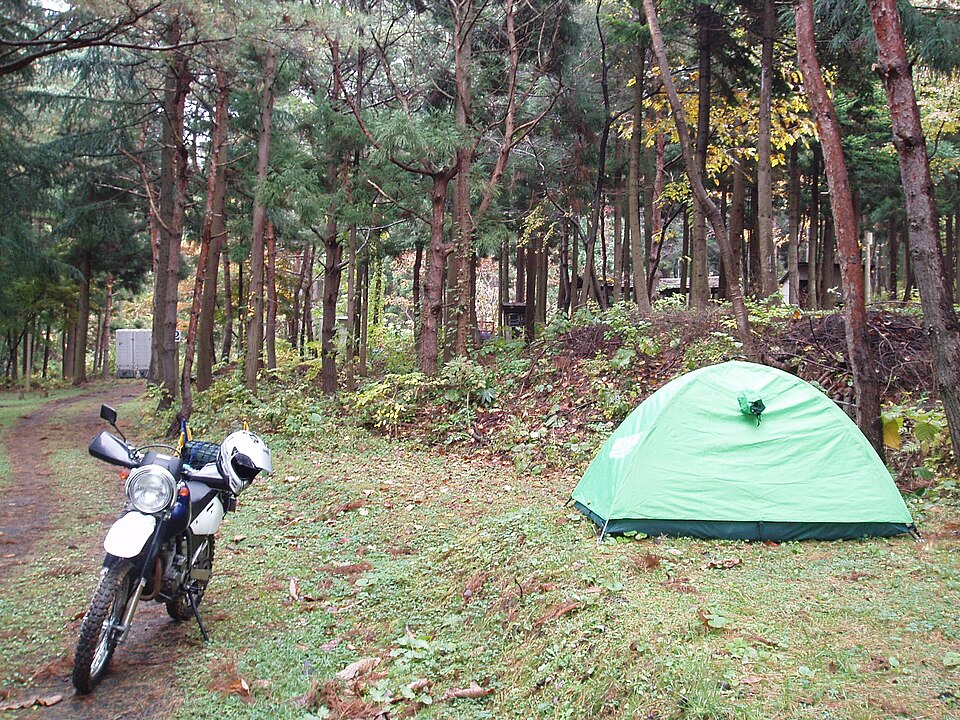
The Suzuki Djebel 250 is a dual-sport/adventure motorcycle produced by Suzuki Japan, introduced in 1989 and sold primarily in the Japanese domestic market. It was built around a single-cylinder, 4-stroke engine designed for both on-road touring and light off-road use, earning a reputation as a reliable and economical adventure tourer in Japan. The model went through several iterations including the Djebel 250XC and Djebel 250GPS (which notably featured a built-in GPS navigation system in later versions), making it a unique and technically interesting machine for its era.
24 hp
Power
22 Nm
Torque
157 kg
Weight
130 km/h (estimated)
Top Speed
3.5 L/100km (approx. 28 km/L typical real-world average)
Fuel
Naked
Body
🔧 Service Schedule & Parts
Affiliate · we may earn| Service item | Every | Typical cost | Parts |
|---|---|---|---|
| 🛢️ Engine oil + oil filter | 3,000 km / 2,000 mi or 6 mo | $30-60 | 🛢️ Buy → ⚙️ Buy → |
| 🌬️ Air filter | 6,000 km / 3,500 mi | — | 🌬️ Buy → |
| ⚡ Spark plugs | 6,000 km / 3,500 mi | — | ⚡ Buy → |
| 🔧 Valve clearance check | 24,000 km / 15,000 mi | $150-300 | |
| 🔗 Chain & sprockets | 20000-35000 km (replace) | $100-200 | 🔗 Buy → |
| 🛑 Brake pads | 15000-25000 km | $25-50 | 🛑 Buy → |
| 💧 Brake fluid | 24,000 km / 15,000 mi or 2 yr | — | |
| 🧊 Coolant | 24,000 km / 15,000 mi | — | |
| 🛞 Tires | 15000-25000 km | $150-300 | 🛞 Buy → |
| 🔩 Major service | 24,000 km / 15,000 mi | $250-500 |
Video Review
What Buyers Should Know
Proven Reliable Engine
The Djebel 250 uses Suzuki's bulletproof DR250 single-cylinder engine, known for running well past 50,000 km with basic maintenance. It's a simple carbureted motor that's easy and cheap to service.
Watch the Carburetor
Sitting bikes often develop clogged carburetors due to old fuel varnish — always inspect or clean the carb before buying. Rejetting may also be needed if the bike has been modified with an aftermarket exhaust.
Strong Resale Value
The Djebel 250 holds its value well in Japan and export markets due to its dual-sport versatility and cult following among adventure riders. Well-maintained examples rarely depreciate significantly, making it a smart used buy.
Generations & Specs by Year
Original DR250S-based dual-sport, air-cooled single, introduced as Djebel 250 for Japanese market.
"Honest, uncomplicated dual-sport that earns its keep daily."
I put nearly 18,000 km on a '92 Djebel over two years, splitting time between Tohoku forest roads and Tokyo commuting, and the bike never once left me stranded. That air-cooled 249cc single makes its 26 horses feel useful rather than impressive — it pulls cleanly from 4,000 rpm, settles into a comfortable 100 km/h cruise, and the motor has a reassuring mechanical clatter that tells you exactly how hard it's working. The seat height and wide bars give you genuine confidence on loose gravel, but that 855mm saddle will sort out shorter riders quickly, and the stock seat turns into a plank after about 90 minutes. Where it frustrates is on-road pace — sustained highway speeds above 120 km/h have the engine buzzing angrily and fuel consumption climbing, making it a bike that rewards restraint rather than ambition.
Pros
Cons
New oil-cooled engine, revised chassis, updated bodywork, improved suspension, GPS version added later.
"Bulletproof dirt-road cruiser that never embarrasses itself anywhere."
The oil-cooled engine in the Gen 2 is a genuine improvement — smoother power delivery and noticeably less heat baking your right leg on summer days, though 23 horses still won't win any drag races off the lights. I've done 15,000 km on one across Hokkaido gravel roads and Vietnamese mountain passes, and the revised suspension soaks up punishment without drama, though it wallows predictably when you push hard on tight tarmac switchbacks. The narrow 855mm seat is tall enough to worry short riders but the slim chassis lets you dab a foot easily, which saves you in slow technical terrain. Fuel consumption around 3.5L/100km is genuinely impressive, and that engine will hit 60,000 km with basic maintenance — the weak points are the mediocre stock tyres and a front brake that feels like squeezing warm cheese.
Pros
Cons
Used Buyer Review
"Rewarding, capable machine if you accept the parts headache."
$2,500-$5,000 usedThe Djebel 250 is Japan's best-kept secret in the adventure segment — Suzuki built these almost exclusively for the domestic market, and the ones that escaped are genuinely underrated. It's a proper dual-sport, not a dressed-up commuter, with real suspension travel and a torquey little single that'll happily cruise at 70mph without drama. Carb jetting tends to run lean from the factory, so check for that telltale popping on decel before you hand over cash. Mechanically they're bulletproof if maintained, but neglected examples are everywhere. Pull the airbox cover immediately — if the filter looks like it's been breathing gravel for a decade, walk away. Fork seals are a common weak point around 30,000km, and the stock seat foam collapses into a wooden plank after a few years. Budget for refoaming it straight away. Parts availability outside Japan is genuinely patchy, which is your biggest headache owning one long-term.
Top 10 Accessories
Curated picks for the Suzuki Djebel 250 — owned, ridden, recommended.
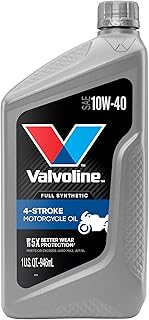


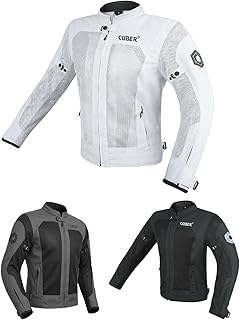


Common Problems
🔥 1 CRITICALRough idle, hard starting, hesitation during throttle input
Oil residue on fork legs, soft or spongy feel
Battery not charging, flickering lights, multimeter test
Rattling on cold start, noise fading once warm
✅Pre-Purchase Checklist
Solid but needs consistent maintenance when aged
Full Specifications
Rivals & Alternatives
Bikes that buyers cross-shop with the Suzuki Djebel 250
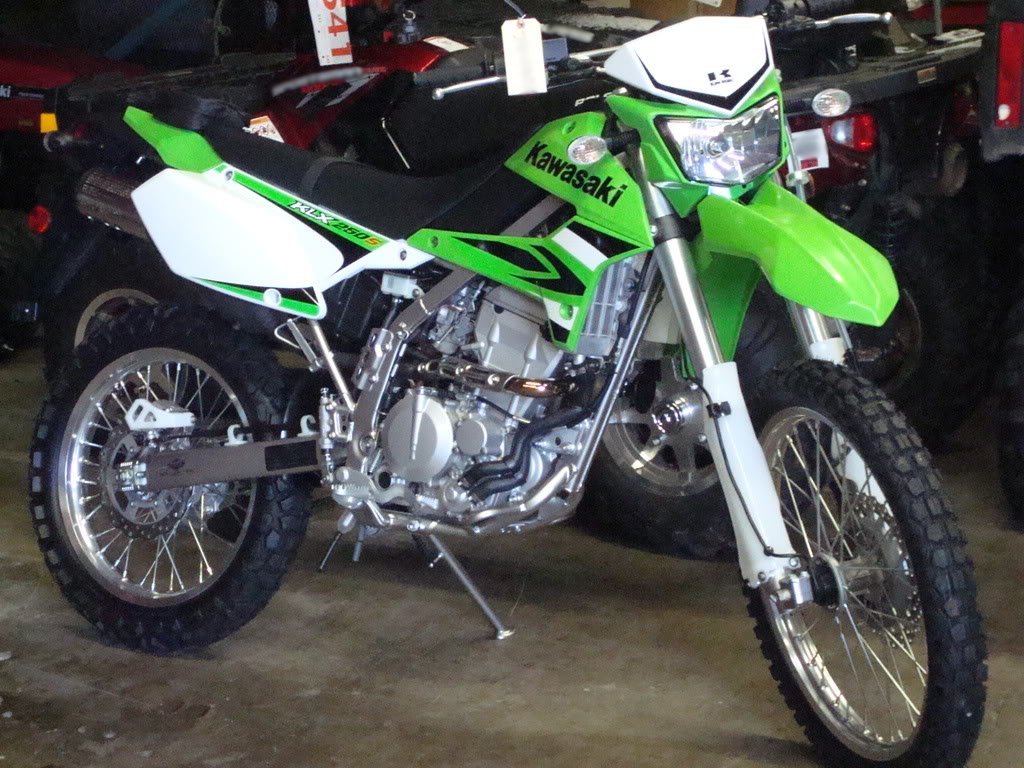
Kawasaki Klx 300
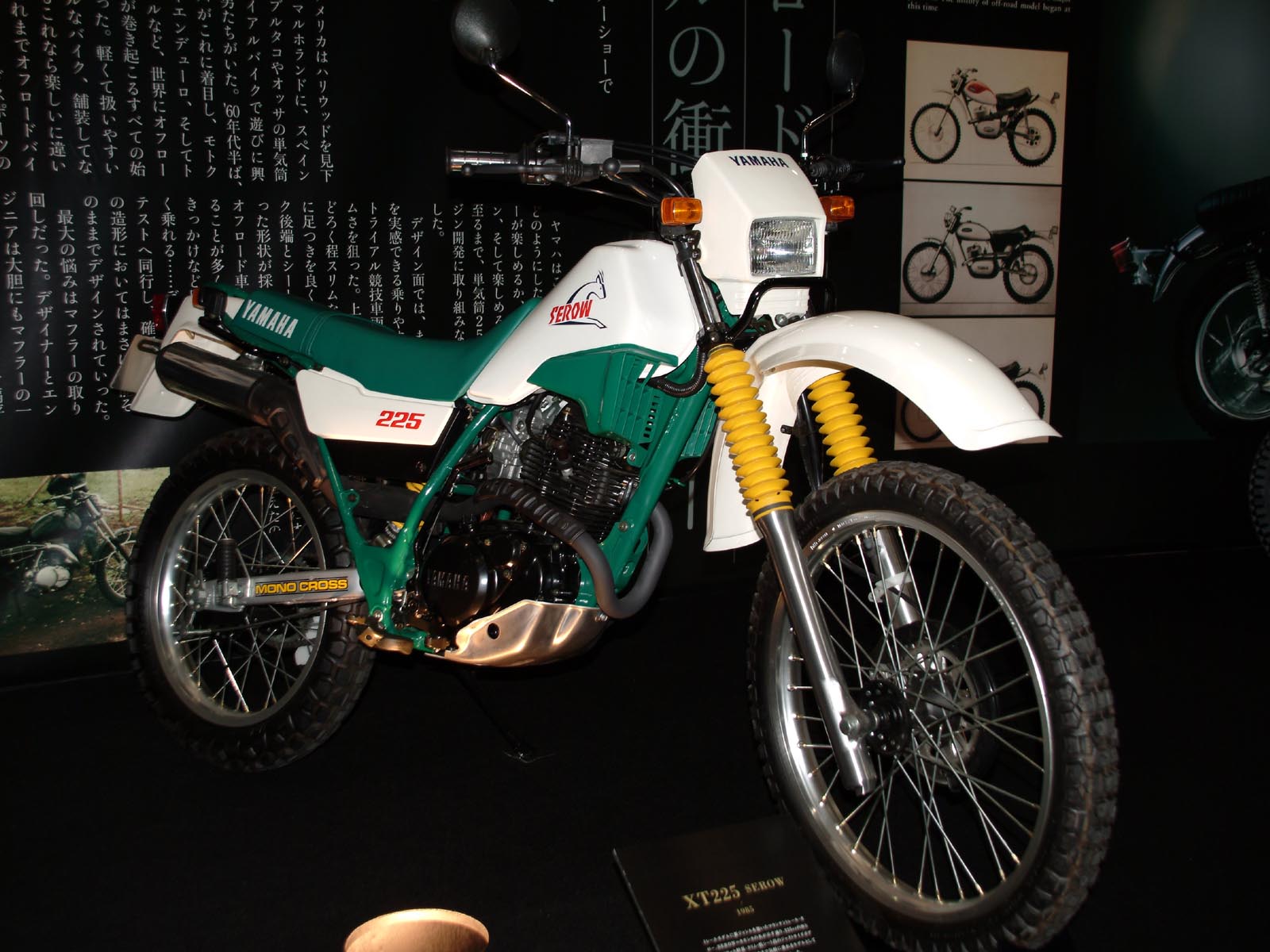
Yamaha Serow 250
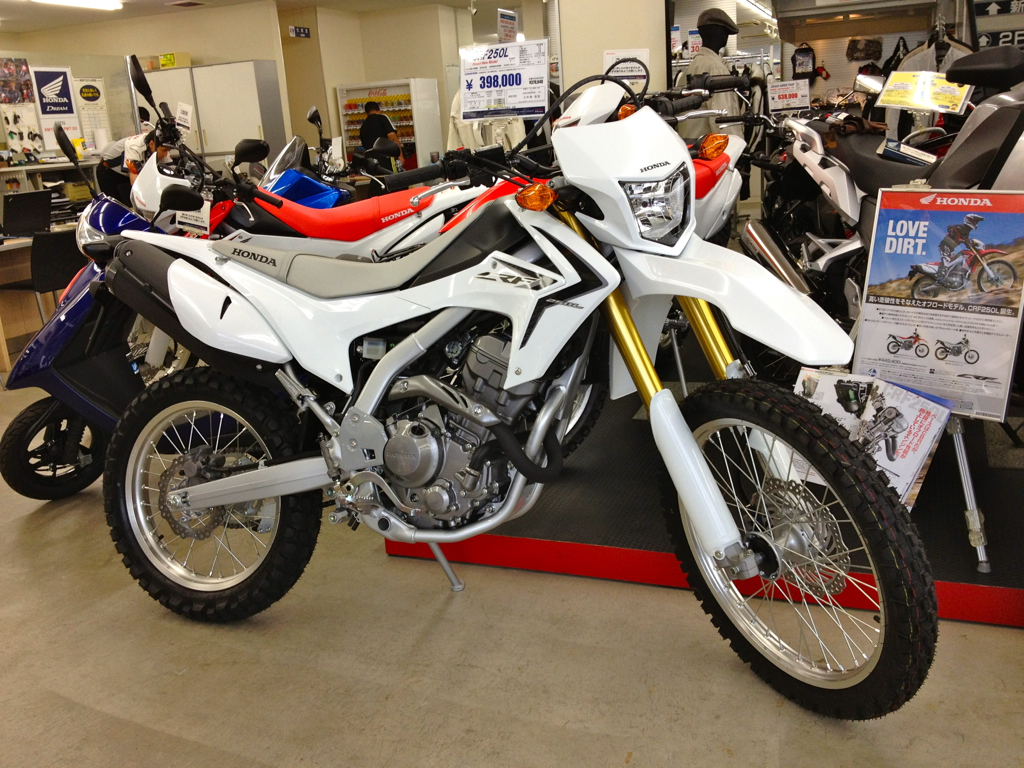
Honda Crf250l
Yamaha Xt250
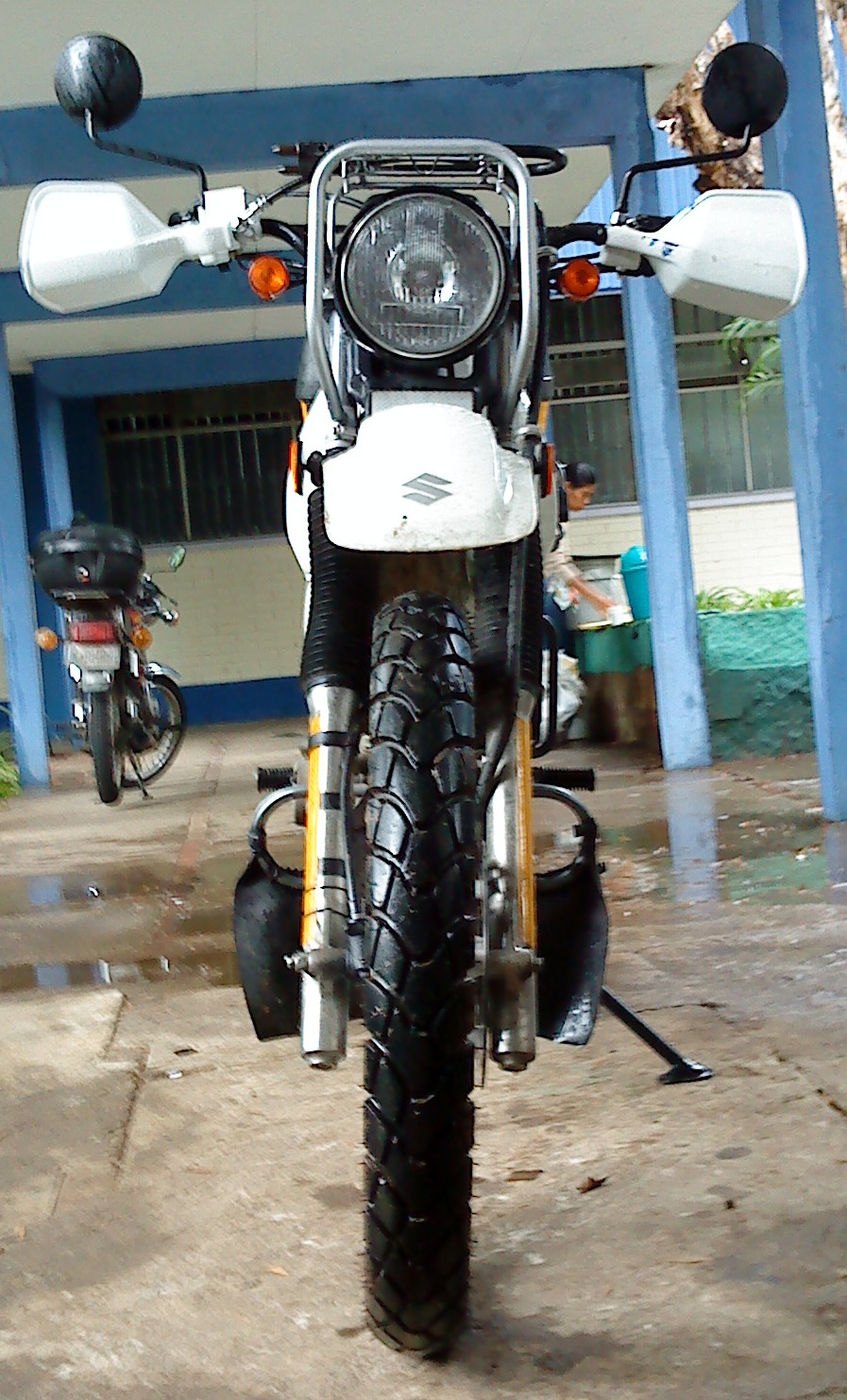
Suzuki Djebel 200
Compare Suzuki Djebel 250 Side-by-Side
compare_arrowsSpecs, power, weight & buyer verdict — head-to-head with the bikes most often cross-shopped.
Suzuki Djebel 250 vs Kawasaki Klx 300
Specs · Power · Buyer verdict
Suzuki Djebel 250 vs Yamaha Serow 250
Specs · Power · Buyer verdict
Suzuki Djebel 250 vs Honda Crf250l
Specs · Power · Buyer verdict
Suzuki Djebel 250 vs Yamaha Xt250
Specs · Power · Buyer verdict
Suzuki Djebel 250 vs Suzuki Djebel 200
Specs · Power · Buyer verdict
More Suzuki Djebel 250 Guides
More from Suzuki
View all Suzuki models →Community Reviews
Discussion
Frequently Asked Questions
What are common problems with the Suzuki Djebel 250? +
Carburetor clogging from ethanol fuel: Rough idle, hard starting, hesitation during throttle input (moderate) | Fork seal leaks on aged units: Oil residue on fork legs, soft or spongy feel (moderate) | Rectifier/regulator failure over time: Battery not charging, flickering lights, multimeter test (serious)
Is the Suzuki Djebel 250 a good motorcycle? +
Rewarding, capable machine if you accept the parts headache. Rating: 7.5/10. Best for: Budget adventure riders comfortable with basic wrenching. Avoid if: You need easy parts and dealer support.
What is the horsepower of the Suzuki Djebel 250? +
The Suzuki Djebel 250 produces 24 hp @ 8,500 rpm, with 22 Nm @ 7,000 rpm of torque. Top speed: 130 km/h (estimated).
Is the Suzuki Djebel 250 good for beginners? +
Yes — the Suzuki Djebel 250 is a reasonable choice for new riders (24 hp is manageable), weighing 157 kg. Budget adventure riders comfortable with basic wrenching
Is the Suzuki Djebel 250 reliable? +
Owners report 1 critical issue to watch for on the Suzuki Djebel 250, notably: Rectifier/regulator failure over time (Battery not charging, flickering lights, multimeter test). Buy with a pre-purchase inspection.
Is the Suzuki Djebel 250 good for daily use? +
Budget adventure riders comfortable with basic wrenching Fuel: 3.5 L/100km (approx. 28 km/L typical real-world average).
How fast is the Suzuki Djebel 250? +
The Suzuki Djebel 250 reaches a top speed of 130 km/h (estimated), producing 24 hp at 157 kg curb weight. Real-world performance depends on rider weight, gearing, and road conditions.
What gear should I buy for a Suzuki Djebel 250? +
Motoryk has curated a Top 10 gear list specifically for the Suzuki Djebel 250, covering engine oil, tires, chain, battery, and brake pads — see motoryk.com/bikes/suzuki/djebel-250/top10. Each pick is matched to this bike's spec.