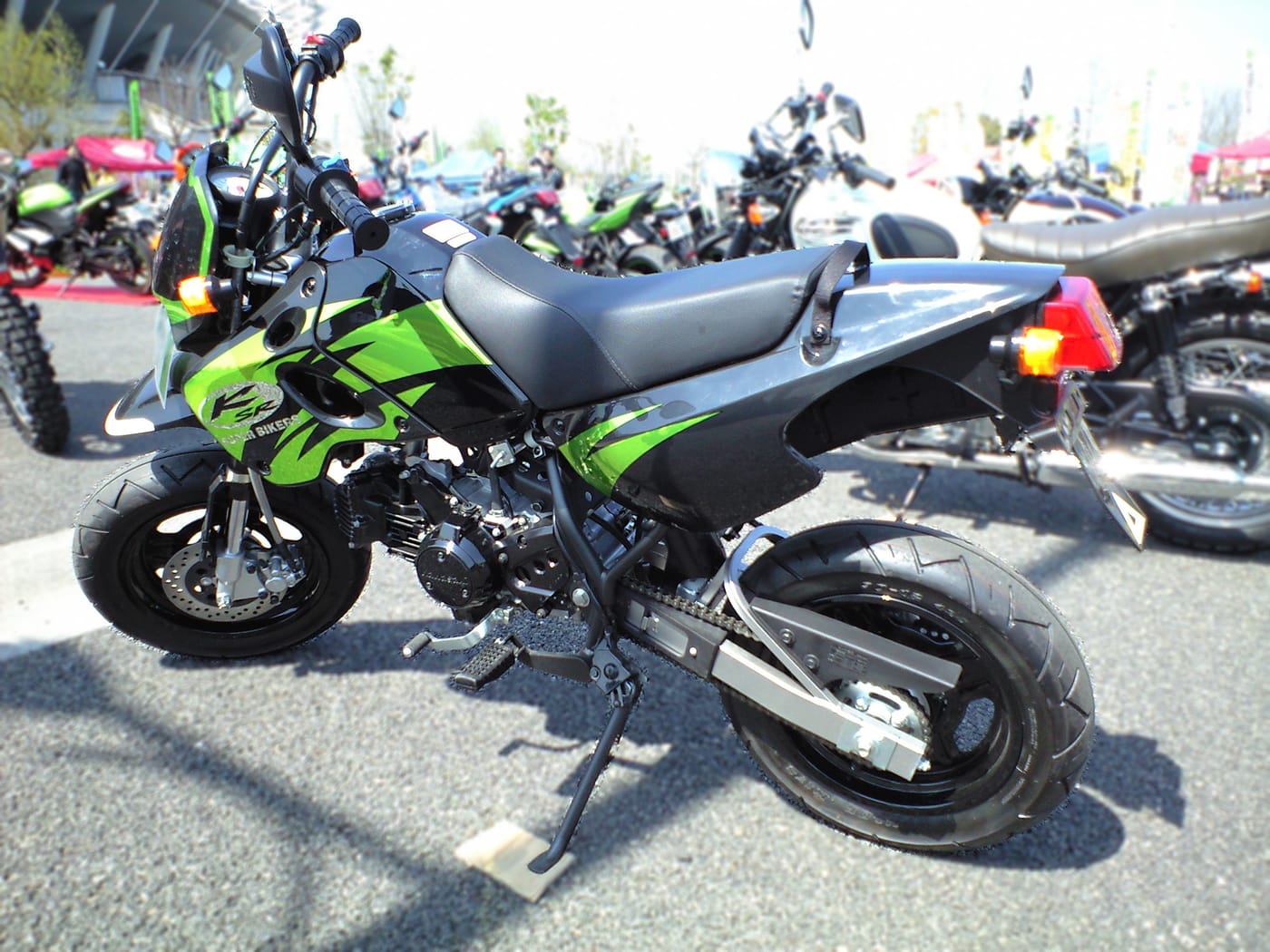
Kawasaki Ksr 110
The Kawasaki Ksr 110 has a top speed of approx. 90–95 km/h (estimated; note: varies by load and conditions), produces approx. 8.5 hp and weighs approx. 93 kg. Motoryk rates it 7.5/10.
A Kawasaki KSR110 foi lançada no início dos anos 2000, visando principalmente mercados asiáticos, como Tailândia e Indonésia, como uma mini bicicleta de rua acessível e divertida, construída com base em um motor confiável de 112 cc. Ela se tornou popular por seu estilo esportivo inspirado em bicicletas superesportivas maiores, tornando-a a favorita entre os passageiros urbanos e os ciclistas mais jovens que procuram uma motocicleta básica. Suas dimensões compactas, baixa altura do assento e eficiência de combustível contribuíram para sua longa vida útil de produção e para o culto de seguidores em todo o Sudeste Asiático.
approx. 8.5 hp
Poder
approx. 7.9 Nm
Torque
approx. 93 kg
Peso
approx. 90–95 km/h (estimated; note: varies by load and conditions)
Velocidade máxima
approx. 2.0–2.5 L/100km (40–50 km/L typical real-world average)
Combustível
Nua
Corpo
🔧 Service Schedule & Parts
Affiliate · we may earn| Service item | Every | Typical cost | Parts |
|---|---|---|---|
| 🛢️ Engine oil + oil filter | 3,000 km / 2,000 mi or 6 mo | $20-40 | 🛢️ Buy → ⚙️ Buy → |
| 🌬️ Air filter | 6,000 km / 3,500 mi | — | 🌬️ Buy → |
| ⚡ Spark plugs | 6,000 km / 3,500 mi | — | ⚡ Buy → |
| 🔧 Valve clearance check | 12,000 km / 7,500 mi | $80-150 | |
| 🔗 Chain & sprockets | 15000-25000 km (replace) | $60-120 | 🔗 Buy → |
| 🛑 Brake pads | 10000-20000 km | $20-40 | 🛑 Buy → |
| 💧 Brake fluid | 24,000 km / 15,000 mi or 2 yr | — | |
| 🛞 Tires | 10000-18000 km | $80-160 | 🛞 Buy → |
| 🔩 Major service | 12,000 km / 7,500 mi | $150-300 |
Video Review
O que os compradores devem saber
Simple, Bulletproof Engine
The air-cooled 112cc single-cylinder engine is based on a proven Honda Cub-style design, making it extremely reliable with minimal maintenance needs. It can easily exceed 50,000km with basic oil changes.
Watch the Carburetor
The stock carburetor is prone to clogging and rough idling, especially on older or stored bikes. Inspect for hesitation on throttle and budget for a carb clean or jet kit upgrade.
Strong Resale Value
The KSR 110 holds its value well due to its popularity as a fun urban commuter and pit bike alternative. A well-maintained example loses very little value compared to similarly sized competitors.
Gerações e especificações por ano
O KSR110 original foi introduzido com motor monocilíndrico refrigerado a ar de 112 cc, rodas pequenas de 12 polegadas e combustível de carburador.
"Um pequeno terror que supera seu deslocamento."
Passei seis meses viajando em um KSR110 de primeira geração pelo trânsito de Bangkok e por estradas secundárias suburbanas, e essa coisa realmente me surpreendeu. O motor de 112 cc é implacável acima de 80 km/h — você está torcendo o pescoço em uma rampa de acesso à rodovia — mas no caos urbano, ele está absolutamente em seu elemento, oscilável e ágil de uma forma que bicicletas maiores não conseguem igualar. As rodas de 12 polegadas fazem com que os buracos pareçam pessoais, e o carburador precisa de um aquecimento mais longo nas manhãs frias antes de parar de caçar em marcha lenta. Dito isso, a qualidade de construção se manteve melhor do que eu esperava pelo preço, e adquirir peças em todo o Sudeste Asiático é incrivelmente fácil.
Prós
Contras
Injeção de combustível introduzida, estilo atualizado, geometria revisada do chassi, sistema de frenagem aprimorado, atende aos padrões de emissões Euro.
Avaliação do comprador usado
"The perfect urban runaround if you respect its obvious limitations."
$1,200-$2,800 usedThe KSR110 is one of those bikes that looks like a toy but rides like something you'd actually enjoy. It's Kawasaki's mini supermoto-styled commuter, and it punches above its weight for urban riding. The 112cc engine is bulletproof if maintained properly — these things genuinely last forever with basic servicing. Used examples are everywhere in Southeast Asia and increasingly in Western markets, which means parts availability is decent and prices are negotiable. That said, buy one used and you're gambling on how the previous owner treated it. Check the chain religiously — they stretch fast and owners ignore them. Look for carburetor gunk if it's been sitting, and inspect the fork seals because they weep on higher-mileage examples. The disc brake up front is adequate but nothing impressive. For commuting under 30mph in city traffic, genuinely hard to beat. Anything faster and you're screaming at the rev limiter wishing you'd bought something bigger. Know what it is, buy it for what it does, and you'll love it.
Top 10 Accessories
Curated picks for the Kawasaki Ksr 110 — owned, ridden, recommended.




Problemas comuns
🔥 1 CRITICALRough idle, hesitation, hard starting when warm
Metallic rattle on startup or low RPM
Oil residue or staining on lower fork legs
Battery dies quickly, dim lights at idle
✅Lista de verificação de pré-compra
Reliable commuter, easy cheap parts to find
Full Specifications
Rivals & Alternatives
Bikes that buyers cross-shop with the Kawasaki Ksr 110
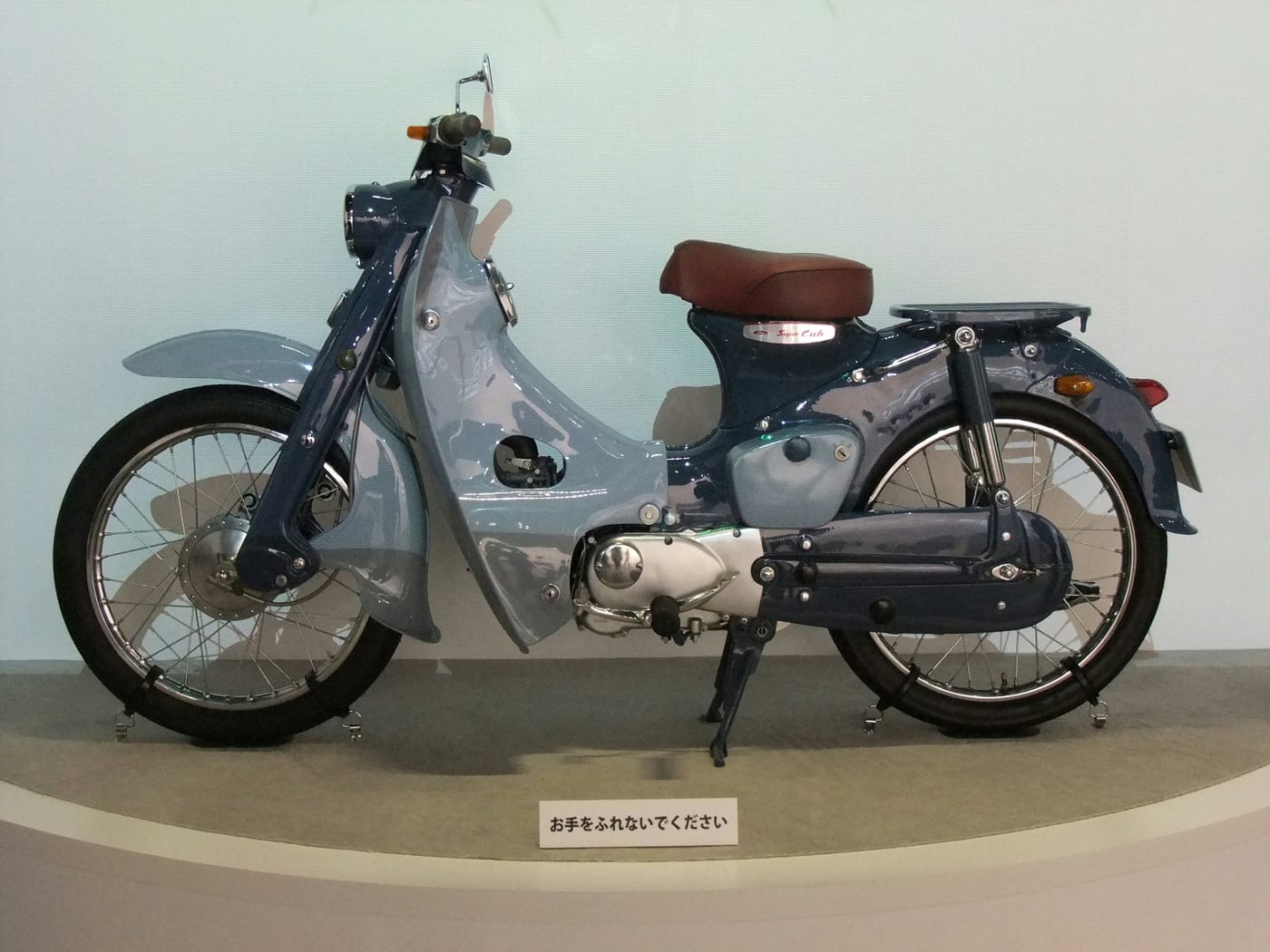
Honda Monkey 125
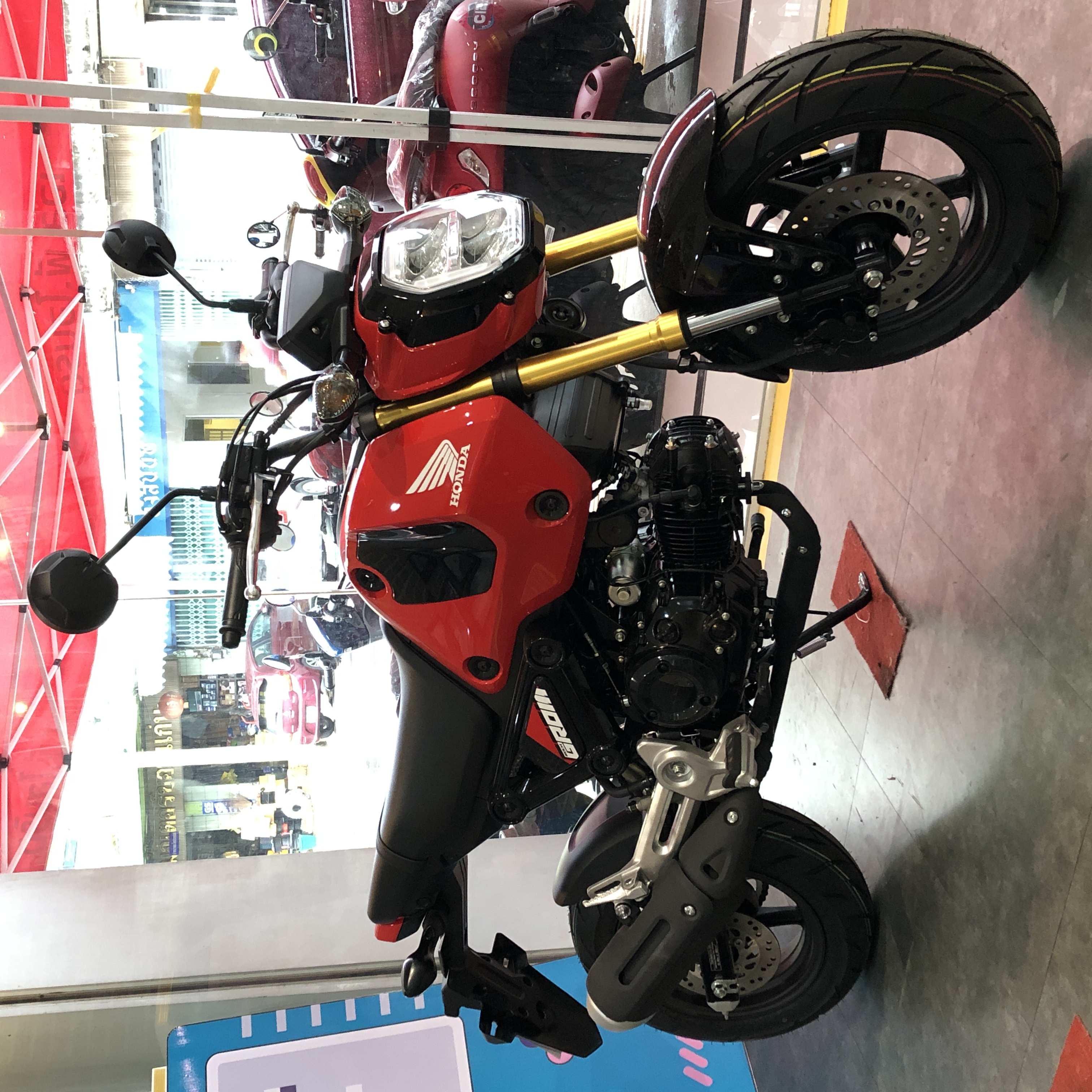
Honda Grom 125
Kymco K-pipe 125
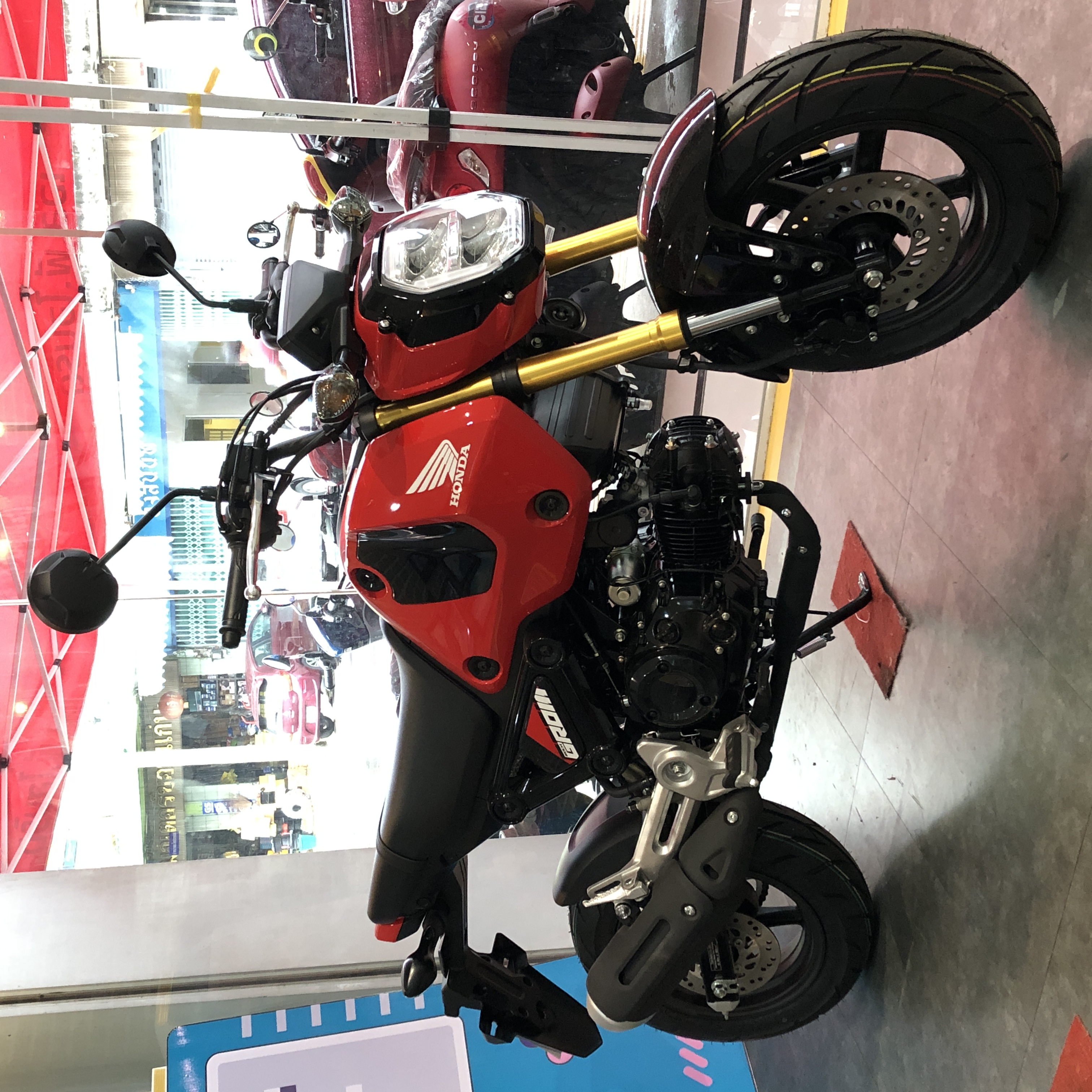
Honda Msx125 Grom

Kawasaki Klx110
Compare Kawasaki Ksr 110 Side-by-Side
compare_arrowsSpecs, power, weight & buyer verdict — head-to-head with the bikes most often cross-shopped.
Kawasaki Ksr 110 vs Honda Monkey 125
Specs · Power · Buyer verdict
Kawasaki Ksr 110 vs Honda Grom 125
Specs · Power · Buyer verdict
Kawasaki Ksr 110 vs Kymco K-pipe 125
Specs · Power · Buyer verdict
Kawasaki Ksr 110 vs Honda Msx125 Grom
Specs · Power · Buyer verdict
Kawasaki Ksr 110 vs Kawasaki Klx110
Specs · Power · Buyer verdict
More Kawasaki Ksr 110 Guides
More from Kawasaki
View all Kawasaki models →Community Reviews
Discussion
Frequently Asked Questions
What are common problems with the Kawasaki Ksr 110? +
Carburetor clogging from ethanol fuel deposits: Rough idle, hesitation, hard starting when warm (moderate) | Cam chain tensioner wear causing rattling noise: Metallic rattle on startup or low RPM (moderate) | Worn front fork seals leaking oil: Oil residue or staining on lower fork legs (moderate)
Is the Kawasaki Ksr 110 a good motorcycle? +
The perfect urban runaround if you respect its obvious limitations. Rating: 7.5/10. Best for: City commuters wanting cheap fun reliable transport. Avoid if: You need highway capability or regular pillion duties.
What is the horsepower of the Kawasaki Ksr 110? +
The Kawasaki Ksr 110 produces approx. 8.5 hp @ 8,000 rpm (estimated based on available regional spec sheets), with approx. 7.9 Nm @ 6,000 rpm (estimated) of torque. Top speed: approx. 90–95 km/h (estimated; note: varies by load and conditions).
Is the Kawasaki Ksr 110 good for beginners? +
Not really — the Kawasaki Ksr 110 is better for experienced riders. City commuters wanting cheap fun reliable transport Avoid if: You need highway capability or regular pillion duties
Is the Kawasaki Ksr 110 reliable? +
Owners report 1 critical issue to watch for on the Kawasaki Ksr 110, notably: Rectifier failure causing battery drain (Battery dies quickly, dim lights at idle). Buy with a pre-purchase inspection.
Is the Kawasaki Ksr 110 good for daily use? +
City commuters wanting cheap fun reliable transport Fuel: approx. 2.0–2.5 L/100km (40–50 km/L typical real-world average).
How fast is the Kawasaki Ksr 110? +
The Kawasaki Ksr 110 reaches a top speed of approx. 90–95 km/h (estimated; note: varies by load and conditions). Real-world performance depends on rider weight, gearing, and road conditions.
What gear should I buy for a Kawasaki Ksr 110? +
Motoryk has curated a Top 10 gear list specifically for the Kawasaki Ksr 110, covering engine oil, tires, chain, battery, and brake pads — see motoryk.com/bikes/kawasaki/ksr-110/top10. Each pick is matched to this bike's spec.