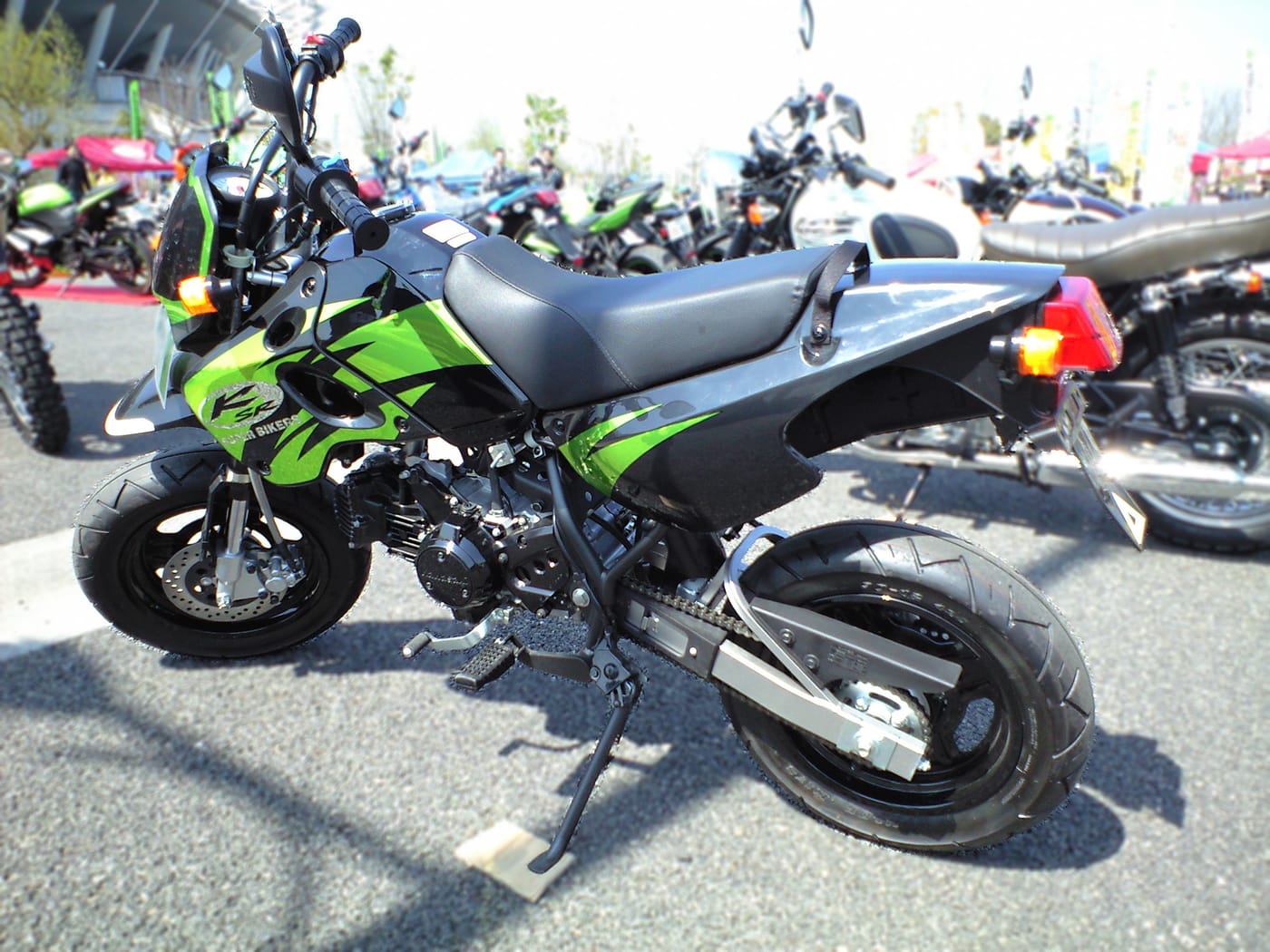
Kawasaki Ksr 110
The Kawasaki Ksr 110 has a top speed of approx. 90–95 km/h (estimated; note: varies by load and conditions), produces approx. 8.5 hp and weighs approx. 93 kg. Motoryk rates it 7.5/10.
Das Kawasaki KSR110 wurde in den frühen 2000er Jahren eingeführt und zielte hauptsächlich auf asiatische Märkte wie Thailand und Indonesien als erschwingliches Mini-Straßenrad in Spaßgröße ab, das auf einem zuverlässigen 112-cm3-Motor basiert. Es wurde beliebt für sein sportliches Design, das von größeren Supersport-Motorrädern inspiriert war, was es zu einem Favoriten unter Pendlern in der Stadt und jüngeren Fahrern machte, die ein Einstiegsmotorrad suchen. Ihre kompakten Abmessungen, ihre niedrige Sitzhöhe und ihr sparsamer Kraftstoffverbrauch trugen dazu bei, dass sie lange produziert wurde und in ganz Südostasien Kultstatus erlangte.
approx. 8.5 hp
Leistung
approx. 7.9 Nm
Drehmoment
approx. 93 kg
Gewicht
approx. 90–95 km/h (estimated; note: varies by load and conditions)
Höchstgeschwindigkeit
approx. 2.0–2.5 L/100km (40–50 km/L typical real-world average)
Treibstoff
Nackt
Körper
🔧 Service Schedule & Parts
Affiliate · we may earn| Service item | Every | Typical cost | Parts |
|---|---|---|---|
| 🛢️ Engine oil + oil filter | 3,000 km / 2,000 mi or 6 mo | $20-40 | 🛢️ Buy → ⚙️ Buy → |
| 🌬️ Air filter | 6,000 km / 3,500 mi | — | 🌬️ Buy → |
| ⚡ Spark plugs | 6,000 km / 3,500 mi | — | ⚡ Buy → |
| 🔧 Valve clearance check | 12,000 km / 7,500 mi | $80-150 | |
| 🔗 Chain & sprockets | 15000-25000 km (replace) | $60-120 | 🔗 Buy → |
| 🛑 Brake pads | 10000-20000 km | $20-40 | 🛑 Buy → |
| 💧 Brake fluid | 24,000 km / 15,000 mi or 2 yr | — | |
| 🛞 Tires | 10000-18000 km | $80-160 | 🛞 Buy → |
| 🔩 Major service | 12,000 km / 7,500 mi | $150-300 |
Video Review
Was Käufer wissen sollten
Simple, Bulletproof Engine
The air-cooled 112cc single-cylinder engine is based on a proven Honda Cub-style design, making it extremely reliable with minimal maintenance needs. It can easily exceed 50,000km with basic oil changes.
Watch the Carburetor
The stock carburetor is prone to clogging and rough idling, especially on older or stored bikes. Inspect for hesitation on throttle and budget for a carb clean or jet kit upgrade.
Strong Resale Value
The KSR 110 holds its value well due to its popularity as a fun urban commuter and pit bike alternative. A well-maintained example loses very little value compared to similarly sized competitors.
Generationen und Spezifikationen nach Jahr
Der ursprüngliche KSR110 wurde mit luftgekühltem 112-cm3-Einzylindermotor, kleinen 12-Zoll-Rädern und Vergaserbetankung eingeführt.
"Winziger Terror, der seinen Hubraum übertrifft."
Ich habe sechs Monate damit verbracht, mit einem KSR110 der Generation 1 durch den Verkehr und die Nebenstraßen in den Vororten von Bangkok zu pendeln, und dieses Ding hat mich wirklich überrascht. Der 112-cm3-Motor ist über 80 km/h nicht leichtfertig — man dreht sich auf einer Autobahnauffahrt das Genick —, aber im engen städtischen Chaos ist er absolut in seinem Element, flackert und wendig auf eine Weise, mit der größere Motorräder nicht mithalten können. Durch die 12-Zoll-Räder fühlen sich Schlaglöcher persönlich an, und der Vergaser muss an kühlen Morgen länger warmlaufen, bevor er im Leerlauf aufhört zu jagen. Allerdings hielt sich die Verarbeitungsqualität besser als ich für den Preis erwartet hatte, und die Beschaffung von Teilen in ganz Südostasien ist lächerlich einfach.
Profis
Nachteile
Einführung der Kraftstoffeinspritzung, aktualisiertes Design, überarbeitete Fahrwerksgeometrie, verbessertes Bremssystem, erfüllt die Euro-Emissionsnormen.
Bewertung von gebrauchten Käufern
"The perfect urban runaround if you respect its obvious limitations."
$1,200-$2,800 usedThe KSR110 is one of those bikes that looks like a toy but rides like something you'd actually enjoy. It's Kawasaki's mini supermoto-styled commuter, and it punches above its weight for urban riding. The 112cc engine is bulletproof if maintained properly — these things genuinely last forever with basic servicing. Used examples are everywhere in Southeast Asia and increasingly in Western markets, which means parts availability is decent and prices are negotiable. That said, buy one used and you're gambling on how the previous owner treated it. Check the chain religiously — they stretch fast and owners ignore them. Look for carburetor gunk if it's been sitting, and inspect the fork seals because they weep on higher-mileage examples. The disc brake up front is adequate but nothing impressive. For commuting under 30mph in city traffic, genuinely hard to beat. Anything faster and you're screaming at the rev limiter wishing you'd bought something bigger. Know what it is, buy it for what it does, and you'll love it.
Top 10 Accessories
Curated picks for the Kawasaki Ksr 110 — owned, ridden, recommended.




Häufig auftretende Probleme
🔥 1 CRITICALRough idle, hesitation, hard starting when warm
Metallic rattle on startup or low RPM
Oil residue or staining on lower fork legs
Battery dies quickly, dim lights at idle
✅Checkliste vor dem Kauf
Reliable commuter, easy cheap parts to find
Full Specifications
Rivals & Alternatives
Bikes that buyers cross-shop with the Kawasaki Ksr 110
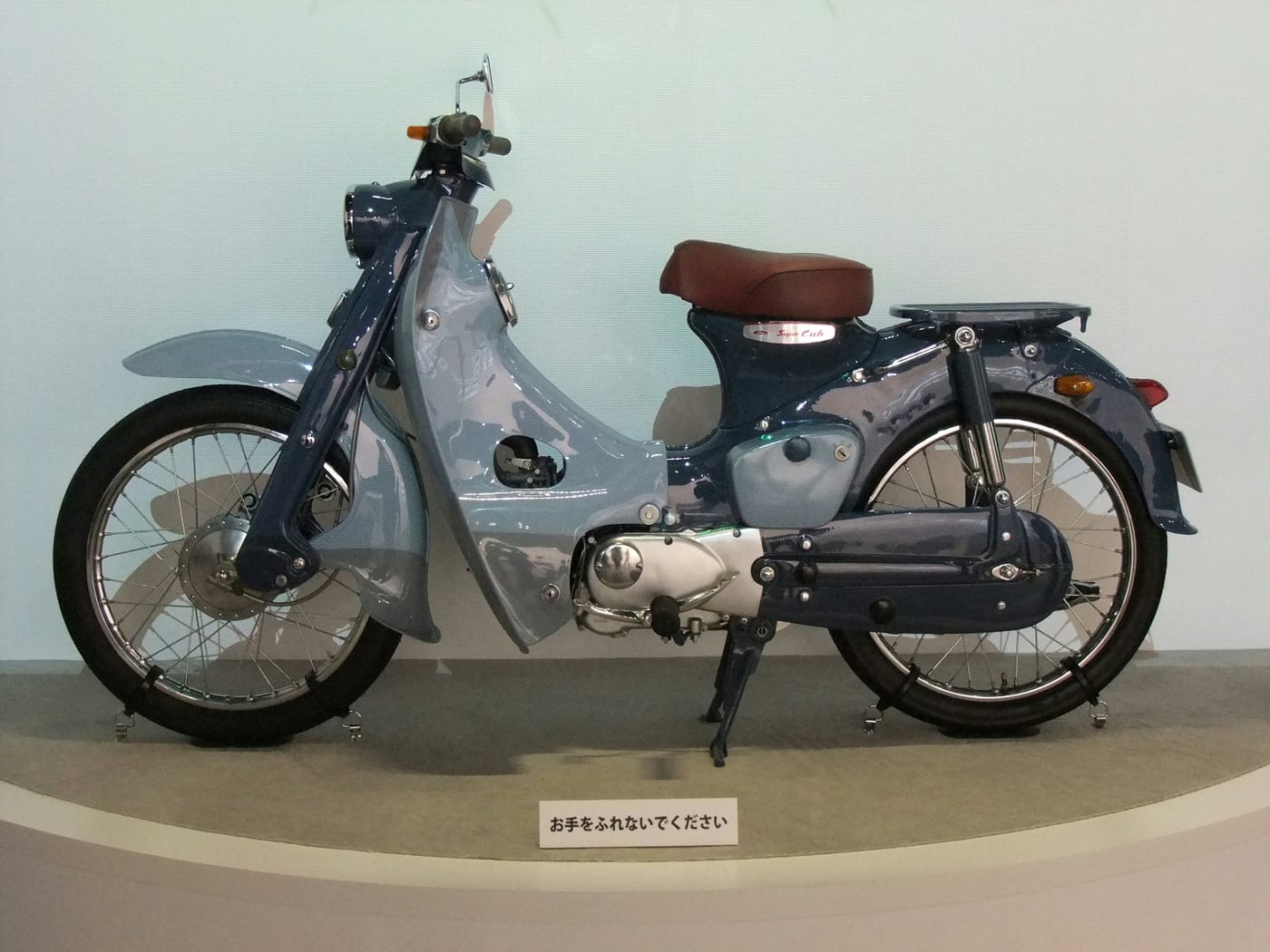
Honda Monkey 125
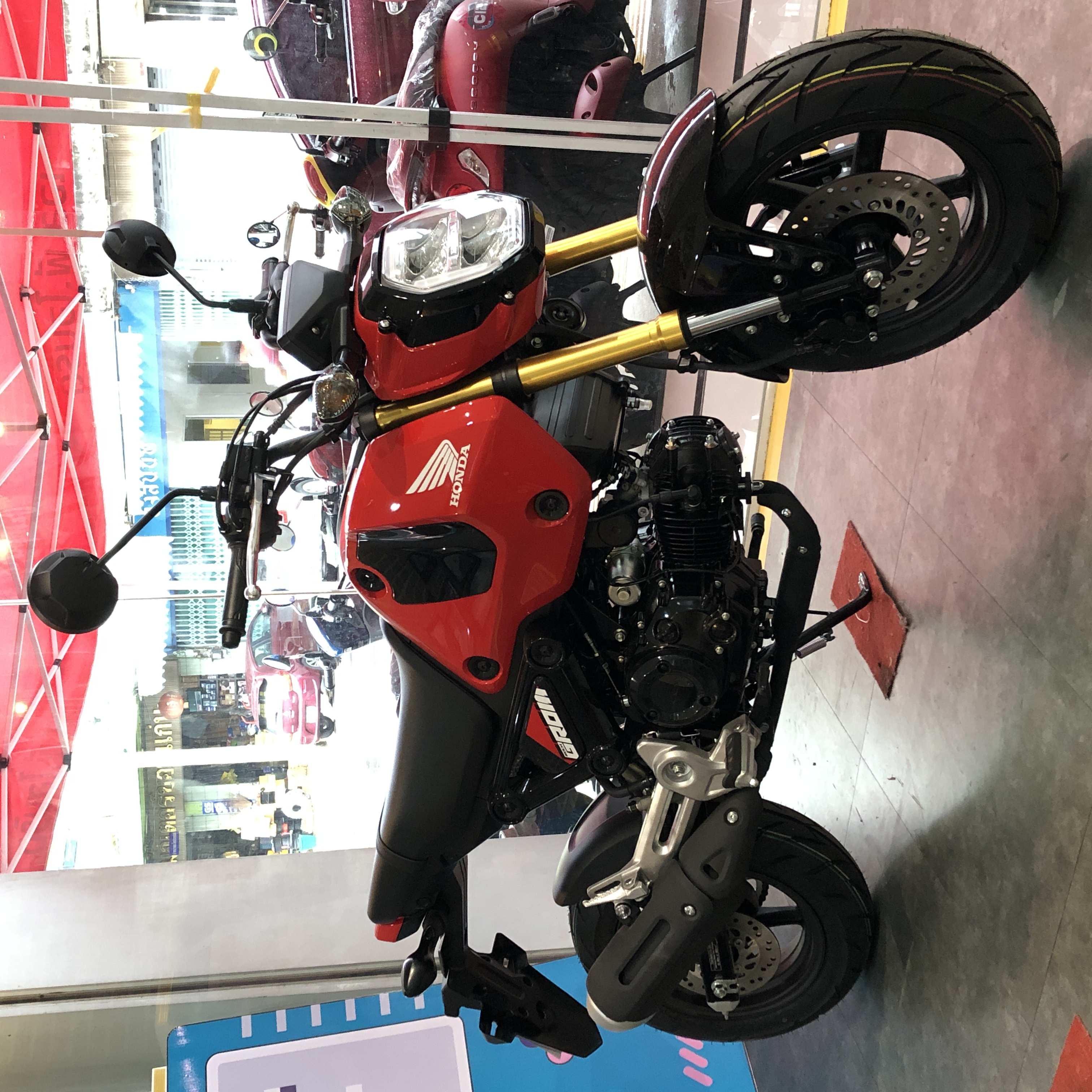
Honda Grom 125
Kymco K-pipe 125
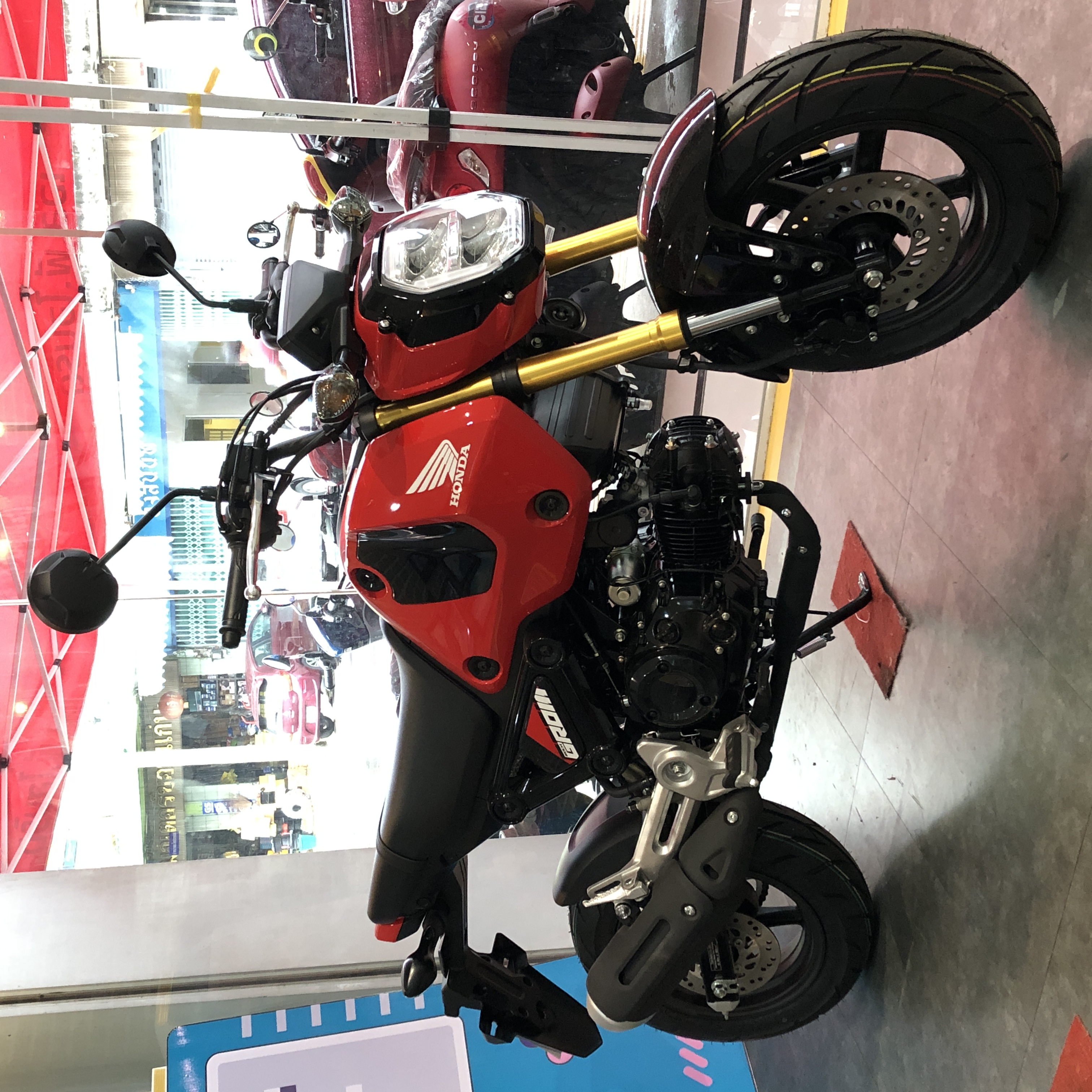
Honda Msx125 Grom
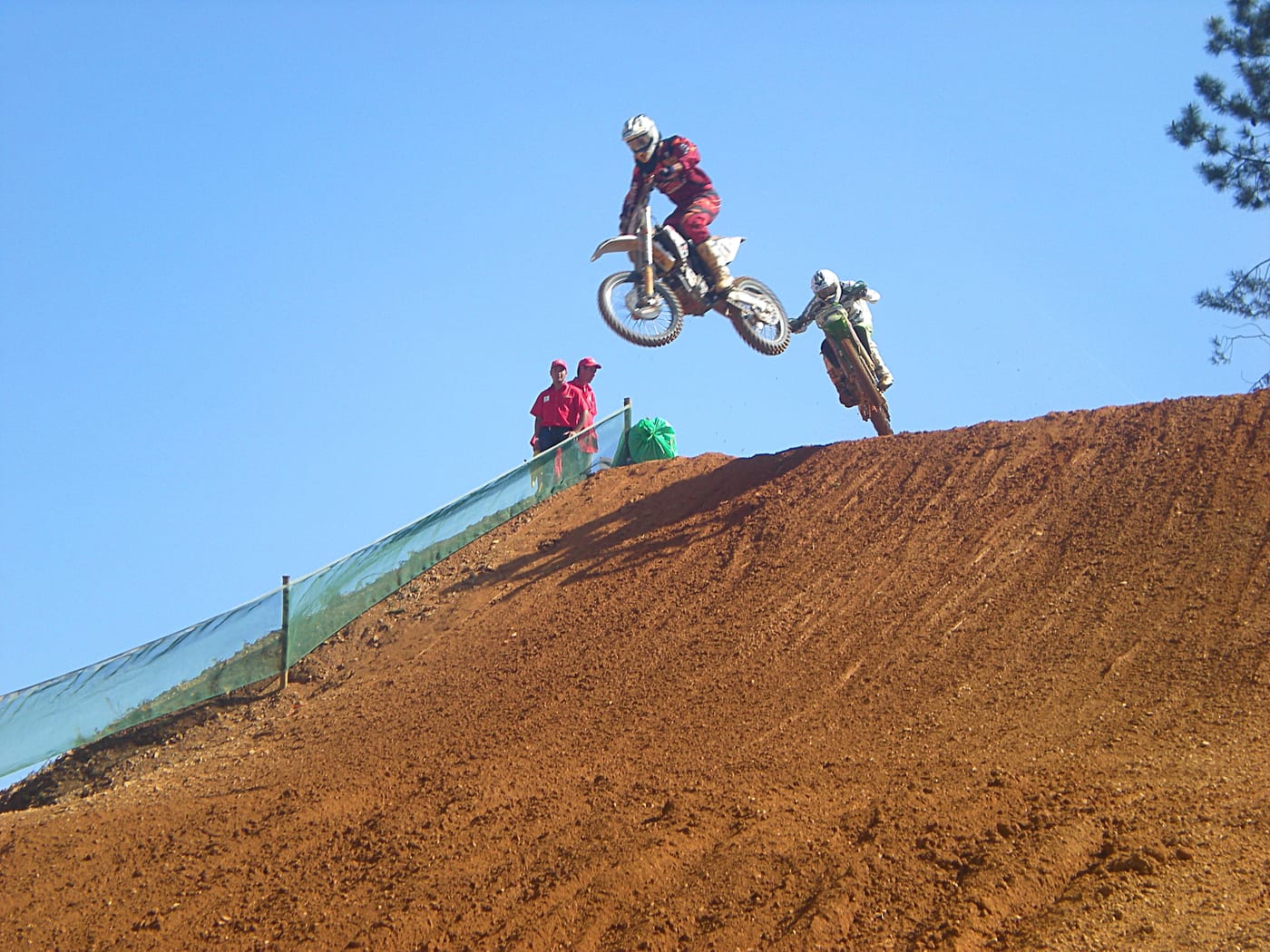
Kawasaki Klx110
Compare Kawasaki Ksr 110 Side-by-Side
compare_arrowsSpecs, power, weight & buyer verdict — head-to-head with the bikes most often cross-shopped.
Kawasaki Ksr 110 vs Honda Monkey 125
Specs · Power · Buyer verdict
Kawasaki Ksr 110 vs Honda Grom 125
Specs · Power · Buyer verdict
Kawasaki Ksr 110 vs Kymco K-pipe 125
Specs · Power · Buyer verdict
Kawasaki Ksr 110 vs Honda Msx125 Grom
Specs · Power · Buyer verdict
Kawasaki Ksr 110 vs Kawasaki Klx110
Specs · Power · Buyer verdict
More Kawasaki Ksr 110 Guides
More from Kawasaki
View all Kawasaki models →Community Reviews
Discussion
Frequently Asked Questions
What are common problems with the Kawasaki Ksr 110? +
Carburetor clogging from ethanol fuel deposits: Rough idle, hesitation, hard starting when warm (moderate) | Cam chain tensioner wear causing rattling noise: Metallic rattle on startup or low RPM (moderate) | Worn front fork seals leaking oil: Oil residue or staining on lower fork legs (moderate)
Is the Kawasaki Ksr 110 a good motorcycle? +
The perfect urban runaround if you respect its obvious limitations. Rating: 7.5/10. Best for: City commuters wanting cheap fun reliable transport. Avoid if: You need highway capability or regular pillion duties.
What is the horsepower of the Kawasaki Ksr 110? +
The Kawasaki Ksr 110 produces approx. 8.5 hp @ 8,000 rpm (estimated based on available regional spec sheets), with approx. 7.9 Nm @ 6,000 rpm (estimated) of torque. Top speed: approx. 90–95 km/h (estimated; note: varies by load and conditions).
Is the Kawasaki Ksr 110 good for beginners? +
Not really — the Kawasaki Ksr 110 is better for experienced riders. City commuters wanting cheap fun reliable transport Avoid if: You need highway capability or regular pillion duties
Is the Kawasaki Ksr 110 reliable? +
Owners report 1 critical issue to watch for on the Kawasaki Ksr 110, notably: Rectifier failure causing battery drain (Battery dies quickly, dim lights at idle). Buy with a pre-purchase inspection.
Is the Kawasaki Ksr 110 good for daily use? +
City commuters wanting cheap fun reliable transport Fuel: approx. 2.0–2.5 L/100km (40–50 km/L typical real-world average).
How fast is the Kawasaki Ksr 110? +
The Kawasaki Ksr 110 reaches a top speed of approx. 90–95 km/h (estimated; note: varies by load and conditions). Real-world performance depends on rider weight, gearing, and road conditions.
What gear should I buy for a Kawasaki Ksr 110? +
Motoryk has curated a Top 10 gear list specifically for the Kawasaki Ksr 110, covering engine oil, tires, chain, battery, and brake pads — see motoryk.com/bikes/kawasaki/ksr-110/top10. Each pick is matched to this bike's spec.