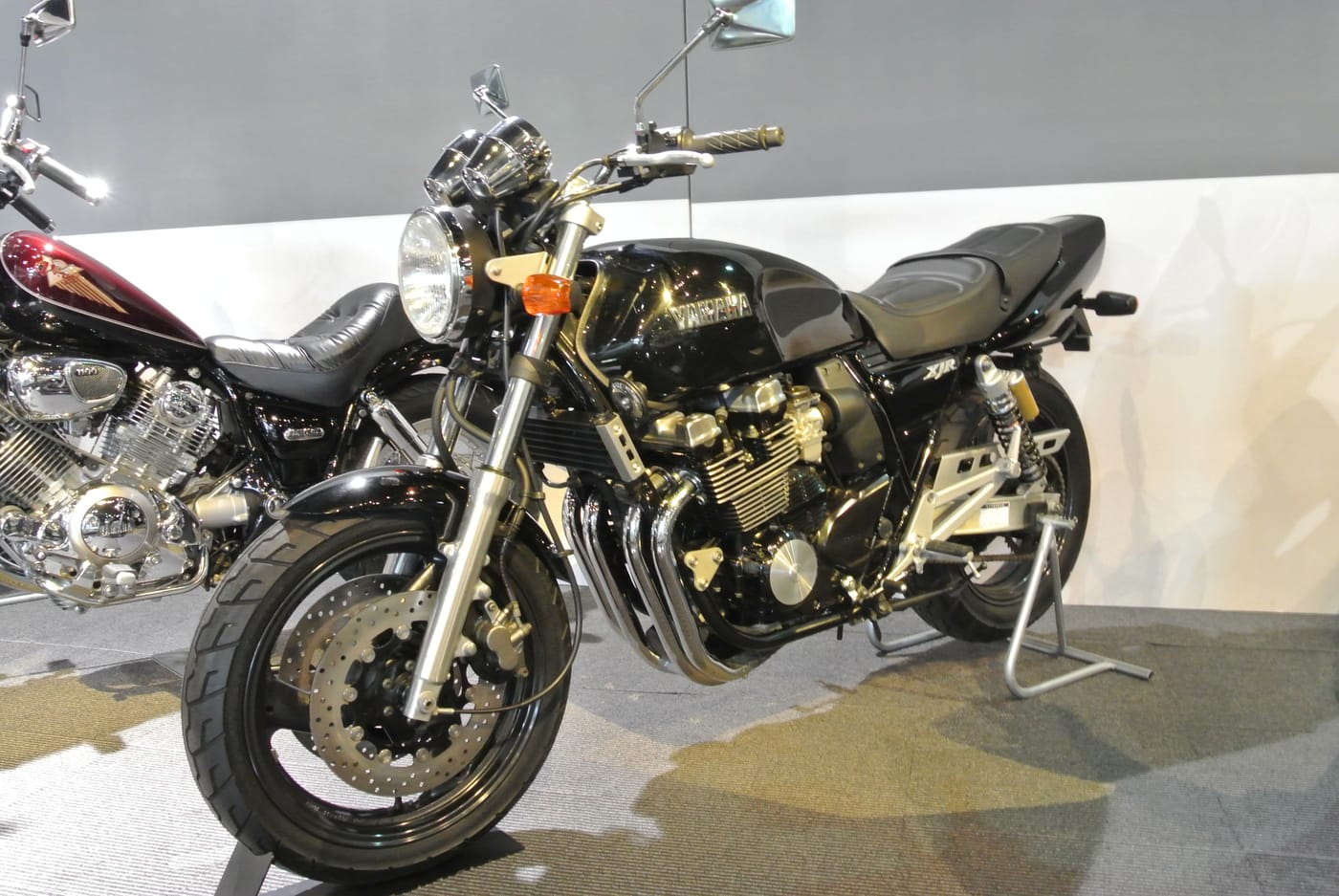
Yamaha Xjr 1300
The Yamaha Xjr 1300 has a top speed of 220 km/h (estimated, manufacturer limited), produces 106 hp and weighs 238 kg. Motoryk rates it 8.5/10.
The Yamaha XJR1300 was introduced in 1999 as an evolution of the XJR1200, itself launched in 1994, continuing Yamaha's air-cooled naked muscle bike lineage. Throughout its production run it received periodic updates including fuel injection in 2007 and a Racer edition inspired by the 1970s Yamaha racing heritage, building a loyal following among classic-style enthusiasts. It remained in production until 2016, celebrated as one of the last great air-cooled inline-four naked bikes, prized for its raw, characterful riding experience.
106 hp
Power
106 Nm
Torque
238 kg
Weight
220 km/h (estimated, manufacturer limited)
Top Speed
6.5 L/100km (approx. 15.4 km/L, typical real-world average)
Fuel
Naked
Body
🔧 Service Schedule & Parts
Affiliate · we may earn| Service item | Every | Typical cost | Parts |
|---|---|---|---|
| 🛢️ Engine oil + oil filter | 6,000 km / 3,500 mi or 12 mo | $40-80 | 🛢️ Buy → ⚙️ Buy → |
| 🌬️ Air filter | 12,000 km / 7,500 mi | — | 🌬️ Buy → |
| ⚡ Spark plugs | 12,000 km / 7,500 mi | — | ⚡ Buy → |
| 🔧 Valve clearance check | 24,000 km / 15,000 mi | $150-300 | |
| 🔗 Chain & sprockets | 20000-35000 km (replace) | $150-300 | 🔗 Buy → |
| 🛑 Brake pads | 15000-25000 km | $30-60 | 🛑 Buy → |
| 💧 Brake fluid | 24,000 km / 15,000 mi or 2 yr | — | |
| 🛞 Tires | 10000-18000 km | $200-400 | 🛞 Buy → |
| 🔩 Major service | 24,000 km / 15,000 mi | $300-600 |
Video Review
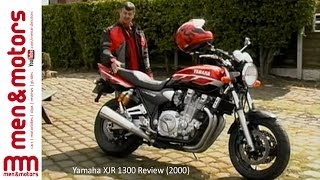
What Buyers Should Know
Rock-Solid Engine Reliability
The air-cooled 1251cc inline-4 engine is known for exceptional longevity, often surpassing 100,000 km with basic maintenance. It's a simple, proven design that mechanics worldwide are comfortable servicing.
Watch the Carbs & Electrics
Older carbureted models (pre-2007) can suffer from gummed-up carburetors if left sitting unused. On higher-mileage bikes, check for corroded electrical connectors and inspect the rectifier/regulator, a known weak point.
Strong Resale Value
The XJR 1300 holds its value well due to its cult following and limited production numbers, especially café racer and Racer editions. A well-maintained example rarely depreciates sharply, making it a smart long-term buy.
Generations & Specs by Year
Introduced as XJR1300, 1251cc air-cooled inline-four, carbureted, replacing XJR1200.
"The air-cooled muscle bike Japan got right."
Yamaha bumped the XJR from 1200 to 1251cc and the difference is immediately felt in the mid-range — there's a meaty, authoritative shove from 3,000 rpm that makes filtering and overtaking genuinely satisfying rather than theatrical. The carbs need choke on cold mornings and the flat-slide CV units take a few minutes to settle into a clean idle, but once warm this engine is butter-smooth for an air-cooled four, with that distinctive hardening rasp above 6,000 rpm. Handling is old-school heavy — 228kg is honest weight and you feel every kilo in slow car parks — but push it on a B-road and the chassis rewards commitment, with a stability that modern nakeds traded away for agility. The seat and wind protection are essentially nonexistent beyond 130 km/h, but that was never the point of this bike.
Pros
Cons
Minor styling updates, revised carburetion, improved brakes, new color schemes introduced.
"The honest muscle bike that doesn't need excuses."
I ran a '99 XJR 1300 for two years and about 18,000 kilometres, and the revised carbs over the Gen 1 genuinely smoothed out that annoying flat spot around 3,500 rpm — it's not perfect, but it's liveable now. The torque is the whole story here: pull away in third gear at 30 km/h and it just hauls without complaint, and that air-cooled four sounds gloriously mechanical in a way no water-cooled motor ever will. Brakes are a step up from the earlier car, with better bite at the lever, though 228 kg means you'd better be committed when you decide to stop. It cooks your right leg at slow urban speeds in summer, the mirrors vibrate into uselessness above 130 km/h, and the suspension is set up for someone who weighs considerably more than me — but none of that stops it being deeply satisfying to ride a road you actually know.
Pros
Cons
Updated styling, revised exhaust system, new instrument cluster, improved suspension setup.
"Old-school muscle that still embarrasses modern pretenders."
I put 18,000 km on a 2004 XJR and that engine never stopped surprising me — the torque hits hard from 3,500 rpm and just keeps pulling, making overtakes feel almost lazy. The Gen 3 suspension revisions are real: it actually holds a line now instead of the vague wallow the earlier bikes were notorious for, though fast B-road corners still remind you there's 243 kg underneath you. The revised exhaust gives a genuine bark without sounding theatrical, and the new clocks are cleaner and readable at speed. Heat off that air-cooled four in summer traffic is genuine punishment — your right leg takes the worst of it, and after 40 minutes of city riding you'll be counting the lights.
Pros
Cons
Fuel injection introduced, updated frame geometry, new bodywork, improved electronics package.
"Old-school muscle bike that still embarrasses modern pretenders."
The fuel injection cleaned up the carb-era stumble below 3,000 rpm and cold starts no longer require a choke ritual, but the real story is still that 1251cc lump pulling hard from 2,500 rpm like it's personally offended by your throttle input. Chassis geometry tweak gives it slightly more confidence mid-corner than the earlier gens — it's still not a sportsbike, but it stops fighting you in faster sweepers. At 238 kg you feel the mass in slow car-park stuff, and the seat goes numb around 90 minutes, so this is a pub-run giant rather than a continent-crosser. I've done 40,000 km on one and the only real frustrations are the mirrors vibrating to uselessness above 120 km/h and the electronics package being 'improved' in the sense that it now has a fuel gauge — hardly cutting-edge, but the engine reliability is genuinely bulletproof.
Pros
Cons
Euro 3 compliance updates, Racer special edition introduced, minor cosmetic refinements.
Used Buyer Review
"The most honest, characterful big naked you can buy used today."
$4,500-$8,500 usedThe XJR1300 is one of those bikes that rewards patient riders who actually want to go somewhere rather than just look fast standing still. That air-cooled 1251cc inline-four pulls like a freight train from about 3,000rpm and never really stops until you've run out of road or nerve. It's old-school in the best possible sense — no traction control, no riding modes, just you and 106 honest horsepower. Buying used, check the cam chain tensioner carefully on earlier models and look for oil weeping around the head gasket. The carbureted versions need attention to the carb sync, and neglected ones will feel lumpy at low speeds. Post-2007 fuel-injected bikes are considerably easier to live with. Also inspect the frame around the swingarm pivot — hard riders can stress that area over time. Fairing-free naked styling means every oil drip shows, which actually helps you spot problems quickly. Ergonomics suit taller riders perfectly, though the seat goes hard after two hours. Budget for a gel pad if you're touring.
Top 10 Accessories
Curated picks for the Yamaha Xjr 1300 — owned, ridden, recommended.




Common Problems
🔥 2 CRITICALRough idle, hesitation, uneven throttle response at low RPM
Battery drain, flickering lights, overcharging voltage above 15V
Oil residue on fork legs, soft front suspension feel
Rattling on cold start, disappears when warm
✅Pre-Purchase Checklist
Solid, tough engine if well maintained
Full Specifications
Rivals & Alternatives
Bikes that buyers cross-shop with the Yamaha Xjr 1300
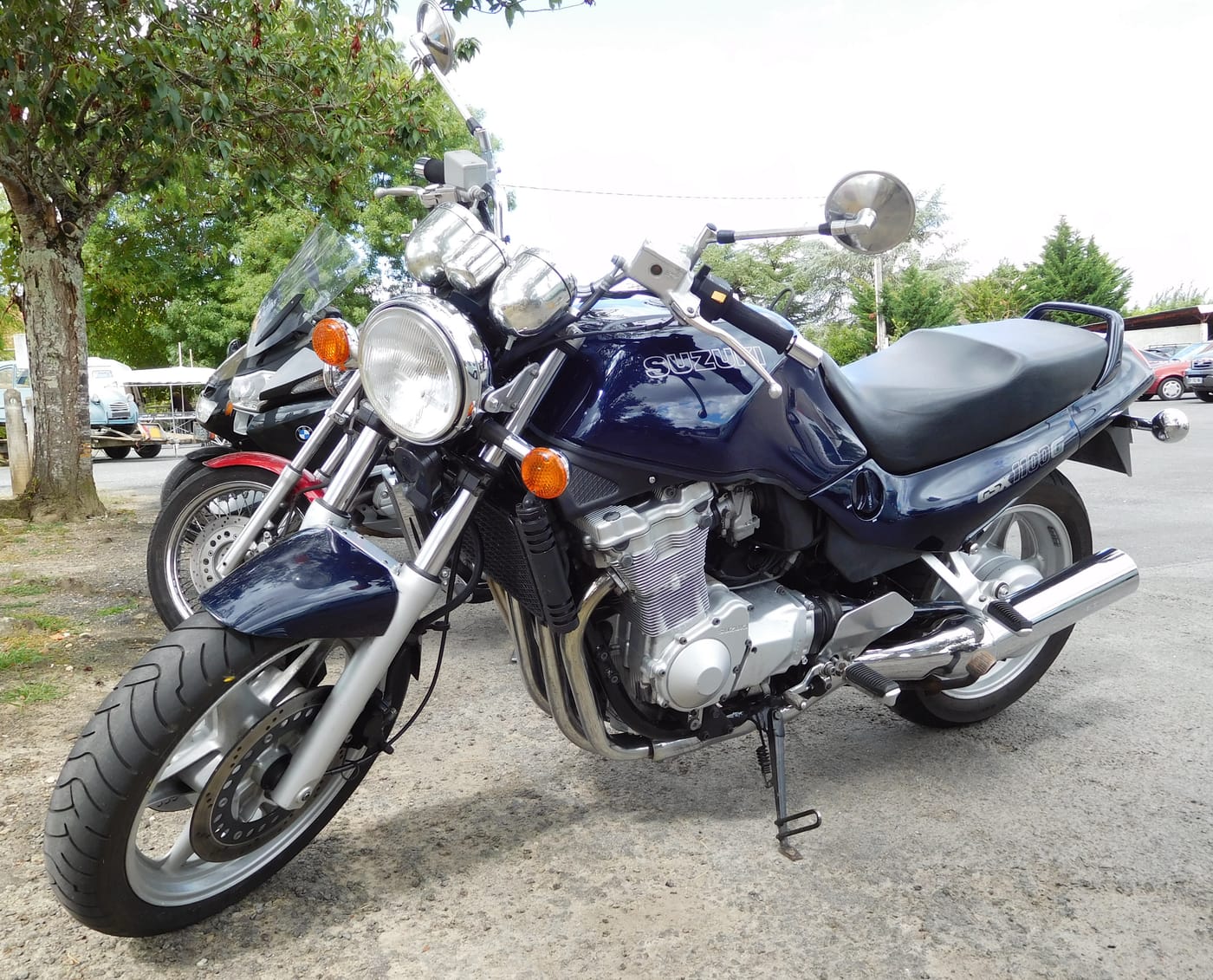
Suzuki Bandit 1200
Suzuki Bandit 1250
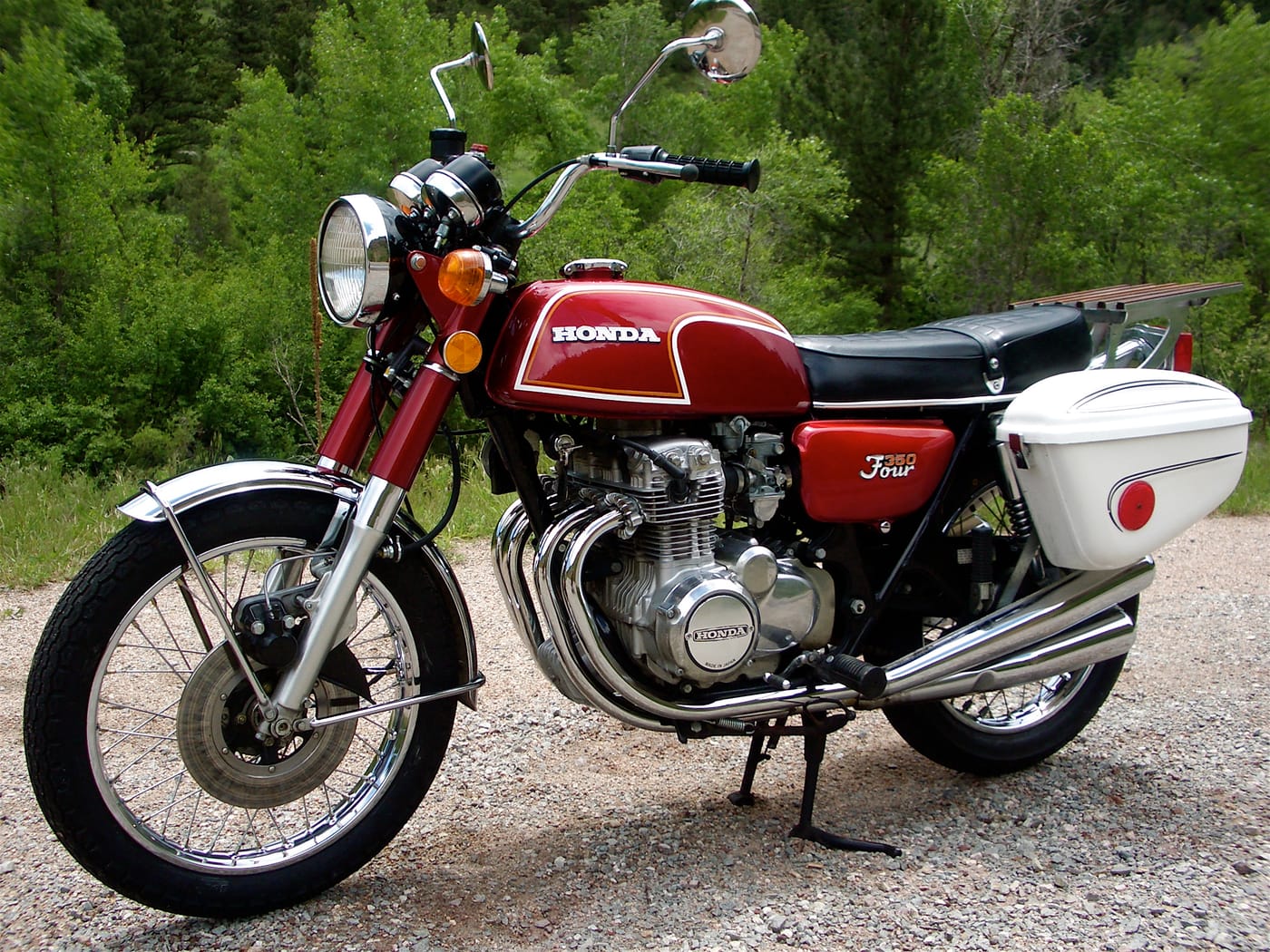
Honda Cb1300
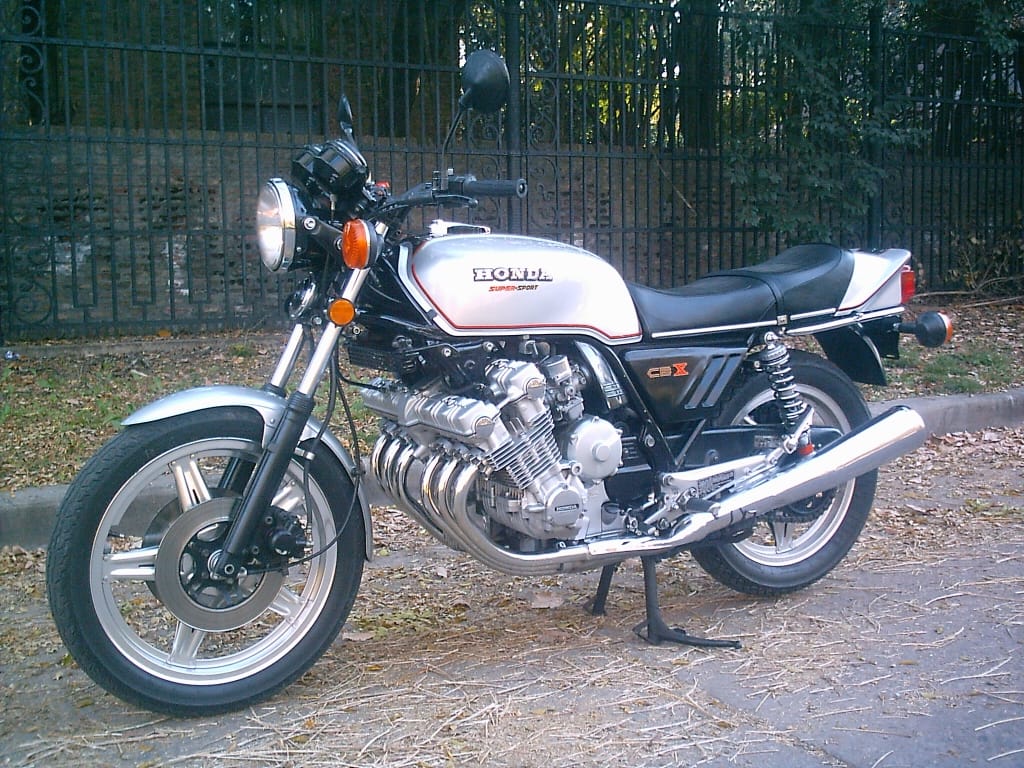
Honda X4 1300
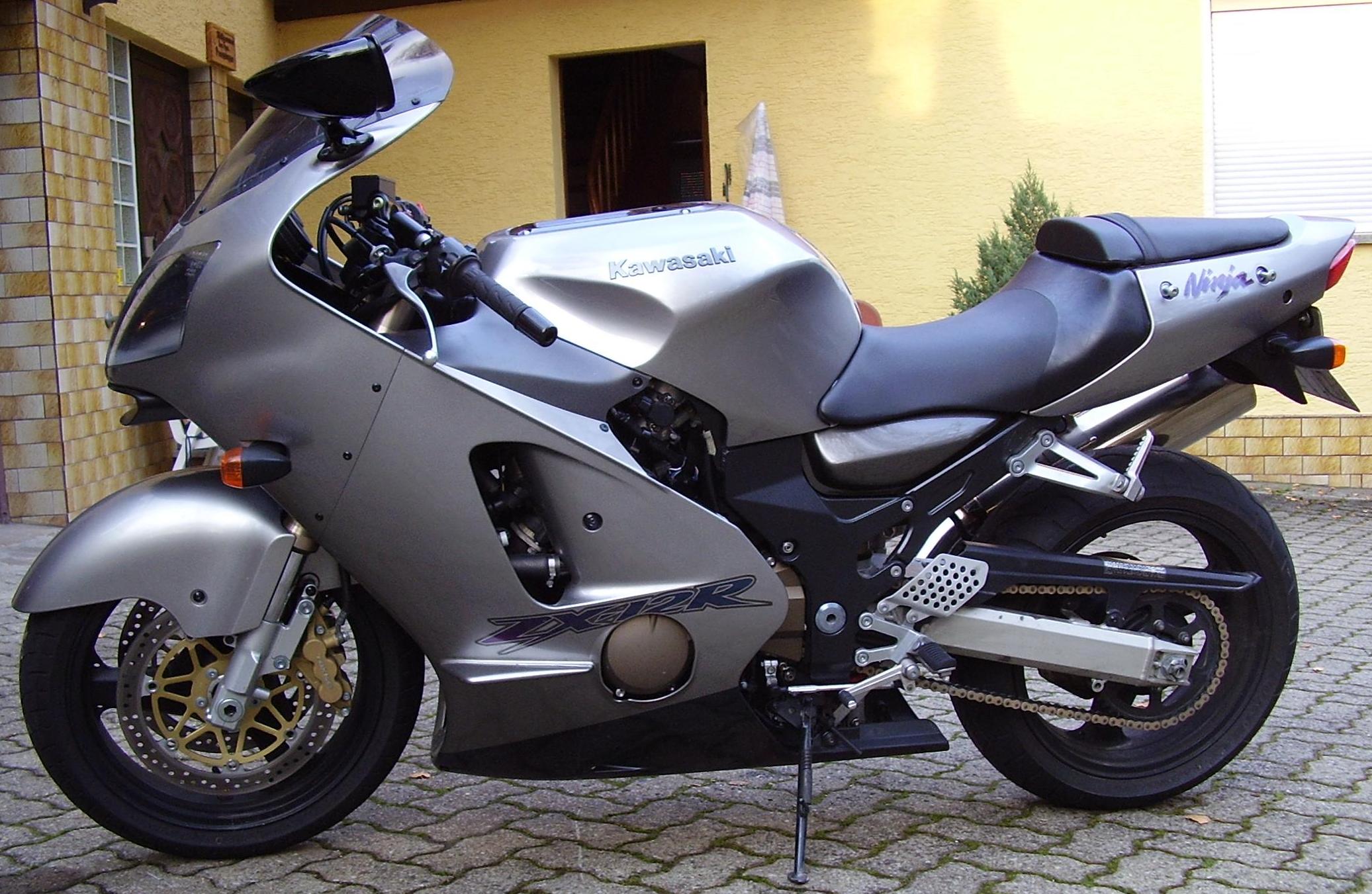
Kawasaki Zrx1200r
Compare Yamaha Xjr 1300 Side-by-Side
compare_arrowsSpecs, power, weight & buyer verdict — head-to-head with the bikes most often cross-shopped.
Yamaha Xjr 1300 vs Suzuki Bandit 1200
Specs · Power · Buyer verdict
Yamaha Xjr 1300 vs Suzuki Bandit 1250
Specs · Power · Buyer verdict
Yamaha Xjr 1300 vs Honda Cb1300
Specs · Power · Buyer verdict
Yamaha Xjr 1300 vs Honda X4 1300
Specs · Power · Buyer verdict
Yamaha Xjr 1300 vs Kawasaki Zrx1200r
Specs · Power · Buyer verdict
More Yamaha Xjr 1300 Guides
More from Yamaha
View all Yamaha models →Community Reviews
Discussion
Frequently Asked Questions
What are common problems with the Yamaha Xjr 1300? +
Carb sync and idle issues: Rough idle, hesitation, uneven throttle response at low RPM (moderate) | Rectifier/regulator failure: Battery drain, flickering lights, overcharging voltage above 15V (serious) | Fork seal leaks: Oil residue on fork legs, soft front suspension feel (moderate)
Is the Yamaha Xjr 1300 a good motorcycle? +
The most honest, characterful big naked you can buy used today. Rating: 8.5/10. Best for: Experienced riders wanting real-world touring muscle. Avoid if: New riders or city-only short commuters.
What is the horsepower of the Yamaha Xjr 1300? +
The Yamaha Xjr 1300 produces 106 hp @ 8,000 rpm, with 106 Nm @ 6,000 rpm of torque. Top speed: 220 km/h (estimated, manufacturer limited).
Is the Yamaha Xjr 1300 good for beginners? +
Yes — the Yamaha Xjr 1300 is a reasonable choice for new riders (106 hp is manageable), weighing 238 kg. Experienced riders wanting real-world touring muscle
Is the Yamaha Xjr 1300 reliable? +
Owners report 2 critical issues to watch for on the Yamaha Xjr 1300, notably: Rectifier/regulator failure (Battery drain, flickering lights, overcharging voltage above 15V). Buy with a pre-purchase inspection.
Is the Yamaha Xjr 1300 good for daily use? +
Experienced riders wanting real-world touring muscle Fuel: 6.5 L/100km (approx. 15.4 km/L, typical real-world average).
How fast is the Yamaha Xjr 1300? +
The Yamaha Xjr 1300 reaches a top speed of 220 km/h (estimated, manufacturer limited), producing 106 hp at 238 kg curb weight. Real-world performance depends on rider weight, gearing, and road conditions.
What gear should I buy for a Yamaha Xjr 1300? +
Motoryk has curated a Top 10 gear list specifically for the Yamaha Xjr 1300, covering engine oil, tires, chain, battery, and brake pads — see motoryk.com/bikes/yamaha/xjr-1300/top10. Each pick is matched to this bike's spec.