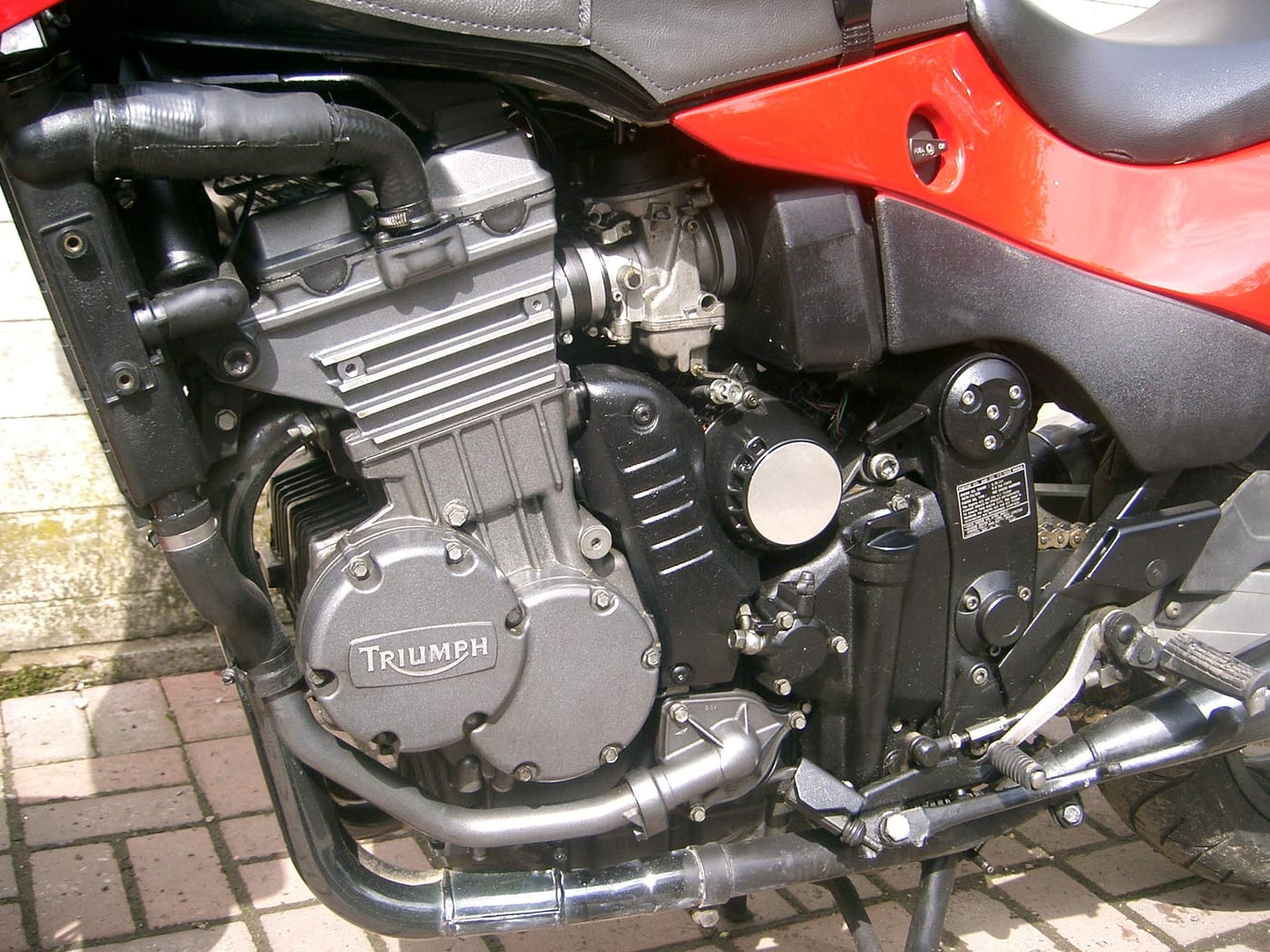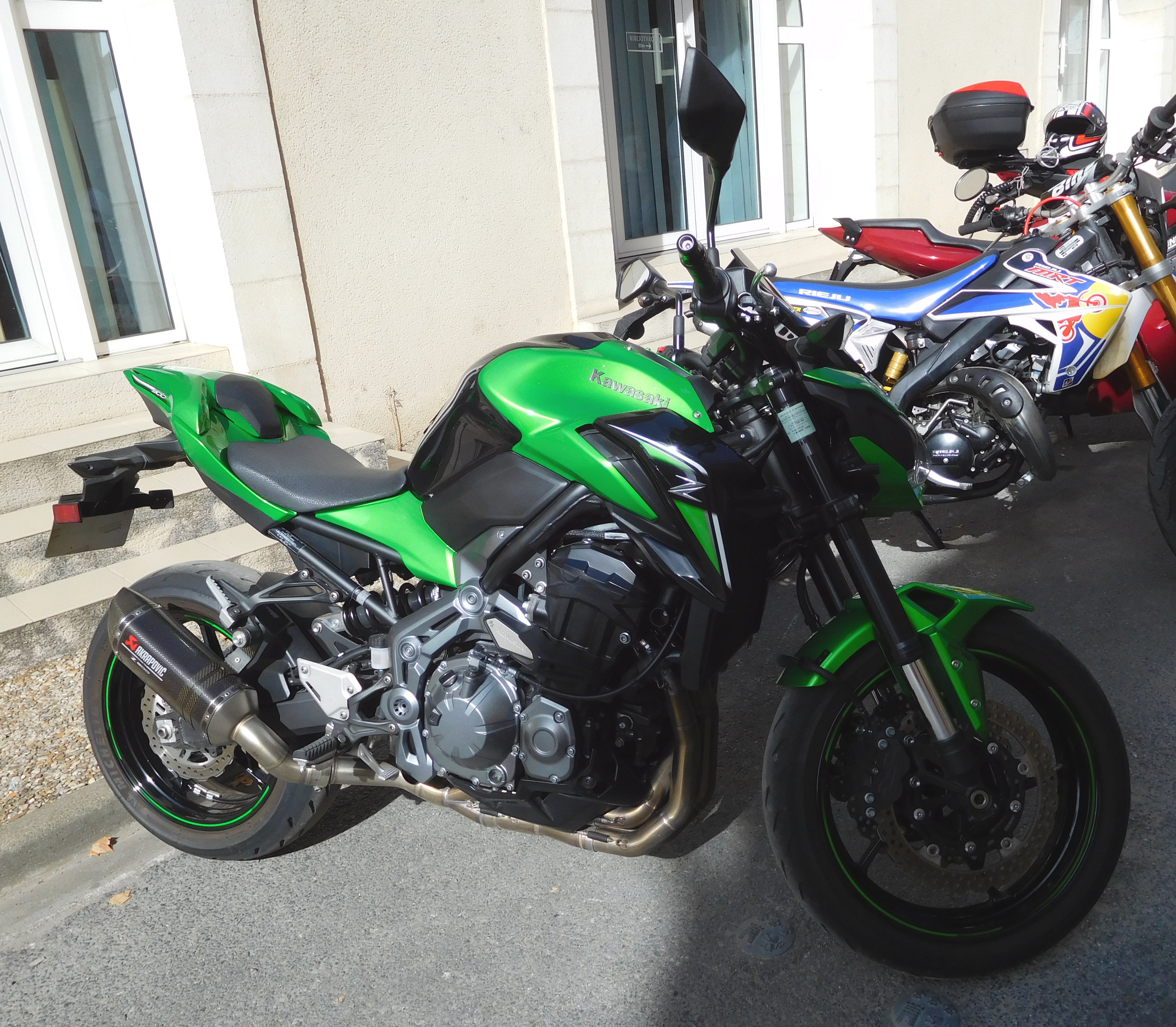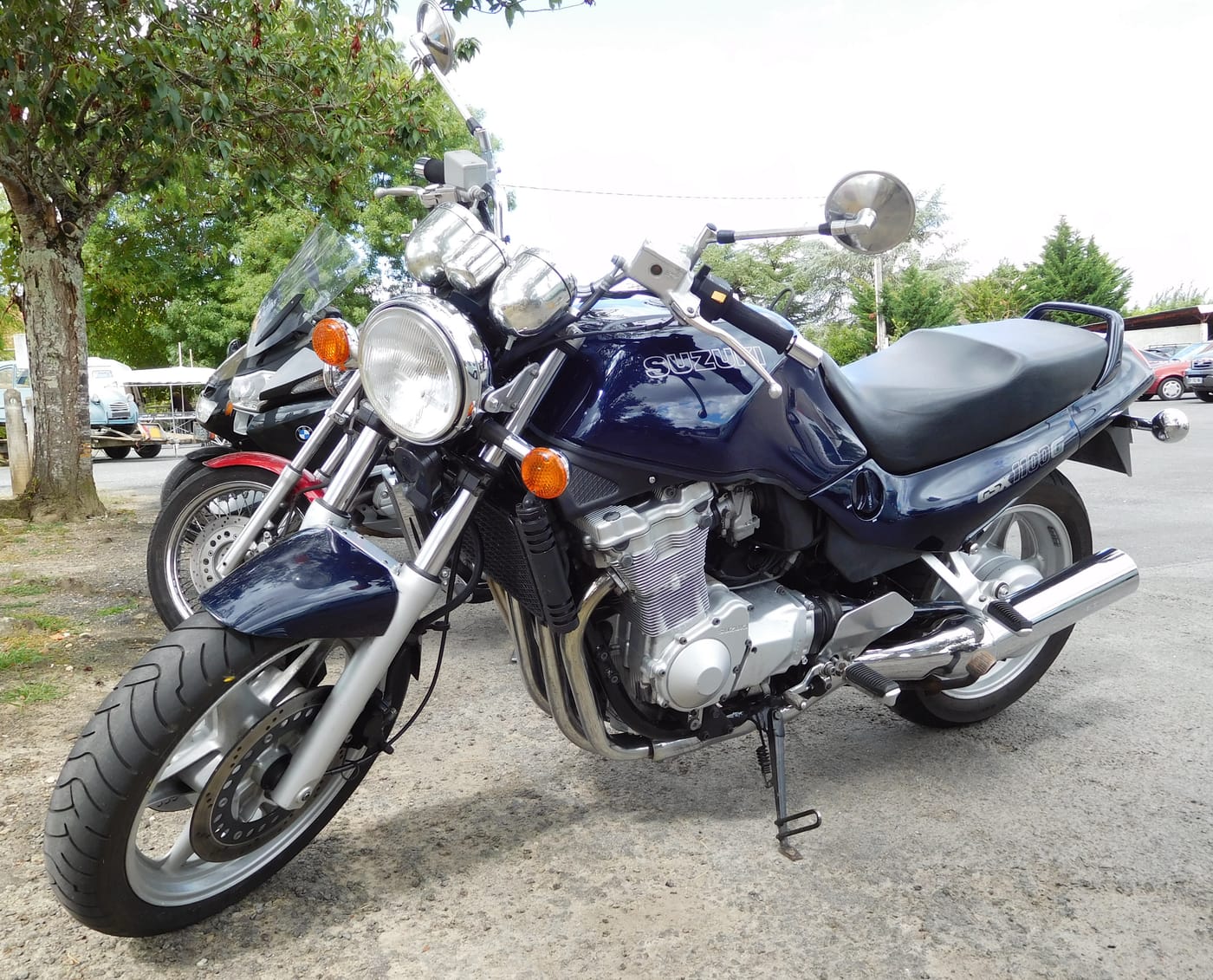
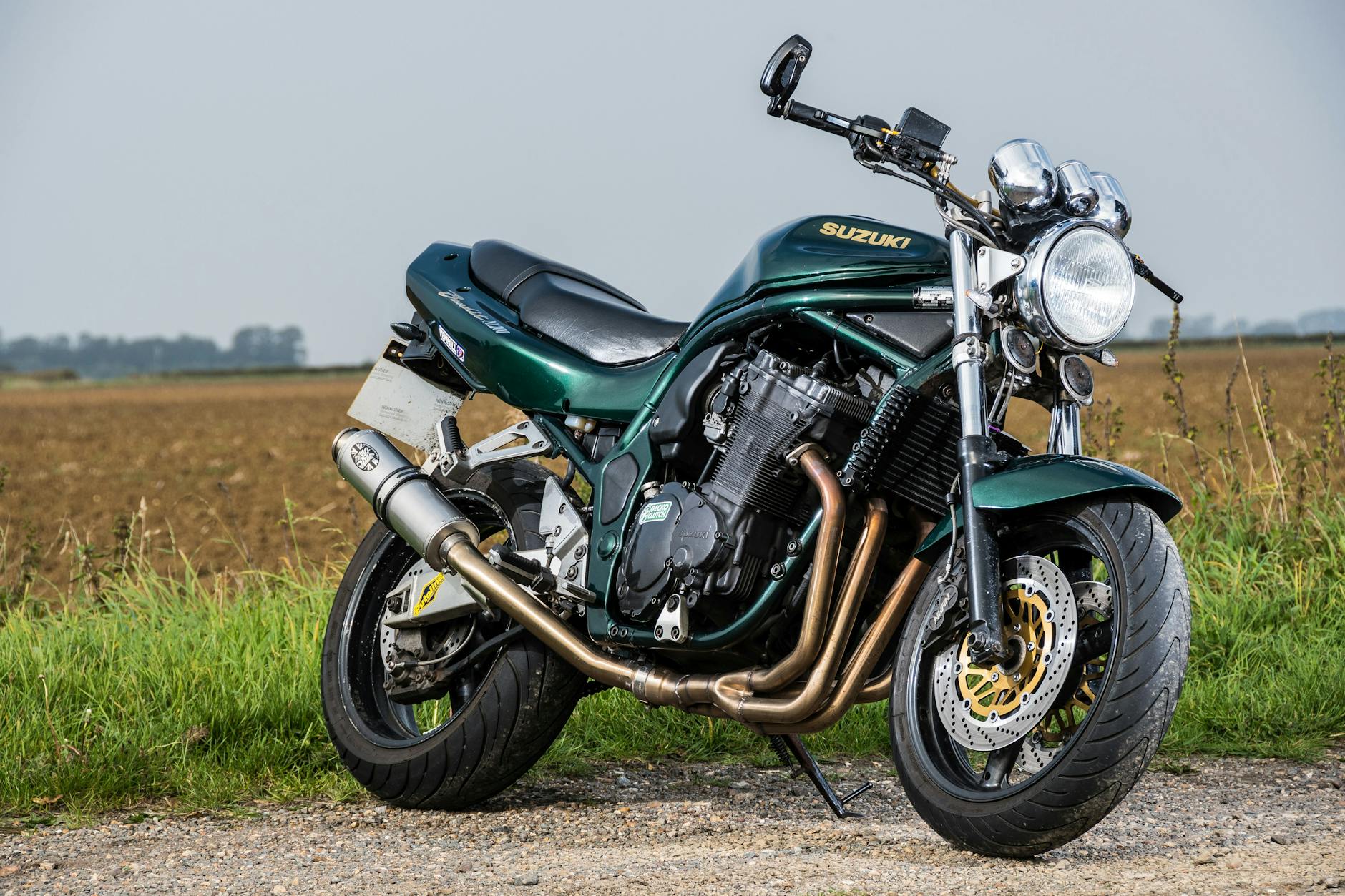
Suzuki Bandit 1200
The Suzuki Bandit 1200 has a top speed of 220 km/h, produces 98 hp and weighs 228 kg. Motoryk rates it 8.5/10.
The Suzuki Bandit 1200 was introduced in 1996 as a naked streetfighter, powered by a detuned version of the GSX-R1100 oil-cooled engine, making it a powerful yet affordable all-rounder. It went through key updates including a fuel-injected S variant and revised styling in 2001, cementing its reputation as a torque-heavy, versatile machine beloved by commuters and touring riders alike. Production continued until around 2006, and it remains a cult classic praised for its bulletproof reliability and strong mid-range power delivery.
98 hp
Power
108 Nm
Torque
228 kg
Weight
220 km/h
Top Speed
6.5 L/100km (approximately 15.4 km/L typical real-world average)
Fuel
Naked
Body
🔧 Service Schedule & Parts
Affiliate · we may earn| Service item | Every | Typical cost | Parts |
|---|---|---|---|
| 🛢️ Engine oil + oil filter | 6,000 km / 3,500 mi or 12 mo | $40-80 | 🛢️ Buy → ⚙️ Buy → |
| 🌬️ Air filter | 12,000 km / 7,500 mi | — | 🌬️ Buy → |
| ⚡ Spark plugs | 12,000 km / 7,500 mi | — | ⚡ Buy → |
| 🔧 Valve clearance check | 24,000 km / 15,000 mi | $200-400 | |
| 🔗 Chain & sprockets | 25000-40000 km (replace) | $150-300 | 🔗 Buy → |
| 🛑 Brake pads | 15000-30000 km | $30-60 | 🛑 Buy → |
| 💧 Brake fluid | 24,000 km / 15,000 mi or 2 yr | — | |
| 🧊 Coolant | 24,000 km / 15,000 mi | — | |
| 🛞 Tires | 10000-20000 km | $200-400 | 🛞 Buy → |
| 🔩 Major service | 24,000 km / 15,000 mi | $300-600 |
Video Review
What Buyers Should Know
Rock-Solid Engine Reliability
The air/oil-cooled 1157cc inline-four is legendary for durability, with many examples surpassing 100,000 miles on original internals when properly maintained. It's considered one of Suzuki's most bulletproof motors ever produced.
Watch the Carbs Closely
Pre-2001 carbureted models are prone to carb sync issues and deteriorated rubber diaphragms if the bike sat unused, leading to rough idle and poor throttle response. Always request a recent carb service or budget $150–$300 for a rebuild.
Strong Used Value Retention
The Bandit 1200 holds its value exceptionally well in the used market due to its cult following and low running costs, making it a smart buy that won't depreciate dramatically. Clean examples consistently attract strong resale demand even after 20+ years.
Generations & Specs by Year
Original GSF1200 launched with oil-cooled 1157cc inline-four, naked and half-faired S variant introduced.
"Brutally honest muscle bike that rewards experienced hands."
The GSF1200 hits you in the chest the moment you crack the throttle past 4,000 rpm — that oil-cooled four doesn't rev like a sportsbike, it torques like a freight train, and on a sweeping A-road it's genuinely addictive. I put 18,000 miles on mine over three years and the engine never missed a beat, though the gearbox can feel notchy when cold and the first-to-second shift occasionally needs a firm boot. The naked's screen is basically decorative — anything above 130 km/h becomes a wrestling match with your neck muscles, and the S-variant fairing only buys you another 20 km/h of comfortable cruising before the wind buffeting starts again. Forks dive hard under braking, the rear shock is worn out on most used examples by now, and the front brake feel is wooden compared to Japanese contemporaries, but fix the suspension and you have a bike that will outlast three owners with nothing more than oil and tyres.
Pros
Cons
Revised styling, updated suspension, improved brakes, new instrument cluster, minor carburetor and engine refinements.
"The best all-rounder you can still afford."
That 1157cc air-cooled four pulls like a freight train from 3,000 rpm and never really stops — it's the kind of torque that makes sport bikes feel theatrical by comparison. The Gen 2 suspension update genuinely helped; the forks are no longer embarrassingly soft under hard braking, though the rear still wallows if you push hard through long sweepers with luggage aboard. I put 22,000 km on mine across two winters and a Scottish Highlands trip, and the only thing that annoyed me consistently was carb icing on cold mornings and a clutch that gets heavy in stop-start city traffic. It's not a precision instrument, but for covering ground fast and comfortably without going broke on insurance or running costs, nothing at this price point touches it.
Pros
Cons
Final carbureted model year in most markets before fuel injection transition, minor updates only.
"The last honest bruiser before computers took over."
I put 18,000 kilometers on a 2006 Bandit 1200S and the engine never once let me down — that 1157cc air-cooled lump pulls like a freight train from 3,000 rpm and sounds genuinely angry doing it. The carbs need a solid 10-minute warm-up in cold weather or she'll bog and stumble, which in a world already moving to fuel injection felt deliberately archaic even in 2006. Handling is competent rather than inspiring — you notice the 228kg wet weight in slow parking-lot maneuvers, but on an open A-road it just disappears into the feedback of that motor. Suzuki basically shipped this final carbureted year unchanged, which is either a love letter to purists or a sign they'd already mentally moved on to the fuel-injected GSF1250.
Pros
Cons
Fuel injection introduced, updated chassis geometry, revised bodywork, improved electronics and braking performance.
"The last honest motorcycle before everything got complicated."
The fuel injection cleaned up the old carb stumble below 3,000 rpm and made cold mornings a non-event, but the real story is still that motor — 1157cc of torque-fat inline-four that pulls like a freight train from 3,500 rpm and doesn't apologize for any of it. I rode mine 40,000 km across two European winters and the thing simply refused to embarrass me, even on wet roundabouts at ridiculous hours. The half-fairing is a compromise — your chest is sheltered but your hands freeze above 120 km/h, and the screen creates turbulence that'll shake your helmet on the motorway. At 228 kg it's not light, and you'll feel every kilogram in slow car-park maneuvers, but the moment you're moving it carries its weight with more dignity than bikes half its mass.
Pros
Cons
Used Buyer Review
"The best raw-boned big-bore bargain you can buy used today."
$2,500-$5,500 usedThe Bandit 1200 is one of motorcycling's great bargains, full stop. That air-cooled GSX-R1100-derived engine is an absolute monster — lazy, torquey, and seemingly indestructible if the previous owner wasn't a complete idiot about oil changes. It pulls hard from 3,000rpm and just keeps going. The chassis is old-school but honest, and the riding position is comfortable enough for longer hauls without feeling like a barge in town. Here's what you need to check on any used example: carb sync on pre-2001 carbed models (they run rough when neglected), fork seals which leak routinely, and rear shock condition — the OEM unit goes soft and nobody replaces it. Frames rust where the paint chips, so inspect carefully. Regulator-rectifiers fry on older models, so ask about charging system work. Find one with a service history and you've got yourself something genuinely special. These bikes age remarkably well. A solid 1200 with basic maintenance history is arguably better value than half the new middleweights on the market today.
Variants of the Suzuki Bandit 1200
Same bike, different trim or year-range — pick the one matching the listing.
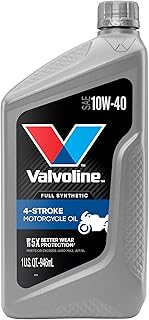
Top 10 Accessories
Curated picks for the Suzuki Bandit 1200 — owned, ridden, recommended.




Common Problems
🔥 1 CRITICALRough idle, hesitation, uneven throttle response at low RPM
Cold start rattling noise from top end engine
Oil residue on fork legs, soft or bouncy handling
✅Pre-Purchase Checklist
Bulletproof if maintained, forgives neglect well
Full Specifications
Rivals & Alternatives
Bikes that buyers cross-shop with the Suzuki Bandit 1200
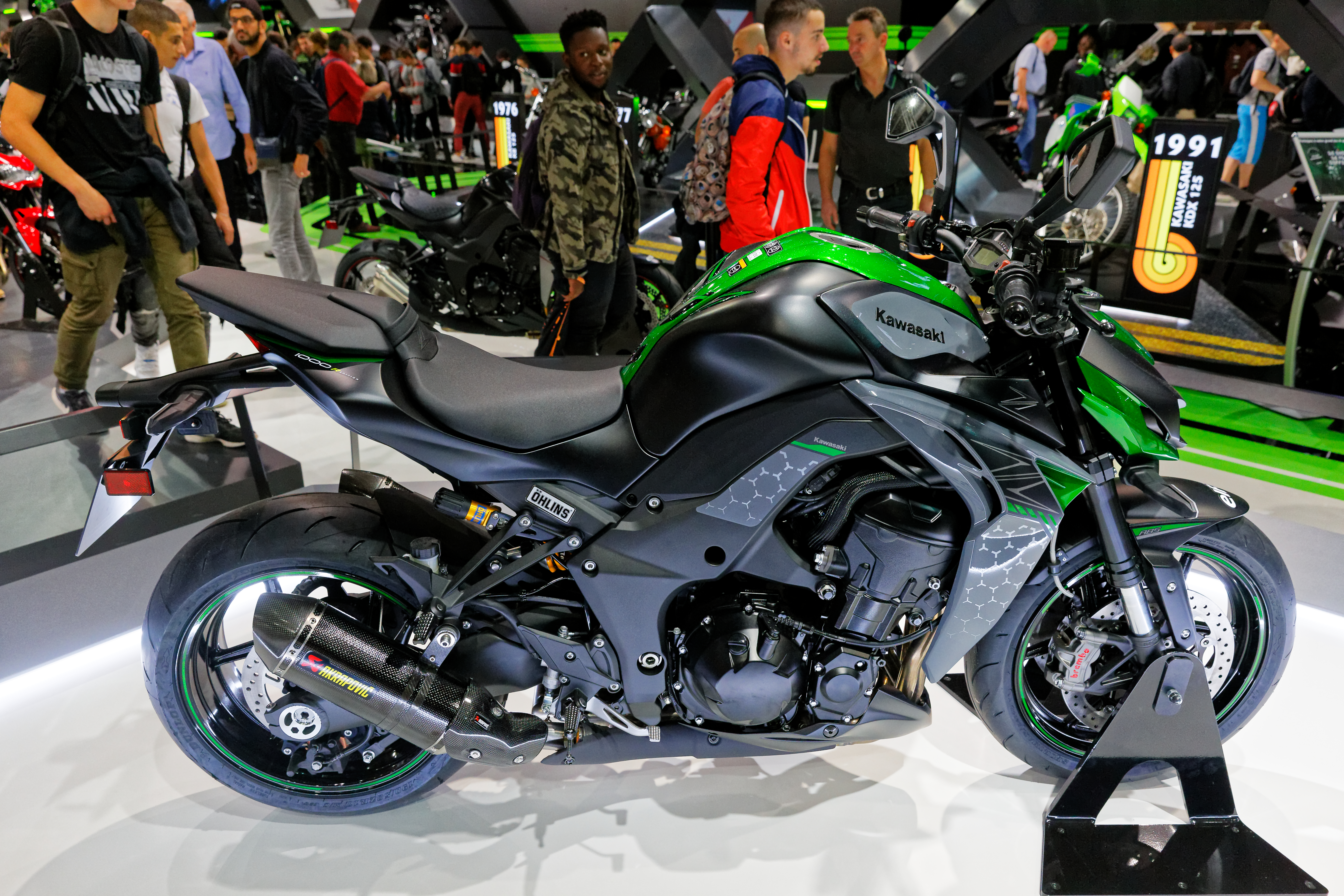
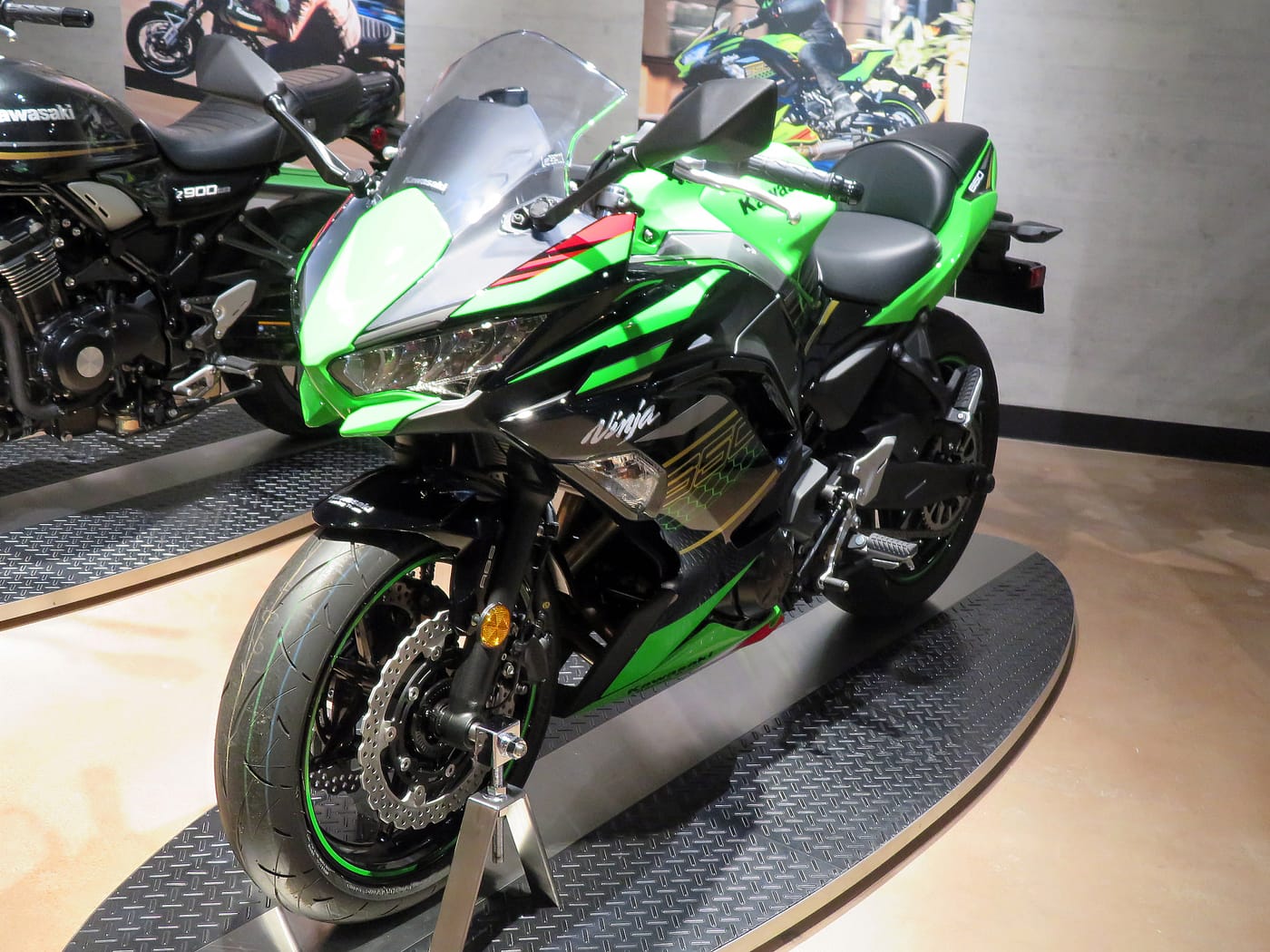
Kawasaki Z1000
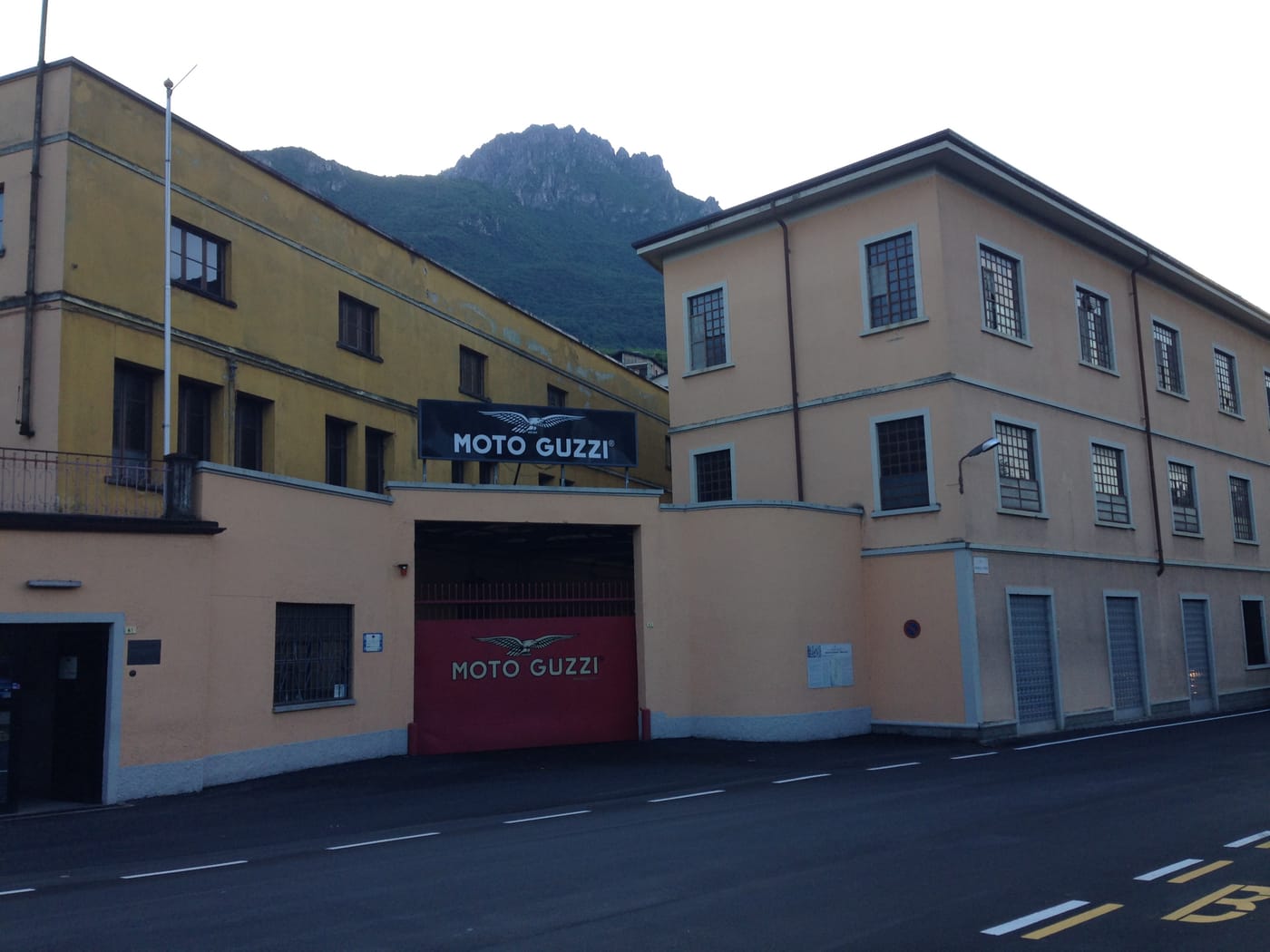
Moto Guzzi Breva 1100
Kawasaki Zrx1100
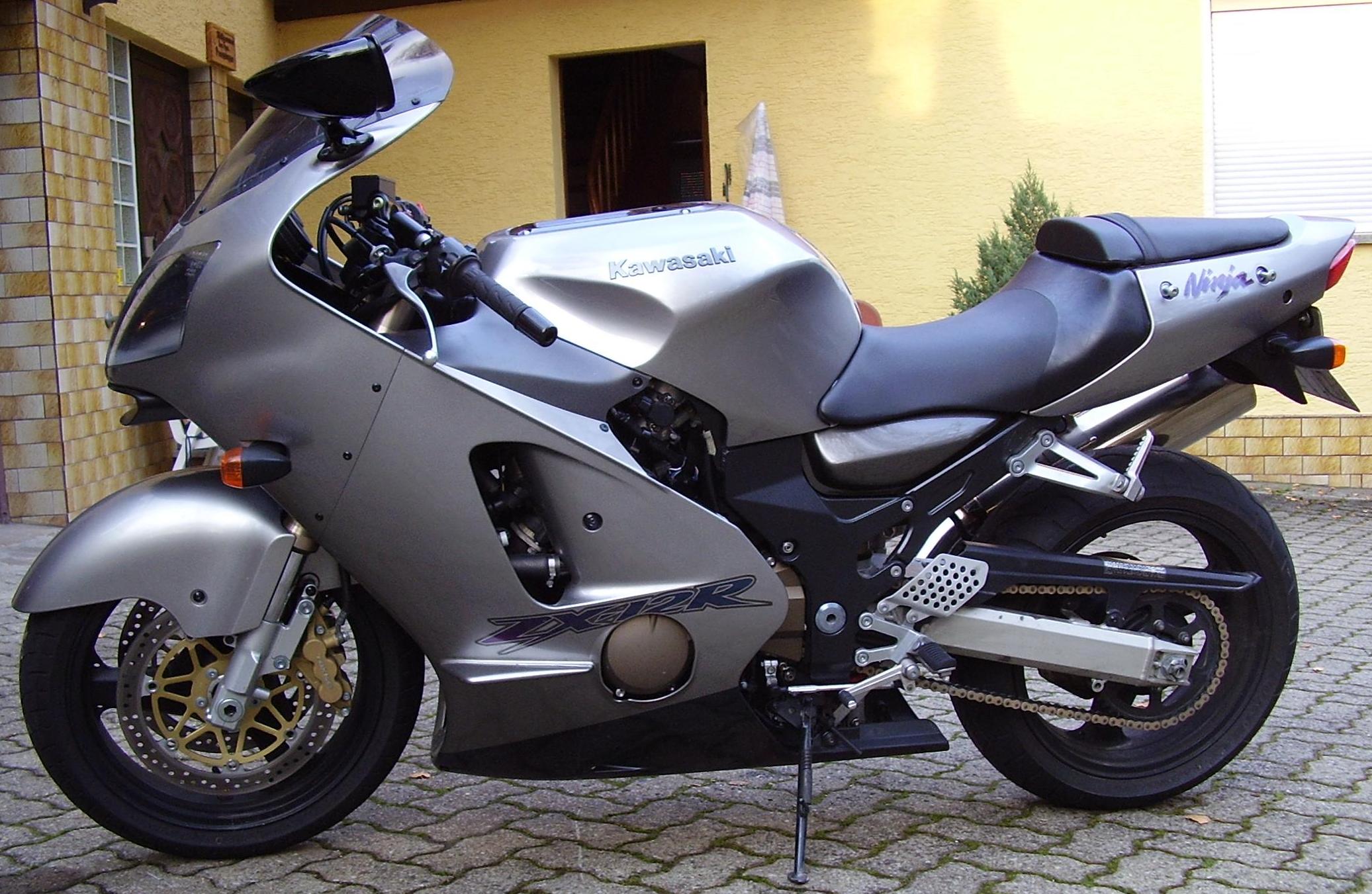
Kawasaki Zrx1200r
Kawasaki Zephyr 1100
Compare Suzuki Bandit 1200 Side-by-Side
compare_arrowsSpecs, power, weight & buyer verdict — head-to-head with the bikes most often cross-shopped.
Suzuki Bandit 1200 vs Kawasaki Z1000
Specs · Power · Buyer verdict
Suzuki Bandit 1200 vs Moto Guzzi Breva 1100
Specs · Power · Buyer verdict
Suzuki Bandit 1200 vs Kawasaki Zrx1100
Specs · Power · Buyer verdict
Suzuki Bandit 1200 vs Kawasaki Zrx1200r
Specs · Power · Buyer verdict
Suzuki Bandit 1200 vs Kawasaki Zephyr 1100
Specs · Power · Buyer verdict
More Suzuki Bandit 1200 Guides
More from Suzuki
View all Suzuki models →Community Reviews
Discussion
Frequently Asked Questions
What are common problems with the Suzuki Bandit 1200? +
Carb sync and pilot jet clogging: Rough idle, hesitation, uneven throttle response at low RPM (moderate) | Cam chain tensioner wear and rattle: Cold start rattling noise from top end engine (serious) | Fork seal leaks and worn suspension: Oil residue on fork legs, soft or bouncy handling (moderate)
Is the Suzuki Bandit 1200 a good motorcycle? +
The best raw-boned big-bore bargain you can buy used today. Rating: 8.5/10. Best for: Experienced riders wanting real-world performance cheaply. Avoid if: You want modern electronics or refined handling.
What is the horsepower of the Suzuki Bandit 1200? +
The Suzuki Bandit 1200 produces 98 hp @ 8,500 rpm, with 108 Nm @ 6,500 rpm of torque. Top speed: 220 km/h.
Is the Suzuki Bandit 1200 good for beginners? +
Yes — the Suzuki Bandit 1200 is a reasonable choice for new riders (98 hp is manageable), weighing 228 kg. Experienced riders wanting real-world performance cheaply
Is the Suzuki Bandit 1200 reliable? +
Owners report 1 critical issue to watch for on the Suzuki Bandit 1200, notably: Cam chain tensioner wear and rattle (Cold start rattling noise from top end engine). Buy with a pre-purchase inspection.
Is the Suzuki Bandit 1200 good for daily use? +
Experienced riders wanting real-world performance cheaply Fuel: 6.5 L/100km (approximately 15.4 km/L typical real-world average).
How fast is the Suzuki Bandit 1200? +
The Suzuki Bandit 1200 reaches a top speed of 220 km/h, producing 98 hp at 228 kg curb weight. Real-world performance depends on rider weight, gearing, and road conditions.
What gear should I buy for a Suzuki Bandit 1200? +
Motoryk has curated a Top 10 gear list specifically for the Suzuki Bandit 1200, covering engine oil, tires, chain, battery, and brake pads — see motoryk.com/bikes/suzuki/bandit-1200/top10. Each pick is matched to this bike's spec.