Kawasaki Z1000
The Kawasaki Z1000 has a top speed of 225 km/h, produces 142 hp and weighs 235 kg. Motoryk rates it 7.8/10.
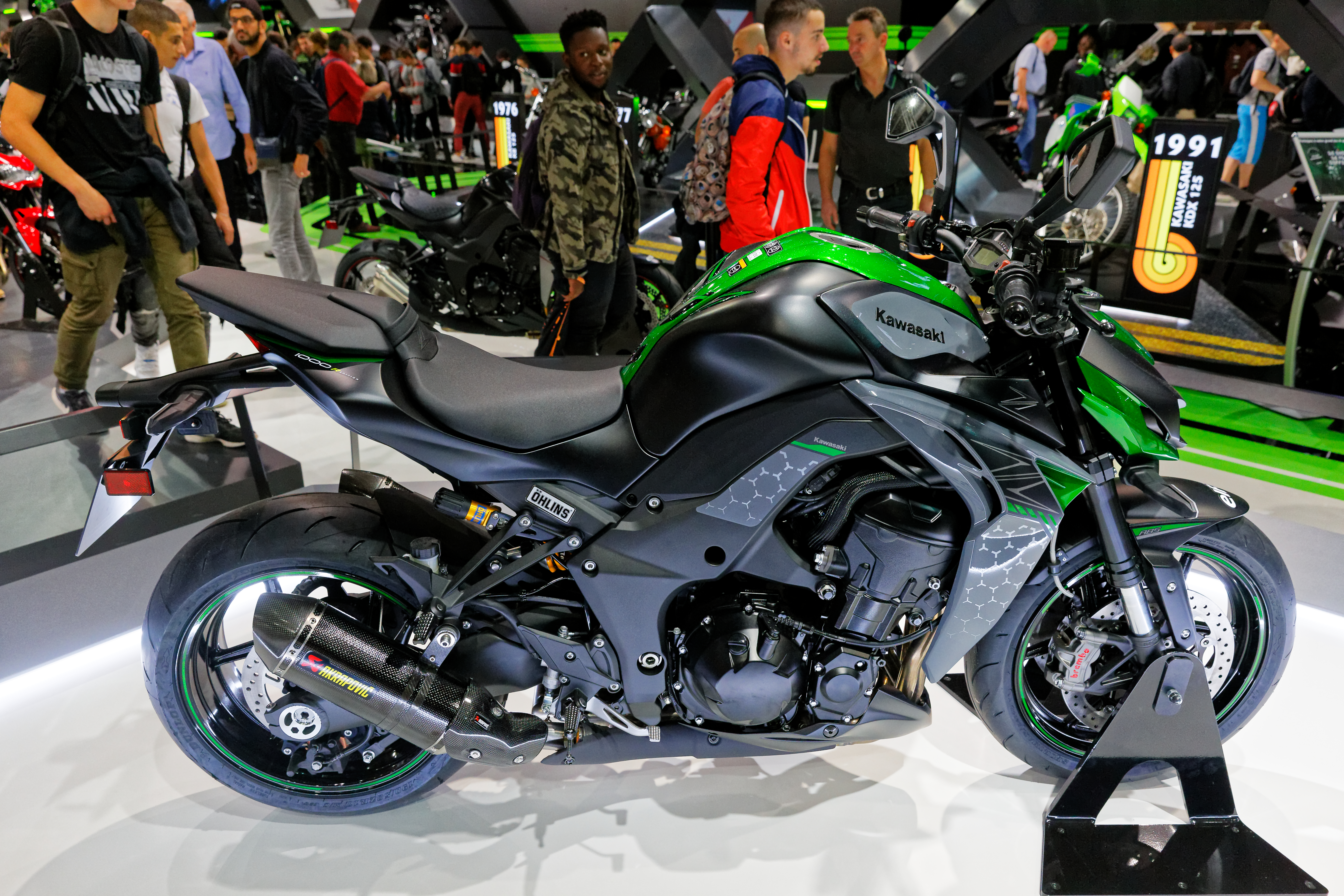
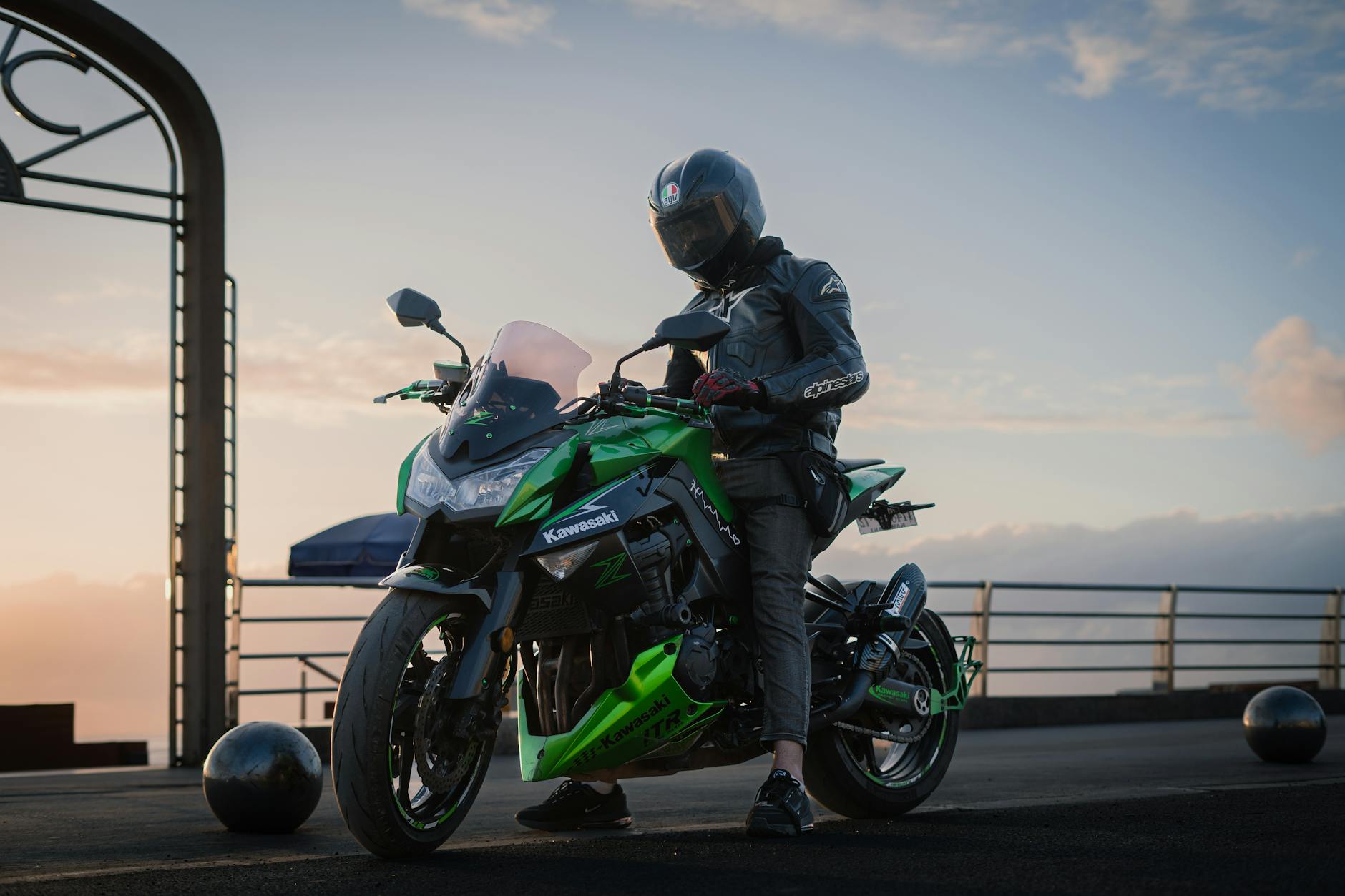
The Kawasaki Z1000 was introduced in 2003 as a successor to the ZR-7, built around a new 953cc inline-four engine and aggressive naked streetfighter styling. It underwent a major redesign in 2010 with sharper, more aggressive bodywork and improved suspension, then again in 2014 with a new trellis frame, revised engine tuning, and distinctive sugomi-inspired styling. The Z1000 became one of Kawasaki's flagship naked bikes, celebrated for its muscular performance, striking aesthetics, and well-balanced street riding dynamics.
142 hp
Power
111 Nm
Torque
235 kg
Weight
225 km/h
Top Speed
6.5–7.5 L/100km (typical real-world average)
Fuel
Naked
Body
🔧 Service Schedule & Parts
Affiliate · we may earn| Service item | Every | Typical cost | Parts |
|---|---|---|---|
| 🛢️ Engine oil + oil filter | 6,000 km / 3,500 mi or 12 mo | $40-80 | 🛢️ Buy → ⚙️ Buy → |
| 🌬️ Air filter | 12,000 km / 7,500 mi | — | 🌬️ Buy → |
| ⚡ Spark plugs | 12,000 km / 7,500 mi | — | ⚡ Buy → |
| 🔧 Valve clearance check | 24,000 km / 15,000 mi | $250-500 | |
| 🔗 Chain & sprockets | 20000-35000 km (replace) | $150-300 | 🔗 Buy → |
| 🛑 Brake pads | 15000-25000 km | $30-70 | 🛑 Buy → |
| 💧 Brake fluid | 24,000 km / 15,000 mi or 2 yr | — | |
| 🧊 Coolant | 24,000 km / 15,000 mi | — | |
| 🛞 Tires | 10000-18000 km | $250-450 | 🛞 Buy → |
| 🔩 Major service | 24,000 km / 15,000 mi | $400-700 |
Video Review
What Buyers Should Know
Bulletproof Inline-Four Engine
The Z1000's 1043cc inline-four is known for exceptional longevity, often surpassing 60,000 miles with basic maintenance. Regular oil changes every 3,750 miles are key to keeping it running strong.
Watch for Stator Issues
2003-2006 models have a known stator and regulator/rectifier weakness that can cause charging failures. Always check battery health and electrical output before buying a used example from this era.
Strong Resale Value
The Z1000 holds its value well compared to competitors due to its distinctive aggressive styling and cult following. Well-maintained examples with low miles retain 60-70% of their original value after five years.
Generations & Specs by Year
All-new 953cc inline-four, aggressive naked streetfighter styling, twin underseat exhausts, tubular steel frame.
"The naked bike that rewrote the rulebook."
Kawasaki threw out the ZRX blueprint and built something genuinely angry — that 953cc four pulls hard from 4,000 rpm and turns savage above 8,000, with an intake howl that makes you forget lane discipline. The underseat exhausts are theatre but they work, keeping mass centralised and giving the tail a predatory crouch that still turns heads twenty years on. Ergonomics are surprisingly liveable for a streetfighter — upright enough for commuting, aggressive enough that you feel every corner as a conversation rather than a transaction. The weak spots are real though: front forks are underdamped stock and dive under hard braking, the gearbox can be notchy cold, and that thin seat punishes anything over 200 km.
Pros
Cons
Restyled bodywork, revised ergonomics, updated suspension, remapped fuel injection, new instrumentation cluster.
"Brutal street fighter that rewards commitment, punishes complacency."
The Gen 2 Z1000 sharpened everything the original promised but couldn't quite deliver — the remapped fuel injection killed the low-rpm stumble that plagued early models, and the revised ergonomics finally put you over the front wheel in a way that makes sense for a naked this aggressive. That 1043cc inline-four pulls hard from 4,000 rpm and then genuinely screams past 8,000 in a way that makes you laugh out loud on a good road, though the mirrors are still near-useless above 100 km/h. Ground clearance is tighter than Kawasaki admits — I've touched down the pegs mid-corner on roads I'd consider routine, and the stock rear suspension goes vague when you start pushing harder than Sunday-morning pace.
Pros
Cons
New 1043cc engine, aluminum monocoque frame, redesigned styling, improved braking, traction control added 2012.
Sharper Sugomi styling, revised ergonomics, updated suspension, ABS standard, new digital instrumentation.
Reworked engine with more power, new frame, Showa SFF-BP forks, traction control and riding modes added.
Euro5 compliant engine, revised styling, updated electronics package, new TFT display, launch control added.
Used Buyer Review
"Raw, uncompromising supernaked that rewards confident, experienced riders enormously."
$5,500-$9,000 usedThe Z1000 is one of those bikes that looks absolutely mental and actually backs it up. That 1043cc inline-four pulls hard from about 4,000rpm and doesn't apologize until the redline. It's supernaked aggression done properly — Kawasaki built something genuinely exciting here, not just a naked sportsbike with the fairings ripped off. Used examples need careful inspection though. Check the frame sliders — these get dropped in car parks more than you'd think, because owners get cocky about how good they look. Inspect the subframe welds on anything pre-2014, and verify the service history around the 15,000-mile mark when the valve clearances become a non-negotiable conversation. Throttle bodies gunk up if the previous owner was lazy with ethanol-blended fuel. The ergonomics are aggressive but liveable for riders under six feet. Highway miles get uncomfortable past an hour, but nobody buys a Z1000 for touring. They buy it because it sounds like a chainsaw ate a racetrack, and on that front, it absolutely delivers.
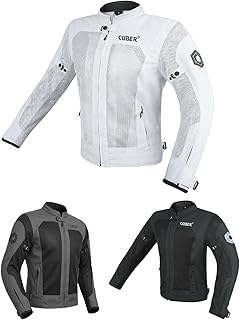
Top 10 Accessories
Curated picks for the Kawasaki Z1000 — owned, ridden, recommended.




Common Problems
🔥 2 CRITICALBattery voltage at idle, look for dim lights
Uneven idle, hesitation on light throttle inputs
Inspect pivot area closely for rust and cracks
Rattling on cold start, disappears when warm
✅Pre-Purchase Checklist
Solid bike, maintain charging system religiously
Full Specifications
Rivals & Alternatives
Bikes that buyers cross-shop with the Kawasaki Z1000
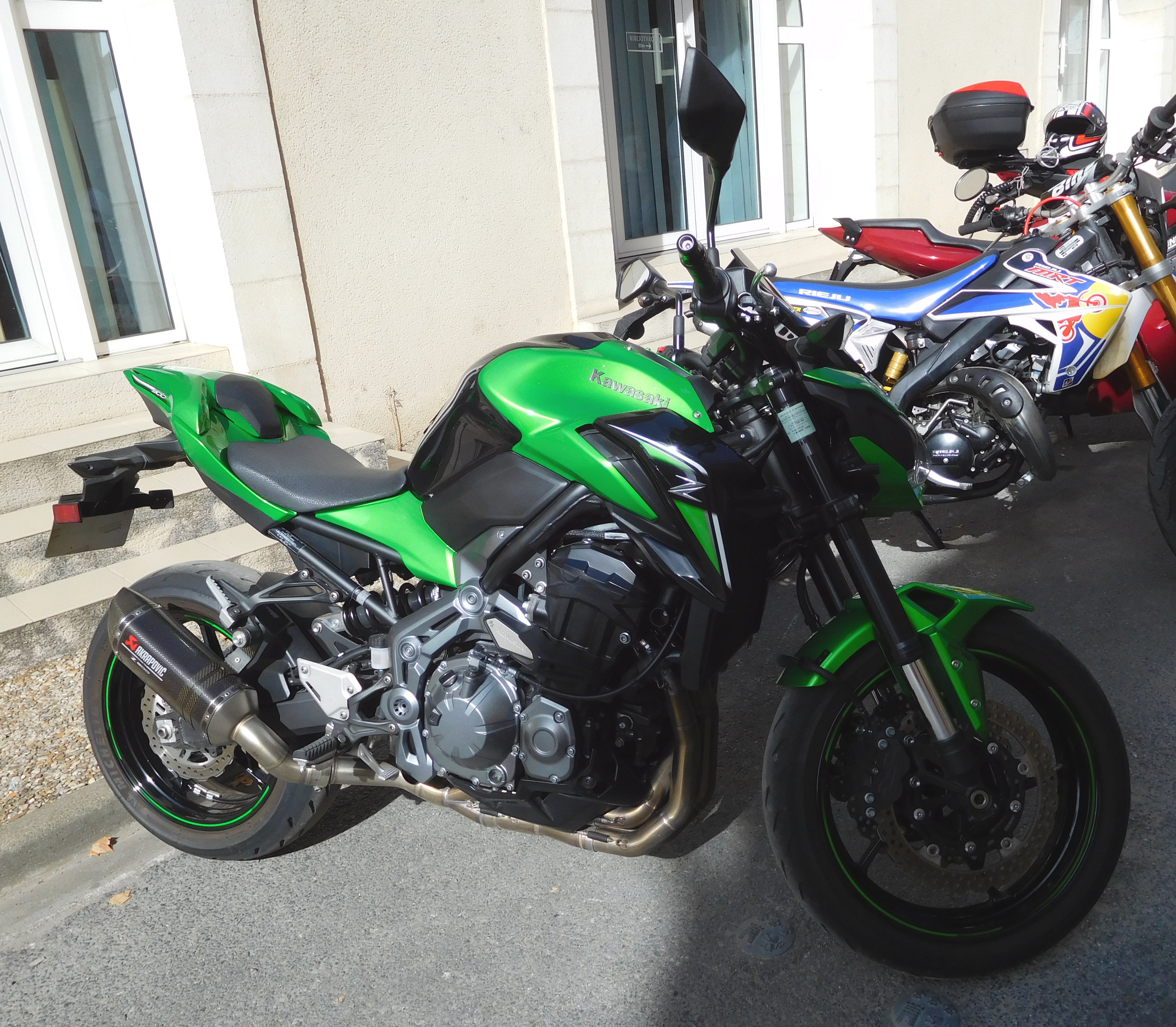
Kawasaki Z900
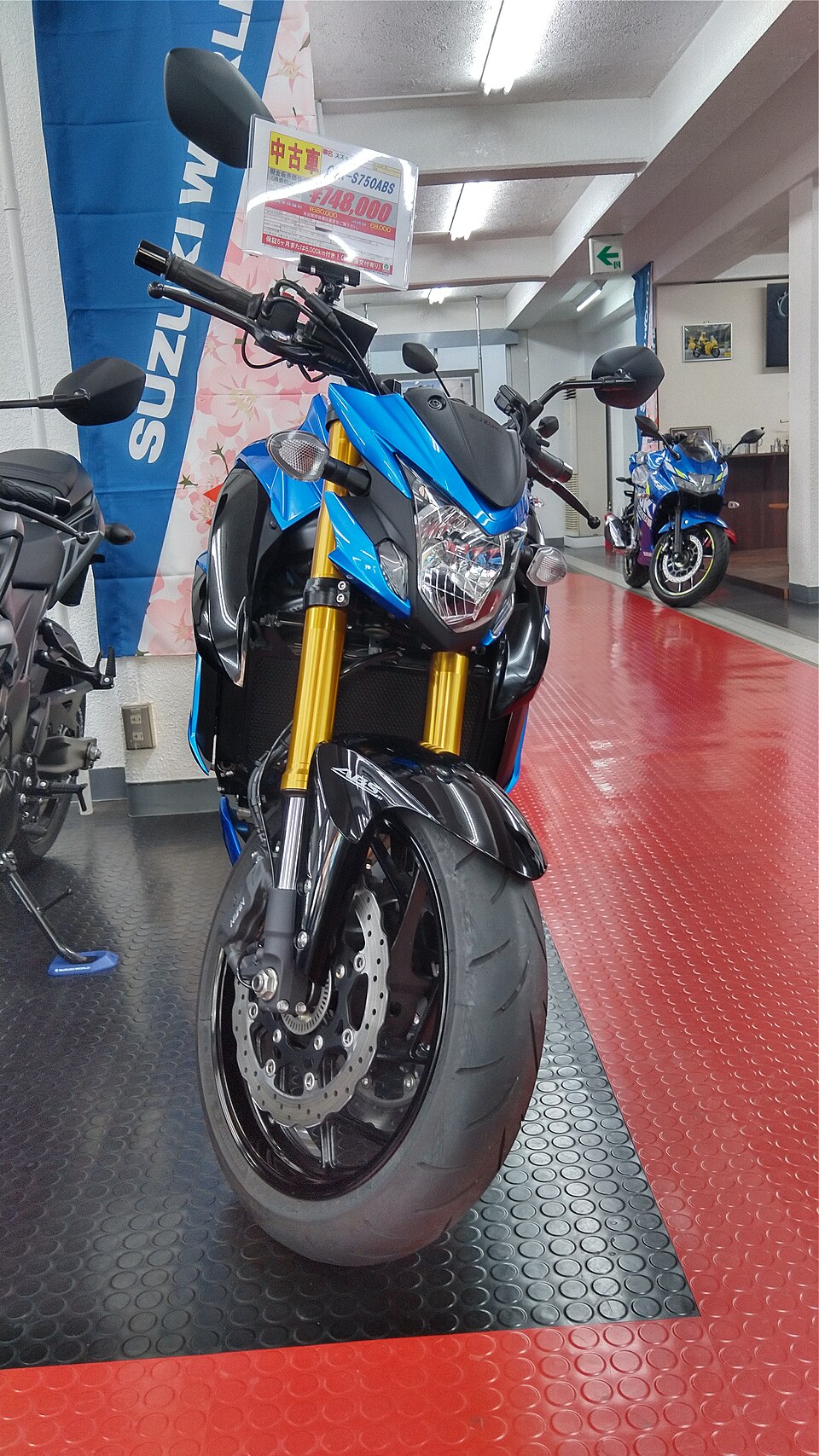
Suzuki Gsx-s750
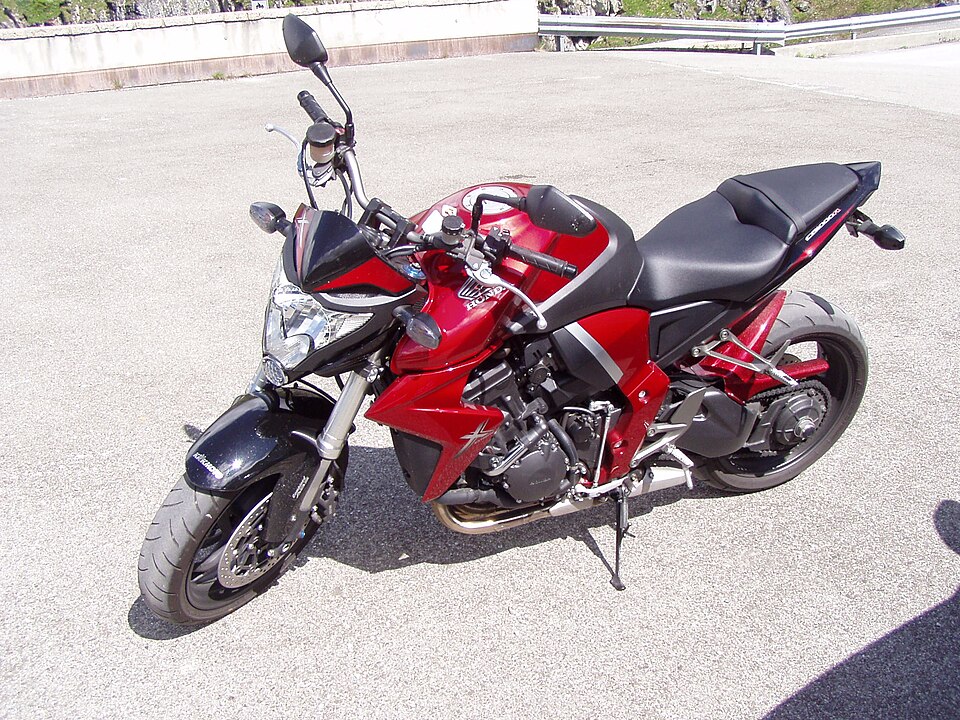
Honda Cb1000r
Kawasaki Z800
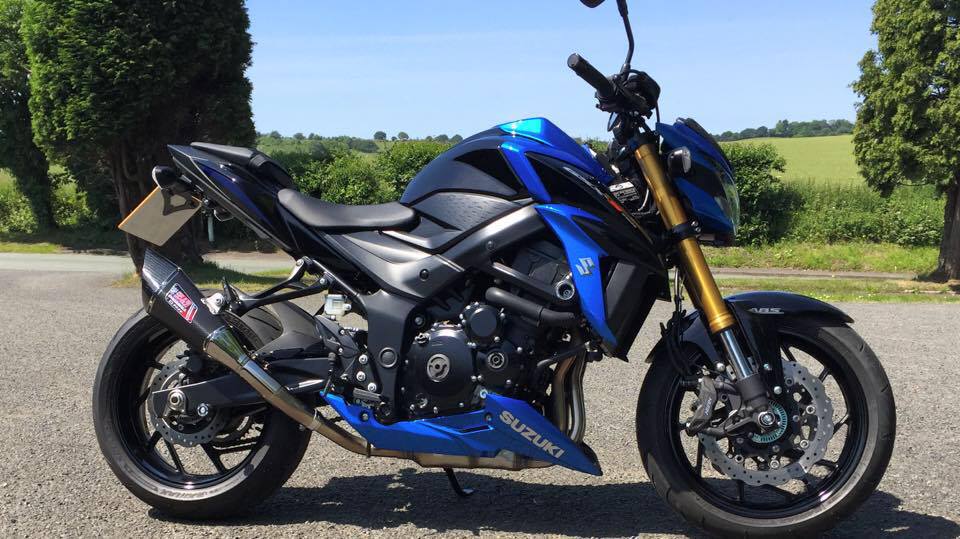
Suzuki Gsr750
Compare Kawasaki Z1000 Side-by-Side
compare_arrowsSpecs, power, weight & buyer verdict — head-to-head with the bikes most often cross-shopped.
Kawasaki Z1000 vs Kawasaki Z900
Specs · Power · Buyer verdict
Kawasaki Z1000 vs Suzuki Gsx-s750
Specs · Power · Buyer verdict
Kawasaki Z1000 vs Honda Cb1000r
Specs · Power · Buyer verdict
Kawasaki Z1000 vs Kawasaki Z800
Specs · Power · Buyer verdict
Kawasaki Z1000 vs Suzuki Gsr750
Specs · Power · Buyer verdict
More Kawasaki Z1000 Guides
More from Kawasaki
View all Kawasaki models →Community Reviews
Discussion
Kawasaki Z1000 Videos
Frequently Asked Questions
What are common problems with the Kawasaki Z1000? +
Stator failure causing charging system breakdown: Battery voltage at idle, look for dim lights (serious) | Throttle body sync issues causing rough idle: Uneven idle, hesitation on light throttle inputs (moderate) | Frame corrosion around swingarm pivot area: Inspect pivot area closely for rust and cracks (moderate)
Is the Kawasaki Z1000 a good motorcycle? +
Raw, uncompromising supernaked that rewards confident, experienced riders enormously. Rating: 7.8/10. Best for: Experienced urban riders wanting visceral, aggressive performance. Avoid if: You commute long distances or ride nervously.
What is the horsepower of the Kawasaki Z1000? +
The Kawasaki Z1000 produces 142 hp @ 10,000 rpm, with 111 Nm @ 7,300 rpm of torque. Top speed: 225 km/h.
Is the Kawasaki Z1000 good for beginners? +
Yes — the Kawasaki Z1000 is a reasonable choice for new riders (142 hp is manageable), weighing 235 kg. Experienced urban riders wanting visceral, aggressive performance
Is the Kawasaki Z1000 reliable? +
Owners report 2 critical issues to watch for on the Kawasaki Z1000, notably: Stator failure causing charging system breakdown (Battery voltage at idle, look for dim lights). Buy with a pre-purchase inspection.
Is the Kawasaki Z1000 good for daily use? +
Experienced urban riders wanting visceral, aggressive performance Fuel: 6.5–7.5 L/100km (typical real-world average).
How fast is the Kawasaki Z1000? +
The Kawasaki Z1000 reaches a top speed of 225 km/h, producing 142 hp at 235 kg curb weight. Real-world performance depends on rider weight, gearing, and road conditions.
What gear should I buy for a Kawasaki Z1000? +
Motoryk has curated a Top 10 gear list specifically for the Kawasaki Z1000, covering engine oil, tires, chain, battery, and brake pads — see motoryk.com/bikes/kawasaki/z1000/top10. Each pick is matched to this bike's spec.