Kawasaki Z900
The Kawasaki Z900 has a top speed of 225 km/h (estimated; electronically influenced), produces 125 hp and weighs 214 kg. Motoryk rates it 8.5/10.
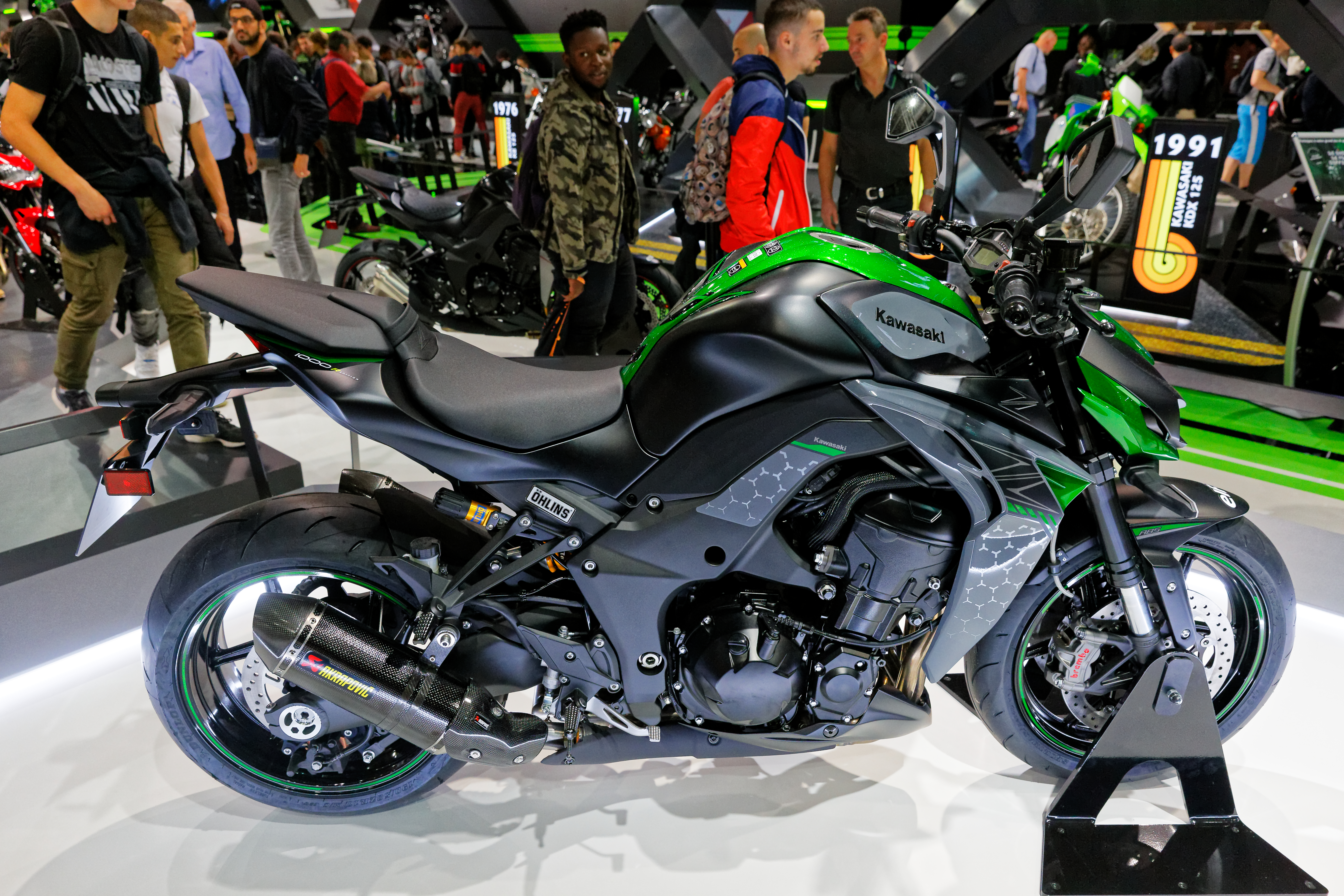
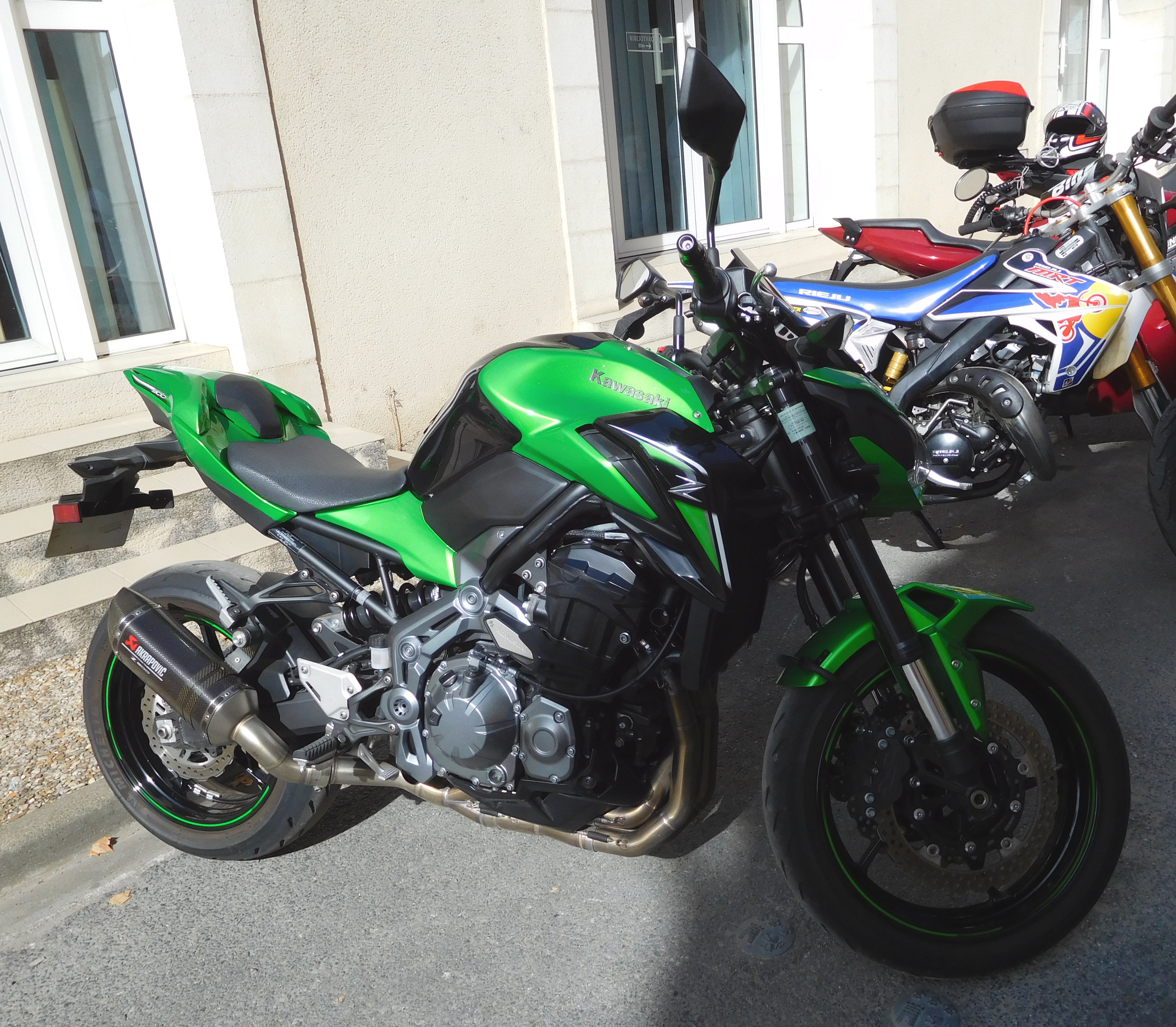
The Kawasaki Z900 was introduced in 2017 as a modern successor to the legendary Z1 (900cc) lineage from 1972, reviving the iconic Z nameplate for a new generation. It replaced the Z800 in Kawasaki's naked roadster lineup, featuring a new 948cc inline-four engine and aggressive Sugomi-inspired styling. The Z900 has become one of Kawasaki's best-selling naked bikes globally, praised for its balance of performance, agility, and everyday usability.
125 hp
Power
98.6 Nm
Torque
214 kg
Weight
225 km/h (estimated; electronically influenced)
Top Speed
5.5–6.5 L/100km (approx. 15–18 km/L, typical real-world average)
Fuel
Naked
Body
🔧 Service Schedule & Parts
Affiliate · we may earn| Service item | Every | Typical cost | Parts |
|---|---|---|---|
| 🛢️ Engine oil + oil filter | 6,000 km / 3,500 mi or 12 mo | $40-80 | 🛢️ Buy → ⚙️ Buy → |
| 🌬️ Air filter | 12,000 km / 7,500 mi | — | 🌬️ Buy → |
| ⚡ Spark plugs | 12,000 km / 7,500 mi | — | ⚡ Buy → |
| 🔧 Valve clearance check | 24,000 km / 15,000 mi | $250-450 | |
| 🔗 Chain & sprockets | 25000-40000 km (replace) | $150-300 | 🔗 Buy → |
| 🛑 Brake pads | 15000-30000 km | $30-60 | 🛑 Buy → |
| 💧 Brake fluid | 24,000 km / 15,000 mi or 2 yr | — | |
| 🧊 Coolant | 24,000 km / 15,000 mi | — | |
| 🛞 Tires | 10000-20000 km | $200-400 | 🛞 Buy → |
| 🔩 Major service | 24,000 km / 15,000 mi | $350-650 |
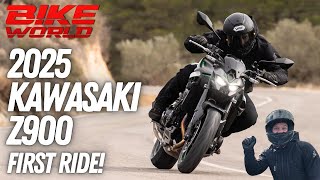
Video Review
What Buyers Should Know
Strong Long-Term Reliability
The Z900's inline-4 engine is known for exceptional durability, commonly reaching 50,000+ miles with proper maintenance. Valve clearance checks every 15,000 miles are the most critical service item to stay on top of.
Watch for Stator Issues
Early 2017-2019 models had reported stator and charging system failures, which can leave you stranded. Always check the charging voltage on used bikes and verify if any recall or dealer service was performed.
Holds Resale Value Well
The Z900 consistently holds strong resale value due to high demand in the naked bike segment and Kawasaki's solid reputation. Low-mileage examples typically retain 70-80% of their value after two years.
Generations & Specs by Year
Original Z1 900cc DOHC inline-four, 82hp, double downtube frame, iconic air-cooled engine debut.
"The bike that rewrote motorcycling's rules overnight."
Nothing in 1972 prepared you for pulling the throttle past half on a Z1 — that inline-four just kept climbing, screaming past where British twins gave up and died. I've ridden mine coast to coast twice, and the engine remains the most characterful air-cooled four ever bolted into a street frame; the mechanical rasp at 7,000 rpm still raises hairs. The double-downtube frame is a genuine weakness though — it flexes noticeably under hard braking, and the front drum on early models is essentially decorative above 160 km/h. Carb sync falls out every few thousand miles, oil leaks from the head gasket are a rite of passage, and the electrics are Japanese mid-70s, which means fragile and temperamental — but none of that stopped this machine from humiliating everything on the road for three straight years.
Pros
Cons
Renamed Z900, minor refinements, updated styling, improved reliability over original Z1 design.
"The king refined, still rough around the edges."
Kawasaki took the Z1's thunderous 903cc formula and sanded off the worst edges for '76-'77 — the renamed Z900 feels more sorted than its predecessor, with tighter assembly and fewer of those early oil weep issues that plagued original owners. That DOHC four still pulls like a freight train from 4,500 rpm upward, and the surge to its 8,000 rpm peak is genuinely addictive, the exhaust note somewhere between a mechanical howl and something that makes neighbors genuinely angry. But 258 kg is a real number — slow-speed maneuvers in parking lots demand respect, and the twin-leading-shoe front drum on early examples is a genuine liability in modern traffic; later disc-equipped versions are far safer. The frame flexes noticeably mid-corner on rough tarmac, and if you push hard into a bumpy bend, the bike reminds you it was engineered when 'chassis dynamics' wasn't yet a priority for Japanese manufacturers.
Pros
Cons
All-new modern Z900, 948cc liquid-cooled inline-four, trellis frame, 125hp, naked streetfighter styling.
Revised styling, updated TFT display, improved ergonomics, minor power and chassis refinements added.
Used Buyer Review
"The used streetfighter benchmark that rivals struggle to beat at this money."
$6,500-$9,500 usedThe Z900 is one of those bikes that punches well above its price point in the used market. Kawasaki got the formula right when they launched it in 2017 — 948cc inline-four, around 125bhp, chassis that actually communicates rather than just pointing and hoping. It replaced the old Z800 and the improvement is significant. Buy a 2020 or newer if you can; Kawasaki added a proper quickshifter and refined the riding modes, which makes a real difference day-to-day. Used examples are everywhere right now, which keeps prices honest. Check the front forks carefully on anything pre-2020 — they're a known weak point and a service or upgrade runs money. Inspect the exhaust headers for heat discolouration suggesting hard use, and verify the throttle bodies haven't been messed with by someone chasing peak dyno numbers. Service history matters more than mileage here. This is genuinely one of the best value streetfighters on the used market. It's fast enough to stay interesting for experienced riders but forgiving enough that you won't binned it leaving a petrol station.
Variants of the Kawasaki Z900
Same bike, different trim or year-range — pick the one matching the listing.
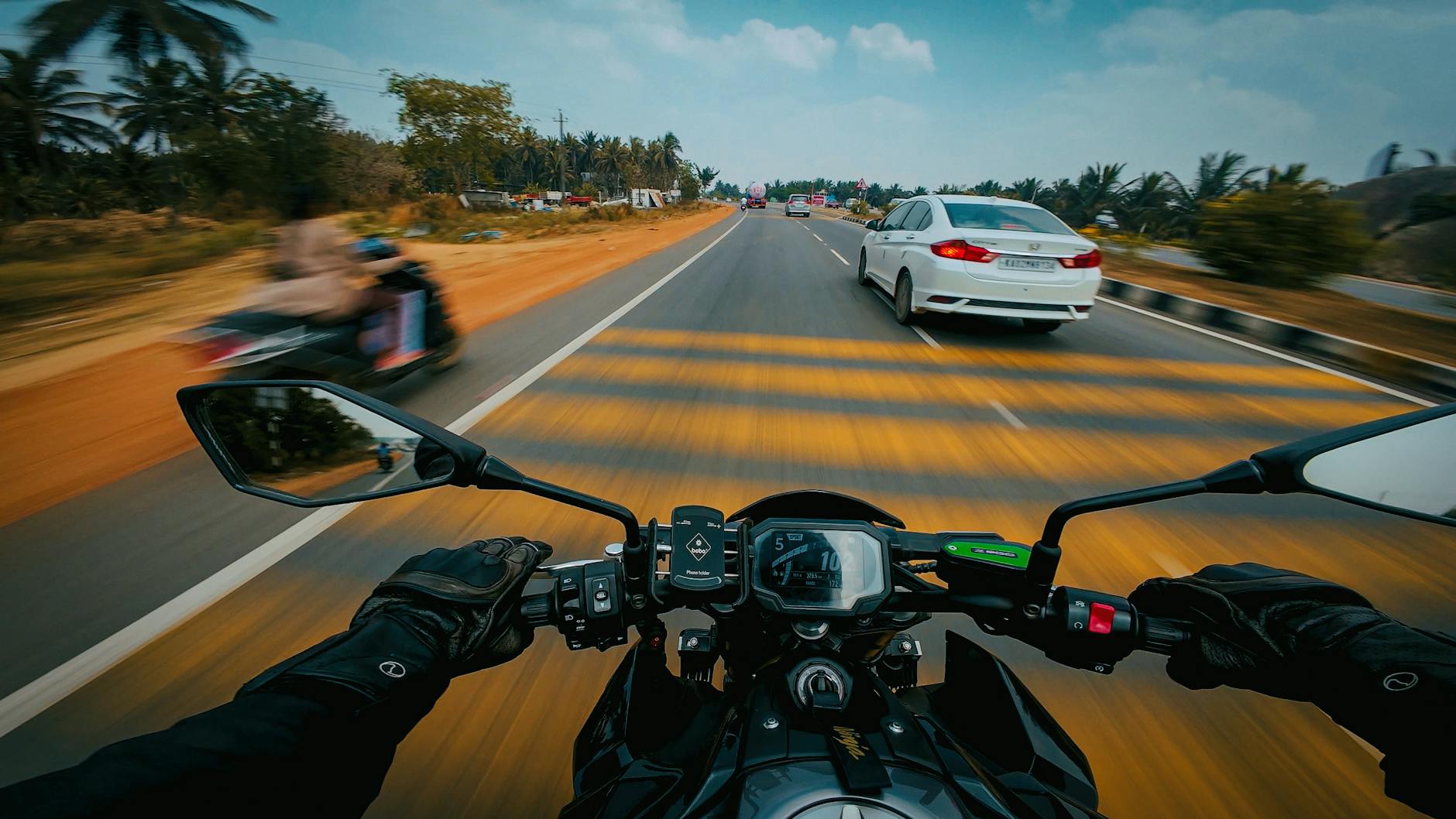
Top 10 Accessories
Curated picks for the Kawasaki Z900 — owned, ridden, recommended.


Common Problems
🔥 1 CRITICALBattery voltage at idle, look for charging warning signs
Listen for ticking rattle first 30 seconds after cold start
Idle quality, surging or hunting at low RPM
Rear wheel spin freely, uneven pad wear, dragging
✅Pre-Purchase Checklist
Generally solid, maintenance neglect causes most issues
Full Specifications
Rivals & Alternatives
Bikes that buyers cross-shop with the Kawasaki Z900
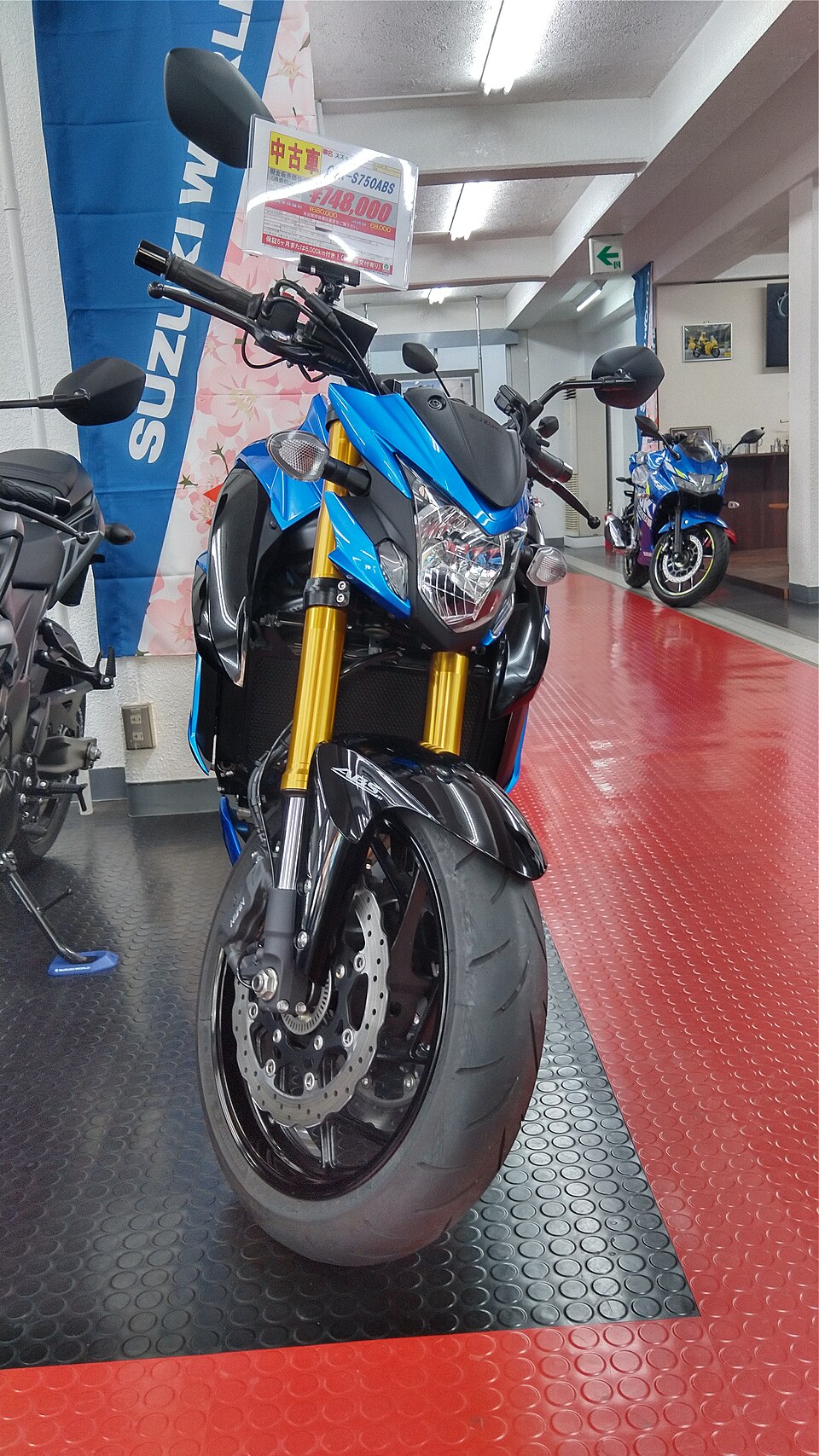
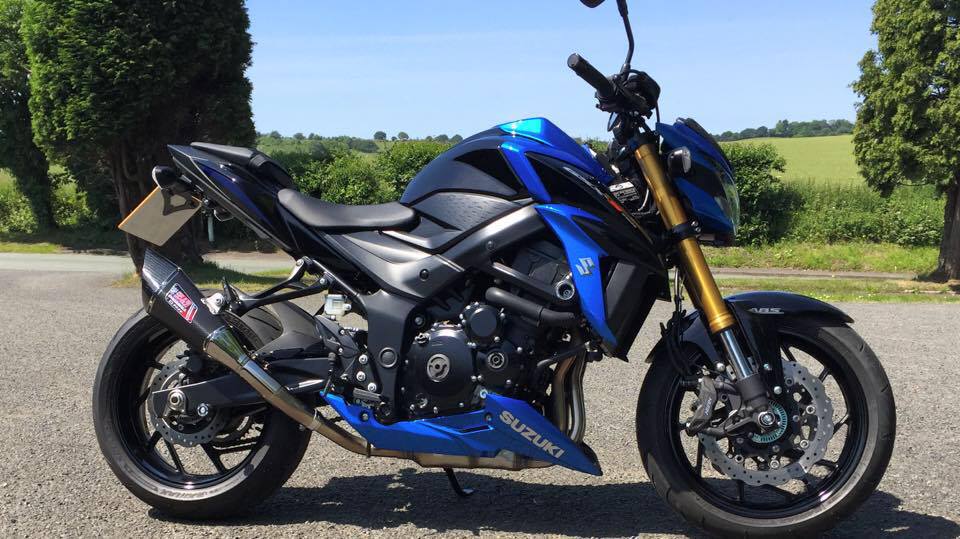
Suzuki Gsx-s750
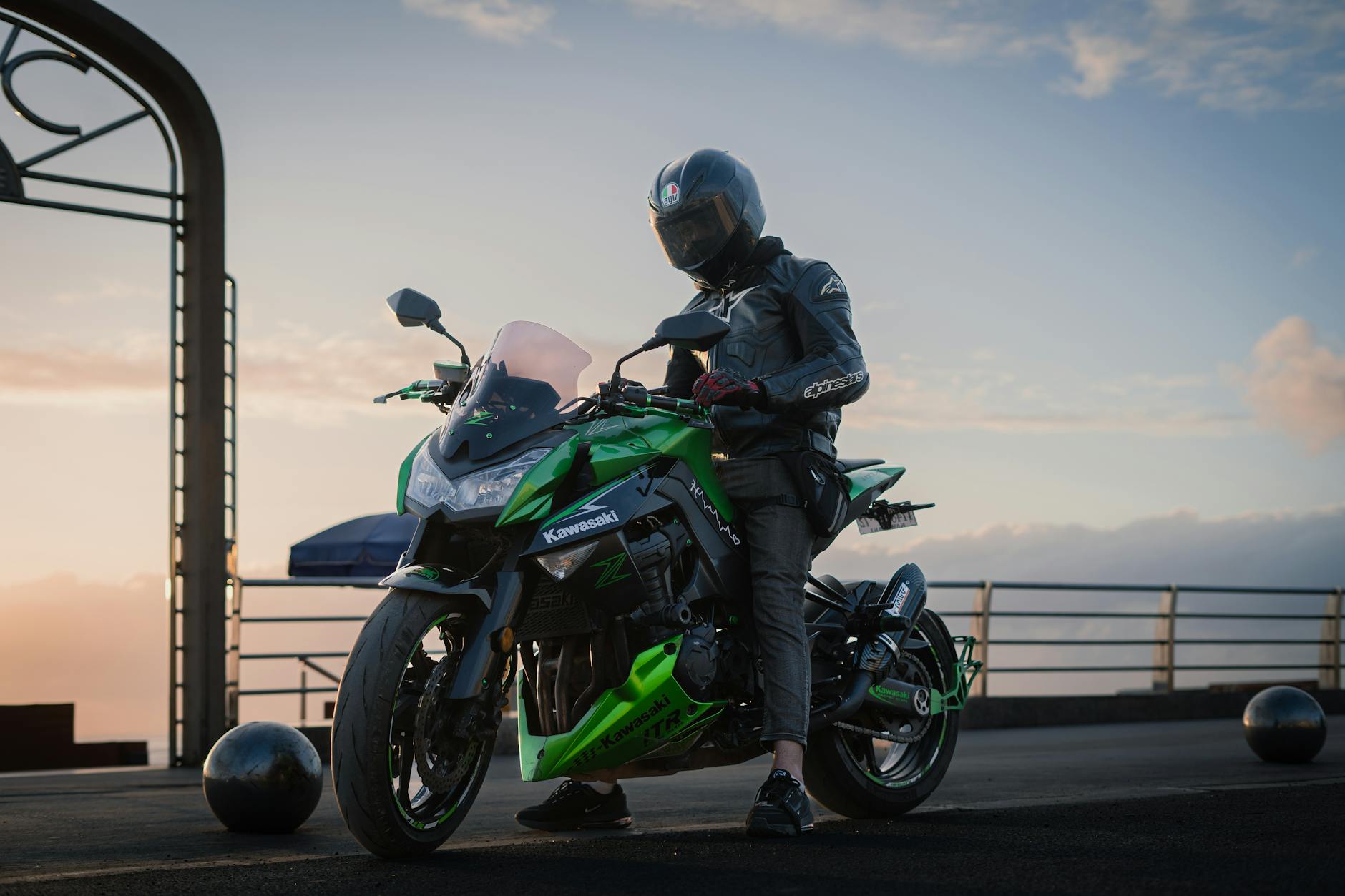
Kawasaki Z800
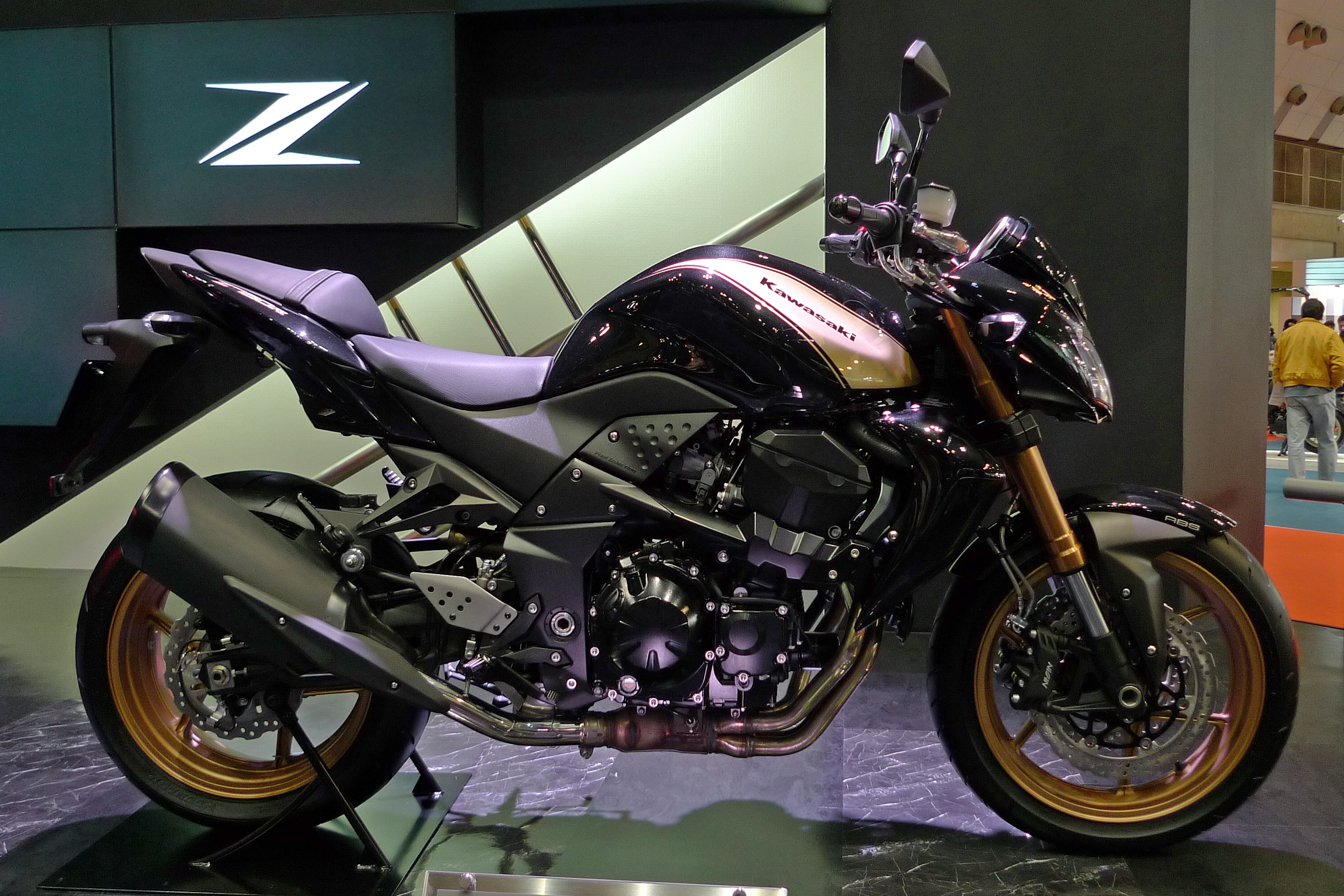
Kawasaki Z750
Suzuki Gsr750
Ktm 790 Duke
Compare Kawasaki Z900 Side-by-Side
compare_arrowsSpecs, power, weight & buyer verdict — head-to-head with the bikes most often cross-shopped.
Kawasaki Z900 vs Suzuki Gsx-s750
Specs · Power · Buyer verdict
Kawasaki Z900 vs Kawasaki Z800
Specs · Power · Buyer verdict
Kawasaki Z900 vs Kawasaki Z750
Specs · Power · Buyer verdict
Kawasaki Z900 vs Suzuki Gsr750
Specs · Power · Buyer verdict
Kawasaki Z900 vs Ktm 790 Duke
Specs · Power · Buyer verdict
More Kawasaki Z900 Guides
More from Kawasaki
View all Kawasaki models →Community Reviews
Discussion
Kawasaki Z900 Videos
Frequently Asked Questions
What are common problems with the Kawasaki Z900? +
Stator/charging system failure: Battery voltage at idle, look for charging warning signs (serious) | Cam chain tensioner rattle on cold start: Listen for ticking rattle first 30 seconds after cold start (moderate) | Throttle body sync causes rough idle: Idle quality, surging or hunting at low RPM (minor)
Is the Kawasaki Z900 a good motorcycle? +
The used streetfighter benchmark that rivals struggle to beat at this money. Rating: 8.5/10. Best for: Experienced riders wanting performance without premium pricing. Avoid if: You tour regularly or hate naked bike ergonomics.
What is the horsepower of the Kawasaki Z900? +
The Kawasaki Z900 produces 125 hp @ 9,500 rpm, with 98.6 Nm @ 7,700 rpm of torque. Top speed: 225 km/h (estimated; electronically influenced).
Is the Kawasaki Z900 good for beginners? +
Yes — the Kawasaki Z900 is a reasonable choice for new riders (125 hp is manageable), weighing 214 kg. Experienced riders wanting performance without premium pricing
Is the Kawasaki Z900 reliable? +
Owners report 1 critical issue to watch for on the Kawasaki Z900, notably: Stator/charging system failure (Battery voltage at idle, look for charging warning signs). Buy with a pre-purchase inspection.
Is the Kawasaki Z900 good for daily use? +
Experienced riders wanting performance without premium pricing Fuel: 5.5–6.5 L/100km (approx. 15–18 km/L, typical real-world average).
How fast is the Kawasaki Z900? +
The Kawasaki Z900 reaches a top speed of 225 km/h (estimated; electronically influenced), producing 125 hp at 214 kg curb weight. Real-world performance depends on rider weight, gearing, and road conditions.
What gear should I buy for a Kawasaki Z900? +
Motoryk has curated a Top 10 gear list specifically for the Kawasaki Z900, covering engine oil, tires, chain, battery, and brake pads — see motoryk.com/bikes/kawasaki/z900/top10. Each pick is matched to this bike's spec.