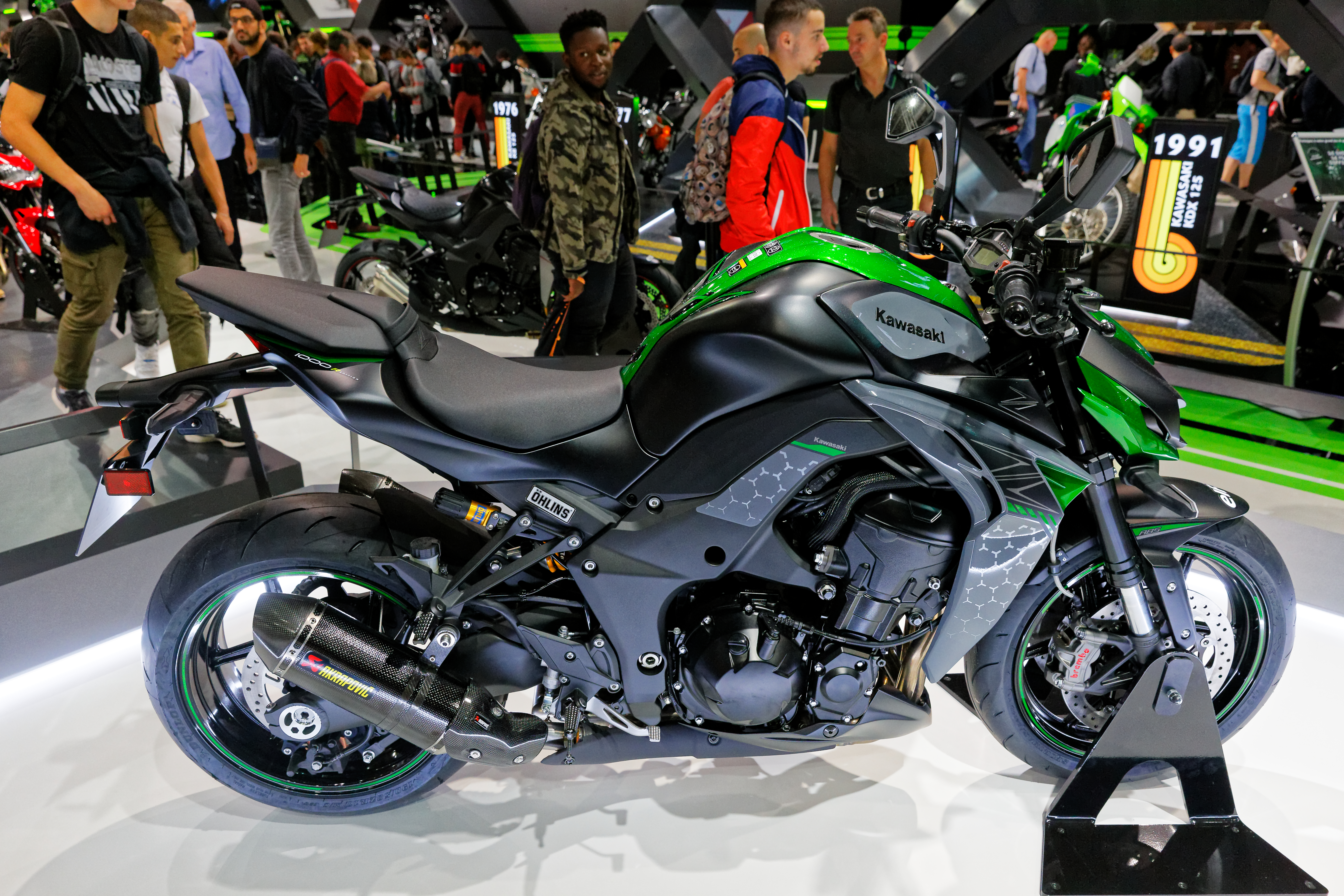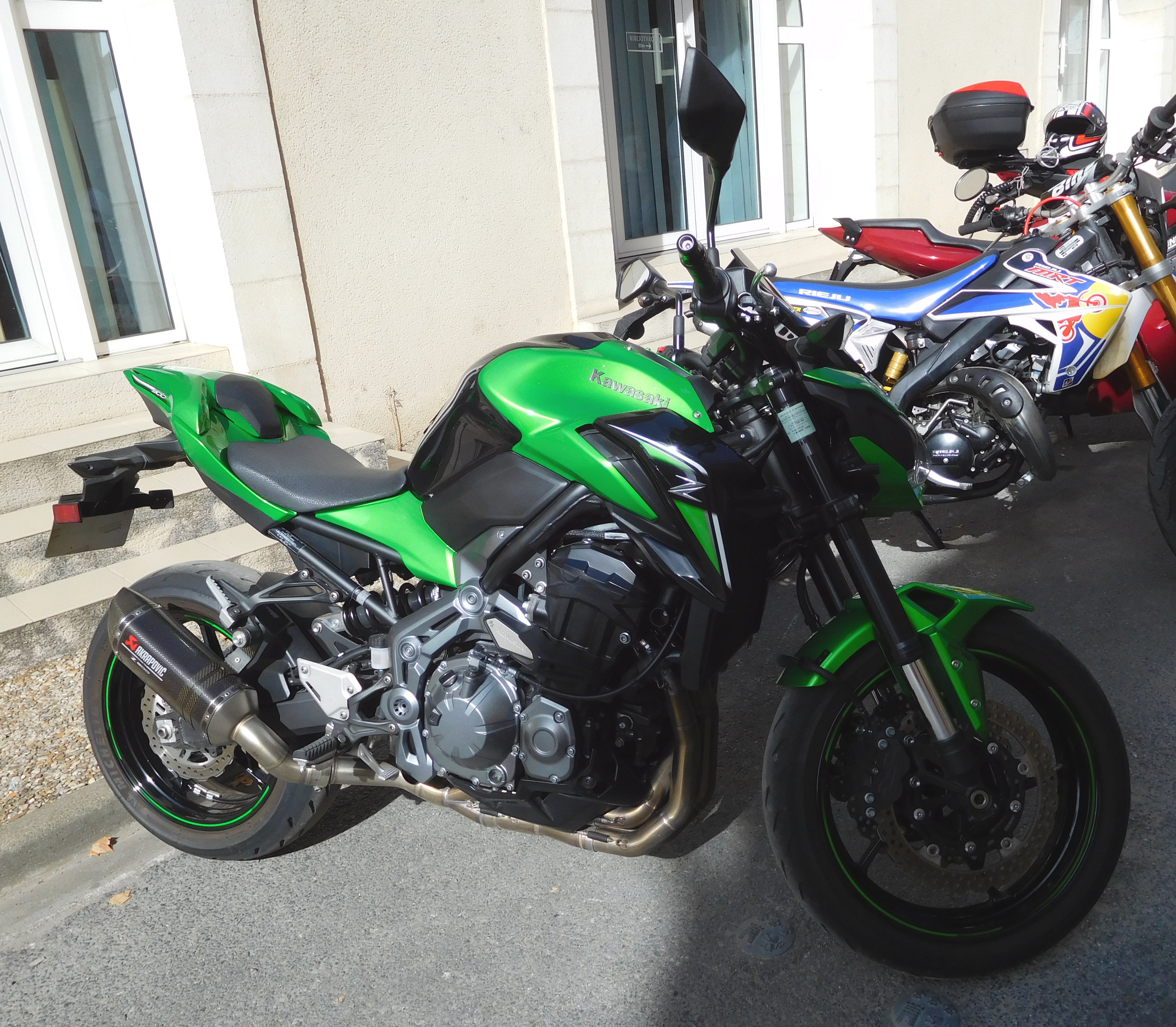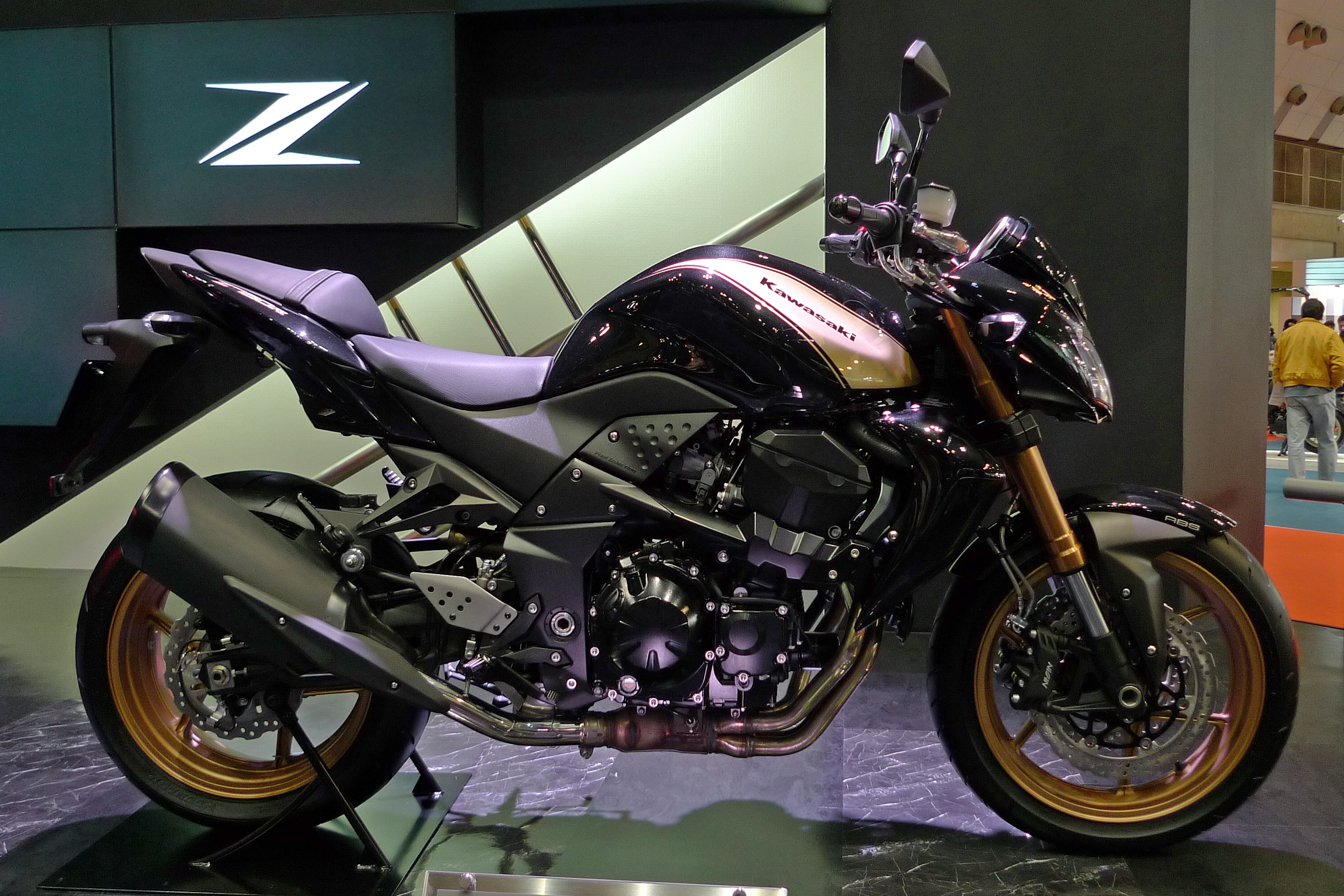
Kawasaki Z750
The Kawasaki Z750 has a top speed of 220 km/h (estimated; note: manufacturer did not officially publish top speed), produces 106 hp and weighs 204 kg. Motoryk rates it 8/10.
The Kawasaki Z750 was introduced in 2004 as a successor to the ZR-7, offering a more modern naked streetfighter design built around a 748cc inline-four engine. It underwent a significant redesign in 2007 with sharper, more aggressive styling inspired by the Z1000, making it a popular middleweight naked option in Europe and beyond. The Z750 was notable for striking a balance between accessible power for newer riders and enough performance to satisfy experienced riders, remaining in production until around 2012.
106 hp
Power
79 Nm
Torque
204 kg
Weight
220 km/h (estimated; note: manufacturer did not officially publish top speed)
Top Speed
5.5–6.5 L/100km (approximately 15–18 km/L, real-world average)
Fuel
Naked
Body
🔧 Service Schedule & Parts
Affiliate · we may earn| Service item | Every | Typical cost | Parts |
|---|---|---|---|
| 🛢️ Engine oil + oil filter | 6,000 km / 3,500 mi or 12 mo | $40-80 | 🛢️ Buy → ⚙️ Buy → |
| 🌬️ Air filter | 12,000 km / 7,500 mi | — | 🌬️ Buy → |
| ⚡ Spark plugs | 12,000 km / 7,500 mi | — | ⚡ Buy → |
| 🔧 Valve clearance check | 24,000 km / 15,000 mi | $150-300 | |
| 🔗 Chain & sprockets | 25000-40000 km (replace) | $150-300 | 🔗 Buy → |
| 🛑 Brake pads | 15000-25000 km | $30-60 | 🛑 Buy → |
| 💧 Brake fluid | 24,000 km / 15,000 mi or 2 yr | — | |
| 🧊 Coolant | 24,000 km / 15,000 mi | — | |
| 🛞 Tires | 10000-20000 km | $200-400 | 🛞 Buy → |
| 🔩 Major service | 24,000 km / 15,000 mi | $300-600 |
Video Review
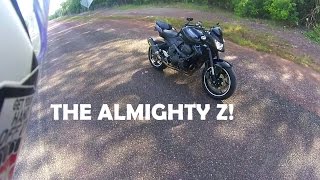
What Buyers Should Know
Rock-Solid Engine Reliability
The Z750's inline-4 engine is known for exceptional durability, often running well past 50,000 miles with basic maintenance. Regular oil changes and valve clearance checks are the key to keeping it healthy long-term.
Watch the Cam Chain
A common issue on higher-mileage Z750s is cam chain tensioner wear, which produces a rattling noise on cold starts. Always ask for service history and listen carefully when the engine first fires up during a test ride.
Strong Resale Value
The Z750 holds its value better than many naked bikes in its class due to strong demand and a loyal fan base. A well-maintained example typically sells quickly, making it a smart buy-and-sell option.
Generations & Specs by Year
Air-cooled DOHC inline-four 748cc engine, duplex frame, drum front brake early models.
"Honest middleweight that rewards mechanical sympathy over blind trust."
The Z750's DOHC four pulls cleanly from about 4,000 rpm and genuinely sings past 7,000, but that 231kg wet weight makes itself known the moment you're wrestling it out of a tight car park or mid-corner panic. I ran one of the early drum-front-brake models for two seasons and the stopping power was, charitably, something you planned well in advance — switching to the later disc-equipped C model felt like a safety upgrade worth the extra money. The duplex frame gives it a solidity that cheaper parallel-twin rivals couldn't match, and the engine's long-term durability is genuinely impressive if you keep the cam chain tensioner and valve clearances in check. It sits in a strange historical gap — less exciting than the Z900 that preceded it, more competent than its displacement suggests — but as a usable, servicing-friendly classic, it earns its keep.
Pros
Cons
Revised styling, improved front disc brakes, updated carburetors, minor chassis refinements.
"Honest, capable middleweight that rewards patient, experienced riders."
The Z750's 738cc inline-four pulls cleanly from about 4,000 rpm and keeps building with genuine enthusiasm past 8,000 — it's not explosive, but it never feels dishonest about what it is. Kawasaki's revised carbs on this generation sorted most of the flat-spot nonsense that plagued the earlier Z750s, and the improved front disc setup actually gives you feedback you can trust under hard braking, which wasn't guaranteed on the first gen. At 230 kg wet, it's a substantial machine and you'll feel every kilo when you're pushing it through slow urban traffic or picking it up off a greasy forecourt. The chassis is steady and predictable on sweeping roads but gets a bit vague and reluctant when you really ask it to hustle through tight bends — it's a motorway cruiser pretending to be a sports bike, and the best miles I've had on it were honest long-distance runs, not canyon carving.
Pros
Cons
Retro neo-classic styling revival, air-cooled inline-four, updated suspension and brakes.
"Honest, unpretentious naked that earns its keep daily."
The Zephyr 750 never pretended to be something it wasn't — it's a mid-90s air-cooled four that pulls cleanly from 3,500 rpm, feels planted through corners, and rewards smooth riders rather than aggressive ones. That 748cc motor has genuine character: a dry, mechanical clatter at idle that softens into a satisfying howl past 7,000 rpm, though it runs out of breath before you'd like on a motorway overtake. The 228 kg wet weight is noticeable in slow parking-lot maneuvers but disappears once rolling, and the suspension — while not confidence-inspiring on broken tarmac — handles real-world B-road use without drama. My gripes are real: the front brake feel is mediocre even by period standards, the seat turns punishing after 90 minutes, and fuel economy hovers around 15 km/l if you use the throttle honestly.
Pros
Cons
Modern naked roadster, fuel-injected option, revised chassis, updated instrumentation and ergonomics.
"Honest, unfussy naked that rewards patient, experienced riders."
I put nearly 18,000 km on a 2001 ZR750-F and it never once embarrassed me, but it never thrilled me either — which, depending on what you need, is either a strength or a dealbreaker. The 748cc inline-four pulls cleanly from about 4,500 rpm and hits a satisfying wall of torque through the midrange, but above 9,000 it goes breathless rather than singing, so forget chasing sportbikes on a canyon run. At 228 kg wet it's noticeably porky for a naked — filtering in city traffic gets tiresome fast and low-speed manoeuvring demands respect. The ergonomics are genuinely upright and comfortable for an hour, then your wrists start complaining because the bars sit just slightly too low and too wide for longer hauls.
Pros
Cons
New liquid-cooled inline-four 748cc, aggressive naked styling, revised frame architecture.
"Punchy middleweight that rewards commitment but punishes laziness."
The 748cc inline-four pulls hard from about 6,000 rpm and absolutely sings past 9,000 — it's genuinely exciting in a way the old ZR-7 carbureted unit never was. That half-faired Z750S nose piece is a love-it-or-hate-it quirk that actually reduces fatigue on longer hauls without making it a tourer; I covered 400km days without destroyed wrists, which surprised me. The chassis is flickable and confidence-inspiring in corners, but 215kg wet is noticeable in slow car-park maneuvers and the brakes — twin 300mm front discs — feel adequate rather than inspiring, especially if you're coming from a Hornet or Z750 of a later vintage. Fuel consumption sits around 16–17L/100km if you use the revs honestly, and you will, because that's exactly what this engine begs you to do.
Pros
Cons
Restyled aggressive bodywork, updated suspension, revised ergonomics, improved braking system.
"Sharp, honest middleweight that punches above its displacement."
The Z750 hits that sweet spot where 106 horsepower feels genuinely usable rather than terrifying — pin it from 6,000 rpm and it pulls hard and clean all the way to the redline without the manic edge of a litre bike. The 2007 reskin gave it real visual aggression, and unlike some naked bikes that look meaner than they ride, this one actually backs it up with a chassis that steers quickly and communicates well through the bars. My main gripe after 18 months of daily riding was the front-end feel under hard braking — the forks deflect noticeably on rough tarmac, and the brake lever travel is longer than I'd like before you hit serious bite. Wind protection is basically nonexistent above 160 km/h, which you'll notice on motorways before the engine does.
Pros
Cons
Used Buyer Review
"A genuinely brilliant used buy if you shop carefully."
$3,500-$6,500 usedThe Z750 is one of those bikes that punches well above its price bracket on the used market. That 748cc inline-four pulls cleanly from about 4,000rpm and absolutely screams past 8,000 — it's genuinely quick without being terrifying. The naked ergonomics keep you upright and comfortable, and the chassis handles confidently without demanding expert inputs. It's honest, predictable, and genuinely fun. Buy smart though. These bikes attract younger riders who thrash them hard, so inspect the engine cases for scrapes, check fairings for repair work, and look at the sprockets — neglected chains are common. The 2004-2006 early models had some cam chain tensioner issues, so get service history if you can. 2007-onwards is the safer bet. Forks can weary on higher-mileage examples, so push down hard on the bars and check for oil weeping. For the money you'll spend on a clean example, nothing else in this segment offers this combination of performance, reliability and everyday usability. It's a seriously underrated machine.
Top 10 Accessories
Curated picks for the Kawasaki Z750 — owned, ridden, recommended.




Common Problems
🔥 1 CRITICALListen for rattling on cold start, inspect tensioner
Idle quality, throttle response, black smoke presence
Voltage at idle should read 13.5-14.5V
Oil residue on lower fork legs, soft front end
✅Pre-Purchase Checklist
Solid bike if maintained, avoid neglected examples
Full Specifications
Rivals & Alternatives
Bikes that buyers cross-shop with the Kawasaki Z750
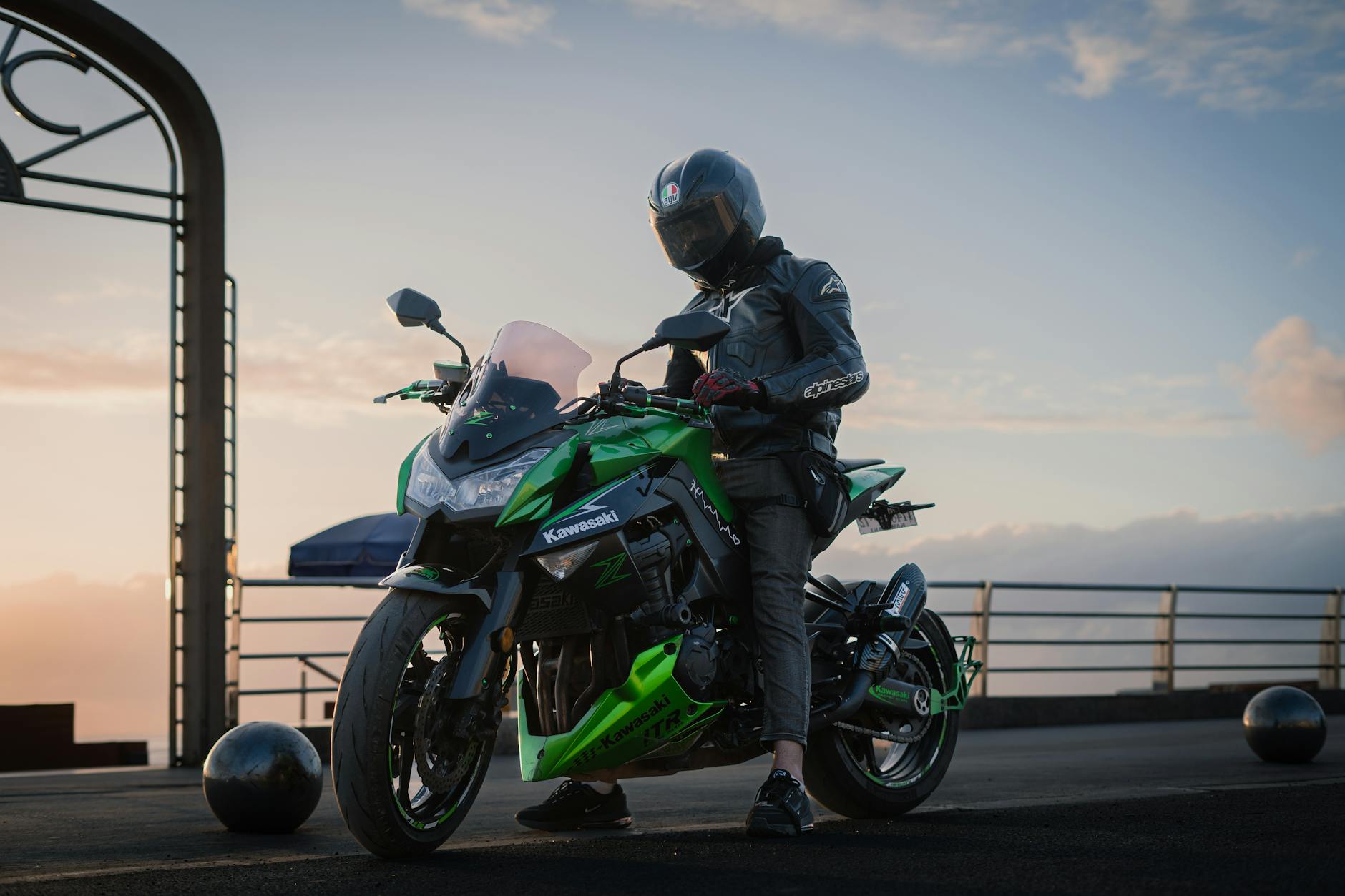
Kawasaki Z800
Suzuki Gsr600
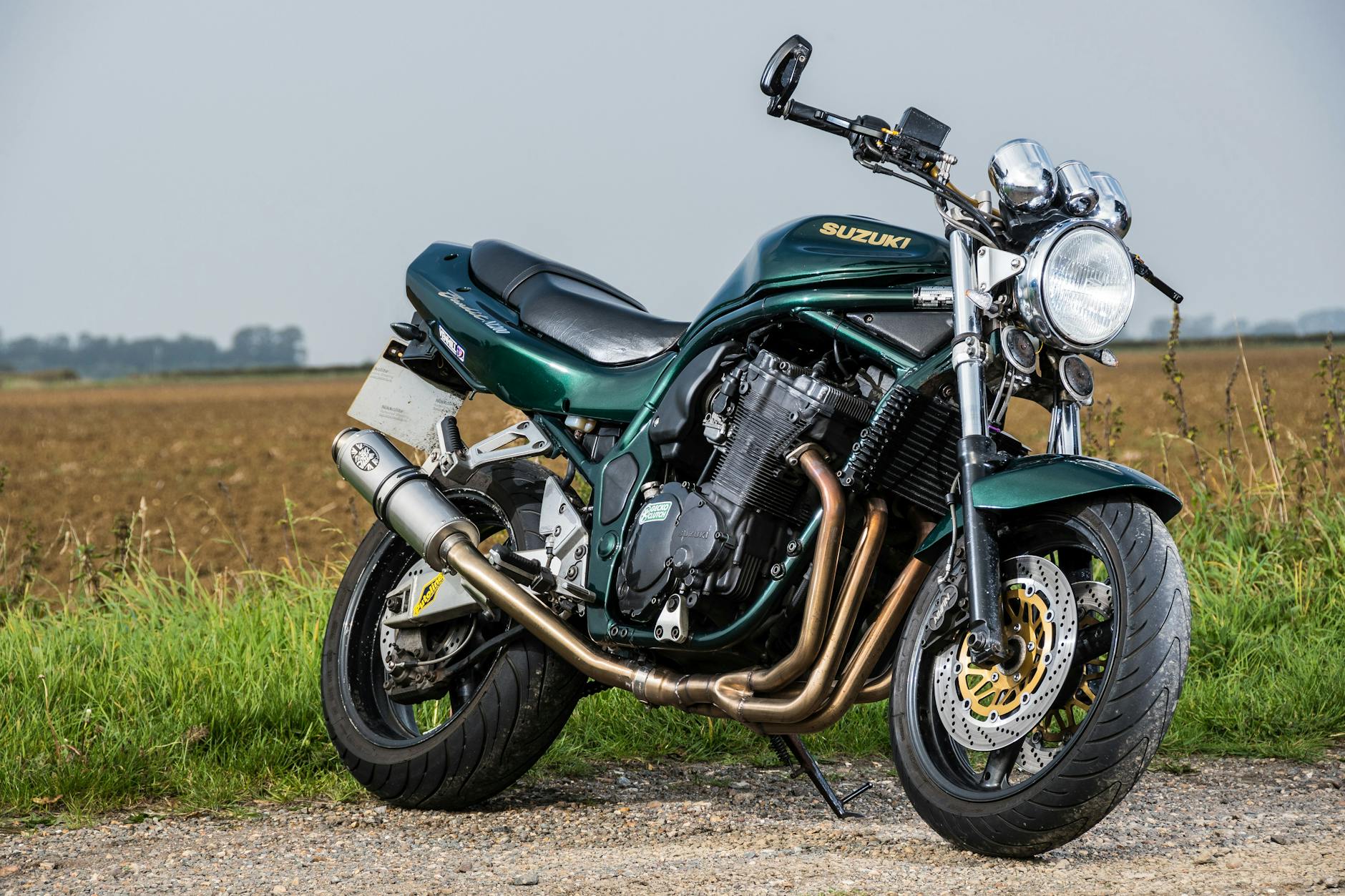
Suzuki Bandit 600
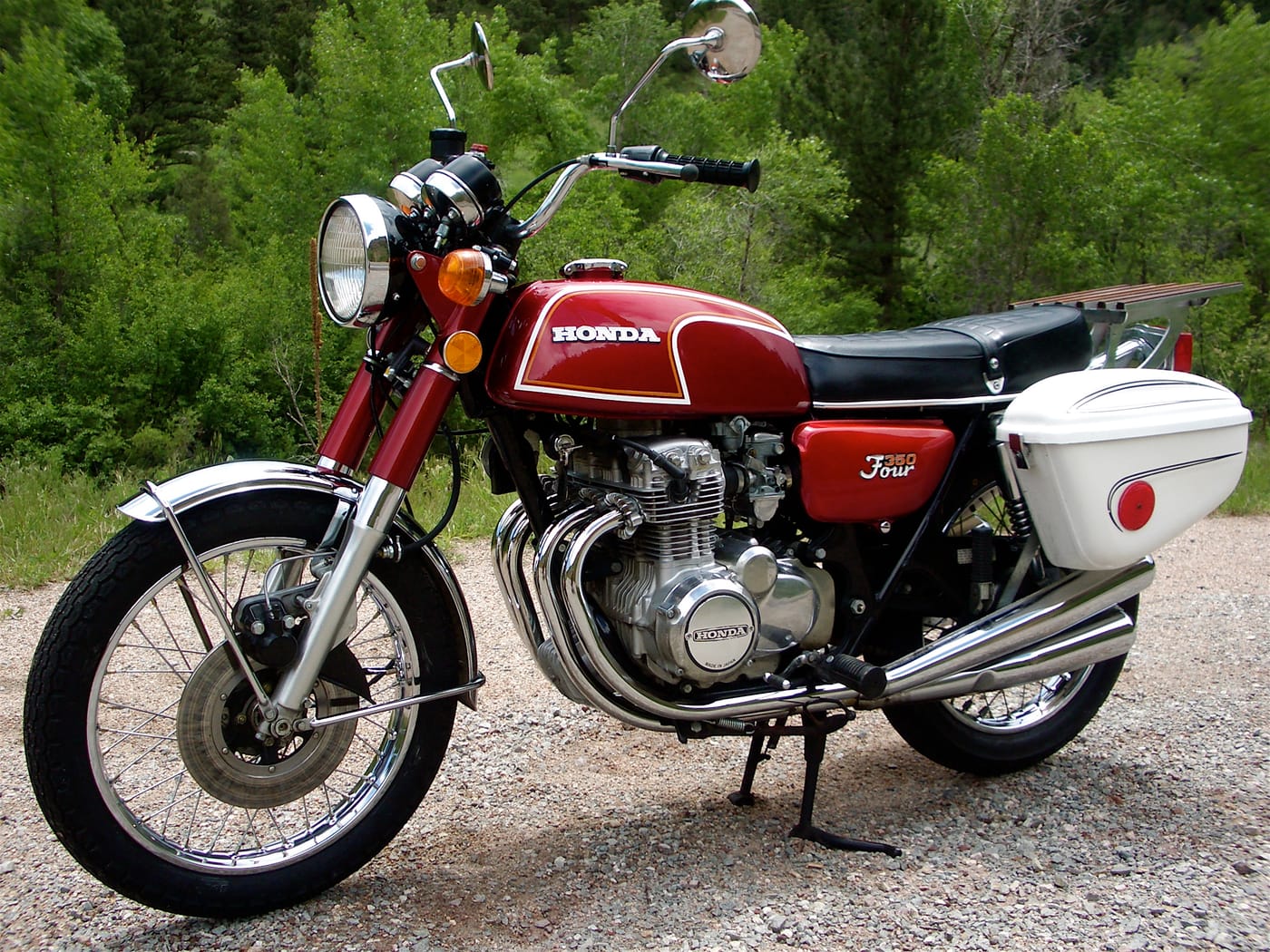
Honda Cb600f Hornet
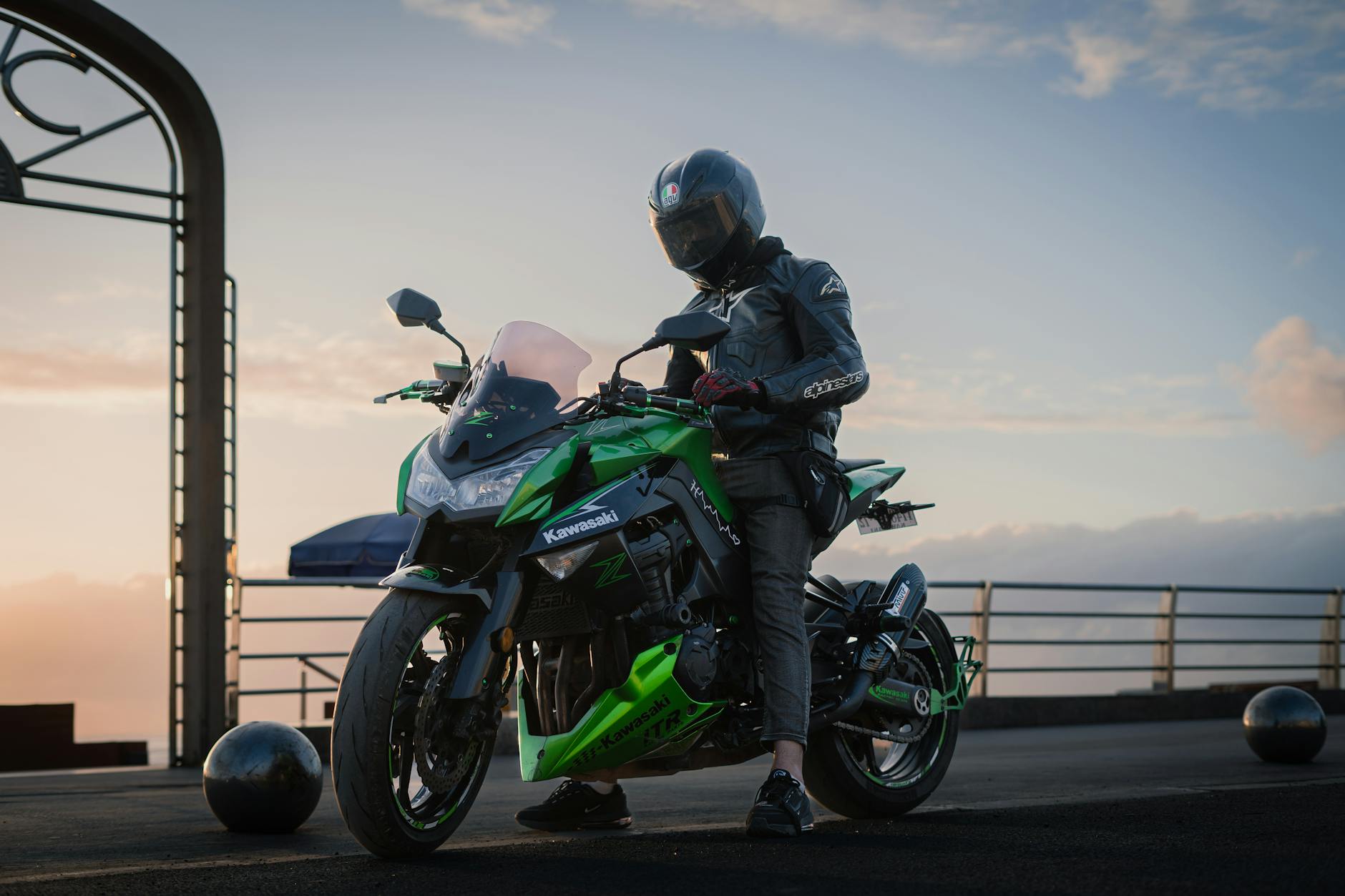
Kawasaki Er-6n
Compare Kawasaki Z750 Side-by-Side
compare_arrowsSpecs, power, weight & buyer verdict — head-to-head with the bikes most often cross-shopped.
Kawasaki Z750 vs Kawasaki Z800
Specs · Power · Buyer verdict
Kawasaki Z750 vs Suzuki Gsr600
Specs · Power · Buyer verdict
Kawasaki Z750 vs Suzuki Bandit 600
Specs · Power · Buyer verdict
Kawasaki Z750 vs Honda Cb600f Hornet
Specs · Power · Buyer verdict
Kawasaki Z750 vs Kawasaki Er-6n
Specs · Power · Buyer verdict
More Kawasaki Z750 Guides
More from Kawasaki
View all Kawasaki models →Community Reviews
Discussion
Frequently Asked Questions
What are common problems with the Kawasaki Z750? +
Cam chain tensioner rattle on startup: Listen for rattling on cold start, inspect tensioner (moderate) | Carb/injector issues causing rough idle: Idle quality, throttle response, black smoke presence (moderate) | Stator failure causing charging problems: Voltage at idle should read 13.5-14.5V (serious)
Is the Kawasaki Z750 a good motorcycle? +
A genuinely brilliant used buy if you shop carefully. Rating: 8.0/10. Best for: Intermediate riders wanting real performance affordably. Avoid if: You want touring comfort or lower insurance.
What is the horsepower of the Kawasaki Z750? +
The Kawasaki Z750 produces 106 hp @ 10,500 rpm, with 79 Nm @ 8,000 rpm of torque. Top speed: 220 km/h (estimated; note: manufacturer did not officially publish top speed).
Is the Kawasaki Z750 good for beginners? +
Yes — the Kawasaki Z750 is a reasonable choice for new riders (106 hp is manageable), weighing 204 kg. Intermediate riders wanting real performance affordably
Is the Kawasaki Z750 reliable? +
Owners report 1 critical issue to watch for on the Kawasaki Z750, notably: Stator failure causing charging problems (Voltage at idle should read 13.5-14.5V). Buy with a pre-purchase inspection.
Is the Kawasaki Z750 good for daily use? +
Intermediate riders wanting real performance affordably Fuel: 5.5–6.5 L/100km (approximately 15–18 km/L, real-world average).
How fast is the Kawasaki Z750? +
The Kawasaki Z750 reaches a top speed of 220 km/h (estimated; note: manufacturer did not officially publish top speed), producing 106 hp at 204 kg curb weight. Real-world performance depends on rider weight, gearing, and road conditions.
What gear should I buy for a Kawasaki Z750? +
Motoryk has curated a Top 10 gear list specifically for the Kawasaki Z750, covering engine oil, tires, chain, battery, and brake pads — see motoryk.com/bikes/kawasaki/z750/top10. Each pick is matched to this bike's spec.