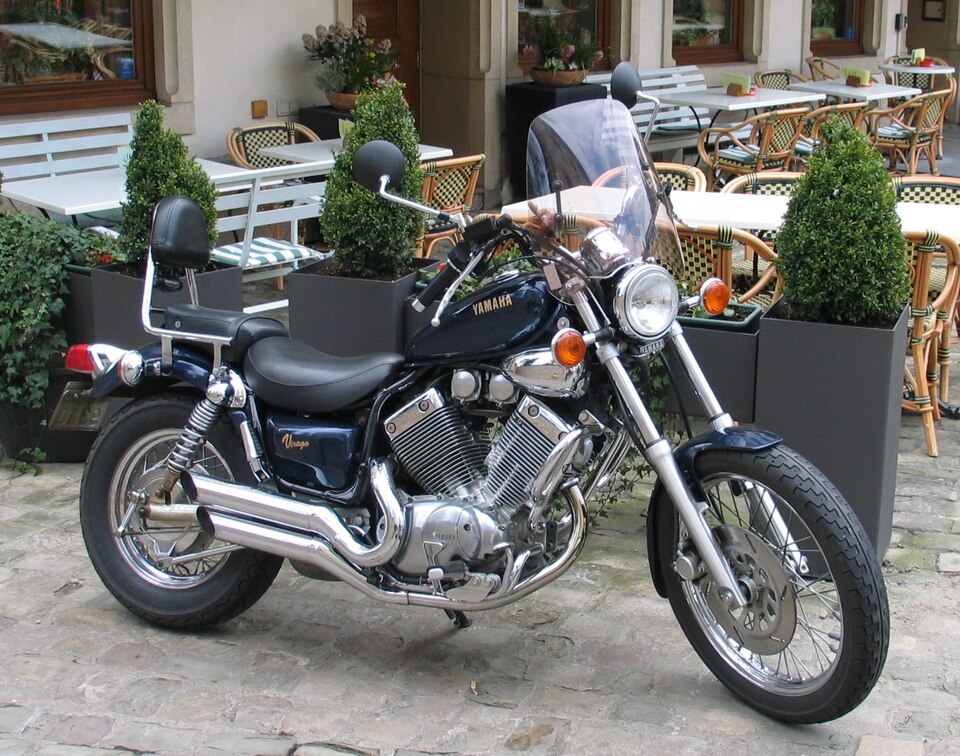
Yamaha Virago 750
The Yamaha Virago 750 has a top speed of 175 km/h (estimated — note: varies by year and configuration), produces 50 hp and weighs 218 kg. Motoryk rates it 7.5/10.
La Yamaha Virago 750 (XV750) a été introduite en 1981 dans le cadre de la gamme révolutionnaire Virago V-twin Cruiser de Yamaha, qui a été l'une des premières motos japonaises à défier directement la domination de Harley-Davidson sur le marché des véhicules de croisière. Il était doté d'une transmission par arbre unique, d'un moteur bicylindre en V construit par unité et d'une suspension arrière à amortisseur unique, ce qui le distinguait des modèles de croiseurs traditionnels. Le XV750 a été produit jusqu'en 1983 et reste remarquable pour avoir contribué à établir le segment des croiseurs japonais qui connut une croissance significative au cours des années 1980 et 1990.
50 hp
Pouvoir
57 Nm
Torque
218 kg
Poids
175 km/h (estimated — note: varies by year and configuration)
Vitesse maximale
5.0 L/100km or approximately 20 km/L (typical real-world average)
Carburant
Nue
Corps
🔧 Service Schedule & Parts
Affiliate · we may earn| Service item | Every | Typical cost | Parts |
|---|---|---|---|
| 🛢️ Engine oil + oil filter | 6,000 km / 3,500 mi or 12 mo | $40-80 | 🛢️ Buy → ⚙️ Buy → |
| 🌬️ Air filter | 12,000 km / 7,500 mi | — | 🌬️ Buy → |
| ⚡ Spark plugs | 12,000 km / 7,500 mi | — | ⚡ Buy → |
| 🔧 Valve clearance check | 24,000 km / 15,000 mi | $150-300 | |
| 🔗 Chain & sprockets | N/A - shaft drive km (replace) | $N/A - shaft drive | 🔗 Buy → |
| 🛑 Brake pads | 15000-25000 km | $30-60 | 🛑 Buy → |
| 💧 Brake fluid | 24,000 km / 15,000 mi or 2 yr | — | |
| 🛞 Tires | 15000-25000 km | $150-300 | 🛞 Buy → |
| 🔩 Major service | 24,000 km / 15,000 mi | $250-500 |
Video Review
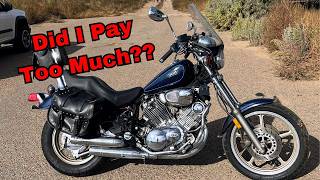
Ce que les acheteurs doivent savoir
Rock-Solid Reliability
The XV750 Virago is widely regarded as one of Yamaha's most dependable V-twins, with many examples still running strong after 30+ years. Regular oil changes and basic maintenance are typically all it takes to keep one trouble-free.
Watch the Final Drive
The shaft drive, while low-maintenance, can develop leaks or wear issues if the gear oil has never been changed — always check for oil seepage around the rear drive housing before buying. A neglected final drive is costly to rebuild.
Strong Budget Value
Used Viragos typically sell in the $1,500–$3,500 range, making them one of the best value-per-reliability deals in the cruiser market. Their popularity also means parts are affordable and widely available.
Générations et spécifications par année
Présentation de la XV750 d'origine ; bicylindre en V de 748 cm3, entraînement par arbre, deux amortisseurs arrière, style Cruiser classique.
"Le premier croiseur crédible du Japon, à la limite."
La XV750 m'a vraiment surprise la première fois que j'en ai eu un : son bicylindre en V de 748 cm3 tire une puissance réelle à environ 3 000 tr/min, et sa transmission par arbre rend les déplacements en ville presque méditatifs par rapport aux vélos à chaîne que j'ai possédés. Yamaha a clairement étudié attentivement le Playbook Harley : siège bas, ergonomie orientée vers l'avant, ce son d'échappement qui sonne vraiment comme quelque chose. Mais les premiers jets de carburant sont faibles et néfastes par temps froid, le frein à tambour avant est malheureusement inadapté au poids de la moto, et ces deux amortisseurs arrière sont complètement absurdes à plus de 130 km/h. Le châssis n'a tout simplement pas été conçu pour les vitesses que le moteur est capable d'atteindre. Pourtant, en 1981, il s'agissait d'une ingénierie véritablement audacieuse, et quarante ans plus tard, un vélo propre est toujours plus satisfaisant à parcourir la ville que la moitié des vélos rétro vendus neufs aujourd'hui.
Pros
Les inconvénients
Réintroduction de la XV750 révisée ; géométrie du cadre mise à jour, suspension monocross à amortisseur arrière unique, carrosserie restylée.
"Un croiseur honnête et simple qui déçoit rarement les cyclistes quotidiens."
La suspension arrière monocross constituait une véritable amélioration par rapport à l'ancienne configuration à double amortisseur : les virages semblent plus serrés et le vélo passe de façon prévisible à travers les balayeuses sans se vautrer comme c'était le cas avec les Viragos précédents. Ce bicylindre en V de 748 cm3 tire doucement à bas régime, et son couple est suffisant à moins de 4 000 tr/min pour une conduite en ville vraiment détendue, bien qu'il soit à bout de souffle bien avant la vitesse maximale revendiquée et les dépassements sur autoroute nécessitent une planification à l'avance. La hauteur de selle de 720 mm est un véritable argument de vente pour les cyclistes de petite taille, et son ergonomie est suffisamment neutre pour supporter une journée complète sans vous abîmer le dos. Ce qui est frustrant, c'est la sensation médiocre des freins avant (des butées à disque unique qui exigent une pression ferme et délibérée plutôt que des réactions qui inspirent confiance) et la carrosserie restylée, bien que plus propre, a toujours l'air prudente plutôt que pleine de caractère.
Pros
Les inconvénients
Évaluation d'un acheteur d'occasion
"A dependable, unfussy classic that rewards patient buyers who inspect carefully."
$2,000-$4,500 usedThe Virago 750 is one of those bikes that quietly gets everything right without ever demanding attention. Yamaha built these things to last, and a well-maintained example from the late eighties or early nineties will still pull cleanly and idle without drama. The V-twin is punchy enough to keep highway riding enjoyable without pretending to be something it isn't. Shaft drive means zero chain maintenance headaches, which used buyers absolutely should not underestimate. That said, go in with your eyes open. Carbs are the make-or-break item on any used example — neglected bikes that sat with old fuel will need a proper clean or rebuild before they run right. Check the front forks for leaks and wiggle the steering head for any looseness. Parts availability is decent but not brilliant, and some cosmetic trim pieces are genuinely difficult to source. Budget an extra few hundred for a carb service if you can't verify the last time it was done.
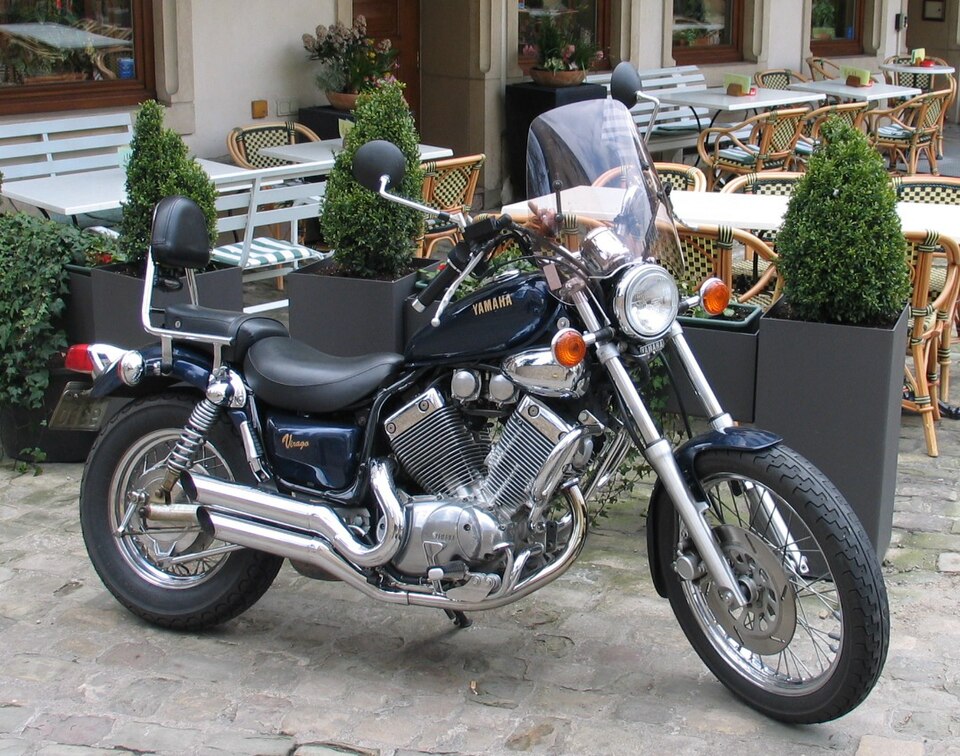
Variants of the Yamaha Virago 750
Same bike, different trim or year-range — pick the one matching the listing.
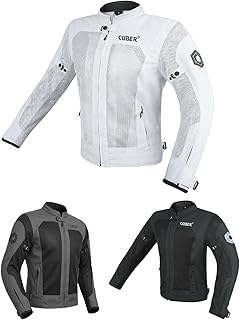
Top 10 Accessories
Curated picks for the Yamaha Virago 750 — owned, ridden, recommended.




Problèmes courants
🔥 1 CRITICALRough idle, hesitation, black smoke on startup
Bike dies after few minutes, cracked rubber diaphragm
Oil weeping around rear drive housing near wheel
Grinding or spinning noise without engine catching
✅Liste de contrôle préalable à l'achat
Solid, simple shaft-drive cruiser, easy to maintain
Full Specifications
Rivals & Alternatives
Bikes that buyers cross-shop with the Yamaha Virago 750
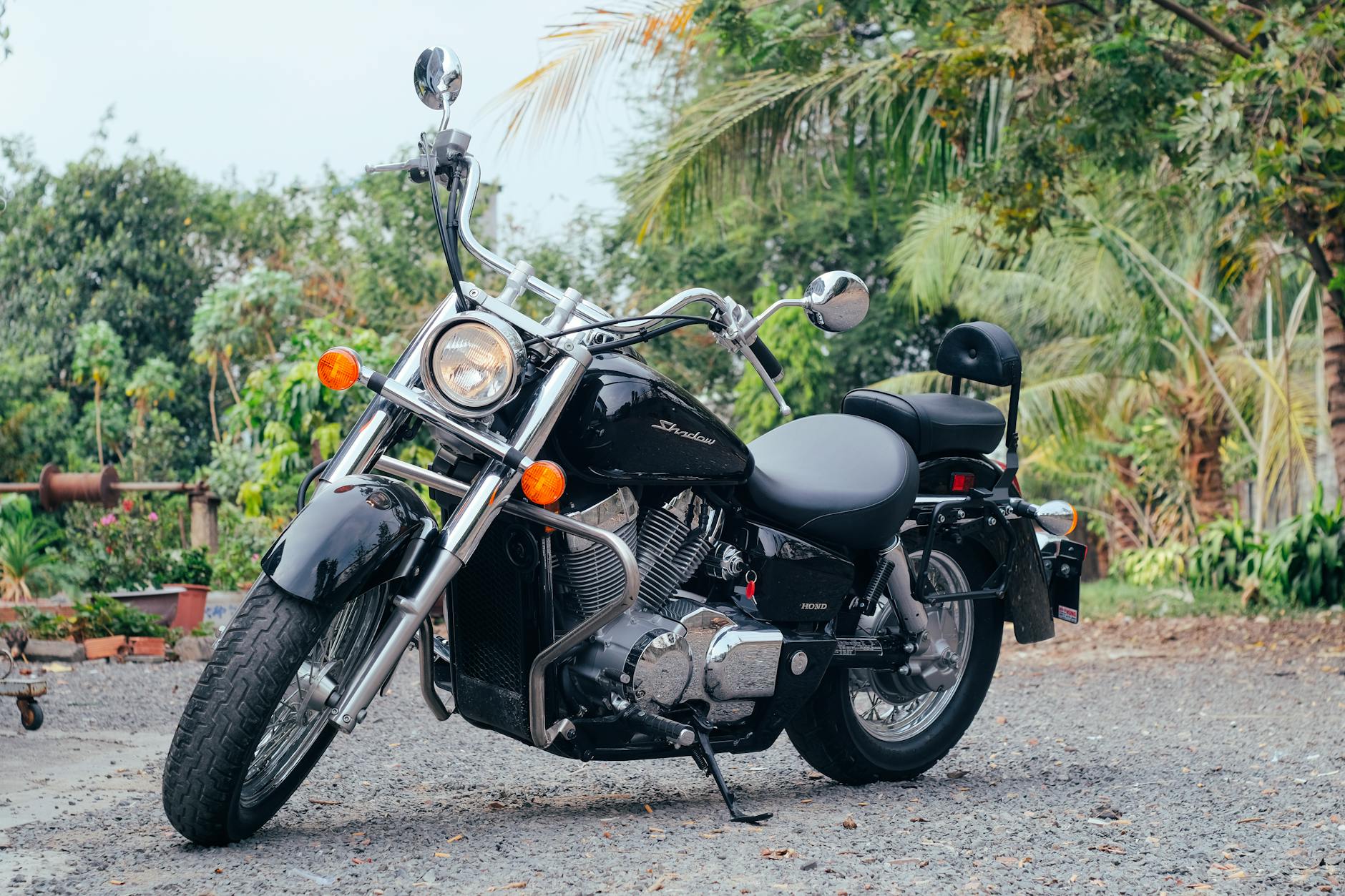
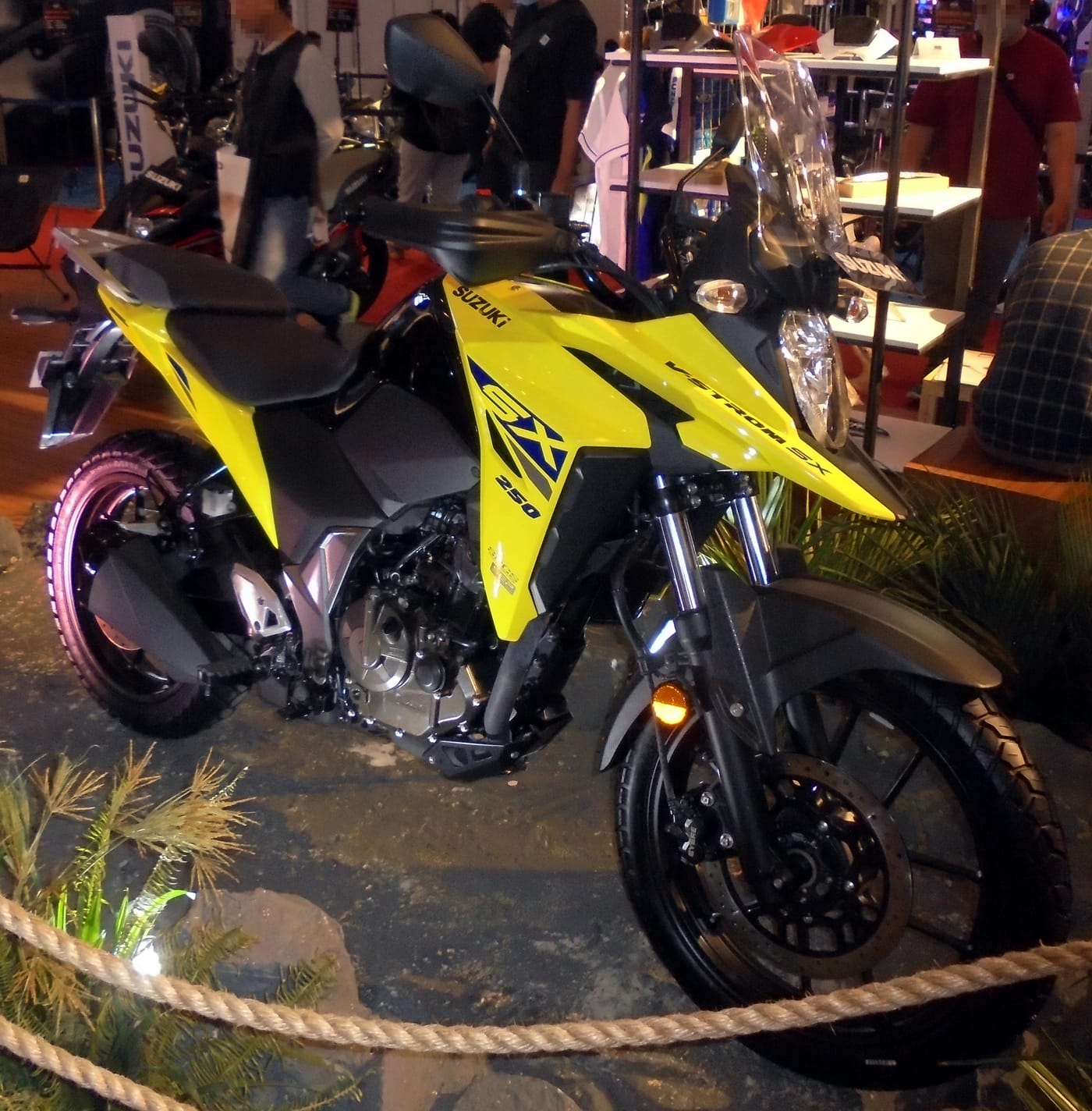
Honda Shadow Aero 750
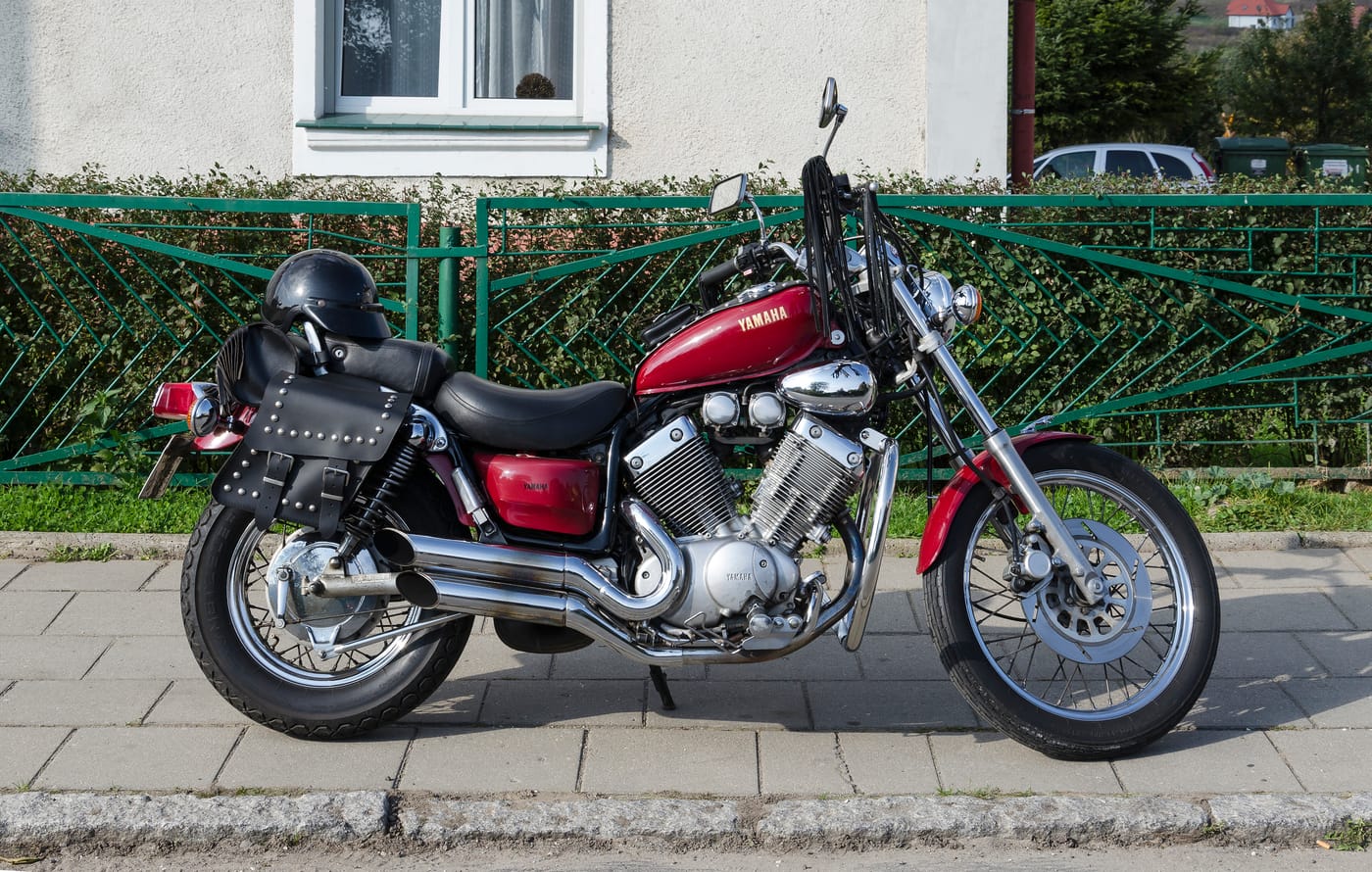
Suzuki Marauder 800
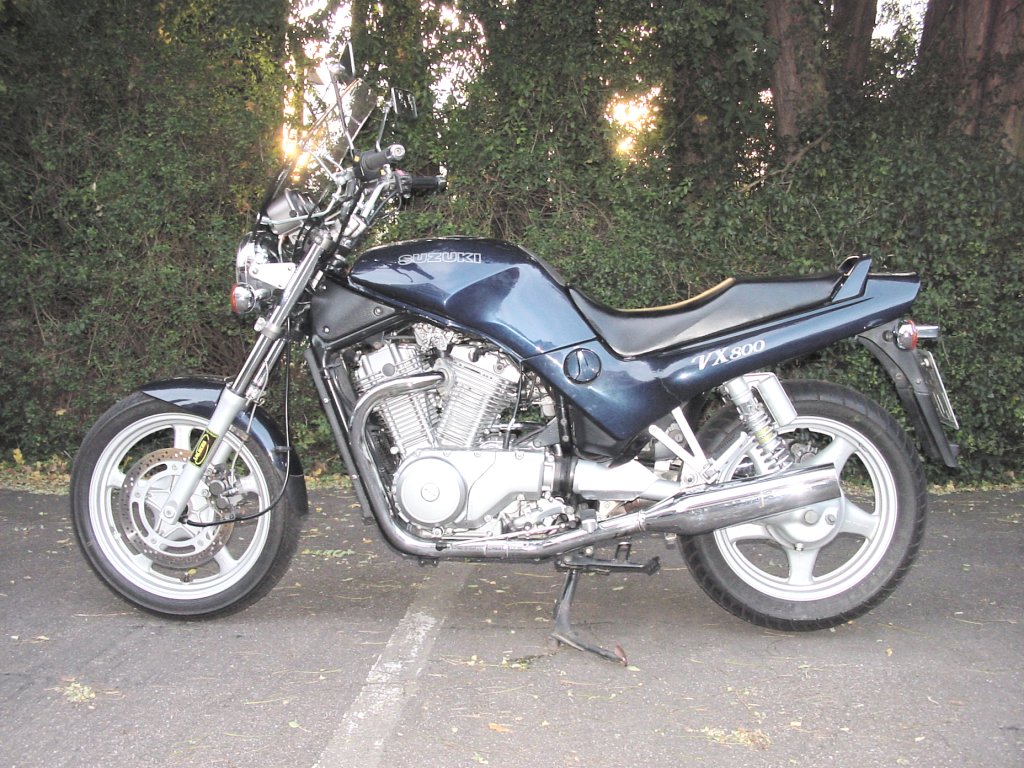
Yamaha V-star 1100
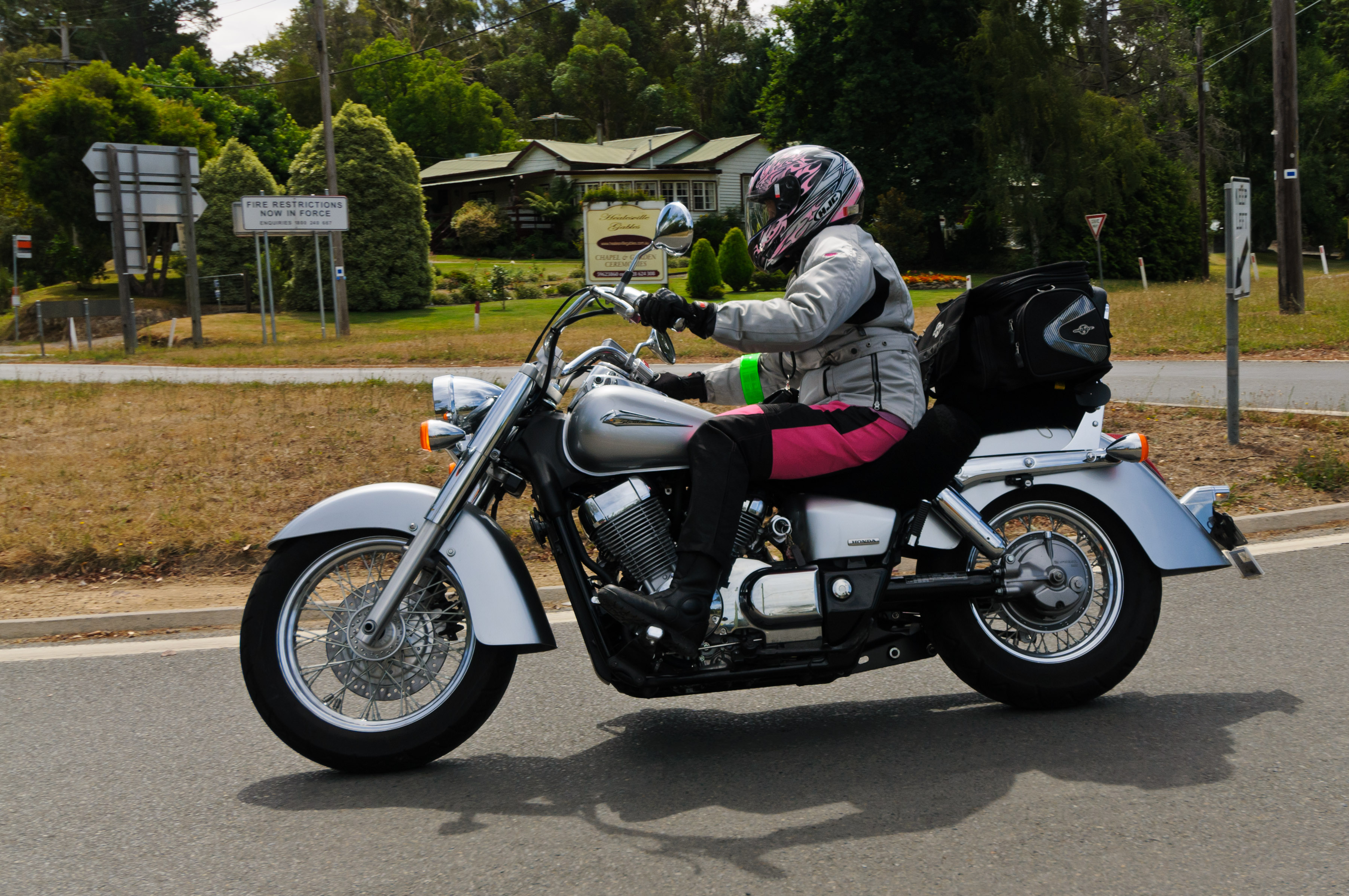
Suzuki Intruder 800
Honda Vt750 Shadow Spirit
Compare Yamaha Virago 750 Side-by-Side
compare_arrowsSpecs, power, weight & buyer verdict — head-to-head with the bikes most often cross-shopped.
Yamaha Virago 750 vs Honda Shadow Aero 750
Specs · Power · Buyer verdict
Yamaha Virago 750 vs Suzuki Marauder 800
Specs · Power · Buyer verdict
Yamaha Virago 750 vs Yamaha V-star 1100
Specs · Power · Buyer verdict
Yamaha Virago 750 vs Suzuki Intruder 800
Specs · Power · Buyer verdict
Yamaha Virago 750 vs Honda Vt750 Shadow Spirit
Specs · Power · Buyer verdict
More Yamaha Virago 750 Guides
More from Yamaha
View all Yamaha models →Community Reviews
Discussion
Frequently Asked Questions
What are common problems with the Yamaha Virago 750? +
Carburetor gumming from ethanol fuel or storage: Rough idle, hesitation, black smoke on startup (moderate) | Petcock vacuum diaphragm failure causing fuel starvation: Bike dies after few minutes, cracked rubber diaphragm (moderate) | Final drive shaft seal leaks on high-mileage bikes: Oil weeping around rear drive housing near wheel (serious)
Is the Yamaha Virago 750 a good motorcycle? +
A dependable, unfussy classic that rewards patient buyers who inspect carefully. Rating: 7.5/10. Best for: New riders wanting reliable, low-maintenance classic cruising. Avoid if: You need sportbike performance or modern fuel injection.
What is the horsepower of the Yamaha Virago 750? +
The Yamaha Virago 750 produces 50 hp @ 7,500 rpm (estimated — note: Yamaha did not always publish official figures), with 57 Nm @ 6,000 rpm (estimated) of torque. Top speed: 175 km/h (estimated — note: varies by year and configuration).
Is the Yamaha Virago 750 good for beginners? +
Yes — the Yamaha Virago 750 is a reasonable choice for new riders (50 hp is manageable), weighing 218 kg. New riders wanting reliable, low-maintenance classic cruising
Is the Yamaha Virago 750 reliable? +
Owners report 1 critical issue to watch for on the Yamaha Virago 750, notably: Final drive shaft seal leaks on high-mileage bikes (Oil weeping around rear drive housing near wheel). Buy with a pre-purchase inspection.
Is the Yamaha Virago 750 good for daily use? +
New riders wanting reliable, low-maintenance classic cruising Fuel: 5.0 L/100km or approximately 20 km/L (typical real-world average).
How fast is the Yamaha Virago 750? +
The Yamaha Virago 750 reaches a top speed of 175 km/h (estimated — note: varies by year and configuration), producing 50 hp at 218 kg curb weight. Real-world performance depends on rider weight, gearing, and road conditions.
What gear should I buy for a Yamaha Virago 750? +
Motoryk has curated a Top 10 gear list specifically for the Yamaha Virago 750, covering engine oil, tires, chain, battery, and brake pads — see motoryk.com/bikes/yamaha/virago-750/top10. Each pick is matched to this bike's spec.