Yamaha Mio Sporty
The Yamaha Mio Sporty has a top speed of ~95 km/h (estimated; note: varies by market and condition), produces ~7.0 hp and weighs ~93 kg. Motoryk rates it 6.5/10.
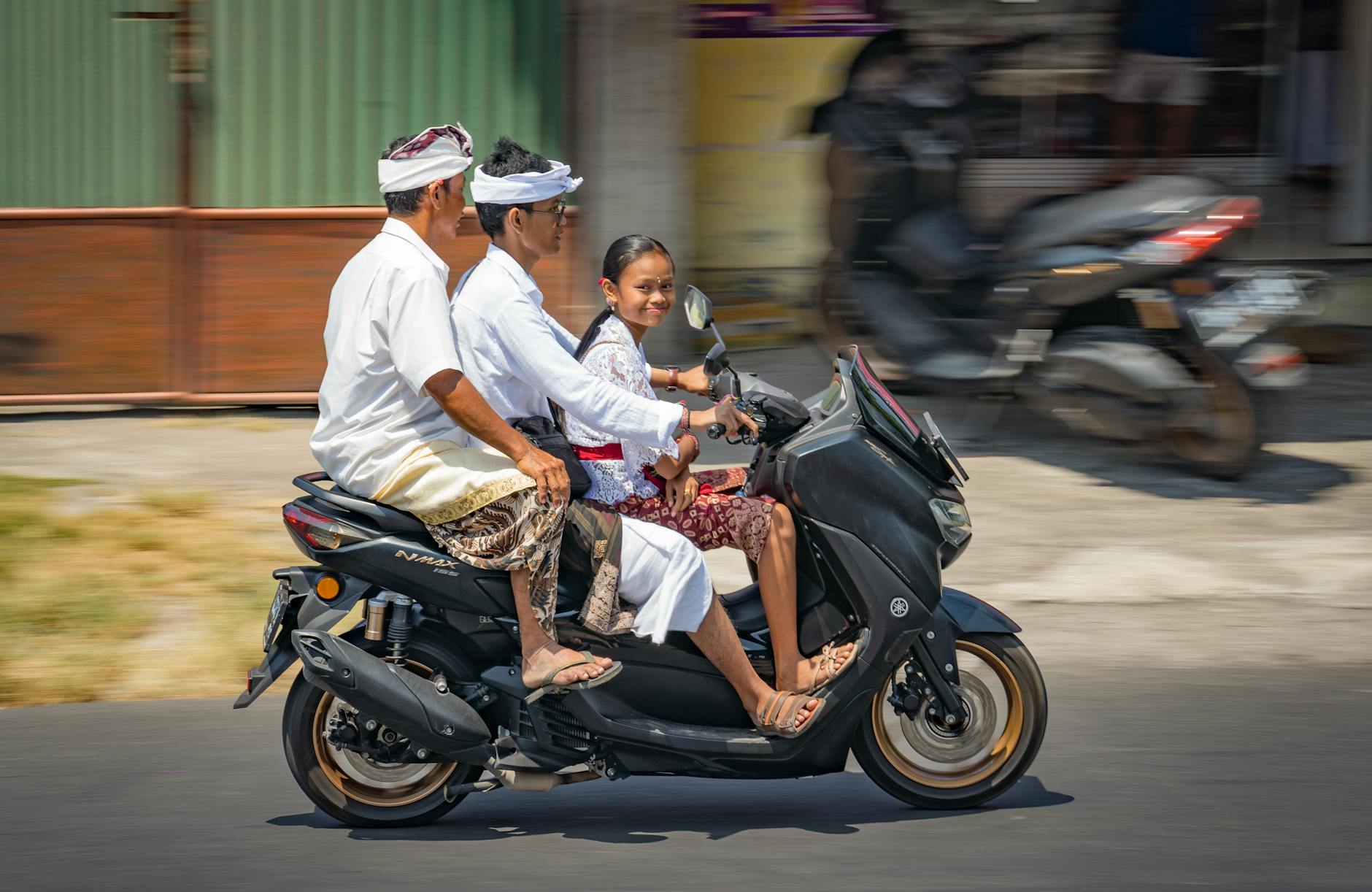
De Yamaha Mio Sporty werd halverwege de jaren 2000 geïntroduceerd in Zuidoost-Azië (met name Thailand en de Filippijnen) als een sportievere variant van de originele Yamaha Mio-automatische scooter, die rond 2003 debuteerde. Het bevatte stilistische upgrades ten opzichte van de standaard Mio, waaronder sportieve graphics, een achterspoiler en cosmetische verbeteringen gericht op jongere rijders. De Mio-serie werd een van Yamaha's best verkochte automatische scooters in de regio, waardoor het segment van de automatische 'maticscooter' populair werd in Zuidoost-Azië.
~7.0 hp
Kracht
~7.8 Nm
Koppel
~93 kg
Gewicht
~95 km/h (estimated; note: varies by market and condition)
Topsnelheid
~40–45 km/L (approximately 2.2–2.5 L/100km, real-world estimate)
Brandstof
Beeldig
Lichaam
🔧 Service Schedule & Parts
Affiliate · we may earn| Service item | Every | Typical cost | Parts |
|---|---|---|---|
| 🛢️ Engine oil + oil filter | 2,000 km / 1,000 mi or 3 mo | $15-30 | 🛢️ Buy → ⚙️ Buy → |
| 🌬️ Air filter | 8,000 km / 5,000 mi | — | 🌬️ Buy → |
| ⚡ Spark plugs | 8,000 km / 5,000 mi | — | ⚡ Buy → |
| 🔧 Valve clearance check | 24,000 km / 15,000 mi | $150-300 | |
| 🔗 Chain & sprockets | 15000-25000 km (replace) | $80-150 | 🔗 Buy → |
| 🛑 Brake pads | 10000-20000 km | $20-50 | 🛑 Buy → |
| 🛞 Tires | 15000-25000 km | $150-300 | 🛞 Buy → |
| 🔩 Major service | 24,000 km / 15,000 mi | $200-400 |
Video Review

Wat kopers moeten weten
Proven Reliable Engine
The Mio Sporty's 113cc air-cooled engine is known for longevity, often exceeding 50,000 km with basic maintenance. Regular CVT belt and roller replacement every 20,000 km is key to keeping it running smoothly.
Watch the CVT System
The most common issue reported by owners is CVT belt wear and slipping, especially in stop-and-go city traffic. Listen for a rattling or slipping sensation during acceleration as an early warning sign.
Strong Resale Value
The Mio Sporty holds its value exceptionally well in Southeast Asian markets due to its popularity and wide parts availability. A well-maintained unit can retain 60–70% of its value even after 3–4 years of use.
Generaties en specificaties per jaar
Originele Mio Sporty geïntroduceerd; 113 cc luchtgekoelde automatische CVT-motor, lichtgewicht frame, sportieve carrosseriepanelen.
"De scooter die het woon-werkverkeer in Zuidoost-Azië voor altijd opnieuw bedraad heeft."
Ik heb twee jaar lang dagelijks met een Mio Sporty van de eerste generatie door het verkeer van Metro Manila gereden en dat heeft mijn manier van denken over stedelijke mobiliteit echt veranderd: eenvoud in een draai die echt werkte, met een lage stoel van 740 mm waardoor mijn collega's met korte benen beide voeten plat konden planten. De 113cc trekt vol vertrouwen tot ongeveer 70 km/u voordat de CVT-riemspanning hoorbaar wordt, en hoewel 95 km/u technisch haalbaar is, voel je elke kilometer ervan in het gezoem door de vloerplaat. Het lichte chassis van 93 kg maakt het filteren van rijstroken bijna moeiteloos, maar diezelfde lichtheid verandert in nerveuze instabiliteit wanneer een geladen jeepney op EDSA langs je heen blaast. Het brandstofverbruik was echt indrukwekkend — ik had 45 tot 50 km/l bij gemengd rijden — maar de standaard schokdempers werden na 18 maanden regelmatig gebruik zacht en moesten vóór het tweede jaar worden vervangen.
Pluspunten
Nadelen
Herziene carrosseriestyling, bijgewerkte grafische en kleuropties, kleine verfijningen van de carburateur en het brandstofsysteem.
"Kogelvrije stadsscooter die beter veroudert dan verwacht."
Ik heb bijna 18.000 km gereden op een Mio Sporty uit 2009 en dat ding weigerde gewoon dood te gaan — olie verversen en een riem verwisselen waren eigenlijk het volledige onderhoudsverhaal. De herziene carrosserie ten opzichte van de eerste generatie is op zijn best een marginale cosmetische upgrade; laat je niet misleiden door de nieuwe graphics door te denken dat er onder de panelen iets fundamenteel is veranderd. Die 113 cc-motor trekt vol vertrouwen tot ongeveer 70 km/u voordat hij hard begint te ademen, en de topsnelheid van 95 km/u is reëel, maar je hebt niets in reserve op opritten op de snelweg. Wat echt indruk maakt, is de lage zithoogte en het lichte gewicht — mijn vrouw nam hem over nadat ik was verhuisd, en ze was vanaf de eerste dag comfortabel, wat je alles vertelt over de toegankelijkheid.
Pluspunten
Nadelen
Nieuw, scherper carrosserieontwerp, optie voor brandstofinjectie in sommige markten, bijgewerkte ophanging en remcomponenten.
Blue Core-motortechnologie toegepast, verbeterd brandstofverbruik, herzien chassis, bijgewerkte LED-verlichtingselementen.
Verder verfijnde Blue Core-motor, bijgewerkt digitaal instrumentenpaneel, gemoderniseerde carrosserie, verbeterde emissienormen.
Beoordeling van gebruikte kopers
"Bulletproof city scooter if you buy smart and inspect thoroughly."
$300-$900 usedThe Mio Sporty is about as basic as scooters get, and honestly, that's not always a bad thing. Yamaha built this thing to be bought, ridden hard, and forgotten about — and it delivers exactly that. The 113cc engine is gutless above 70kph but utterly unbreakable if the previous owner wasn't a complete idiot about oil changes. Check the variator rollers first thing; worn rollers make these feel sluggish and owners rarely replace them. Belt condition matters too — budget for a new one regardless. Used examples are everywhere in Southeast Asian markets and the parts bin is essentially infinite, which keeps running costs laughably low. Suspension is agricultural at both ends, so if you're covering anything beyond urban commuting, your spine will file a formal complaint. The brakes are drum front and rear on most variants — adequate for city speeds, nothing more. For pure city errand-running this is a sensible cheap buy. Just don't expect it to be anything other than what it is: honest, humble transport.
Top 10 Accessories
Curated picks for the Yamaha Mio Sporty — owned, ridden, recommended.





Veel voorkomende problemen
🔥 1 CRITICALRough idle, hard starting, poor throttle response
Slipping acceleration, vibration, belt squealing noise
Fuel smell, rust flakes in carb, tank underside
Oil stains on front forks, soft spongy handling
✅Checklist vóór aankoop
Decent city scooter if well-maintained
Full Specifications
Rivals & Alternatives
Bikes that buyers cross-shop with the Yamaha Mio Sporty
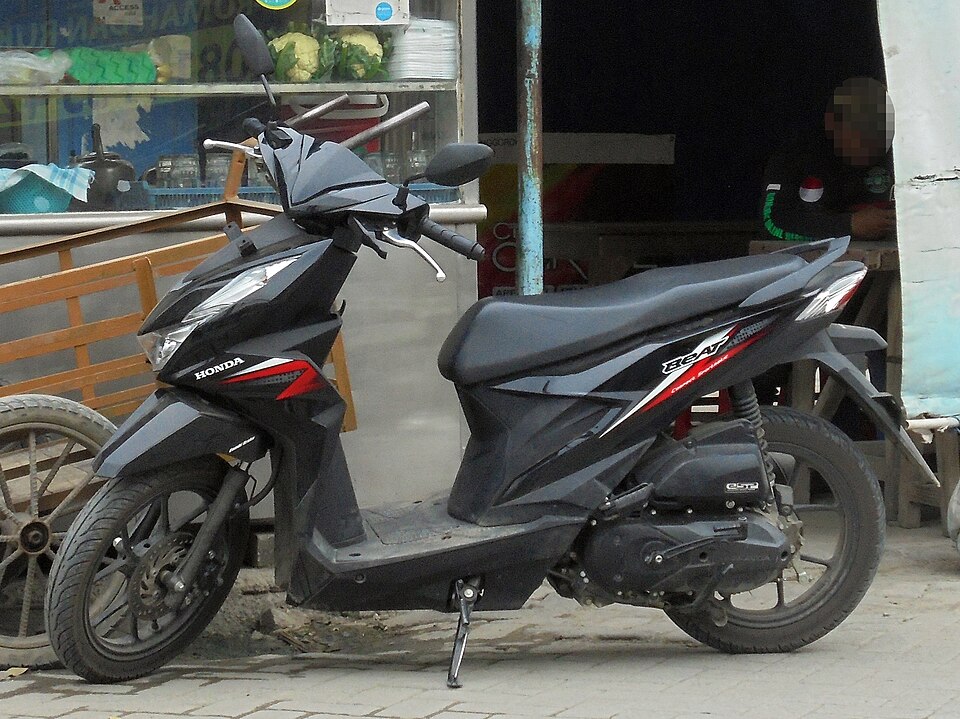
Honda Beat 110

Sym Mio 110
Yamaha Mio Soul
Honda Beat Street 110
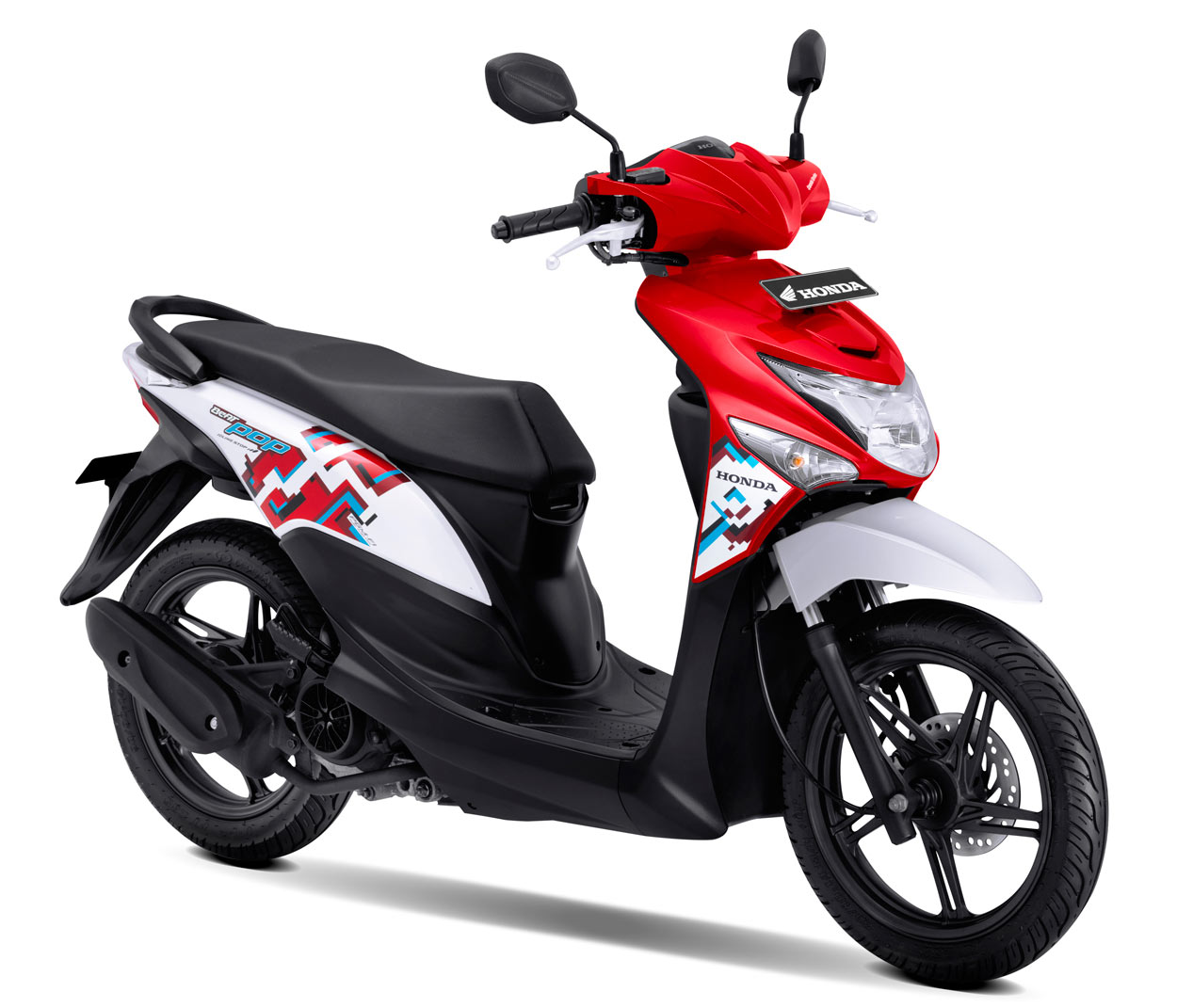
Honda Beat Pop 110
Compare Yamaha Mio Sporty Side-by-Side
compare_arrowsSpecs, power, weight & buyer verdict — head-to-head with the bikes most often cross-shopped.
Yamaha Mio Sporty vs Honda Beat 110
Specs · Power · Buyer verdict
Yamaha Mio Sporty vs Sym Mio 110
Specs · Power · Buyer verdict
Yamaha Mio Sporty vs Yamaha Mio Soul
Specs · Power · Buyer verdict
Yamaha Mio Sporty vs Honda Beat Street 110
Specs · Power · Buyer verdict
Yamaha Mio Sporty vs Honda Beat Pop 110
Specs · Power · Buyer verdict
More Yamaha Mio Sporty Guides
More from Yamaha
View all Yamaha models →Community Reviews
Discussion
Yamaha Mio Sporty Videos
Frequently Asked Questions
What are common problems with the Yamaha Mio Sporty? +
Carburetor clogging from old fuel deposits: Rough idle, hard starting, poor throttle response (moderate) | CVT belt and roller wear: Slipping acceleration, vibration, belt squealing noise (moderate) | Rusty or leaking fuel tank: Fuel smell, rust flakes in carb, tank underside (serious)
Is the Yamaha Mio Sporty a good motorcycle? +
Bulletproof city scooter if you buy smart and inspect thoroughly. Rating: 6.5/10. Best for: Urban commuters wanting cheap reliable daily transport. Avoid if: You ride highways or want sporty performance.
What is the horsepower of the Yamaha Mio Sporty? +
The Yamaha Mio Sporty produces ~7.0 hp @ 8,000 rpm (estimated for 113cc engine), with ~7.8 Nm @ 5,500 rpm (estimated) of torque. Top speed: ~95 km/h (estimated; note: varies by market and condition).
Is the Yamaha Mio Sporty good for beginners? +
Yes — the Yamaha Mio Sporty is a reasonable choice for new riders (7 hp is manageable), weighing 93 kg. Urban commuters wanting cheap reliable daily transport
Is the Yamaha Mio Sporty reliable? +
Owners report 1 critical issue to watch for on the Yamaha Mio Sporty, notably: Rusty or leaking fuel tank (Fuel smell, rust flakes in carb, tank underside). Buy with a pre-purchase inspection.
Is the Yamaha Mio Sporty good for daily use? +
Urban commuters wanting cheap reliable daily transport Fuel: ~40–45 km/L (approximately 2.2–2.5 L/100km, real-world estimate).
How fast is the Yamaha Mio Sporty? +
The Yamaha Mio Sporty reaches a top speed of ~95 km/h (estimated; note: varies by market and condition), producing 7 hp at 93 kg curb weight. Real-world performance depends on rider weight, gearing, and road conditions.
What gear should I buy for a Yamaha Mio Sporty? +
Motoryk has curated a Top 10 gear list specifically for the Yamaha Mio Sporty, covering engine oil, tires, chain, battery, and brake pads — see motoryk.com/bikes/yamaha/mio-sporty/top10. Each pick is matched to this bike's spec.