Yamaha Mio Sporty
The Yamaha Mio Sporty has a top speed of ~95 km/h (estimated; note: varies by market and condition), produces ~7.0 hp and weighs ~93 kg. Motoryk rates it 6.5/10.
Der Yamaha Mio Sporty wurde Mitte der 2000er Jahre in Südostasien (insbesondere in Thailand und den Philippinen) als sportlichere Variante des ursprünglichen Yamaha Mio Automatikrollers eingeführt, der um 2003 debütierte. Er verfügte über stilistische Verbesserungen gegenüber dem Standard-Mio, darunter eine sportliche Grafik, einen Heckspoiler und kosmetische Verbesserungen für jüngere Fahrer. Die Mio-Serie wurde zu einem der meistverkauften Automatik-Roller von Yamaha in der Region und trug dazu bei, das Segment der automatischen Matic-Roller in Südostasien bekannt zu machen.
~7.0 hp
Leistung
~7.8 Nm
Drehmoment
~93 kg
Gewicht
~95 km/h (estimated; note: varies by market and condition)
Höchstgeschwindigkeit
~40–45 km/L (approximately 2.2–2.5 L/100km, real-world estimate)
Treibstoff
Ausgeleitet
Körper
🔧 Service Schedule & Parts
Affiliate · we may earn| Service item | Every | Typical cost | Parts |
|---|---|---|---|
| 🛢️ Engine oil + oil filter | 2,000 km / 1,000 mi or 3 mo | $15-30 | 🛢️ Buy → ⚙️ Buy → |
| 🌬️ Air filter | 8,000 km / 5,000 mi | — | 🌬️ Buy → |
| ⚡ Spark plugs | 8,000 km / 5,000 mi | — | ⚡ Buy → |
| 🔧 Valve clearance check | 24,000 km / 15,000 mi | $150-300 | |
| 🔗 Chain & sprockets | 15000-25000 km (replace) | $80-150 | 🔗 Buy → |
| 🛑 Brake pads | 10000-20000 km | $20-50 | 🛑 Buy → |
| 🛞 Tires | 15000-25000 km | $150-300 | 🛞 Buy → |
| 🔩 Major service | 24,000 km / 15,000 mi | $200-400 |
Video Review
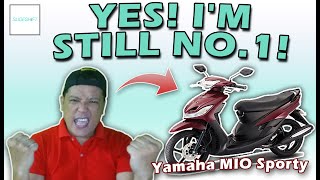
Was Käufer wissen sollten
Proven Reliable Engine
The Mio Sporty's 113cc air-cooled engine is known for longevity, often exceeding 50,000 km with basic maintenance. Regular CVT belt and roller replacement every 20,000 km is key to keeping it running smoothly.
Watch the CVT System
The most common issue reported by owners is CVT belt wear and slipping, especially in stop-and-go city traffic. Listen for a rattling or slipping sensation during acceleration as an early warning sign.
Strong Resale Value
The Mio Sporty holds its value exceptionally well in Southeast Asian markets due to its popularity and wide parts availability. A well-maintained unit can retain 60–70% of its value even after 3–4 years of use.
Generationen und Spezifikationen nach Jahr
Der ursprüngliche Mio Sporty wurde eingeführt; luftgekühlter Automatik-CVT-Motor mit 113 cm³ Hubraum, leichter Rahmen, sportliche Karosserieteile.
"Der Roller, der das Pendeln in Südostasien für immer neu verkabelt hat."
Ich bin zwei Jahre lang täglich mit einem Mio Sporty der ersten Generation durch den Verkehr in der Metro Manila gefahren, und das hat meine Einstellung zur urbanen Mobilität wirklich verändert — eine einfache Drehung und Fahrt, die tatsächlich funktionierte, mit einem niedrigen 740-mm-Sitz, der es meinen Kollegen mit kürzeren Beinen ermöglichte, beide Füße flach zu platzieren. Der 113cc fährt souverän auf etwa 70 km/h an, bevor die CVT-Riemenbelastung hörbar wird, und obwohl 95 km/h technisch machbar sind, spürt man jeden Kilometer davon im Summen durch die Bodenplatte. Das leichte, 93 kg schwere Chassis macht das Filtern der Fahrspur fast mühelos, aber die gleiche Leichtigkeit führt zu nervöser Instabilität, wenn ein beladener Jeepney auf der EDSA an Ihnen vorbeifliegt. Der Kraftstoffverbrauch war wirklich beeindruckend — ich hatte 45—50 km/l im gemischten Fahrbetrieb —, aber die serienmäßigen Stoßdämpfer schwächten sich bei regelmäßiger Nutzung innerhalb von 18 Monaten ab und mussten vor dem zweiten Jahr ausgetauscht werden.
Profis
Nachteile
Überarbeitetes Karosseriedesign, aktualisierte Grafik- und Farboptionen, geringfügige Verfeinerungen des Vergasers und des Kraftstoffsystems.
"Kugelsicherer Cityroller, der besser altert als erwartet."
Ich habe fast 18.000 km auf einem Mio Sporty von 2009 zurückgelegt und das Ding wollte einfach nicht sterben — Ölwechsel und Riemenwechsel waren quasi die komplette Wartung. Die gegenüber der ersten Generation überarbeitete Karosserie ist bestenfalls eine marginale kosmetische Verbesserung. Lassen Sie sich nicht von der neuen Grafik täuschen, dass sich unter den Panels etwas Grundlegendes geändert hat. Dieser 113-cm3-Motor fährt souverän auf etwa 70 km/h an, bevor er anfängt, schwer zu atmen, und die angegebene Höchstgeschwindigkeit von 95 km/h ist real, lässt Ihnen aber auf Autobahnauffahrten nichts übrig. Was wirklich beeindruckt, ist die niedrige Sitzhöhe und das geringe Gewicht — meine Frau hat ihn übernommen, nachdem ich umgezogen bin, und sie fühlte sich am ersten Tag wohl, was Ihnen alles über die Barrierefreiheit verrät.
Profis
Nachteile
Neues, schärferes Karosseriedesign, in einigen Märkten optionale Kraftstoffeinspritzung, aktualisierte Federungs- und Bremskomponenten.
Einführung der Blue Core-Motortechnologie, verbesserte Kraftstoffeffizienz, überarbeitetes Fahrwerk, aktualisierte LED-Beleuchtungselemente.
Weiterentwickelter Blue Core-Motor, aktualisiertes digitales Kombiinstrument, modernisierte Karosserie, verbesserte Emissionsvorschriften.
Bewertung von gebrauchten Käufern
"Bulletproof city scooter if you buy smart and inspect thoroughly."
$300-$900 usedThe Mio Sporty is about as basic as scooters get, and honestly, that's not always a bad thing. Yamaha built this thing to be bought, ridden hard, and forgotten about — and it delivers exactly that. The 113cc engine is gutless above 70kph but utterly unbreakable if the previous owner wasn't a complete idiot about oil changes. Check the variator rollers first thing; worn rollers make these feel sluggish and owners rarely replace them. Belt condition matters too — budget for a new one regardless. Used examples are everywhere in Southeast Asian markets and the parts bin is essentially infinite, which keeps running costs laughably low. Suspension is agricultural at both ends, so if you're covering anything beyond urban commuting, your spine will file a formal complaint. The brakes are drum front and rear on most variants — adequate for city speeds, nothing more. For pure city errand-running this is a sensible cheap buy. Just don't expect it to be anything other than what it is: honest, humble transport.
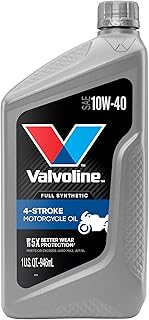
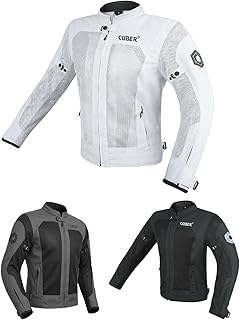
Top 10 Accessories
Curated picks for the Yamaha Mio Sporty — owned, ridden, recommended.




Häufig auftretende Probleme
🔥 1 CRITICALRough idle, hard starting, poor throttle response
Slipping acceleration, vibration, belt squealing noise
Fuel smell, rust flakes in carb, tank underside
Oil stains on front forks, soft spongy handling
✅Checkliste vor dem Kauf
Decent city scooter if well-maintained
Full Specifications
Rivals & Alternatives
Bikes that buyers cross-shop with the Yamaha Mio Sporty
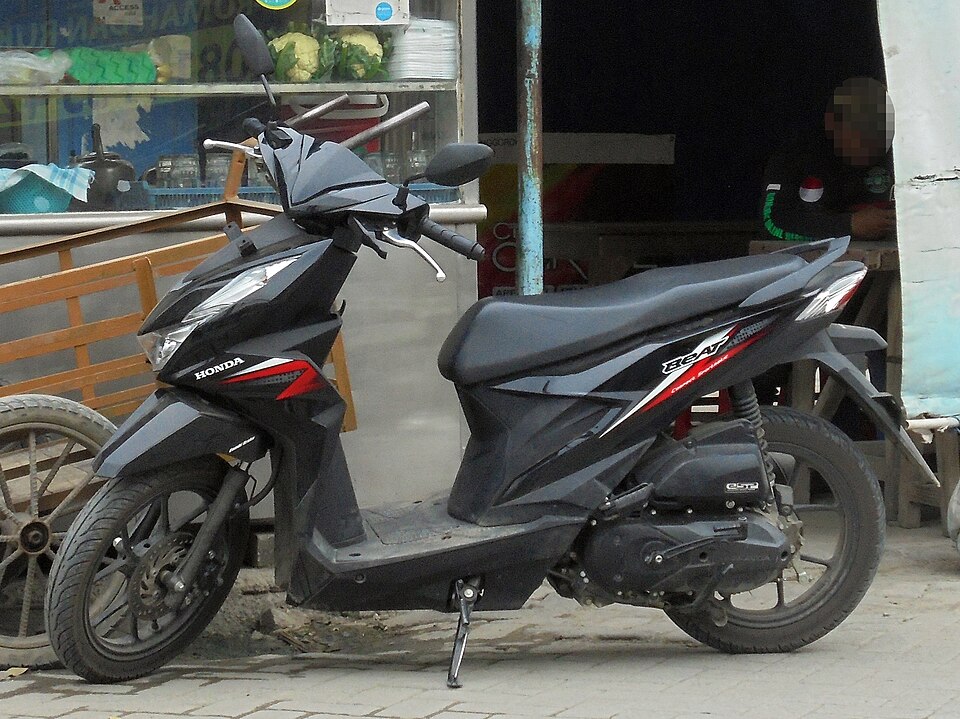
Honda Beat 110

Sym Mio 110
Yamaha Mio Soul
Honda Beat Street 110
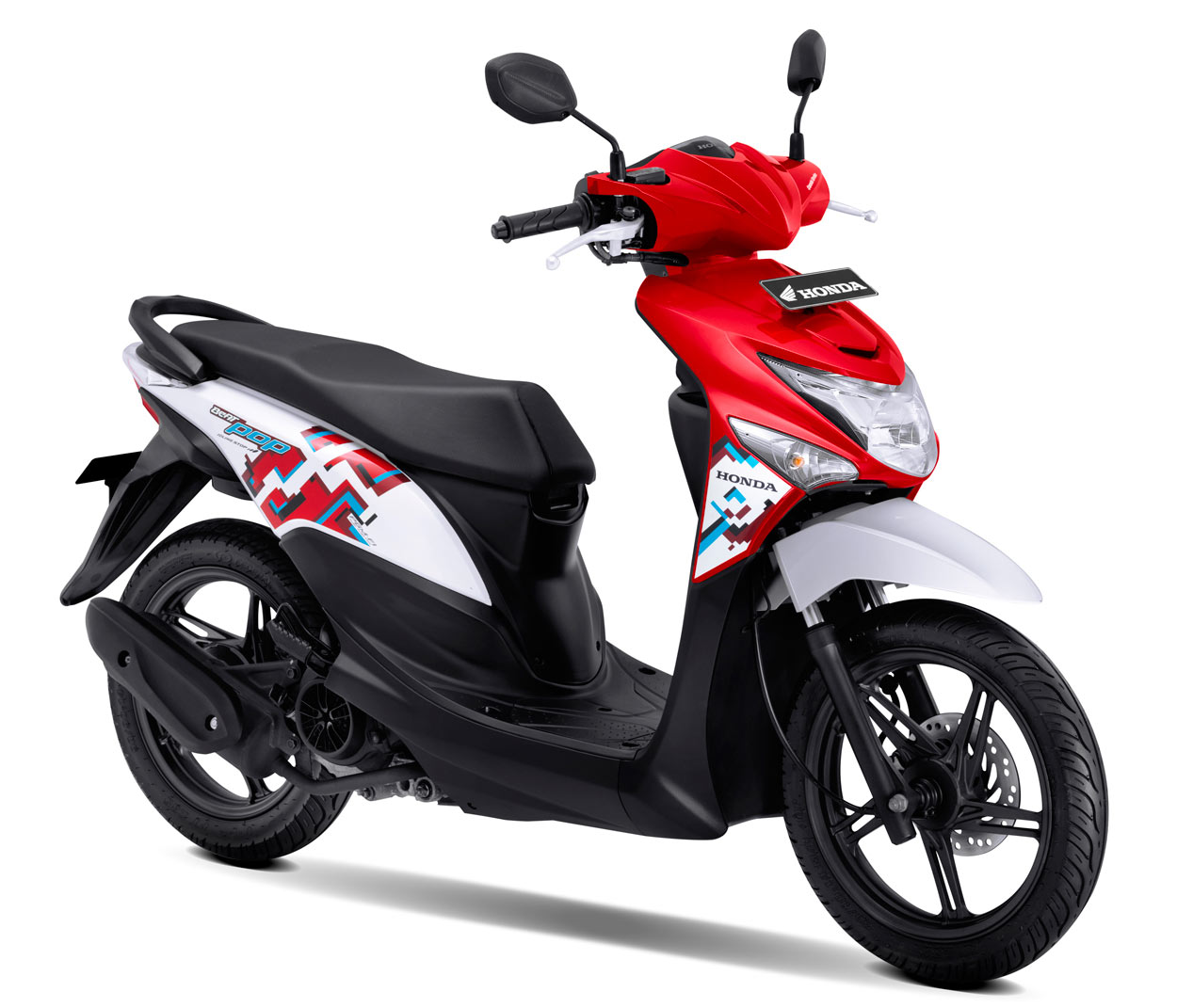
Honda Beat Pop 110
Compare Yamaha Mio Sporty Side-by-Side
compare_arrowsSpecs, power, weight & buyer verdict — head-to-head with the bikes most often cross-shopped.
Yamaha Mio Sporty vs Honda Beat 110
Specs · Power · Buyer verdict
Yamaha Mio Sporty vs Sym Mio 110
Specs · Power · Buyer verdict
Yamaha Mio Sporty vs Yamaha Mio Soul
Specs · Power · Buyer verdict
Yamaha Mio Sporty vs Honda Beat Street 110
Specs · Power · Buyer verdict
Yamaha Mio Sporty vs Honda Beat Pop 110
Specs · Power · Buyer verdict
More Yamaha Mio Sporty Guides
More from Yamaha
View all Yamaha models →Community Reviews
Discussion
Yamaha Mio Sporty Videos
Frequently Asked Questions
What are common problems with the Yamaha Mio Sporty? +
Carburetor clogging from old fuel deposits: Rough idle, hard starting, poor throttle response (moderate) | CVT belt and roller wear: Slipping acceleration, vibration, belt squealing noise (moderate) | Rusty or leaking fuel tank: Fuel smell, rust flakes in carb, tank underside (serious)
Is the Yamaha Mio Sporty a good motorcycle? +
Bulletproof city scooter if you buy smart and inspect thoroughly. Rating: 6.5/10. Best for: Urban commuters wanting cheap reliable daily transport. Avoid if: You ride highways or want sporty performance.
What is the horsepower of the Yamaha Mio Sporty? +
The Yamaha Mio Sporty produces ~7.0 hp @ 8,000 rpm (estimated for 113cc engine), with ~7.8 Nm @ 5,500 rpm (estimated) of torque. Top speed: ~95 km/h (estimated; note: varies by market and condition).
Is the Yamaha Mio Sporty good for beginners? +
Yes — the Yamaha Mio Sporty is a reasonable choice for new riders (7 hp is manageable), weighing 93 kg. Urban commuters wanting cheap reliable daily transport
Is the Yamaha Mio Sporty reliable? +
Owners report 1 critical issue to watch for on the Yamaha Mio Sporty, notably: Rusty or leaking fuel tank (Fuel smell, rust flakes in carb, tank underside). Buy with a pre-purchase inspection.
Is the Yamaha Mio Sporty good for daily use? +
Urban commuters wanting cheap reliable daily transport Fuel: ~40–45 km/L (approximately 2.2–2.5 L/100km, real-world estimate).
How fast is the Yamaha Mio Sporty? +
The Yamaha Mio Sporty reaches a top speed of ~95 km/h (estimated; note: varies by market and condition), producing 7 hp at 93 kg curb weight. Real-world performance depends on rider weight, gearing, and road conditions.
What gear should I buy for a Yamaha Mio Sporty? +
Motoryk has curated a Top 10 gear list specifically for the Yamaha Mio Sporty, covering engine oil, tires, chain, battery, and brake pads — see motoryk.com/bikes/yamaha/mio-sporty/top10. Each pick is matched to this bike's spec.