Yamaha Fjr1300es
The Yamaha Fjr1300es has a top speed of 240 km/h (estimated, manufacturer limited), produces 146 hp and weighs 289 kg. Motoryk rates it 8.5/10.
Yamaha FJR1300 została wprowadzona w 2001 roku jako motocykl sportowo-turystyczny zbudowany na silniku inline-four o pojemności 1298 cm3, skierowany do kierowców długodystansowych, którzy chcieli zarówno osiągów, jak i komfortu. Wariant „ES” (Electronic Suspension) pojawił się w 2006 roku, dodając elektronicznie regulowane zawieszenie dla lepszej kontroli kierowcy i regulacji komfortu w locie. Stał się jednym z najbardziej szanowanych turystów sportowych w swojej klasie, znanym z niezawodności, ochrony przed wiatrem i możliwości jazdy przez cały dzień.
146 hp
Moc
138 Nm
Moment obrotowy
289 kg
Waga
240 km/h (estimated, manufacturer limited)
Prędkość maksymalna
6.0–7.0 L/100km (typical real-world average)
Paliwo
Fair
Ciało
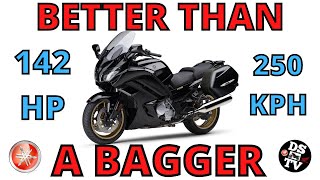
Video Review
Co kupujący powinni wiedzieć
Shaft Drive Advantage
The FJR1300ES uses a shaft drive instead of a chain, eliminating regular chain maintenance and replacement costs. This makes long-distance touring significantly cheaper and less time-consuming to maintain.
Watch the Shims
The FJR1300 requires periodic valve shim adjustments, which can be costly due to the labor-intensive process on this engine. Always ask for valve adjustment service history before buying used.
Strong Resale Value
The FJR1300ES holds its value exceptionally well compared to most sport-tourers, thanks to its proven reliability and dedicated owner community. A well-maintained example can retain 60-70% of its value after 5 years.
Pokolenia i specyfikacje według roku
FJR1300AS przemianowano na ES na niektórych rynkach; wprowadzono elektroniczne zawieszenie, półaktywny system tłumienia Öhlins.
"Najlepszy turysta sportowy, którego za pieniądze można było prawie kupić."
Pojechałem 28 000 km na ES z 2009 roku i to naprawdę zmieniło sposób myślenia o jeździe na długich dystansach — elektroniczne zawieszenie Öhlins nie jest sztuczką; poruszanie się między środkowym zakrętem Standard i Sport to rodzaj czarów, które sprawiają, że ufasz rowerowi w sposób, którego nie oczekujesz od czegoś o wadze prawie 300 kg na mokro. Inline-four o pojemności 1298 cm3 czyści się z 3000 obr./min i nie zabraknie oddechu, dopóki nie osiągniesz prędkości, które kończą licencję, ale jest również gorąco podczas wolnego ruchu, a upał wypala prawą nogę w sposób, który staje się naprawdę nieprzyjemny w 40-stopniowe letnie dni. Elektroniczne zawieszenie miało jedno poważne dziwactwo wczesnej generacji: system od czasu do czasu rzucał kod błędu po ulewnym deszczu, pozostawiając cię w domyślnym twardym ustawieniu przez resztę dnia, dopóki nie zabiłeś i ponownie uruchomiłeś zapłon trzy razy, jak jakiś rytuał. Mimo to żaden rower, na którym jeździłem wcześniej lub później, nie ładuje bagażu, nie zjada autostrady, a potem faktycznie nie obsługuje górskiej drogi z takim poziomem przekonujących kompetencji.
Plusy
Wady
Poprawione podwozie, dodana kontrola trakcji, zaktualizowany zestaw wskaźników, ulepszony elektroniczny interfejs sterowania zawieszeniem.
Silnik zgodny z normą Euro 4, dodany tempomat, zaktualizowane oświetlenie LED, poprawiona aerodynamika owiewki i ergonomia.
Recenzja używanego kupującego
"The definitive used sport-tourer that rewards serious, experienced riders richly."
$7,000-$12,500 usedThe FJR1300ES is the sport-tourer that refuses to age badly. That electronically adjustable suspension isn't just marketing fluff — it genuinely transforms the bike between solo blasts and two-up touring duty, and you'll use it constantly. The 1298cc inline-four pulls hard from 3,000rpm and never feels dishonest about what it is: a serious, capable machine built for riders who actually ride. Check the shaft drive for any notchiness and verify the suspension electronics respond properly before buying — repair costs sting. Used examples tend to be high-mileage tourers, which is actually fine because FJRs are built for exactly that punishment. What you're really inspecting is maintenance history. Missed valve clearance intervals on these is common and annoying to fix. The panniers and electrically adjustable screen should operate smoothly — if they don't, walk away or negotiate hard. Above 70mph this thing finds its element completely. Wind protection is genuinely excellent, the heated grips work properly, and the fueling is clean throughout the rev range. It's not exciting — it's better than that.
Top 10 Accessories
Curated picks for the Yamaha Fjr1300es — owned, ridden, recommended.




Typowe problemy
🔥 2 CRITICALTest all suspension modes, watch for error codes on dash
Listen for clunk during throttle on/off transitions
Inspect reservoir for cracks, check coolant level history
Check charging voltage at idle and 3000 RPM
✅Lista kontrolna przed zakupem
Very reliable, but electronics add expensive repair risk
Full Specifications
Rivals & Alternatives
Bikes that buyers cross-shop with the Yamaha Fjr1300es
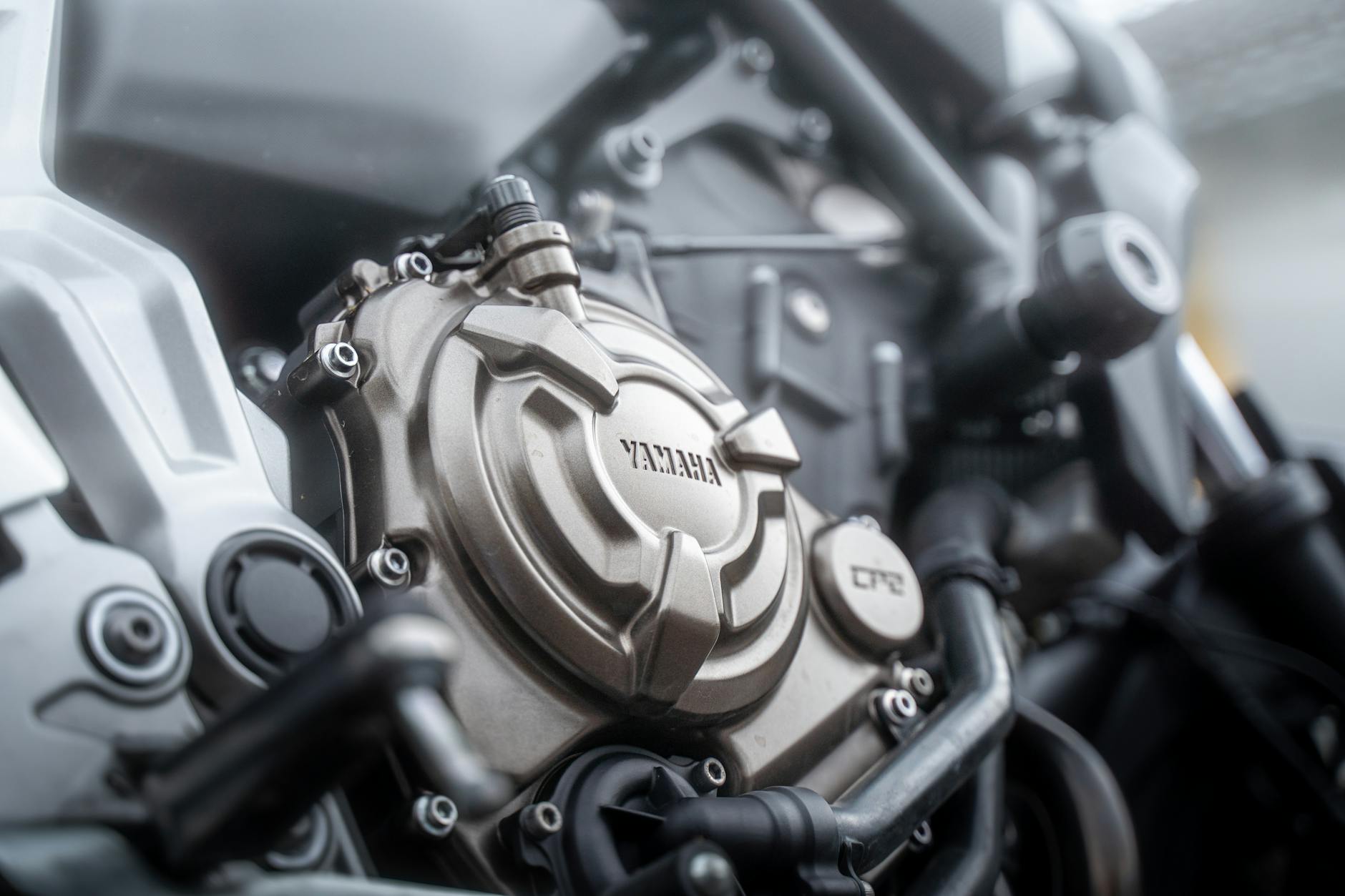
Yamaha Fjr1300
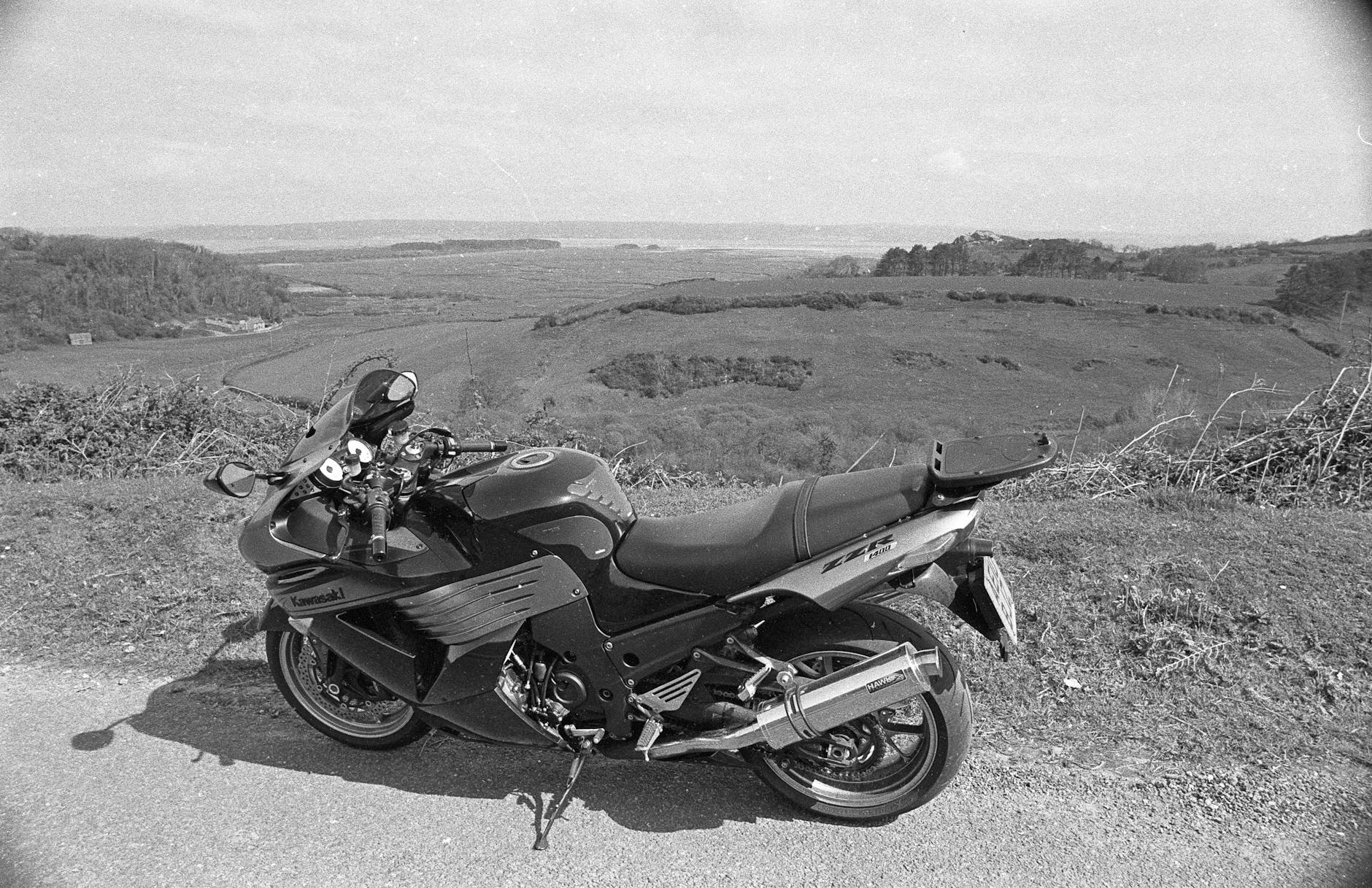
Kawasaki Concours 14
Honda St1300 Pan European
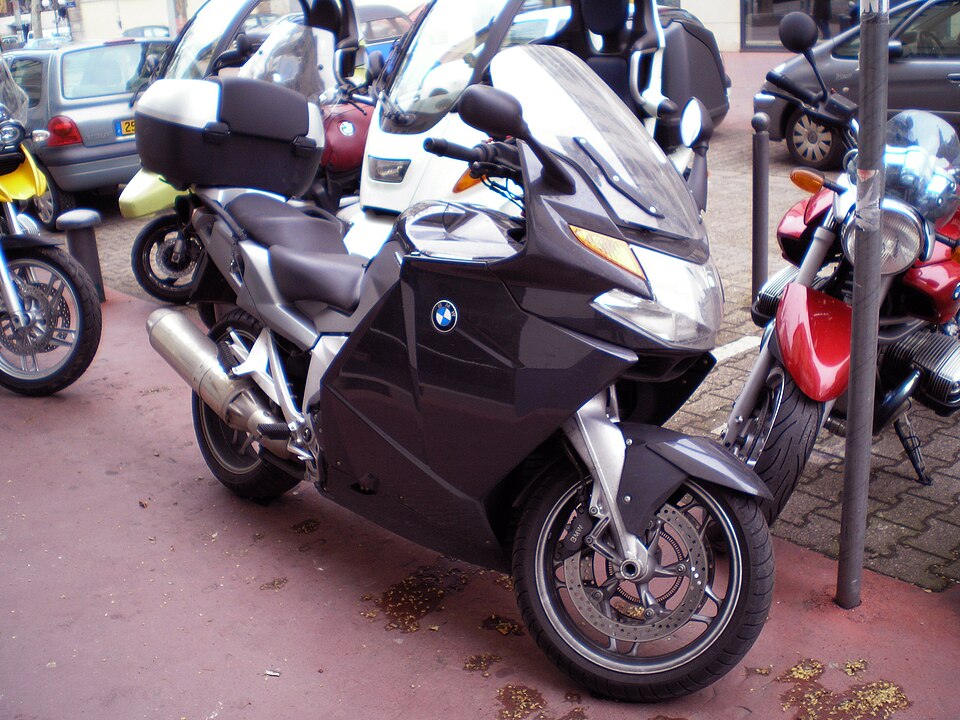
Bmw K 1200 Gt
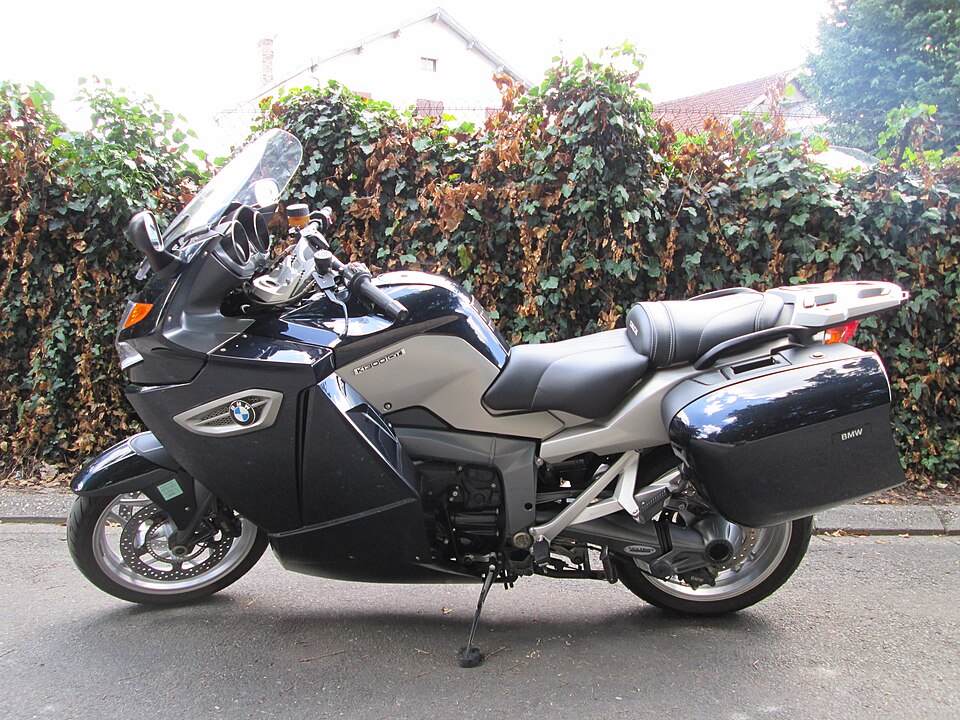
Bmw K 1300 Gt
Compare Yamaha Fjr1300es Side-by-Side
compare_arrowsSpecs, power, weight & buyer verdict — head-to-head with the bikes most often cross-shopped.
Yamaha Fjr1300es vs Yamaha Fjr1300
Specs · Power · Buyer verdict
Yamaha Fjr1300es vs Kawasaki Concours 14
Specs · Power · Buyer verdict
Yamaha Fjr1300es vs Honda St1300 Pan European
Specs · Power · Buyer verdict
Yamaha Fjr1300es vs Bmw K 1200 Gt
Specs · Power · Buyer verdict
Yamaha Fjr1300es vs Bmw K 1300 Gt
Specs · Power · Buyer verdict
More Yamaha Fjr1300es Guides
More from Yamaha
View all Yamaha models →Community Reviews
Discussion
Frequently Asked Questions
What are common problems with the Yamaha Fjr1300es? +
Electronic suspension failure (ERS unit): Test all suspension modes, watch for error codes on dash (serious) | Shaft drive clunking, worn splines: Listen for clunk during throttle on/off transitions (moderate) | Coolant reservoir cracking, slow leaks: Inspect reservoir for cracks, check coolant level history (minor)
Is the Yamaha Fjr1300es a good motorcycle? +
The definitive used sport-tourer that rewards serious, experienced riders richly. Rating: 8.5/10. Best for: High-mileage touring riders wanting bulletproof reliability. Avoid if: You prioritize light weight or urban commuting.
What is the horsepower of the Yamaha Fjr1300es? +
The Yamaha Fjr1300es produces 146 hp @ 8,000 rpm, with 138 Nm @ 7,000 rpm of torque. Top speed: 240 km/h (estimated, manufacturer limited).
Is the Yamaha Fjr1300es good for beginners? +
Not really — the Yamaha Fjr1300es is better for experienced riders (146 hp can be intimidating). High-mileage touring riders wanting bulletproof reliability Avoid if: You prioritize light weight or urban commuting
Is the Yamaha Fjr1300es reliable? +
Owners report 2 critical issues to watch for on the Yamaha Fjr1300es, notably: Electronic suspension failure (ERS unit) (Test all suspension modes, watch for error codes on dash). Buy with a pre-purchase inspection.
Is the Yamaha Fjr1300es good for daily use? +
High-mileage touring riders wanting bulletproof reliability Fuel: 6.0–7.0 L/100km (typical real-world average).
How fast is the Yamaha Fjr1300es? +
The Yamaha Fjr1300es reaches a top speed of 240 km/h (estimated, manufacturer limited), producing 146 hp at 289 kg curb weight. Real-world performance depends on rider weight, gearing, and road conditions.
What gear should I buy for a Yamaha Fjr1300es? +
Motoryk has curated a Top 10 gear list specifically for the Yamaha Fjr1300es, covering engine oil, tires, chain, battery, and brake pads — see motoryk.com/bikes/yamaha/fjr1300es/top10. Each pick is matched to this bike's spec.