Yamaha Fjr1300es
The Yamaha Fjr1300es has a top speed of 240 km/h (estimated, manufacturer limited), produces 146 hp and weighs 289 kg. Motoryk rates it 8.5/10.
La Yamaha FJR1300 a été introduite en 2001 en tant que moto de tourisme sportive construite autour d'un moteur quatre cylindres en ligne de 1298 cm3, destinée aux pilotes de longue distance qui recherchaient à la fois performance et confort. La variante « ES » (suspension électronique) est arrivée en 2006, ajoutant une suspension à réglage électronique pour un meilleur contrôle du pilote et un réglage du confort à la volée. Il est devenu l'un des véhicules de tourisme sportif les plus respectés de sa catégorie, réputé pour sa fiabilité, sa protection contre le vent et sa capacité à rouler toute la journée.
146 hp
Pouvoir
138 Nm
Torque
289 kg
Poids
240 km/h (estimated, manufacturer limited)
Vitesse maximale
6.0–7.0 L/100km (typical real-world average)
Carburant
Caréné
Corps
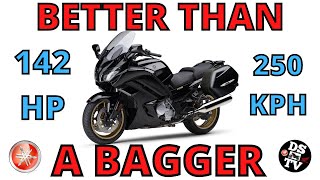
Video Review
Ce que les acheteurs doivent savoir
Shaft Drive Advantage
The FJR1300ES uses a shaft drive instead of a chain, eliminating regular chain maintenance and replacement costs. This makes long-distance touring significantly cheaper and less time-consuming to maintain.
Watch the Shims
The FJR1300 requires periodic valve shim adjustments, which can be costly due to the labor-intensive process on this engine. Always ask for valve adjustment service history before buying used.
Strong Resale Value
The FJR1300ES holds its value exceptionally well compared to most sport-tourers, thanks to its proven reliability and dedicated owner community. A well-maintained example can retain 60-70% of its value after 5 years.
Générations et spécifications par année
Le FJR1300AS a été renommé ES sur certains marchés ; suspension électronique introduite, système d'amortissement Öhlins semi-actif.
"Le meilleur véhicule de tourisme sportif que l'argent puisse presque acheter."
J'ai parcouru 28 000 km sur une ES 2009 et cela a vraiment changé ma façon de penser la conduite sur de longues distances : la suspension électronique Öhlins n'est pas un gadget ; le fait de basculer entre Standard et Sport en milieu de virage est le genre de sorcellerie qui vous permet de faire confiance à la moto comme vous ne l'attendez pas d'une voiture pesant près de 300 kg mouillée. Le quatre cylindres en ligne de 1298 cm3 tourne à plein régime dès 3 000 tr/min et ne s'essouffle que lorsque vous atteignez des vitesses qui mettront fin à votre permis, mais il fait également chaud lorsque la circulation est lente et cette chaleur vous fait cuire la jambe droite d'une manière qui devient vraiment désagréable les jours d'été à 40 degrés. La suspension électronique présentait une particularité majeure au début de la génération précédente : le système émettait parfois un code d'erreur après de fortes pluies, vous laissant bloqué dans un réglage par défaut pour le reste de la journée jusqu'à ce que vous tuiez et redémarriez le contact à trois reprises, comme une sorte de rituel. Pourtant, aucun vélo que j'ai fait auparavant ou depuis ne charge de bagages, ne mange les autoroutes, puis ne parcourt une route de montagne avec un tel niveau de compétence convaincante.
Pros
Les inconvénients
Châssis révisé, contrôle de traction ajouté, tableau de bord mis à jour, interface de commande électronique de suspension améliorée.
Moteur conforme à la norme Euro 4, régulateur de vitesse ajouté, éclairage LED mis à jour, aérodynamique et ergonomie du carénage révisées.
Évaluation d'un acheteur d'occasion
"The definitive used sport-tourer that rewards serious, experienced riders richly."
$7,000-$12,500 usedThe FJR1300ES is the sport-tourer that refuses to age badly. That electronically adjustable suspension isn't just marketing fluff — it genuinely transforms the bike between solo blasts and two-up touring duty, and you'll use it constantly. The 1298cc inline-four pulls hard from 3,000rpm and never feels dishonest about what it is: a serious, capable machine built for riders who actually ride. Check the shaft drive for any notchiness and verify the suspension electronics respond properly before buying — repair costs sting. Used examples tend to be high-mileage tourers, which is actually fine because FJRs are built for exactly that punishment. What you're really inspecting is maintenance history. Missed valve clearance intervals on these is common and annoying to fix. The panniers and electrically adjustable screen should operate smoothly — if they don't, walk away or negotiate hard. Above 70mph this thing finds its element completely. Wind protection is genuinely excellent, the heated grips work properly, and the fueling is clean throughout the rev range. It's not exciting — it's better than that.
Top 10 Accessories
Curated picks for the Yamaha Fjr1300es — owned, ridden, recommended.




Problèmes courants
🔥 2 CRITICALTest all suspension modes, watch for error codes on dash
Listen for clunk during throttle on/off transitions
Inspect reservoir for cracks, check coolant level history
Check charging voltage at idle and 3000 RPM
✅Liste de contrôle préalable à l'achat
Very reliable, but electronics add expensive repair risk
Full Specifications
Rivals & Alternatives
Bikes that buyers cross-shop with the Yamaha Fjr1300es
Yamaha Fjr1300
Kawasaki Concours 14
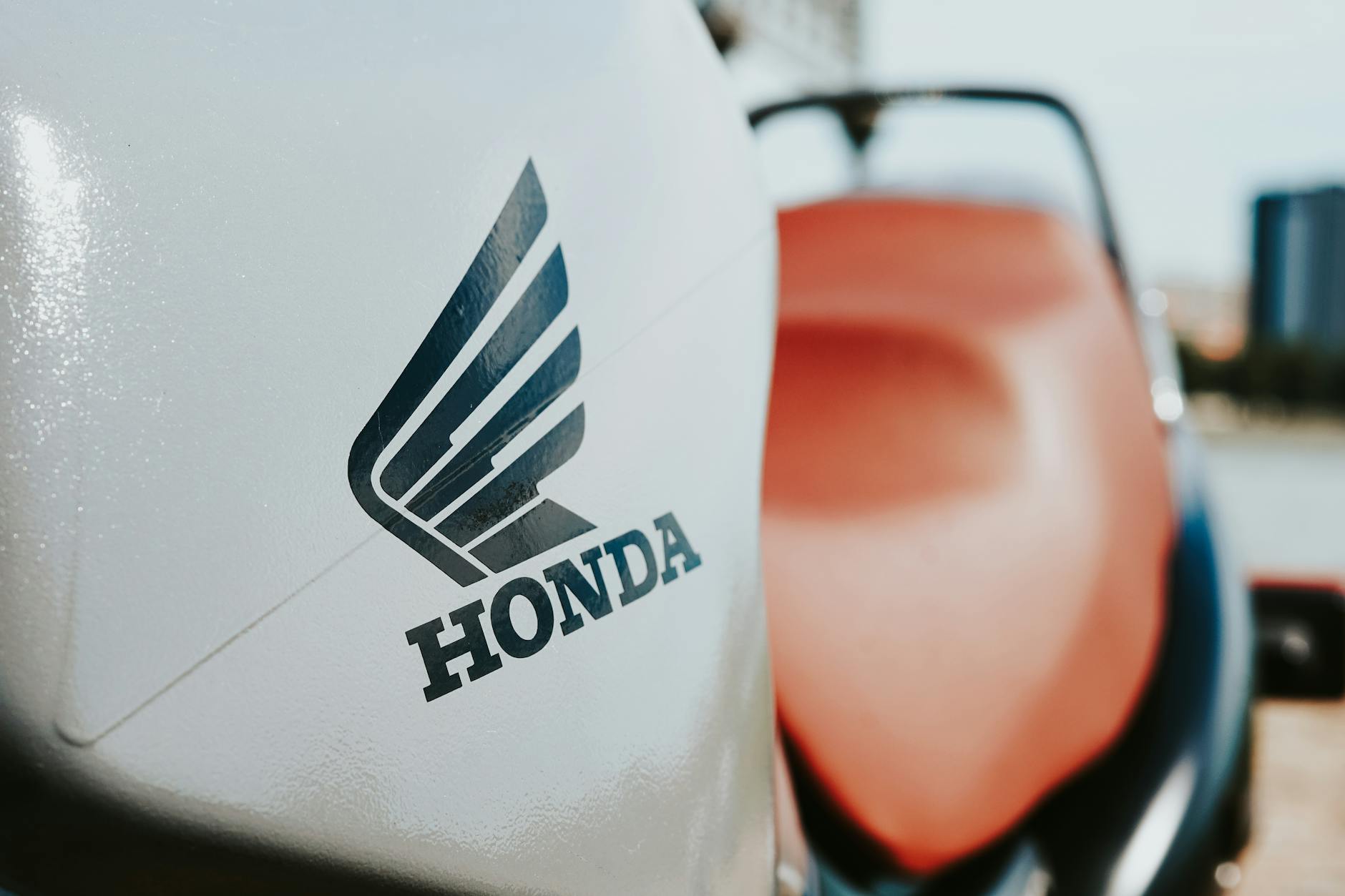
Honda St1300 Pan European
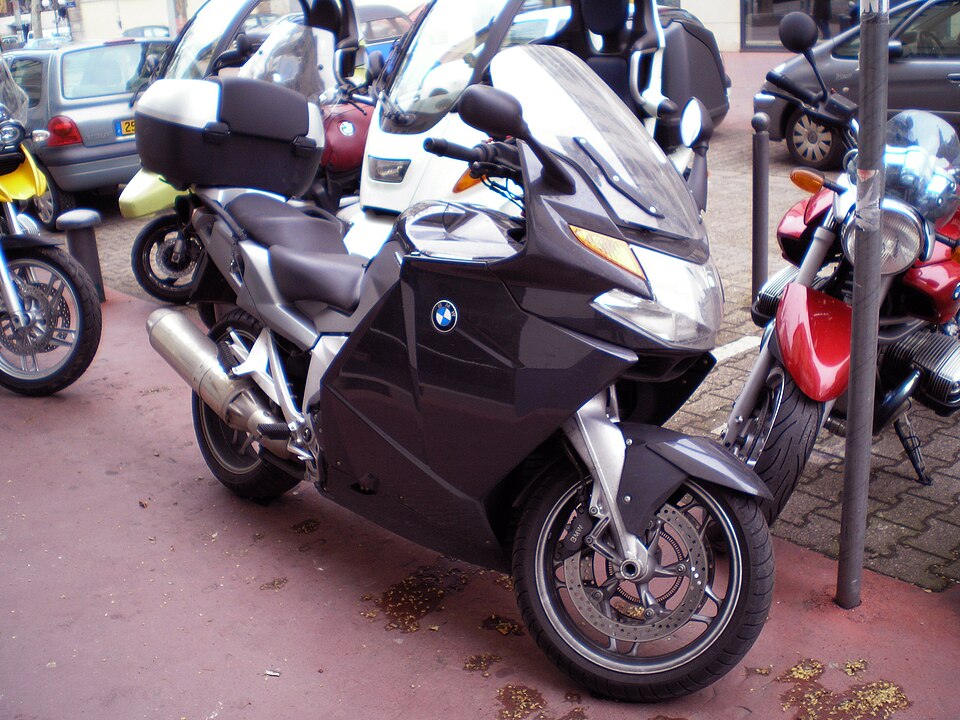
Bmw K 1200 Gt
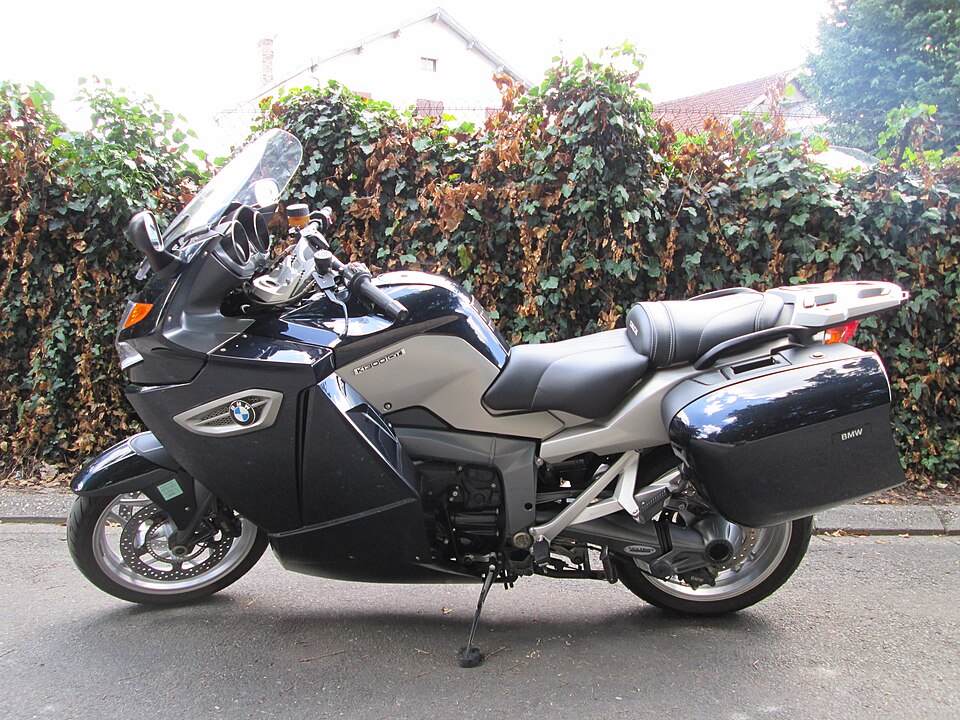
Bmw K 1300 Gt
Compare Yamaha Fjr1300es Side-by-Side
compare_arrowsSpecs, power, weight & buyer verdict — head-to-head with the bikes most often cross-shopped.
Yamaha Fjr1300es vs Yamaha Fjr1300
Specs · Power · Buyer verdict
Yamaha Fjr1300es vs Kawasaki Concours 14
Specs · Power · Buyer verdict
Yamaha Fjr1300es vs Honda St1300 Pan European
Specs · Power · Buyer verdict
Yamaha Fjr1300es vs Bmw K 1200 Gt
Specs · Power · Buyer verdict
Yamaha Fjr1300es vs Bmw K 1300 Gt
Specs · Power · Buyer verdict
More Yamaha Fjr1300es Guides
More from Yamaha
View all Yamaha models →Community Reviews
Discussion
Frequently Asked Questions
What are common problems with the Yamaha Fjr1300es? +
Electronic suspension failure (ERS unit): Test all suspension modes, watch for error codes on dash (serious) | Shaft drive clunking, worn splines: Listen for clunk during throttle on/off transitions (moderate) | Coolant reservoir cracking, slow leaks: Inspect reservoir for cracks, check coolant level history (minor)
Is the Yamaha Fjr1300es a good motorcycle? +
The definitive used sport-tourer that rewards serious, experienced riders richly. Rating: 8.5/10. Best for: High-mileage touring riders wanting bulletproof reliability. Avoid if: You prioritize light weight or urban commuting.
What is the horsepower of the Yamaha Fjr1300es? +
The Yamaha Fjr1300es produces 146 hp @ 8,000 rpm, with 138 Nm @ 7,000 rpm of torque. Top speed: 240 km/h (estimated, manufacturer limited).
Is the Yamaha Fjr1300es good for beginners? +
Not really — the Yamaha Fjr1300es is better for experienced riders (146 hp can be intimidating). High-mileage touring riders wanting bulletproof reliability Avoid if: You prioritize light weight or urban commuting
Is the Yamaha Fjr1300es reliable? +
Owners report 2 critical issues to watch for on the Yamaha Fjr1300es, notably: Electronic suspension failure (ERS unit) (Test all suspension modes, watch for error codes on dash). Buy with a pre-purchase inspection.
Is the Yamaha Fjr1300es good for daily use? +
High-mileage touring riders wanting bulletproof reliability Fuel: 6.0–7.0 L/100km (typical real-world average).
How fast is the Yamaha Fjr1300es? +
The Yamaha Fjr1300es reaches a top speed of 240 km/h (estimated, manufacturer limited), producing 146 hp at 289 kg curb weight. Real-world performance depends on rider weight, gearing, and road conditions.
What gear should I buy for a Yamaha Fjr1300es? +
Motoryk has curated a Top 10 gear list specifically for the Yamaha Fjr1300es, covering engine oil, tires, chain, battery, and brake pads — see motoryk.com/bikes/yamaha/fjr1300es/top10. Each pick is matched to this bike's spec.