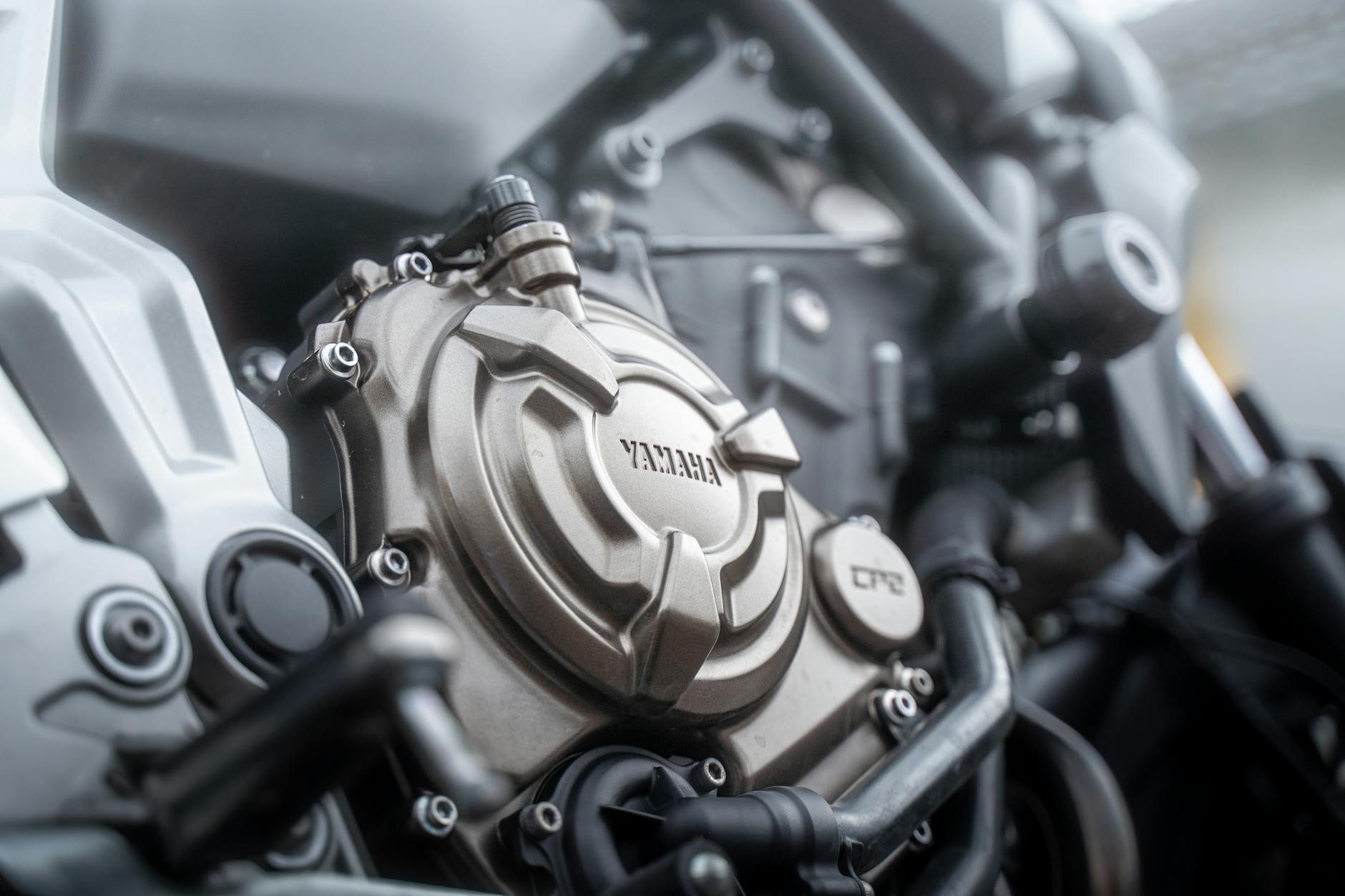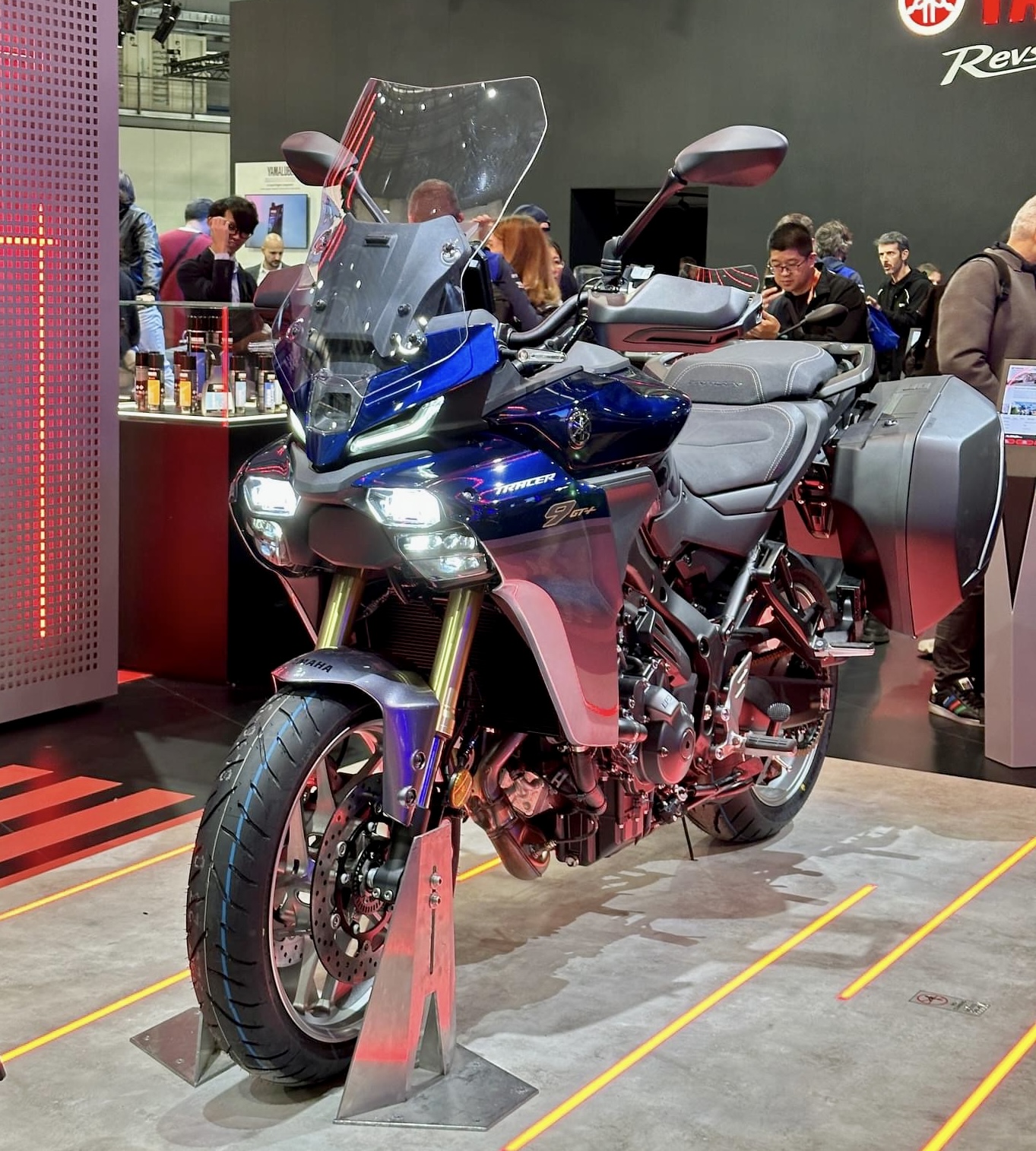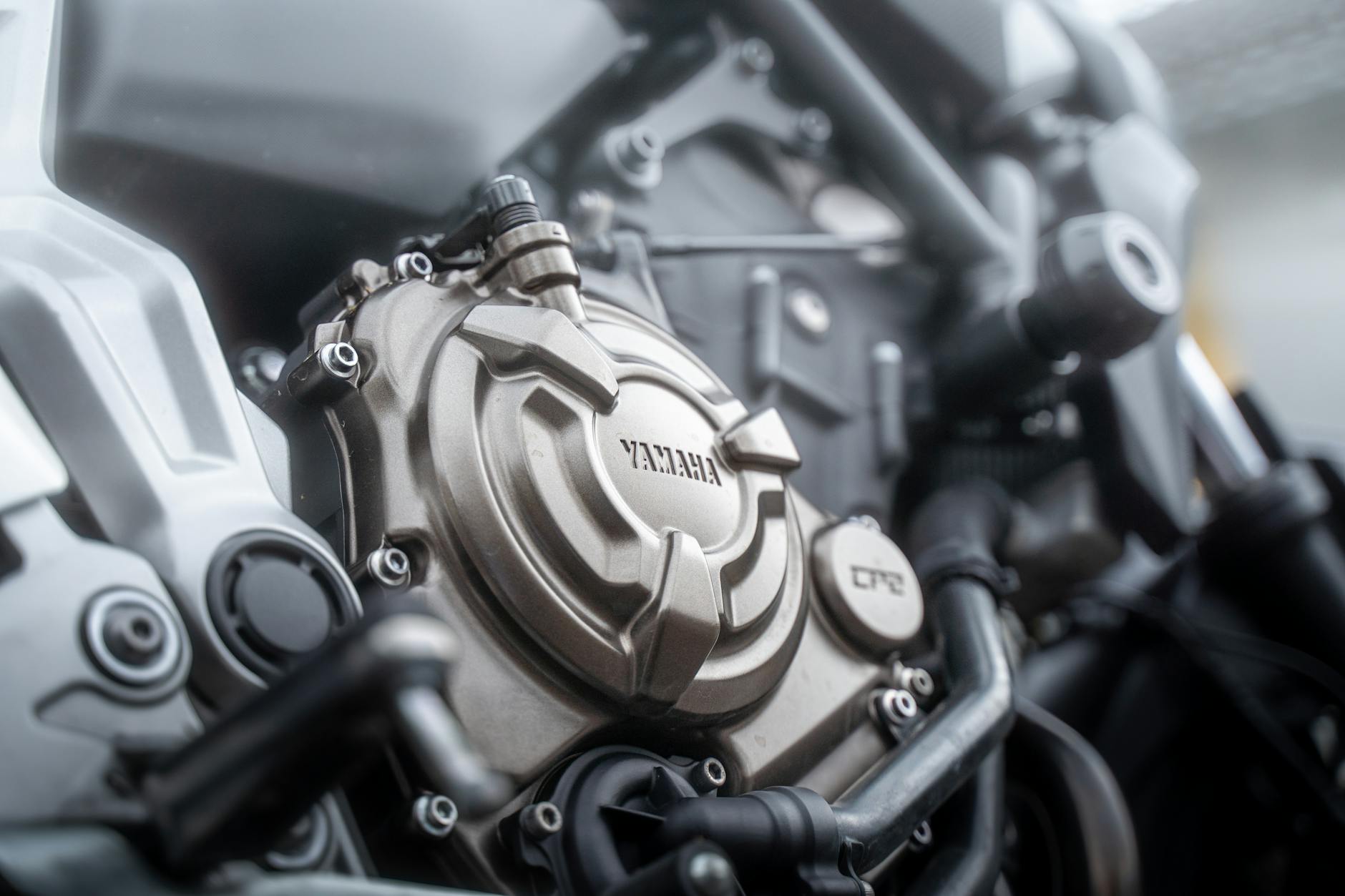
Yamaha Fjr1300es
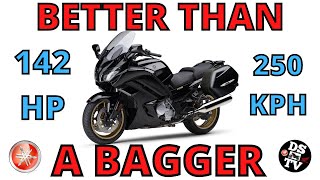
The Yamaha Fjr1300es has a top speed of 240 km/h (estimated, manufacturer limited), produces 146 hp and weighs 289 kg. Motoryk rates it 8.5/10.
La Yamaha FJR1300 se presentó en 2001 como una motocicleta deportiva de turismo construida con un motor de cuatro cilindros en línea de 1298 cc, dirigida a los ciclistas de larga distancia que querían tanto rendimiento como comodidad. La variante «ES» (suspensión electrónica) llegó en 2006 e incorporó una suspensión ajustable electrónicamente para mejorar el control del conductor y la comodidad sobre la marcha. Se convirtió en uno de los vehículos deportivos más respetados de su clase, reconocido por su fiabilidad, protección contra el viento y capacidad de conducción durante todo el día.
146 hp
Potencia
138 Nm
Torsión
289 kg
Peso
240 km/h (estimated, manufacturer limited)
Velocidad máxima
6.0–7.0 L/100km (typical real-world average)
Combustible
Carenado
Cuerpo
Video Review
Lo que los compradores deben saber
Shaft Drive Advantage
The FJR1300ES uses a shaft drive instead of a chain, eliminating regular chain maintenance and replacement costs. This makes long-distance touring significantly cheaper and less time-consuming to maintain.
Watch the Shims
The FJR1300 requires periodic valve shim adjustments, which can be costly due to the labor-intensive process on this engine. Always ask for valve adjustment service history before buying used.
Strong Resale Value
The FJR1300ES holds its value exceptionally well compared to most sport-tourers, thanks to its proven reliability and dedicated owner community. A well-maintained example can retain 60-70% of its value after 5 years.
Generaciones y especificaciones por año
El FJR1300AS pasó a llamarse ES en algunos mercados; se introdujo la suspensión electrónica y el sistema de amortiguación Öhlins semiactivo.
"El mejor sport-tourer que el dinero casi podría comprar."
Hice 28 000 km en una ES de 2009 y eso cambió realmente mi forma de pensar sobre la conducción de larga distancia: la suspensión electrónica Öhlins no es un truco; cambiar entre la Standard y la Sport en mitad de una curva es el tipo de brujería que hace que confíes en la moto de una manera que no cabría esperar de una moto que pesa casi 300 kg mojada. El motor de cuatro cilindros en línea de 1298 cc arranca a partir de 3000 rpm y no se queda sin aliento hasta que corres velocidades que acaben con tu licencia, pero también se calienta con tráfico lento y ese calor te hornea la pierna derecha de una manera que se vuelve realmente desagradable en los días de verano de 40 grados. La suspensión electrónica tenía una gran peculiaridad a principios de generación: el sistema de vez en cuando lanzaba un código de falla después de una fuerte lluvia, lo que te dejaba atrapado en la configuración predeterminada durante el resto del día hasta que apagabas y reiniciabas el encendido tres veces, como una especie de ritual. Aun así, ninguna bicicleta que haya montado antes o después carga equipaje, se adapta a las autopistas y luego recorre una carretera de montaña con este nivel de competencia convincente.
Pros
Contras
Chasis revisado, control de tracción agregado, grupo de instrumentos actualizado, interfaz de control electrónico de suspensión mejorada.
Motor compatible con la norma Euro 4, control de crucero agregado, iluminación LED actualizada, aerodinámica y ergonomía del carenado revisadas.
Reseña de un comprador usado
"The definitive used sport-tourer that rewards serious, experienced riders richly."
$7,000-$12,500 usedThe FJR1300ES is the sport-tourer that refuses to age badly. That electronically adjustable suspension isn't just marketing fluff — it genuinely transforms the bike between solo blasts and two-up touring duty, and you'll use it constantly. The 1298cc inline-four pulls hard from 3,000rpm and never feels dishonest about what it is: a serious, capable machine built for riders who actually ride. Check the shaft drive for any notchiness and verify the suspension electronics respond properly before buying — repair costs sting. Used examples tend to be high-mileage tourers, which is actually fine because FJRs are built for exactly that punishment. What you're really inspecting is maintenance history. Missed valve clearance intervals on these is common and annoying to fix. The panniers and electrically adjustable screen should operate smoothly — if they don't, walk away or negotiate hard. Above 70mph this thing finds its element completely. Wind protection is genuinely excellent, the heated grips work properly, and the fueling is clean throughout the rev range. It's not exciting — it's better than that.
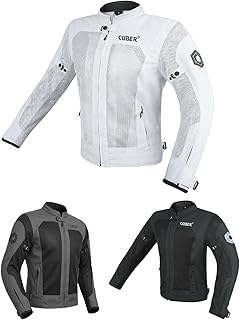
Top 10 Accessories
Curated picks for the Yamaha Fjr1300es — owned, ridden, recommended.




Problemas comunes
🔥 2 CRITICALTest all suspension modes, watch for error codes on dash
Listen for clunk during throttle on/off transitions
Inspect reservoir for cracks, check coolant level history
Check charging voltage at idle and 3000 RPM
✅Lista de verificación previa a la compra
Very reliable, but electronics add expensive repair risk
Full Specifications
Rivals & Alternatives
Bikes that buyers cross-shop with the Yamaha Fjr1300es
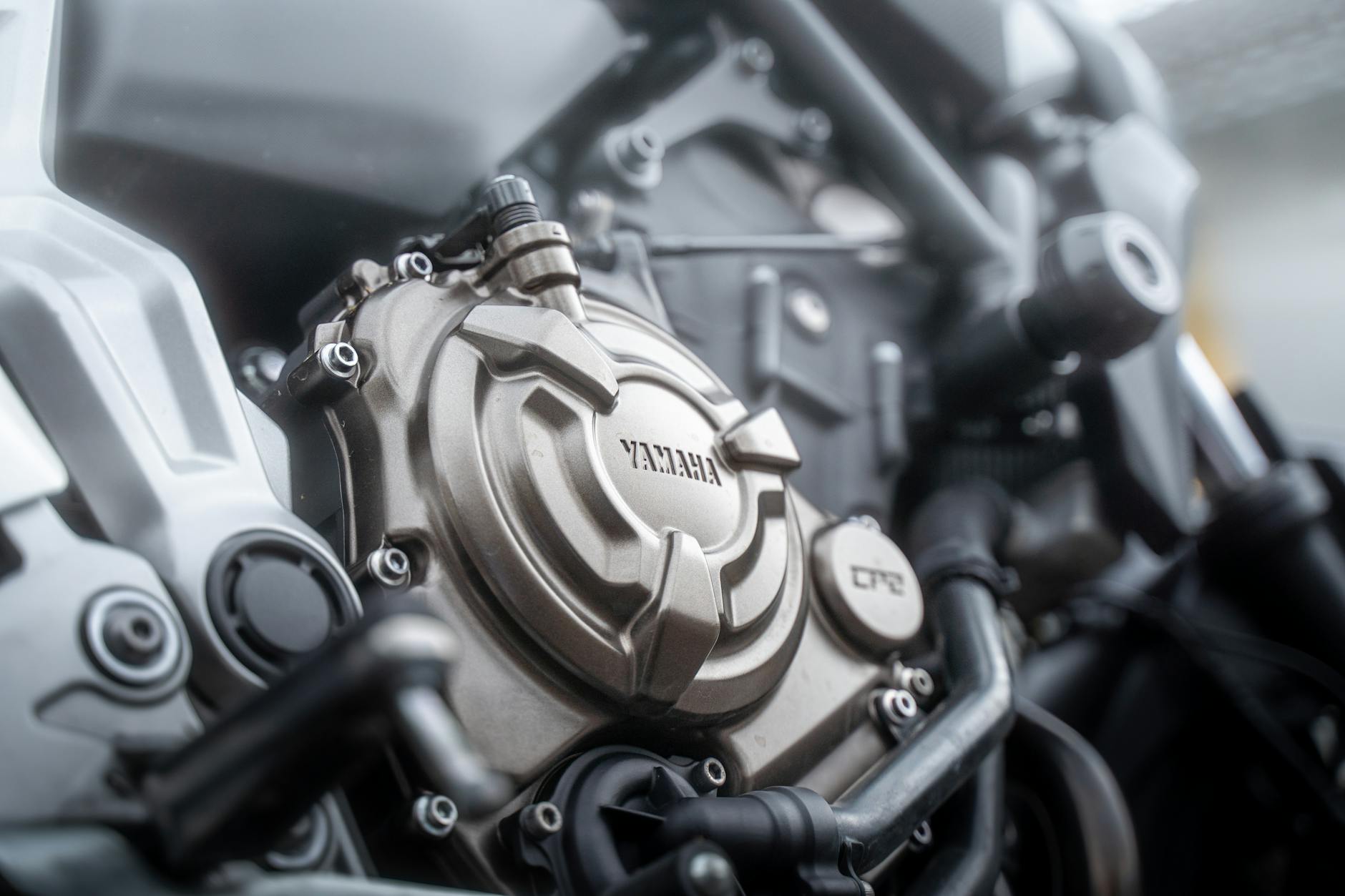
Yamaha Fjr1300
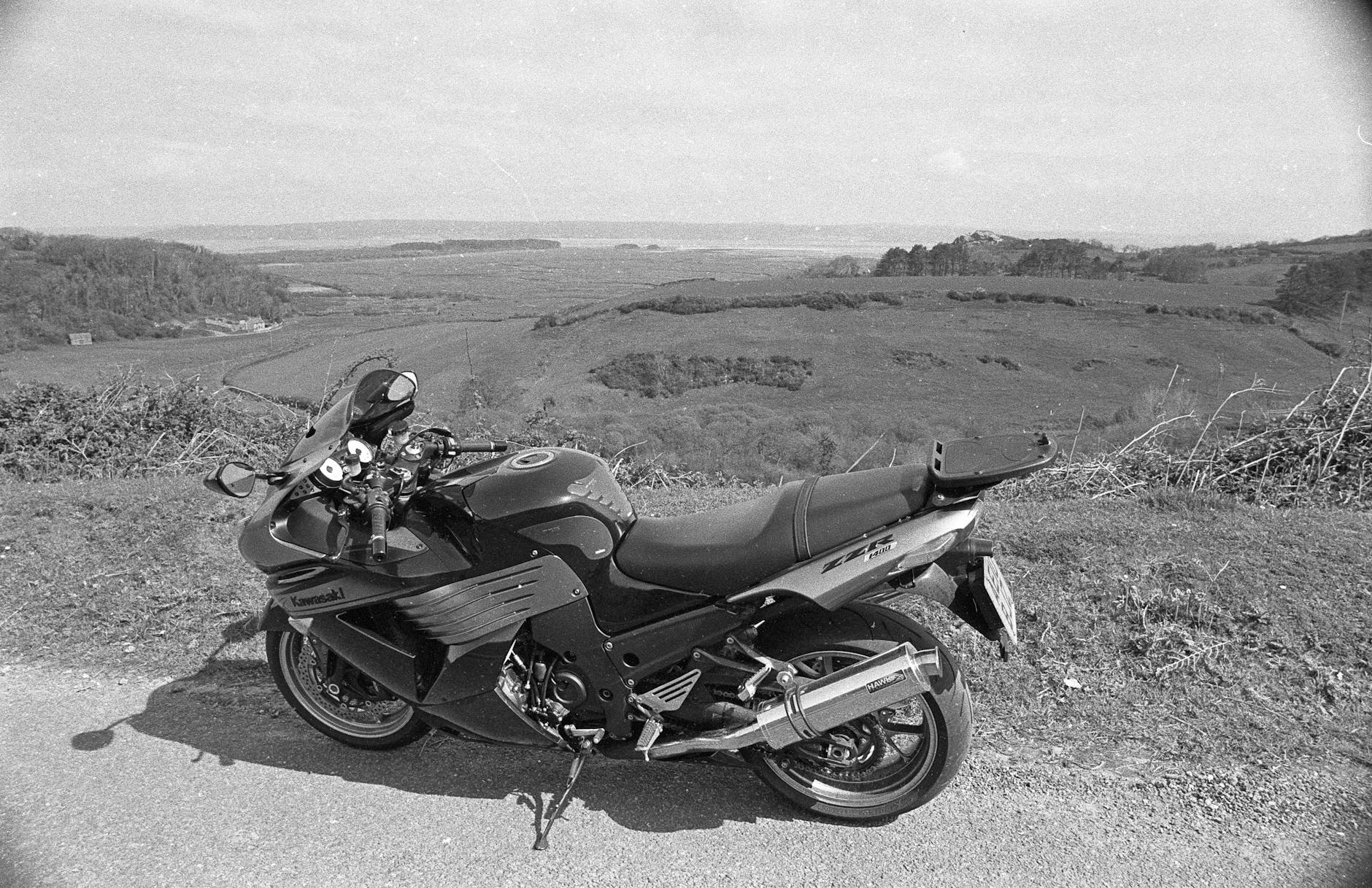
Kawasaki Concours 14
Honda St1300 Pan European
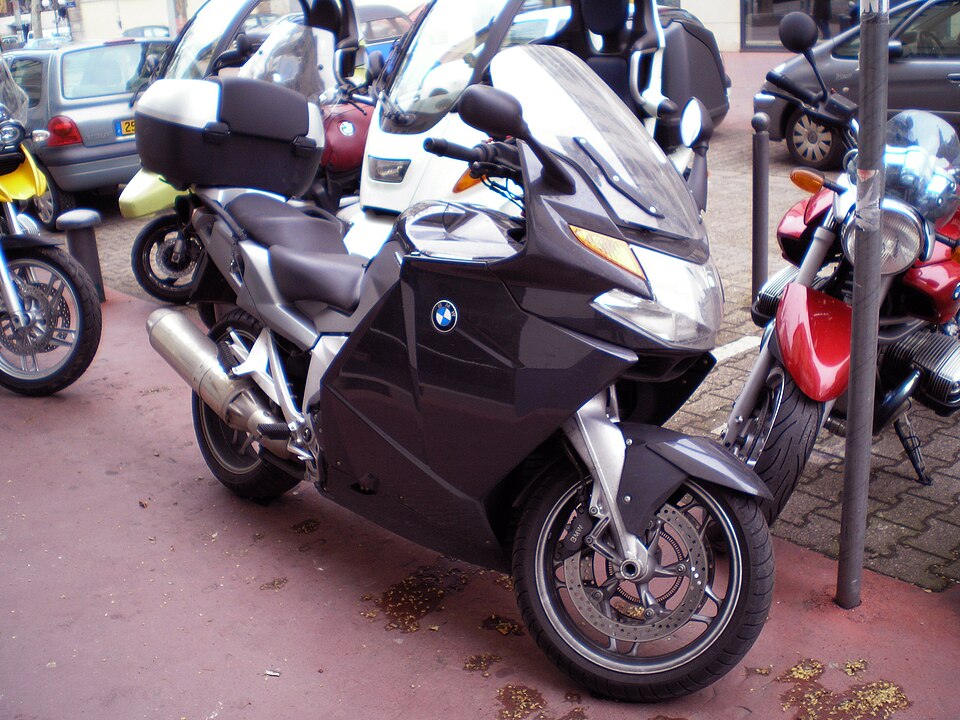
Bmw K 1200 Gt
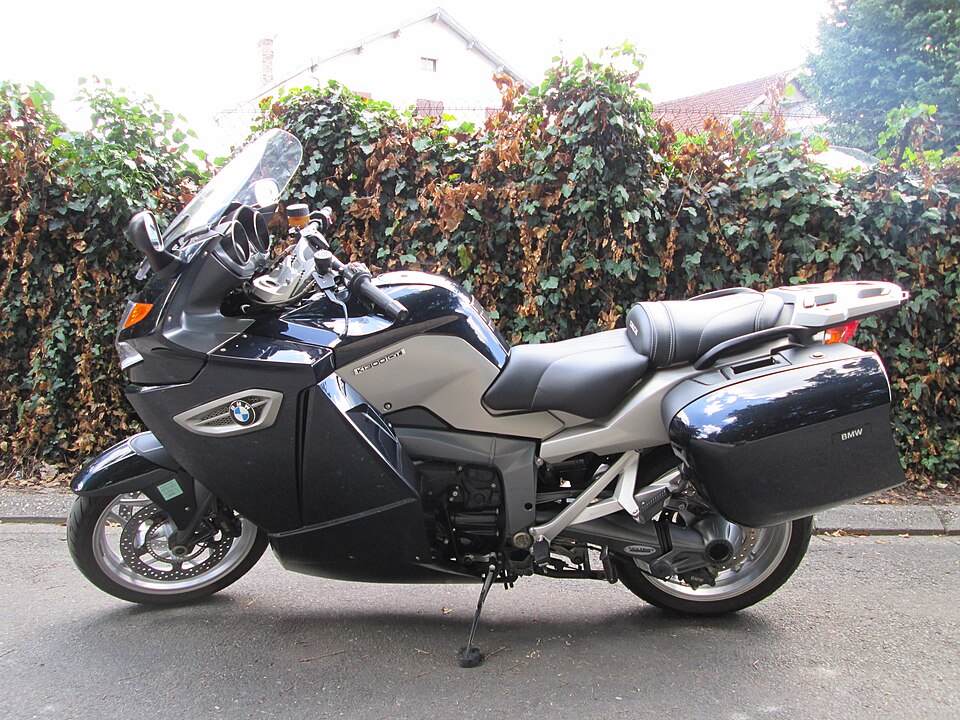
Bmw K 1300 Gt
Compare Yamaha Fjr1300es Side-by-Side
compare_arrowsSpecs, power, weight & buyer verdict — head-to-head with the bikes most often cross-shopped.
Yamaha Fjr1300es vs Yamaha Fjr1300
Specs · Power · Buyer verdict
Yamaha Fjr1300es vs Kawasaki Concours 14
Specs · Power · Buyer verdict
Yamaha Fjr1300es vs Honda St1300 Pan European
Specs · Power · Buyer verdict
Yamaha Fjr1300es vs Bmw K 1200 Gt
Specs · Power · Buyer verdict
Yamaha Fjr1300es vs Bmw K 1300 Gt
Specs · Power · Buyer verdict
More Yamaha Fjr1300es Guides
More from Yamaha
View all Yamaha models →Community Reviews
Discussion
Frequently Asked Questions
What are common problems with the Yamaha Fjr1300es? +
Electronic suspension failure (ERS unit): Test all suspension modes, watch for error codes on dash (serious) | Shaft drive clunking, worn splines: Listen for clunk during throttle on/off transitions (moderate) | Coolant reservoir cracking, slow leaks: Inspect reservoir for cracks, check coolant level history (minor)
Is the Yamaha Fjr1300es a good motorcycle? +
The definitive used sport-tourer that rewards serious, experienced riders richly. Rating: 8.5/10. Best for: High-mileage touring riders wanting bulletproof reliability. Avoid if: You prioritize light weight or urban commuting.
What is the horsepower of the Yamaha Fjr1300es? +
The Yamaha Fjr1300es produces 146 hp @ 8,000 rpm, with 138 Nm @ 7,000 rpm of torque. Top speed: 240 km/h (estimated, manufacturer limited).
Is the Yamaha Fjr1300es good for beginners? +
Not really — the Yamaha Fjr1300es is better for experienced riders (146 hp can be intimidating). High-mileage touring riders wanting bulletproof reliability Avoid if: You prioritize light weight or urban commuting
Is the Yamaha Fjr1300es reliable? +
Owners report 2 critical issues to watch for on the Yamaha Fjr1300es, notably: Electronic suspension failure (ERS unit) (Test all suspension modes, watch for error codes on dash). Buy with a pre-purchase inspection.
Is the Yamaha Fjr1300es good for daily use? +
High-mileage touring riders wanting bulletproof reliability Fuel: 6.0–7.0 L/100km (typical real-world average).
How fast is the Yamaha Fjr1300es? +
The Yamaha Fjr1300es reaches a top speed of 240 km/h (estimated, manufacturer limited), producing 146 hp at 289 kg curb weight. Real-world performance depends on rider weight, gearing, and road conditions.
What gear should I buy for a Yamaha Fjr1300es? +
Motoryk has curated a Top 10 gear list specifically for the Yamaha Fjr1300es, covering engine oil, tires, chain, battery, and brake pads — see motoryk.com/bikes/yamaha/fjr1300es/top10. Each pick is matched to this bike's spec.