Yamaha Fjr1300es
The Yamaha Fjr1300es has a top speed of 240 km/h (estimated, manufacturer limited), produces 146 hp and weighs 289 kg. Motoryk rates it 8.5/10.
Die Yamaha FJR1300 wurde 2001 als Sporttouring-Motorrad auf den Markt gebracht, das auf einem 1298 cm3-Vierzylinder-Reihenmotor basiert und sich an Langstreckenfahrer richtete, die sowohl Leistung als auch Komfort wünschten. Die Variante „ES“ (Electronic Suspension) kam 2006 auf den Markt. Sie verfügt über eine elektronisch einstellbare Federung für eine verbesserte Fahrerkontrolle und Komforteinstellung im Handumdrehen. Er wurde zu einem der angesehensten Sporttourer seiner Klasse und ist bekannt für seine Zuverlässigkeit, seinen Windschutz und seine ganztägige Fahrfähigkeit.
146 hp
Leistung
138 Nm
Drehmoment
289 kg
Gewicht
240 km/h (estimated, manufacturer limited)
Höchstgeschwindigkeit
6.0–7.0 L/100km (typical real-world average)
Treibstoff
Ausgeleitet
Körper
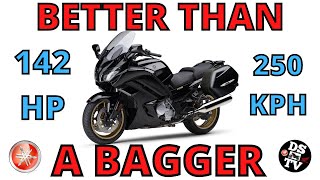
Video Review
Was Käufer wissen sollten
Shaft Drive Advantage
The FJR1300ES uses a shaft drive instead of a chain, eliminating regular chain maintenance and replacement costs. This makes long-distance touring significantly cheaper and less time-consuming to maintain.
Watch the Shims
The FJR1300 requires periodic valve shim adjustments, which can be costly due to the labor-intensive process on this engine. Always ask for valve adjustment service history before buying used.
Strong Resale Value
The FJR1300ES holds its value exceptionally well compared to most sport-tourers, thanks to its proven reliability and dedicated owner community. A well-maintained example can retain 60-70% of its value after 5 years.
Generationen und Spezifikationen nach Jahr
FJR1300AS wurde in einigen Märkten in ES umbenannt; elektronische Federung eingeführt, semiaktives Öhlins-Dämpfungssystem.
"Der beste Sporttourer, den man für Geld fast kaufen könnte."
Ich habe 28.000 km auf einem ES von 2009 zurückgelegt und das hat meine Einstellung zum Langstreckenfahren wirklich verändert — die elektronische Öhlins-Federung ist keine Spielerei; das Hin- und Herwechseln zwischen Standard und Sport in der Mitte der Kurve ist eine Art von Hexerei, die dazu führt, dass man dem Fahrrad so vertraut, wie man es von einem fast 300 kg nassen Fahrzeug nicht erwarten würde. Der 1298 cm3-Reihenvierzylinder zieht ab 3.000 Umdrehungen pro Minute ab und es geht ihm nicht die Puste aus, bis Sie Geschwindigkeiten erreichen, die Ihren Führerschein beenden, aber er läuft auch heiß im langsamen Verkehr und diese Hitze erhitzt Ihr rechtes Bein auf eine Weise, die an 40-Grad-Sommertagen wirklich unangenehm wird. Die elektronische Federung hatte eine wichtige Eigenart der frühen Generation: Das System gab nach starkem Regen gelegentlich einen Fehlercode aus, sodass Sie für den Rest des Tages in einer Standardeinstellung feststeckten, bis Sie die Zündung dreimal ausgeschaltet und neu gestartet haben, wie bei einer Art Ritual. Dennoch lädt kein Fahrrad, das ich vorher oder seitdem gefahren bin, Gepäck, frisst Autobahnen und bewältigt dann tatsächlich eine Bergstraße mit dieser überzeugenden Kompetenz.
Profis
Nachteile
Überarbeitetes Fahrwerk, Traktionskontrolle hinzugefügt, Kombiinstrument aktualisiert, elektronische Federungssteuerschnittstelle verbessert.
Euro-4-konformer Motor, zusätzlicher Tempomat, aktualisierte LED-Beleuchtung, überarbeitete Aerodynamik und Ergonomie der Verkleidung.
Bewertung von gebrauchten Käufern
"The definitive used sport-tourer that rewards serious, experienced riders richly."
$7,000-$12,500 usedThe FJR1300ES is the sport-tourer that refuses to age badly. That electronically adjustable suspension isn't just marketing fluff — it genuinely transforms the bike between solo blasts and two-up touring duty, and you'll use it constantly. The 1298cc inline-four pulls hard from 3,000rpm and never feels dishonest about what it is: a serious, capable machine built for riders who actually ride. Check the shaft drive for any notchiness and verify the suspension electronics respond properly before buying — repair costs sting. Used examples tend to be high-mileage tourers, which is actually fine because FJRs are built for exactly that punishment. What you're really inspecting is maintenance history. Missed valve clearance intervals on these is common and annoying to fix. The panniers and electrically adjustable screen should operate smoothly — if they don't, walk away or negotiate hard. Above 70mph this thing finds its element completely. Wind protection is genuinely excellent, the heated grips work properly, and the fueling is clean throughout the rev range. It's not exciting — it's better than that.
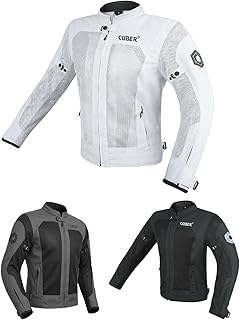
Top 10 Accessories
Curated picks for the Yamaha Fjr1300es — owned, ridden, recommended.




Häufig auftretende Probleme
🔥 2 CRITICALTest all suspension modes, watch for error codes on dash
Listen for clunk during throttle on/off transitions
Inspect reservoir for cracks, check coolant level history
Check charging voltage at idle and 3000 RPM
✅Checkliste vor dem Kauf
Very reliable, but electronics add expensive repair risk
Full Specifications
Rivals & Alternatives
Bikes that buyers cross-shop with the Yamaha Fjr1300es
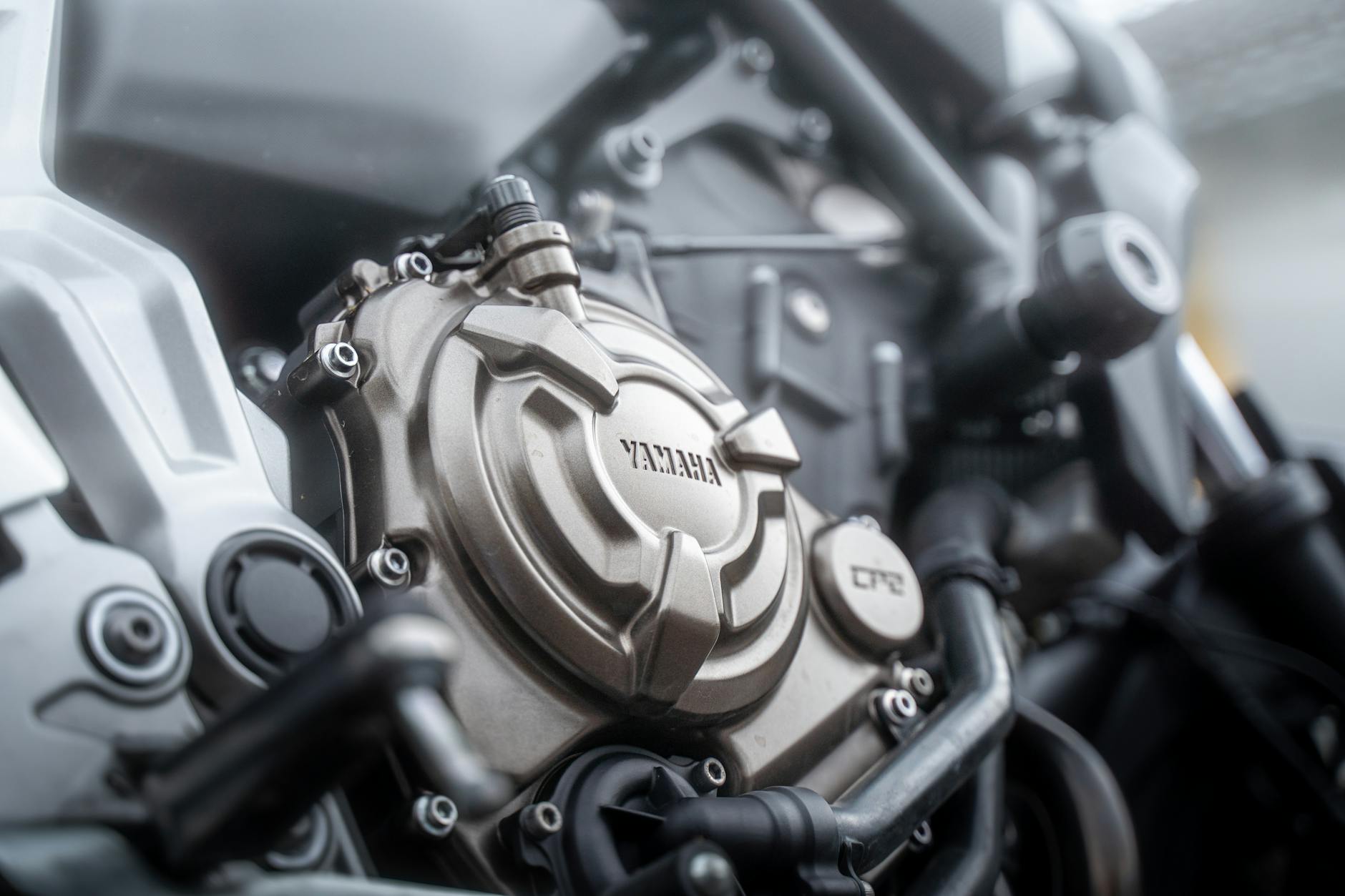
Yamaha Fjr1300
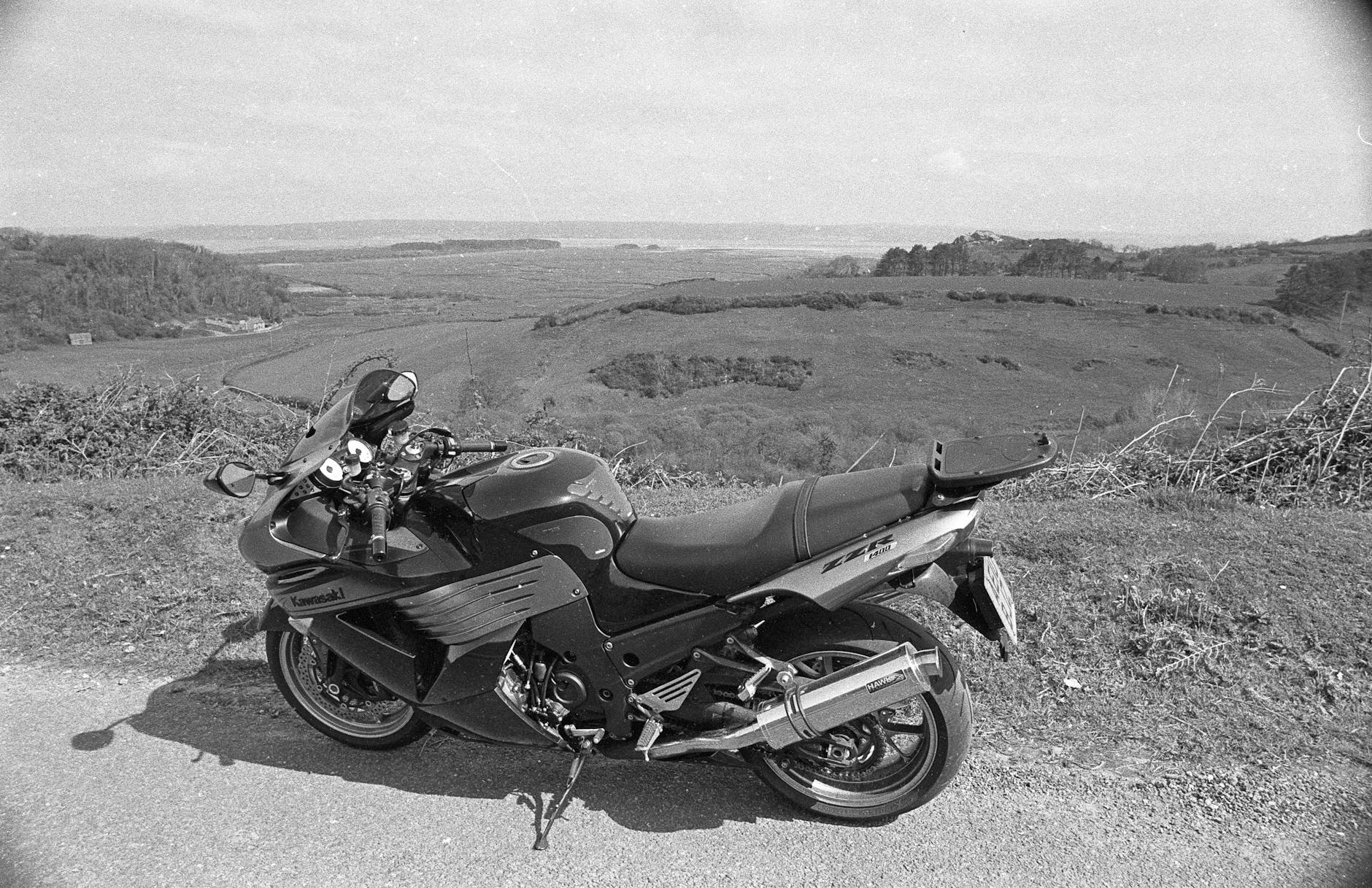
Kawasaki Concours 14
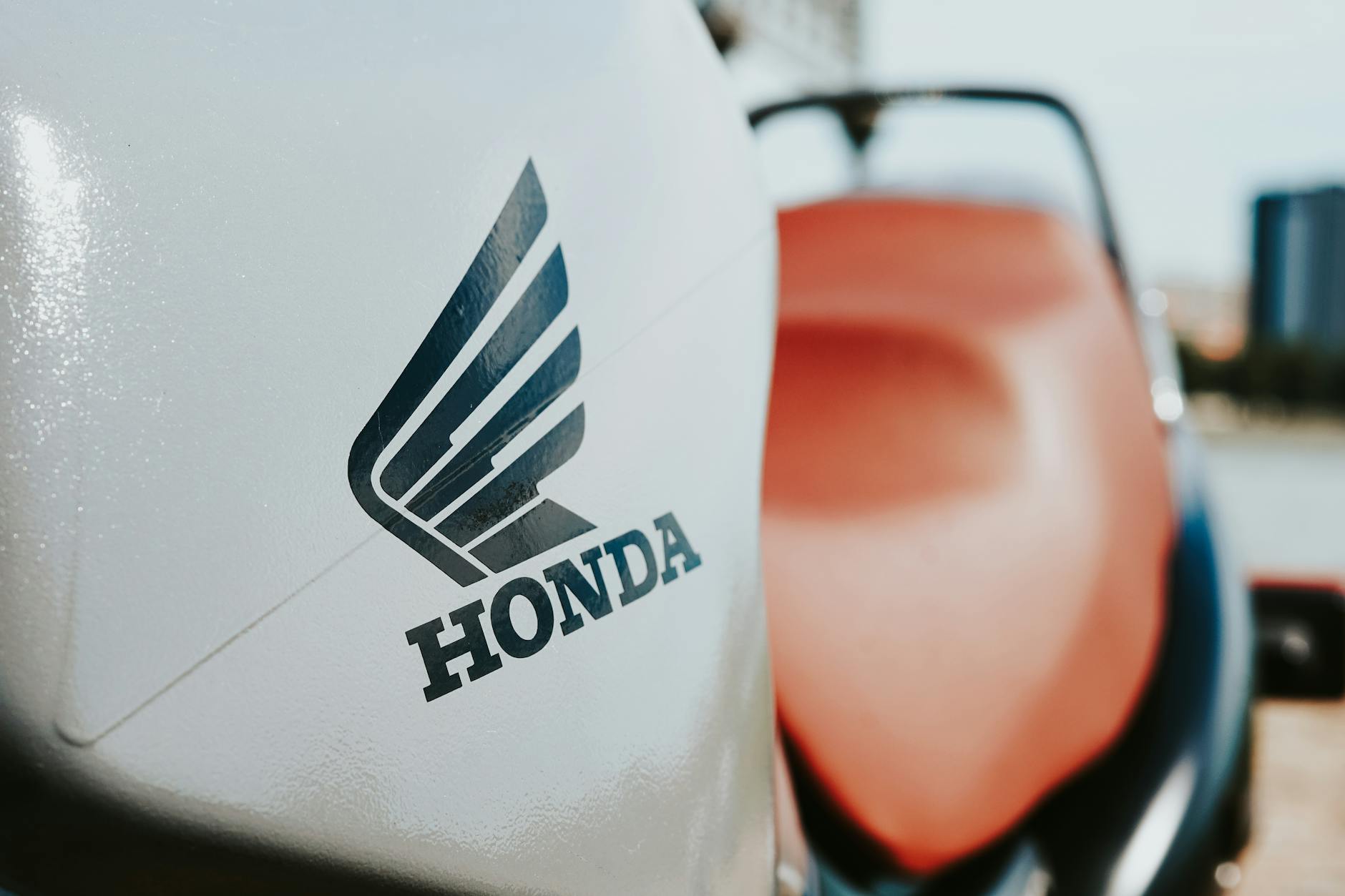
Honda St1300 Pan European
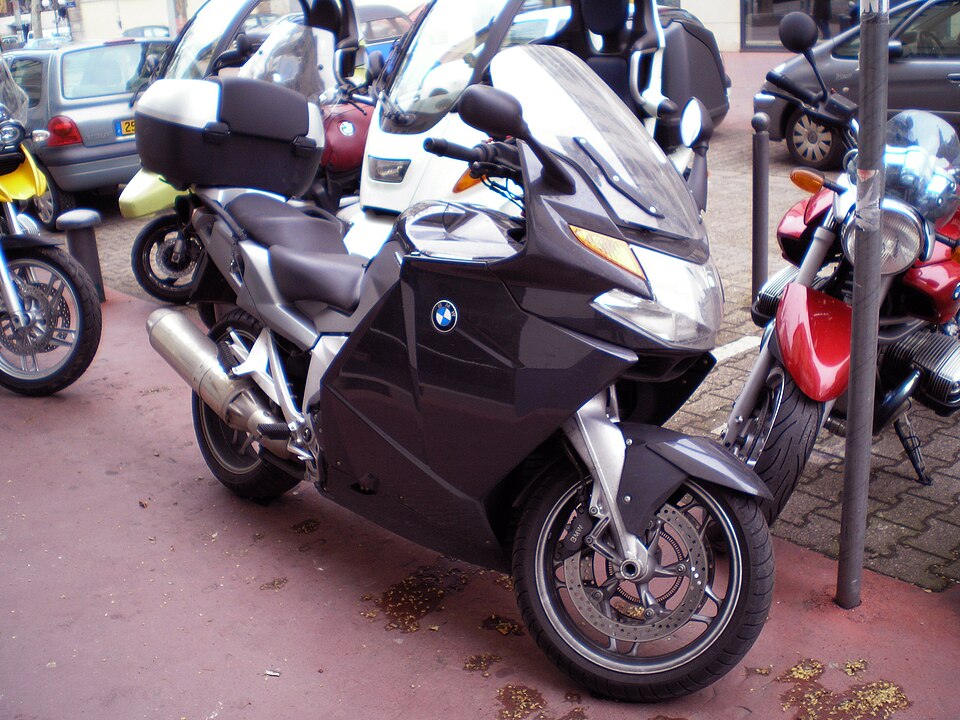
Bmw K 1200 Gt
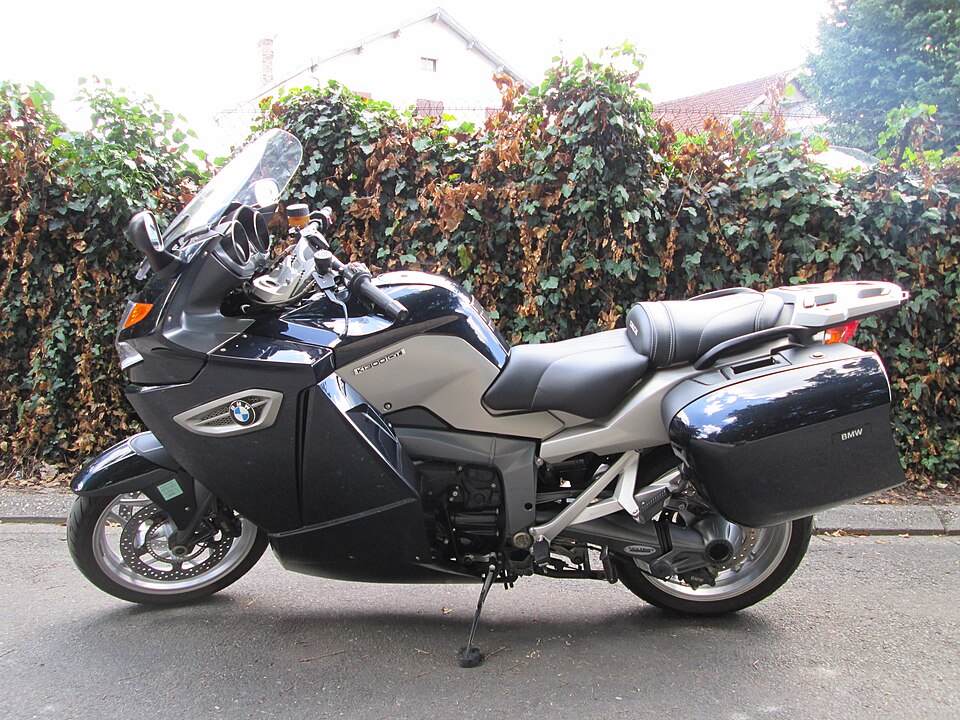
Bmw K 1300 Gt
Compare Yamaha Fjr1300es Side-by-Side
compare_arrowsSpecs, power, weight & buyer verdict — head-to-head with the bikes most often cross-shopped.
Yamaha Fjr1300es vs Yamaha Fjr1300
Specs · Power · Buyer verdict
Yamaha Fjr1300es vs Kawasaki Concours 14
Specs · Power · Buyer verdict
Yamaha Fjr1300es vs Honda St1300 Pan European
Specs · Power · Buyer verdict
Yamaha Fjr1300es vs Bmw K 1200 Gt
Specs · Power · Buyer verdict
Yamaha Fjr1300es vs Bmw K 1300 Gt
Specs · Power · Buyer verdict
More Yamaha Fjr1300es Guides
More from Yamaha
View all Yamaha models →Community Reviews
Discussion
Frequently Asked Questions
What are common problems with the Yamaha Fjr1300es? +
Electronic suspension failure (ERS unit): Test all suspension modes, watch for error codes on dash (serious) | Shaft drive clunking, worn splines: Listen for clunk during throttle on/off transitions (moderate) | Coolant reservoir cracking, slow leaks: Inspect reservoir for cracks, check coolant level history (minor)
Is the Yamaha Fjr1300es a good motorcycle? +
The definitive used sport-tourer that rewards serious, experienced riders richly. Rating: 8.5/10. Best for: High-mileage touring riders wanting bulletproof reliability. Avoid if: You prioritize light weight or urban commuting.
What is the horsepower of the Yamaha Fjr1300es? +
The Yamaha Fjr1300es produces 146 hp @ 8,000 rpm, with 138 Nm @ 7,000 rpm of torque. Top speed: 240 km/h (estimated, manufacturer limited).
Is the Yamaha Fjr1300es good for beginners? +
Not really — the Yamaha Fjr1300es is better for experienced riders (146 hp can be intimidating). High-mileage touring riders wanting bulletproof reliability Avoid if: You prioritize light weight or urban commuting
Is the Yamaha Fjr1300es reliable? +
Owners report 2 critical issues to watch for on the Yamaha Fjr1300es, notably: Electronic suspension failure (ERS unit) (Test all suspension modes, watch for error codes on dash). Buy with a pre-purchase inspection.
Is the Yamaha Fjr1300es good for daily use? +
High-mileage touring riders wanting bulletproof reliability Fuel: 6.0–7.0 L/100km (typical real-world average).
How fast is the Yamaha Fjr1300es? +
The Yamaha Fjr1300es reaches a top speed of 240 km/h (estimated, manufacturer limited), producing 146 hp at 289 kg curb weight. Real-world performance depends on rider weight, gearing, and road conditions.
What gear should I buy for a Yamaha Fjr1300es? +
Motoryk has curated a Top 10 gear list specifically for the Yamaha Fjr1300es, covering engine oil, tires, chain, battery, and brake pads — see motoryk.com/bikes/yamaha/fjr1300es/top10. Each pick is matched to this bike's spec.