Yamaha Fazer 1000
The Yamaha Fazer 1000 has a top speed of 250 km/h (electronically limited; estimated real-world), produces 150 hp and weighs 213 kg. Motoryk rates it 8.5/10.
Yamaha FZS1000 Fazer (znana również jako FZ1) została zaprezentowana w 2001 roku jako naga/piękna sportowa wycieczka, wykorzystująca silnik z superbike R1 detonowany dla bardziej przystępnych osiągów ulicznych. Stał się popularny ze względu na połączenie dużej mocy średniej klasy, wygodnej ergonomii i codziennej użyteczności, zdobywając silnych zwolenników zwłaszcza w Europie. Druga generacja (FZ1) pojawiła się w 2006 roku z nowym silnikiem poprzecznym o pojemności 998 cm3, poprawionym podwoziem oraz zarówno wariantami czarnymi (Fazer), jak i nagimi, trwającymi do około 2015 roku.
150 hp
Moc
106 Nm
Moment obrotowy
213 kg
Waga
250 km/h (electronically limited; estimated real-world)
Prędkość maksymalna
6.5 L/100km (approximately 15.4 km/L, real-world average)
Paliwo
Fair
Ciało
🔧 Service Schedule & Parts
Affiliate · we may earn| Service item | Every | Typical cost | Parts |
|---|---|---|---|
| 🛢️ Engine oil + oil filter | 6,000 km / 3,500 mi or 12 mo | $40-80 | 🛢️ Buy → ⚙️ Buy → |
| 🌬️ Air filter | 12,000 km / 7,500 mi | — | 🌬️ Buy → |
| ⚡ Spark plugs | 12,000 km / 7,500 mi | — | ⚡ Buy → |
| 🔧 Valve clearance check | 24,000 km / 15,000 mi | $200-400 | |
| 🔗 Chain & sprockets | 25000-40000 km (replace) | $150-300 | 🔗 Buy → |
| 🛑 Brake pads | 15000-30000 km | $30-60 | 🛑 Buy → |
| 💧 Brake fluid | 24,000 km / 15,000 mi or 2 yr | — | |
| 🧊 Coolant | 24,000 km / 15,000 mi | — | |
| 🛞 Tires | 10000-20000 km | $200-400 | 🛞 Buy → |
| 🔩 Major service | 24,000 km / 15,000 mi | $350-650 |
Video Review

Co kupujący powinni wiedzieć
Rock-Solid Engine Reliability
The FZ1's 998cc inline-four engine is derived from the R1 superbike and is known for exceptional longevity, often exceeding 100,000 km with basic maintenance. Regular valve checks every 26,000 km are the main service item to budget for.
Watch the Throttle Bodies
A common issue on used examples is rough idle or hesitation caused by dirty or out-of-sync throttle bodies — a relatively cheap fix but frequently neglected by previous owners. Always test ride and check for smooth, consistent fueling before buying.
Strong Resale Value
The Fazer 1000 holds its value better than many sport-tourers due to its versatile character and cult following among riders who want R1 performance in a practical package. Well-maintained examples remain in high demand on the used market.
Pokolenia i specyfikacje według roku
Oryginalny FZS1000 Fazer wprowadzony na rynek z silnikiem rzędowym o pojemności 998 cm3, zadebiutował w połowie piękny design sport-tourrer.
"Rower sportowy myślącego kierowcy, który faktycznie ma sens."
Yamaha wzięła silnik R1, lekko zmiękczyła profile krzywki, przykręciła do półowiewki i prawdziwego siedzenia i jakoś stworzyła coś przyjemniejszego niż rower dawcy do 90% jazdy w prawdziwym świecie. Krzywa momentu obrotowego jest gruba i nadaje się do użytku od 4000 obr/min w górę, a ten 20-zaworowy silnik ciągnie z prawdziwą dziłością ponad 8000 - nigdy się nie nudzisz. Ochrona przed wiatrem jest przeciętna po 150 km/h, a ekran generuje turbulencje, a nie eliminuje je, co starzeje się na autostradach. Fotelik jest naprawdę użyteczny, lusterka faktycznie działają, a ta rzecz pokonuje 500 km dni bez niszczenia nadgarstków - coś, czego żaden czysty motocykl sportowy tej epoki nie mógłby twierdzić.
Plusy
Wady
FZ1 Fazer został zaprezentowany z ulepszonym silnikiem 998 cm3, nową ramą, regulowanym zawieszeniem i zaktualizowanym nadwoziem.
"Superbike Everyman, który naprawdę spełnia każdą obietnicę."
Przejechałem 18 000 km na FZ1 Fazer z 2008 roku i to zmieniło moje oczekiwania co do tego, jaki powinien być rower do wszystkiego. Ta linia międzyplanowa o pojemności 998 cm3 mocno ciągnie się z 4000 obr./min i absolutnie krzyczy ponad 9000 — nie jest to kucyk z jedną sztuczką jak niektórzy turyści z nagich pochodnych, naprawdę ekscytujące jest odwrócenie półowiewki na autostradach bez zamieniania roweru w lodówkę lub szklarnię, chociaż bufet powyżej 160 km/h uderza w kask, jak ktoś wielokrotnie uderza cię książką telefoniczną. Moim prawdziwym chwytem jest zawieszenie standardowe, które wydaje się wyraźnie budżetowe dla roweru w tej cenie - widelce nurkują żenująco pod ostrym hamowaniem, dopóki ich nie odwrócisz - a tankowanie około 4 000—5 000 obr./min na niskich biegach jest wystarczająco nacięte, aby powolny ruch był naprawdę irytujący.
Plusy
Wady
Recenzja używanego kupującego
"The Swiss Army knife of sportsbikes still cuts sharply a decade on."
$4,500-$7,500 usedThe FZ1 is one of those bikes that makes you wonder why anyone buys anything else in this class. Yamaha took the R1 engine, detuned it slightly for real-world rideability, and stuffed it into a naked/faired package that genuinely does everything well. That 998cc crossplane-derived inline-four pulls hard from 3,000rpm and absolutely screams past 10,000 — it's addictive in a way that sports bikes with peaky power delivery simply aren't. Buying used, check the throttle bodies for sync issues — they cause rough idle and flat spots that confuse owners into expensive diagnosis rabbit holes. The front forks go soft with age and the stock suspension was never brilliant to begin with; budget for a respring and fresh oil. Fairings on the Fazer version are fragile and expensive, so inspect every panel carefully for crash damage that's been badly repaired. Overall though, these bikes are genuinely hard to kill mechanically if the service history is decent. High mileage examples with documentation are often better bets than low-mileage mystery bikes sitting in someone's garage.
Top 10 Accessories
Curated picks for the Yamaha Fazer 1000 — owned, ridden, recommended.




Typowe problemy
🔥 1 CRITICALRough idle, hesitation, or surging at low RPM
Check charging voltage, inspect regulator for heat damage
Cold start rattle that disappears when warm
Staining below pump, check coolant level and weep hole
✅Lista kontrolna przed zakupem
Solid engine, electrics are main weak point
Full Specifications
Rivals & Alternatives
Bikes that buyers cross-shop with the Yamaha Fazer 1000
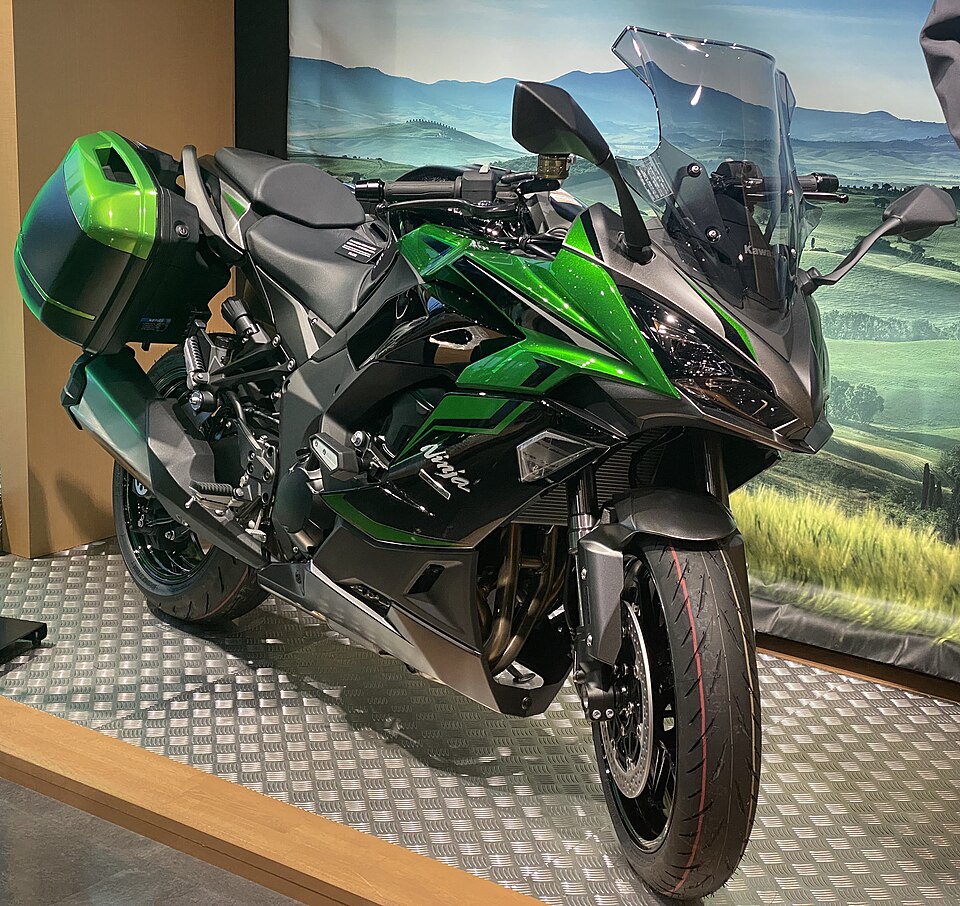
Kawasaki Ninja 1000sx
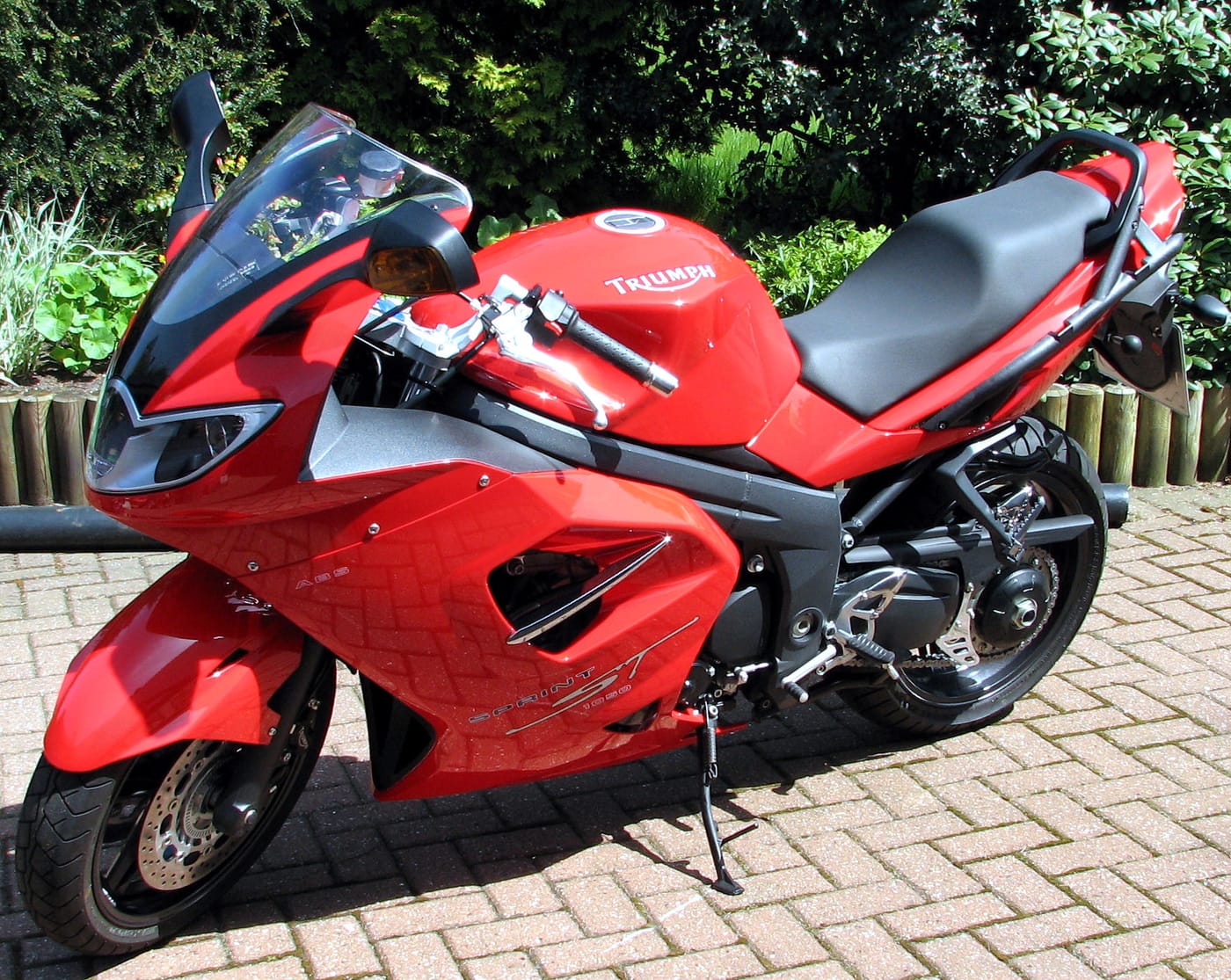
Triumph Sprint St 1050
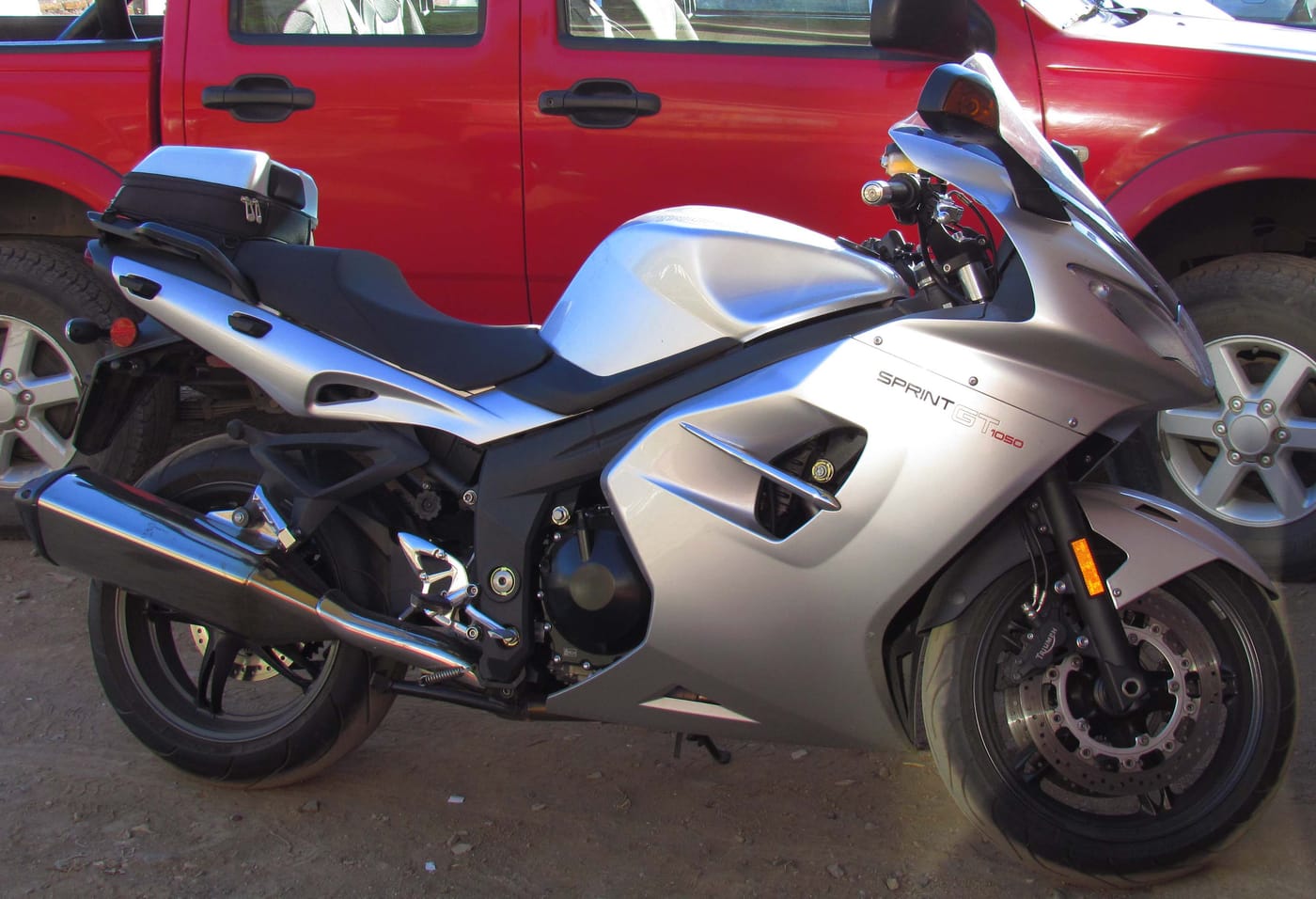
Triumph Sprint Gt 1050
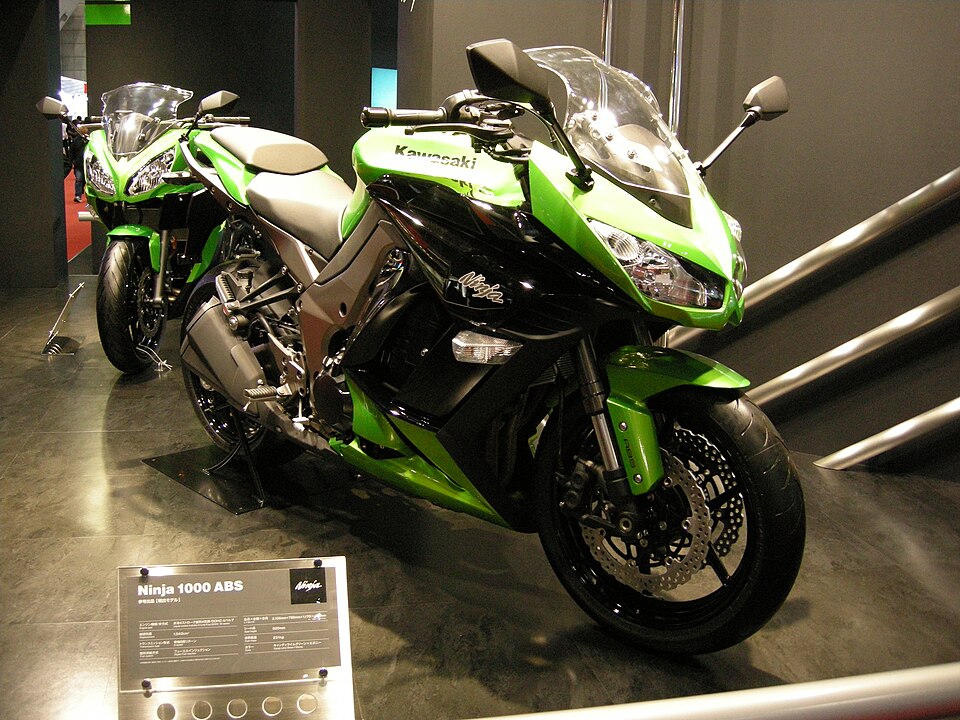
Kawasaki Ninja 1000
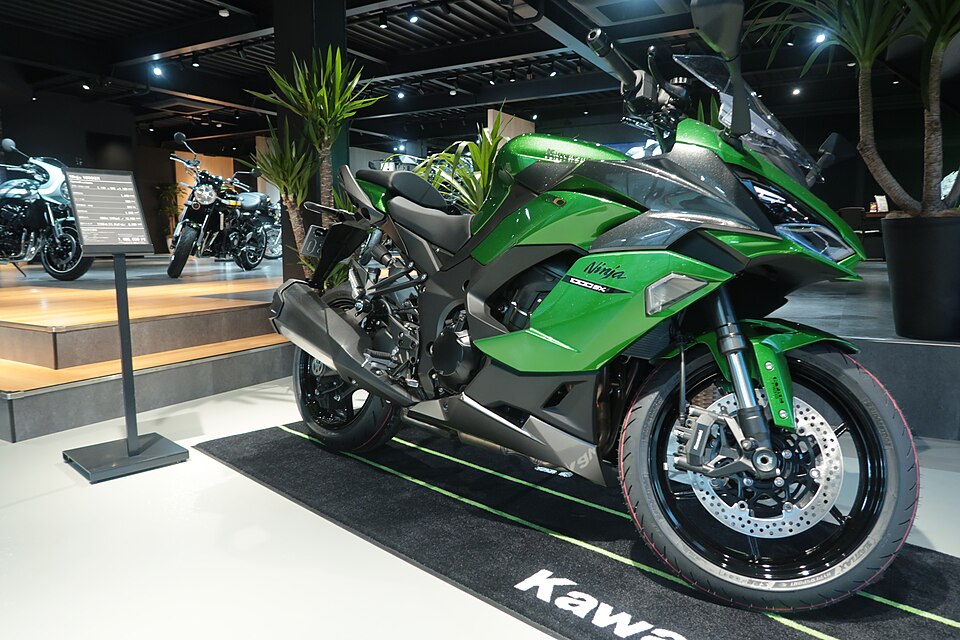
Kawasaki Z1000sx
Compare Yamaha Fazer 1000 Side-by-Side
compare_arrowsSpecs, power, weight & buyer verdict — head-to-head with the bikes most often cross-shopped.
Yamaha Fazer 1000 vs Kawasaki Ninja 1000sx
Specs · Power · Buyer verdict
Yamaha Fazer 1000 vs Triumph Sprint St 1050
Specs · Power · Buyer verdict
Yamaha Fazer 1000 vs Triumph Sprint Gt 1050
Specs · Power · Buyer verdict
Yamaha Fazer 1000 vs Kawasaki Ninja 1000
Specs · Power · Buyer verdict
Yamaha Fazer 1000 vs Kawasaki Z1000sx
Specs · Power · Buyer verdict
More Yamaha Fazer 1000 Guides
More from Yamaha
View all Yamaha models →Community Reviews
Discussion
Frequently Asked Questions
What are common problems with the Yamaha Fazer 1000? +
Throttle bodies need sync and cleaning: Rough idle, hesitation, or surging at low RPM (moderate) | Rectifier/regulator failure kills battery: Check charging voltage, inspect regulator for heat damage (serious) | Cam chain tensioner wear causes rattling: Cold start rattle that disappears when warm (moderate)
Is the Yamaha Fazer 1000 a good motorcycle? +
The Swiss Army knife of sportsbikes still cuts sharply a decade on. Rating: 8.5/10. Best for: Experienced riders wanting one versatile daily weapon. Avoid if: New riders intimidated by 150bhp surprises.
What is the horsepower of the Yamaha Fazer 1000? +
The Yamaha Fazer 1000 produces 150 hp @ 11,000 rpm (Gen 2, 2006+); Gen 1 approx 143 hp @ 10,000 rpm, with 106 Nm @ 8,000 rpm (Gen 2); Gen 1 approx 100 Nm @ 7,500 rpm of torque. Top speed: 250 km/h (electronically limited; estimated real-world).
Is the Yamaha Fazer 1000 good for beginners? +
Not really — the Yamaha Fazer 1000 is better for experienced riders (150 hp can be intimidating). Experienced riders wanting one versatile daily weapon Avoid if: New riders intimidated by 150bhp surprises
Is the Yamaha Fazer 1000 reliable? +
Owners report 1 critical issue to watch for on the Yamaha Fazer 1000, notably: Rectifier/regulator failure kills battery (Check charging voltage, inspect regulator for heat damage). Buy with a pre-purchase inspection.
Is the Yamaha Fazer 1000 good for daily use? +
Experienced riders wanting one versatile daily weapon Fuel: 6.5 L/100km (approximately 15.4 km/L, real-world average).
How fast is the Yamaha Fazer 1000? +
The Yamaha Fazer 1000 reaches a top speed of 250 km/h (electronically limited; estimated real-world), producing 150 hp at 213 kg curb weight. Real-world performance depends on rider weight, gearing, and road conditions.
What gear should I buy for a Yamaha Fazer 1000? +
Motoryk has curated a Top 10 gear list specifically for the Yamaha Fazer 1000, covering engine oil, tires, chain, battery, and brake pads — see motoryk.com/bikes/yamaha/fazer-1000/top10. Each pick is matched to this bike's spec.