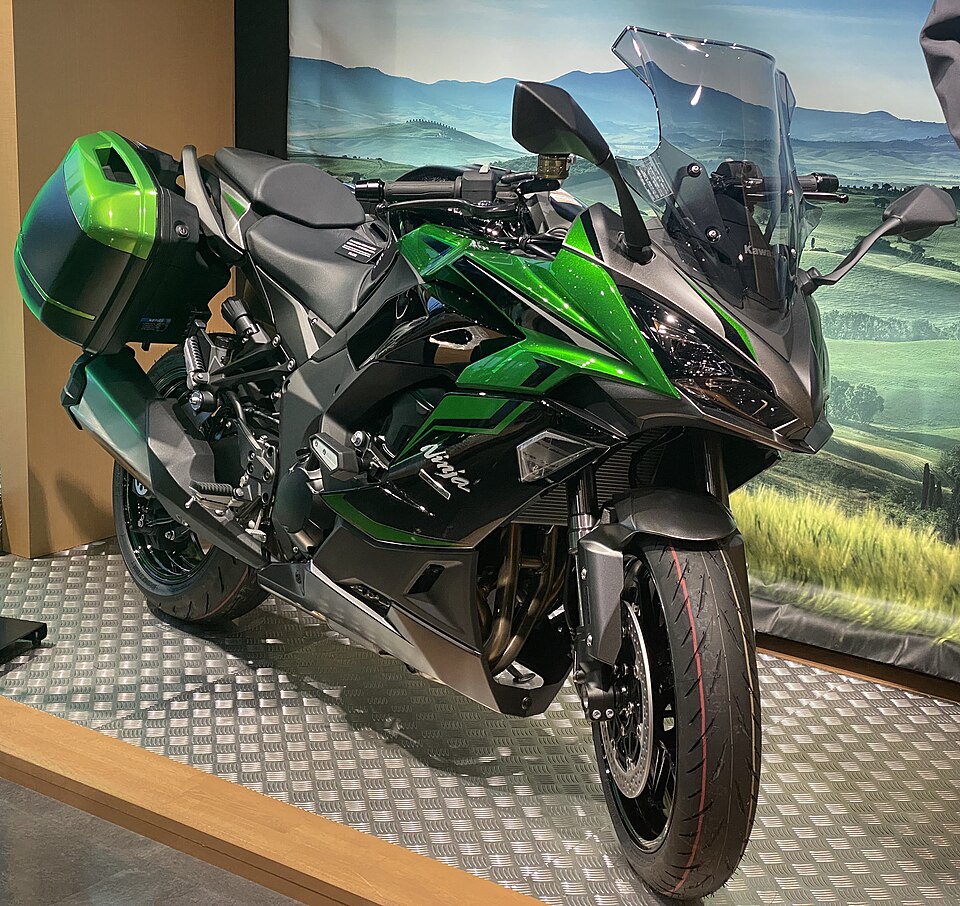
Kawasaki Ninja 1000sx
The Kawasaki Ninja 1000sx has a top speed of 240 km/h (estimated; manufacturer limited), produces 142 hp and weighs 235 kg. Motoryk rates it 8.5/10.
The Kawasaki Ninja 1000 was introduced in 2011 as a successor to the Z1000SX, positioning itself as a sport-touring motorcycle blending performance with everyday usability. It underwent significant updates in 2017 with improved electronics and ergonomics, and in 2020 was rebranded as the Ninja 1000SX with a major refresh including a new TFT display, improved wind protection, and updated KTRC traction control. It remains one of Kawasaki's most popular sport-tourers due to its versatile balance of sporty handling, long-distance comfort, and strong inline-four power.
142 hp
Power
111 Nm
Torque
235 kg
Weight
240 km/h (estimated; manufacturer limited)
Top Speed
5.5–6.5 L/100km (typical real-world average)
Fuel
Faired
Body
🔧 Service Schedule & Parts
Affiliate · we may earn| Service item | Every | Typical cost | Parts |
|---|---|---|---|
| 🛢️ Engine oil + oil filter | 6,000 km / 3,500 mi or 12 mo | $40-80 | 🛢️ Buy → ⚙️ Buy → |
| 🌬️ Air filter | 12,000 km / 7,500 mi | — | 🌬️ Buy → |
| ⚡ Spark plugs | 24,000 km / 15,000 mi | — | ⚡ Buy → |
| 🔧 Valve clearance check | 24,000 km / 15,000 mi | $250-450 | |
| 🔗 Chain & sprockets | 25000-40000 km (replace) | $150-300 | 🔗 Buy → |
| 🛑 Brake pads | 15000-25000 km | $30-60 | 🛑 Buy → |
| 💧 Brake fluid | 24,000 km / 15,000 mi or 2 yr | — | |
| 🧊 Coolant | 24,000 km / 15,000 mi | — | |
| 🛞 Tires | 10000-20000 km | $200-450 | 🛞 Buy → |
| 🔩 Major service | 24,000 km / 15,000 mi | $350-650 |
Video Review
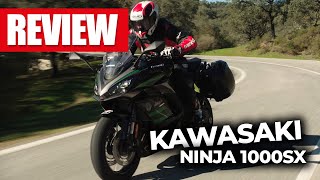
What Buyers Should Know
Rock-Solid Reliability
The Ninja 1000SX uses a proven inline-4 engine that routinely surpasses 50,000 miles with minimal issues when serviced regularly. Kawasaki's long-standing reputation for engine durability makes this one of the most dependable sport-tourers in its class.
Watch the Throttle Bodies
Some owners report rough idle and hesitation at low RPMs, often traced to throttle body sync issues or a dirty throttle body — a relatively inexpensive fix. Checking service history for this maintenance item is worthwhile before purchasing used.
Strong Resale Value
The Ninja 1000SX holds its value exceptionally well compared to competitors, typically retaining 70-80% of its value after two years. Its blend of sport performance, touring comfort, and electronic rider aids keeps demand consistently high on the used market.
Generations & Specs by Year
Introduced as sport-tourer; 1043cc inline-four, ABS option, aggressive ergonomics, saddlebag mounts included.
Revised styling, improved wind protection, updated suspension, traction control added, revised intake and exhaust.
New TFT dash, Kawasaki Traction Control upgraded, revised bodywork, improved integrated panniers, updated electronics package.
Renamed 1000SX, cornering ABS and IMU added, cruise control standard, updated frame geometry, revised styling.
Used Buyer Review
"The sensible sport-tourer that never feels boring on Sunday."
$7,500-$11,500 usedThe Ninja 1000SX is one of the most complete used sport-tourer packages you can find under ten grand. Kawasaki nailed the balance between genuine performance and everyday usability — that 1043cc inline-four pulls hard from 3,000rpm without drama, and the three riding modes actually make a tangible difference rather than just ticking a spec-sheet box. Cornering ABS and traction control on a used bike at this price point still feels like stealing. Buy 2020 or newer if you can stretch to it — that's when they added the quickshifter and revised suspension, which transformed it from good to genuinely great. Check the chain and sprockets hard, because owners who use it as a commuter often neglect them. The 28-litre tank is brilliant for distance riding, though the panniers are narrower than they look and won't swallow a full-face helmet. Shaft-drive riders beware — you will replace the chain more often than you'd like.
Variants of the Kawasaki Ninja 1000sx
Same bike, different trim or year-range — pick the one matching the listing.
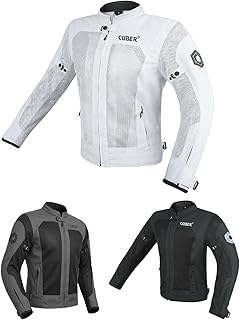
Top 10 Accessories
Curated picks for the Kawasaki Ninja 1000sx — owned, ridden, recommended.




Common Problems
Test idle smoothness, listen for hunting at low RPM
Inspect all mounting points and latch mechanisms closely
Look for oil residue on lower fork legs
Confirm TPMS warning light is not illuminated
✅Pre-Purchase Checklist
Very reliable, minor electronics quirks only
Full Specifications
Rivals & Alternatives
Bikes that buyers cross-shop with the Kawasaki Ninja 1000sx
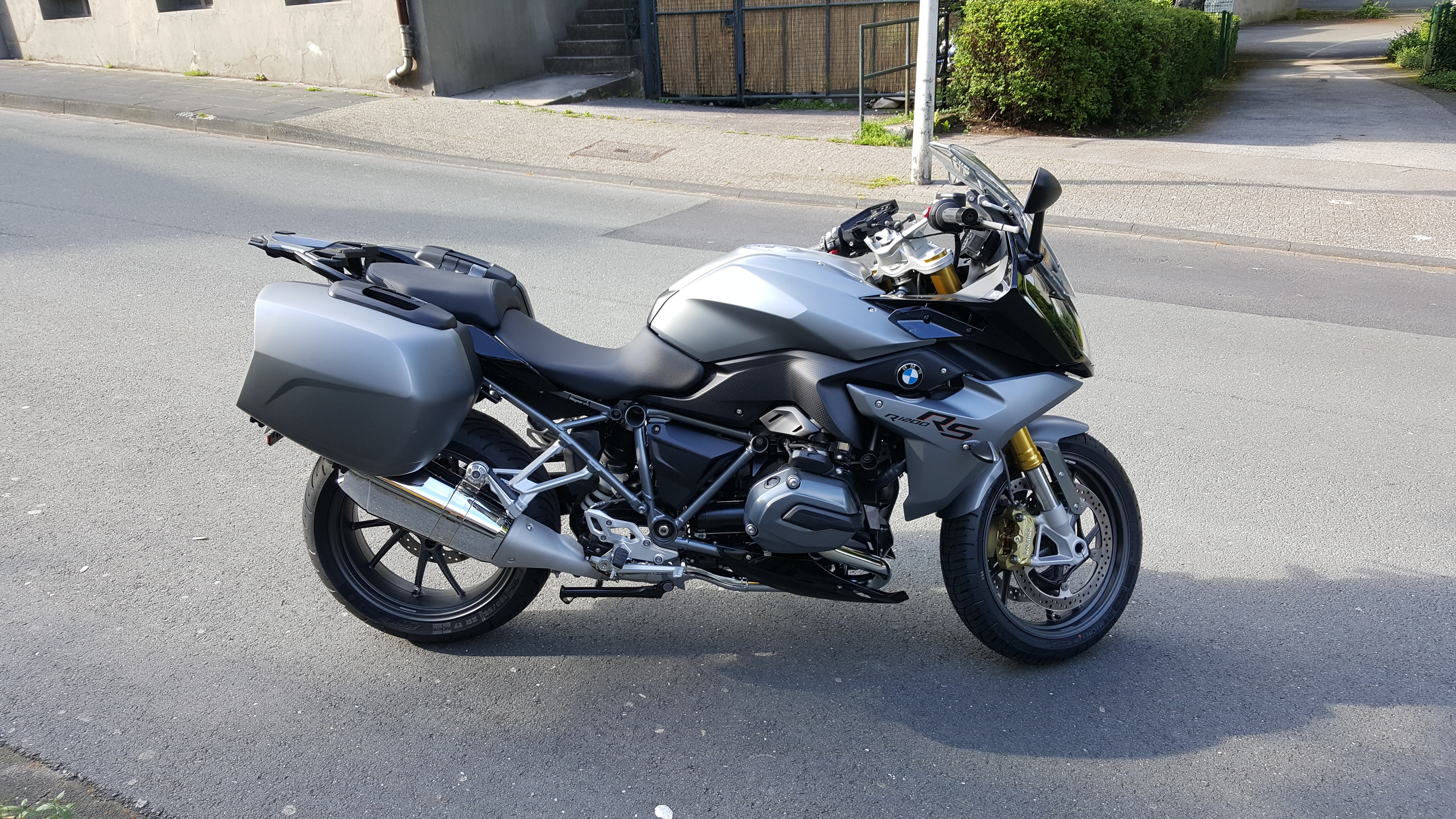
Bmw R 1200 Rs
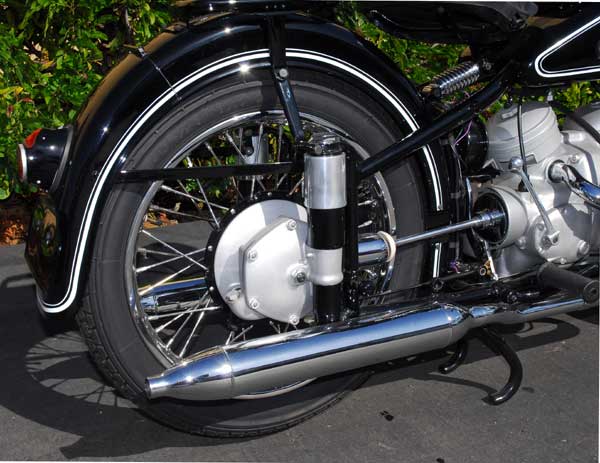
Triumph Sprint St
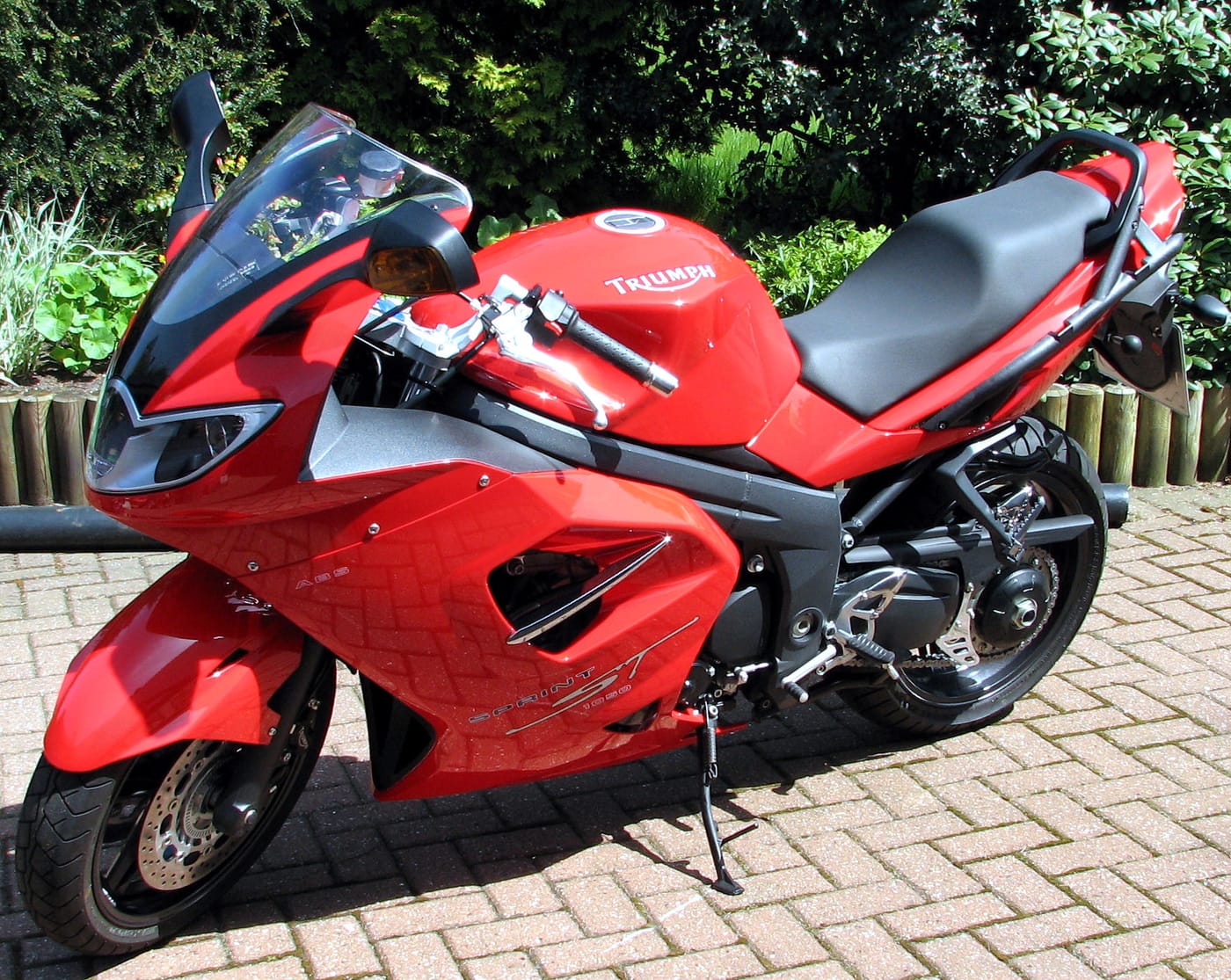
Triumph Sprint St 1050
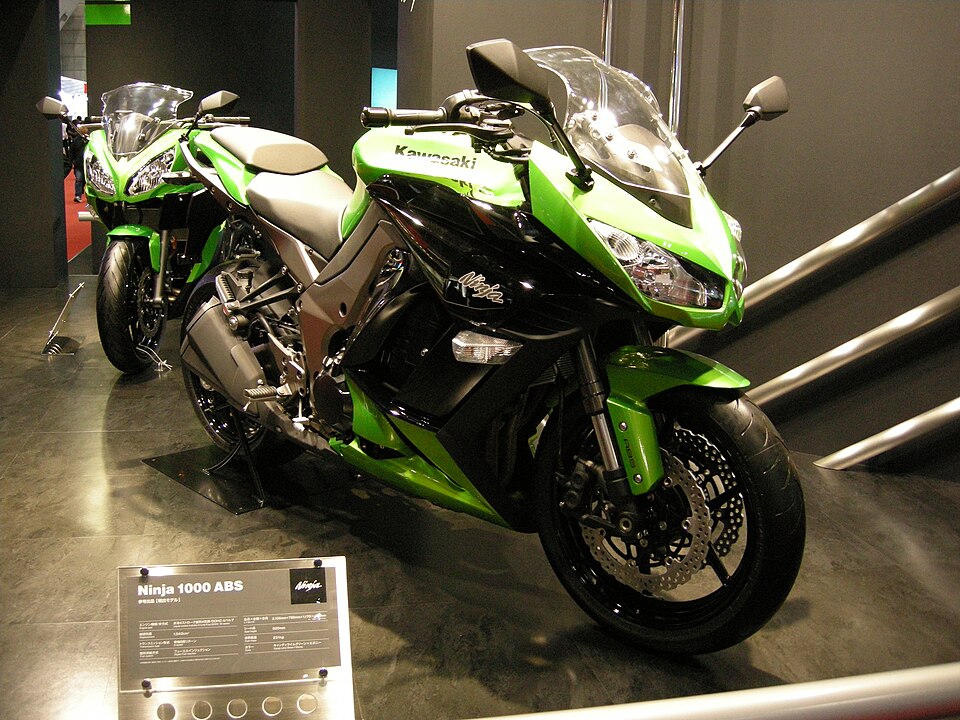
Kawasaki Ninja 1000
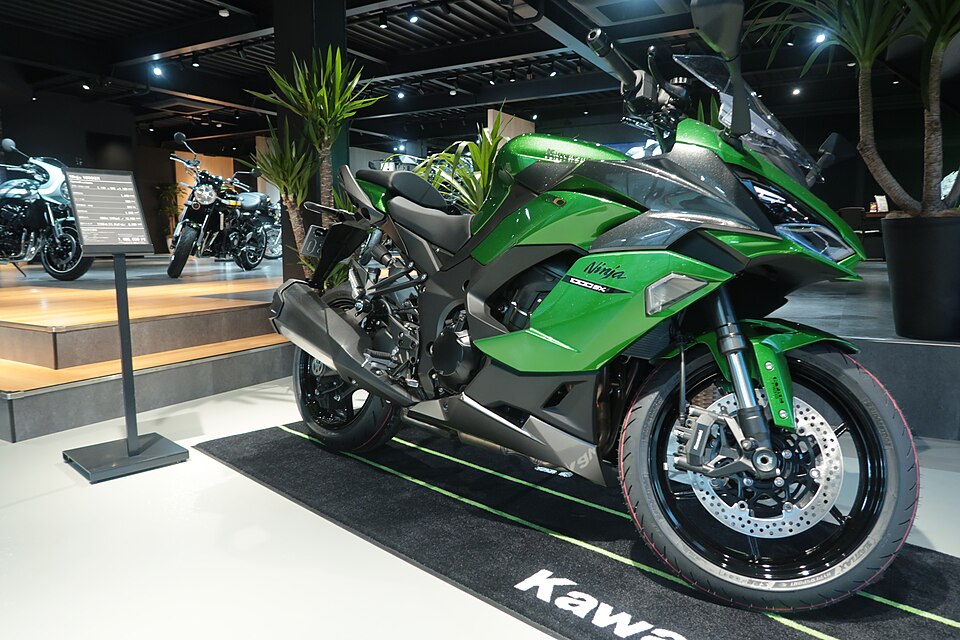
Kawasaki Z1000sx
Compare Kawasaki Ninja 1000sx Side-by-Side
compare_arrowsSpecs, power, weight & buyer verdict — head-to-head with the bikes most often cross-shopped.
Kawasaki Ninja 1000sx vs Bmw R 1200 Rs
Specs · Power · Buyer verdict
Kawasaki Ninja 1000sx vs Triumph Sprint St
Specs · Power · Buyer verdict
Kawasaki Ninja 1000sx vs Triumph Sprint St 1050
Specs · Power · Buyer verdict
Kawasaki Ninja 1000sx vs Kawasaki Ninja 1000
Specs · Power · Buyer verdict
Kawasaki Ninja 1000sx vs Kawasaki Z1000sx
Specs · Power · Buyer verdict
More Kawasaki Ninja 1000sx Guides
More from Kawasaki
View all Kawasaki models →Community Reviews
Discussion
Kawasaki Ninja 1000sx Videos
Frequently Asked Questions
What are common problems with the Kawasaki Ninja 1000sx? +
Throttle body sync causes rough idle/surging: Test idle smoothness, listen for hunting at low RPM (minor) | Panniers and luggage mounts crack or break: Inspect all mounting points and latch mechanisms closely (minor) | Front fork seals leak, especially high-mileage units: Look for oil residue on lower fork legs (moderate)
Is the Kawasaki Ninja 1000sx a good motorcycle? +
The sensible sport-tourer that never feels boring on Sunday. Rating: 8.5/10. Best for: Experienced riders wanting one versatile do-everything bike. Avoid if: You want pure sport riding with zero compromise.
What is the horsepower of the Kawasaki Ninja 1000sx? +
The Kawasaki Ninja 1000sx produces 142 hp @ 10,000 rpm, with 111 Nm @ 8,000 rpm of torque. Top speed: 240 km/h (estimated; manufacturer limited).
Is the Kawasaki Ninja 1000sx good for beginners? +
Not really — the Kawasaki Ninja 1000sx is better for experienced riders (142 hp can be intimidating). Experienced riders wanting one versatile do-everything bike Avoid if: You want pure sport riding with zero compromise
Is the Kawasaki Ninja 1000sx reliable? +
The Kawasaki Ninja 1000sx has no widely-reported critical reliability issues. 4 minor issues are documented — see the Common Problems section above.
Is the Kawasaki Ninja 1000sx good for daily use? +
Experienced riders wanting one versatile do-everything bike Fuel: 5.5–6.5 L/100km (typical real-world average).
How fast is the Kawasaki Ninja 1000sx? +
The Kawasaki Ninja 1000sx reaches a top speed of 240 km/h (estimated; manufacturer limited), producing 142 hp at 235 kg curb weight. Real-world performance depends on rider weight, gearing, and road conditions.
What gear should I buy for a Kawasaki Ninja 1000sx? +
Motoryk has curated a Top 10 gear list specifically for the Kawasaki Ninja 1000sx, covering engine oil, tires, chain, battery, and brake pads — see motoryk.com/bikes/kawasaki/ninja-1000sx/top10. Each pick is matched to this bike's spec.