Yamaha Fazer 1000
The Yamaha Fazer 1000 has a top speed of 250 km/h (electronically limited; estimated real-world), produces 150 hp and weighs 213 kg. Motoryk rates it 8.5/10.
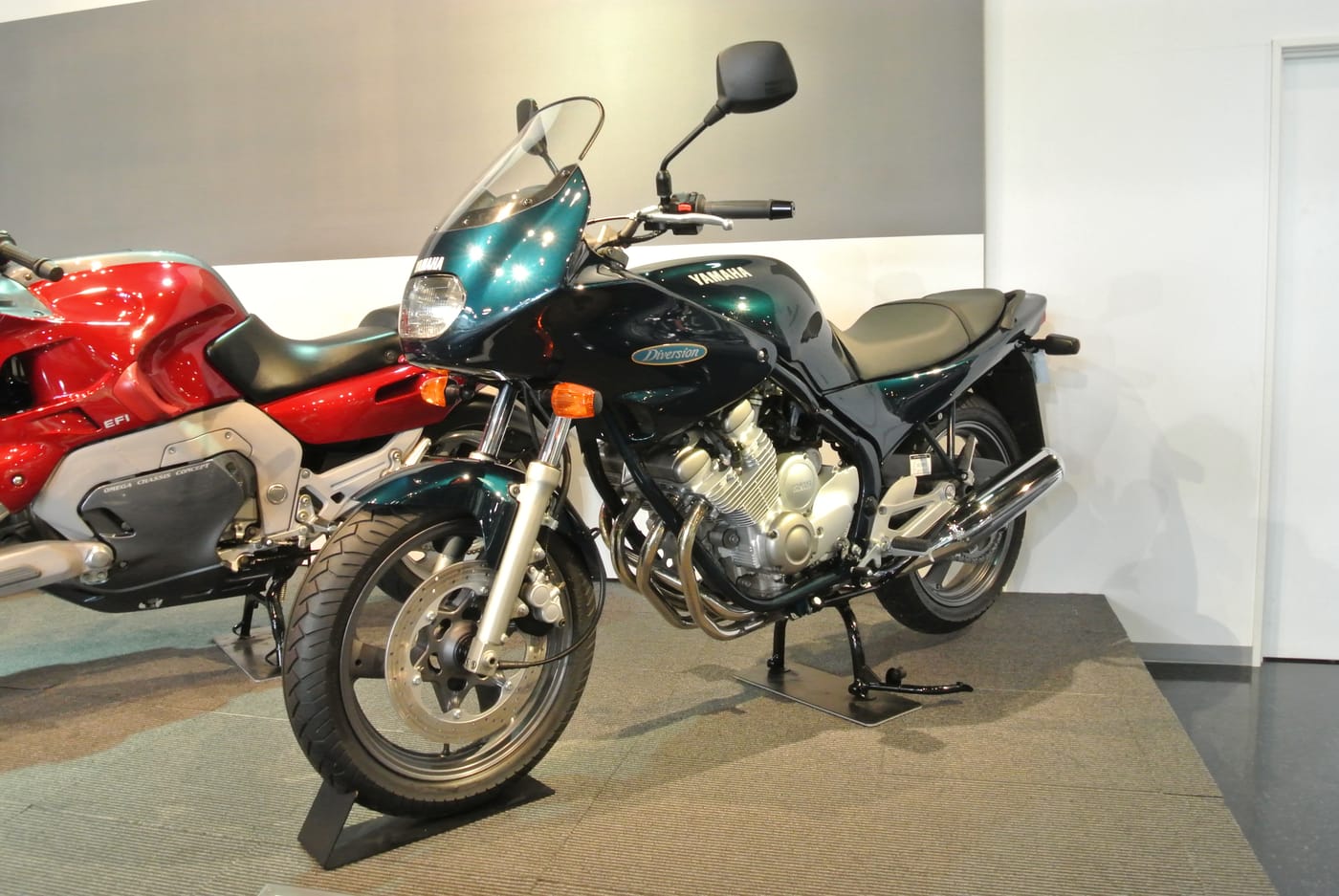
Der Yamaha FZS1000 Fazer (auch bekannt als FZ1) wurde 2001 als Sporttourer mit nacktem oder verkleidetem Gesicht vorgestellt. Er verwendete den Motor des R1-Superbikes, der für eine zugänglichere Straßenperformance verstimmt war. Es wurde wegen seiner Mischung aus starker Mittelklasse-Leistung, komfortabler Ergonomie und Alltagstauglichkeit beliebt und fand vor allem in Europa eine große Anhängerschaft. Eine zweite Generation (FZ1) kam 2006 mit einem neuen 998-cm3-Motor im Crossplane-Konzept, einem überarbeiteten Fahrwerk und sowohl verkleideten (Fazer) als auch nackten Varianten auf den Markt, und das bis etwa 2015.
150 hp
Leistung
106 Nm
Drehmoment
213 kg
Gewicht
250 km/h (electronically limited; estimated real-world)
Höchstgeschwindigkeit
6.5 L/100km (approximately 15.4 km/L, real-world average)
Treibstoff
Ausgeleitet
Körper
🔧 Service Schedule & Parts
Affiliate · we may earn| Service item | Every | Typical cost | Parts |
|---|---|---|---|
| 🛢️ Engine oil + oil filter | 6,000 km / 3,500 mi or 12 mo | $40-80 | 🛢️ Buy → ⚙️ Buy → |
| 🌬️ Air filter | 12,000 km / 7,500 mi | — | 🌬️ Buy → |
| ⚡ Spark plugs | 12,000 km / 7,500 mi | — | ⚡ Buy → |
| 🔧 Valve clearance check | 24,000 km / 15,000 mi | $200-400 | |
| 🔗 Chain & sprockets | 25000-40000 km (replace) | $150-300 | 🔗 Buy → |
| 🛑 Brake pads | 15000-30000 km | $30-60 | 🛑 Buy → |
| 💧 Brake fluid | 24,000 km / 15,000 mi or 2 yr | — | |
| 🧊 Coolant | 24,000 km / 15,000 mi | — | |
| 🛞 Tires | 10000-20000 km | $200-400 | 🛞 Buy → |
| 🔩 Major service | 24,000 km / 15,000 mi | $350-650 |
Video Review

Was Käufer wissen sollten
Rock-Solid Engine Reliability
The FZ1's 998cc inline-four engine is derived from the R1 superbike and is known for exceptional longevity, often exceeding 100,000 km with basic maintenance. Regular valve checks every 26,000 km are the main service item to budget for.
Watch the Throttle Bodies
A common issue on used examples is rough idle or hesitation caused by dirty or out-of-sync throttle bodies — a relatively cheap fix but frequently neglected by previous owners. Always test ride and check for smooth, consistent fueling before buying.
Strong Resale Value
The Fazer 1000 holds its value better than many sport-tourers due to its versatile character and cult following among riders who want R1 performance in a practical package. Well-maintained examples remain in high demand on the used market.
Generationen und Spezifikationen nach Jahr
Der ursprüngliche FZS1000 Fazer wurde mit 998-cm3-Vierzylinder-Reihenmotor auf den Markt gebracht. Das halbverkleidete Sporttourer-Design debütierte.
"Das Sportbike des denkenden Fahrers, das tatsächlich Sinn macht."
Yamaha hat den R1-Motor genommen, die Nockenprofile etwas weicher gemacht, eine halbe Verkleidung und einen echten Sitz angeschraubt und irgendwie etwas geschaffen, das mehr Spaß macht als das Donor-Bike, das 90% der realen Fahrweise abdeckt. Die Drehmomentkurve ist fett und ab 4.000 U/min nutzbar, und dieser 20-Ventil-Motor zieht mit echter Wildheit über 8.000 — langweilig wird es nie. Der Windschutz ist bei Geschwindigkeiten über 150 km/h mittelmäßig, und der Bildschirm erzeugt Turbulenzen, anstatt sie zu beseitigen, was bei Autobahnstau langsam der Vergangenheit angehört. Der Beifahrersitz ist wirklich brauchbar, die Spiegel funktionieren tatsächlich, und dieses Ding wird 500 km pro Tag zurücklegen, ohne Ihre Handgelenke zu zerstören — etwas, das kein reines Sportbike dieser Ära für sich beanspruchen könnte.
Profis
Nachteile
Der FZ1 Fazer wurde mit einem überarbeiteten 998-cm3-Motor, einem neuen Rahmen, einer einstellbaren Federung und einer aktualisierten Karosserie vorgestellt.
"Das Jedermann-Superbike, das wirklich jedes Versprechen einhält."
Ich habe 18.000 km mit einem FZ1 Fazer von 2008 zurückgelegt und das hat meine Erwartungen an ein Alleskönnerrad neu überdacht. Dieser 998 cm³ Crossplane-Lineage Reihenvierzylinder zieht ab 4.000 U/min kräftig an und schreit bis über 9.000 — es ist kein One-Trick-Pony wie manche nackte Tourenwagen, es ist wirklich aufregend, auf Touren zu kommen. Die Halbverkleidung verdient ihren Lebensunterhalt auf Autobahnen, ohne das Bike in einen Kühlschrank oder ein Gewächshaus zu verwandeln, obwohl bei über 160 km/h ein Buffet-Schlag auf deinen Helm trifft, als würde dich jemand wiederholt mit einem Telefonbuch schlagen. Meine wahren Kritikpunkte sind die serienmäßige Federung, die sich für ein Fahrrad zu diesem Preis deutlich preiswert anfühlt — die Gabeln tauchen peinlich ab, wenn man sie hart bremst, bis man sie wieder zurückzieht — und das Betanken von etwa 4.000-5.000 U/min in niedrigen Gängen ist kerbig genug, um den langsamen Verkehr wirklich nervig zu machen.
Profis
Nachteile
Bewertung von gebrauchten Käufern
"The Swiss Army knife of sportsbikes still cuts sharply a decade on."
$4,500-$7,500 usedThe FZ1 is one of those bikes that makes you wonder why anyone buys anything else in this class. Yamaha took the R1 engine, detuned it slightly for real-world rideability, and stuffed it into a naked/faired package that genuinely does everything well. That 998cc crossplane-derived inline-four pulls hard from 3,000rpm and absolutely screams past 10,000 — it's addictive in a way that sports bikes with peaky power delivery simply aren't. Buying used, check the throttle bodies for sync issues — they cause rough idle and flat spots that confuse owners into expensive diagnosis rabbit holes. The front forks go soft with age and the stock suspension was never brilliant to begin with; budget for a respring and fresh oil. Fairings on the Fazer version are fragile and expensive, so inspect every panel carefully for crash damage that's been badly repaired. Overall though, these bikes are genuinely hard to kill mechanically if the service history is decent. High mileage examples with documentation are often better bets than low-mileage mystery bikes sitting in someone's garage.
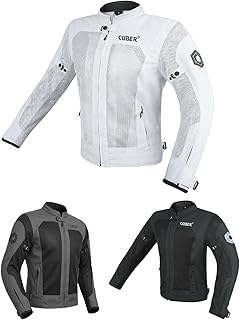
Top 10 Accessories
Curated picks for the Yamaha Fazer 1000 — owned, ridden, recommended.




Häufig auftretende Probleme
🔥 1 CRITICALRough idle, hesitation, or surging at low RPM
Check charging voltage, inspect regulator for heat damage
Cold start rattle that disappears when warm
Staining below pump, check coolant level and weep hole
✅Checkliste vor dem Kauf
Solid engine, electrics are main weak point
Full Specifications
Rivals & Alternatives
Bikes that buyers cross-shop with the Yamaha Fazer 1000
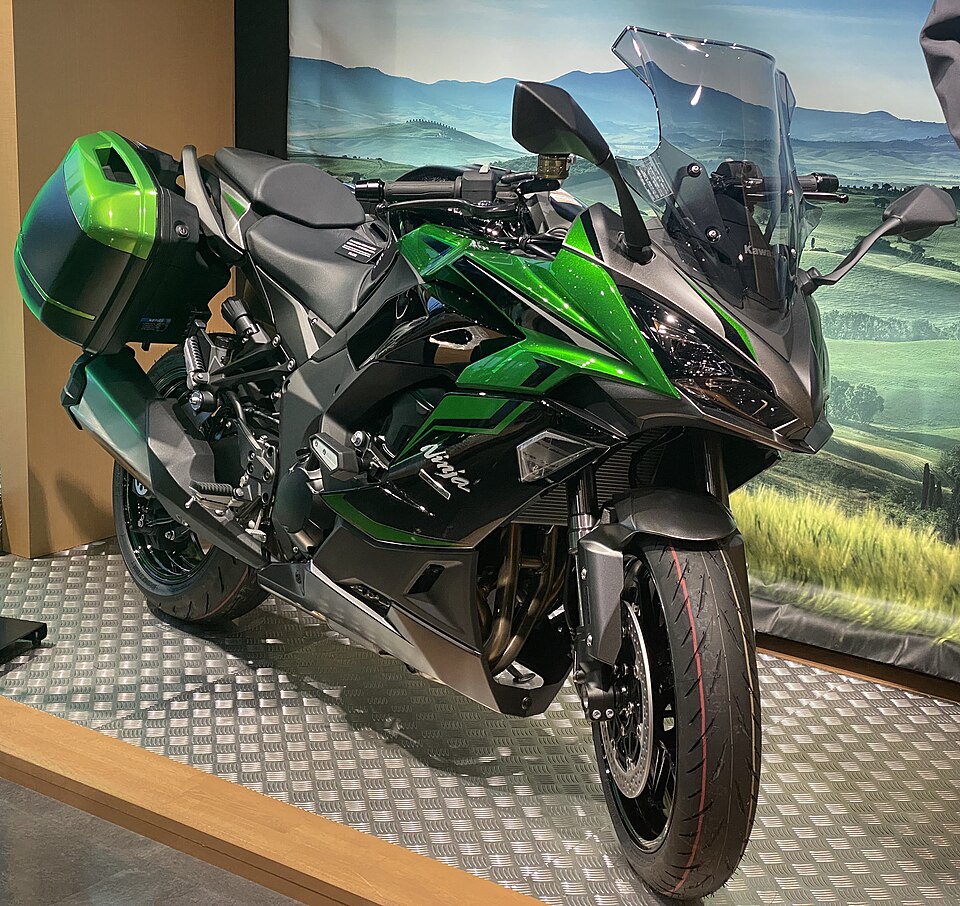
Kawasaki Ninja 1000sx
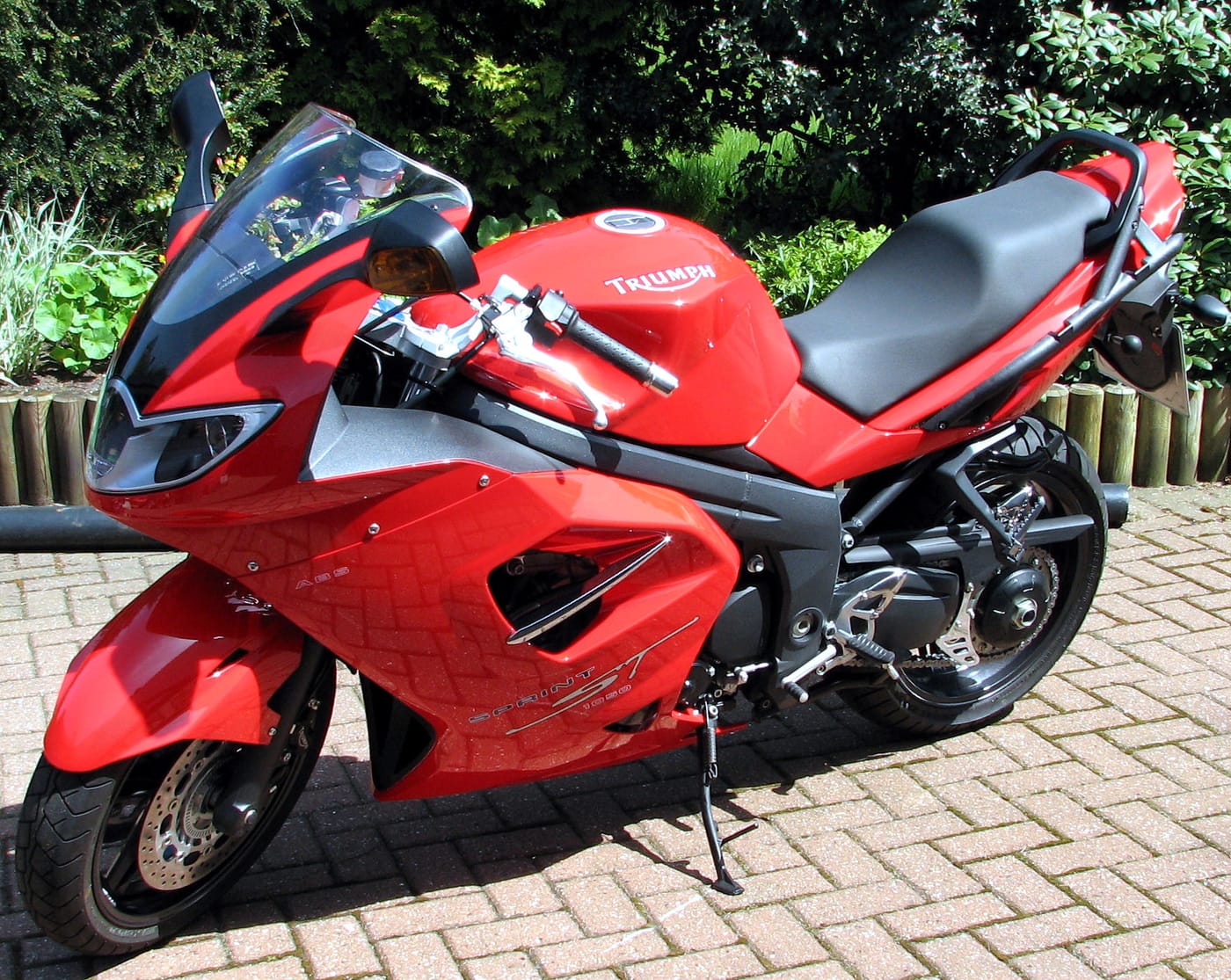
Triumph Sprint St 1050
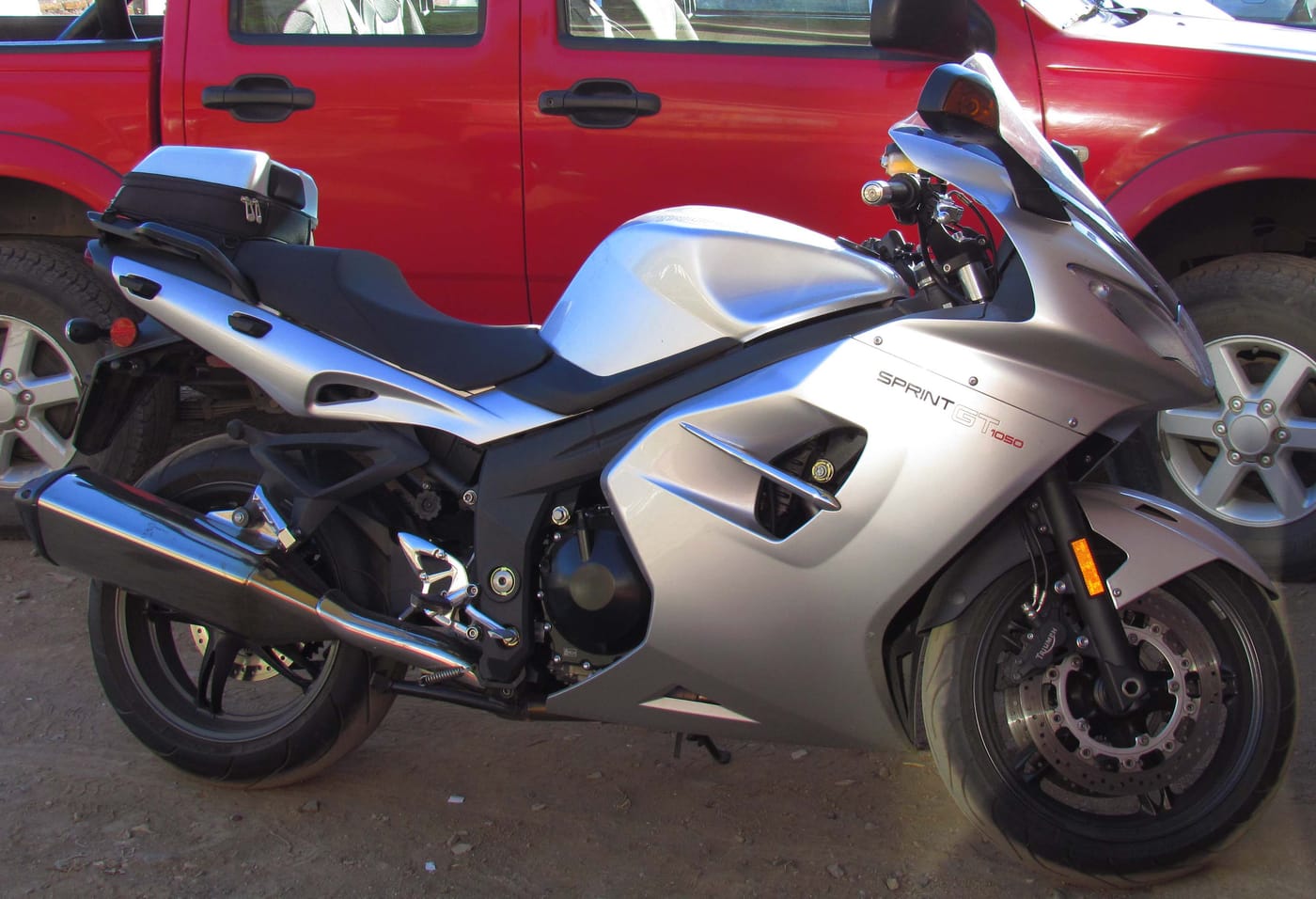
Triumph Sprint Gt 1050
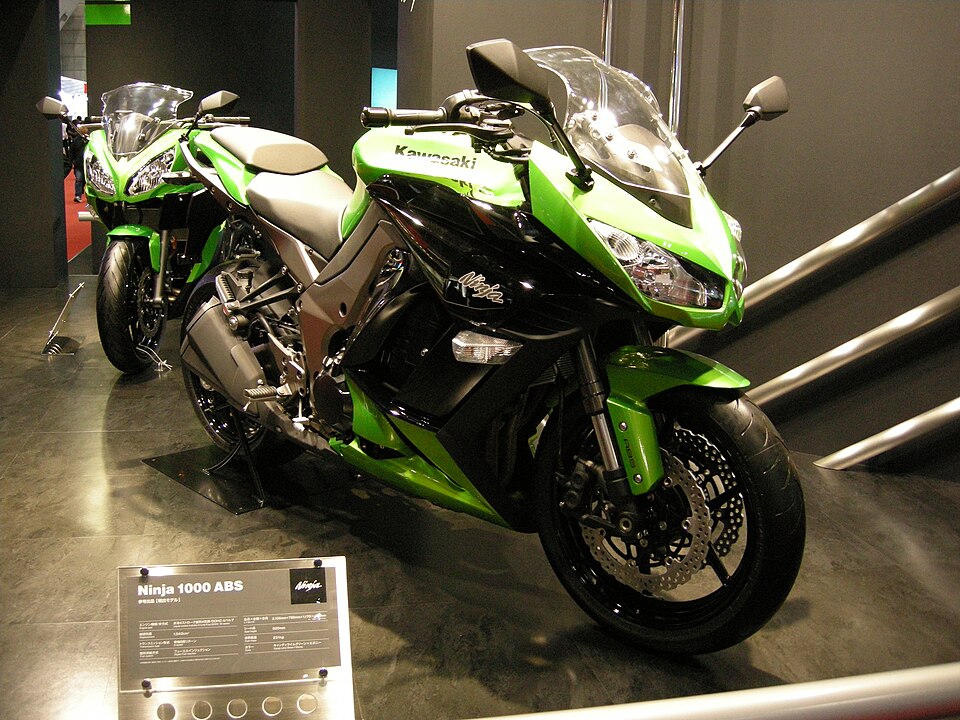
Kawasaki Ninja 1000
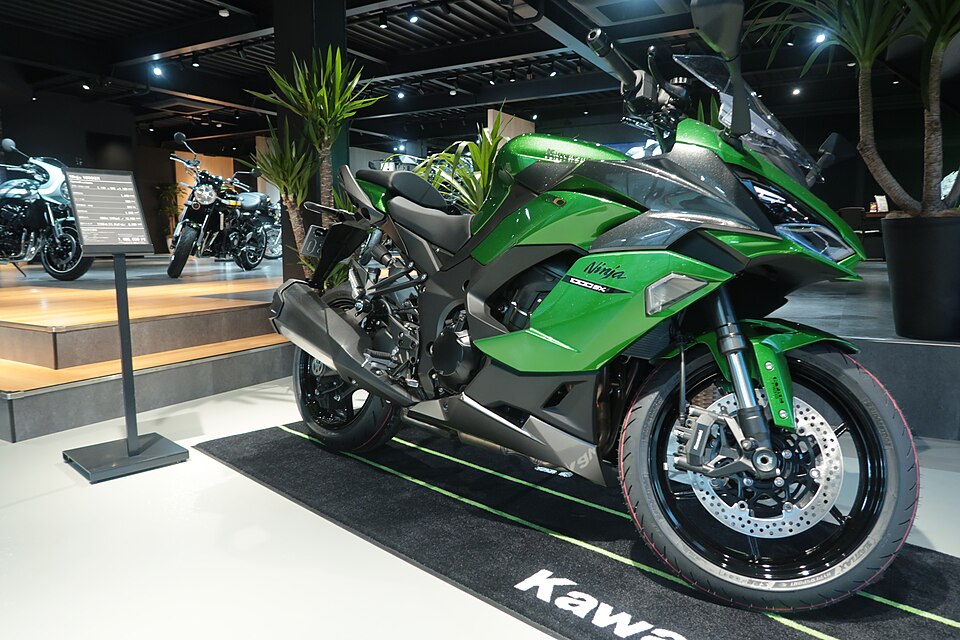
Kawasaki Z1000sx
Compare Yamaha Fazer 1000 Side-by-Side
compare_arrowsSpecs, power, weight & buyer verdict — head-to-head with the bikes most often cross-shopped.
Yamaha Fazer 1000 vs Kawasaki Ninja 1000sx
Specs · Power · Buyer verdict
Yamaha Fazer 1000 vs Triumph Sprint St 1050
Specs · Power · Buyer verdict
Yamaha Fazer 1000 vs Triumph Sprint Gt 1050
Specs · Power · Buyer verdict
Yamaha Fazer 1000 vs Kawasaki Ninja 1000
Specs · Power · Buyer verdict
Yamaha Fazer 1000 vs Kawasaki Z1000sx
Specs · Power · Buyer verdict
More Yamaha Fazer 1000 Guides
More from Yamaha
View all Yamaha models →Community Reviews
Discussion
Frequently Asked Questions
What are common problems with the Yamaha Fazer 1000? +
Throttle bodies need sync and cleaning: Rough idle, hesitation, or surging at low RPM (moderate) | Rectifier/regulator failure kills battery: Check charging voltage, inspect regulator for heat damage (serious) | Cam chain tensioner wear causes rattling: Cold start rattle that disappears when warm (moderate)
Is the Yamaha Fazer 1000 a good motorcycle? +
The Swiss Army knife of sportsbikes still cuts sharply a decade on. Rating: 8.5/10. Best for: Experienced riders wanting one versatile daily weapon. Avoid if: New riders intimidated by 150bhp surprises.
What is the horsepower of the Yamaha Fazer 1000? +
The Yamaha Fazer 1000 produces 150 hp @ 11,000 rpm (Gen 2, 2006+); Gen 1 approx 143 hp @ 10,000 rpm, with 106 Nm @ 8,000 rpm (Gen 2); Gen 1 approx 100 Nm @ 7,500 rpm of torque. Top speed: 250 km/h (electronically limited; estimated real-world).
Is the Yamaha Fazer 1000 good for beginners? +
Not really — the Yamaha Fazer 1000 is better for experienced riders (150 hp can be intimidating). Experienced riders wanting one versatile daily weapon Avoid if: New riders intimidated by 150bhp surprises
Is the Yamaha Fazer 1000 reliable? +
Owners report 1 critical issue to watch for on the Yamaha Fazer 1000, notably: Rectifier/regulator failure kills battery (Check charging voltage, inspect regulator for heat damage). Buy with a pre-purchase inspection.
Is the Yamaha Fazer 1000 good for daily use? +
Experienced riders wanting one versatile daily weapon Fuel: 6.5 L/100km (approximately 15.4 km/L, real-world average).
How fast is the Yamaha Fazer 1000? +
The Yamaha Fazer 1000 reaches a top speed of 250 km/h (electronically limited; estimated real-world), producing 150 hp at 213 kg curb weight. Real-world performance depends on rider weight, gearing, and road conditions.
What gear should I buy for a Yamaha Fazer 1000? +
Motoryk has curated a Top 10 gear list specifically for the Yamaha Fazer 1000, covering engine oil, tires, chain, battery, and brake pads — see motoryk.com/bikes/yamaha/fazer-1000/top10. Each pick is matched to this bike's spec.