Yamaha Fazer 1000
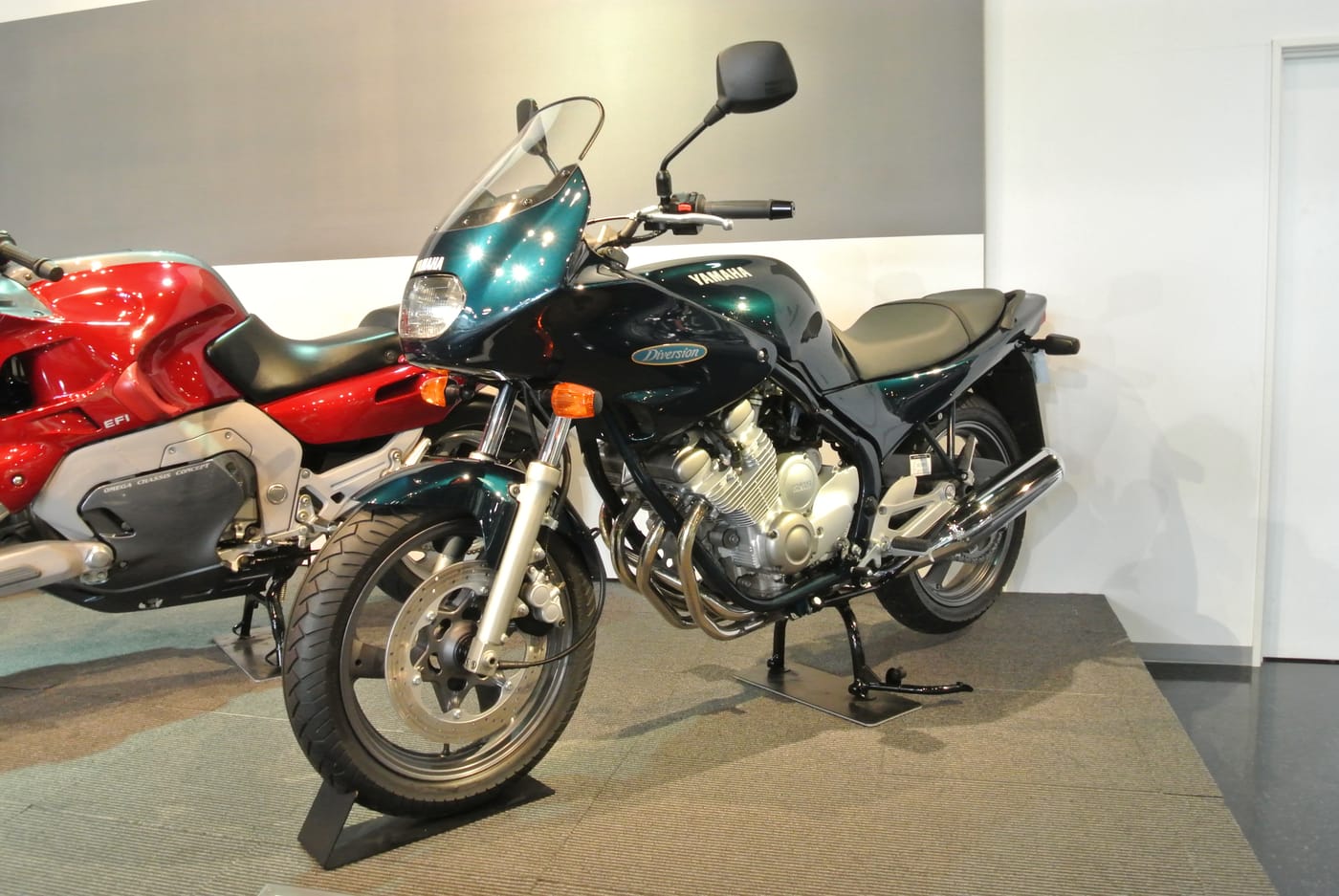
The Yamaha Fazer 1000 has a top speed of 250 km/h (electronically limited; estimated real-world), produces 150 hp and weighs 213 kg. Motoryk rates it 8.5/10.
The Yamaha FZS1000 Fazer (also known as the FZ1) was introduced in 2001 as a naked/faired sport-tourer, using the engine from the R1 superbike detuned for more accessible street performance. It became popular for its blend of strong mid-range power, comfortable ergonomics, and everyday usability, earning a strong following in Europe especially. A second generation (FZ1) arrived in 2006 with a new 998cc crossplane-concept engine, revised chassis, and both faired (Fazer) and naked variants, continuing until around 2015.
150 hp
Power
106 Nm
Torque
213 kg
Weight
250 km/h (electronically limited; estimated real-world)
Top Speed
6.5 L/100km (approximately 15.4 km/L, real-world average)
Fuel
Faired
Body
🔧 Service Schedule & Parts
Affiliate · we may earn| Service item | Every | Typical cost | Parts |
|---|---|---|---|
| 🛢️ Engine oil + oil filter | 6,000 km / 3,500 mi or 12 mo | $40-80 | 🛢️ Buy → ⚙️ Buy → |
| 🌬️ Air filter | 12,000 km / 7,500 mi | — | 🌬️ Buy → |
| ⚡ Spark plugs | 12,000 km / 7,500 mi | — | ⚡ Buy → |
| 🔧 Valve clearance check | 24,000 km / 15,000 mi | $200-400 | |
| 🔗 Chain & sprockets | 25000-40000 km (replace) | $150-300 | 🔗 Buy → |
| 🛑 Brake pads | 15000-30000 km | $30-60 | 🛑 Buy → |
| 💧 Brake fluid | 24,000 km / 15,000 mi or 2 yr | — | |
| 🧊 Coolant | 24,000 km / 15,000 mi | — | |
| 🛞 Tires | 10000-20000 km | $200-400 | 🛞 Buy → |
| 🔩 Major service | 24,000 km / 15,000 mi | $350-650 |
Video Review

What Buyers Should Know
Rock-Solid Engine Reliability
The FZ1's 998cc inline-four engine is derived from the R1 superbike and is known for exceptional longevity, often exceeding 100,000 km with basic maintenance. Regular valve checks every 26,000 km are the main service item to budget for.
Watch the Throttle Bodies
A common issue on used examples is rough idle or hesitation caused by dirty or out-of-sync throttle bodies — a relatively cheap fix but frequently neglected by previous owners. Always test ride and check for smooth, consistent fueling before buying.
Strong Resale Value
The Fazer 1000 holds its value better than many sport-tourers due to its versatile character and cult following among riders who want R1 performance in a practical package. Well-maintained examples remain in high demand on the used market.
Generations & Specs by Year
Original FZS1000 Fazer launched with 998cc inline-four engine, half-faired sport-tourer design debuted.
"The thinking rider's sportbike that actually makes sense."
Yamaha took the R1 engine, softened the cam profiles slightly, bolted on a half-fairing and a real seat, and somehow created something more enjoyable than the donor bike for 90% of real-world riding. The torque curve is fat and usable from 4,000 rpm up, and that 20-valve engine pulls with genuine savagery past 8,000 — you're never bored. Wind protection is mediocre past 150 km/h and the screen creates turbulence rather than eliminating it, which gets old on motorway slogs. The pillion seat is genuinely usable, the mirrors actually work, and this thing will cover 500 km days without destroying your wrists — something no pure sportbike of this era could claim.
Pros
Cons
FZ1 Fazer introduced with revised 998cc engine, new frame, adjustable suspension, and updated bodywork.
"The everyman superbike that genuinely delivers on every promise."
I put 18,000 km on a 2008 FZ1 Fazer and it rewired my expectations of what a do-everything bike should be. That 998cc crossplane-lineage inline-four pulls hard from 4,000 rpm and absolutely screams past 9,000 — it's not a one-trick pony like some naked-derived tourers, it's genuinely exciting to rev. The half-fairing earns its keep on motorways without turning the bike into a refrigerator or a greenhouse, though above 160 km/h buffeting hits your helmet like someone slapping you repeatedly with a phonebook. My real gripes are the stock suspension, which feels distinctly budget for a bike at this price point — the forks dive embarrassingly under hard braking until you respring them — and the fuelling around 4,000–5,000 rpm in low gears is notchy enough to make slow traffic genuinely annoying.
Pros
Cons
Used Buyer Review
"The Swiss Army knife of sportsbikes still cuts sharply a decade on."
$4,500-$7,500 usedThe FZ1 is one of those bikes that makes you wonder why anyone buys anything else in this class. Yamaha took the R1 engine, detuned it slightly for real-world rideability, and stuffed it into a naked/faired package that genuinely does everything well. That 998cc crossplane-derived inline-four pulls hard from 3,000rpm and absolutely screams past 10,000 — it's addictive in a way that sports bikes with peaky power delivery simply aren't. Buying used, check the throttle bodies for sync issues — they cause rough idle and flat spots that confuse owners into expensive diagnosis rabbit holes. The front forks go soft with age and the stock suspension was never brilliant to begin with; budget for a respring and fresh oil. Fairings on the Fazer version are fragile and expensive, so inspect every panel carefully for crash damage that's been badly repaired. Overall though, these bikes are genuinely hard to kill mechanically if the service history is decent. High mileage examples with documentation are often better bets than low-mileage mystery bikes sitting in someone's garage.
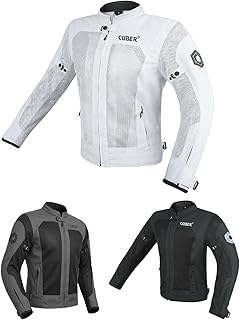
Top 10 Accessories
Curated picks for the Yamaha Fazer 1000 — owned, ridden, recommended.




Common Problems
🔥 1 CRITICALRough idle, hesitation, or surging at low RPM
Check charging voltage, inspect regulator for heat damage
Cold start rattle that disappears when warm
Staining below pump, check coolant level and weep hole
✅Pre-Purchase Checklist
Solid engine, electrics are main weak point
Full Specifications
Rivals & Alternatives
Bikes that buyers cross-shop with the Yamaha Fazer 1000
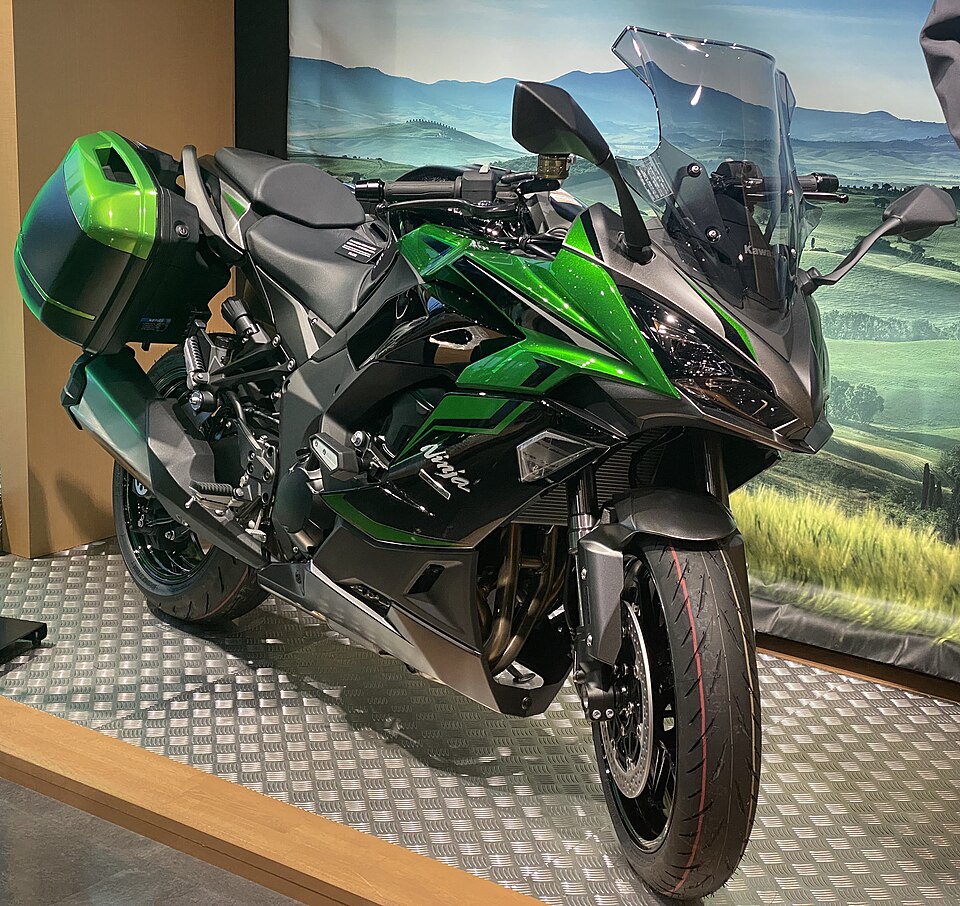
Kawasaki Ninja 1000sx
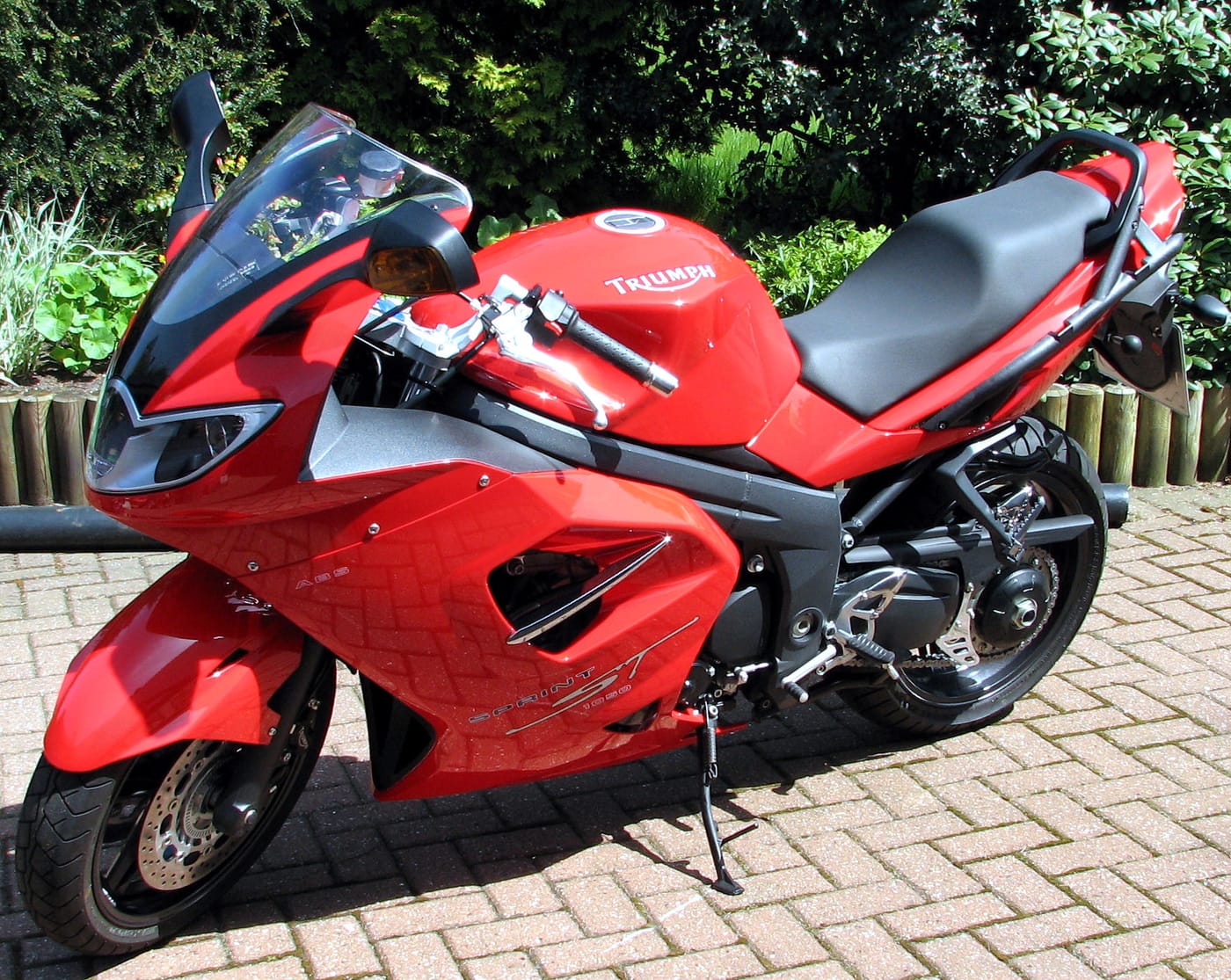
Triumph Sprint St 1050
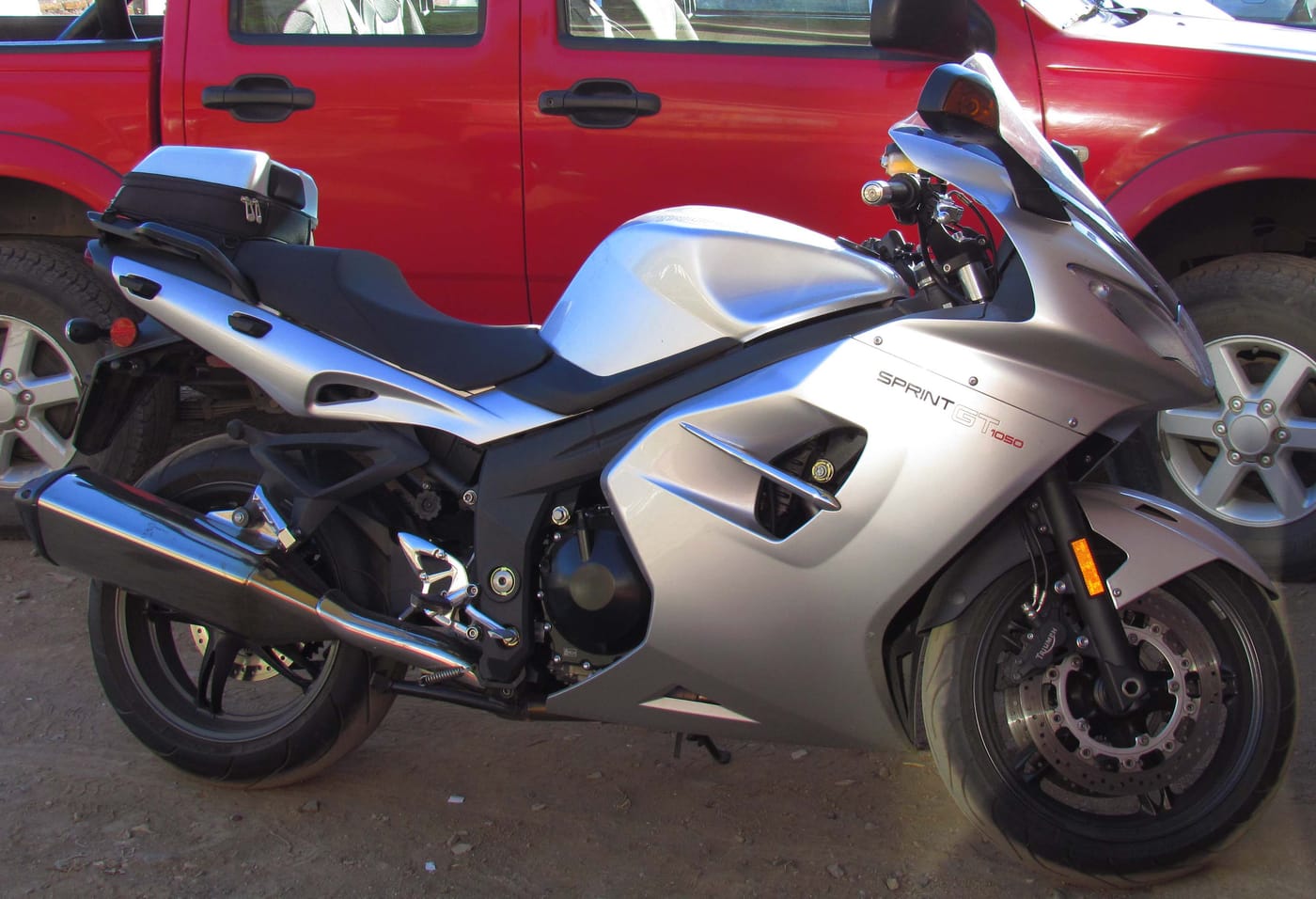
Triumph Sprint Gt 1050
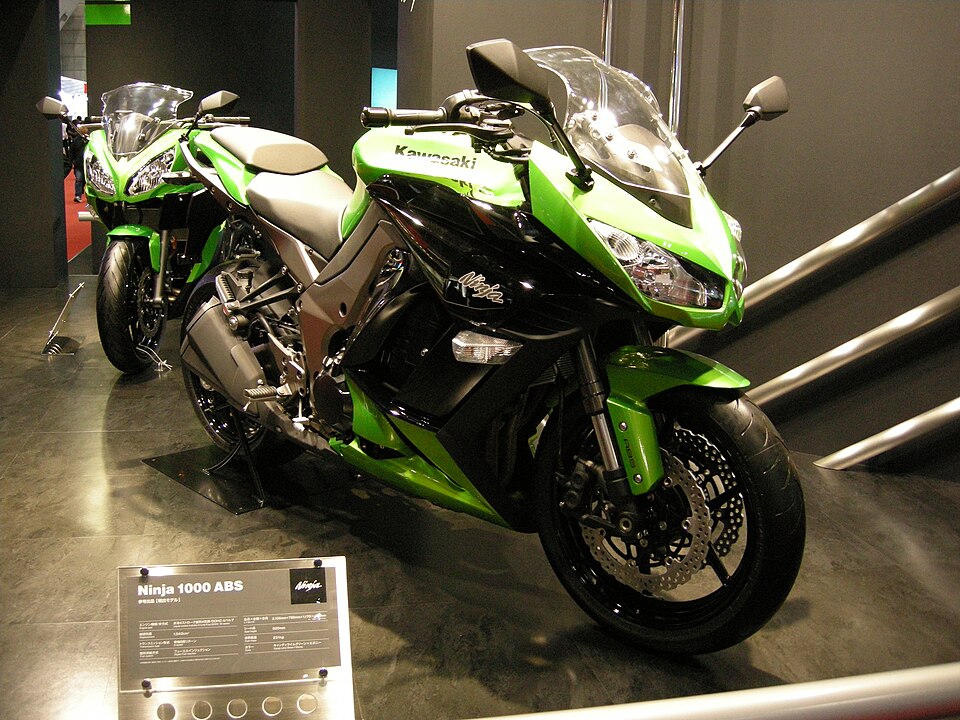
Kawasaki Ninja 1000
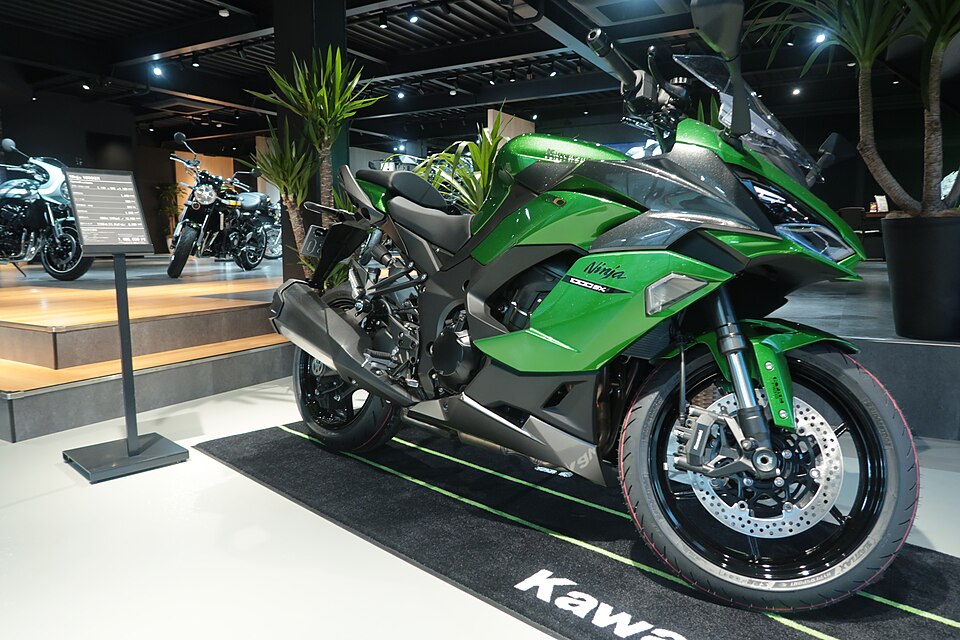
Kawasaki Z1000sx
Compare Yamaha Fazer 1000 Side-by-Side
compare_arrowsSpecs, power, weight & buyer verdict — head-to-head with the bikes most often cross-shopped.
Yamaha Fazer 1000 vs Kawasaki Ninja 1000sx
Specs · Power · Buyer verdict
Yamaha Fazer 1000 vs Triumph Sprint St 1050
Specs · Power · Buyer verdict
Yamaha Fazer 1000 vs Triumph Sprint Gt 1050
Specs · Power · Buyer verdict
Yamaha Fazer 1000 vs Kawasaki Ninja 1000
Specs · Power · Buyer verdict
Yamaha Fazer 1000 vs Kawasaki Z1000sx
Specs · Power · Buyer verdict
More Yamaha Fazer 1000 Guides
More from Yamaha
View all Yamaha models →Community Reviews
Discussion
Frequently Asked Questions
What are common problems with the Yamaha Fazer 1000? +
Throttle bodies need sync and cleaning: Rough idle, hesitation, or surging at low RPM (moderate) | Rectifier/regulator failure kills battery: Check charging voltage, inspect regulator for heat damage (serious) | Cam chain tensioner wear causes rattling: Cold start rattle that disappears when warm (moderate)
Is the Yamaha Fazer 1000 a good motorcycle? +
The Swiss Army knife of sportsbikes still cuts sharply a decade on. Rating: 8.5/10. Best for: Experienced riders wanting one versatile daily weapon. Avoid if: New riders intimidated by 150bhp surprises.
What is the horsepower of the Yamaha Fazer 1000? +
The Yamaha Fazer 1000 produces 150 hp @ 11,000 rpm (Gen 2, 2006+); Gen 1 approx 143 hp @ 10,000 rpm, with 106 Nm @ 8,000 rpm (Gen 2); Gen 1 approx 100 Nm @ 7,500 rpm of torque. Top speed: 250 km/h (electronically limited; estimated real-world).
Is the Yamaha Fazer 1000 good for beginners? +
Not really — the Yamaha Fazer 1000 is better for experienced riders (150 hp can be intimidating). Experienced riders wanting one versatile daily weapon Avoid if: New riders intimidated by 150bhp surprises
Is the Yamaha Fazer 1000 reliable? +
Owners report 1 critical issue to watch for on the Yamaha Fazer 1000, notably: Rectifier/regulator failure kills battery (Check charging voltage, inspect regulator for heat damage). Buy with a pre-purchase inspection.
Is the Yamaha Fazer 1000 good for daily use? +
Experienced riders wanting one versatile daily weapon Fuel: 6.5 L/100km (approximately 15.4 km/L, real-world average).
How fast is the Yamaha Fazer 1000? +
The Yamaha Fazer 1000 reaches a top speed of 250 km/h (electronically limited; estimated real-world), producing 150 hp at 213 kg curb weight. Real-world performance depends on rider weight, gearing, and road conditions.
What gear should I buy for a Yamaha Fazer 1000? +
Motoryk has curated a Top 10 gear list specifically for the Yamaha Fazer 1000, covering engine oil, tires, chain, battery, and brake pads — see motoryk.com/bikes/yamaha/fazer-1000/top10. Each pick is matched to this bike's spec.