Vespa Primavera 150
The Vespa Primavera 150 has a top speed of 97 km/h, produces 12.7 hp and weighs 132 kg. Motoryk rates it 7.5/10.
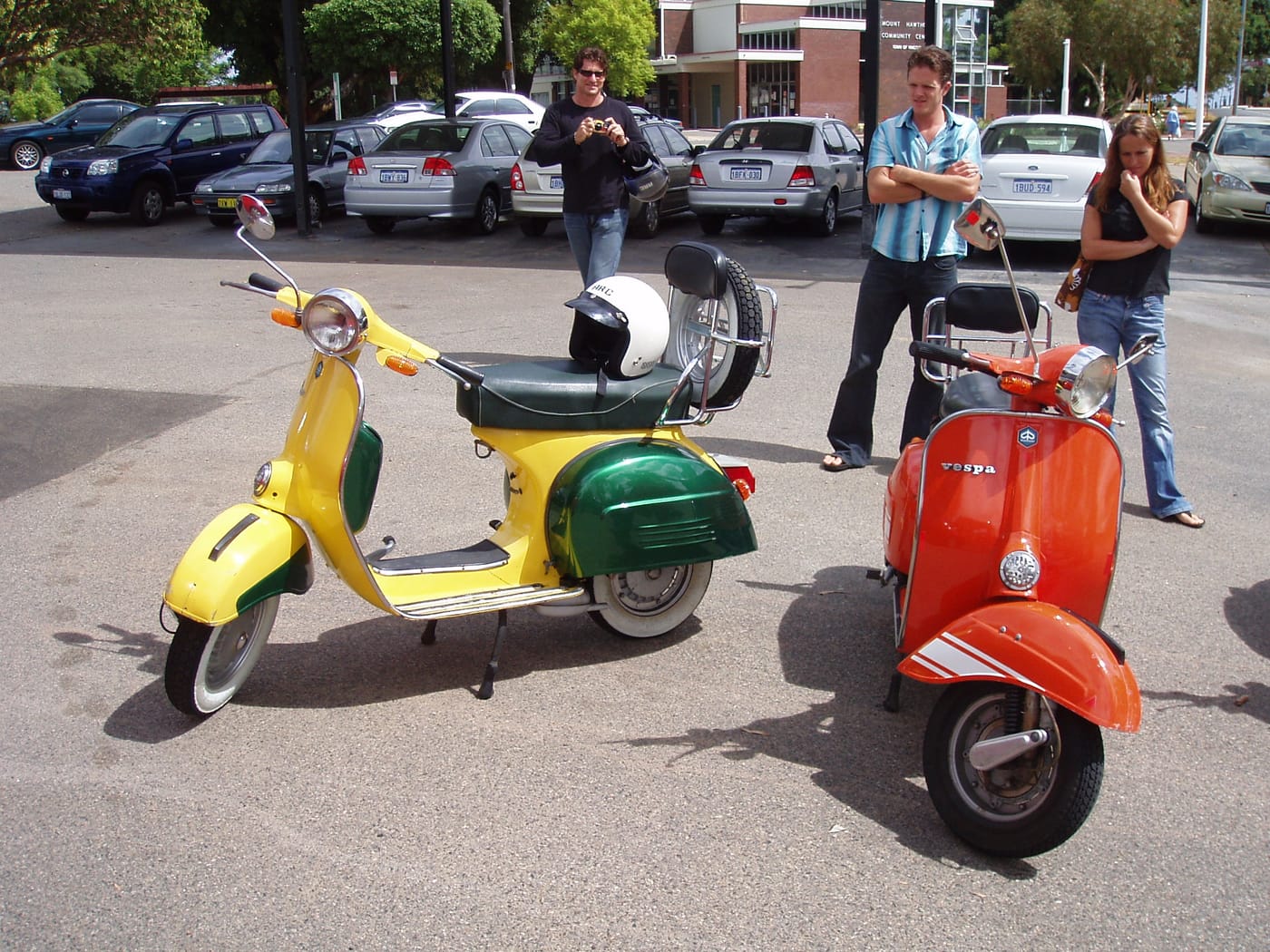
La Vespa Primavera fue presentada originalmente por Piaggio en 1967 como un scooter ligero y deportivo diseñado para ciclistas más jóvenes, que se convirtió en un icono de la cultura juvenil europea durante las décadas de 1970 y 1980. El moderno Primavera se relanzó en 2013 para celebrar la herencia del modelo, con un diseño contemporáneo que conserva los toques clásicos del estilo Vespa. La variante de 150 cc se convirtió en una de las configuraciones más populares del mundo y fue elogiada por su combinación de estética retro, practicidad y rendimiento moderno con inyección de combustible.
12.7 hp
Potencia
12.8 Nm
Torsión
132 kg
Peso
97 km/h
Velocidad máxima
2.7 L/100km (approx. 37 km/L, typical real-world average)
Combustible
Carenado
Cuerpo
Video Review
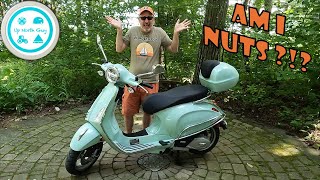
Lo que los compradores deben saber
Watch the Variator Belt
The CVT drive belt on the Primavera 150 should be inspected every 8,000–10,000 miles, as a worn belt causes sluggish acceleration and can leave you stranded. Always ask a seller for belt replacement history.
Strong Resale Value
Vespas hold their value exceptionally well compared to most scooters, often retaining 60–75% of their value after three years. The Primavera's timeless Italian styling and brand prestige drive consistent demand on the used market.
Fuel-Injected Modern Engine
The Primavera 150 uses a fuel-injected, 4-stroke 155cc engine that meets strict Euro 4/5 emissions standards, making it reliable and easy to cold-start. This modern injection system largely eliminates the carburetor issues common in older Vespas.
Generaciones y especificaciones por año
Se presenta el motor original de 2 tiempos de 150 cc, válvula rotativa de inducción, cuerpo clásico de acero de marco pequeño.
"El patinete que inventó cómo deberían ser los patinetes."
He pilotado un Primavera 150 del 72 restaurado de forma consecutiva con unos 125 modernos, y nada te prepara para lo vivo que se siente esa válvula giratoria de dos tiempos por debajo de las 5000 rpm: tira limpiamente cuando los motores más pequeños tropiezan y el chasis es tan ligero, con 88 kg, que se circula por la ciudad solo por instinto. Esa velocidad máxima de 95 km/h es honesta y utilizable; normalmente me sentaba a 80 en carreteras mixtas sin sentir que me estaba retorciendo el cuello. La otra cara de la moneda es real: el mantenimiento de dos tiempos es un compromiso, las juntas de válvulas con lengüeta y los inyectores de carburador requieren atención cada pocos miles de kilómetros, y encontrar un mecánico que realmente comprenda cómo portar una Vespa de chasis pequeño es más difícil de lo que debería ser. La carrocería de acero se oxida agresivamente si lo ignoras, y los frenos de tambor delanteros y traseros requieren un respeto genuino cuando están mojados; no son peligrosos si los conoces, pero te sorprenderán una vez.
Pros
Contras
Relanzamiento moderno con el nombre de Primavera, motor i-get de 4 tiempos y 150 cc, opción ABS y electrónica actualizada.
Cumplimiento de emisiones Euro 4, refinamiento de la inyección de combustible, puerto USB agregado, grupo de instrumentos actualizado.
Motor compatible con la norma Euro 5, conectividad mejorada a través de la aplicación Vespa MIA, funciones de seguridad actualizadas incluidas.
Reseña de un comprador usado
"The classiest city scooter money can buy, priced accordingly."
$3,500-$5,500 usedThe Primavera 150 is genuinely lovely to ride around town — that three-valve engine pulls smoothly, the automatic transmission is utterly fuss-free, and it looks absolutely timeless. Vespa's build quality is legitimately better than most Asian scoots, and that matters when you're buying used. The bodywork holds up, the chrome ages gracefully, and parts availability is decent through dealers. Just budget for maintenance — Vespa wants you at an authorized shop, and they charge accordingly. Buying used, inspect the undercarriage carefully. These things get dropped at parking lots constantly by newer riders, and cracked plastic gets expensive fast. Check the rear shock — it gets wallowy when worn. The 150cc engine is peppy enough for city use but genuinely struggles above 65mph sustained, so manage your expectations if you're eyeing any highway commuting. ABS on newer models is worth hunting for specifically.
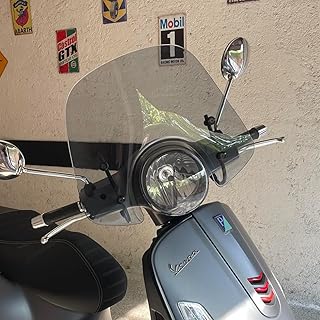
Top 10 Accessories
Curated picks for the Vespa Primavera 150 — owned, ridden, recommended.


Problemas comunes
🔥 1 CRITICALRough idle, hesitation, hard starting at purchase
Sluggish takeoff, high RPM before moving
Inspect fuel cap area, smell fuel for rust odor
Squealing brakes, spongy lever feel during test ride
✅Lista de verificación previa a la compra
Reliable if maintained, neglect kills them fast
Full Specifications
Rivals & Alternatives
Bikes that buyers cross-shop with the Vespa Primavera 150
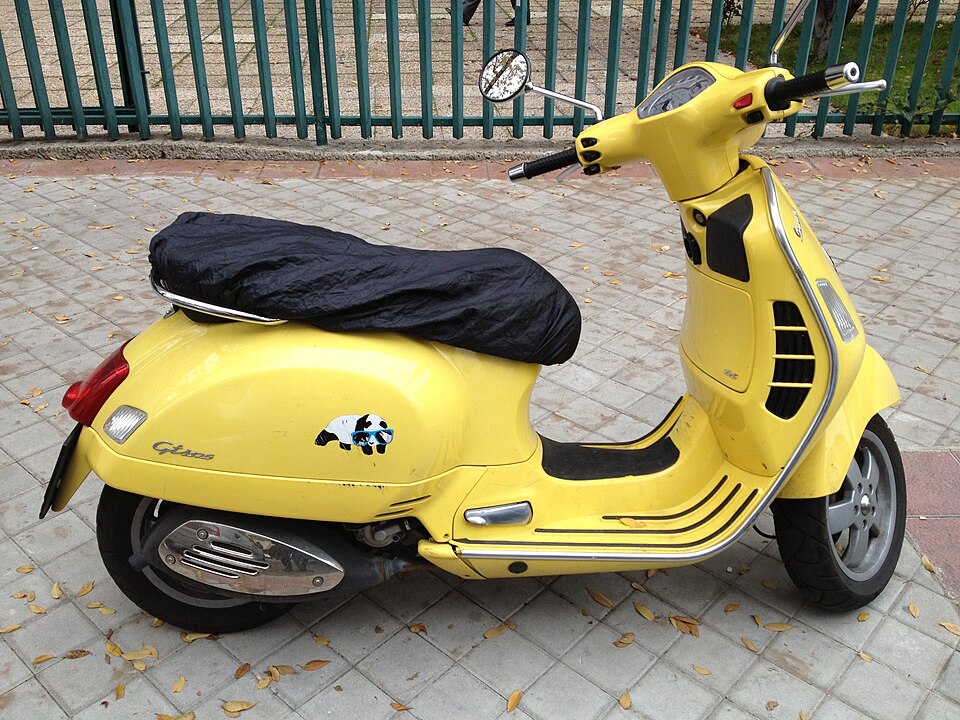
Vespa Gts 125
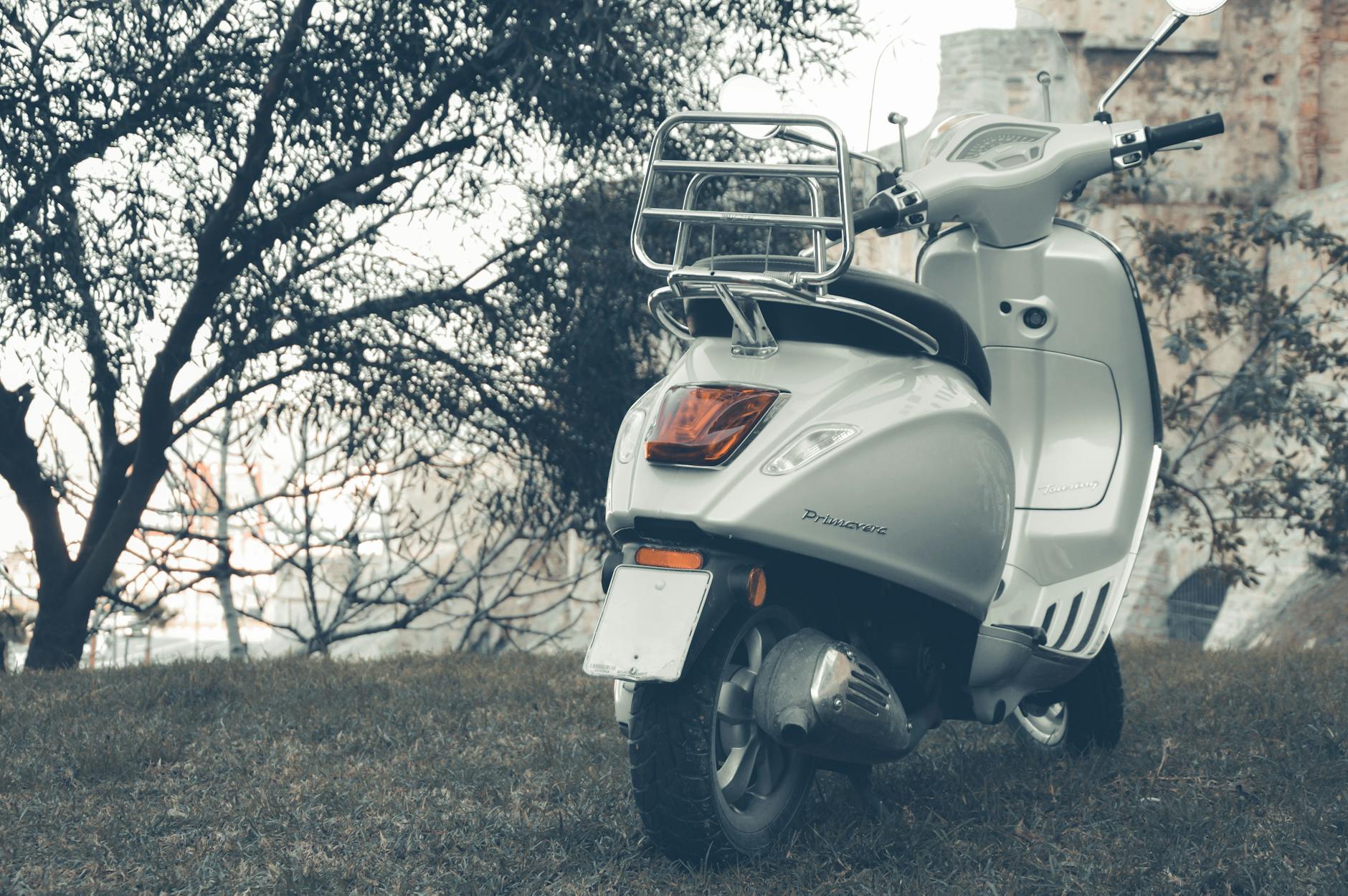
Piaggio Vespa Primavera 125
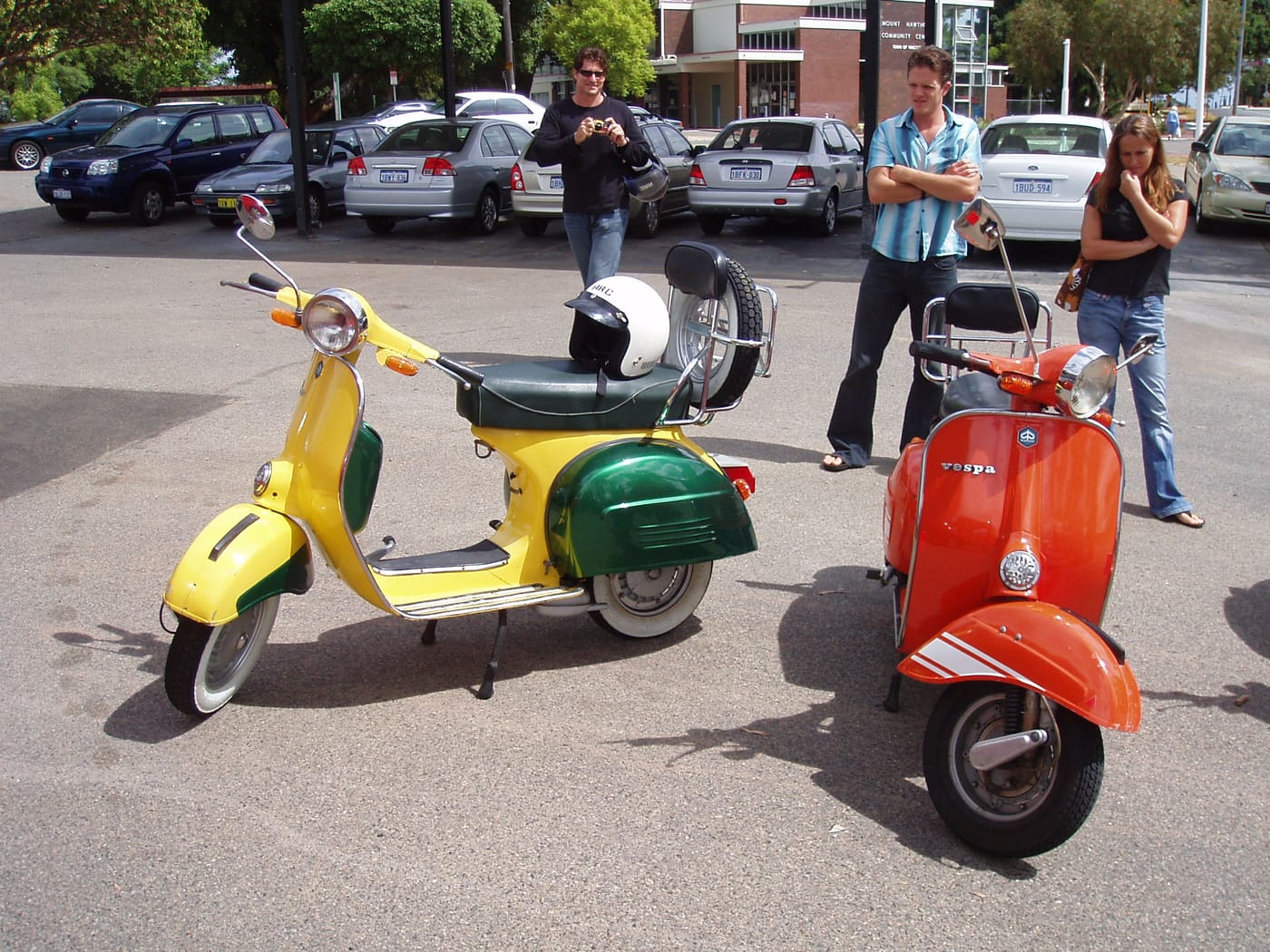
Piaggio Vespa Primavera 150
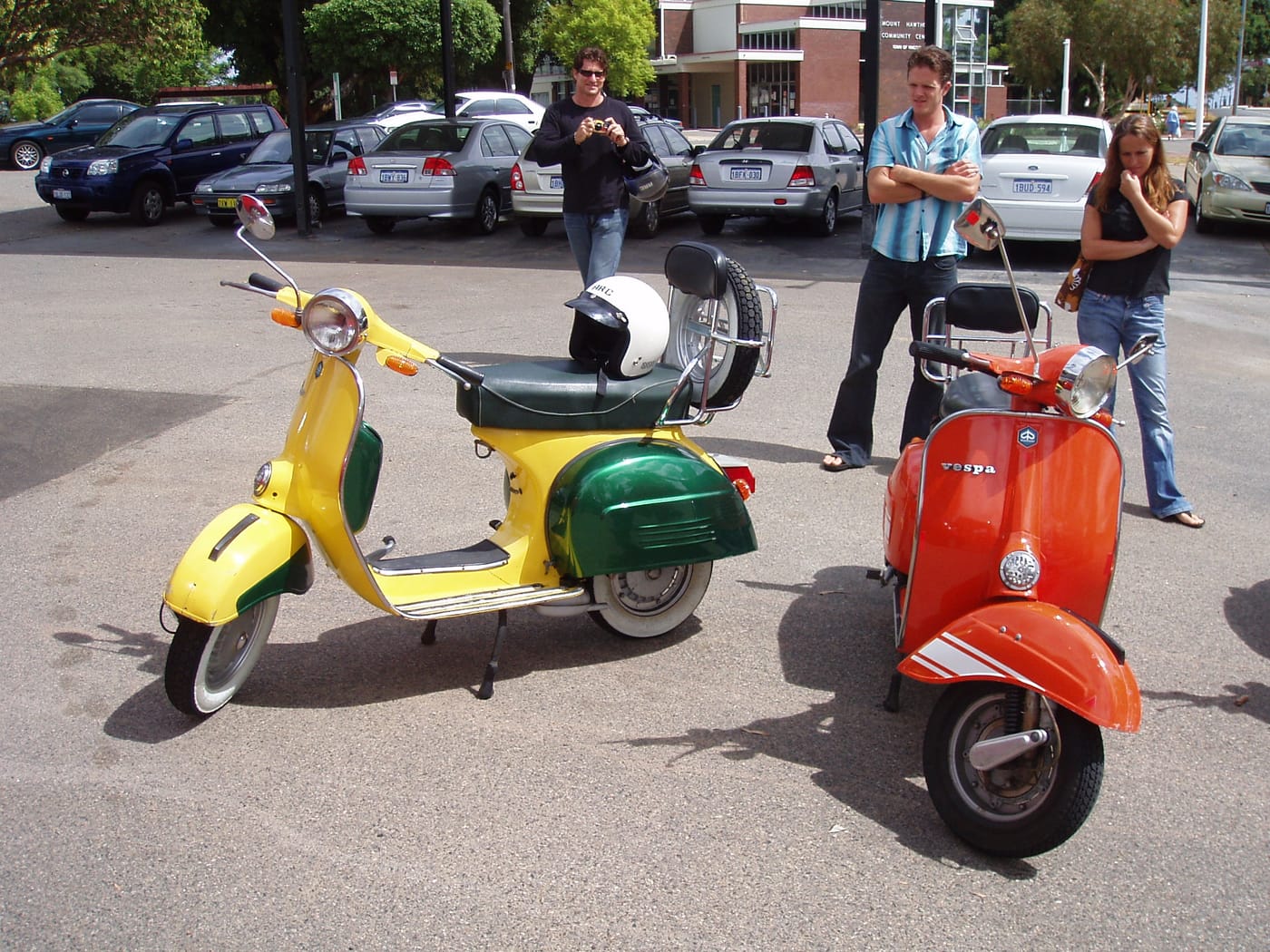
Piaggio Vespa Sprint 125
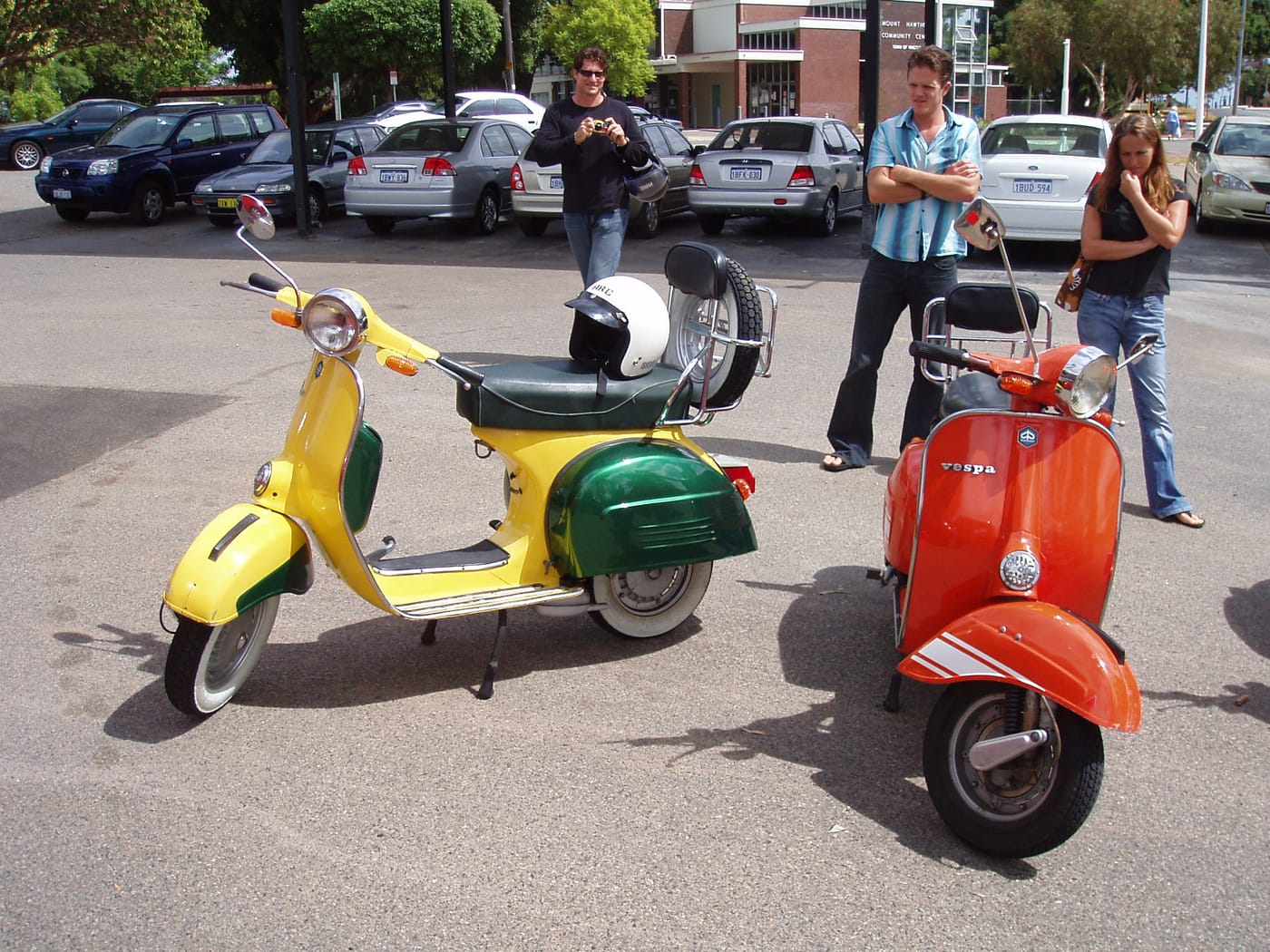
Piaggio Vespa Sprint 150
Compare Vespa Primavera 150 Side-by-Side
compare_arrowsSpecs, power, weight & buyer verdict — head-to-head with the bikes most often cross-shopped.
Vespa Primavera 150 vs Vespa Gts 125
Specs · Power · Buyer verdict
Vespa Primavera 150 vs Piaggio Vespa Primavera 125
Specs · Power · Buyer verdict
Vespa Primavera 150 vs Piaggio Vespa Primavera 150
Specs · Power · Buyer verdict
Vespa Primavera 150 vs Piaggio Vespa Sprint 125
Specs · Power · Buyer verdict
Vespa Primavera 150 vs Piaggio Vespa Sprint 150
Specs · Power · Buyer verdict
More Vespa Primavera 150 Guides
More from Vespa
View all Vespa models →Community Reviews
Discussion
Vespa Primavera 150 Videos
Frequently Asked Questions
What are common problems with the Vespa Primavera 150? +
Carb/fuel injection clogging from ethanol fuel: Rough idle, hesitation, hard starting at purchase (moderate) | Variator and roller wear causes sluggish acceleration: Sluggish takeoff, high RPM before moving (moderate) | Rust inside fuel tank on older units: Inspect fuel cap area, smell fuel for rust odor (serious)
Is the Vespa Primavera 150 a good motorcycle? +
The classiest city scooter money can buy, priced accordingly. Rating: 7.5/10. Best for: Urban commuters wanting premium style and reliability. Avoid if: You need highway speed or hate dealer costs.
What is the horsepower of the Vespa Primavera 150? +
The Vespa Primavera 150 produces 12.7 hp @ 7,750 rpm, with 12.8 Nm @ 6,500 rpm of torque. Top speed: 97 km/h.
Is the Vespa Primavera 150 good for beginners? +
Yes — the Vespa Primavera 150 is a reasonable choice for new riders (12.7 hp is manageable), weighing 132 kg. Urban commuters wanting premium style and reliability
Is the Vespa Primavera 150 reliable? +
Owners report 1 critical issue to watch for on the Vespa Primavera 150, notably: Rust inside fuel tank on older units (Inspect fuel cap area, smell fuel for rust odor). Buy with a pre-purchase inspection.
Is the Vespa Primavera 150 good for daily use? +
Urban commuters wanting premium style and reliability Fuel: 2.7 L/100km (approx. 37 km/L, typical real-world average).
How fast is the Vespa Primavera 150? +
The Vespa Primavera 150 reaches a top speed of 97 km/h, producing 12.7 hp at 132 kg curb weight. Real-world performance depends on rider weight, gearing, and road conditions.
What gear should I buy for a Vespa Primavera 150? +
Motoryk has curated a Top 10 gear list specifically for the Vespa Primavera 150, covering engine oil, tires, chain, battery, and brake pads — see motoryk.com/bikes/vespa/primavera-150/top10. Each pick is matched to this bike's spec.