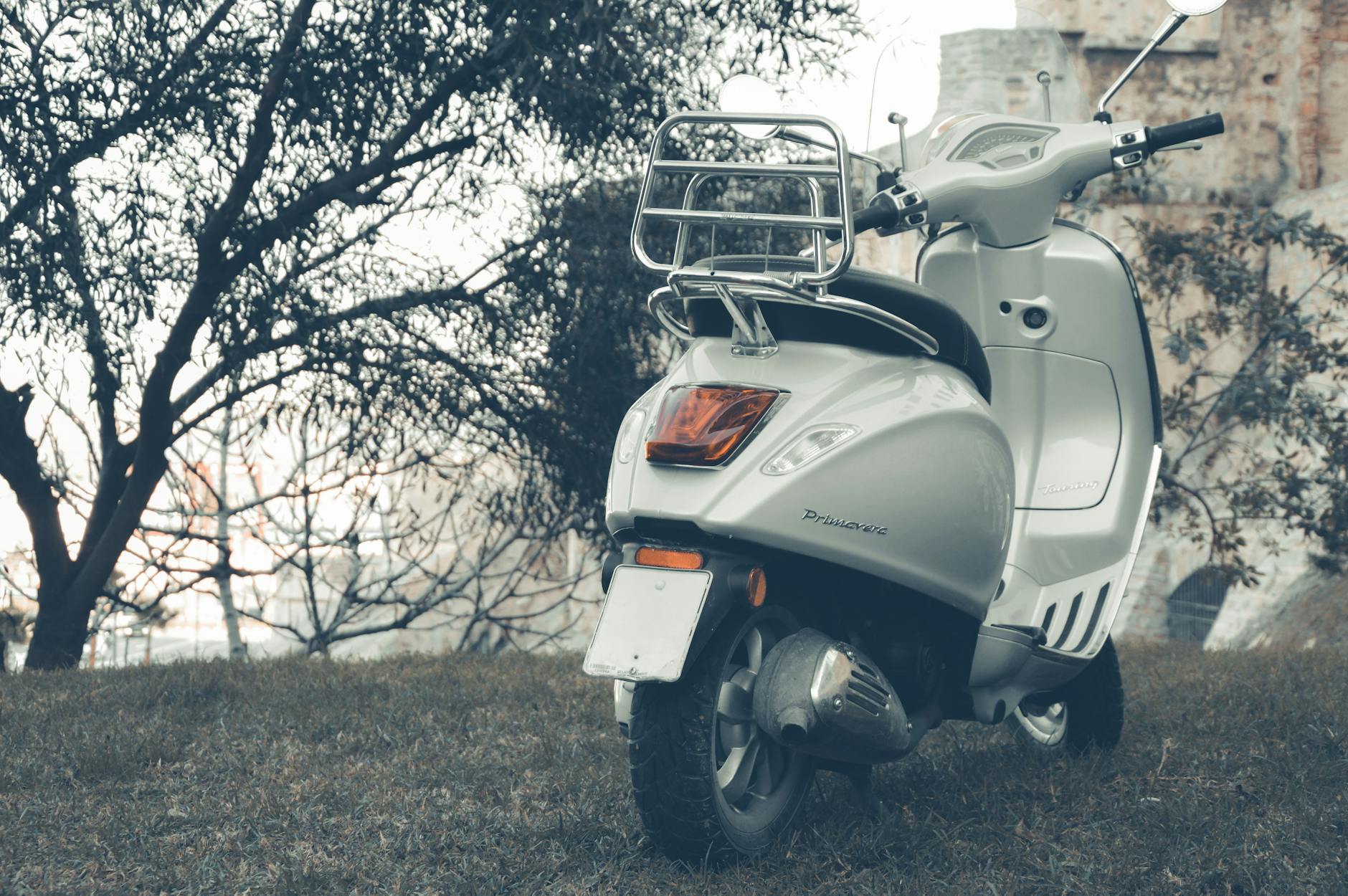
Piaggio Vespa Primavera 125
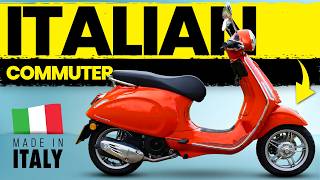
The Piaggio Vespa Primavera 125 has a top speed of 95 km/h, produces 10.4 hp and weighs 115 kg. Motoryk rates it 8/10.
The Vespa Primavera was originally introduced in 1967 as a lightweight, stylish scooter aimed at younger riders, and the name was revived in 2013 for a modern 125cc model built on Piaggio's new platform. The modern Primavera 125 features a refined tubular steel unibody frame and updated fuel-injected engine, continuing the classic Vespa design language while meeting modern Euro emissions standards. It remains one of the best-selling 125cc scooters in Europe, celebrated for its iconic Italian styling, build quality, and urban practicality.
10.4 hp
Power
10.1 Nm
Torque
115 kg
Weight
95 km/h
Top Speed
2.9 L/100km or approximately 34 km/L (typical real-world average)
Fuel
Faired
Body
🔧 Service Schedule & Parts
Affiliate · we may earn| Service item | Every | Typical cost | Parts |
|---|---|---|---|
| 🛢️ Engine oil + oil filter | 3,000 km / 2,000 mi or 12 mo | $30-60 | 🛢️ Buy → ⚙️ Buy → |
| 🌬️ Air filter | 6,000 km / 3,500 mi | — | 🌬️ Buy → |
| ⚡ Spark plugs | 6,000 km / 3,500 mi | — | ⚡ Buy → |
| 🔧 Valve clearance check | 12,000 km / 7,500 mi | $150-300 | |
| 🛑 Brake pads | 15000-25000 km | $40-80 | 🛑 Buy → |
| 💧 Brake fluid | 24,000 km / 15,000 mi or 2 yr | — | |
| 🧊 Coolant | 24,000 km / 15,000 mi | — | |
| 🛞 Tires | 15000-25000 km | $150-300 | 🛞 Buy → |
| 🔩 Major service | 12,000 km / 7,500 mi | $250-500 |
Video Review
What Buyers Should Know
Watch the Variator Belt
The CVT drive belt is a known wear item and should be inspected every 10,000–12,000 km. Neglecting it can lead to sudden loss of power or a breakdown, so always ask for service records.
Strong Resale Value
The Vespa Primavera 125 holds its value exceptionally well compared to most scooters, often retaining 60–70% of its original price after 3 years. Its iconic brand and timeless design keep demand consistently high.
Modern i-Get Engine
The fuel-injected i-Get 125cc engine meets Euro 5 emissions standards and delivers a smooth, efficient ride with around 50–55 mpg. It's a reliable, low-maintenance unit when serviced on schedule.
Generations & Specs by Year
Original 2-stroke 125cc engine, classic round headlight, steel body, single-seat design introduced.
"Timeless Italian steel that rewards patience over speed."
I ran a '71 Primavera through two Roman winters and a Tuscan summer, and the thing I remember most is how alive that little 123cc two-stroke felt once it hit its narrow powerband — a buzzy, insistent surge between 4,000 and 5,500 rpm that made city traffic genuinely fun. Below that band you're lugging it, above it there's nothing left, so you learn to work the four-speed twist-shift like a proper instrument. The steel monocoque body takes scrapes and dents with character rather than catastrophe, and that round headlight makes you feel like you're piloting something from a Fellini film, which honestly counts for something. The weak points are real though: cold starts demand ritual and choke discipline, the single seat rules out passengers entirely, and anything over 75 km/h is a sustained argument with vibration you'll eventually lose.
Pros
Cons
Refined 2-stroke engine, updated graphics and color options, minor mechanical improvements retained classic styling.
"Timeless urban charmer that earns its keep daily."
I ran a Gen 2 Primavera 125 as my primary city bike for two years in Rome and later Naples, and the refined 2-stroke pulls cleanly from idle without the flat spot that plagued earlier units — Piaggio clearly massaged the porting and carburetion. At 88 kg it flicks through traffic with genuine confidence, and that 790mm seat height means most riders can flat-foot a reassuring touch of tarmac at lights. Honestly, 95 km/h is a stretch on a loaded bike into a headwind — plan on 85 being your comfortable ceiling on the autostrada ramp. The biggest real-world gripe is that 2-stroke dependency: you're mixing oil, watching spark plugs obsessively, and explaining to mechanics why they should bother servicing something this old.
Pros
Cons
Modern revival, new 3-valve 125cc 4-stroke engine, LED lighting, retro styling with modern mechanics.
Updated ABS braking option, Euro 4 emissions compliance, connectivity features, refined suspension and ergonomics.
Euro 5 emissions compliance, updated engine mapping, new color palette, minor technological refinements introduced.
Used Buyer Review
"The classiest 125 scooter money can sensibly buy used."
$2,500-$4,500 usedThe Primavera 125 is genuinely lovely to live with, and I say that as someone who's spent years on everything from GSX-Rs to adventure bikes. It's unapologetically a scooter, but it's a *good* scooter — the steel monocoque chassis feels solid and planted in a way that cheap Asian alternatives simply don't. City commuting becomes genuinely enjoyable rather than just tolerable. Twist-and-go simplicity means you're filtering through traffic with zero drama. Buying used, check the CVT belt and rollers — they're cheap to replace but sellers rarely do. Look for corrosion around the floorboard seams, especially on older units. The i-get fuel injection on 2014+ models is far more reliable than the old carbed versions, so stick to those. Screen scratches are usually cosmetic but factor them into your haggle. Genuine Piaggio parts aren't expensive, and dealer networks are solid enough that servicing won't be a nightmare.
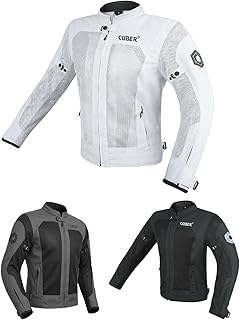
Top 10 Accessories
Curated picks for the Piaggio Vespa Primavera 125 — owned, ridden, recommended.




Common Problems
🔥 1 CRITICALRough idle, hesitation on throttle, hard cold starts
Slipping feeling, vibration, poor top speed performance
Lift floor mat, inspect welds and lower frame closely
Test all lights, starter response, and battery voltage
✅Pre-Purchase Checklist
Decent scooter, maintenance history is everything
Full Specifications
Rivals & Alternatives
Bikes that buyers cross-shop with the Piaggio Vespa Primavera 125
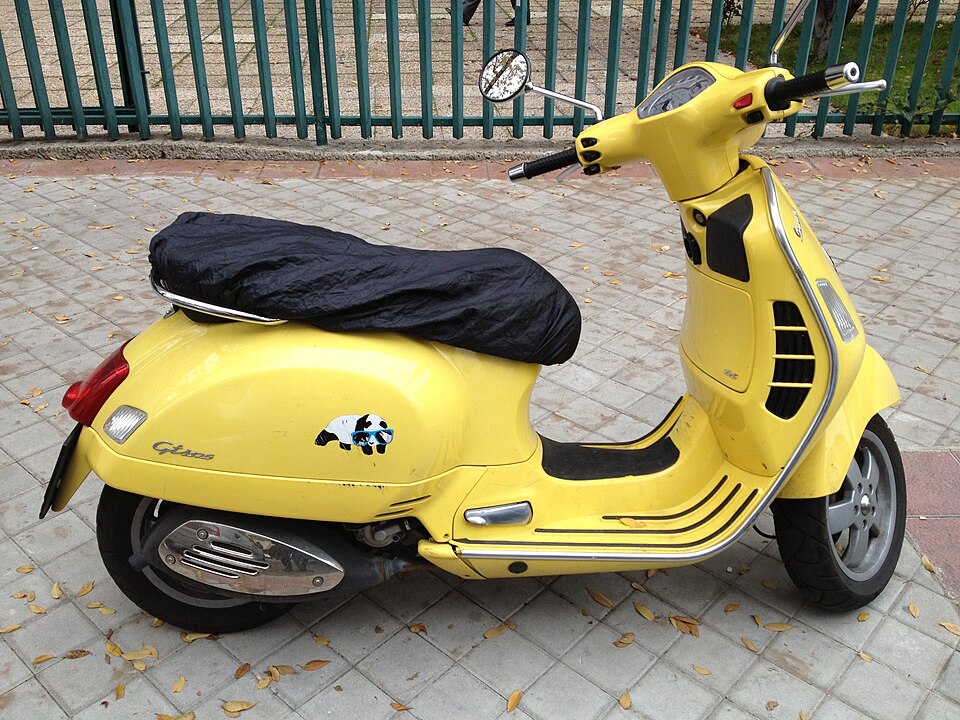
Vespa Gts 125
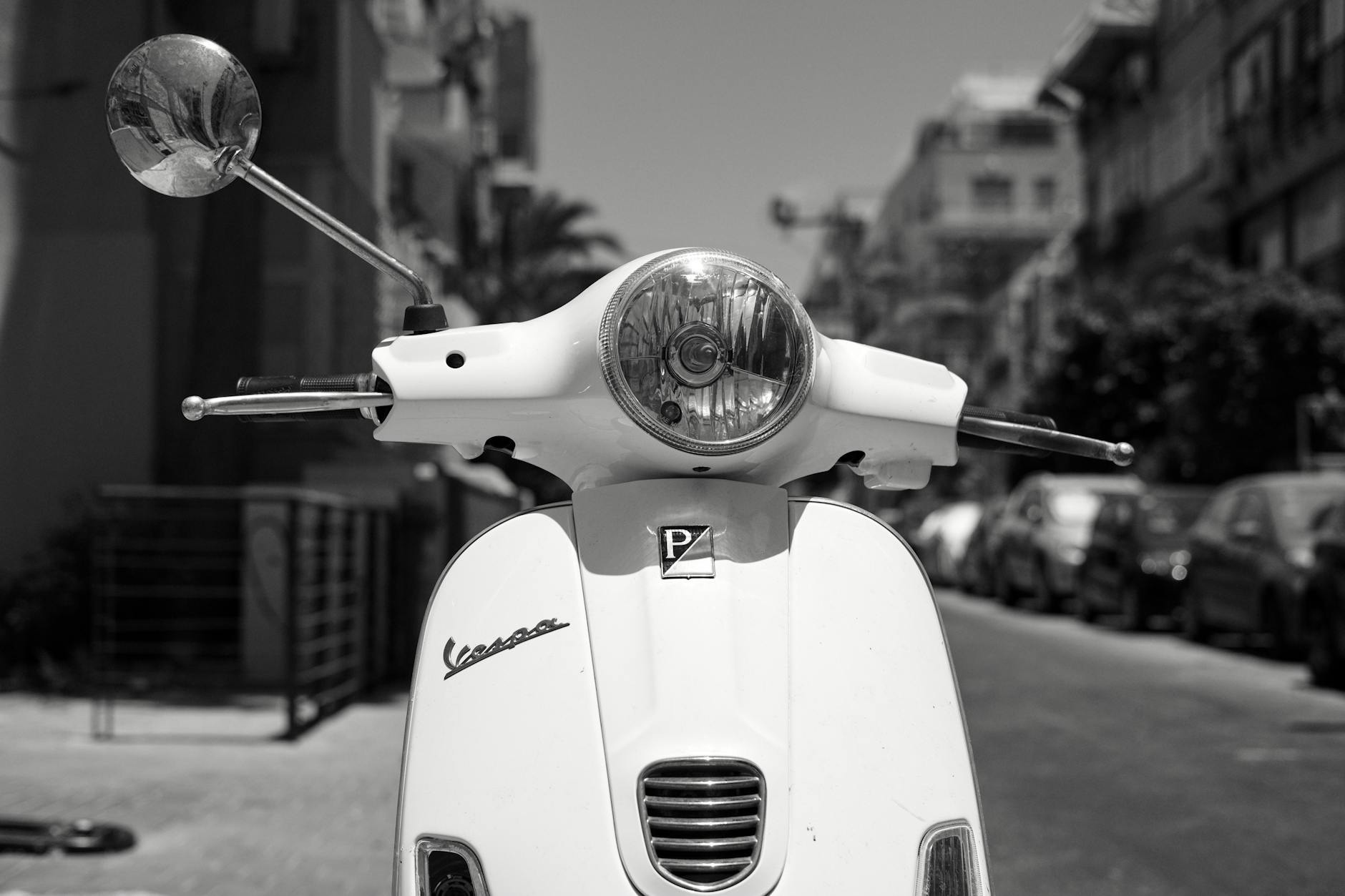
Piaggio Vespa Lx 125
Piaggio Vespa Sprint 125
Piaggio Vespa Vxl 125
Piaggio Vespa Zio 125
Compare Piaggio Vespa Primavera 125 Side-by-Side
compare_arrowsSpecs, power, weight & buyer verdict — head-to-head with the bikes most often cross-shopped.
Piaggio Vespa Primavera 125 vs Vespa Gts 125
Specs · Power · Buyer verdict
Piaggio Vespa Primavera 125 vs Piaggio Vespa Lx 125
Specs · Power · Buyer verdict
Piaggio Vespa Primavera 125 vs Piaggio Vespa Sprint 125
Specs · Power · Buyer verdict
Piaggio Vespa Primavera 125 vs Piaggio Vespa Vxl 125
Specs · Power · Buyer verdict
Piaggio Vespa Primavera 125 vs Piaggio Vespa Zio 125
Specs · Power · Buyer verdict
More Piaggio Vespa Primavera 125 Guides
More from Piaggio
View all Piaggio models →Community Reviews
Discussion
Piaggio Vespa Primavera 125 Videos
Frequently Asked Questions
What are common problems with the Piaggio Vespa Primavera 125? +
Carburetor clogging or fuel injector issues: Rough idle, hesitation on throttle, hard cold starts (moderate) | Variator and belt wear causing sluggish acceleration: Slipping feeling, vibration, poor top speed performance (moderate) | Rust on frame or floor panel underbody: Lift floor mat, inspect welds and lower frame closely (serious)
Is the Piaggio Vespa Primavera 125 a good motorcycle? +
The classiest 125 scooter money can sensibly buy used. Rating: 8.0/10. Best for: Urban commuters wanting style and daily reliability. Avoid if: You need regular dual-carriageway or motorway travel.
What is the horsepower of the Piaggio Vespa Primavera 125? +
The Piaggio Vespa Primavera 125 produces 10.4 hp @ 8,250 rpm, with 10.1 Nm @ 6,500 rpm of torque. Top speed: 95 km/h.
Is the Piaggio Vespa Primavera 125 good for beginners? +
Yes — the Piaggio Vespa Primavera 125 is a reasonable choice for new riders (10.4 hp is manageable), weighing 115 kg. Urban commuters wanting style and daily reliability
Is the Piaggio Vespa Primavera 125 reliable? +
Owners report 1 critical issue to watch for on the Piaggio Vespa Primavera 125, notably: Rust on frame or floor panel underbody (Lift floor mat, inspect welds and lower frame closely). Buy with a pre-purchase inspection.
Is the Piaggio Vespa Primavera 125 good for daily use? +
Urban commuters wanting style and daily reliability Fuel: 2.9 L/100km or approximately 34 km/L (typical real-world average).
How fast is the Piaggio Vespa Primavera 125? +
The Piaggio Vespa Primavera 125 reaches a top speed of 95 km/h, producing 10.4 hp at 115 kg curb weight. Real-world performance depends on rider weight, gearing, and road conditions.
What gear should I buy for a Piaggio Vespa Primavera 125? +
Motoryk has curated a Top 10 gear list specifically for the Piaggio Vespa Primavera 125, covering engine oil, tires, chain, battery, and brake pads — see motoryk.com/bikes/piaggio/vespa-primavera-125/top10. Each pick is matched to this bike's spec.