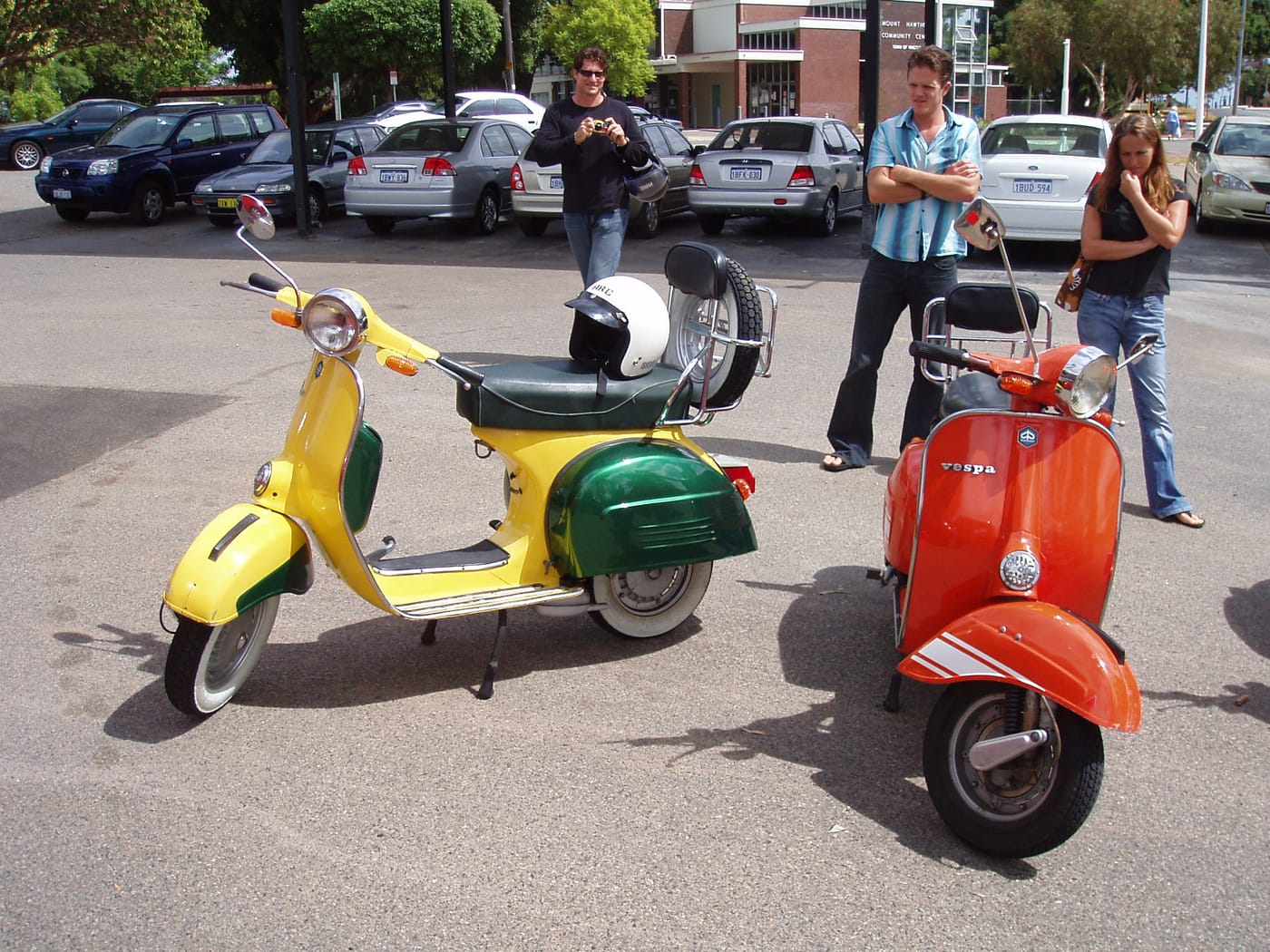
Piaggio Vespa Sprint 150
The Piaggio Vespa Sprint 150 has a top speed of 95 km/h, produces 12.7 hp and weighs 133 kg. Motoryk rates it 7.5/10.
The Vespa Sprint 150 was first introduced in 1965 as a sportier, more stylish variant of the classic Vespa scooter lineup, featuring a sleeker bodywork design compared to its siblings. It was revived in 2014 as part of Piaggio's modern Vespa range, blending retro styling with contemporary technology including fuel injection and ABS. The modern Sprint 150 has become one of Vespa's most popular models globally, celebrated for its iconic Italian design heritage combined with practical urban commuting capability.
12.7 hp
Power
12.8 Nm
Torque
133 kg
Weight
95 km/h
Top Speed
2.9 L/100km or approximately 34.5 km/L
Fuel
Faired
Body
🔧 Service Schedule & Parts
Affiliate · we may earn| Service item | Every | Typical cost | Parts |
|---|---|---|---|
| 🛢️ Engine oil + oil filter | 3,000 km / 2,000 mi or 12 mo | $30-60 | 🛢️ Buy → ⚙️ Buy → |
| 🌬️ Air filter | 6,000 km / 3,500 mi | — | 🌬️ Buy → |
| ⚡ Spark plugs | 12,000 km / 7,500 mi | — | ⚡ Buy → |
| 🔧 Valve clearance check | 12,000 km / 7,500 mi | $150-300 | |
| 🛑 Brake pads | 15000-25000 km | $40-80 | 🛑 Buy → |
| 💧 Brake fluid | 24,000 km / 15,000 mi or 2 yr | — | |
| 🧊 Coolant | 24,000 km / 15,000 mi | — | |
| 🛞 Tires | 15000-25000 km | $150-300 | 🛞 Buy → |
| 🔩 Major service | 12,000 km / 7,500 mi | $250-500 |
Video Review
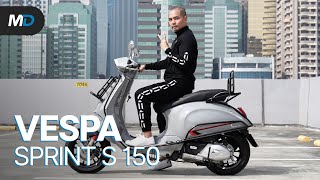
What Buyers Should Know
Reliable Modern Engine
The Sprint 150 uses Piaggio's fuel-injected 3-valve 150cc engine, known for smooth performance and low maintenance needs. With proper oil changes every 3,000 miles, these engines commonly exceed 30,000 miles without major issues.
Watch the Variator
The CVT variator and drive belt are the most common wear items, typically needing inspection around 8,000–10,000 miles. Neglected belts can snap unexpectedly, so always request service records when buying used.
Strong Resale Value
Vespas hold their value exceptionally well compared to most scooters, often retaining 70–80% of their value after three years due to strong brand prestige and consistent demand. Low mileage examples in good condition sell quickly in most markets.
Generations & Specs by Year
Original Sprint 150 with 145cc two-stroke engine, drum brakes, steel monocoque frame, chrome headset.
"Timeless Italian style with real mechanical character."
I put three summers on a '68 Sprint and it genuinely changed how I think about city riding — the monocoque steel body feels alive under you, transmitting every cobblestone straight through your hands on that chrome headset. The 145cc two-stroke pulls honestly up to about 80 km/h before things get breathless, and that claimed 95 is technically achievable if you're tucked in and the wind is cooperative, but it's not comfortable territory. Drum brakes are marginal at best in the wet — you learn to plan stops like a chess player rather than a reactionary. Carb tuning is fussy and the gearbox shift pattern through that left-hand twist mechanism demands respect before it becomes second nature, but once you're dialled in, nothing else on the road turns heads or sparks conversations quite like this.
Pros
Cons
Higher performance variant with upgraded carburettor and tuned engine for increased top speed.
"The sharpest Vespa of the era, barely."
Piaggio knew what they were doing when they fitted that uprated Dell'Orto and tightened the port timing — the Veloce pulls noticeably harder past 60 km/h than the standard Sprint, and that extra urgency makes a genuine difference filtering through Roman traffic or chasing a country road. I've ridden both back to back, and while 8.5 horsepower still sounds modest on paper, the engine feels alive in a way the base 150 simply doesn't; it revs cleaner, hits that 6,500 rpm band with real enthusiasm, and the top end doesn't feel like it's running out of breath until well past 85 km/h. The unibody steel construction and small-diameter wheels remain the compromise you accept — crosswind stability is genuinely sketchy above 80 km/h, and any paving irregularity at speed will remind you these front forks were designed with Milanese cobblestones in mind, not open roads. But for urban riding with occasional spirited stretches, this is the sweetest-handling, best-breathing Vespa that era produced.
Pros
Cons
Modern relaunch with fuel injection, 155cc three-valve engine, LED lights, digital instrumentation, disc brakes.
Updated i-get 155cc engine, improved Euro 4 compliance, ASR traction control option added.
HPE high-performance engine, Euro 5 compliance, enhanced connectivity, updated styling and suspension refinements.
Used Buyer Review
"A classy, capable urban scoot that rewards careful used-buyer diligence."
$2,800-$4,500 usedThe Sprint 150 is genuinely one of the better urban scoots you can pick up used, but go in with your eyes open. The i-get engine is smooth and reliable enough, pulls cleanly to an honest 60mph, and that aluminum monocoque frame means rust isn't the nightmare it is on cheaper Asian scoots. What you're really paying for is the badge and the build quality — and honestly? It mostly delivers. Fuel economy sits around 80mpg if you're not hammering it, and the underseat storage actually swallows a full-face helmet. Where it gets tricky used is maintenance history. These need the valve clearances checked around 8,000 miles and most owners have no idea that's even a thing. Pull the service records or walk away. Also budget for tires — Vespa spec rubber isn't cheap. The single front disc feels adequate but not confidence-inspiring in the wet, and the lack of ABS on pre-2020 models is a genuine concern. Find a 2020-onwards example with ABS and you're sorted.
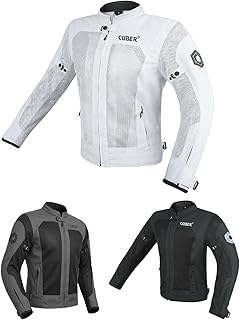
Top 10 Accessories
Curated picks for the Piaggio Vespa Sprint 150 — owned, ridden, recommended.




Common Problems
Sluggish acceleration, belt slipping, high mileage service history
Rough idle, hard starting, hesitation under throttle
Oil weeping around front forks, soft suspension feel
Slow crank, warning lights, test voltage at rest
✅Pre-Purchase Checklist
Solid scooter, reliable with consistent maintenance
Full Specifications
Rivals & Alternatives
Bikes that buyers cross-shop with the Piaggio Vespa Sprint 150
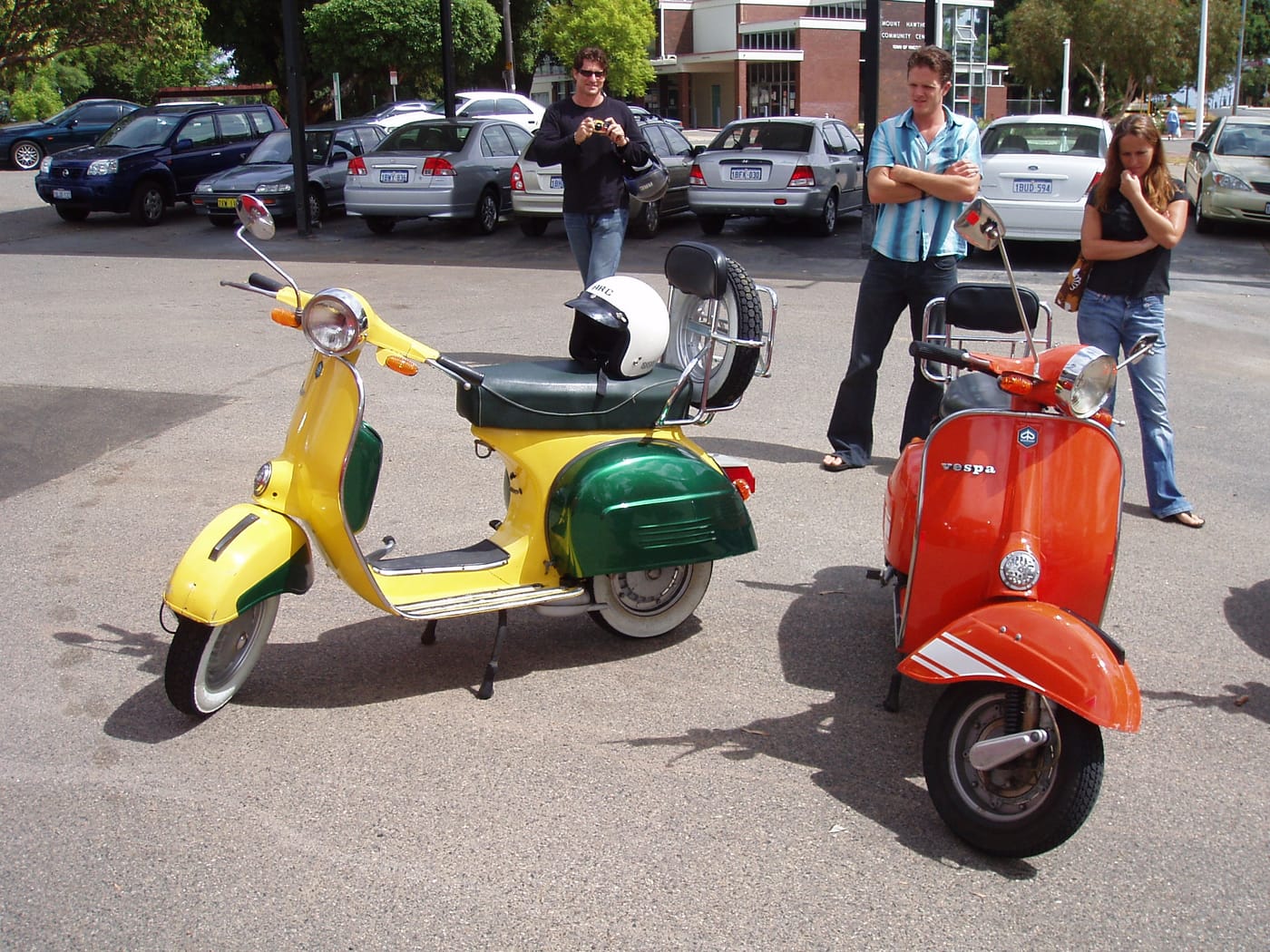
Vespa Et4 150
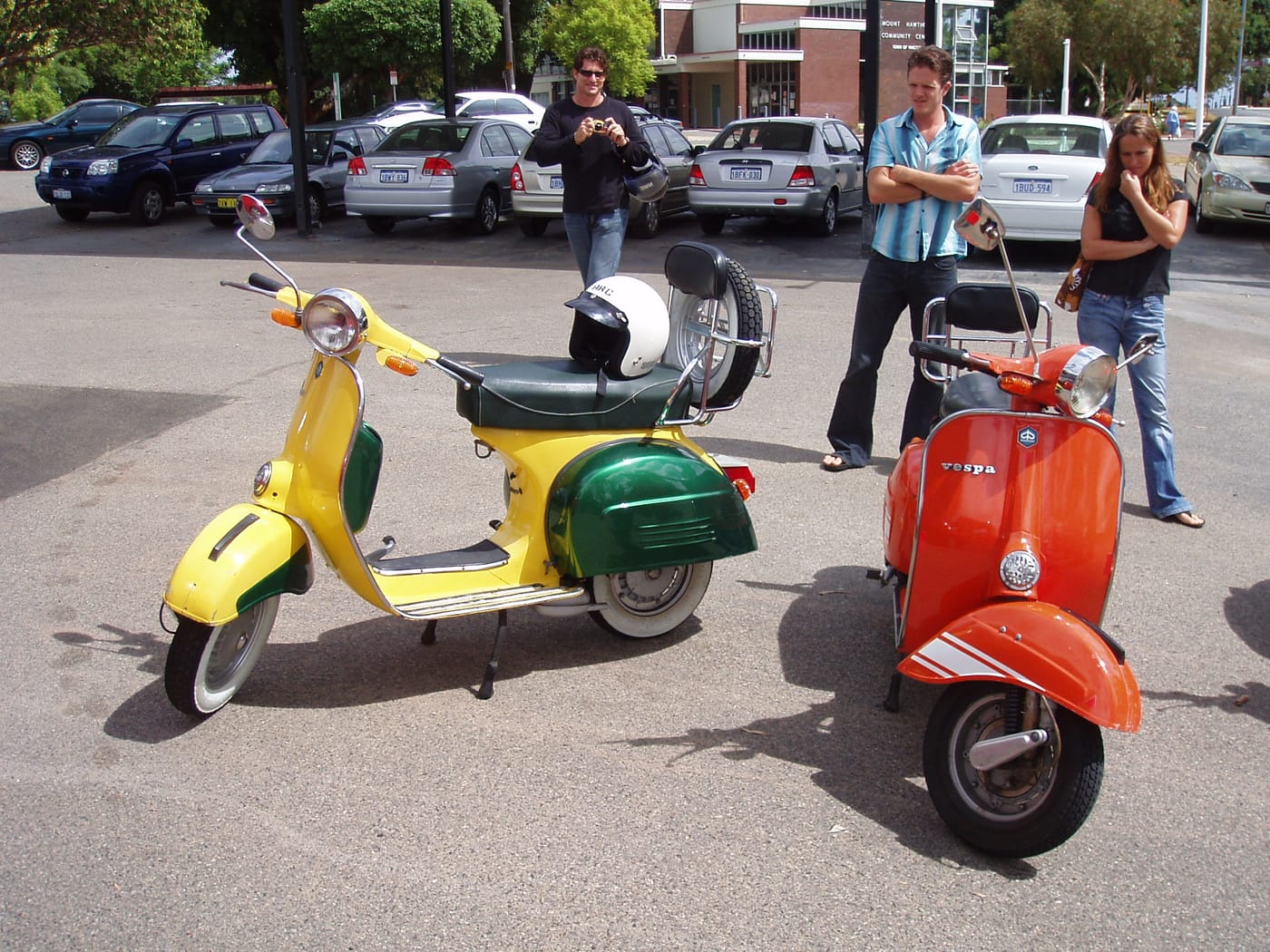
Piaggio Vespa Lx 150
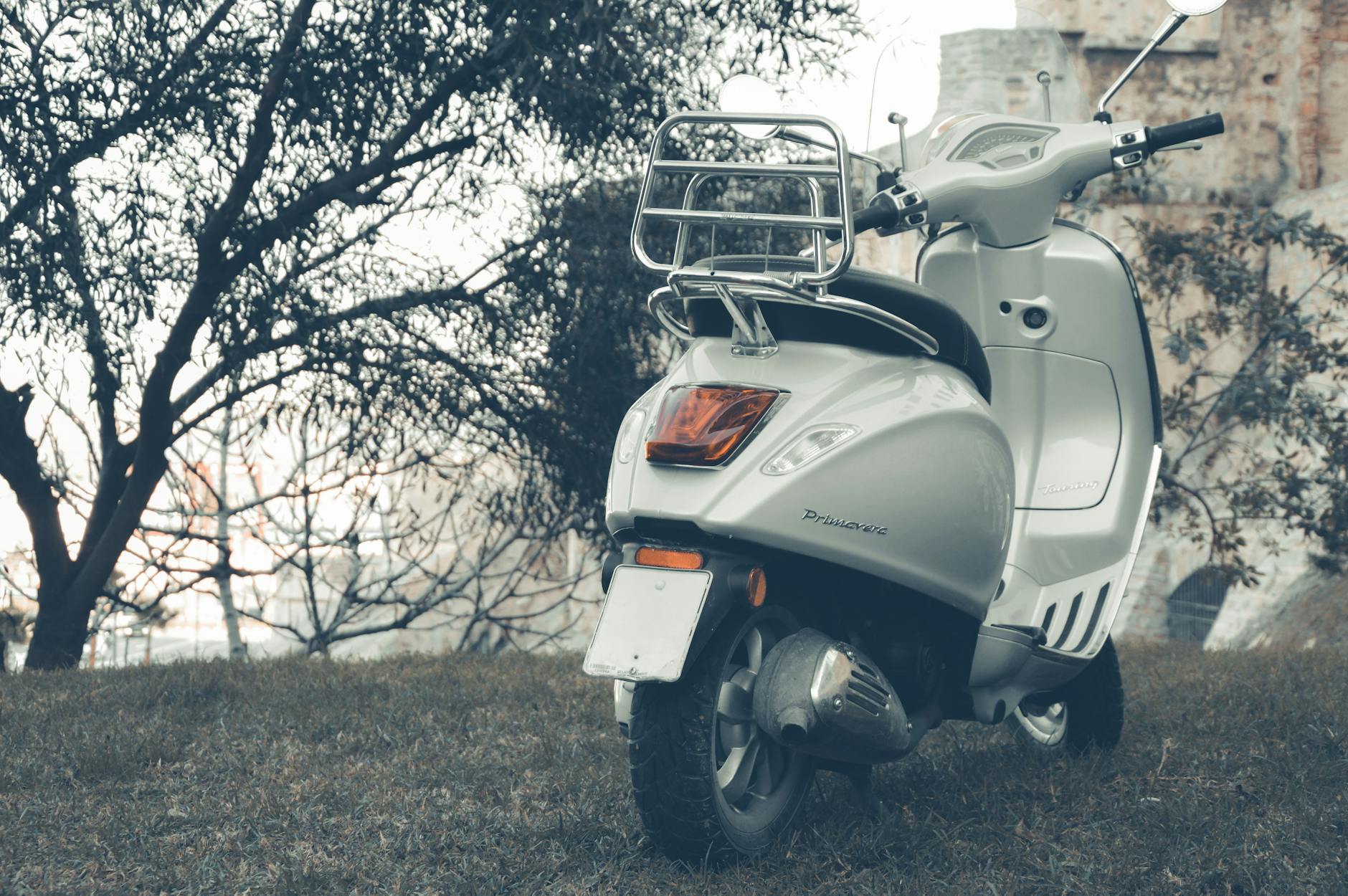
Piaggio Vespa Primavera 125
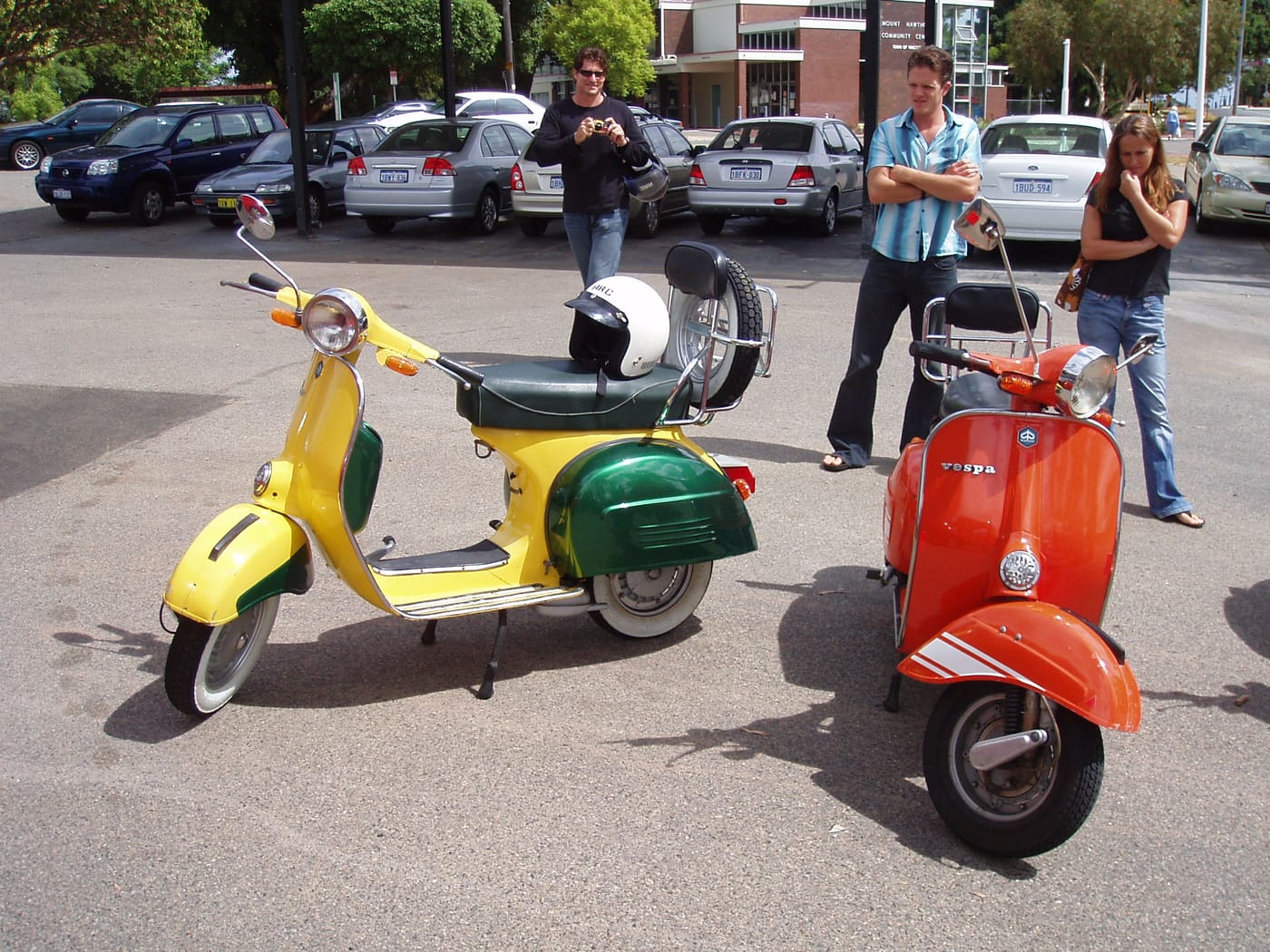
Piaggio Vespa Primavera 150
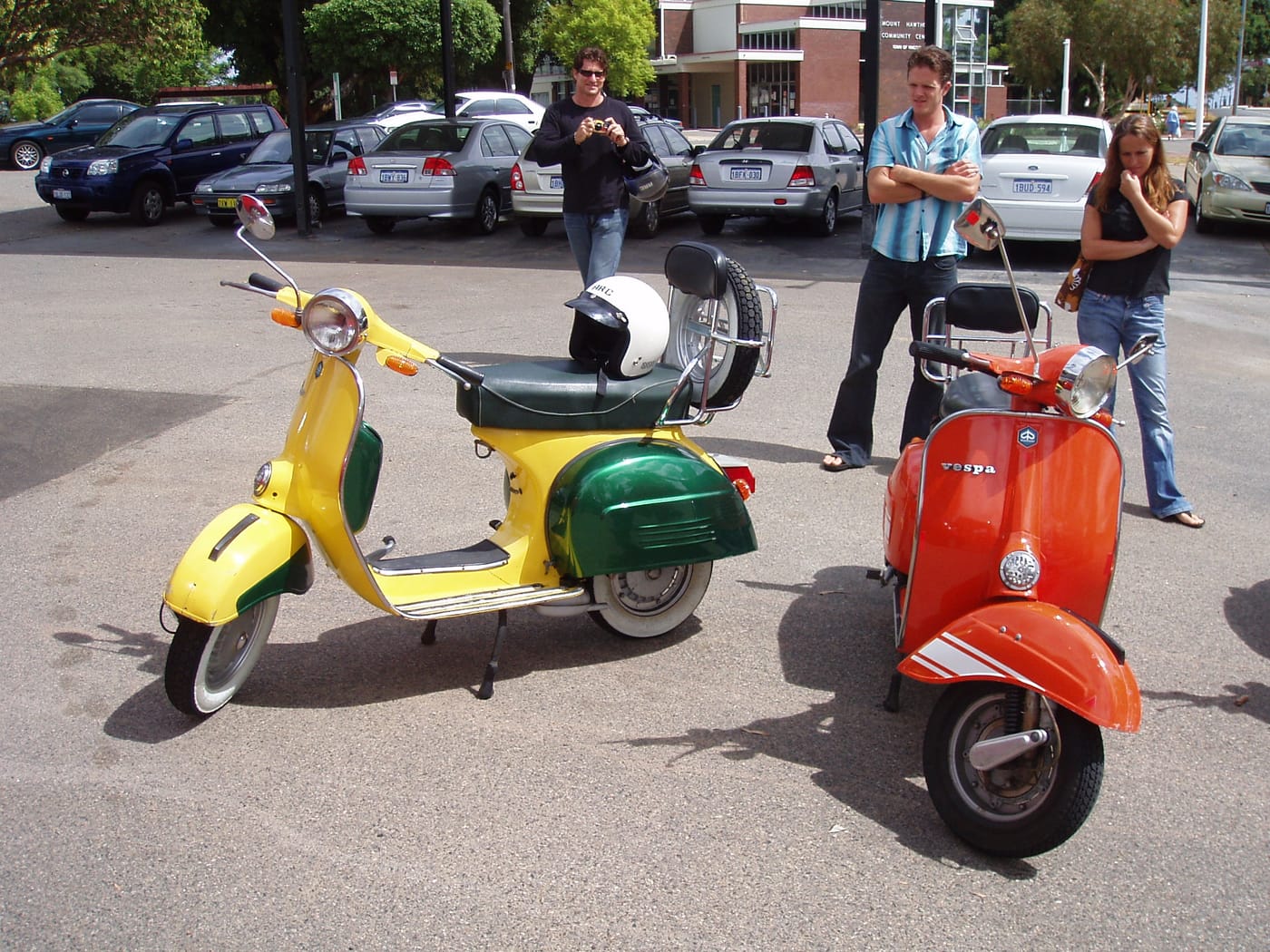
Piaggio Vespa Sprint 125
Compare Piaggio Vespa Sprint 150 Side-by-Side
compare_arrowsSpecs, power, weight & buyer verdict — head-to-head with the bikes most often cross-shopped.
Piaggio Vespa Sprint 150 vs Vespa Et4 150
Specs · Power · Buyer verdict
Piaggio Vespa Sprint 150 vs Piaggio Vespa Lx 150
Specs · Power · Buyer verdict
Piaggio Vespa Sprint 150 vs Piaggio Vespa Primavera 125
Specs · Power · Buyer verdict
Piaggio Vespa Sprint 150 vs Piaggio Vespa Primavera 150
Specs · Power · Buyer verdict
Piaggio Vespa Sprint 150 vs Piaggio Vespa Sprint 125
Specs · Power · Buyer verdict
More Piaggio Vespa Sprint 150 Guides
More from Piaggio
View all Piaggio models →Community Reviews
Discussion
Piaggio Vespa Sprint 150 Videos
Frequently Asked Questions
What are common problems with the Piaggio Vespa Sprint 150? +
CVT belt and roller wear: Sluggish acceleration, belt slipping, high mileage service history (moderate) | Fuel injector clogging issues: Rough idle, hard starting, hesitation under throttle (moderate) | Corroded or leaking fork seals: Oil weeping around front forks, soft suspension feel (moderate)
Is the Piaggio Vespa Sprint 150 a good motorcycle? +
A classy, capable urban scoot that rewards careful used-buyer diligence. Rating: 7.5/10. Best for: Style-conscious city commuters wanting dependable Italian quality. Avoid if: You need highway speeds or hate dealer prices.
What is the horsepower of the Piaggio Vespa Sprint 150? +
The Piaggio Vespa Sprint 150 produces 12.7 hp @ 7,750 rpm, with 12.8 Nm @ 6,500 rpm of torque. Top speed: 95 km/h.
Is the Piaggio Vespa Sprint 150 good for beginners? +
Yes — the Piaggio Vespa Sprint 150 is a reasonable choice for new riders (12.7 hp is manageable), weighing 133 kg. Style-conscious city commuters wanting dependable Italian quality
Is the Piaggio Vespa Sprint 150 reliable? +
The Piaggio Vespa Sprint 150 has no widely-reported critical reliability issues. 4 minor issues are documented — see the Common Problems section above.
Is the Piaggio Vespa Sprint 150 good for daily use? +
Style-conscious city commuters wanting dependable Italian quality Fuel: 2.9 L/100km or approximately 34.5 km/L.
How fast is the Piaggio Vespa Sprint 150? +
The Piaggio Vespa Sprint 150 reaches a top speed of 95 km/h, producing 12.7 hp at 133 kg curb weight. Real-world performance depends on rider weight, gearing, and road conditions.
What gear should I buy for a Piaggio Vespa Sprint 150? +
Motoryk has curated a Top 10 gear list specifically for the Piaggio Vespa Sprint 150, covering engine oil, tires, chain, battery, and brake pads — see motoryk.com/bikes/piaggio/vespa-sprint-150/top10. Each pick is matched to this bike's spec.