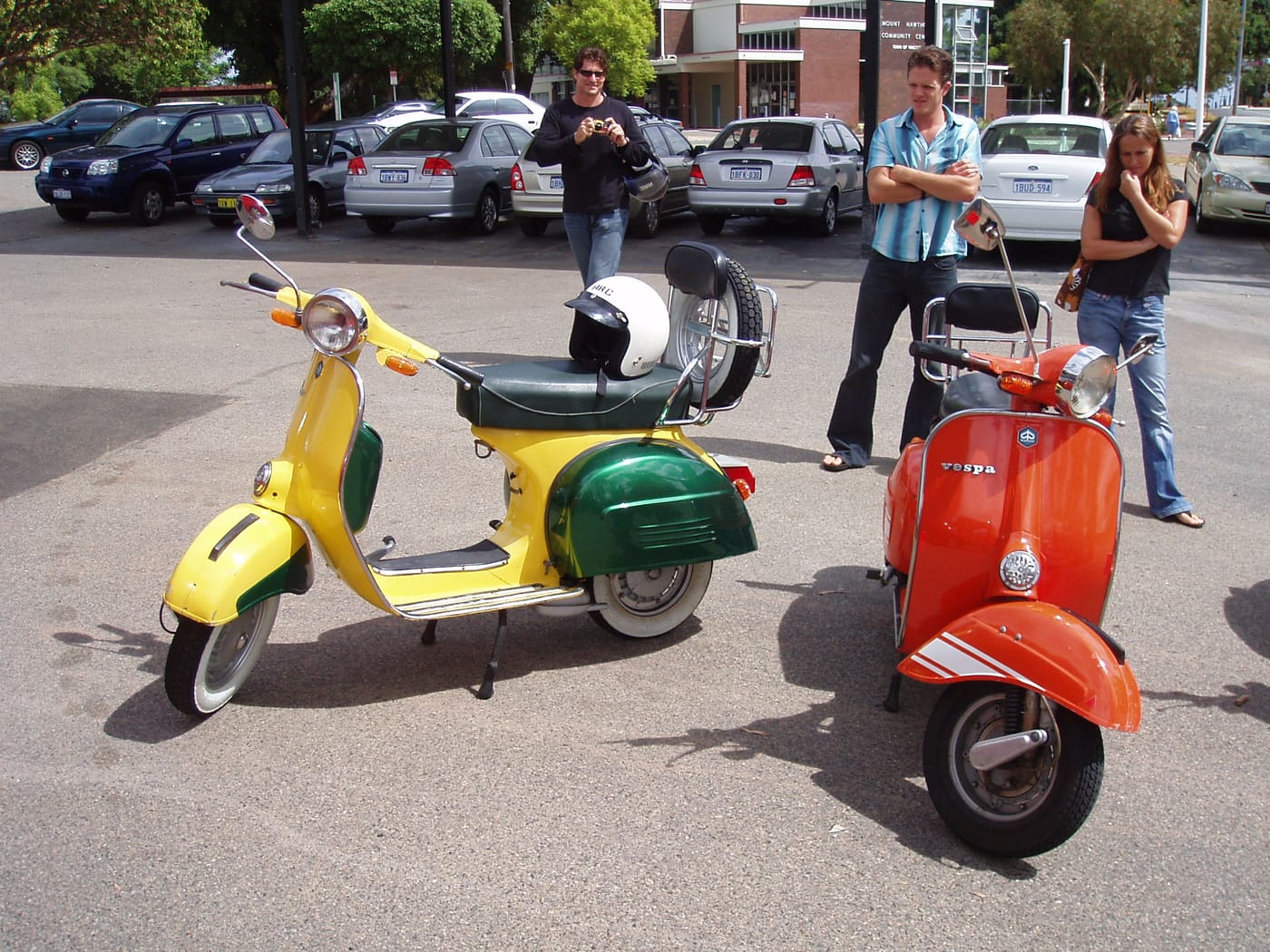
Piaggio Vespa Primavera 150
The Piaggio Vespa Primavera 150 has a top speed of 102 km/h, produces 12.7 hp and weighs 131 kg. Motoryk rates it 7.8/10.
The Vespa Primavera was originally introduced in 1967 as a lightweight, nimble scooter aimed at younger riders, becoming iconic in European urban culture. The modern Primavera 150 was relaunched in 2013 as part of Piaggio's heritage revival lineup, blending classic Vespa styling with modern fuel-injected technology. It remains one of Vespa's best-selling models globally, celebrated for its timeless design, practicality, and Italian craftsmanship.
12.7 hp
Power
12.8 Nm
Torque
131 kg
Weight
102 km/h
Top Speed
2.4 L/100km (approx. 41.7 km/L, real-world estimate)
Fuel
Faired
Body
🔧 Service Schedule & Parts
Affiliate · we may earn| Service item | Every | Typical cost | Parts |
|---|---|---|---|
| 🛢️ Engine oil + oil filter | 3,000 km / 2,000 mi or 12 mo | $40-80 | 🛢️ Buy → ⚙️ Buy → |
| 🌬️ Air filter | 12,000 km / 7,500 mi | — | 🌬️ Buy → |
| ⚡ Spark plugs | 12,000 km / 7,500 mi | — | ⚡ Buy → |
| 🔧 Valve clearance check | 24,000 km / 15,000 mi | $150-300 | |
| 🛑 Brake pads | 15000-25000 km | $40-80 | 🛑 Buy → |
| 💧 Brake fluid | 24,000 km / 15,000 mi or 2 yr | — | |
| 🧊 Coolant | 24,000 km / 15,000 mi | — | |
| 🛞 Tires | 15000-25000 km | $150-300 | 🛞 Buy → |
| 🔩 Major service | 24,000 km / 15,000 mi | $250-500 |
Video Review
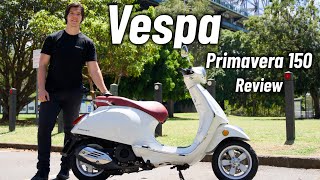
What Buyers Should Know
Reliable Modern Engine
The Primavera 150 uses a fuel-injected 3-valve single-cylinder engine that meets Euro 4/5 standards, making it significantly more reliable and efficient than older carbureted Vespas. Regular oil changes every 3,000 miles keep it running strong for 30,000+ miles.
Watch the Electrical System
Some owners report issues with the CVT variator rollers wearing unevenly, causing sluggish acceleration — a relatively inexpensive fix but worth inspecting at purchase. Also check for corroded connectors if the scooter has been stored outdoors frequently.
Strong Resale Value
Vespas historically retain 60–70% of their value after three years, outperforming most competitors in the scooter segment. The Primavera's iconic styling and brand prestige make it one of the easiest 150cc scooters to resell.
Generations & Specs by Year
Original small-frame two-stroke 125cc Primavera; 150cc variant introduced alongside with rotary valve engine.
"The small-frame that actually earned its legend."
I've put about 4,000 kilometres on a '74 Primavera 150 over two Italian summers, and the rotary valve engine is the real story here — it pulls noticeably harder out of corners than the older reed-valve 125, and that extra 25cc makes city riding feel effortless rather than frantic. The monocoque steel body transmits every cobblestone straight into your spine, but somehow you forgive it because the handling is so honestly communicative — you know exactly what the front wheel is doing at all times. Two-stroke maintenance is non-negotiable: neglect the gearbox oil or let the carb run lean and you'll be pushing home, and finding a good mechanic who still understands these rotary-valve units is getting harder every decade. At 93 kg it's light enough to muscle into impossible parking spots, but the single-sided rear suspension means a pillion passenger turns the whole thing into a pendulum you're constantly correcting.
Pros
Cons
Continued small-frame two-stroke production; minor carburetion and emissions updates for European markets.
"Timeless city scooter that demands mechanical patience."
I rode a '91 Primavera 150 daily for two years in Rome and later London, and the honest truth is that it's equal parts joy and frustration. The small-frame chassis is genuinely flickable — threading traffic at 60 km/h feels intuitive and the low wet weight means you muscle it around without thinking. But that carbureted two-stroke is finicky in cold weather; expect ten minutes of choke-nursing on anything below 10°C, and the carburetion updates this generation received over the ET3 are marginal at best — it still blubbered on overrun until I rejeted it myself. Mechanically it's simple enough that a competent amateur can rebuild the entire top end on a kitchen floor, which is fortunate because at 40-plus years old, most examples you'll find need exactly that.
Pros
Cons
All-new modern platform; fuel-injected 150cc three-valve four-stroke engine; ABS optional; updated chassis.
Euro 4 compliance; standard ABS; updated fuel injection mapping; revised color and trim options.
Euro 5 emissions compliance; revised engine management; updated connectivity and instrument cluster options.
Used Buyer Review
"The classiest urban commuter money can buy used, maintained matters."
$3,500-$5,500 usedThe Primavera 150 is genuinely lovely to ride — light, flickable, and that three-valve engine pulls smoothly right through the rev range without feeling breathless. Build quality is proper metal bodywork, not the plastic tub most rivals offer, and that matters when you're hunting used examples. Resale holds strong precisely because these things last when maintained properly. That said, go in with eyes open. Check the variator rollers — they wear and owners often ignore them until the scooter feels sluggish pulling away from lights. Inspect the front fork seals carefully, especially on city bikes that've eaten urban potholes. Service history is non-negotiable here; Piaggio dealers aren't cheap and skipped services show up later as expensive surprises. Avoid anything with crash damage — replacement bodywork panels will cost you dearly. For commuting through congested streets or weekend coastal blasts, this genuinely delivers. It's not fast, it won't embarrass anything with two wheels, but it handles tidily and feels genuinely premium compared to budget alternatives. Worth the premium over a GTS? Debatable. Worth the premium over a Chinese clone? Absolutely.
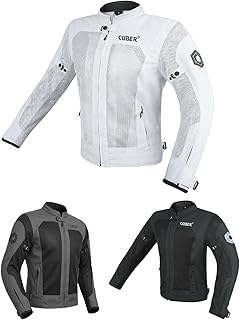
Top 10 Accessories
Curated picks for the Piaggio Vespa Primavera 150 — owned, ridden, recommended.




Common Problems
Hesitation or jerking between 20-40mph during test ride
Hard cold starts, rough idle, or stalling at low RPM
Weak cranking, warning lights, or slow electric start
Oil residue on fork tubes or soft front suspension feel
✅Pre-Purchase Checklist
Solid scooter, but maintenance history matters greatly
Full Specifications
Rivals & Alternatives
Bikes that buyers cross-shop with the Piaggio Vespa Primavera 150
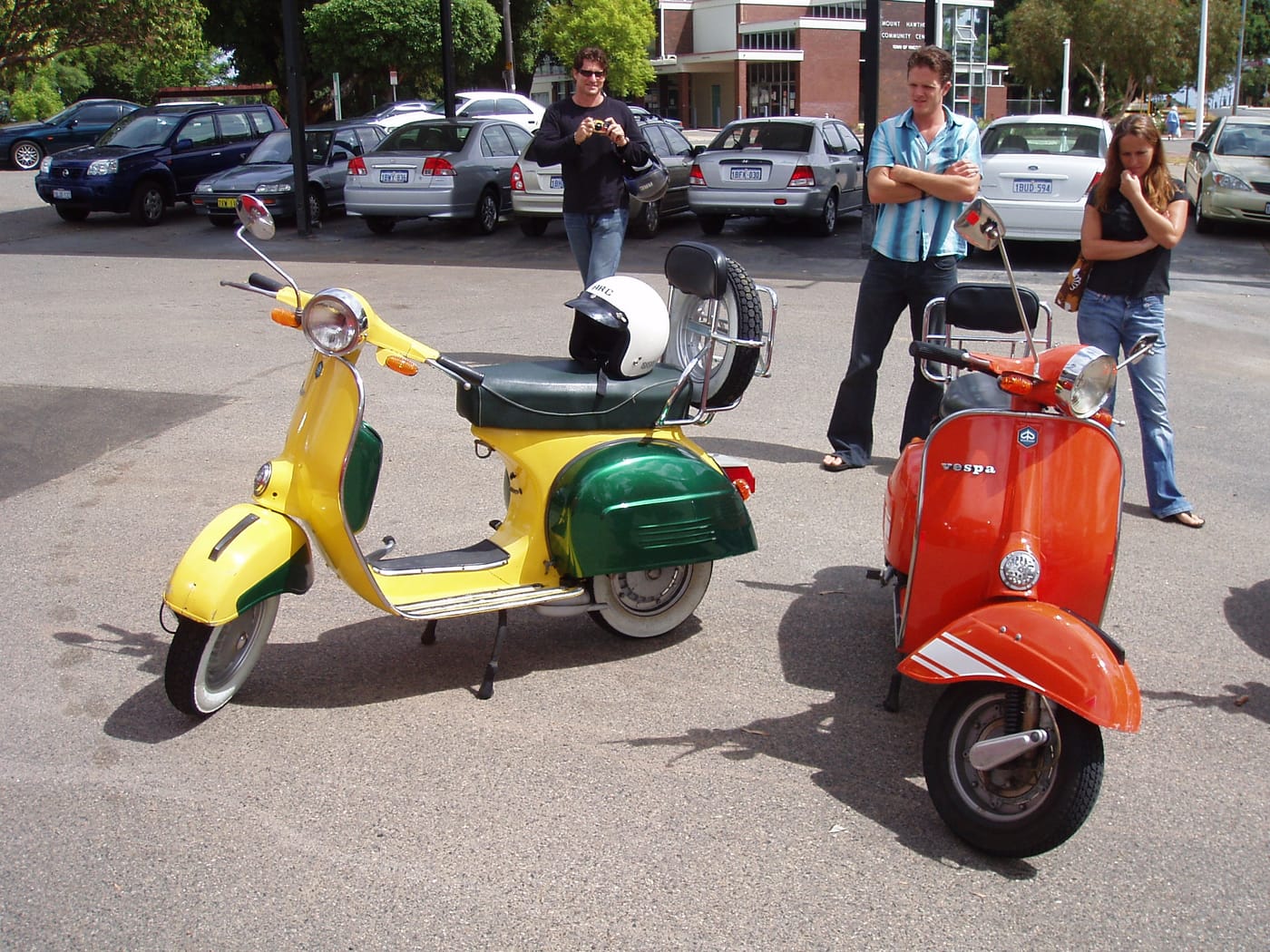
Vespa Et4 150
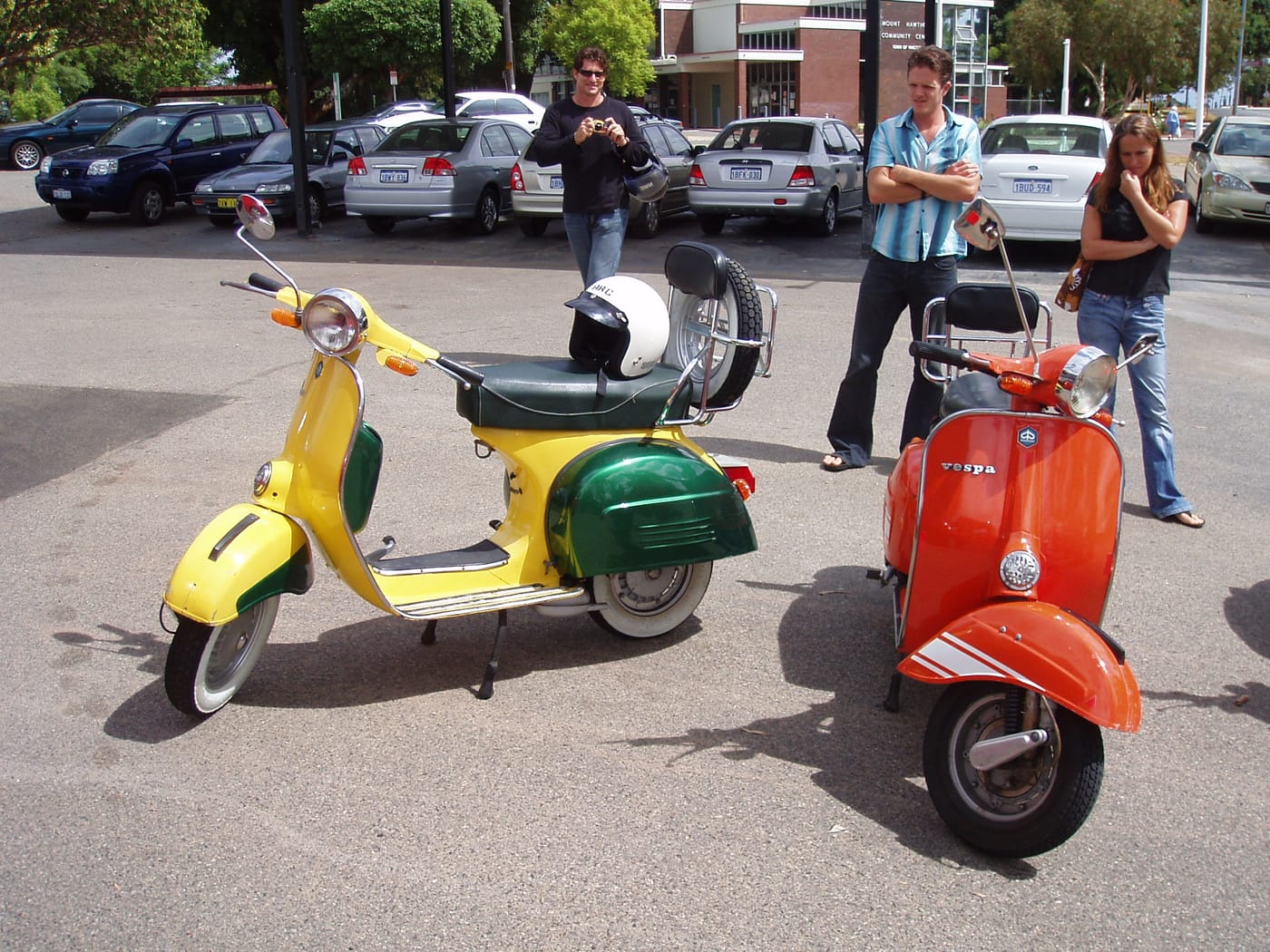
Piaggio Vespa Lx 150
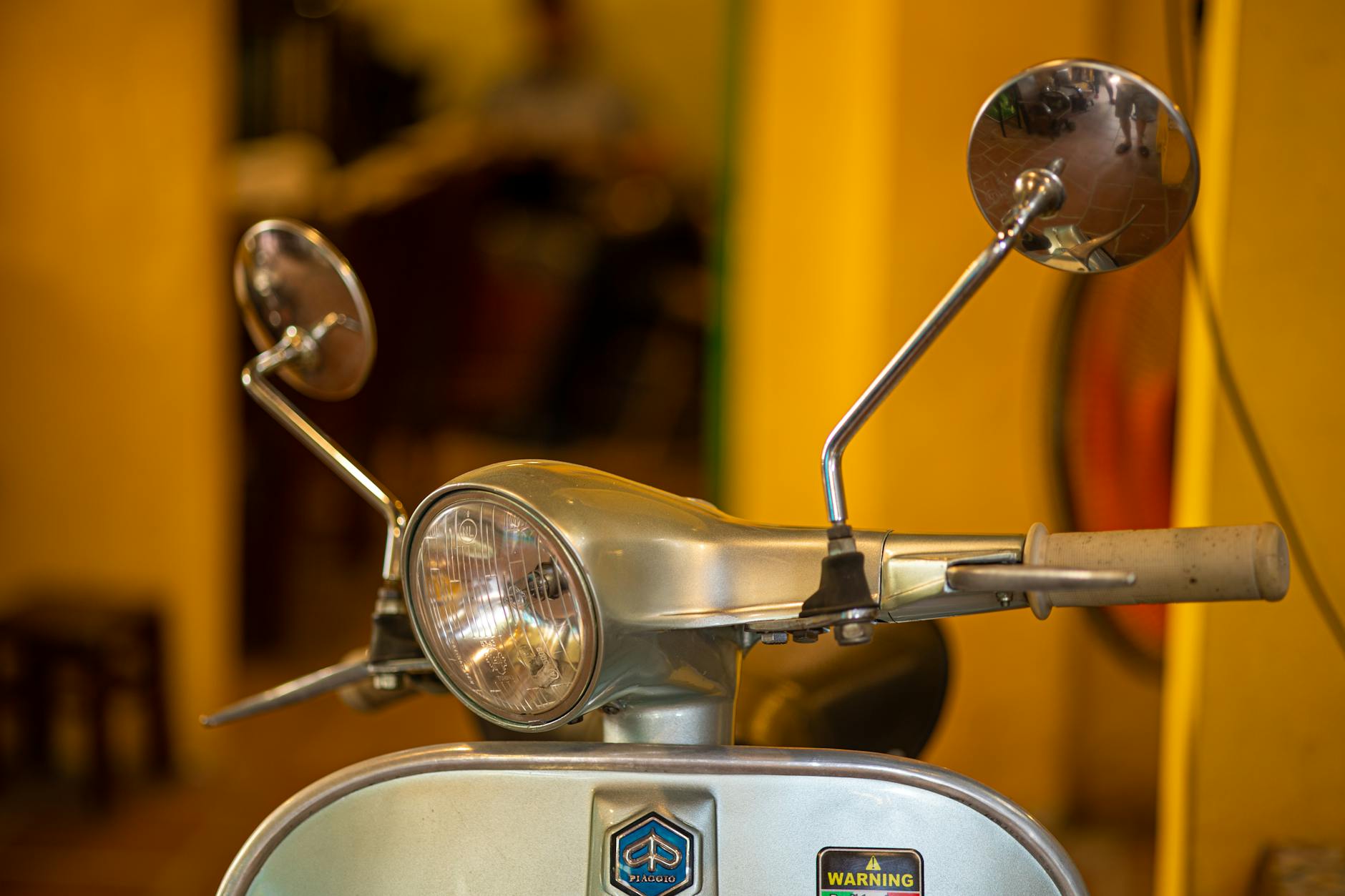
Piaggio Vespa Sprint 150
Piaggio Vespa Vxl 125
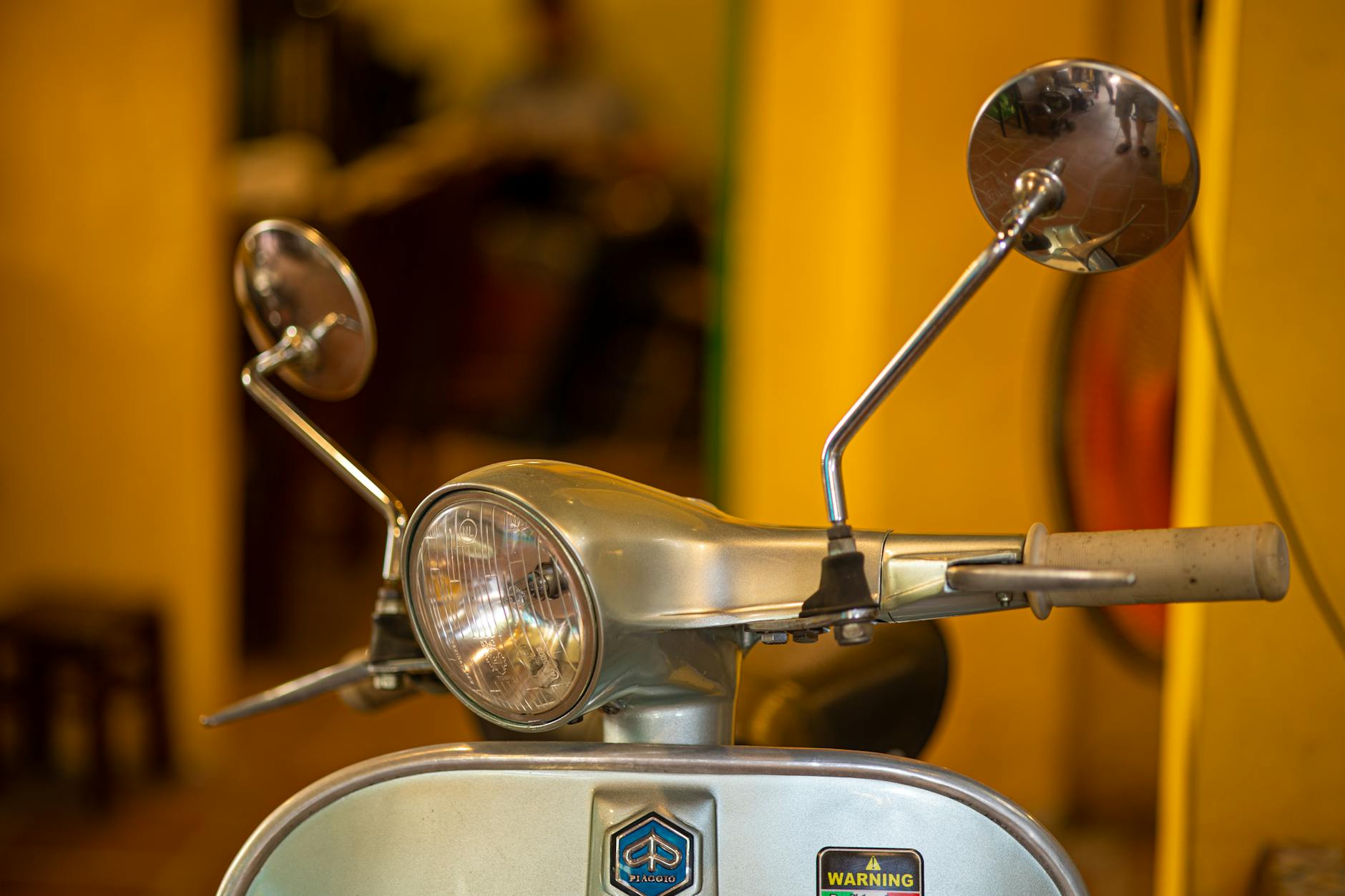
Piaggio Vespa Vxl 150
Compare Piaggio Vespa Primavera 150 Side-by-Side
compare_arrowsSpecs, power, weight & buyer verdict — head-to-head with the bikes most often cross-shopped.
Piaggio Vespa Primavera 150 vs Vespa Et4 150
Specs · Power · Buyer verdict
Piaggio Vespa Primavera 150 vs Piaggio Vespa Lx 150
Specs · Power · Buyer verdict
Piaggio Vespa Primavera 150 vs Piaggio Vespa Sprint 150
Specs · Power · Buyer verdict
Piaggio Vespa Primavera 150 vs Piaggio Vespa Vxl 125
Specs · Power · Buyer verdict
Piaggio Vespa Primavera 150 vs Piaggio Vespa Vxl 150
Specs · Power · Buyer verdict
More Piaggio Vespa Primavera 150 Guides
More from Piaggio
View all Piaggio models →Community Reviews
Discussion
Frequently Asked Questions
What are common problems with the Piaggio Vespa Primavera 150? +
CVT variator wear causes rough acceleration: Hesitation or jerking between 20-40mph during test ride (moderate) | Fuel injector clogging from poor fuel: Hard cold starts, rough idle, or stalling at low RPM (moderate) | Corroded or failing battery from underuse: Weak cranking, warning lights, or slow electric start (minor)
Is the Piaggio Vespa Primavera 150 a good motorcycle? +
The classiest urban commuter money can buy used, maintained matters. Rating: 7.8/10. Best for: Style-conscious commuters wanting reliable Italian daily transport. Avoid if: You need speed or ignore service schedules.
What is the horsepower of the Piaggio Vespa Primavera 150? +
The Piaggio Vespa Primavera 150 produces 12.7 hp @ 7,750 rpm, with 12.8 Nm @ 6,500 rpm of torque. Top speed: 102 km/h.
Is the Piaggio Vespa Primavera 150 good for beginners? +
Yes — the Piaggio Vespa Primavera 150 is a reasonable choice for new riders (12.7 hp is manageable), weighing 131 kg. Style-conscious commuters wanting reliable Italian daily transport
Is the Piaggio Vespa Primavera 150 reliable? +
The Piaggio Vespa Primavera 150 has no widely-reported critical reliability issues. 4 minor issues are documented — see the Common Problems section above.
Is the Piaggio Vespa Primavera 150 good for daily use? +
Style-conscious commuters wanting reliable Italian daily transport Fuel: 2.4 L/100km (approx. 41.7 km/L, real-world estimate).
How fast is the Piaggio Vespa Primavera 150? +
The Piaggio Vespa Primavera 150 reaches a top speed of 102 km/h, producing 12.7 hp at 131 kg curb weight. Real-world performance depends on rider weight, gearing, and road conditions.
What gear should I buy for a Piaggio Vespa Primavera 150? +
Motoryk has curated a Top 10 gear list specifically for the Piaggio Vespa Primavera 150, covering engine oil, tires, chain, battery, and brake pads — see motoryk.com/bikes/piaggio/vespa-primavera-150/top10. Each pick is matched to this bike's spec.