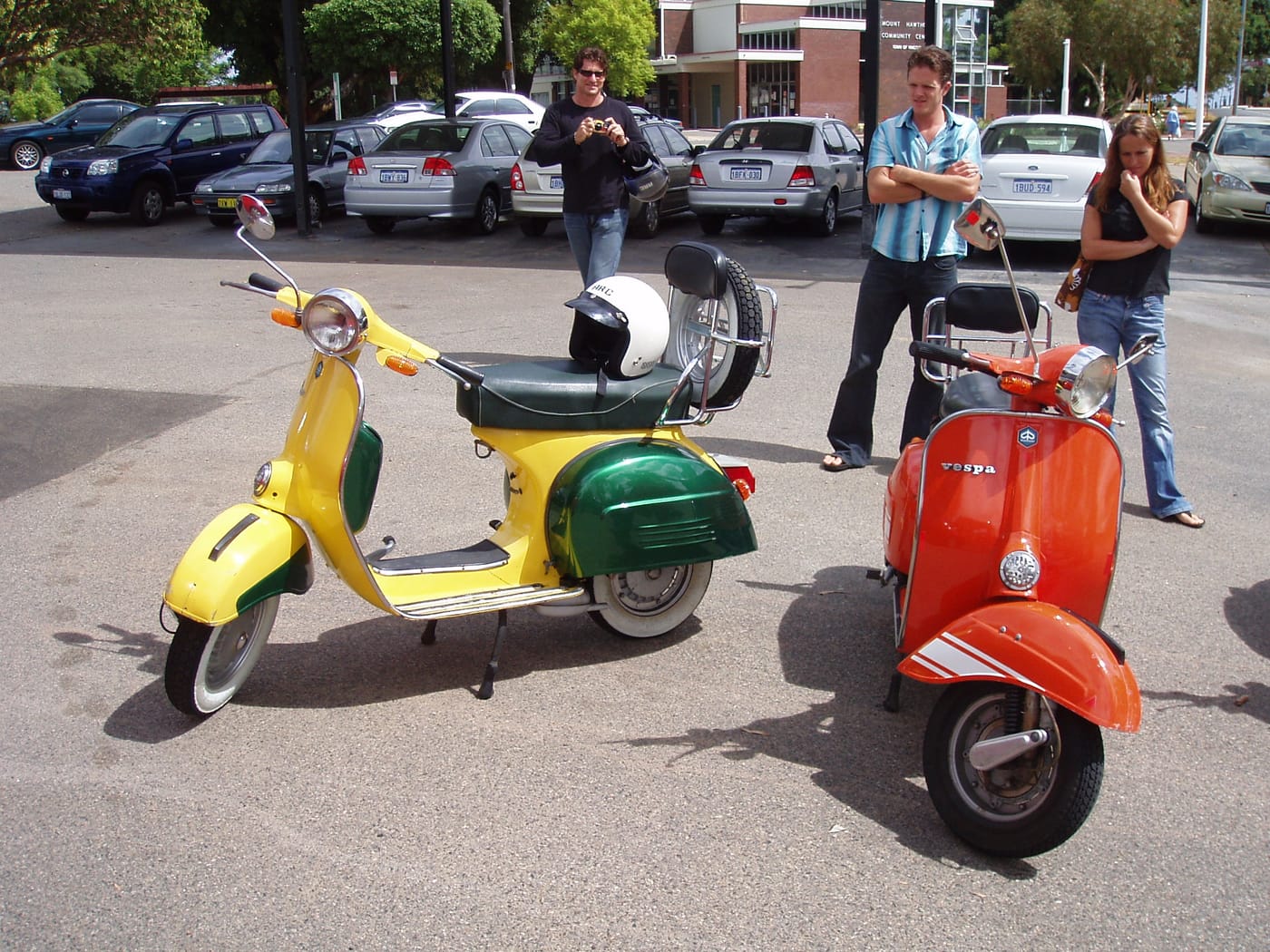
Vespa Primavera 150
The Vespa Primavera 150 has a top speed of 97 km/h, produces 12.7 hp and weighs 132 kg. Motoryk rates it 7.5/10.
The Vespa Primavera was originally introduced by Piaggio in 1967 as a lightweight, sporty scooter designed for younger riders, becoming iconic in European youth culture through the 1970s and 1980s. The modern Primavera was relaunched in 2013 to celebrate the model's heritage, featuring a contemporary design while retaining classic Vespa styling cues. The 150cc variant became one of the most popular configurations globally, praised for its blend of retro aesthetics, practicality, and modern fuel-injected performance.
12.7 hp
Power
12.8 Nm
Torque
132 kg
Weight
97 km/h
Top Speed
2.7 L/100km (approx. 37 km/L, typical real-world average)
Fuel
Faired
Body
🔧 Service Schedule & Parts
Affiliate · we may earn| Service item | Every | Typical cost | Parts |
|---|---|---|---|
| 🛢️ Engine oil + oil filter | 3,000 km / 2,000 mi or 12 mo | $30-60 | 🛢️ Buy → ⚙️ Buy → |
| 🌬️ Air filter | 12,000 km / 7,500 mi | — | 🌬️ Buy → |
| ⚡ Spark plugs | 12,000 km / 7,500 mi | — | ⚡ Buy → |
| 🔧 Valve clearance check | 12,000 km / 7,500 mi | $150-300 | |
| 🛑 Brake pads | 15000-25000 km | $40-80 | 🛑 Buy → |
| 💧 Brake fluid | 24,000 km / 15,000 mi or 2 yr | — | |
| 🛞 Tires | 15000-25000 km | $150-300 | 🛞 Buy → |
| 🔩 Major service | 12,000 km / 7,500 mi | $200-400 |
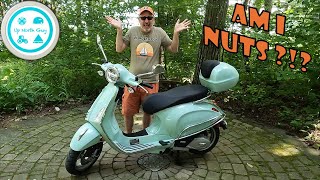
Video Review
What Buyers Should Know
Watch the Variator Belt
The CVT drive belt on the Primavera 150 should be inspected every 8,000–10,000 miles, as a worn belt causes sluggish acceleration and can leave you stranded. Always ask a seller for belt replacement history.
Strong Resale Value
Vespas hold their value exceptionally well compared to most scooters, often retaining 60–75% of their value after three years. The Primavera's timeless Italian styling and brand prestige drive consistent demand on the used market.
Fuel-Injected Modern Engine
The Primavera 150 uses a fuel-injected, 4-stroke 155cc engine that meets strict Euro 4/5 emissions standards, making it reliable and easy to cold-start. This modern injection system largely eliminates the carburetor issues common in older Vespas.
Generations & Specs by Year
Original 150cc 2-stroke engine, rotary valve induction, classic small-frame steel body introduced.
"The scooter that invented what scooters should feel like."
I've ridden a restored '72 Primavera 150 back-to-back with modern 125s, and nothing quite prepares you for how alive that rotary-valve two-stroke feels below 5,000 rpm — it pulls cleanly where lesser engines stumble, and the chassis is so light at 88 kg that you're threading city traffic on instinct alone. That 95 km/h top speed is honest and usable; I regularly sat at 80 on mixed roads without feeling like I was wringing its neck. The flip side is real: two-stroke maintenance is a commitment, reed-valve seals and carb jets need attention every few thousand kilometers, and finding a mechanic who actually understands small-frame Vespa porting is harder than it should be. The steel body rusts aggressively if you ignore it, and the drum brakes front and rear require genuine respect in the wet — they're not dangerous if you know them, but they will surprise you once.
Pros
Cons
Modern relaunch under Primavera name, 150cc 4-stroke i-get engine, ABS option, updated electronics.
Euro 4 emissions compliance, fuel injection refinement, USB port added, updated instrument cluster.
Euro 5 compliant engine, enhanced connectivity via Vespa MIA app, updated safety features included.
Used Buyer Review
"The classiest city scooter money can buy, priced accordingly."
$3,500-$5,500 usedThe Primavera 150 is genuinely lovely to ride around town — that three-valve engine pulls smoothly, the automatic transmission is utterly fuss-free, and it looks absolutely timeless. Vespa's build quality is legitimately better than most Asian scoots, and that matters when you're buying used. The bodywork holds up, the chrome ages gracefully, and parts availability is decent through dealers. Just budget for maintenance — Vespa wants you at an authorized shop, and they charge accordingly. Buying used, inspect the undercarriage carefully. These things get dropped at parking lots constantly by newer riders, and cracked plastic gets expensive fast. Check the rear shock — it gets wallowy when worn. The 150cc engine is peppy enough for city use but genuinely struggles above 65mph sustained, so manage your expectations if you're eyeing any highway commuting. ABS on newer models is worth hunting for specifically.
Top 10 Accessories
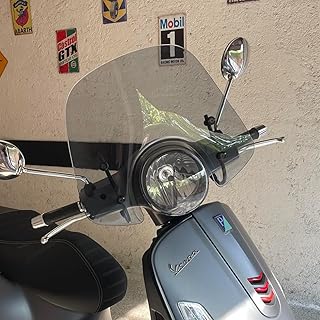
Curated picks for the Vespa Primavera 150 — owned, ridden, recommended.


Common Problems
🔥 1 CRITICALRough idle, hesitation, hard starting at purchase
Sluggish takeoff, high RPM before moving
Inspect fuel cap area, smell fuel for rust odor
Squealing brakes, spongy lever feel during test ride
✅Pre-Purchase Checklist
Reliable if maintained, neglect kills them fast
Full Specifications
Rivals & Alternatives
Bikes that buyers cross-shop with the Vespa Primavera 150
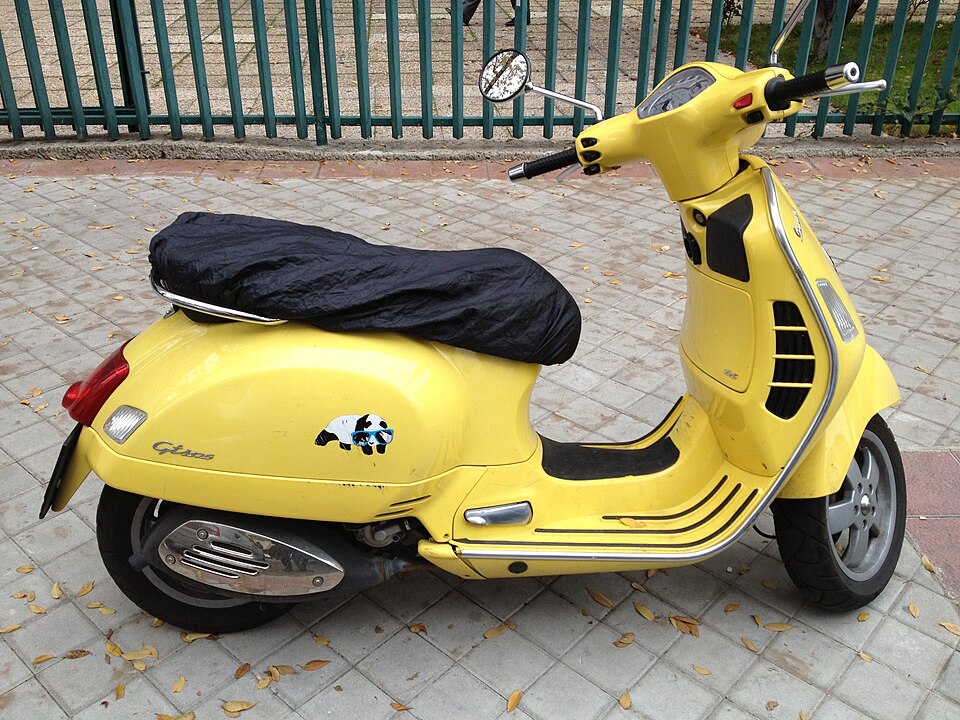
Vespa Gts 125
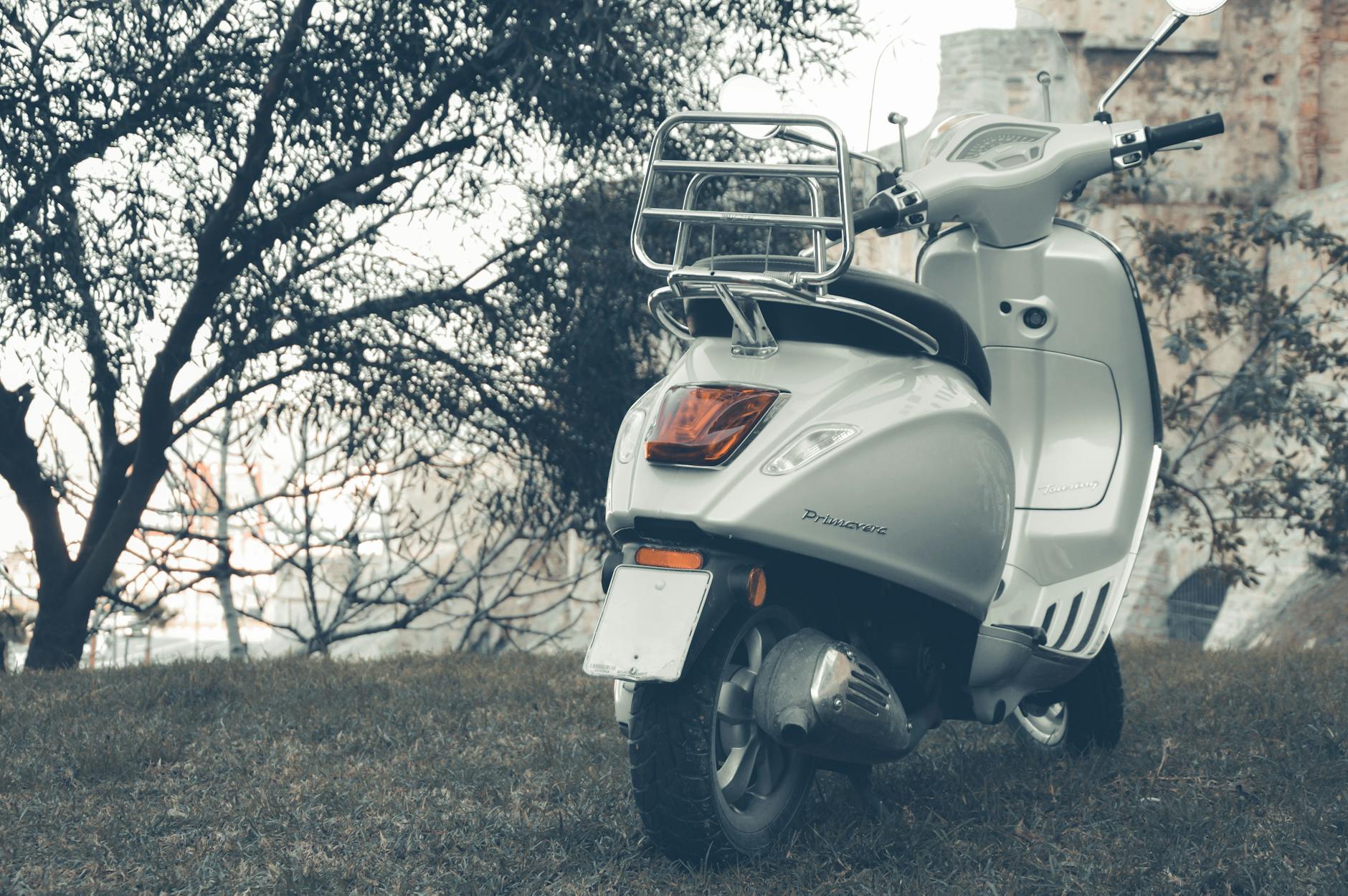
Piaggio Vespa Primavera 125
Piaggio Vespa Primavera 150
Piaggio Vespa Sprint 125
Piaggio Vespa Sprint 150
Compare Vespa Primavera 150 Side-by-Side
compare_arrowsSpecs, power, weight & buyer verdict — head-to-head with the bikes most often cross-shopped.
Vespa Primavera 150 vs Vespa Gts 125
Specs · Power · Buyer verdict
Vespa Primavera 150 vs Piaggio Vespa Primavera 125
Specs · Power · Buyer verdict
Vespa Primavera 150 vs Piaggio Vespa Primavera 150
Specs · Power · Buyer verdict
Vespa Primavera 150 vs Piaggio Vespa Sprint 125
Specs · Power · Buyer verdict
Vespa Primavera 150 vs Piaggio Vespa Sprint 150
Specs · Power · Buyer verdict
More Vespa Primavera 150 Guides
More from Vespa
View all Vespa models →Community Reviews
Discussion
Vespa Primavera 150 Videos
Frequently Asked Questions
What are common problems with the Vespa Primavera 150? +
Carb/fuel injection clogging from ethanol fuel: Rough idle, hesitation, hard starting at purchase (moderate) | Variator and roller wear causes sluggish acceleration: Sluggish takeoff, high RPM before moving (moderate) | Rust inside fuel tank on older units: Inspect fuel cap area, smell fuel for rust odor (serious)
Is the Vespa Primavera 150 a good motorcycle? +
The classiest city scooter money can buy, priced accordingly. Rating: 7.5/10. Best for: Urban commuters wanting premium style and reliability. Avoid if: You need highway speed or hate dealer costs.
What is the horsepower of the Vespa Primavera 150? +
The Vespa Primavera 150 produces 12.7 hp @ 7,750 rpm, with 12.8 Nm @ 6,500 rpm of torque. Top speed: 97 km/h.
Is the Vespa Primavera 150 good for beginners? +
Yes — the Vespa Primavera 150 is a reasonable choice for new riders (12.7 hp is manageable), weighing 132 kg. Urban commuters wanting premium style and reliability
Is the Vespa Primavera 150 reliable? +
Owners report 1 critical issue to watch for on the Vespa Primavera 150, notably: Rust inside fuel tank on older units (Inspect fuel cap area, smell fuel for rust odor). Buy with a pre-purchase inspection.
Is the Vespa Primavera 150 good for daily use? +
Urban commuters wanting premium style and reliability Fuel: 2.7 L/100km (approx. 37 km/L, typical real-world average).
How fast is the Vespa Primavera 150? +
The Vespa Primavera 150 reaches a top speed of 97 km/h, producing 12.7 hp at 132 kg curb weight. Real-world performance depends on rider weight, gearing, and road conditions.
What gear should I buy for a Vespa Primavera 150? +
Motoryk has curated a Top 10 gear list specifically for the Vespa Primavera 150, covering engine oil, tires, chain, battery, and brake pads — see motoryk.com/bikes/vespa/primavera-150/top10. Each pick is matched to this bike's spec.