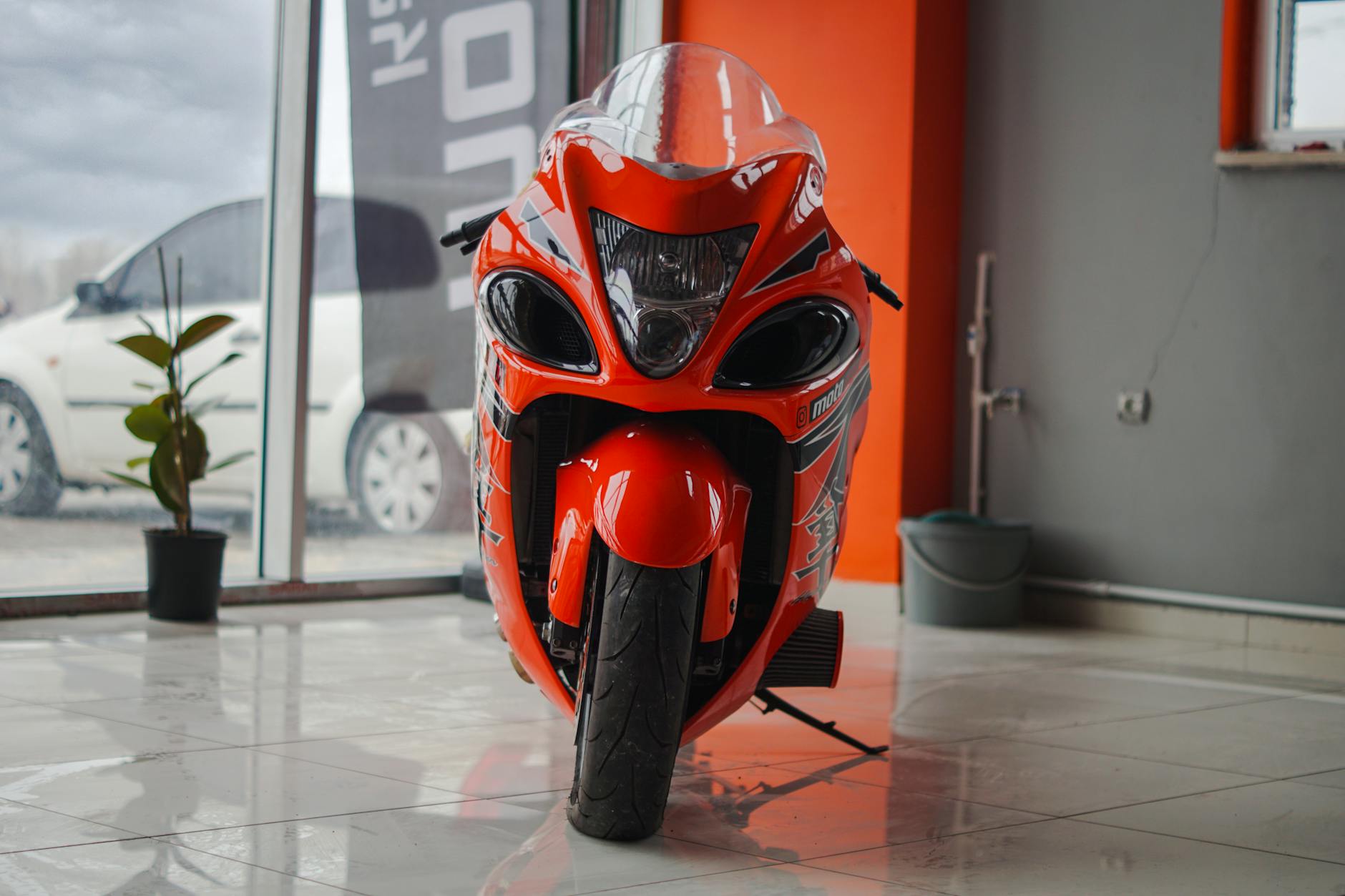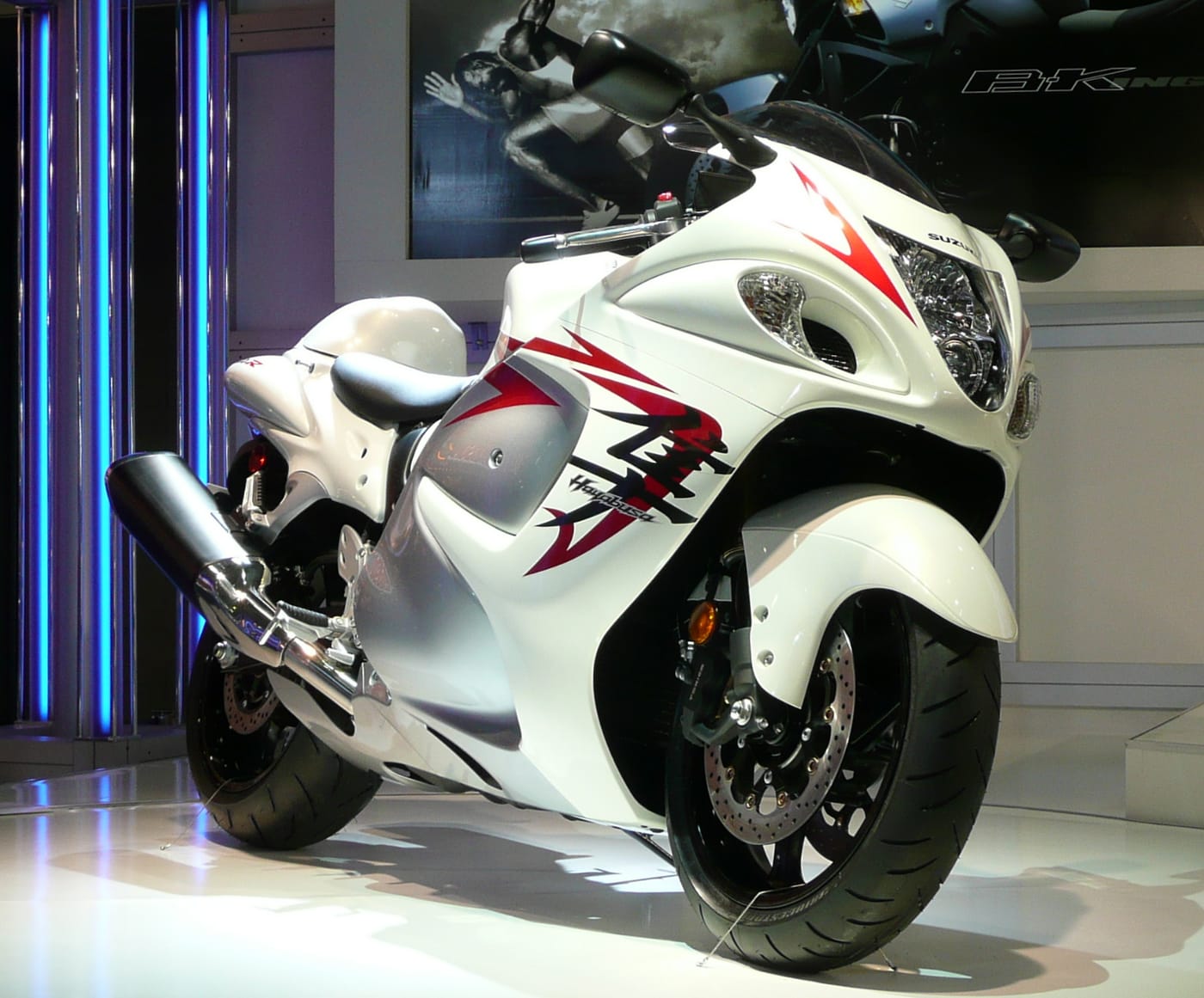
Suzuki Gsx-r1000
The Suzuki Gsx-r1000 has a top speed of 299 km/h (electronically limited; estimated ~305+ km/h unlimted), produces 202 hp and weighs 203 kg. Motoryk rates it 8.5/10.
The Suzuki GSX-R1000 was introduced in 2001 as the flagship of the GSX-R superbike lineage, drawing on technology from Suzuki's MotoGP program to deliver a lightweight, high-performance package that quickly became a benchmark in the open-class segment. Key milestones include the major 2005 redesign, the 2009 generation featuring a new ram-air system and revised chassis, and the 2017 R and RR editions which introduced variable valve timing (S-VVT) and cornering ABS derived directly from factory race bikes. It is notable for consistently offering one of the best power-to-weight ratios in the superbike class and has accumulated numerous race wins in Superbike World Championship and AMA competition.
202 hp
Power
117 Nm
Torque
203 kg
Weight
299 km/h (electronically limited; estimated ~305+ km/h unlimted)
Top Speed
7.0–8.5 L/100km (typical real-world average; ~12–14 km/L)
Fuel
Faired
Body
🔧 Service Schedule & Parts
Affiliate · we may earn| Service item | Every | Typical cost | Parts |
|---|---|---|---|
| 🛢️ Engine oil + oil filter | 6,000 km / 3,500 mi or 12 mo | $40-80 | 🛢️ Buy → ⚙️ Buy → |
| 🌬️ Air filter | 12,000 km / 7,500 mi | — | 🌬️ Buy → |
| ⚡ Spark plugs | 12,000 km / 7,500 mi | — | ⚡ Buy → |
| 🔧 Valve clearance check | 24,000 km / 15,000 mi | $300-600 | |
| 🔗 Chain & sprockets | 20000-35000 km (replace) | $150-300 | 🔗 Buy → |
| 🛑 Brake pads | 15000-25000 km | $40-80 | 🛑 Buy → |
| 💧 Brake fluid | 24,000 km / 15,000 mi or 2 yr | — | |
| 🧊 Coolant | 24,000 km / 15,000 mi | — | |
| 🛞 Tires | 8000-15000 km | $250-450 | 🛞 Buy → |
| 🔩 Major service | 24,000 km / 15,000 mi | $400-800 |
Video Review
What Buyers Should Know
Watch the Cam Chain
Early 2001-2004 GSX-R1000 models are known for cam chain tensioner issues that can cause engine noise or failure if neglected. Always verify service history and listen for rattling on cold starts before buying.
Strong Resale Value
The GSX-R1000 holds its value exceptionally well compared to competitors, especially the K5/K6 (2005-2006) and R (2017+) generations. Low-mileage examples can command near-new prices in the used market.
Race-Ready From Factory
The 2017+ GSX-R1000R features a sophisticated Motion Track IMU with cornering ABS, launch control, and traction control derived directly from MotoGP technology. This makes it one of the most electronically advanced sportbikes available at its price point.
Generations & Specs by Year
Debut 988cc inline-four, 160hp, aluminum twin-spar frame, aggressive superbike positioning established.
"The bike that rewrote the superbike rulebook overnight."
When Suzuki dropped the original GSX-R1000 in 2001, it felt genuinely violent in a way nothing else on the road did — 160 horsepower in a chassis that weighed less than most 600s, and you could feel every bit of that imbalance the first time you cracked the throttle past 8,000 rpm. The motor pulls hard from about 4,000 rpm but absolutely detonates above 9,000, and that surge can unsettle you mid-corner if you're not disciplined about your throttle timing. Ergonomics are genuinely aggressive — after two hours on a canyon run your wrists and lower back will lodge a formal complaint — but the feedback through the bars and pegs is so precise that you forgive everything. The brakes on the early 2001-2002 models are the one area that hasn't aged well; the stock pads lack the initial bite to match the engine's aggression, and most owners swap them out within the first season.
Pros
Cons
Revised engine internals, new ram-air intake, updated chassis geometry, slightly lighter overall weight.
"The benchmark that rewrote what a litre-bike could be."
Suzuki took everything right about the K4 and sharpened it — the revised short-stroke engine now pulls with genuine urgency from 7,000 rpm and absolutely screams past 10,000, and that ram-air intake at speed makes it feel like a different bike altogether on a fast road. At 166 kg wet it changes direction with an effortlessness that bigger-engined rivals simply can't match; flicking through a technical mountain pass, it felt more like a 600 than anything with three-figure horsepower has a right to. The chassis geometry tweak — slightly steeper head angle — made turn-in sharper but also meant the bike required real attention on the highway: it tracks expansion joints and prefers to be guided rather than ignored. Everyday livability is poor, full stop — the fuelling at small throttle openings in traffic was jerky and heat from the engine bakes your right leg at standstill, and anything under 4,000 rpm feels like the bike is tolerating you rather than cooperating.
Pros
Cons
Completely redesigned engine and frame, 183hp, new fuel injection, more compact and lighter package.
"The benchmark that rewrote the litre-bike rulebook."
Suzuki took everything right about the K5/K6 and sharpened it into something almost uncomfortably fast — the revised inline-four pulls from 6,000 rpm with genuine urgency and doesn't stop until the limiter slaps you back to reality at the far end of a straight. The frame geometry is noticeably more aggressive than its predecessor; turn-in is razor-quick and mid-corner stability is confidence-inspiring even when you're carrying more speed than your brain has fully processed. Street riding is honestly a chore — the fuelling at low throttle openings is abrupt enough to make slow traffic a wrist-wrestling match, and the suspension is set up for a rider who weighs 70 kg and has a track day booked. But get it on open road or a circuit and this generation GSX-R1000 reminds you exactly why it dominated the Superbike class — it's a motorcycle with genuine intent.
Pros
Cons
New variable valve timing system S-STVS, revised aerodynamics, updated suspension and braking components.
Big Bang firing order, revised chassis, traction control introduced, Brembo brakes, updated electronics.
All-new 999.8cc engine, variable valve timing VVT, Motion Track electronics suite, new frame design.
Used Buyer Review
"The benchmark litre bike — buy carefully and you won't regret it."
$5,500-$9,500 usedThe GSX-R1000 is the benchmark that every other litre-class sportsbike gets measured against, and for good reason. The K5-K6 generation particularly is a sweet spot — proper racetrack-bred geometry, a motor that pulls cleanly from 4,000rpm then absolutely detonates past 10,000, and chassis feedback that tells you exactly what's happening at the contact patch. Buy one that's been on a track day and you need to check the frame for stress cracks around the headstock. Non-negotiable. Used examples are everywhere, which cuts both ways. Plenty of choice, but plenty of crashed, repaired, or thrashed bikes wearing fresh paint hiding ugly histories. Always get a HPI check and look for mismatched fasteners, overspray on the frame, or wobbly forks. Maintenance history matters enormously here — valve clearances and cam chain tensioners are the expensive gremlins on neglected examples. Budget £500-800 for a proper service if records are missing. Get past those concerns and you own arguably the finest production sportsbike ever built. It rewards skilled riders generously and punishes complacency brutally. That's not a flaw — that's the deal.
Top 10 Accessories
Curated picks for the Suzuki Gsx-r1000 — owned, ridden, recommended.


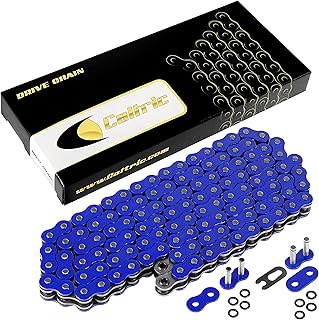


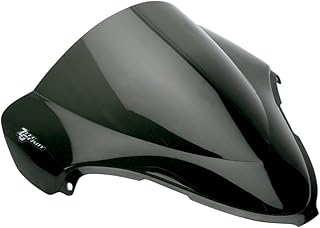


Common Problems
🔥 2 CRITICALBattery voltage at idle, check for dimming lights
Weep hole under pump, staining on engine cases
Idle quality, hesitation under light throttle
Frame sliders, bent subframe, scratched fairings
✅Pre-Purchase Checklist
Reliable if maintained, abuse common on sport bikes
Full Specifications
Rivals & Alternatives
Bikes that buyers cross-shop with the Suzuki Gsx-r1000
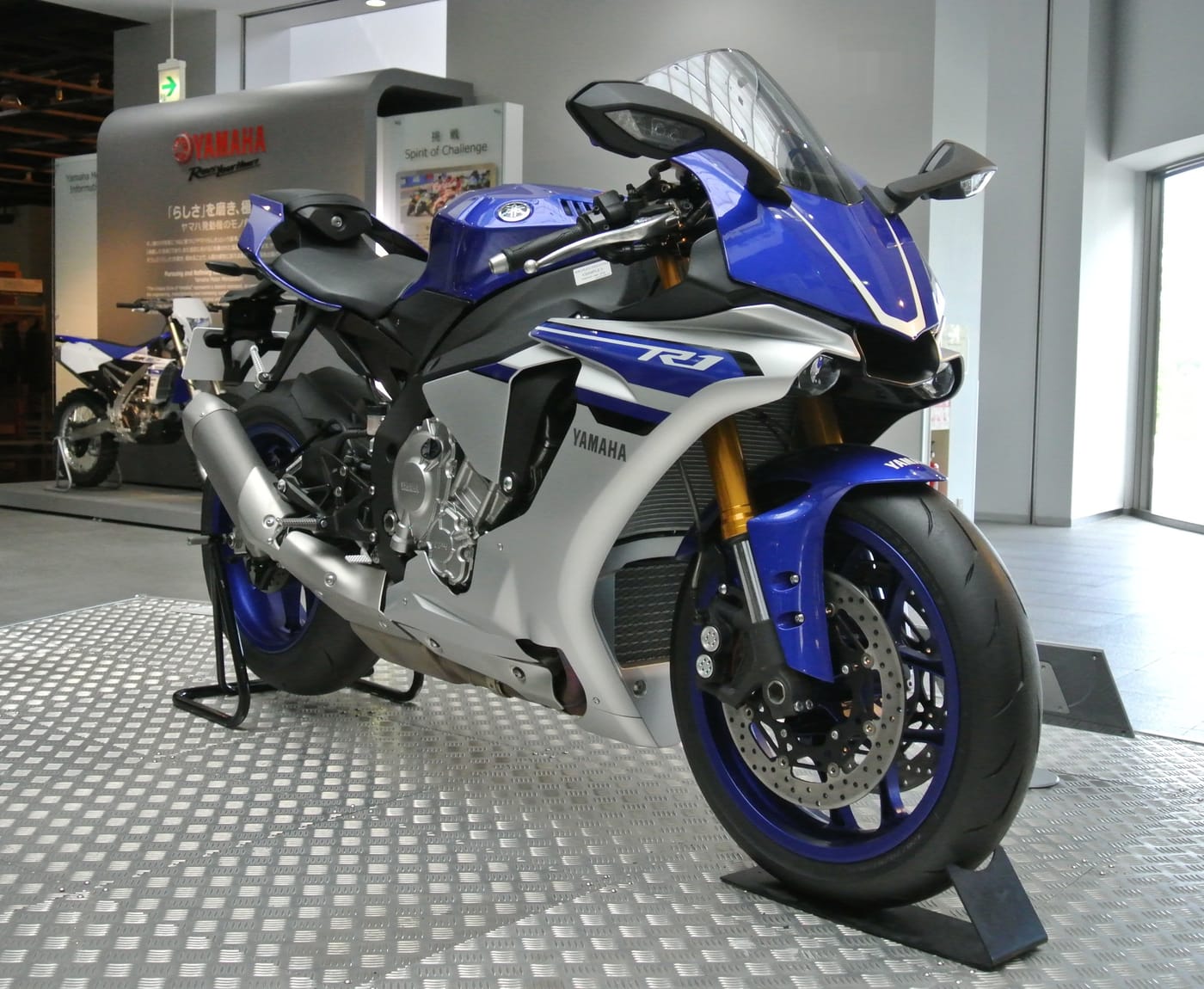
Yamaha Yzf-r1
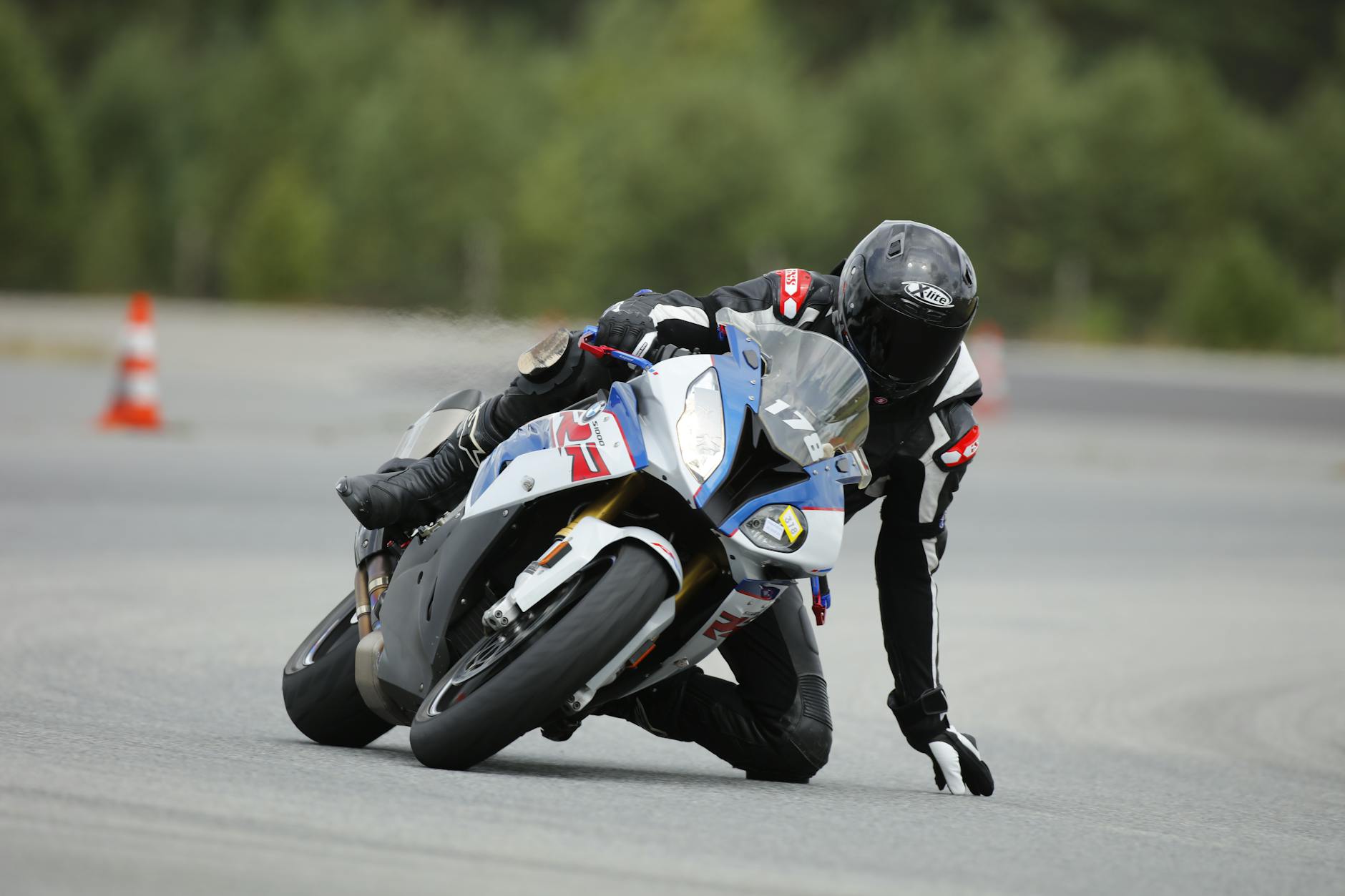
Bmw S 1000 Rr
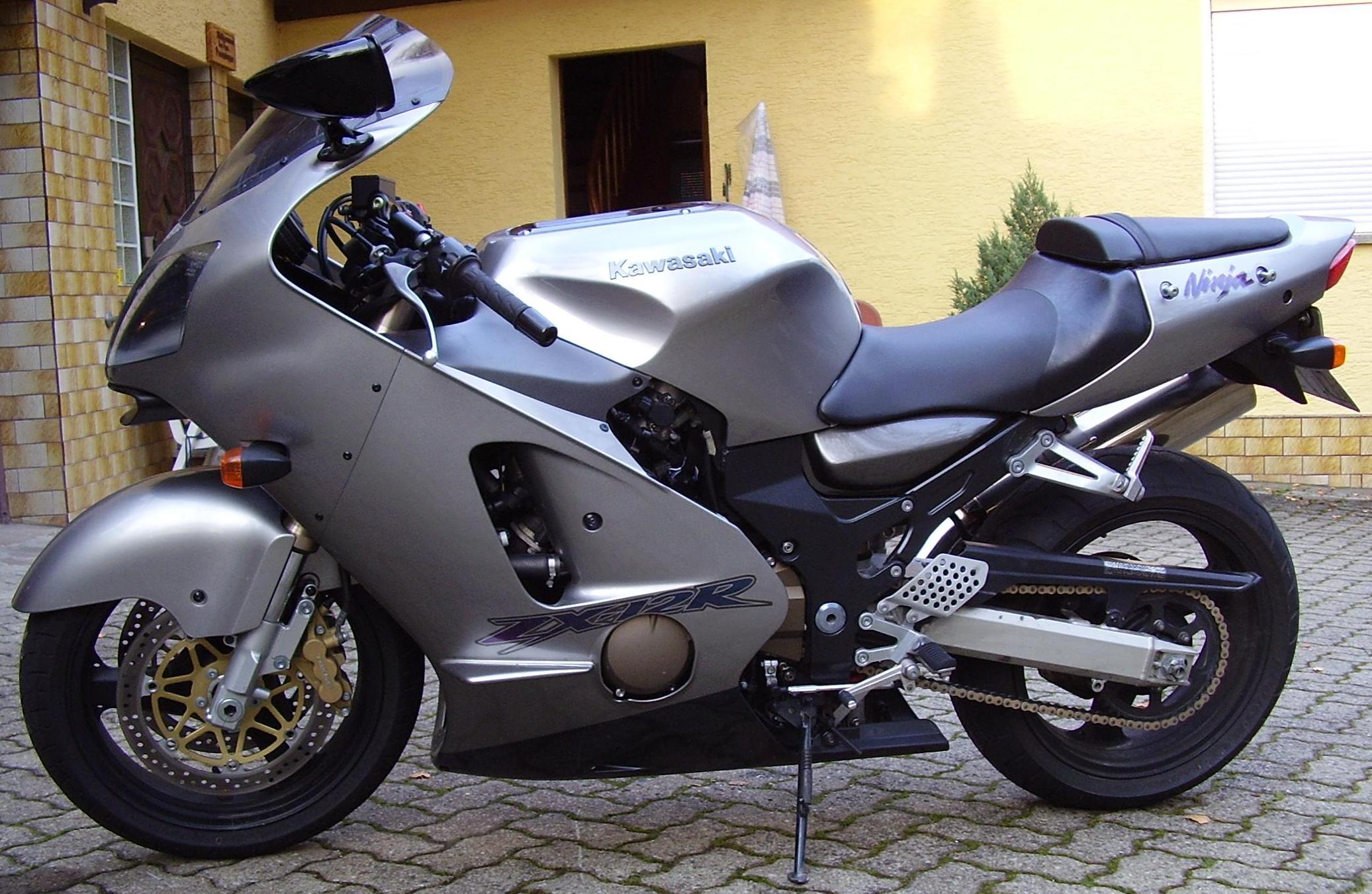
Kawasaki Ninja Zx-10r
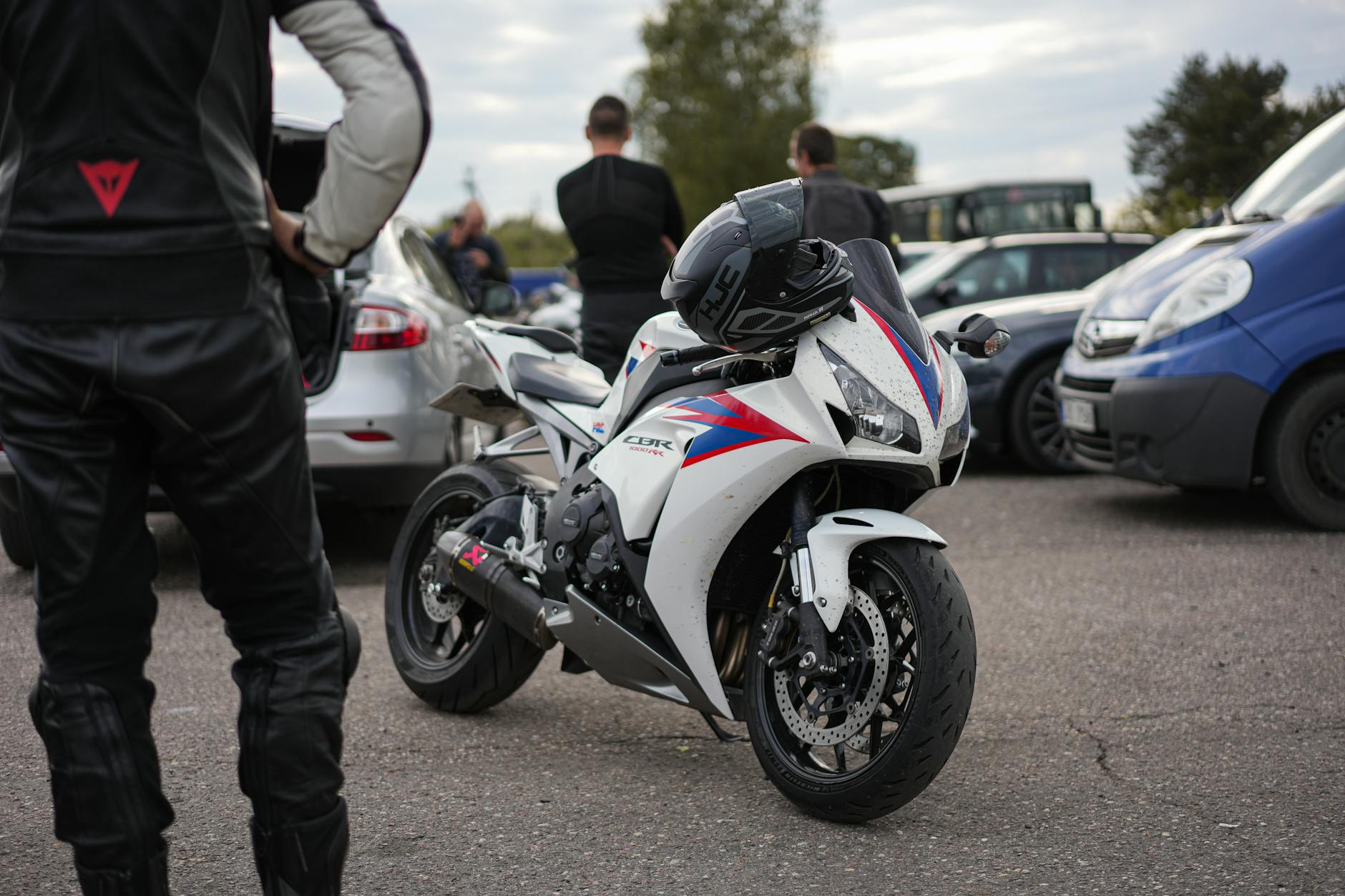
Honda Cbr1000rr Fireblade
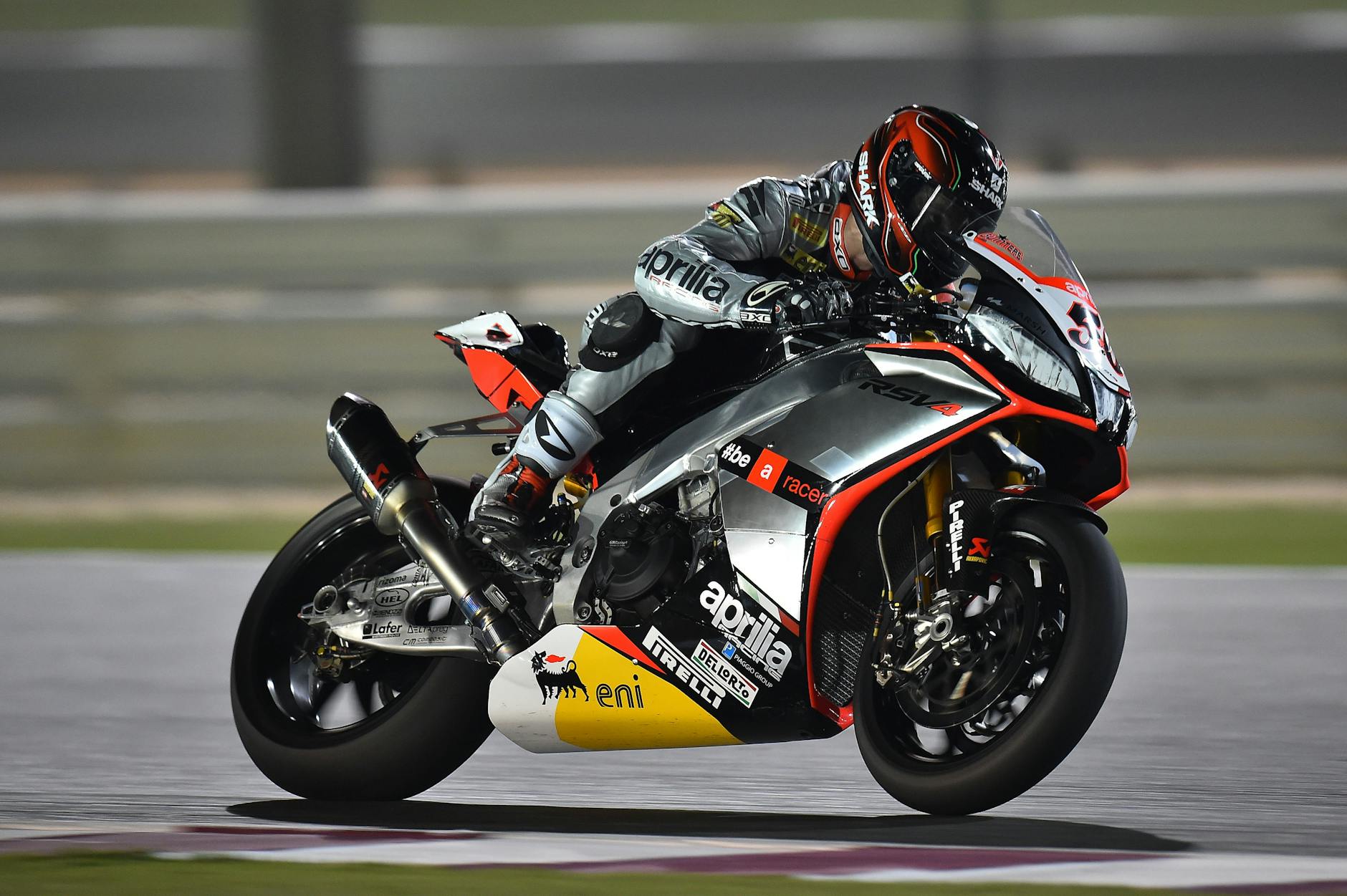
Aprilia Rsv4
Compare Suzuki Gsx-r1000 Side-by-Side
compare_arrowsSpecs, power, weight & buyer verdict — head-to-head with the bikes most often cross-shopped.
Suzuki Gsx-r1000 vs Yamaha Yzf-r1
Specs · Power · Buyer verdict
Suzuki Gsx-r1000 vs Bmw S 1000 Rr
Specs · Power · Buyer verdict
Suzuki Gsx-r1000 vs Kawasaki Ninja Zx-10r
Specs · Power · Buyer verdict
Suzuki Gsx-r1000 vs Honda Cbr1000rr Fireblade
Specs · Power · Buyer verdict
Suzuki Gsx-r1000 vs Aprilia Rsv4
Specs · Power · Buyer verdict
More Suzuki Gsx-r1000 Guides
More from Suzuki
View all Suzuki models →Community Reviews
Discussion
Frequently Asked Questions
What are common problems with the Suzuki Gsx-r1000? +
Stator/charging system failure: Battery voltage at idle, check for dimming lights (serious) | Coolant leaks from water pump: Weep hole under pump, staining on engine cases (moderate) | Throttle body sync issues, rough idle: Idle quality, hesitation under light throttle (minor)
Is the Suzuki Gsx-r1000 a good motorcycle? +
The benchmark litre bike — buy carefully and you won't regret it. Rating: 8.5/10. Best for: Experienced riders wanting uncompromised track-capable performance. Avoid if: New to sportsbikes or prioritising everyday comfort.
What is the horsepower of the Suzuki Gsx-r1000? +
The Suzuki Gsx-r1000 produces 202 hp @ 13,200 rpm (2017+ model; earlier generations ~185–192 hp), with 117 Nm @ 10,800 rpm (2017+ model) of torque. Top speed: 299 km/h (electronically limited; estimated ~305+ km/h unlimted).
Is the Suzuki Gsx-r1000 good for beginners? +
Not really — the Suzuki Gsx-r1000 is better for experienced riders (202 hp can be intimidating). Experienced riders wanting uncompromised track-capable performance Avoid if: New to sportsbikes or prioritising everyday comfort
Is the Suzuki Gsx-r1000 reliable? +
Owners report 2 critical issues to watch for on the Suzuki Gsx-r1000, notably: Stator/charging system failure (Battery voltage at idle, check for dimming lights). Buy with a pre-purchase inspection.
Is the Suzuki Gsx-r1000 good for daily use? +
Experienced riders wanting uncompromised track-capable performance Fuel: 7.0–8.5 L/100km (typical real-world average; ~12–14 km/L).
How fast is the Suzuki Gsx-r1000? +
The Suzuki Gsx-r1000 reaches a top speed of 299 km/h (electronically limited; estimated ~305+ km/h unlimted), producing 202 hp at 203 kg curb weight. Real-world performance depends on rider weight, gearing, and road conditions.
What gear should I buy for a Suzuki Gsx-r1000? +
Motoryk has curated a Top 10 gear list specifically for the Suzuki Gsx-r1000, covering engine oil, tires, chain, battery, and brake pads — see motoryk.com/bikes/suzuki/gsx-r1000/top10. Each pick is matched to this bike's spec.