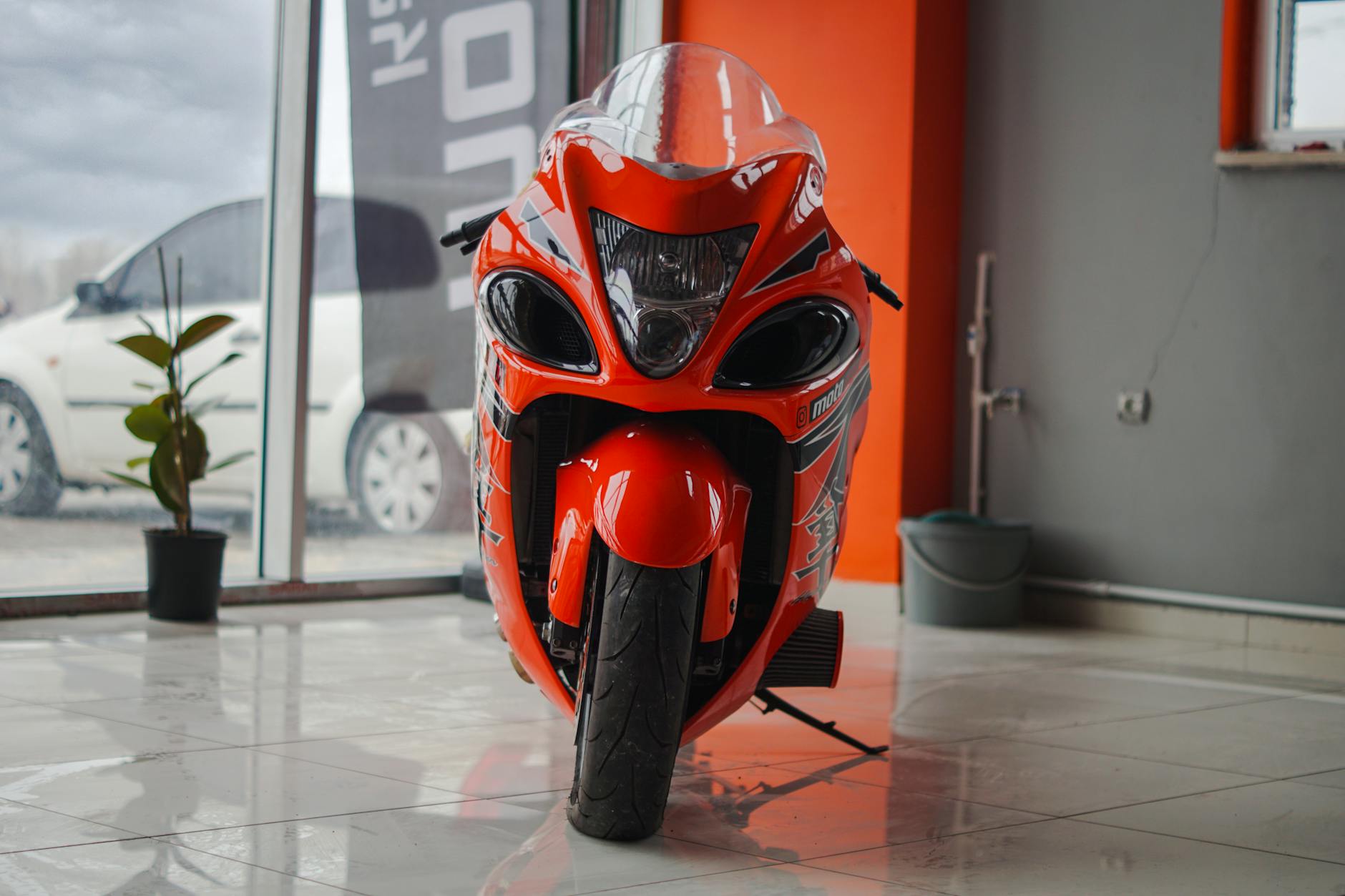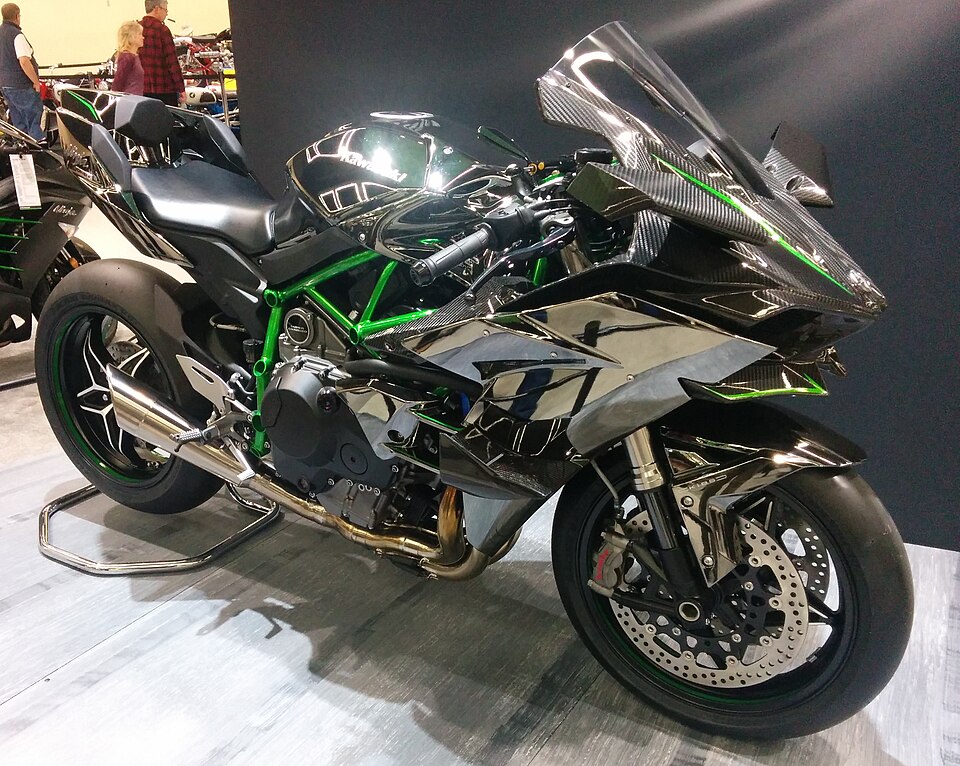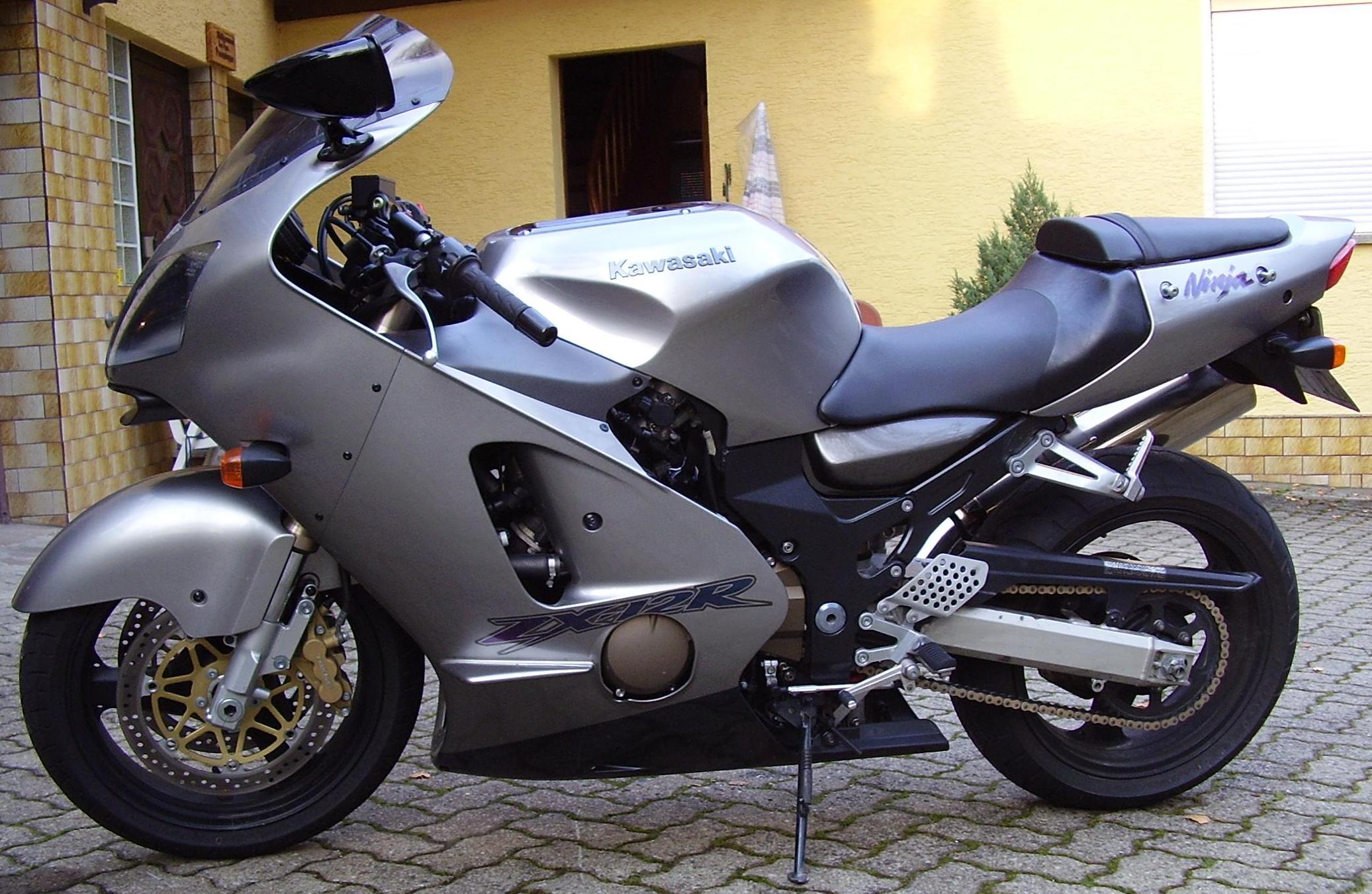
Kawasaki Ninja Zx-10r
The Kawasaki Ninja Zx-10r has a top speed of 299 km/h (electronically limited; estimated 310+ km/h unlisted), produces 203 hp and weighs 207 kg. Motoryk rates it 8.5/10.
The Kawasaki Ninja ZX-10R was introduced in 2004 as a replacement for the ZX-9R, designed to compete at the top of the open-class superbike segment. It gained significant credibility through Kawasaki's factory-backed World Superbike Championship (WSBK) program, with Jonathan Rea winning an unprecedented six consecutive WSBK titles from 2015 to 2020. The model has undergone several major revisions, with the 2021 generation introducing significant aerodynamic and electronics upgrades that further cemented its reputation as one of the most capable production superbikes ever made.
203 hp
Power
114.9 Nm
Torque
207 kg
Weight
299 km/h (electronically limited; estimated 310+ km/h unlisted)
Top Speed
7.5 L/100km (approximately 13.3 km/L, real-world average)
Fuel
Faired
Body
🔧 Service Schedule & Parts
Affiliate · we may earn| Service item | Every | Typical cost | Parts |
|---|---|---|---|
| 🛢️ Engine oil + oil filter | 6,000 km / 3,500 mi or 12 mo | $40-80 | 🛢️ Buy → ⚙️ Buy → |
| 🌬️ Air filter | 12,000 km / 7,500 mi | — | 🌬️ Buy → |
| ⚡ Spark plugs | 24,000 km / 15,000 mi | — | ⚡ Buy → |
| 🔧 Valve clearance check | 24,000 km / 15,000 mi | $300-600 | |
| 🔗 Chain & sprockets | 20000-35000 km (replace) | $150-300 | 🔗 Buy → |
| 🛑 Brake pads | 15000-25000 km | $40-80 | 🛑 Buy → |
| 💧 Brake fluid | 24,000 km / 15,000 mi or 2 yr | — | |
| 🧊 Coolant | 24,000 km / 15,000 mi | — | |
| 🛞 Tires | 8000-15000 km | $300-600 | 🛞 Buy → |
| 🔩 Major service | 24,000 km / 15,000 mi | $400-800 |
Video Review
What Buyers Should Know
World Superbike DNA
The ZX-10R shares direct technology with Kawasaki's World Superbike Championship machines, making it one of the most race-proven production bikes available. This translates to exceptional real-world performance and engineering refinement.
Watch the Valve Clearances
The ZX-10R requires diligent valve clearance checks every 15,000 miles — a commonly skipped service that can lead to costly engine damage. Always request full service history before buying used.
Strong Resale Value
The ZX-10R holds its value better than most open-class sportbikes, particularly the post-2016 models with updated electronics. Track-used examples depreciate faster, so always inspect for subtle frame or suspension wear.
Generations & Specs by Year
Debut generation with 998cc inline-four, ram-air induction, aggressive ergonomics, and 180hp output.
"Raw, savage debut that rewrote the superbike rulebook."
Kawasaki came out swinging with the ZX-10R and the thing genuinely scared me the first time I cracked the throttle past 8,000 rpm — that ram-air-fed inline-four doesn't build power, it detonates it. The ergonomics are brutally committed, wrists loaded up on anything but a track, and the early suspension setup is stiff enough to rattle your fillings on a patchy B-road. But on circuit, this bike is a revelation: 183kg wet with 180 horses is a combination that feels almost irresponsible, and the chassis rewards aggressive riding with a directness that the R1 and CBR couldn't quite match that year. It's not a friendly machine — there's no traction control, no riding modes, just throttle and consequence — but for riders who wanted the most focused tool Kawasaki had ever built, the first-gen ZX-10R delivered exactly that.
Pros
Cons
Revised chassis, updated bodywork, improved suspension, refined engine mapping, and better rider ergonomics.
"Razor-sharp superbike that demands respect and commitment."
The Gen 2 ZX-10R fixed most of what made the original feel like a barely-tamed animal — the revised chassis geometry actually lets you carry corner speed with confidence instead of white-knuckling through every bend. That 998cc screamer pulls hard from about 8,000 rpm and doesn't quit until the rev limiter slaps you, and at full chat on a track it genuinely challenges you to keep up with the machine rather than the other way around. Street riding is where the compromises show: the engine mapping below 6,000 rpm is still lumpy and abrupt enough to make slow traffic genuinely annoying, and the stock suspension, while improved over Gen 1, goes out of its depth fast if you're carrying a pillion or hitting poorly-surfaced B-roads. It's a proper racer's tool wearing road-legal plates, and if you approach it that way, it's deeply rewarding — approach it casually and it'll punish you for it.
Pros
Cons
New aluminum frame, revised engine with finger-follower valvetrain, improved aerodynamics and weight reduction.
"A savage track weapon that punishes casual street riding."
The Gen 3 ZX-10R is where Kawasaki stopped apologizing and started swinging — that finger-follower valvetrain lets the engine rev with a urgency that genuinely startles you the first time you crack it past 10,000 rpm. The new aluminum frame transformed the handling from the slightly vague Gen 2 into something that actually communicates through your palms, though it rewards commitment and absolutely punishes half-measures mid-corner. On the street it's exhausting in the best and worst ways: the fueling at low throttle openings is abrupt enough to make filtering in traffic a wrist-cramp exercise, and the stock suspension is set up for a 70kg racer, not a 90kg weekend warrior with a backpack. But take it to a track day and suddenly everything clicks — it's one of those bikes that makes you feel like a better rider than you probably are, right up until it reminds you that you're not.
Pros
Cons
Completely redesigned, new centralized mass layout, traction control, ABS option, KTRC electronics introduced.
New engine with revised firing order, Showa BFRC suspension, cornering management electronics, IMU added.
Major redesign, new frame, Öhlins suspension option, launch control, wheelie control, updated aerodynamics with winglets.
Used Buyer Review
"A serious machine that rewards serious riders who do their homework."
$7,500-$14,000 usedThe ZX-10R is genuinely one of the best used superbike buys on the market right now, but you need to go in with eyes open. The 2011-2015 generation hits a sweet spot — refined enough to be liveable, cheap enough to not cry when you low-side it in the wet. That 998cc inline-four pulls hard from 8,000rpm upward and the sound through a decent exhaust is absolutely addictive. Track-focused geometry means it wants to work, not cruise. Here's the honest part though — these bikes attract hard riders. Always check for frame sliders, inspect the subframe closely for stress cracks, and ask for service history on the valve clearances. They're due every 15,000 miles and dealers charge accordingly. Electronics packages vary wildly by year, so know what you're getting before you negotiate. The 2016+ models added cornering ABS and traction control that's actually usable, worth the premium if budget allows.
Variants of the Kawasaki Ninja Zx-10r
Same bike, different trim or year-range — pick the one matching the listing.
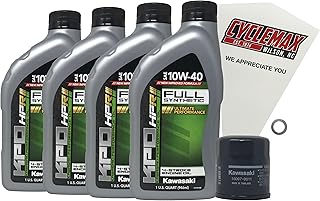
Top 10 Accessories
Curated picks for the Kawasaki Ninja Zx-10r — owned, ridden, recommended.




Common Problems
🔥 3 CRITICALCold start rattle, listen for ticking at idle
Battery voltage drop, flickering dash at high RPM
Rough idle, hesitation, uneven throttle response
Inspect frame sliders, fairings, fork tubes for bends
✅Pre-Purchase Checklist
Solid but needs regular maintenance and careful history
Full Specifications
Rivals & Alternatives
Bikes that buyers cross-shop with the Kawasaki Ninja Zx-10r
Compare Kawasaki Ninja Zx-10r Side-by-Side
compare_arrowsSpecs, power, weight & buyer verdict — head-to-head with the bikes most often cross-shopped.
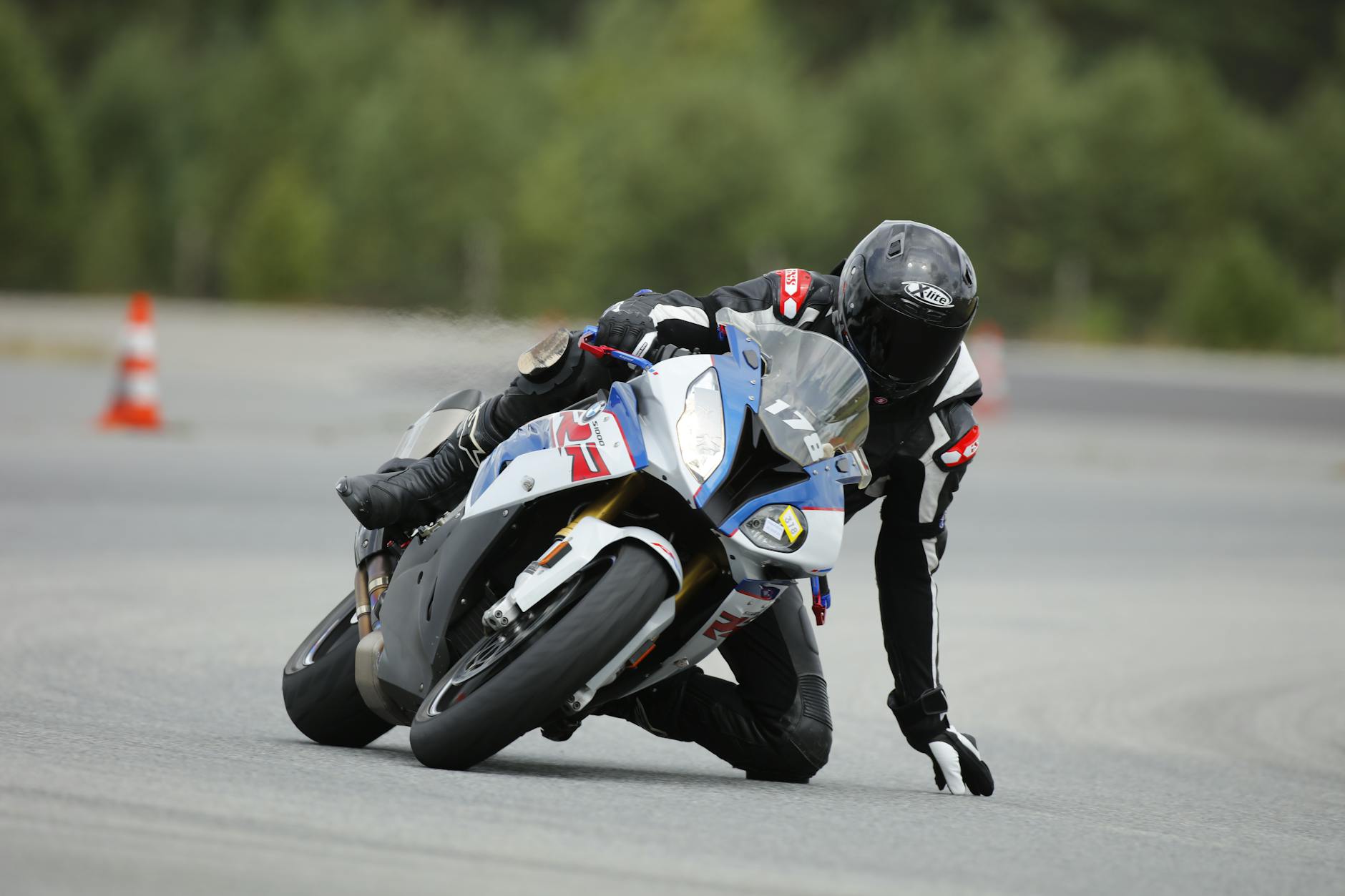
Kawasaki Ninja Zx-10r vs Bmw S 1000 Rr
Specs · Power · Buyer verdict
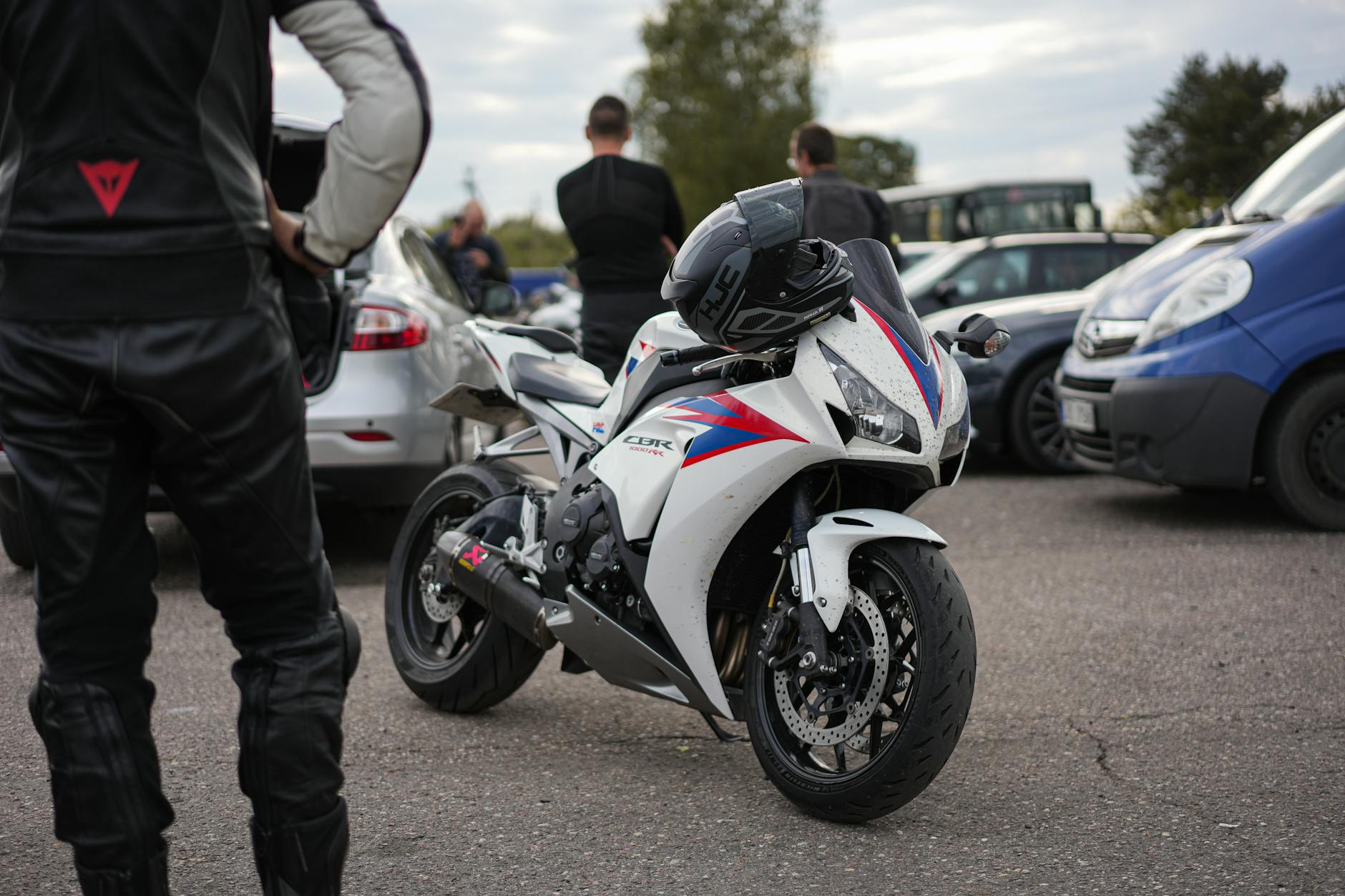
Kawasaki Ninja Zx-10r vs Honda Cbr1000rr Fireblade
Specs · Power · Buyer verdict
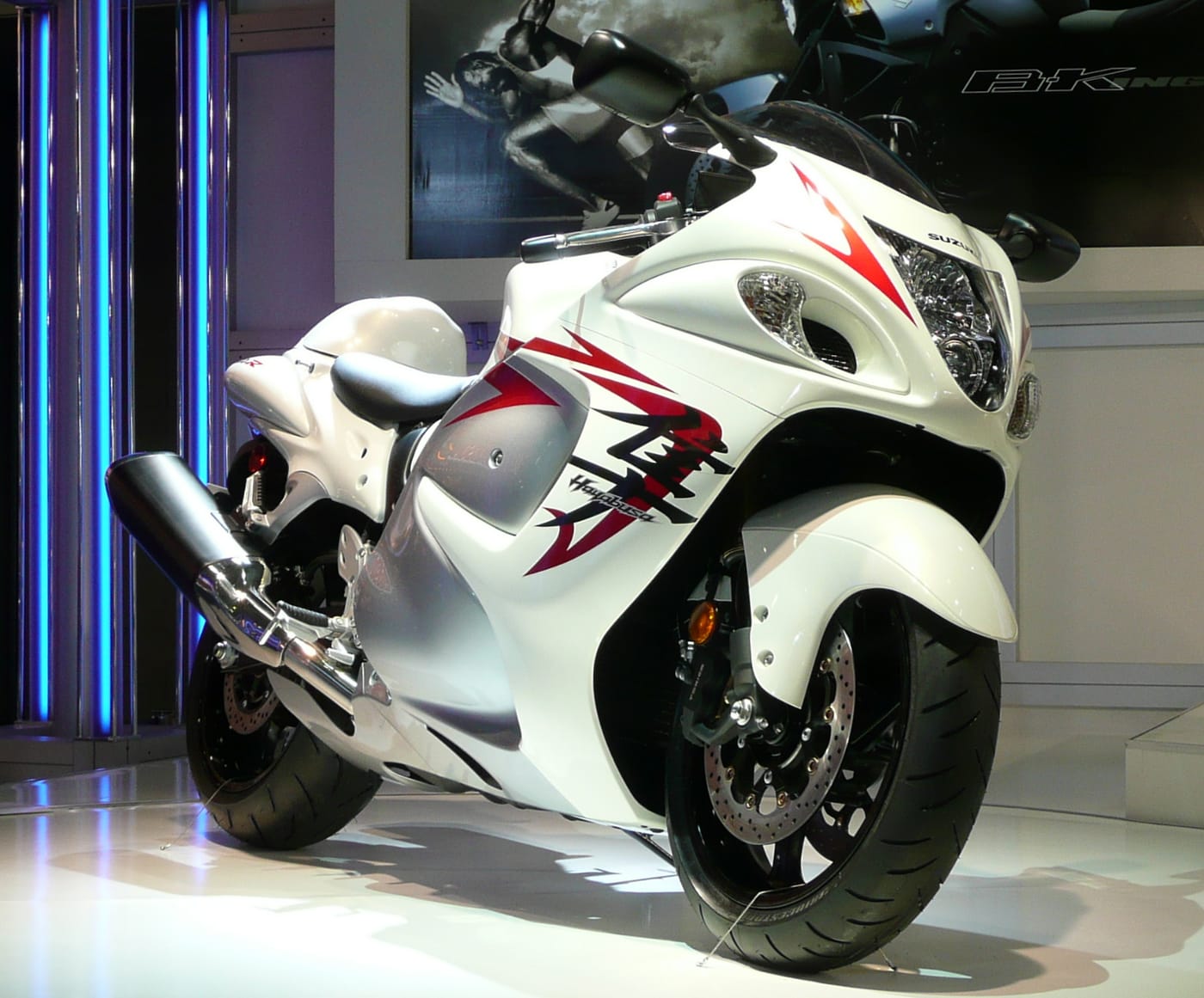
Kawasaki Ninja Zx-10r vs Suzuki Gsx-r1000
Specs · Power · Buyer verdict
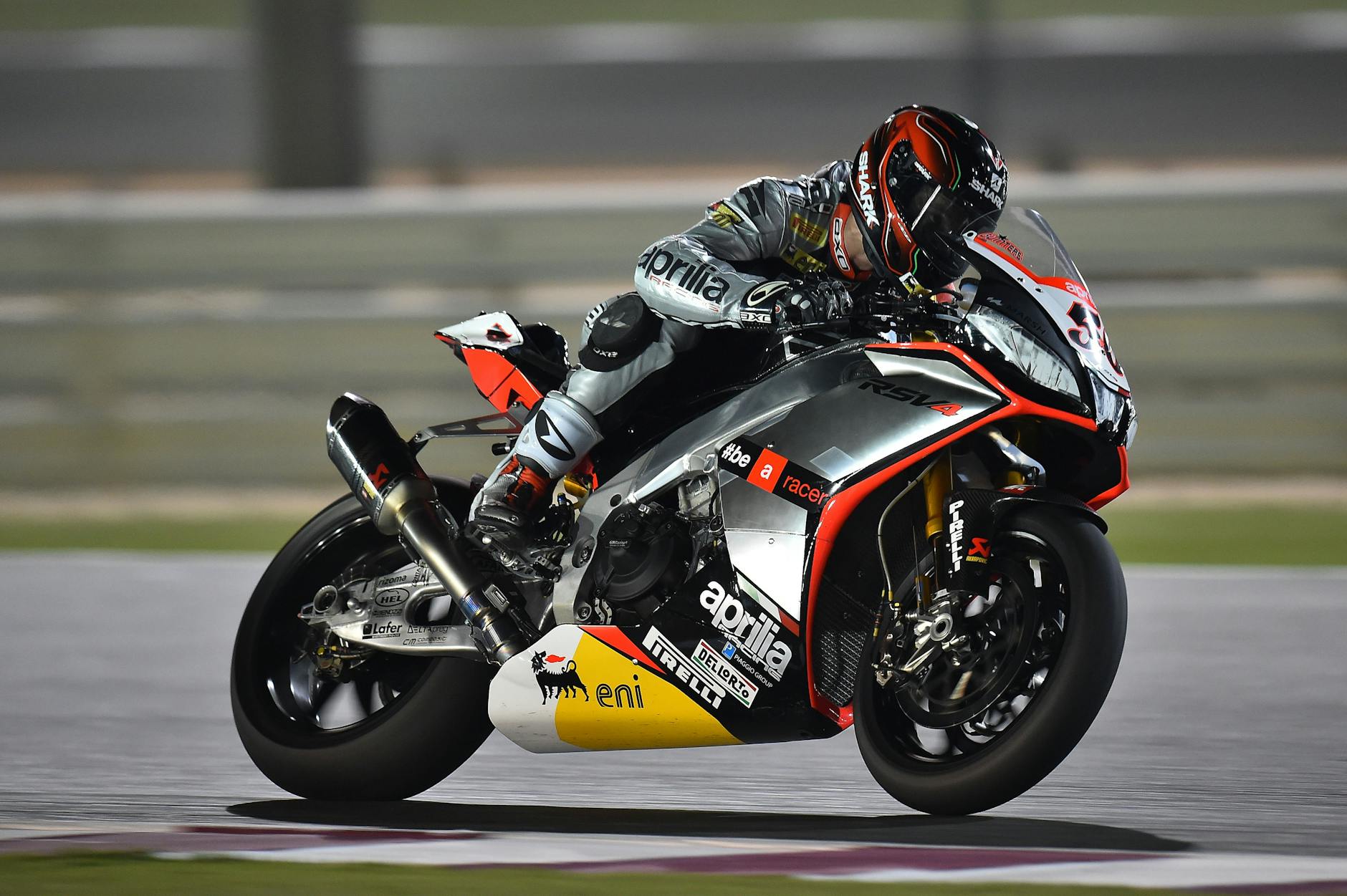
Kawasaki Ninja Zx-10r vs Aprilia Rsv4
Specs · Power · Buyer verdict
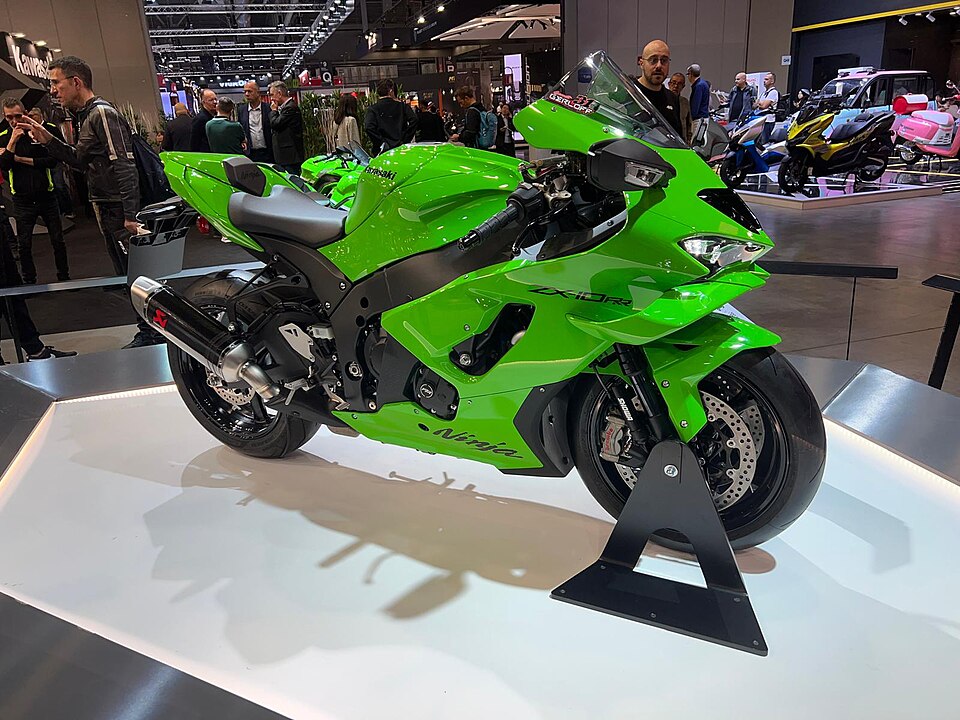
Kawasaki Ninja Zx-10r vs Kawasaki Zx-10rr
Specs · Power · Buyer verdict
More Kawasaki Ninja Zx-10r Guides
More from Kawasaki
View all Kawasaki models →Community Reviews
Discussion
Frequently Asked Questions
What are common problems with the Kawasaki Ninja Zx-10r? +
Cam chain tensioner wear and rattle: Cold start rattle, listen for ticking at idle (serious) | Stator and charging system failure: Battery voltage drop, flickering dash at high RPM (serious) | Throttle body sync and fuel system issues: Rough idle, hesitation, uneven throttle response (moderate)
Is the Kawasaki Ninja Zx-10r a good motorcycle? +
A serious machine that rewards serious riders who do their homework. Rating: 8.5/10. Best for: Experienced riders wanting affordable track-capable superbike. Avoid if: New riders or those skipping pre-purchase inspection.
What is the horsepower of the Kawasaki Ninja Zx-10r? +
The Kawasaki Ninja Zx-10r produces 203 hp @ 13,200 rpm (2021+ model, race-ready trim), with 114.9 Nm @ 11,400 rpm of torque. Top speed: 299 km/h (electronically limited; estimated 310+ km/h unlisted).
Is the Kawasaki Ninja Zx-10r good for beginners? +
Not really — the Kawasaki Ninja Zx-10r is better for experienced riders (203 hp can be intimidating). Experienced riders wanting affordable track-capable superbike Avoid if: New riders or those skipping pre-purchase inspection
Is the Kawasaki Ninja Zx-10r reliable? +
Owners report 3 critical issues to watch for on the Kawasaki Ninja Zx-10r, notably: Cam chain tensioner wear and rattle (Cold start rattle, listen for ticking at idle). Buy with a pre-purchase inspection.
Is the Kawasaki Ninja Zx-10r good for daily use? +
Experienced riders wanting affordable track-capable superbike Fuel: 7.5 L/100km (approximately 13.3 km/L, real-world average).
How fast is the Kawasaki Ninja Zx-10r? +
The Kawasaki Ninja Zx-10r reaches a top speed of 299 km/h (electronically limited; estimated 310+ km/h unlisted), producing 203 hp at 207 kg curb weight. Real-world performance depends on rider weight, gearing, and road conditions.
What gear should I buy for a Kawasaki Ninja Zx-10r? +
Motoryk has curated a Top 10 gear list specifically for the Kawasaki Ninja Zx-10r, covering engine oil, tires, chain, battery, and brake pads — see motoryk.com/bikes/kawasaki/ninja-zx-10r/top10. Each pick is matched to this bike's spec.