Royal Enfield Bullet 350
The Royal Enfield Bullet 350 has a top speed of ~120 km/h, produces 20.2 hp and weighs 191 kg. Motoryk rates it 7/10.
The Royal Enfield Bullet 350 traces its origins to 1931, making it one of the longest-running motorcycle models in production history. It became iconic in India after Royal Enfield established local manufacturing in the 1950s, initially supplying the Indian Army, and has remained a cultural symbol of classic motorcycling across South Asia and beyond. In 2023, Royal Enfield launched a completely redesigned Bullet 350 with a new J-series 349cc engine platform, modernizing the legend while retaining its timeless aesthetic.
20.2 hp
Power
27 Nm
Torque
191 kg
Weight
~120 km/h
Top Speed
~3.0 L/100km or ~33 km/L (typical real-world average, 2023 model)
Fuel
Naked
Body
🔧 Service Schedule & Parts
Affiliate · we may earn| Service item | Every | Typical cost | Parts |
|---|---|---|---|
| 🛢️ Engine oil + oil filter | 5,000 km / 3,000 mi or 6 mo | $30-60 | 🛢️ Buy → ⚙️ Buy → |
| 🌬️ Air filter | 10,000 km / 6,000 mi | — | 🌬️ Buy → |
| ⚡ Spark plugs | 10,000 km / 6,000 mi | — | ⚡ Buy → |
| 🔧 Valve clearance check | 20,000 km / 12,500 mi | $150-300 | |
| 🔗 Chain & sprockets | 20000-35000 km (replace) | $100-250 | 🔗 Buy → |
| 🛑 Brake pads | 15000-25000 km | $25-50 | 🛑 Buy → |
| 💧 Brake fluid | 24,000 km / 15,000 mi or 2 yr | — | |
| 🛞 Tires | 15000-25000 km | $150-300 | 🛞 Buy → |
| 🔩 Major service | 20,000 km / 12,500 mi | $200-500 |
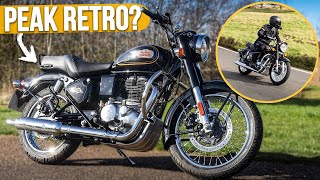
Video Review
What Buyers Should Know
Simple, Repairable Engine
The Bullet 350 uses a straightforward single-cylinder engine with minimal electronics, making it easy and cheap to repair at almost any local mechanic. Parts are widely available and affordable across India and many global markets.
Watch for Oil Leaks
Older Bullet 350 models are known for oil seepage around the engine gaskets and push rods — a common issue buyers should inspect before purchasing. Regular gasket checks and timely replacements keep this problem manageable.
Strong Resale Value
The Bullet 350 holds its resale value exceptionally well due to its iconic status and loyal fanbase, often retaining 60-70% of its value after 3 years. A well-maintained example is rarely hard to sell.
Generations & Specs by Year
Indian assembly began under Madras Motors license; unit-construction engine, 346cc OHV single, cast-iron barrel.
"Thumping soul, but bring your spanner everywhere."
The Madras-built Bullet has a character no modern machine can fake — that long-stroke OHV single fires up with a chest-deep thump that you feel in your boots, and at 50–70 km/h it settles into a mechanical rhythm that makes you forget the road entirely. Cast-iron barrel runs hot in traffic and the gearshift is a vague, clunky affair that rewards patience over aggression. I've done 400-kilometre days on one and arrived stiff but deeply satisfied; I've also pushed it three kilometres to a village mechanic because a primary chain tensioner decided to quit at the worst moment. It's a bike that demands a relationship, not just a commute.
Pros
Cons
Continued cast-iron engine production; minor refinements to cycle parts, brakes, and electrical systems under Enfield India.
"Cast-iron thumper with soul, but not for the impatient."
I ran a '68 Bullet through two monsoon seasons and about 18,000 kilometres of Rajasthani highway — it never once felt modern, and that's entirely the point. The 346cc cast-iron single fires with a deliberate, bone-deep thump that no rubber-mounted engine has ever replicated; at 3,500 rpm on a long straight you feel the torque pulse through the pegs like a slow heartbeat. But the Enfield India refinements of this era were more wishful thinking than engineering — the electrics corroded predictably, the drum brakes faded badly on descents, and the gearbox required a deliberate, almost ceremonial boot to find neutral. You learned its rhythms or you suffered; once I learned them, I genuinely didn't want to ride anything else on open roads.
Pros
Cons
Magneto ignition replaced by alternator; minor frame and suspension updates; continued traditional toolroom-built construction.
"Honest, stubborn iron that rewards patience over speed."
The alternator swap quieted the electrical gremlins that plagued earlier magneto bikes, but don't kid yourself — this is still a machine that demands a relationship, not just a key turn. That long-stroke 346cc thumper pulls with a lazy, authoritative torque from around 2,500 rpm, and on an open highway at 80–90 km/h it just settles into its own rhythm, cast-iron barrel ticking as it warms up properly. The frame updates are subtle enough that you'd never notice them on a test ride, but after 10,000 kilometres the slightly improved rigidity means less wandering on broken tarmac. What I can't forgive is the gearbox — four speeds, vague neutral finding, and a lever that communicates almost nothing; you learn to live with it, but you never love it.
Pros
Cons
12-volt electrical system introduced; cosmetic updates; engine internals slightly refined for improved reliability.
"Character-rich relic that rewards patience over speed."
The 12-volt swap was genuinely overdue — my '89 Bullet finally ran lights that didn't flicker like a dying candle, and the battery held charge through a Rajasthan winter without drama. That 346cc thumper still shakes your fillings loose below 2,500 rpm, but find the sweet spot around 3,500 and there's a genuine, unhurried authority to the torque that no Japanese twin can fake. At 174 kg it's no lightweight, and the cast-iron engine still weeps oil from the pushrod tube seals with almost seasonal regularity — budget for gaskets the way you budget for fuel. Honest truth: this isn't a motorcycle you ride for performance, it's one you ride for the sensation of riding itself, and on that terms the Gen 4 Bullet mostly delivers.
Pros
Cons
Alloy cylinder head introduced replacing cast-iron head; improved heat dissipation and slightly better performance and reliability.
"Cast-iron soul, alloy head, same stubborn character."
The alloy head was a genuine improvement — my '99 Bullet ran cooler in Delhi summers than my mate's older iron-head ever managed, and the oil consumption dropped to merely annoying rather than alarming. That long-stroke single still thumps at idle like someone knocking on a door, and pulling away in fourth at 40 km/h with barely a fuss remains one of motorcycling's quiet pleasures. But let's be honest: 18 horses moving 186 kilos means any hill steeper than a highway overpass has you hunting second gear, and the electrics — Lucas-era thinking dressed in slightly newer clothes — will strand you at least once a year if you're riding regularly. Owning one is a commitment to a relationship, not a transaction.
Pros
Cons
Unit Construction Engine (UCE) platform introduced; modern internals, improved oil tightness, electric start, new frame architecture.
All-new J-platform with twin downtube frame, new 349cc engine, modern ergonomics, improved refinement and fuel injection.
Used Buyer Review
"Buy one with your heart, inspect it with cold ruthless logic."
$2,500-$5,500 usedThe Bullet 350 is one of those bikes that either gets you immediately or leaves you completely cold. It's slow, it vibrates, and the electrics on older models are genuinely awful — but somehow none of that matters once you're rolling through town at 50mph with that distinctive thump rattling your bones. It's not a motorcycle, it's a mood. If you're buying used, stick to 2020 onwards when Royal Enfield finally sorted the fuel injection and improved build quality meaningfully. Pre-2019 carbed bikes are cheap for a reason. Check the fork seals obsessively — they weep on half the used examples you'll find. Electrical connectors corrode badly in wet climates, so bring a multimeter or find a mechanically-savvy friend. The good news is parts are cheap, mechanics aren't scared of them, and a well-maintained example will genuinely run forever. These things are practically indestructible once the early gremlins are addressed.
Variants of the Royal Enfield Bullet 350
Same bike, different trim or year-range — pick the one matching the listing.
Top 10 Accessories
Curated picks for the Royal Enfield Bullet 350 — owned, ridden, recommended.


Common Problems
🔥 1 CRITICALListen for rattling sound on cold start at idle
Inspect around rocker box and engine base for seepage
Test all lights, horn, and check for burnt wire smell
Look for oil stains on fork tubes, test brake feel
✅Pre-Purchase Checklist
Reliable but needs regular maintenance and attention
Full Specifications
Rivals & Alternatives
Bikes that buyers cross-shop with the Royal Enfield Bullet 350
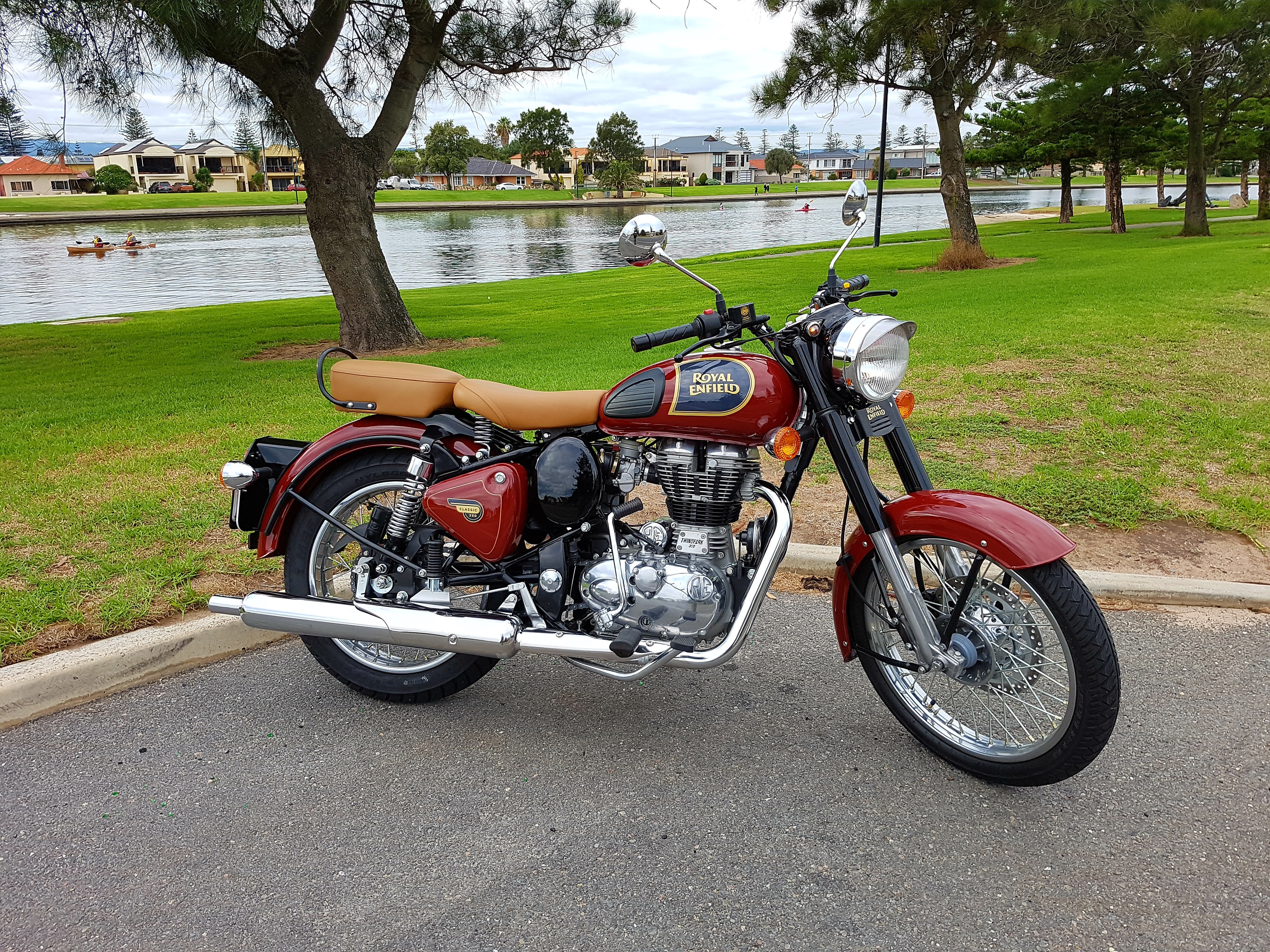
Royal Enfield Classic 350

Royal Enfield Bullet 350 Es

Royal Enfield Standard 350
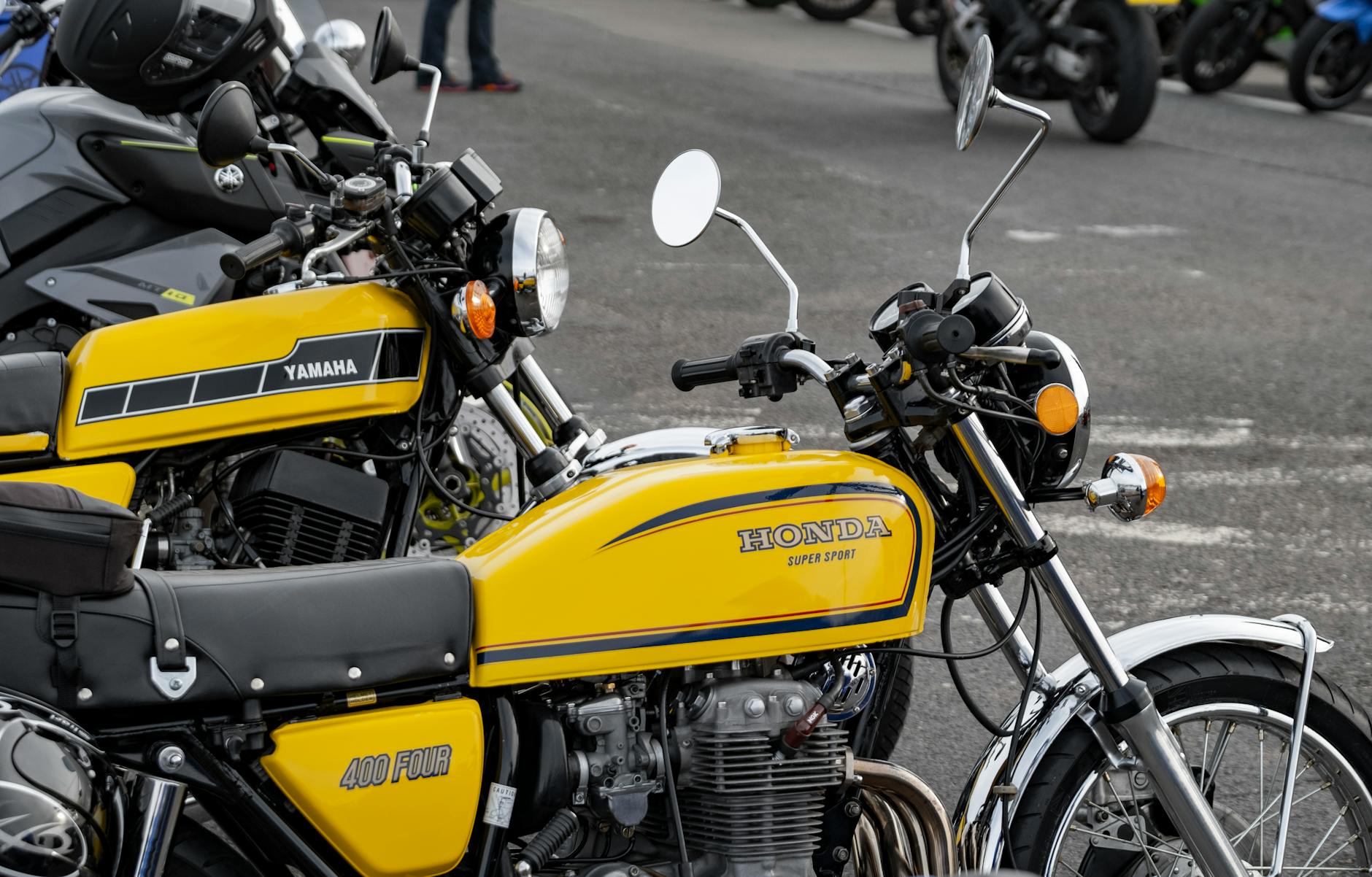
Honda Cb350h'ness

Royal Enfield Electra 350
Compare Royal Enfield Bullet 350 Side-by-Side
compare_arrowsSpecs, power, weight & buyer verdict — head-to-head with the bikes most often cross-shopped.
Royal Enfield Bullet 350 vs Royal Enfield Classic 350
Specs · Power · Buyer verdict
Royal Enfield Bullet 350 vs Royal Enfield Bullet 350 Es
Specs · Power · Buyer verdict
Royal Enfield Bullet 350 vs Royal Enfield Standard 350
Specs · Power · Buyer verdict
Royal Enfield Bullet 350 vs Honda Cb350h'ness
Specs · Power · Buyer verdict
Royal Enfield Bullet 350 vs Royal Enfield Electra 350
Specs · Power · Buyer verdict
More Royal Enfield Bullet 350 Guides
More from Royal Enfield
View all Royal Enfield models →Community Reviews
Discussion
Frequently Asked Questions
What are common problems with the Royal Enfield Bullet 350? +
Primary chain stretch and noise: Listen for rattling sound on cold start at idle (moderate) | Oil leaks from head and gaskets: Inspect around rocker box and engine base for seepage (moderate) | Electrical issues, poor wiring quality: Test all lights, horn, and check for burnt wire smell (serious)
Is the Royal Enfield Bullet 350 a good motorcycle? +
Buy one with your heart, inspect it with cold ruthless logic. Rating: 7.0/10. Best for: Relaxed urban riders wanting character over performance. Avoid if: You commute highways or hate vintage-style quirks.
What is the horsepower of the Royal Enfield Bullet 350? +
The Royal Enfield Bullet 350 produces 20.2 hp @ 6,100 rpm, with 27 Nm @ 4,000 rpm of torque. Top speed: ~120 km/h.
Is the Royal Enfield Bullet 350 good for beginners? +
Yes — the Royal Enfield Bullet 350 is a reasonable choice for new riders (20.2 hp is manageable), weighing 191 kg. Relaxed urban riders wanting character over performance
Is the Royal Enfield Bullet 350 reliable? +
Owners report 1 critical issue to watch for on the Royal Enfield Bullet 350, notably: Electrical issues, poor wiring quality (Test all lights, horn, and check for burnt wire smell). Buy with a pre-purchase inspection.
Is the Royal Enfield Bullet 350 good for daily use? +
Relaxed urban riders wanting character over performance Fuel: ~3.0 L/100km or ~33 km/L (typical real-world average, 2023 model).
How fast is the Royal Enfield Bullet 350? +
The Royal Enfield Bullet 350 reaches a top speed of ~120 km/h, producing 20.2 hp at 191 kg curb weight. Real-world performance depends on rider weight, gearing, and road conditions.
What gear should I buy for a Royal Enfield Bullet 350? +
Motoryk has curated a Top 10 gear list specifically for the Royal Enfield Bullet 350, covering engine oil, tires, chain, battery, and brake pads — see motoryk.com/bikes/royal-enfield/bullet-350/top10. Each pick is matched to this bike's spec.