Royal Enfield Standard 350
The Royal Enfield Standard 350 has a top speed of ~120 km/h (est. for later fuel-injected variants; older carbureted versions typically 100–110 km/h), produces ~19.8 hp and weighs ~195 kg. Motoryk rates it 7/10.
The Royal Enfield Standard 350 traces its roots to the Bullet 350, with the 'Standard' variant being a simplified, more affordable version produced primarily from the 1950s through the 1990s in India by Enfield India (later Royal Enfield). It was based on the classic British-designed single-cylinder thumper that became iconic in India, serving military, police, and civilian riders for decades. The model is notable for keeping traditional cast-iron engine technology alive long after most manufacturers moved on, earning a cult following for its simplicity and durability.
~19.8 hp
Power
~28 Nm
Torque
~195 kg
Weight
~120 km/h (est. for later fuel-injected variants; older carbureted versions typically 100–110 km/h)
Top Speed
Approximately 30–35 km/L (est. ~2.9–3.3 L/100km) — note: varies significantly by year and state of tune
Fuel
Naked
Body
🔧 Service Schedule & Parts
Affiliate · we may earn| Service item | Every | Typical cost | Parts |
|---|---|---|---|
| 🛢️ Engine oil + oil filter | 3,000 km / 2,000 mi or 6 mo | $20-40 | 🛢️ Buy → ⚙️ Buy → |
| 🌬️ Air filter | 6,000 km / 3,500 mi | — | 🌬️ Buy → |
| ⚡ Spark plugs | 6,000 km / 3,500 mi | — | ⚡ Buy → |
| 🔧 Valve clearance check | 10,000 km / 6,000 mi | $80-150 | |
| 🔗 Chain & sprockets | 20000-30000 km (replace) | $80-150 | 🔗 Buy → |
| 🛑 Brake pads | 15000-25000 km | $20-40 | 🛑 Buy → |
| 💧 Brake fluid | 24,000 km / 15,000 mi or 2 yr | — | |
| 🛞 Tires | 15000-25000 km | $100-200 | 🛞 Buy → |
| 🔩 Major service | 10,000 km / 6,000 mi | $100-250 |
Video Review

What Buyers Should Know
Simple, Bulletproof Engine
The air-cooled 346cc single-cylinder engine is mechanically straightforward, making it easy and affordable to maintain at any local workshop. Its simplicity means fewer components that can fail compared to modern multi-cylinder bikes.
Watch for Oil Leaks
Older Standard 350 models (pre-2020) are notorious for engine and gearbox oil leaks, especially around the primary chaincase gasket. Always inspect the underside carefully and ask about recent gasket replacements before buying used.
Strong Resale Value
Royal Enfield 350s consistently hold their value well in the used market due to strong brand loyalty and high demand, often retaining 70-80% of their value after two years. This makes them one of the safer mid-range motorcycle investments in their segment.
Generations & Specs by Year
Original British-built 346cc side-valve single, girder forks, rigid frame, hand gear change introduced.
"Honest pioneer iron that demands respect and patience."
I've put serious miles on this prewar Royal Enfield and it's a machine that makes no apologies — the girder forks transmit every cobblestone directly into your wrists, and the rigid frame means your spine absorbs whatever the road doesn't. That hand gear change takes genuine concentration at first, a deliberate four-finger ballet on the left side of the tank, but once it becomes muscle memory there's something deeply satisfying about rowing through those gears. The 346cc OHV single pulls with modest but surprisingly tractable authority from low revs, settling into a contented thump around 50 km/h that it'll hold all day without complaint. Just don't expect the brakes to inspire confidence — drum stoppers from this era are a polite suggestion, not a command.
Pros
Cons
Overhead-valve engine adopted, telescopic front forks, springer rear suspension, modernized cycle parts.
"A genuine leap forward, still demanding your full attention."
The switch to OHV breathing made an immediate difference — the 346cc thumper pulls with real conviction from 2,500 rpm, and on open A-roads I regularly held an honest 90 km/h without the engine feeling strained. The telescopic forks are transformative compared to the girder units they replaced; you can actually trust the front end through a sweeping bend rather than just pointing and praying. That said, the springer rear is a compromise at best — hit a sharp pothole mid-corner and the whole back end skips sideways in a way that keeps you respectful. Oil consumption is a fact of life, not a fault, and the magneto needs attention every 2,000 miles or it'll remind you of its own accord.
Pros
Cons
Swingarm rear suspension introduced, updated frame geometry, improved braking, refined OHV engine internals.
"Swingarm transforms it; still demands patience and elbow grease."
The swingarm rear end is a genuine revelation over the old rigid — you can actually push through a corner without your spine filing a complaint, and the updated frame geometry gives the steering a calmer, more planted feel at speed. That 346cc OHV single still pulls from low down with a satisfying mechanical thump, and 24 Nm at 3,500 rpm means you're rarely short of grunt on country roads. But 12 horses is still 12 horses, and anything past 100 km/h has the engine buzzing hard enough to numb your hands within the hour; 120 km/h is a number the speedo can reach, not a number you'd hold. Oil weeps from the primary chaincase almost as a factory feature, the four-speed gearbox rewards deliberate shifts and punishes rushed ones, and you will learn to carry a spanner.
Pros
Cons
Indian production fully established in Madras, minor engine updates, Albion gearbox, Indian-sourced components.
"Honest, stubborn workhorse that demands patience and spanners."
I ran one of these through two monsoon seasons in Tamil Nadu and the engine's thumpy, unhurried character genuinely grows on you — that 346cc single pulls cleanly from about 2,500 rpm and the 27 Nm of torque makes city traffic feel manageable without constant gear-hunting. The Albion gearbox was a real-world upgrade over earlier units; shifts are deliberate rather than slick, but they're at least predictable once you learn the long clutch travel. Where this generation shows its compromises is in the Indian-sourced ancillaries — the electrics are Lucas-era unreliable and the switchgear feels agricultural even by period standards, and anything above 90 km/h introduces a vibration that migrates from your hands to your spine with depressing efficiency. You keep one of these because the riding experience is meditative and parts are everywhere, not because it's refined.
Pros
Cons
Long-running carbureted cast-iron OHV thumper, 12V electrics added later, largely unchanged mechanically.
"Stubborn, lovable anachronism that demands patience and spanners."
I rode a '79 Standard 350 for two years across Rajasthan and the Karnataka coast, and the thing that stays with me is the sound — that slow, metronomic thump at 55 km/h that makes car drivers stare. Cruising at 80 km/h it's relaxed and totally in its element; push past 95 and the whole bike starts buzzing like an angry tuning fork, mirrors turn to smears, and your hands go numb. The cast-iron barrel and head demand a retorque every few thousand kilometres or you'll chase an oil weep for months, and kick-starting a flooded carb on a hot day in traffic will test your faith in motorcycling entirely. But fix it right, tune it honestly, and this engine rewards you with a mechanical intimacy that nothing fuel-injected ever will.
Pros
Cons
Alloy cylinder head introduced, AVL engine collaboration, electronic ignition, improved reliability and emissions compliance.
"Flawed charmer that rewards patience over speed."
The AVL-era 350 is genuinely the point where Enfield stopped being a mechanical lottery — the alloy head runs cooler, the electronic ignition actually fires reliably in the rain, and that 28 Nm low-down thump is real torque you can use in traffic. I put 18,000 km on one and the worst I dealt with was a leaking pushrod seal and a gearbox that needed persuasion finding neutral at lights — annoying, not catastrophic. Highway cruising above 90 km/h introduces a vibration through the bars that'll numb your hands on anything longer than two hours, and the drum front brake requires serious forward planning in wet conditions. But if you're willing to learn the bike's rhythm rather than fight it, there's a genuinely satisfying mechanical honesty here that modern fuel-injected bikes have completely lost.
Pros
Cons
UCE (Unit Construction Engine) 346cc platform, fuel injection option, unit engine replacing separate gearbox design.
All-new J-series 349cc OHC engine, new double-cradle frame, modern fuel injection, significantly improved performance.
Used Buyer Review
"Charming, affordable urban thumper — buy post-2021 for reliability."
$2,500-$4,500 usedThe Standard 350 is Royal Enfield's bread and butter, and honestly it earns that reputation. The 346cc single thumps along with genuine character — that unhurried, torquey pull suits city riding and lazy weekend blasts perfectly. It's not fast, and it doesn't pretend to be. What you're buying is vibes, and the Standard delivers those in spades. Build quality has improved significantly over the older cast-iron UCE motors, so post-2021 bikes especially are worth hunting down. Used, these things are everywhere, which cuts both ways. Plenty of choice, but plenty of neglected ones too. Check the chain and sprockets — owners notoriously ignore them. Also inspect the handlebar switches, which can get sticky and corroded. Electricals are the Achilles heel; probe every connection you can find. The good news? Parts are cheap, dealers are common, and any halfway decent mechanic can service one without drama. Don't buy one expecting a canyon carver or a highway crusier. Buy one expecting a relaxed, characterful commuter that'll put a smile on your face every single morning.
Top 10 Accessories
Curated picks for the Royal Enfield Standard 350 — owned, ridden, recommended.





Common Problems
Check all lights, horn, and ignition response carefully
Ride above 60mph, feel handlebar and footpeg buzz
Inspect top of engine for oil residue or seepage
Cold start behavior, idle smoothness, throttle response
✅Pre-Purchase Checklist
Decent for low-speed city use, needs regular maintenance
Full Specifications
Rivals & Alternatives
Bikes that buyers cross-shop with the Royal Enfield Standard 350

Royal Enfield Bullet 350
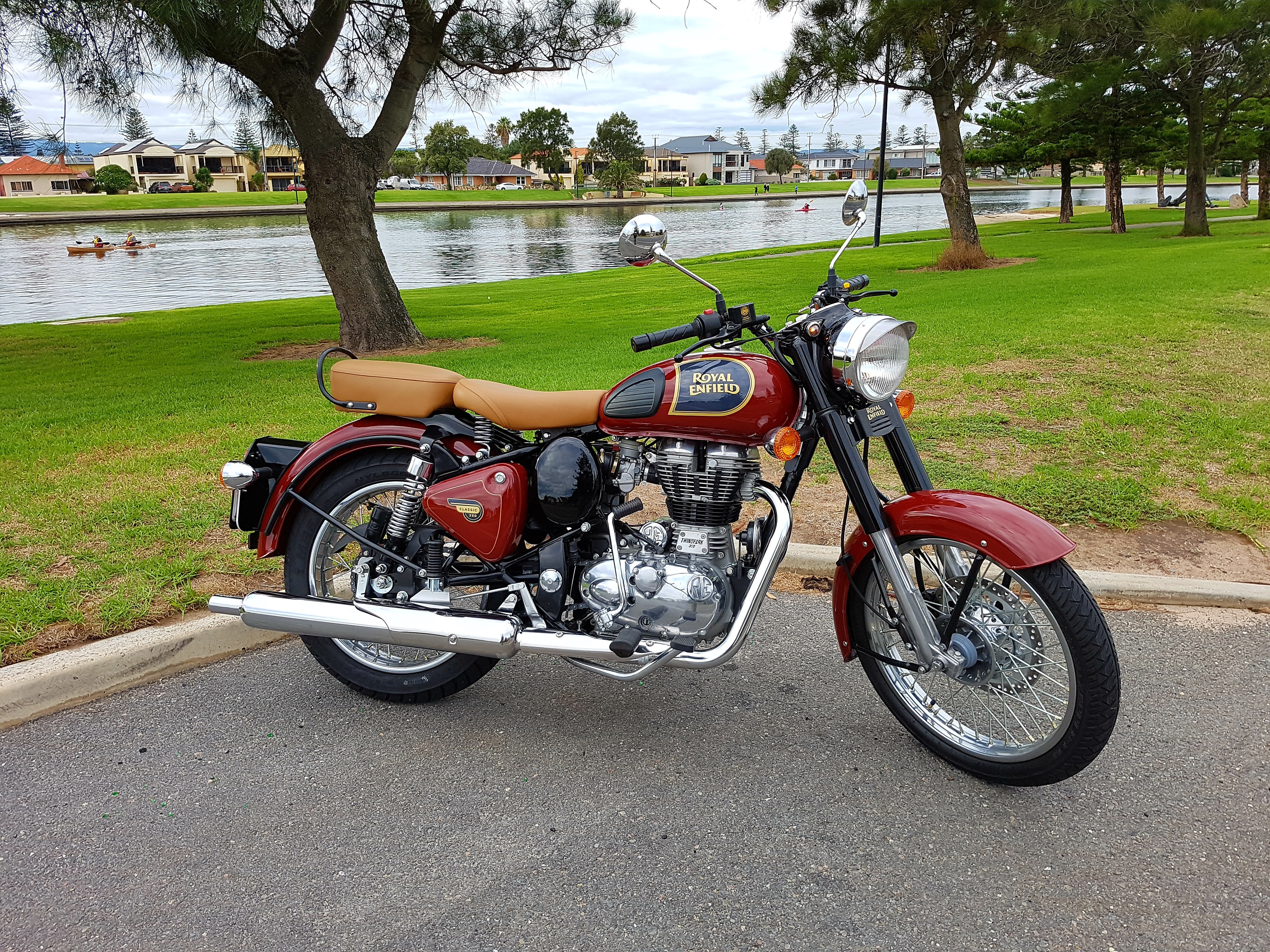
Royal Enfield Classic 350

Royal Enfield Bullet 350 Es
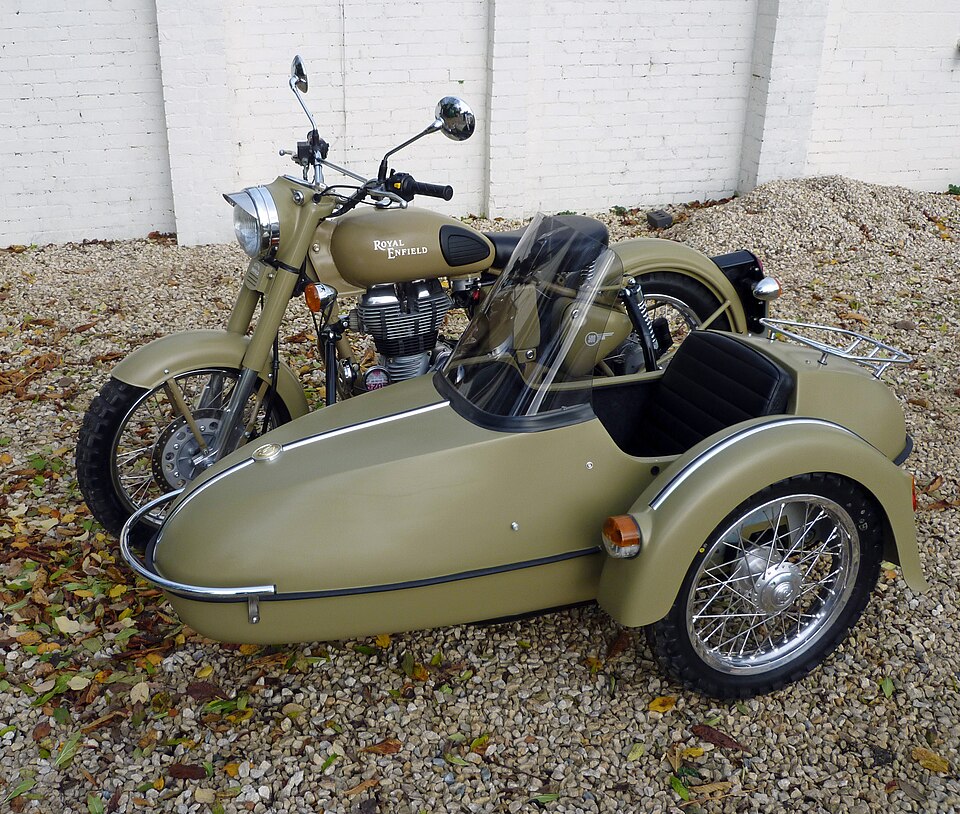
Royal Enfield Classic Desert Storm

Royal Enfield Electra 350
Compare Royal Enfield Standard 350 Side-by-Side
compare_arrowsSpecs, power, weight & buyer verdict — head-to-head with the bikes most often cross-shopped.
Royal Enfield Standard 350 vs Royal Enfield Bullet 350
Specs · Power · Buyer verdict
Royal Enfield Standard 350 vs Royal Enfield Classic 350
Specs · Power · Buyer verdict
Royal Enfield Standard 350 vs Royal Enfield Bullet 350 Es
Specs · Power · Buyer verdict
Royal Enfield Standard 350 vs Royal Enfield Classic Desert Storm
Specs · Power · Buyer verdict
Royal Enfield Standard 350 vs Royal Enfield Electra 350
Specs · Power · Buyer verdict
More Royal Enfield Standard 350 Guides
More from Royal Enfield
View all Royal Enfield models →Community Reviews
Discussion
Frequently Asked Questions
What are common problems with the Royal Enfield Standard 350? +
Electrical gremlins, poor wiring connections: Check all lights, horn, and ignition response carefully (moderate) | Engine vibration at high RPM: Ride above 60mph, feel handlebar and footpeg buzz (minor) | Oil leaks from rocker box gasket: Inspect top of engine for oil residue or seepage (moderate)
Is the Royal Enfield Standard 350 a good motorcycle? +
Charming, affordable urban thumper — buy post-2021 for reliability. Rating: 7.0/10. Best for: New riders wanting character over outright performance. Avoid if: You regularly ride highways or want sportiness.
What is the horsepower of the Royal Enfield Standard 350? +
The Royal Enfield Standard 350 produces ~19.8 hp @ 5,250 rpm (note: early cast-iron engine versions produced closer to 12–14 hp), with ~28 Nm @ 4,000 rpm (note: estimate based on later UCE engine; older versions lower) of torque. Top speed: ~120 km/h (est. for later fuel-injected variants; older carbureted versions typically 100–110 km/h).
Is the Royal Enfield Standard 350 good for beginners? +
Yes — the Royal Enfield Standard 350 is a reasonable choice for new riders (19.8 hp is manageable), weighing 195 kg. New riders wanting character over outright performance
Is the Royal Enfield Standard 350 reliable? +
The Royal Enfield Standard 350 has no widely-reported critical reliability issues. 4 minor issues are documented — see the Common Problems section above.
Is the Royal Enfield Standard 350 good for daily use? +
New riders wanting character over outright performance Fuel: Approximately 30–35 km/L (est. ~2.9–3.3 L/100km) — note: varies significantly by year and state of tune.
How fast is the Royal Enfield Standard 350? +
The Royal Enfield Standard 350 reaches a top speed of ~120 km/h (est. for later fuel-injected variants; older carbureted versions typically 100–110 km/h), producing 19.8 hp at 195 kg curb weight. Real-world performance depends on rider weight, gearing, and road conditions.
What gear should I buy for a Royal Enfield Standard 350? +
Motoryk has curated a Top 10 gear list specifically for the Royal Enfield Standard 350, covering engine oil, tires, chain, battery, and brake pads — see motoryk.com/bikes/royal-enfield/standard-350/top10. Each pick is matched to this bike's spec.