Kawasaki Voyager 1700
The Kawasaki Voyager 1700 has a top speed of 185 km/h (estimated, limited by touring ergonomics and gearing), produces 74 hp and weighs 393 kg. Motoryk rates it 7.8/10.
The Kawasaki Voyager 1700 (VN1700A) was introduced in 2009 as a flagship touring motorcycle, replacing the earlier Voyager XII. Built on the Vulcan 1700 platform, it featured a fuel-injected 1,700cc V-twin engine and came loaded with touring amenities including a large fairing, integrated luggage, and an audio system. It distinguished itself as a direct competitor to the Honda Gold Wing and Yamaha Royal Star Venture, offering a more traditional V-twin cruiser touring experience.
74 hp
Power
133 Nm
Torque
393 kg
Weight
185 km/h (estimated, limited by touring ergonomics and gearing)
Top Speed
6.5 L/100km (approximately 15.4 km/L) — estimated real-world average
Fuel
Faired
Body
🔧 Service Schedule & Parts
Affiliate · we may earn| Service item | Every | Typical cost | Parts |
|---|---|---|---|
| 🛢️ Engine oil + oil filter | 6,000 km / 3,500 mi or 12 mo | $40-80 | 🛢️ Buy → ⚙️ Buy → |
| 🌬️ Air filter | 12,000 km / 7,500 mi | — | 🌬️ Buy → |
| ⚡ Spark plugs | 16,000 km / 10,000 mi | — | ⚡ Buy → |
| 🔧 Valve clearance check | 24,000 km / 15,000 mi | $250-500 | |
| 🛑 Brake pads | 15000-30000 km | $40-80 | 🛑 Buy → |
| 💧 Brake fluid | 24,000 km / 15,000 mi or 2 yr | — | |
| 🧊 Coolant | 24,000 km / 15,000 mi | — | |
| 🛞 Tires | 15000-25000 km | $300-500 | 🛞 Buy → |
| 🔩 Major service | 24,000 km / 15,000 mi | $400-700 |
Video Review
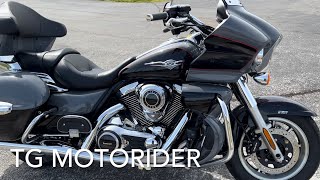
What Buyers Should Know
Smooth Shaft Drive
The Voyager 1700 uses a maintenance-free shaft drive system, eliminating chain or belt adjustments and reducing long-term ownership costs significantly.
Watch the Floorboards
Some owners report floorboard and footrest hardware loosening over time due to vibration — inspect mounting bolts closely on any used example before buying.
Strong Resale Value
The Voyager 1700 holds its value reasonably well compared to competitors, largely due to Kawasaki's reputation for reliability and the bike's lower production volume keeping demand steady.
Generations & Specs by Year
Introduced 1700cc parallel-twin, shaft drive, hard saddlebags, fairing with audio system and cruise control.
Revised bodywork, updated electronics, improved fuel injection mapping, refined suspension tuning, minor ergonomic adjustments.
Used Buyer Review
"A seriously capable tourer that smart riders buy instead of the hype."
$7,000-$12,000 usedThe Voyager 1700 is Kawasaki's answer to the touring wars, and honestly it's a capable machine that gets overlooked because it doesn't wear a Wing or Bagger badge. The 1700cc V-twin pulls hard from low revs, the shaft drive means zero maintenance headaches, and the fairing actually works at highway speeds. It's a proper long-haul tool without the premium price tag of its rivals. Used examples are generally solid, but inspect the electronics carefully — the earlier infotainment systems were temperamental, and replacing them hurts. Check for hard luggage latch wear, inspect the floorboard linkages for slop, and look for oil seepage around the valve covers. High-mileage examples above 40k need a careful look at the final drive. Tire sizes are oddball expensive, so budget accordingly. What you're getting is a genuinely comfortable, underrated touring bike that owners tend to actually ride hard rather than garage-queen. Parts availability is decent, dealer support is reasonable, and the resale floor means you won't get burned buying used.
Variants of the Kawasaki Voyager 1700
Same bike, different trim or year-range — pick the one matching the listing.
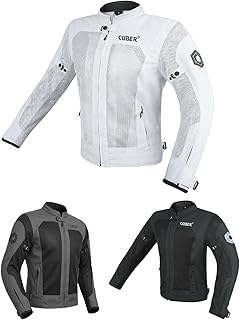
Top 10 Accessories
Curated picks for the Kawasaki Voyager 1700 — owned, ridden, recommended.




Common Problems
🔥 1 CRITICALLook for oil weeping around rear drive housing
Rough idle, hesitation, uneven throttle response at low RPM
Rattle sounds, check all mounting bolts and brackets
Listen for grinding or slipping noise during startup
✅Pre-Purchase Checklist
Solid tourer, maintain regularly, avoid neglected examples
Full Specifications
Rivals & Alternatives
Bikes that buyers cross-shop with the Kawasaki Voyager 1700
Yamaha Star Venture 1900
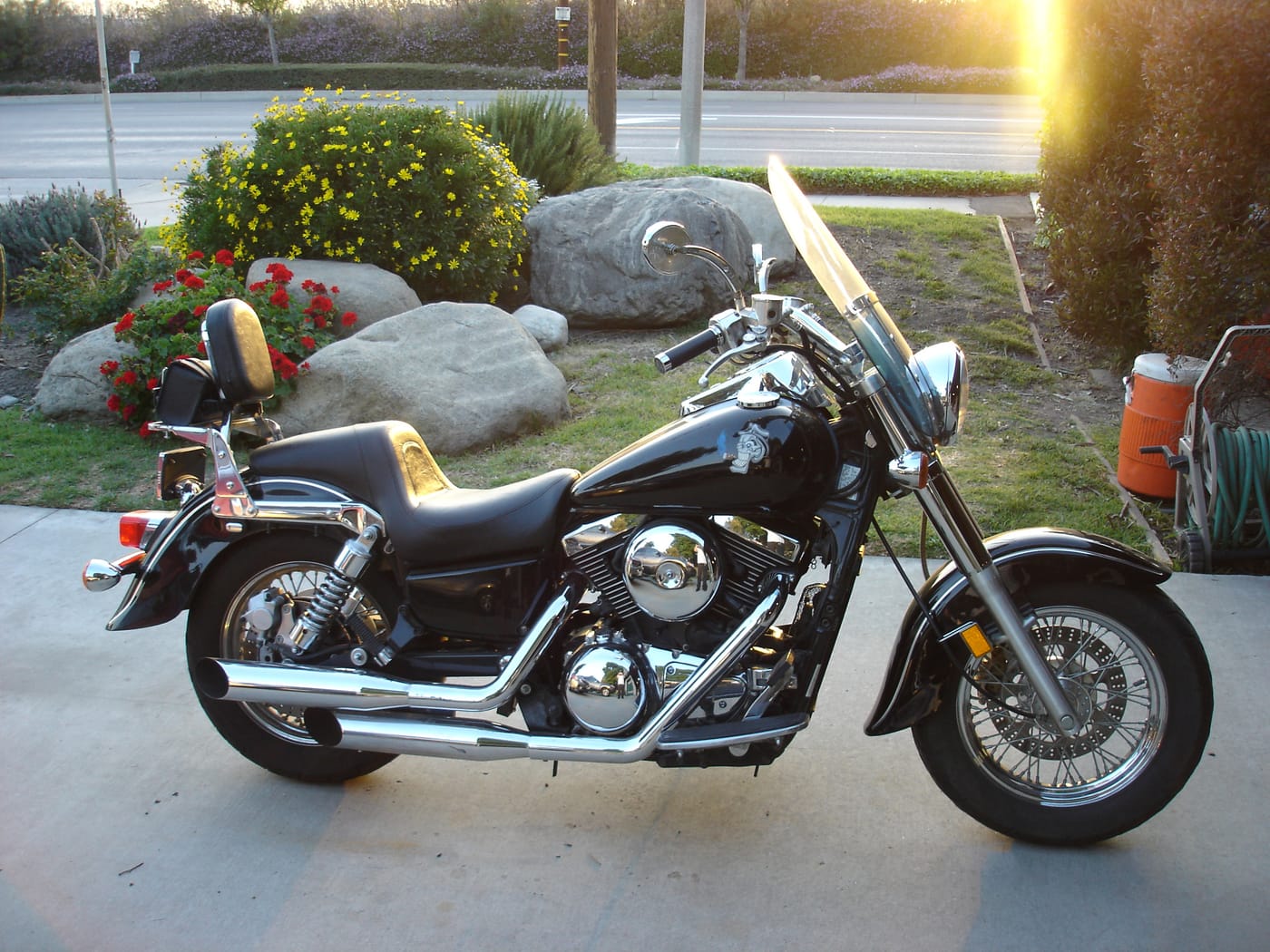
Kawasaki Vulcan 1700 Voyager
Moto Guzzi California 1400

Indian Roadmaster

Indian Springfield
Compare Kawasaki Voyager 1700 Side-by-Side
compare_arrowsSpecs, power, weight & buyer verdict — head-to-head with the bikes most often cross-shopped.
Kawasaki Voyager 1700 vs Yamaha Star Venture 1900
Specs · Power · Buyer verdict
Kawasaki Voyager 1700 vs Kawasaki Vulcan 1700 Voyager
Specs · Power · Buyer verdict
Kawasaki Voyager 1700 vs Moto Guzzi California 1400
Specs · Power · Buyer verdict
Kawasaki Voyager 1700 vs Indian Roadmaster
Specs · Power · Buyer verdict
Kawasaki Voyager 1700 vs Indian Springfield
Specs · Power · Buyer verdict
More Kawasaki Voyager 1700 Guides
More from Kawasaki
View all Kawasaki models →Community Reviews
Discussion
Frequently Asked Questions
What are common problems with the Kawasaki Voyager 1700? +
Final drive shaft seal leaks oil: Look for oil weeping around rear drive housing (moderate) | Fuel injection throttle body sync issues: Rough idle, hesitation, uneven throttle response at low RPM (moderate) | Fairing and hard bag hardware loosens: Rattle sounds, check all mounting bolts and brackets (minor)
Is the Kawasaki Voyager 1700 a good motorcycle? +
A seriously capable tourer that smart riders buy instead of the hype. Rating: 7.8/10. Best for: Budget-conscious riders wanting serious touring capability. Avoid if: You want brand prestige or light handling.
What is the horsepower of the Kawasaki Voyager 1700? +
The Kawasaki Voyager 1700 produces 74 hp @ 4,800 rpm, with 133 Nm @ 2,750 rpm of torque. Top speed: 185 km/h (estimated, limited by touring ergonomics and gearing).
Is the Kawasaki Voyager 1700 good for beginners? +
Not really — the Kawasaki Voyager 1700 is better for experienced riders. Budget-conscious riders wanting serious touring capability Avoid if: You want brand prestige or light handling
Is the Kawasaki Voyager 1700 reliable? +
Owners report 1 critical issue to watch for on the Kawasaki Voyager 1700, notably: Starter clutch wear on high mileage units (Listen for grinding or slipping noise during startup). Buy with a pre-purchase inspection.
Is the Kawasaki Voyager 1700 good for daily use? +
Budget-conscious riders wanting serious touring capability Fuel: 6.5 L/100km (approximately 15.4 km/L) — estimated real-world average.
How fast is the Kawasaki Voyager 1700? +
The Kawasaki Voyager 1700 reaches a top speed of 185 km/h (estimated, limited by touring ergonomics and gearing), producing 74 hp at 393 kg curb weight. Real-world performance depends on rider weight, gearing, and road conditions.
What gear should I buy for a Kawasaki Voyager 1700? +
Motoryk has curated a Top 10 gear list specifically for the Kawasaki Voyager 1700, covering engine oil, tires, chain, battery, and brake pads — see motoryk.com/bikes/kawasaki/voyager-1700/top10. Each pick is matched to this bike's spec.