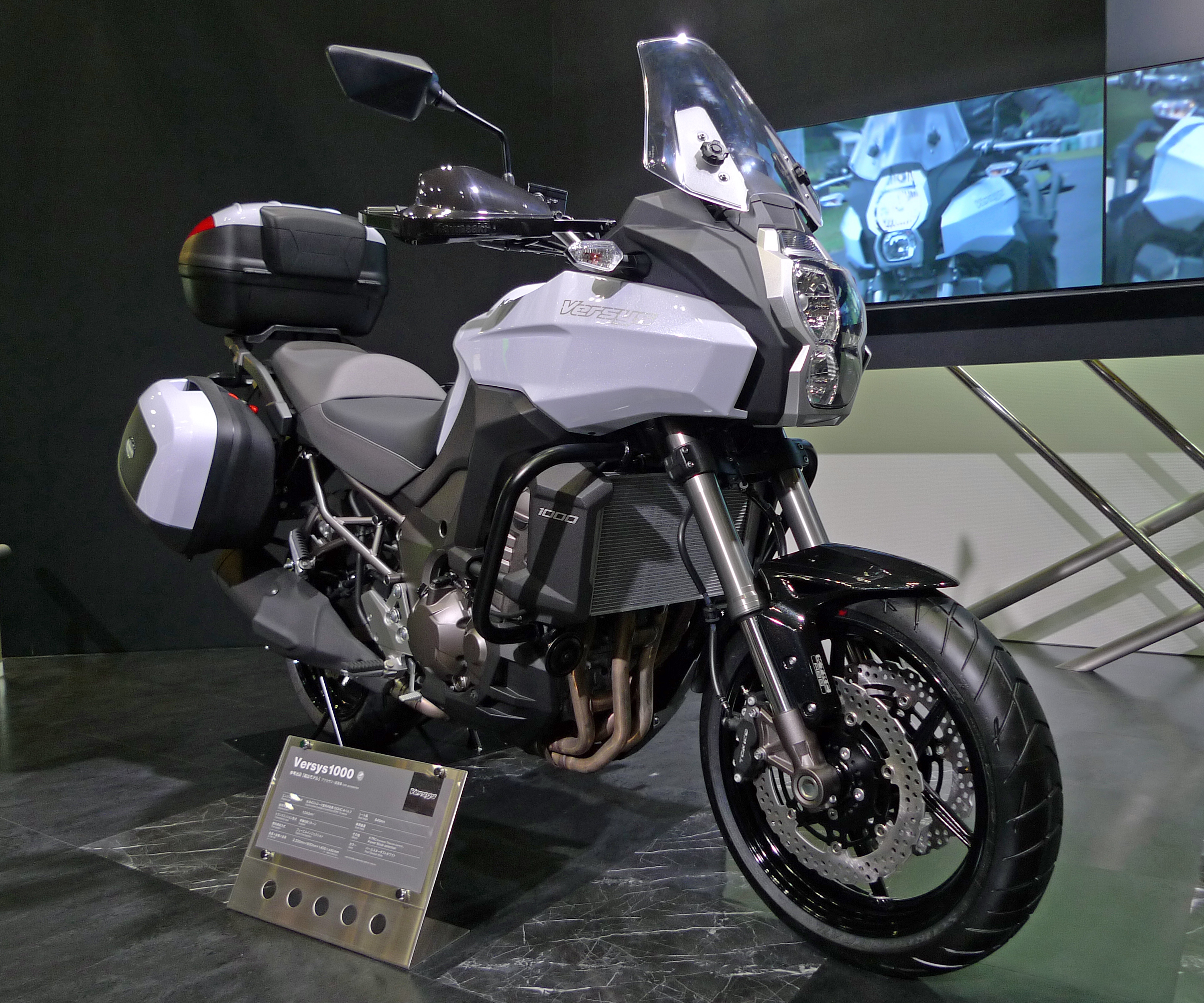
Kawasaki Versys 1000
The Kawasaki Versys 1000 has a top speed of 220 km/h (estimated; manufacturer limited), produces 120 hp and weighs 255 kg. Motoryk rates it 8.2/10.
Die Kawasaki Versys 1000 wurde 2012 als größeres Schwestermodell der Versys 650 vorgestellt. Sie basiert auf einem 1043-cm3-Reihenviermotor, der vom Z1000 abgeleitet ist. Er wurde 2015 mit überarbeiteter Ergonomie und Elektronik grundlegend überarbeitet. 2019 erhielt er erneut eine semiaktive elektronische Federung (KECS), Kurven-ABS und Traktionskontrolle, was seinen Ruf als Premium-Option für Abenteuertouren festigte. Der Versys 1000 zeichnet sich dadurch aus, dass er Sportbike-Leistung mit Langstreckenkomfort verbindet, was ihn zu einem vielseitigen Allrounder in der Kawasaki-Produktpalette macht.
120 hp
Leistung
102 Nm
Drehmoment
255 kg
Gewicht
220 km/h (estimated; manufacturer limited)
Höchstgeschwindigkeit
5.5–6.5 L/100km (approx. 15–18 km/L, real-world average)
Treibstoff
Ausgeleitet
Körper
🔧 Service Schedule & Parts
Affiliate · we may earn| Service item | Every | Typical cost | Parts |
|---|---|---|---|
| 🛢️ Engine oil + oil filter | 6,000 km / 3,500 mi or 12 mo | $40-80 | 🛢️ Buy → ⚙️ Buy → |
| 🌬️ Air filter | 12,000 km / 7,500 mi | — | 🌬️ Buy → |
| ⚡ Spark plugs | 12,000 km / 7,500 mi | — | ⚡ Buy → |
| 🔧 Valve clearance check | 24,000 km / 15,000 mi | $250-500 | |
| 🔗 Chain & sprockets | 25000-40000 km (replace) | $150-300 | 🔗 Buy → |
| 🛑 Brake pads | 15000-30000 km | $30-60 | 🛑 Buy → |
| 💧 Brake fluid | 24,000 km / 15,000 mi or 2 yr | — | |
| 🧊 Coolant | 24,000 km / 15,000 mi | — | |
| 🛞 Tires | 10000-20000 km | $200-450 | 🛞 Buy → |
| 🔩 Major service | 24,000 km / 15,000 mi | $400-700 |
Video Review
Was Käufer wissen sollten
Watch the Throttle Bodies
Some owners report throttle body sync issues causing rough idle or hesitation, particularly on pre-2019 models. A professional sync service every 15,000 miles keeps this in check.
Strong Resale Value
The Versys 1000 holds its value well compared to competitors, typically retaining 70-75% of its value after two years. Its versatility as both a tourer and daily rider keeps demand steady.
KTRC Traction Control
The 2019+ SE model includes Kawasaki's cornering traction control and semi-active electronic suspension (KECS), features typically found on bikes costing significantly more. This makes the SE trim an exceptional value in the adventure-touring segment.
Generationen und Spezifikationen nach Jahr
Einführung eines 1043-cm3-Reihenmotors, eines Gitterrahmens, 17-Zoll-Räder, ergonomischer Aufbau in aufrechter Position und grundlegender Fahrwerksabstimmung.
Überarbeitetes Design, aktualisierte Federung, Traktionskontrolle hinzugefügt, verbesserter Windschutz, verfeinerte Motorkennzeichnung und Elektronikpaket.
Kurven-ABS, IMU hinzugefügt, semiaktive elektronische Federungsoption, aktualisiertes TFT-Display, überarbeitete Ergonomie und Karosserie.
Überarbeitete Motorabstimmung, aktualisierte Elektronik, neue Fahrerhilfen, überarbeitetes Karosseriedesign, verbesserte Windmanagementfunktionen.
Bewertung von gebrauchten Käufern
"The unglamorous workhorse that outperforms bikes twice its price."
$5,500-$10,500 usedThe Versys 1000 is one of those bikes that never quite gets the credit it deserves. That parallel-twin punches well above its displacement — smooth, tractable power that pulls cleanly from 3,000rpm and doesn't run out of ideas until well past legal speeds. The suspension is genuinely adjustable and actually works, which puts it ahead of most competitors in this class. Wind protection is solid, and the upright ergonomics mean you'll arrive at your destination feeling human rather than destroyed. On used examples, check the throttle bodies for synchronization issues and inspect the chain and sprockets — owners who neglect these tend to neglect everything. Pre-2015 models lack the semi-active suspension of later bikes, which is worth the price premium if you're covering serious mileage. The ABS on earlier units can be grabby in slow-speed maneuvers, so test that specifically. Panniers often get scraped on low-speed drops, so examine the mounting points carefully. It's not glamorous, won't win any beauty contests, and the seat foam goes soft around 20,000 miles. But for honest, capable, long-distance motorcycling, few bikes at this price make more sense.
Top 10 Accessories
Curated picks for the Kawasaki Versys 1000 — owned, ridden, recommended.




Häufig auftretende Probleme
🔥 1 CRITICALTest idle smoothness, listen for hunting or surging
Check voltage output at idle and rev, inspect connector
Wipe forks clean, look for oil film or staining
Inspect headers closely for rust, pitting, or leaks
✅Checkliste vor dem Kauf
Solid, durable bike with minor electrical watch points
Full Specifications
Rivals & Alternatives
Bikes that buyers cross-shop with the Kawasaki Versys 1000
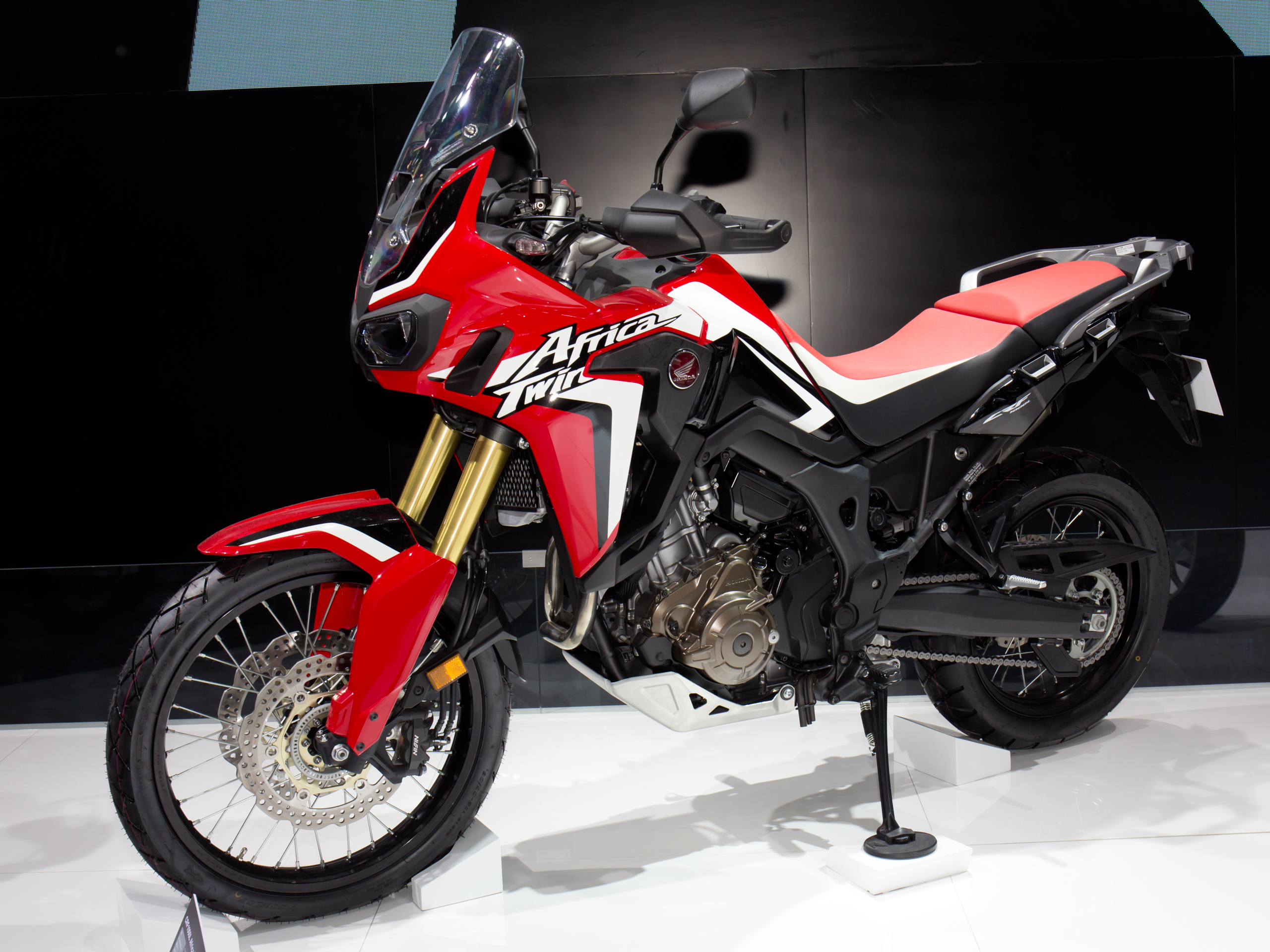
Honda Africa Twin
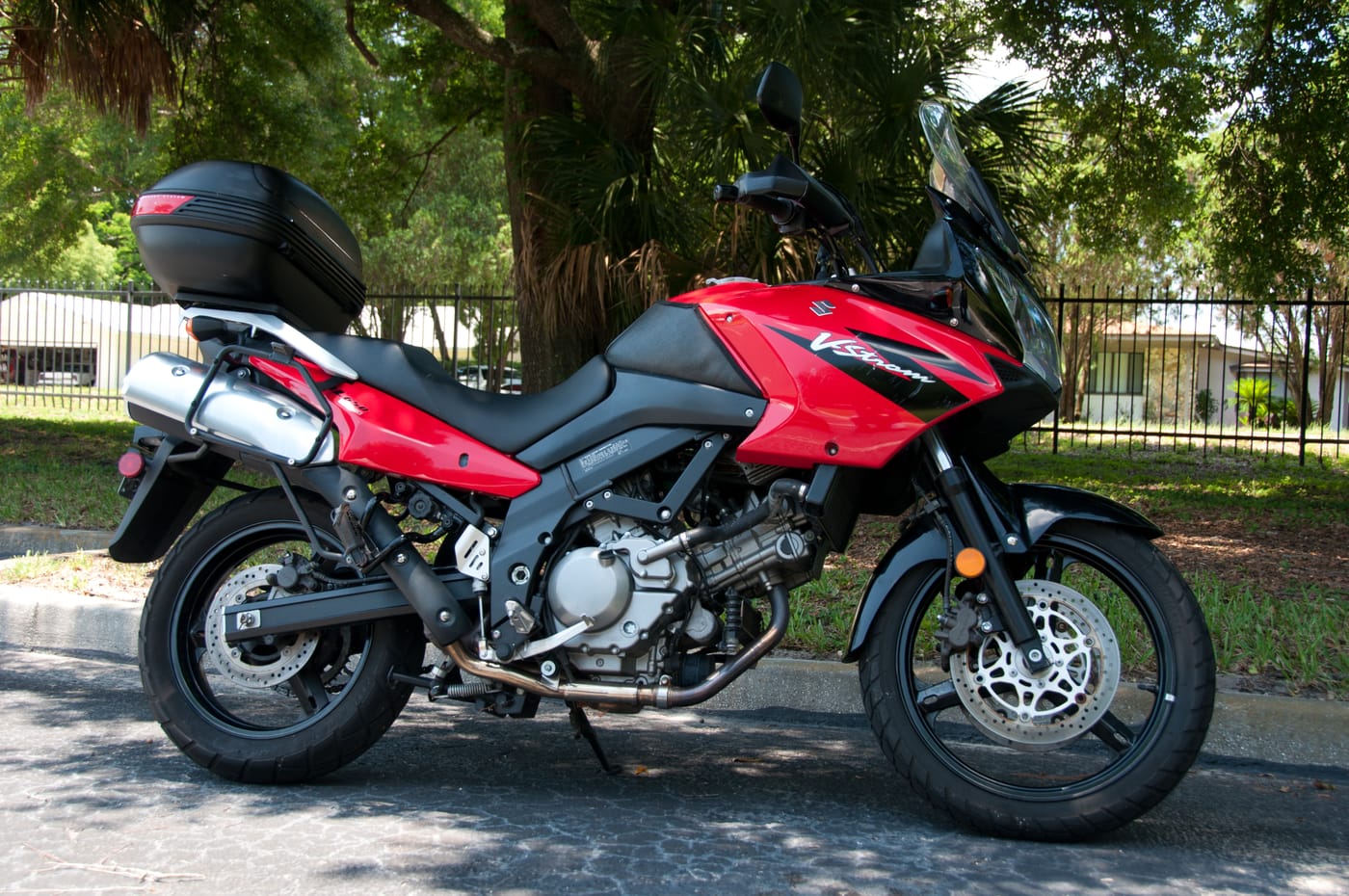
Suzuki V-strom 1050
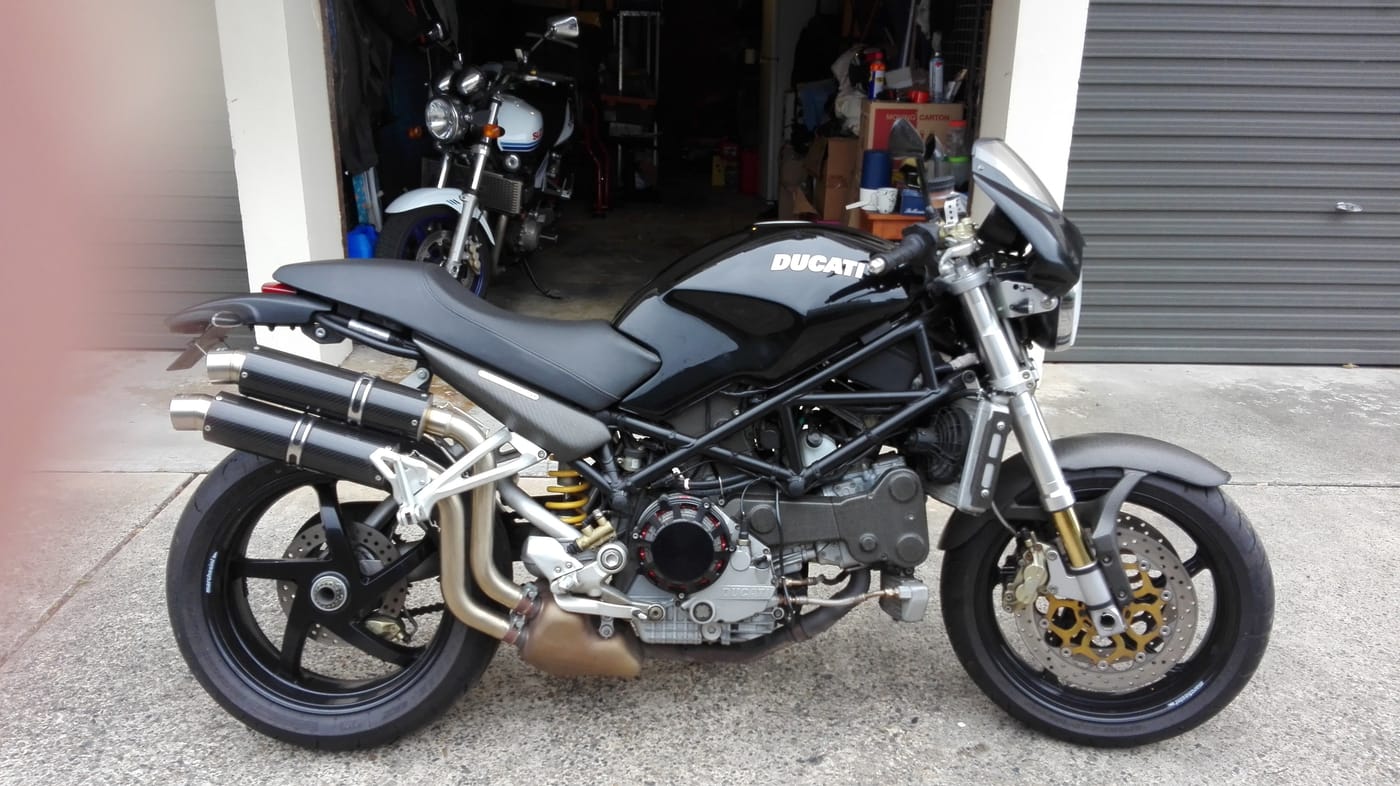
Ducati Multistrada 950
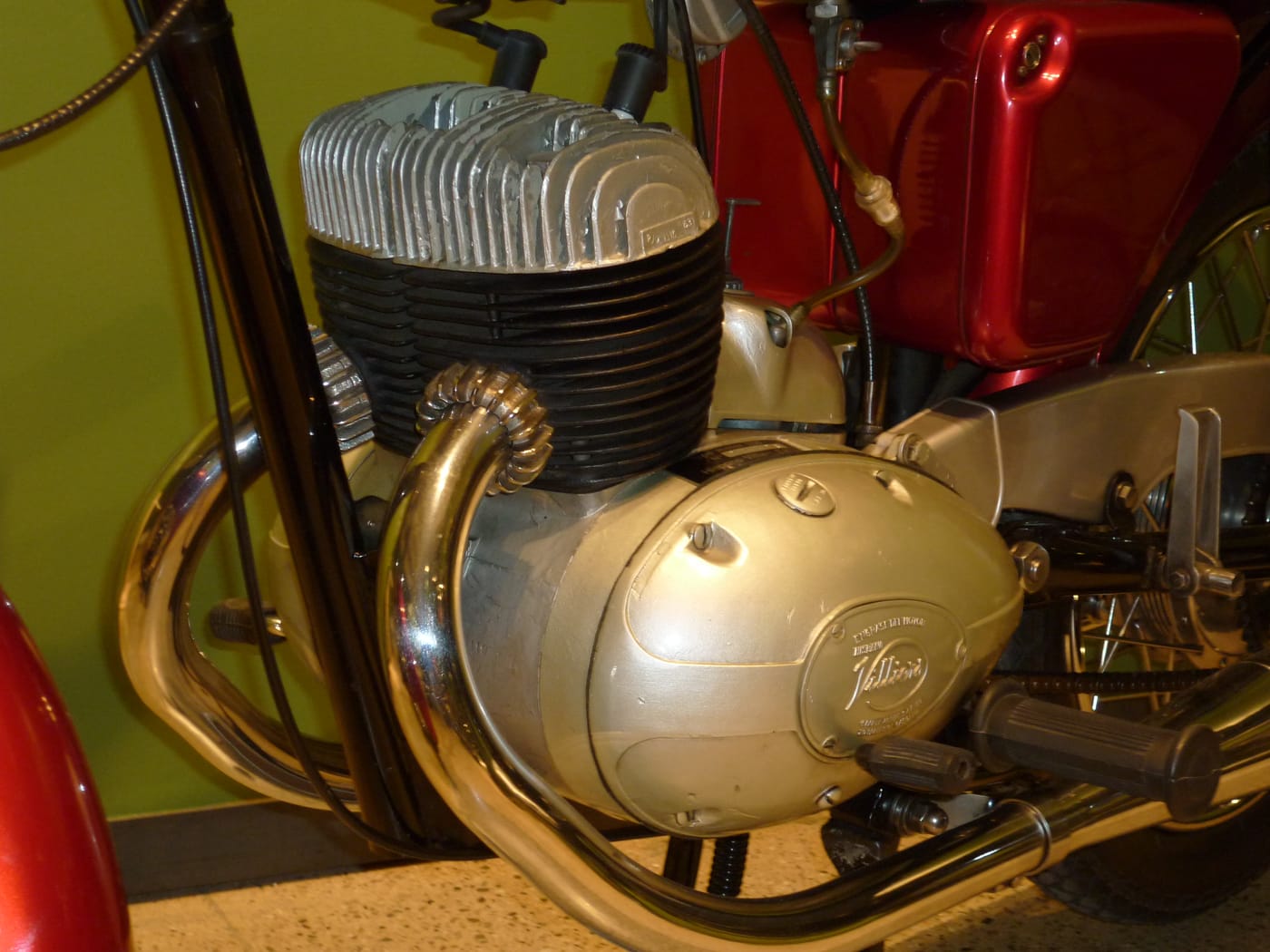
Yamaha Super Tenere 1200
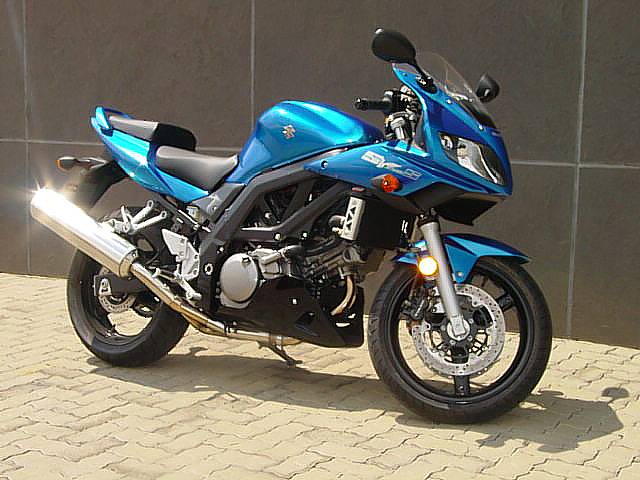
Suzuki V-strom 1000
Compare Kawasaki Versys 1000 Side-by-Side
compare_arrowsSpecs, power, weight & buyer verdict — head-to-head with the bikes most often cross-shopped.
Kawasaki Versys 1000 vs Honda Africa Twin
Specs · Power · Buyer verdict
Kawasaki Versys 1000 vs Suzuki V-strom 1050
Specs · Power · Buyer verdict
Kawasaki Versys 1000 vs Ducati Multistrada 950
Specs · Power · Buyer verdict
Kawasaki Versys 1000 vs Yamaha Super Tenere 1200
Specs · Power · Buyer verdict
Kawasaki Versys 1000 vs Suzuki V-strom 1000
Specs · Power · Buyer verdict
More Kawasaki Versys 1000 Guides
More from Kawasaki
View all Kawasaki models →Community Reviews
Discussion
Frequently Asked Questions
What are common problems with the Kawasaki Versys 1000? +
Throttle body sync issues causing rough idle: Test idle smoothness, listen for hunting or surging (moderate) | Regulator/rectifier failure killing battery: Check voltage output at idle and rev, inspect connector (serious) | Front fork seal leaks on higher mileage units: Wipe forks clean, look for oil film or staining (moderate)
Is the Kawasaki Versys 1000 a good motorcycle? +
The unglamorous workhorse that outperforms bikes twice its price. Rating: 8.2/10. Best for: Long-distance tourers wanting reliable, unfussy performance. Avoid if: You prioritize style over substance and practicality.
What is the horsepower of the Kawasaki Versys 1000? +
The Kawasaki Versys 1000 produces 120 hp @ 9,000 rpm, with 102 Nm @ 7,500 rpm of torque. Top speed: 220 km/h (estimated; manufacturer limited).
Is the Kawasaki Versys 1000 good for beginners? +
Not really — the Kawasaki Versys 1000 is better for experienced riders (120 hp can be intimidating). Long-distance tourers wanting reliable, unfussy performance Avoid if: You prioritize style over substance and practicality
Is the Kawasaki Versys 1000 reliable? +
Owners report 1 critical issue to watch for on the Kawasaki Versys 1000, notably: Regulator/rectifier failure killing battery (Check voltage output at idle and rev, inspect connector). Buy with a pre-purchase inspection.
Is the Kawasaki Versys 1000 good for daily use? +
Long-distance tourers wanting reliable, unfussy performance Fuel: 5.5–6.5 L/100km (approx. 15–18 km/L, real-world average).
How fast is the Kawasaki Versys 1000? +
The Kawasaki Versys 1000 reaches a top speed of 220 km/h (estimated; manufacturer limited), producing 120 hp at 255 kg curb weight. Real-world performance depends on rider weight, gearing, and road conditions.
What gear should I buy for a Kawasaki Versys 1000? +
Motoryk has curated a Top 10 gear list specifically for the Kawasaki Versys 1000, covering engine oil, tires, chain, battery, and brake pads — see motoryk.com/bikes/kawasaki/versys-1000/top10. Each pick is matched to this bike's spec.