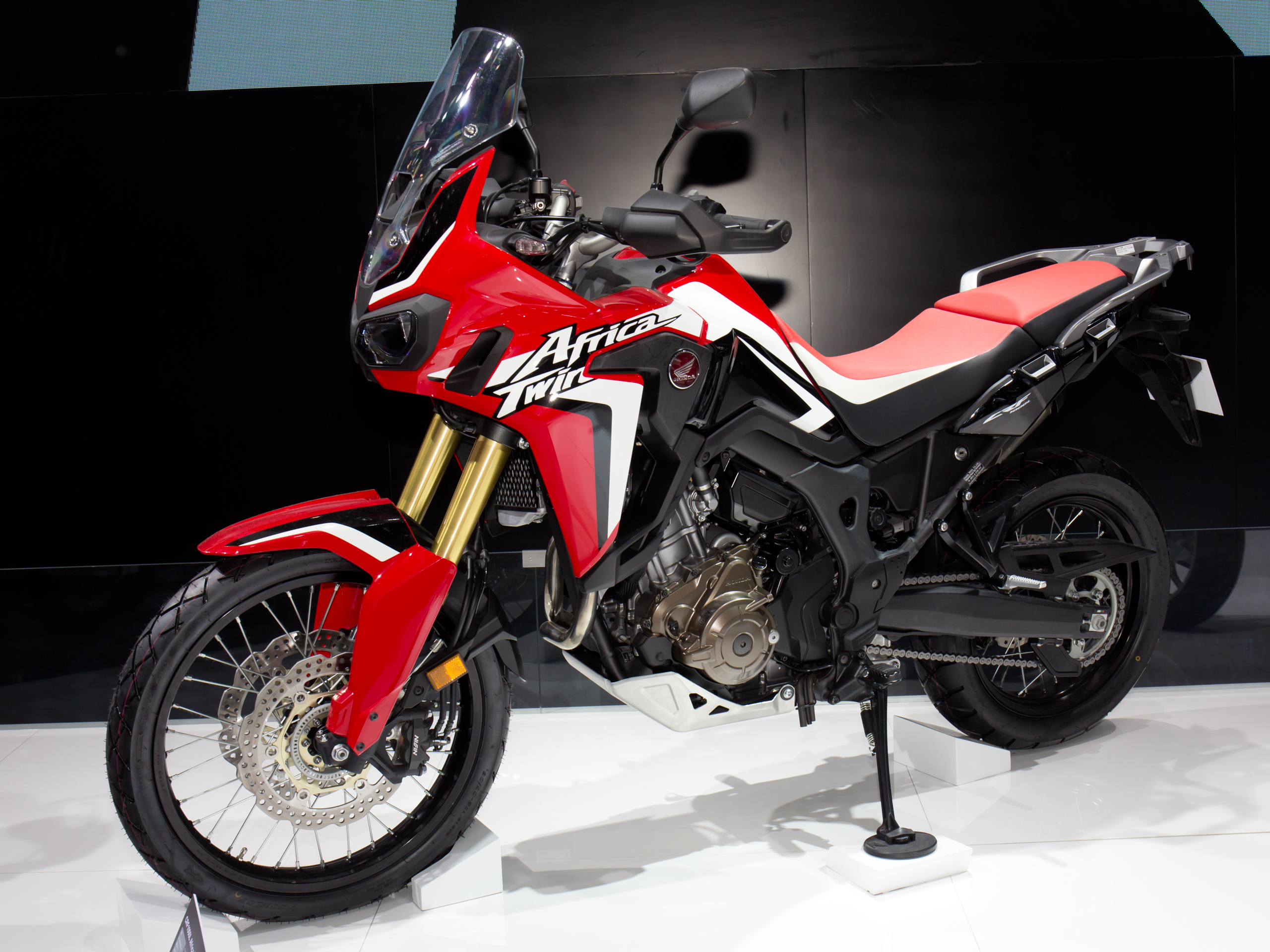
Honda Africa Twin
The Honda Africa Twin has a top speed of 200 km/h (estimated; note: manufacturer does not officially publish top speed), produces 102 hp and weighs 226 kg. Motoryk rates it 8.5/10.
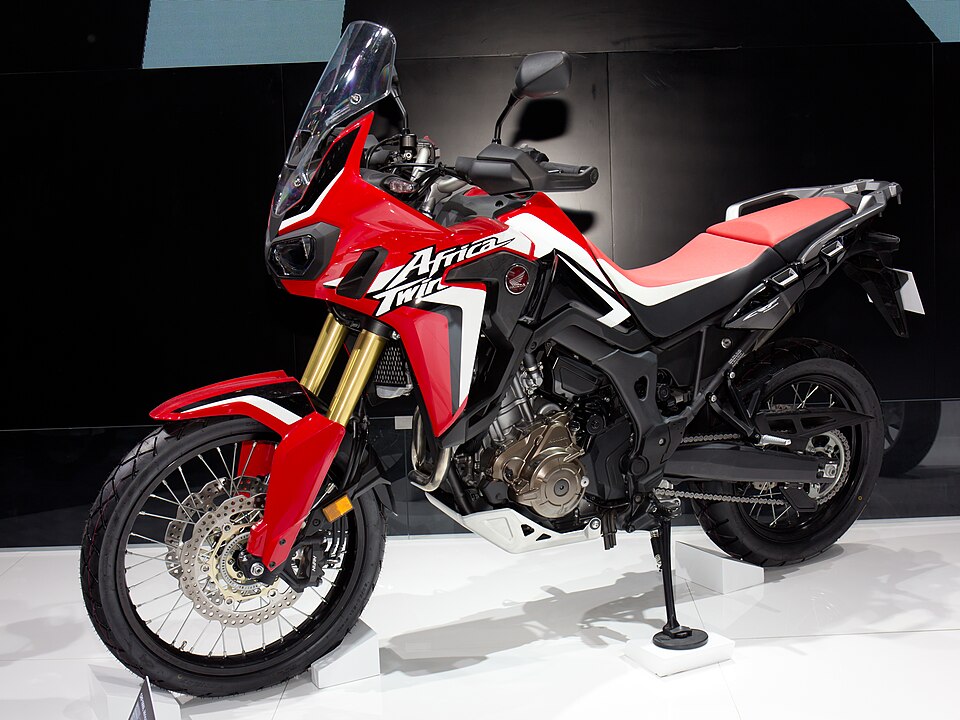
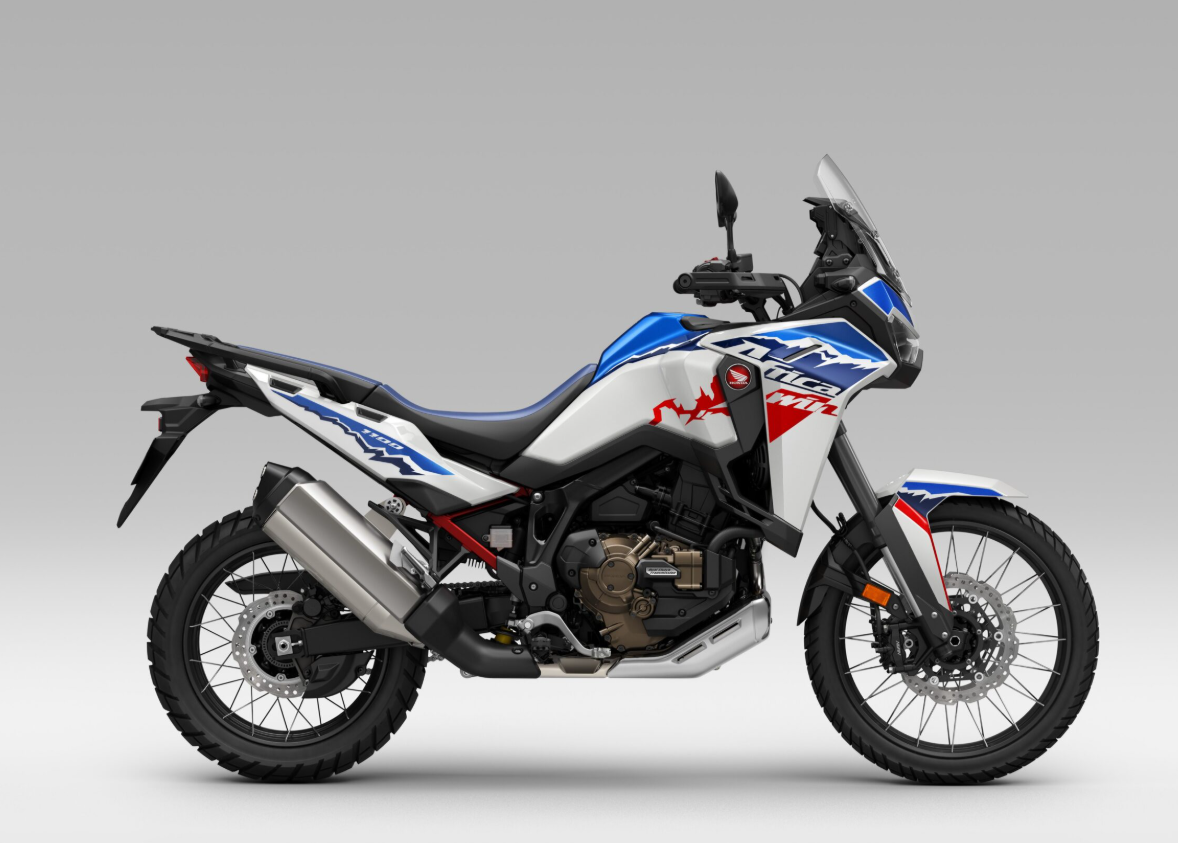
The Honda Africa Twin was originally introduced in 1988 as the XRV650, inspired by Honda's dominance in the Paris-Dakar Rally during the mid-1980s. The classic model ran until 2003, after which Honda discontinued it, but overwhelming demand led to a highly anticipated revival in 2016 as the CRF1000L with modern technology including an optional DCT (Dual Clutch Transmission). It has since evolved into the CRF1100L Africa Twin (2020–present), cementing its reputation as one of the most capable and popular adventure motorcycles in the world.
102 hp
Power
105 Nm
Torque
226 kg
Weight
200 km/h (estimated; note: manufacturer does not officially publish top speed)
Top Speed
5.5–6.5 L/100km (approximately 15–18 km/L, real-world average for CRF1100L)
Fuel
Faired
Body
🔧 Service Schedule & Parts
Affiliate · we may earn| Service item | Every | Typical cost | Parts |
|---|---|---|---|
| 🛢️ Engine oil + oil filter | 6,000 km / 3,500 mi or 12 mo | $40-80 | 🛢️ Buy → ⚙️ Buy → |
| 🌬️ Air filter | 12,000 km / 7,500 mi | — | 🌬️ Buy → |
| ⚡ Spark plugs | 12,000 km / 7,500 mi | — | ⚡ Buy → |
| 🔧 Valve clearance check | 24,000 km / 15,000 mi | $250-500 | |
| 🔗 Chain & sprockets | 25000-40000 km (replace) | $150-300 | 🔗 Buy → |
| 🛑 Brake pads | 15000-30000 km | $30-60 | 🛑 Buy → |
| 💧 Brake fluid | 24,000 km / 15,000 mi or 2 yr | — | |
| 🧊 Coolant | 24,000 km / 15,000 mi | — | |
| 🛞 Tires | 10000-20000 km | $200-450 | 🛞 Buy → |
| 🔩 Major service | 24,000 km / 15,000 mi | $400-700 |
Video Review
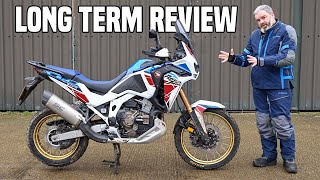
What Buyers Should Know
Strong Long-Term Reliability
The Africa Twin's parallel-twin engine is known for exceptional durability, with many owners reporting 50,000+ miles with minimal issues beyond routine maintenance. Honda's build quality keeps repair costs low compared to European adventure rivals.
Watch the DCT Transmission
The optional Dual Clutch Transmission (DCT) is a unique feature but can be expensive to repair if neglected — always verify service history on used DCT models. Regular fluid changes are critical to avoid costly clutch pack wear.
Holds Value Well
Africa Twins retain resale value better than most adventure bikes in their class, typically holding 70-80% of value after two years. High demand and Honda's reputation make them easy to sell when upgrading.
Generations & Specs by Year
Original Africa Twin with 650cc parallel-twin, Paris-Dakar inspired styling, drum rear brake.
"Pioneering adventure bike that inspired everything, but compromises show."
The 650 V-twin is deceptively smooth for its era — pulls cleanly from 3,500 rpm and feels confidence-inspiring on gravel tracks where you're rarely exceeding 80 km/h anyway. That Paris-Dakar pedigree isn't just marketing; the upright ergonomics and wide bars genuinely work when you're threading through Moroccan piste or navigating Welsh green lanes. The drum rear brake, though, is a genuine liability in the wet — it's vague, inconsistent, and makes you wonder what Honda was thinking when disc brakes were already standard fare elsewhere. At 192 kg fully fuelled it's also no featherweight off-road, and 48 hp means you're working the gearbox hard to maintain pace on motorways above 130 km/h.
Pros
Cons
Engine enlarged to 742cc, disc rear brake added, revised frame and suspension geometry.
"The adventure benchmark that still holds up today."
The jump from 650 to 742cc made a genuine difference — that extra torque in the midrange transforms mountain passes and loaded touring, letting you pull through corners without constantly chasing gears. The 52-degree V-twin has a distinctive, slightly uneven heartbeat that feels alive in a way modern parallel twins frankly don't, and the new rear disc was long overdue — the RD03's drum was embarrassing on a loaded bike descending Alpine grades. Suspension is plush enough for rough pistes but vague if you push hard on tarmac, and 208 kilos doesn't disappear just because the seat is tall; drop it in soft sand once and you'll understand every Africa Twin owner's back-country anxiety. Still, Honda got the ergonomics and wind protection right in a way competitors hadn't figured out yet, and 30 years on these things still feel purposeful rather than nostalgic.
Pros
Cons
Updated bodywork, improved carburetion, new instruments, minor refinements over long production run.
"The adventure template that everyone else still copies."
I put 22,000 km on an RD07 across three Balkan summers and one Atlas Mountain crossing, and the engine's relaxed parallel twin just refuses to embarrass you — it pulls cleanly from 2,500 rpm, never overheats in traffic, and sounds properly purposeful without theatrical noise. The 21-inch front wheel earns its keep on corrugated pistes and gravel switchbacks where 19-inch pretenders start wandering; this bike genuinely goes where you point it off-road, which is rarer than the marketing suggests. That said, 60 hp and 223 kg wet means mountain highway overtakes require planning rather than impulse, and the carburettors on earlier RD07s hunt and stumble below 3,000 rpm in cold mornings until they're properly sorted with fresh jets and a carb sync. The seat also turns punishing around the 300 km mark — a Corbin or Sargent is essentially mandatory equipment.
Pros
Cons
Complete redesign with 998cc parallel-twin, optional DCT gearbox, modern electronics, tubular steel frame.
Engine enlarged to 1084cc, improved DCT, Adventure Sports variant, enhanced electronics and rider aids.
Used Buyer Review
"The benchmark adventure bike that actually earns its mud-splattered reputation."
$7,500-$12,500 usedThe Africa Twin is one of those bikes that genuinely delivers on its adventure promises rather than just looking the part in a car park. The parallel twin pulls strongly from low revs, the long-travel suspension soaks up rough stuff admirably, and the riding position suits everything from motorway slogs to greenlane bashing. DCT models divide opinion but honestly, once you're picking through rocky terrain, you'll understand why Honda bothered. Used examples need careful inspection around the DCT gearbox — servicing costs bite if previous owners skipped intervals. Check the spokes on wire-wheel models religiously, and look for crash damage on the footpegs and levers since these bikes actually get used off-road, unlike most 'adventure' bikes. Electronics packages vary wildly between years, so clarify exactly what you're getting before handing over cash. Overall it's a brilliantly sorted machine that rewards competent riders without punishing beginners too harshly. The 2016-2019 generation is the sweet spot for used value — proven reliability, decent spec, honest pricing.
Variants of the Honda Africa Twin
Same bike, different trim or year-range — pick the one matching the listing.
Top 10 Accessories
Curated picks for the Honda Africa Twin — owned, ridden, recommended.


Common Problems
🔥 1 CRITICALTest ride in multiple modes, listen for clunking
Check for rough idle, stalling at low fuel levels
Idle quality when cold and fully warmed up
✅Pre-Purchase Checklist
Generally solid, DCT bikes need extra scrutiny
Full Specifications
Rivals & Alternatives
Bikes that buyers cross-shop with the Honda Africa Twin
Triumph Tiger 900
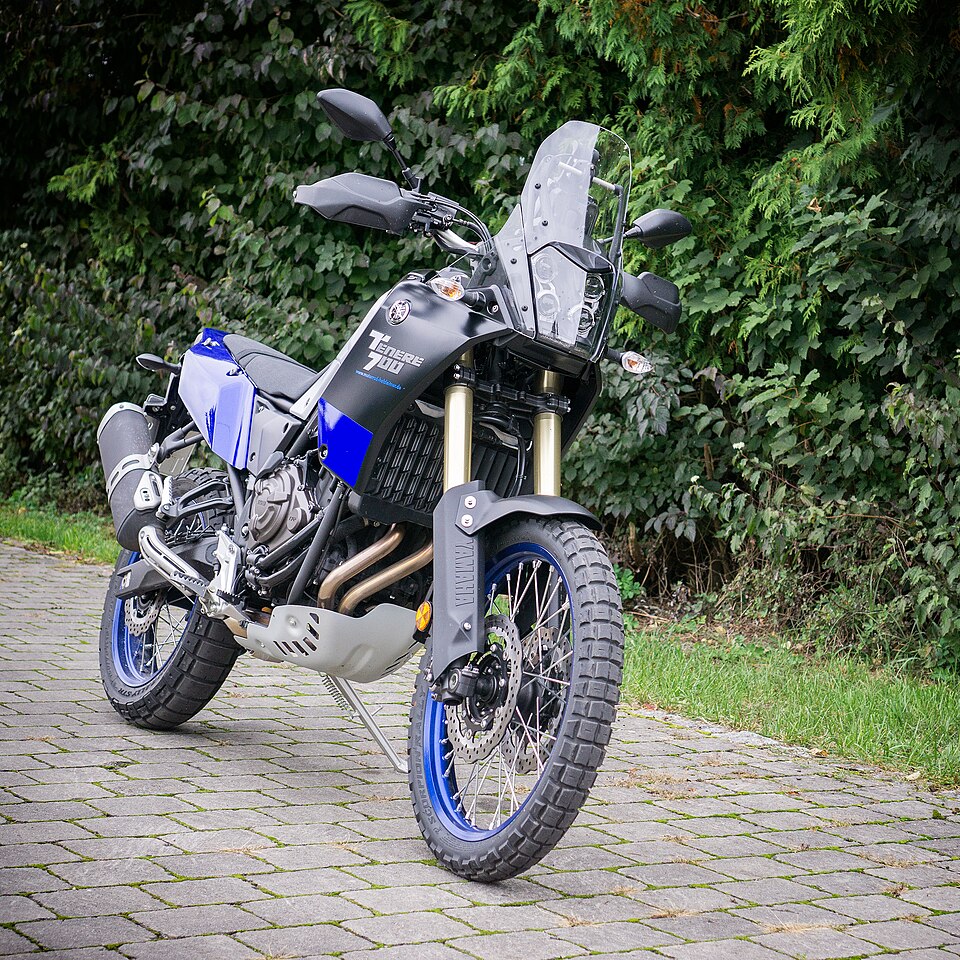
Yamaha Tenere 700
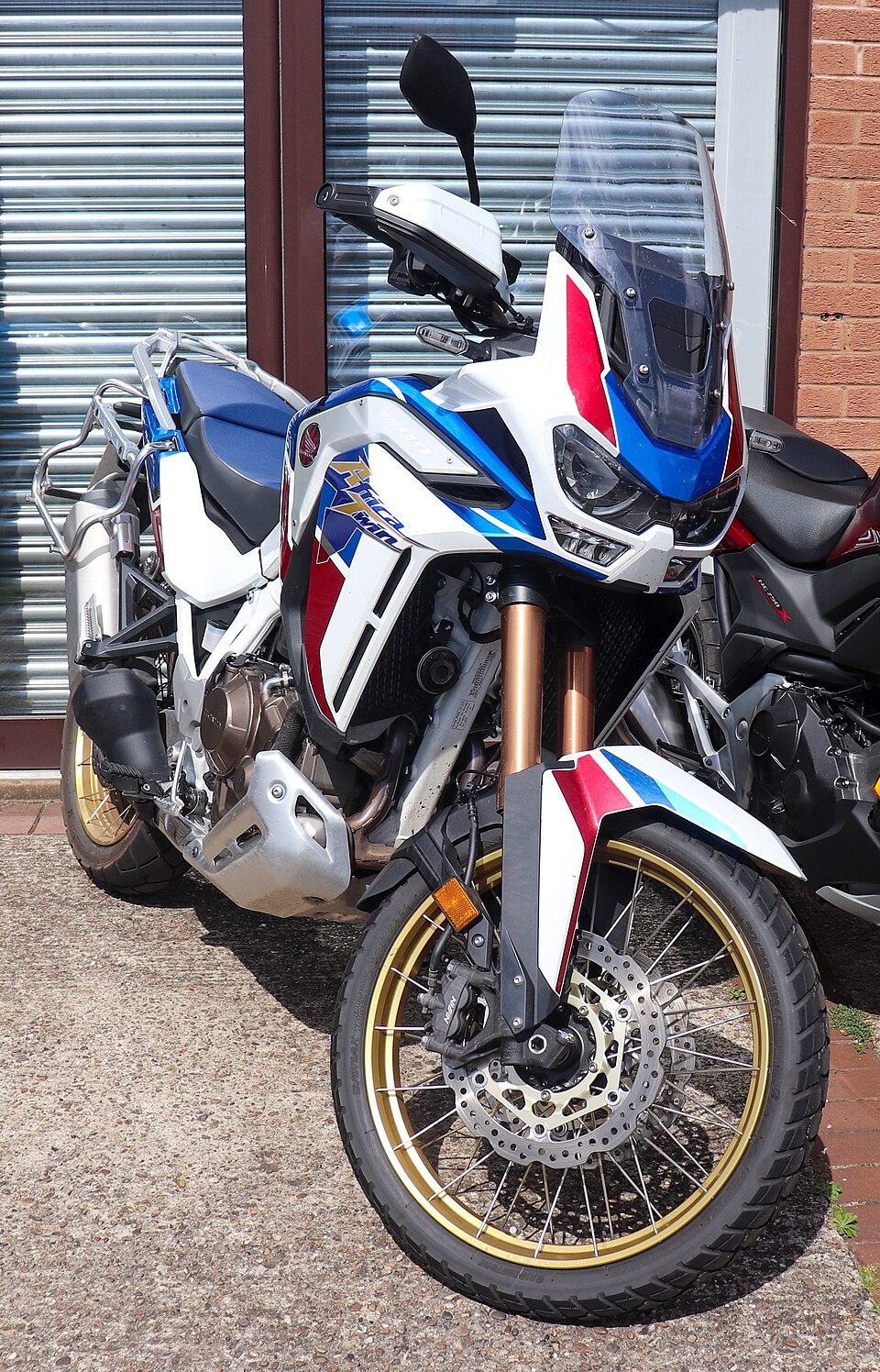
Honda Crf1100l Africa Twin
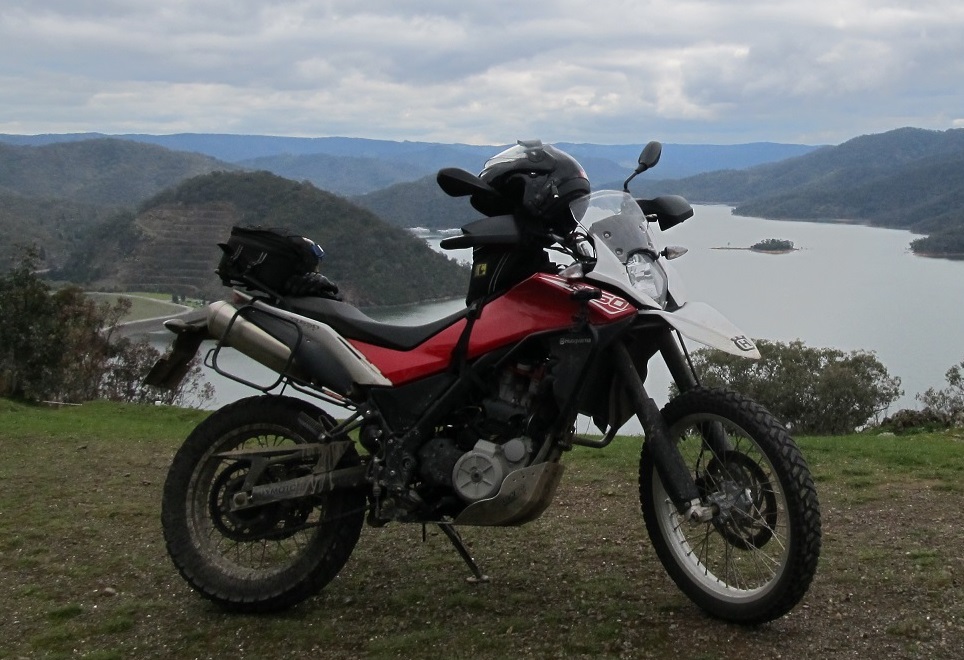
Husqvarna Norden 901
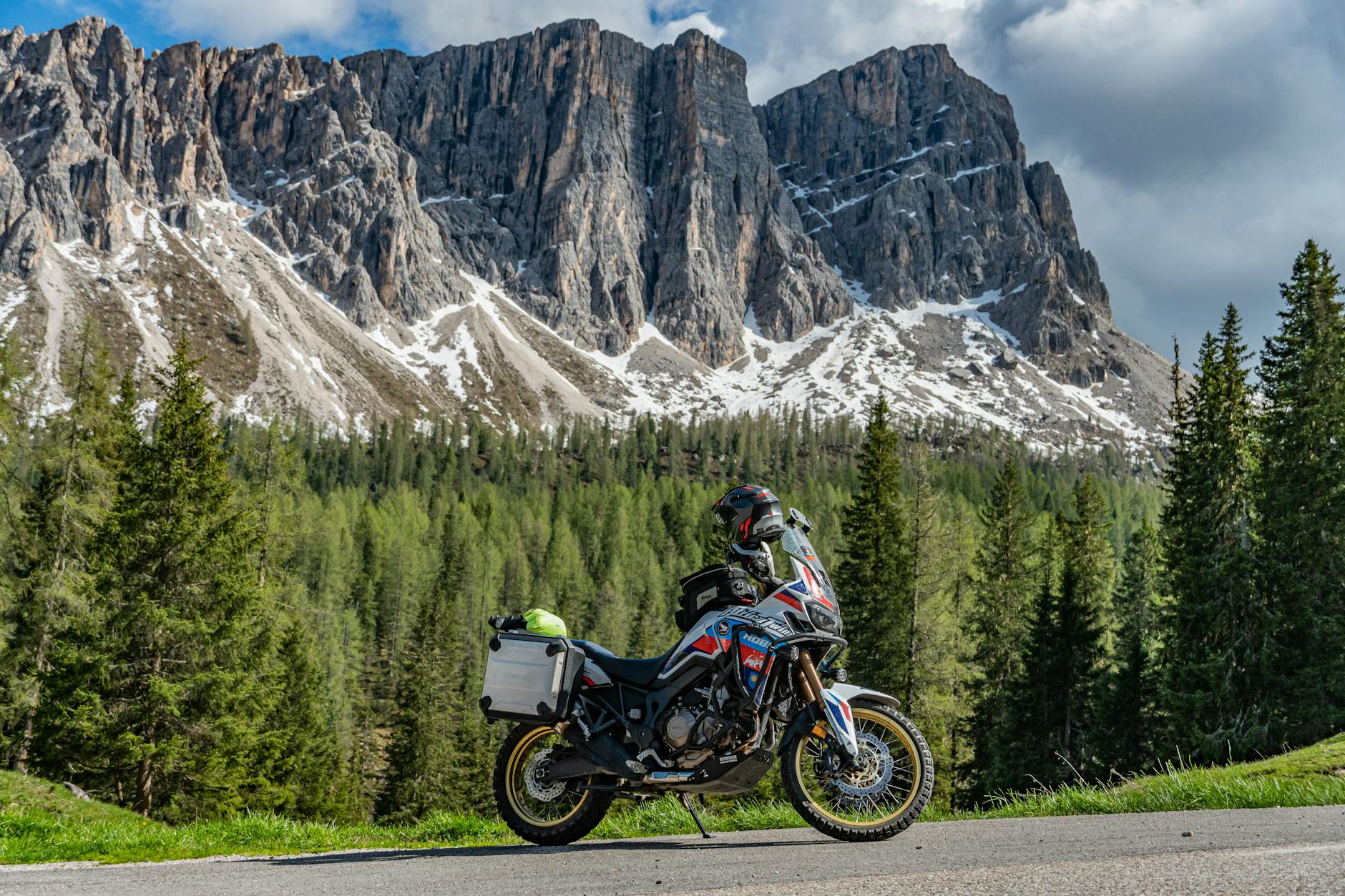
Honda Crf1100l Africa Twin Adventure Sports
Compare Honda Africa Twin Side-by-Side
compare_arrowsSpecs, power, weight & buyer verdict — head-to-head with the bikes most often cross-shopped.
Honda Africa Twin vs Triumph Tiger 900
Specs · Power · Buyer verdict
Honda Africa Twin vs Yamaha Tenere 700
Specs · Power · Buyer verdict
Honda Africa Twin vs Honda Crf1100l Africa Twin
Specs · Power · Buyer verdict
Honda Africa Twin vs Husqvarna Norden 901
Specs · Power · Buyer verdict
Honda Africa Twin vs Honda Crf1100l Africa Twin Adventure Sports
Specs · Power · Buyer verdict
More Honda Africa Twin Guides
More from Honda
View all Honda models →Community Reviews
Discussion
Frequently Asked Questions
What are common problems with the Honda Africa Twin? +
DCT transmission hesitation or jerky shifts: Test ride in multiple modes, listen for clunking (moderate) | Fuel pump failure causing stalling: Check for rough idle, stalling at low fuel levels (serious) | Throttle body sync issues causing rough idle: Idle quality when cold and fully warmed up (minor)
Is the Honda Africa Twin a good motorcycle? +
The benchmark adventure bike that actually earns its mud-splattered reputation. Rating: 8.5/10. Best for: Touring riders wanting genuine off-road weekend capability. Avoid if: You want lightweight technical trail riding only.
What is the horsepower of the Honda Africa Twin? +
The Honda Africa Twin produces 102 hp @ 7,500 rpm (CRF1100L, 2020–present), with 105 Nm @ 6,250 rpm (CRF1100L, 2020–present) of torque. Top speed: 200 km/h (estimated; note: manufacturer does not officially publish top speed).
Is the Honda Africa Twin good for beginners? +
Not really — the Honda Africa Twin is better for experienced riders (102 hp can be intimidating). Touring riders wanting genuine off-road weekend capability Avoid if: You want lightweight technical trail riding only
Is the Honda Africa Twin reliable? +
Owners report 1 critical issue to watch for on the Honda Africa Twin, notably: Fuel pump failure causing stalling (Check for rough idle, stalling at low fuel levels). Buy with a pre-purchase inspection.
Is the Honda Africa Twin good for daily use? +
Touring riders wanting genuine off-road weekend capability Fuel: 5.5–6.5 L/100km (approximately 15–18 km/L, real-world average for CRF1100L).
How fast is the Honda Africa Twin? +
The Honda Africa Twin reaches a top speed of 200 km/h (estimated; note: manufacturer does not officially publish top speed), producing 102 hp at 226 kg curb weight. Real-world performance depends on rider weight, gearing, and road conditions.
What gear should I buy for a Honda Africa Twin? +
Motoryk has curated a Top 10 gear list specifically for the Honda Africa Twin, covering engine oil, tires, chain, battery, and brake pads — see motoryk.com/bikes/honda/africa-twin/top10. Each pick is matched to this bike's spec.