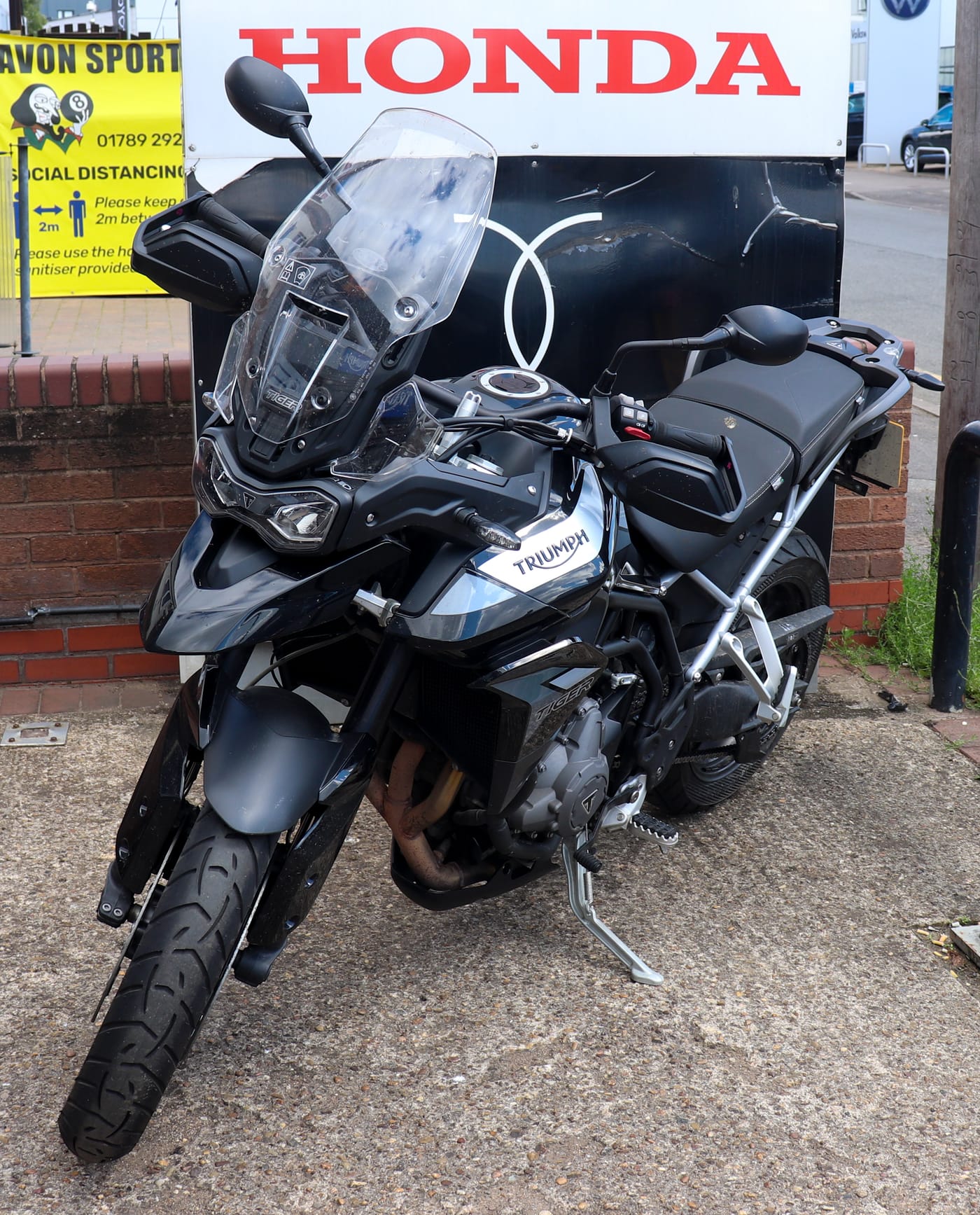
Triumph Tiger 900
The Triumph Tiger 900 has a top speed of 200 km/h (estimated; Triumph does not officially publish top speed), produces 95 hp and weighs 193 kg. Motoryk rates it 8.5/10.
The Triumph Tiger 900 was reintroduced in 2020 as a ground-up redesign of the Tiger 800, featuring a new 900cc T-plane triple-cylinder engine borrowed from the Street Triple platform. It replaced the Tiger 800 lineup and was offered in multiple variants including GT, GT Pro, Rally, and Rally Pro to cater to both road and off-road focused riders. The model quickly gained acclaim for its versatility, refined electronics package, and distinctive exhaust character, cementing Triumph's position in the competitive adventure motorcycle segment.
95 hp
Power
87 Nm
Torque
193 kg
Weight
200 km/h (estimated; Triumph does not officially publish top speed)
Top Speed
5.5 L/100km (approximately 18 km/L, typical real-world average)
Fuel
Faired
Body
🔧 Service Schedule & Parts
Affiliate · we may earn| Service item | Every | Typical cost | Parts |
|---|---|---|---|
| 🛢️ Engine oil + oil filter | 6,000 km / 3,500 mi or 12 mo | $40-80 | 🛢️ Buy → ⚙️ Buy → |
| 🌬️ Air filter | 12,000 km / 7,500 mi | — | 🌬️ Buy → |
| ⚡ Spark plugs | 12,000 km / 7,500 mi | — | ⚡ Buy → |
| 🔧 Valve clearance check | 24,000 km / 15,000 mi | $300-500 | |
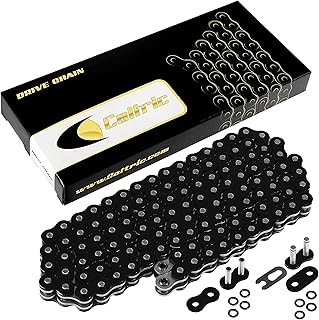
| 🔗 Chain & sprockets | 20000-35000 km (replace) | $150-300 | 🔗 Buy → |
| 🛑 Brake pads | 15000-25000 km | $30-60 | 🛑 Buy → |
| 💧 Brake fluid | 24,000 km / 15,000 mi or 2 yr | — | |
| 🧊 Coolant | 24,000 km / 15,000 mi | — | |
| 🛞 Tires | 12000-20000 km | $250-450 | 🛞 Buy → |
| 🔩 Major service | 24,000 km / 15,000 mi | $400-700 |
Video Review
What Buyers Should Know
T-Plane Engine Magic
The 900cc triple uses a unique T-plane firing order (inspired by MotoGP) that delivers a distinctive exhaust note and excellent low-to-mid range torque, making it a standout performer for both trail riding and road touring.
Watch the Bevel Gears
Some early Tiger 900 owners (2020-2021) reported issues with the bevel gear on the counterbalancer shaft causing a ticking noise — check service history and ensure Triumph's revised fix has been applied before buying used.
Strong Resale Value
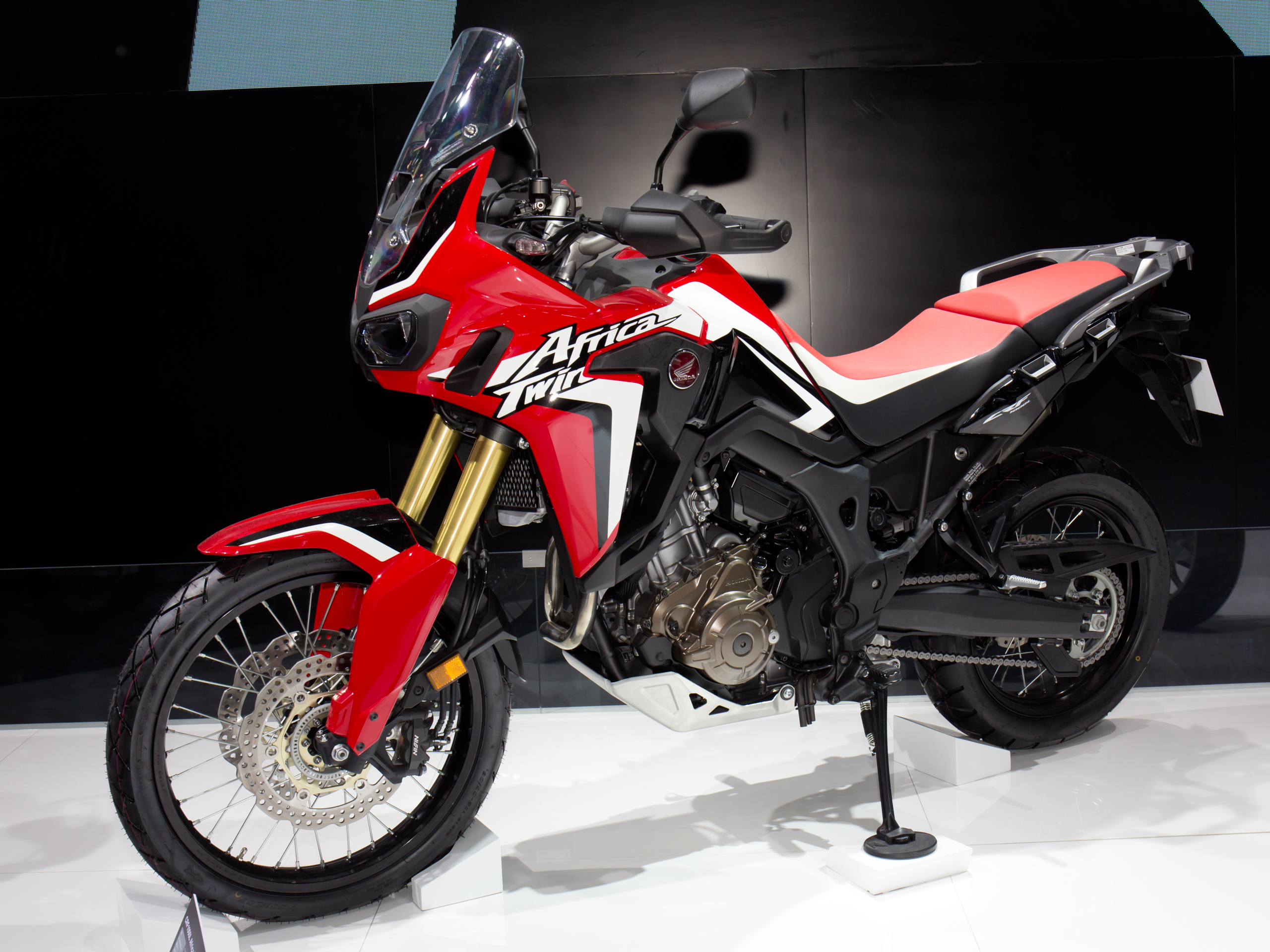
The Tiger 900 holds its value exceptionally well compared to rivals like the Honda Africa Twin and BMW F 850 GS, often retaining 75-80% of its value after two years, making it a smart long-term investment.
Generations & Specs by Year
Original 885cc triple-cylinder engine, tubular steel frame, carbureted, inline three-cylinder adventure-touring platform.
"Rough-edged pioneer that rewrote adventure touring's rules."
The 885cc triple pulls hard from about 4,500 rpm with a raspy, industrial soundtrack that's genuinely addictive — nothing else sounded quite like it in 1993. Carburetion is fussy in cold mornings and the flat spot between 3,000 and 4,000 rpm will catch you out in traffic until you learn to ride around it. At 232 kg wet it's no lightweight, and the wide tubular frame makes filtering in city congestion a genuine workout on your forearms. But point it at a long A-road or a gravel forestry track and it transforms — stable, composed, and with enough midrange muscle to make overtaking genuinely satisfying without drama.
Pros
Cons
Revised styling, improved carburetion, updated suspension and ergonomics, continued 885cc triple engine platform.
"Underrated triple with character that outlasts its quirks."
The 885cc triple pulls with real authority from about 4,500 rpm and just keeps delivering — it's not the most powerful thing on the road but it feels alive in a way Japanese fours rarely do. The Gen 2 carburetion update actually made a meaningful difference; my early miles on a 2001 model were smoother than anything I'd ridden on the previous generation, though cold starts still needed patience and some choke finesse in winter. Ergonomics suit a medium-height rider doing mixed touring and back-road work — the seat is flat and acceptable for 200-mile days, though not plush. The main honest gripe is that by 2003 the platform was showing its age against the BMW F650GS and early adventure tourers; it was a tweaker's evolution, not a ground-up rethink, and you can feel that in the slightly wooden steering above 140 km/h.
Pros
Cons
Fuel injection introduced, revised frame geometry, updated braking system, modernized electronics and instrument cluster.
Relaunch after hiatus, new 800cc-class triple, updated chassis, modern rider aids, revised Tiger 800 underpinnings.
All-new 888cc triple engine, new trellis frame, rally/road/GT variants, TFT display, advanced electronics suite.
Used Buyer Review
"A genuinely accomplished adventure bike that rewards sensible used buying."
$8,500-$13,500 usedThe Tiger 900 is one of those rare bikes that actually delivers on its adventure touring promise without punishing you for choosing it. The 888cc triple is genuinely brilliant — smooth, characterful, and with enough grunt to make overtaking on A-roads feel effortless. Ergonomics suit longer legs better than shorter riders, so sit on one before you commit. The GT variant is the sweet spot for used buyers — better wind protection and heated grips standard. Used examples need careful inspection around the beak fairing mounting points, which can stress-crack if a previous owner has been clumsy with panniers. Check the suspension linkage bearings too — neglected service history shows up there fast. The electronics suite is genuinely useful rather than gimmicky, and the cornering ABS actually works in the real world. Pay attention to chain and sprocket wear, because some owners absolutely thrash these. A pre-2022 example with full dealer stamps and sub-15,000 miles is the sweet spot.
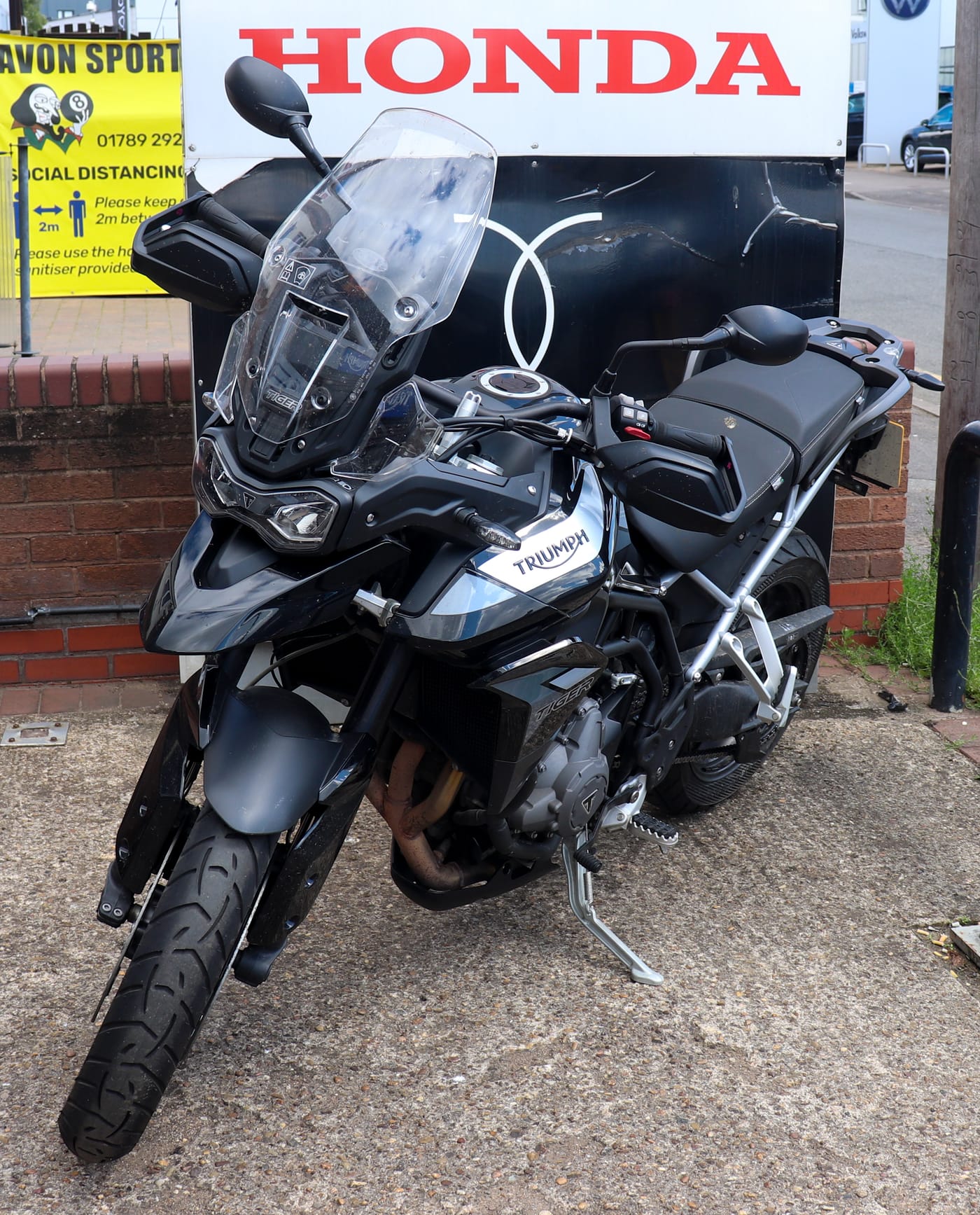
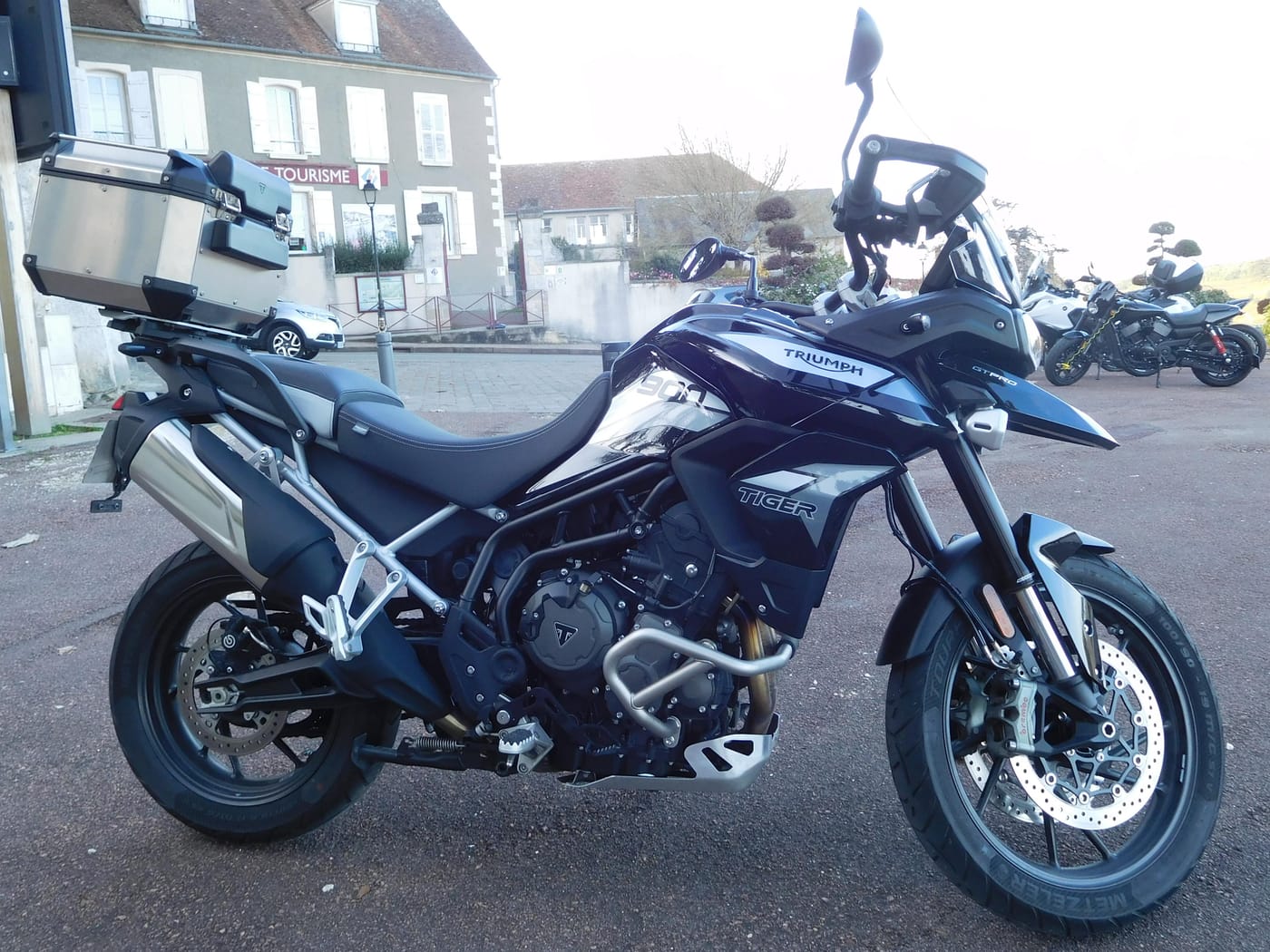
Variants of the Triumph Tiger 900
Same bike, different trim or year-range — pick the one matching the listing.
Top 10 Accessories
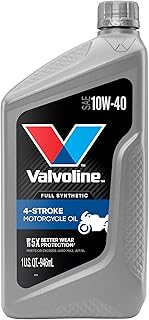
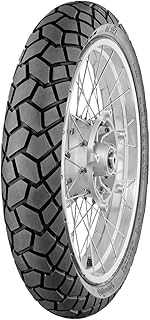
Curated picks for the Triumph Tiger 900 — owned, ridden, recommended.




Common Problems
🔥 1 CRITICALIdle quality cold and hot, any hesitation below 3k
Listen for clunking, check service history for bevel inspection
Inspect reservoir for leaks, test brake firmness repeatedly
Check headers for rust, loose heat shields, bluing extent
✅Pre-Purchase Checklist
Generally solid, minor issues easily managed with maintenance
Full Specifications
Rivals & Alternatives
Bikes that buyers cross-shop with the Triumph Tiger 900
Honda Africa Twin
Yamaha Tenere 700

Ktm 890 Adventure
Triumph Tiger 900 Gt
Triumph Tiger 900 Gt Pro
Compare Triumph Tiger 900 Side-by-Side
compare_arrowsSpecs, power, weight & buyer verdict — head-to-head with the bikes most often cross-shopped.
Triumph Tiger 900 vs Honda Africa Twin
Specs · Power · Buyer verdict
Triumph Tiger 900 vs Yamaha Tenere 700
Specs · Power · Buyer verdict
Triumph Tiger 900 vs Ktm 890 Adventure
Specs · Power · Buyer verdict
Triumph Tiger 900 vs Triumph Tiger 900 Gt
Specs · Power · Buyer verdict
Triumph Tiger 900 vs Triumph Tiger 900 Gt Pro
Specs · Power · Buyer verdict
More Triumph Tiger 900 Guides
More from Triumph
View all Triumph models →Community Reviews
Discussion
Frequently Asked Questions
What are common problems with the Triumph Tiger 900? +
Throttle body sync causing rough idle/stuttering: Idle quality cold and hot, any hesitation below 3k (moderate) | Bevel drive noise or wear on Rally models: Listen for clunking, check service history for bevel inspection (serious) | Front brake master cylinder leaking or spongy feel: Inspect reservoir for leaks, test brake firmness repeatedly (moderate)
Is the Triumph Tiger 900 a good motorcycle? +
A genuinely accomplished adventure bike that rewards sensible used buying. Rating: 8.5/10. Best for: Long-distance riders wanting character and capability. Avoid if: Budget-conscious buyers or riders under 5'8".
What is the horsepower of the Triumph Tiger 900? +
The Triumph Tiger 900 produces 95 hp @ 8,750 rpm, with 87 Nm @ 7,250 rpm of torque. Top speed: 200 km/h (estimated; Triumph does not officially publish top speed).
Is the Triumph Tiger 900 good for beginners? +
Not really — the Triumph Tiger 900 is better for experienced riders. Long-distance riders wanting character and capability Avoid if: Budget-conscious buyers or riders under 5'8"
Is the Triumph Tiger 900 reliable? +
Owners report 1 critical issue to watch for on the Triumph Tiger 900, notably: Bevel drive noise or wear on Rally models (Listen for clunking, check service history for bevel inspection). Buy with a pre-purchase inspection.
Is the Triumph Tiger 900 good for daily use? +
Long-distance riders wanting character and capability Fuel: 5.5 L/100km (approximately 18 km/L, typical real-world average).
How fast is the Triumph Tiger 900? +
The Triumph Tiger 900 reaches a top speed of 200 km/h (estimated; Triumph does not officially publish top speed), producing 95 hp at 193 kg curb weight. Real-world performance depends on rider weight, gearing, and road conditions.
What gear should I buy for a Triumph Tiger 900? +
Motoryk has curated a Top 10 gear list specifically for the Triumph Tiger 900, covering engine oil, tires, chain, battery, and brake pads — see motoryk.com/bikes/triumph/tiger-900/top10. Each pick is matched to this bike's spec.