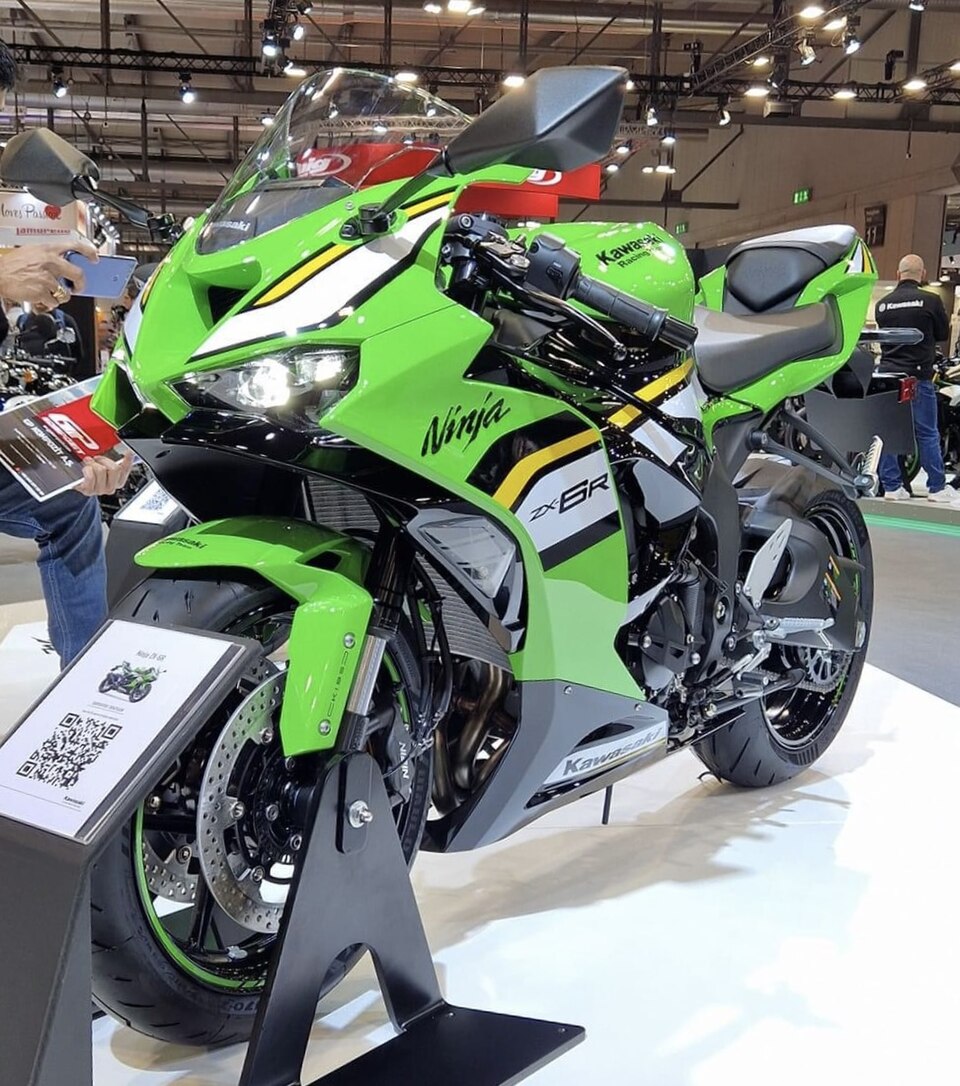
Kawasaki Ninja Zx-6r
The Kawasaki Ninja Zx-6r has a top speed of 255 km/h, produces 130 hp and weighs 194 kg. Motoryk rates it 8.5/10.
Kawasaki Ninja ZX-6R został wprowadzony w 1995 roku jako motocykl supersportowy o pojemności 600 cm3, ewoluujący przez wiele generacji dzięki znaczącym przeprojektowaniom w latach 1998, 2003, 2005, 2009 i 2013. Stał się jednym z najbardziej dominujących motocykli w klasie wyścigowej Supersport o pojemności 600 cm3, znanym z wysokoobrotowego silnika inline-four i ostrego prowadzenia. ZX-6R wyróżnia się tym, że w niektórych latach modelowych (2003, 2013+) krótko przesunął się do 636 cm3, aby poprawić moment obrotowy średniego zasięgu, jednocześnie kwalifikując się do użytku ulicznego.
130 hp
Moc
70.8 Nm
Moment obrotowy
194 kg
Waga
255 km/h
Prędkość maksymalna
6.5 L/100km (approx. 15.4 km/L, typical real-world average)
Paliwo
Fair
Ciało
🔧 Service Schedule & Parts
Affiliate · we may earn| Service item | Every | Typical cost | Parts |
|---|---|---|---|
| 🛢️ Engine oil + oil filter | 6,000 km / 3,500 mi or 12 mo | $40-80 | 🛢️ Buy → ⚙️ Buy → |
| 🌬️ Air filter | 12,000 km / 7,500 mi | — | 🌬️ Buy → |
| ⚡ Spark plugs | 12,000 km / 7,500 mi | — | ⚡ Buy → |
| 🔧 Valve clearance check | 24,000 km / 15,000 mi | $200-400 | |
| 🔗 Chain & sprockets | 25000-40000 km (replace) | $150-300 | 🔗 Buy → |
| 🛑 Brake pads | 15000-30000 km | $30-60 | 🛑 Buy → |
| 💧 Brake fluid | 24,000 km / 15,000 mi or 2 yr | — | |
| 🧊 Coolant | 24,000 km / 15,000 mi | — | |
| 🛞 Tires | 10000-20000 km | $200-400 | 🛞 Buy → |
| 🔩 Major service | 24,000 km / 15,000 mi | $300-600 |
Video Review
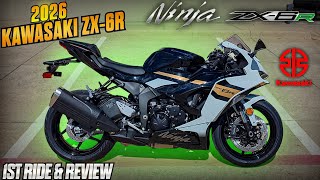
Co kupujący powinni wiedzieć
Strong Resale Value
The ZX-6R holds its value exceptionally well compared to competitors, often retaining 70-80% of its value after two years. Its strong brand reputation and consistent demand keep used prices stable.
Watch the Radiator
Used ZX-6Rs commonly show radiator damage from track use or minor drops, which can lead to overheating. Always inspect for bent fins, leaks, or evidence of coolant loss before buying.
636cc Displacement Advantage
Unlike most 600cc supersports, the ZX-6R uses a 636cc engine, giving it noticeably more mid-range torque and street rideability. This makes it more forgiving and versatile for everyday riding without sacrificing track capability.
Recenzja używanego kupującego
"A serious bike demanding a serious rider, but absolutely worth it."
$5,500-$9,500 usedThe ZX-6R is a scalpel, not a sledgehammer — and that's exactly what makes it both brilliant and unforgiving. On the used market, you're getting a genuinely race-bred 636cc inline-four that pulls hard from around 8,000rpm and absolutely screams past 12,000. It's focused, physical, and rewards riders who've put in their time on a middleweight before stepping up. Street riding below 6,000rpm feels a little flat, but crack the throttle open and you'll immediately understand why this thing has a cult following. Buying used, the main things to watch for are crashed fairings (these get dropped at track days regularly), worn rear tires hiding a thrashed chain and sprockets, and fork seals that tend to weep on higher-mileage examples. Service history matters here — the valve clearance checks at 15,000 miles aren't cheap if they've been skipped. Avoid anything that's been modified without paperwork. The 2013-2018 generation is the sweet spot: refined electronics without the eye-watering depreciation of newer models.
Variants of the Kawasaki Ninja Zx-6r
Same bike, different trim or year-range — pick the one matching the listing.
Top 10 Accessories
Curated picks for the Kawasaki Ninja Zx-6r — owned, ridden, recommended.


Typowe problemy
🔥 2 CRITICALCheck battery voltage at idle, look for burn marks
Listen for rough idle, test throttle response at warmup
Inspect frame sliders, fairings, forks for bends
Look under bike for coolant stains, check reservoir level
✅Lista kontrolna przed zakupem
Reliable sportbike if not abused or crashed
Full Specifications
Rivals & Alternatives
Bikes that buyers cross-shop with the Kawasaki Ninja Zx-6r
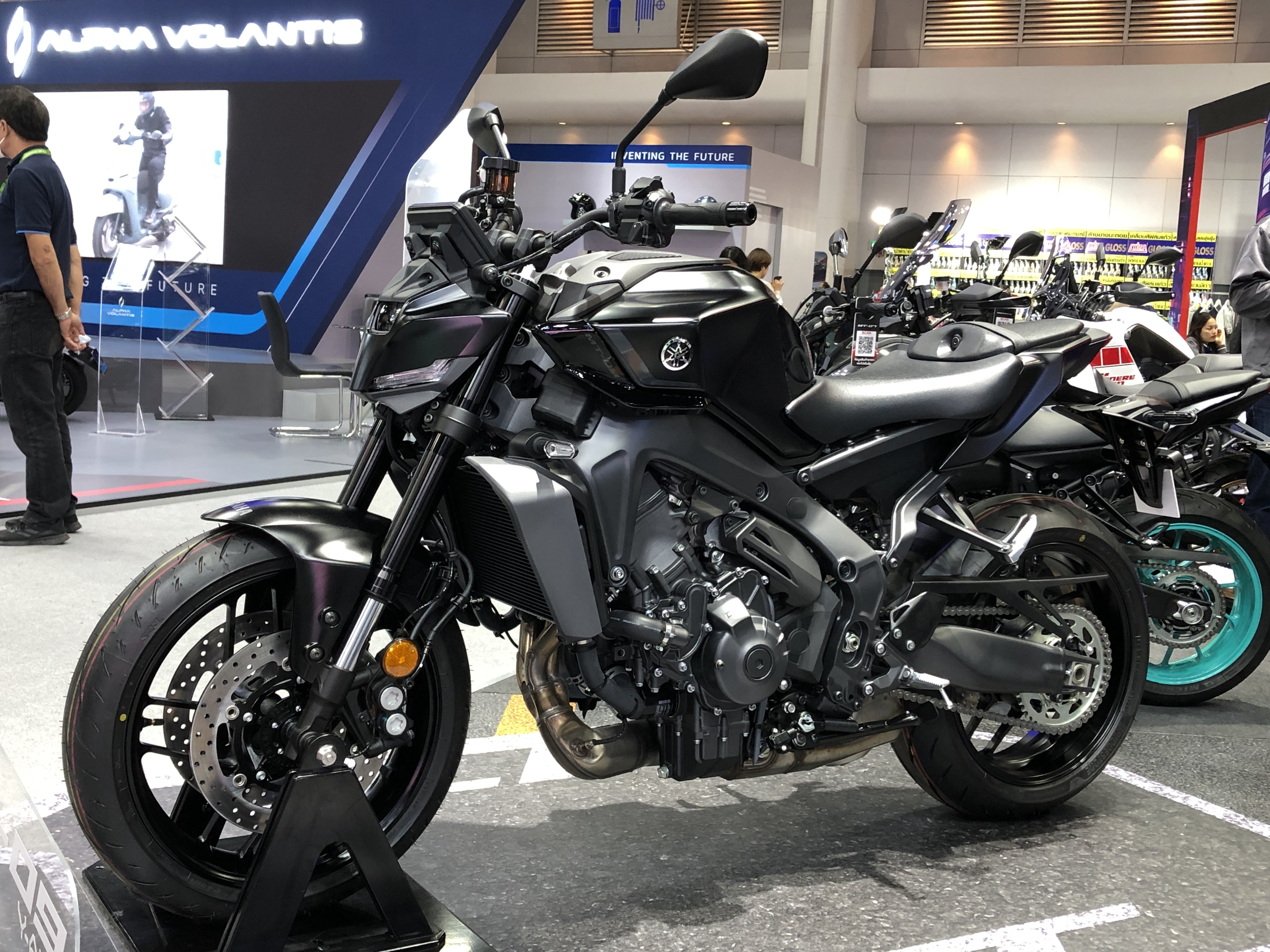
Honda Cbr600rr
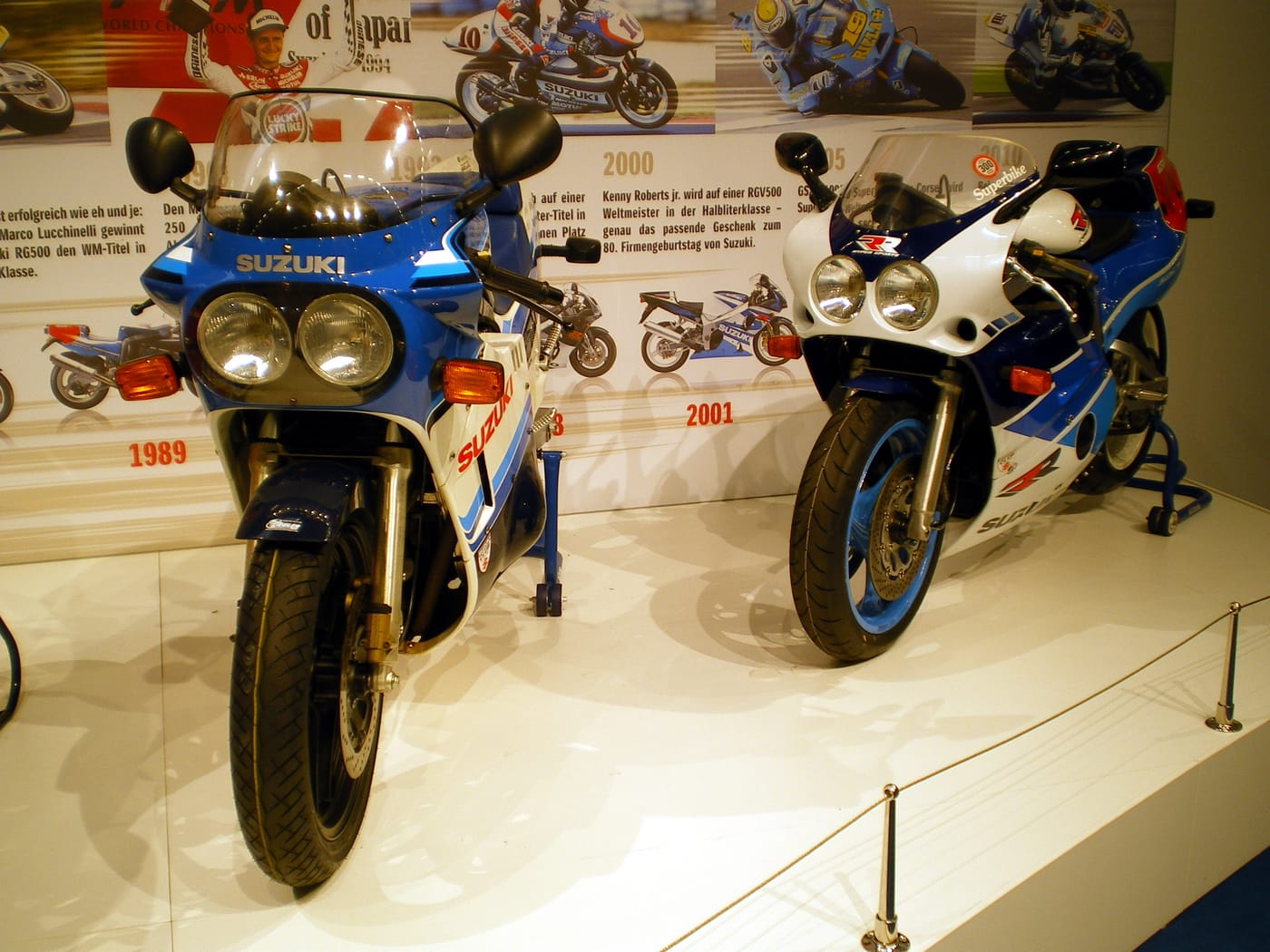
Suzuki Gsx-r600
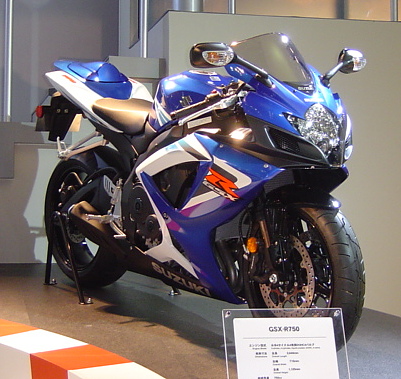
Suzuki Gsx-r750
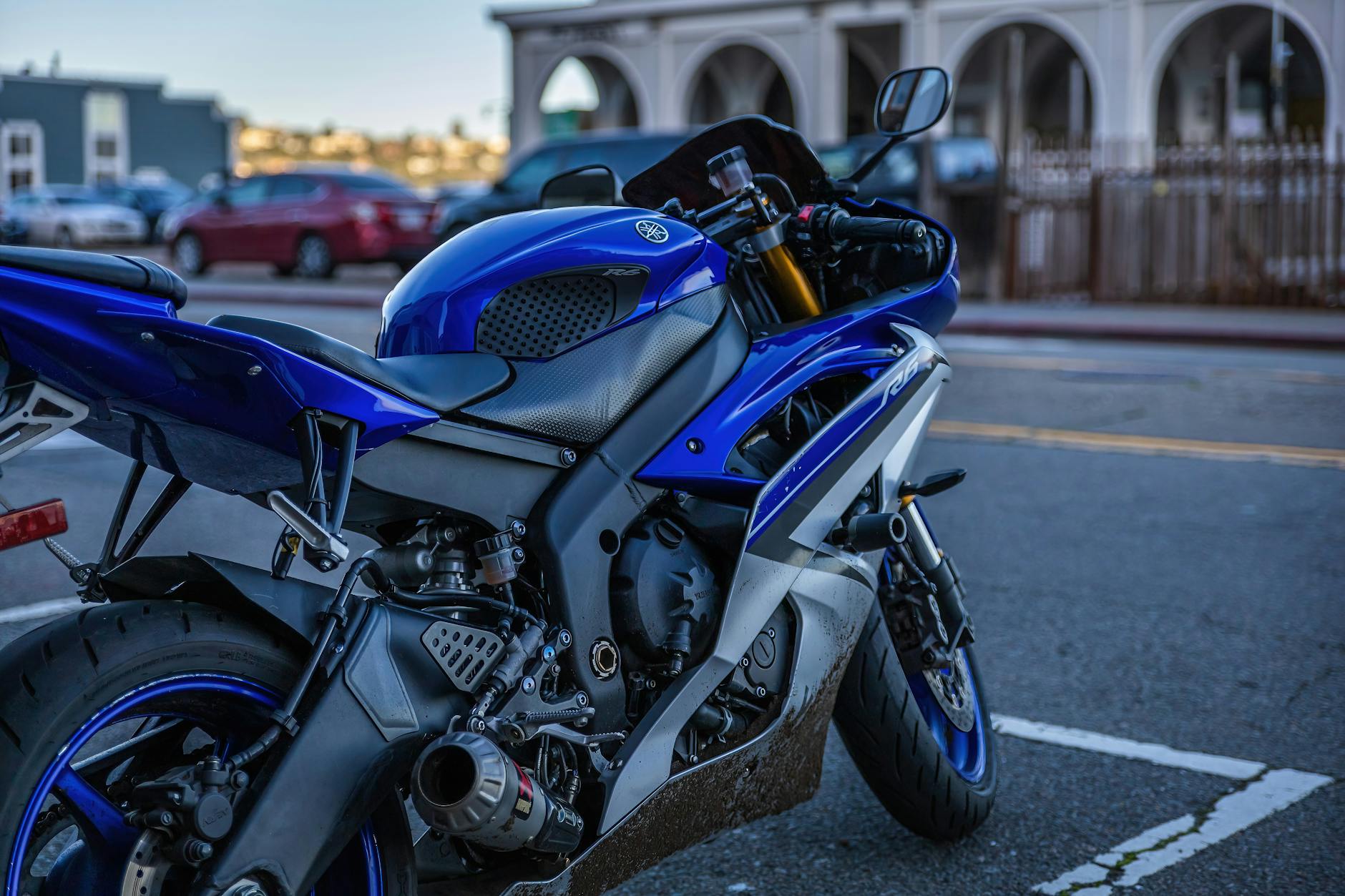
Yamaha Yzf-r6
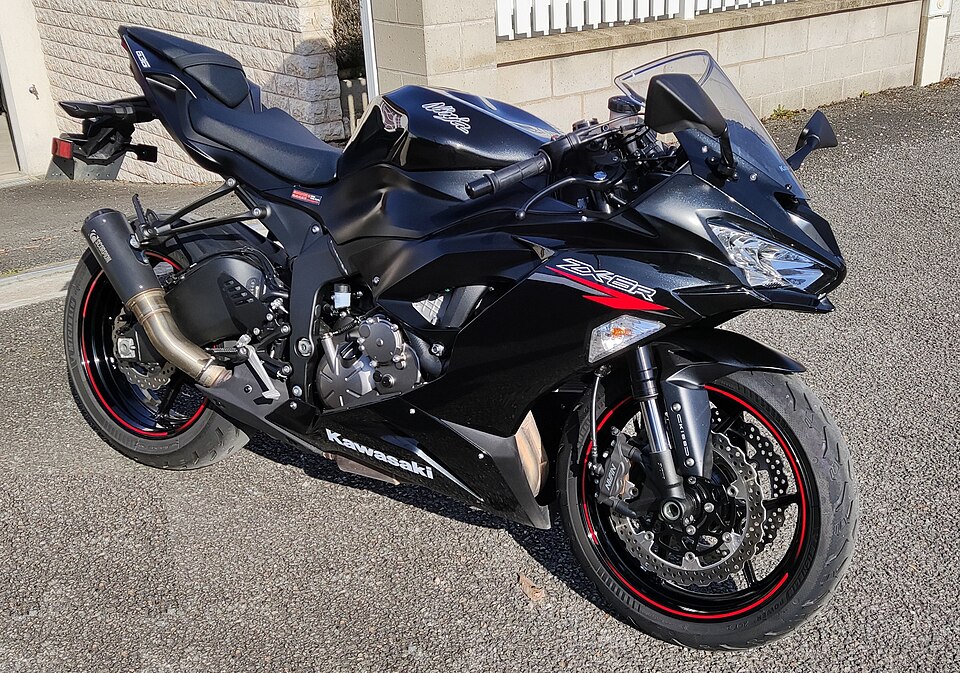
Kawasaki Ninja Zx-6r 636
Compare Kawasaki Ninja Zx-6r Side-by-Side
compare_arrowsSpecs, power, weight & buyer verdict — head-to-head with the bikes most often cross-shopped.
Kawasaki Ninja Zx-6r vs Honda Cbr600rr
Specs · Power · Buyer verdict
Kawasaki Ninja Zx-6r vs Suzuki Gsx-r600
Specs · Power · Buyer verdict
Kawasaki Ninja Zx-6r vs Suzuki Gsx-r750
Specs · Power · Buyer verdict
Kawasaki Ninja Zx-6r vs Yamaha Yzf-r6
Specs · Power · Buyer verdict
Kawasaki Ninja Zx-6r vs Kawasaki Ninja Zx-6r 636
Specs · Power · Buyer verdict
More Kawasaki Ninja Zx-6r Guides
More from Kawasaki
View all Kawasaki models →Community Reviews
Discussion
Frequently Asked Questions
What are common problems with the Kawasaki Ninja Zx-6r? +
Rectifier/regulator failure causing charging issues: Check battery voltage at idle, look for burn marks (serious) | Throttle body sync and idle surging: Listen for rough idle, test throttle response at warmup (moderate) | Crash damage from track or aggressive riding: Inspect frame sliders, fairings, forks for bends (serious)
Is the Kawasaki Ninja Zx-6r a good motorcycle? +
A serious bike demanding a serious rider, but absolutely worth it. Rating: 8.5/10. Best for: Experienced riders wanting affordable track-capable performance. Avoid if: You're new to supersports or hate commuting.
What is the horsepower of the Kawasaki Ninja Zx-6r? +
The Kawasaki Ninja Zx-6r produces 130 hp @ 13,500 rpm, with 70.8 Nm @ 11,000 rpm of torque. Top speed: 255 km/h.
Is the Kawasaki Ninja Zx-6r good for beginners? +
Not really — the Kawasaki Ninja Zx-6r is better for experienced riders (130 hp can be intimidating). Experienced riders wanting affordable track-capable performance Avoid if: You're new to supersports or hate commuting
Is the Kawasaki Ninja Zx-6r reliable? +
Owners report 2 critical issues to watch for on the Kawasaki Ninja Zx-6r, notably: Rectifier/regulator failure causing charging issues (Check battery voltage at idle, look for burn marks). Buy with a pre-purchase inspection.
Is the Kawasaki Ninja Zx-6r good for daily use? +
Experienced riders wanting affordable track-capable performance Fuel: 6.5 L/100km (approx. 15.4 km/L, typical real-world average).
How fast is the Kawasaki Ninja Zx-6r? +
The Kawasaki Ninja Zx-6r reaches a top speed of 255 km/h, producing 130 hp at 194 kg curb weight. Real-world performance depends on rider weight, gearing, and road conditions.
What gear should I buy for a Kawasaki Ninja Zx-6r? +
Motoryk has curated a Top 10 gear list specifically for the Kawasaki Ninja Zx-6r, covering engine oil, tires, chain, battery, and brake pads — see motoryk.com/bikes/kawasaki/ninja-zx-6r/top10. Each pick is matched to this bike's spec.